-
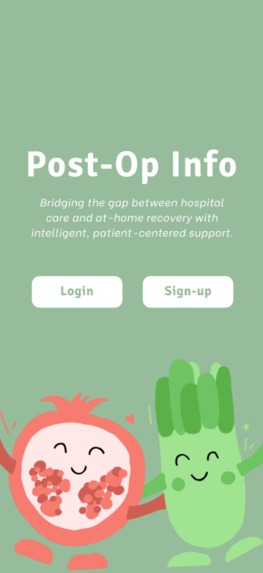
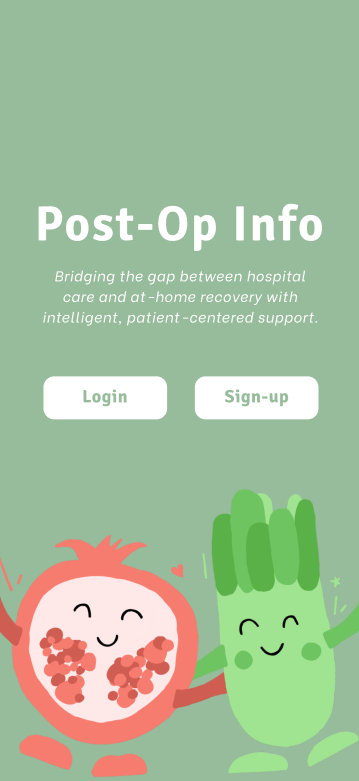
Landing Page
-
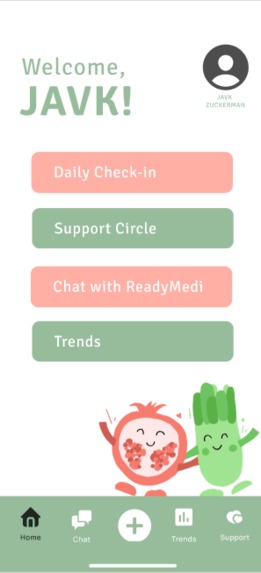
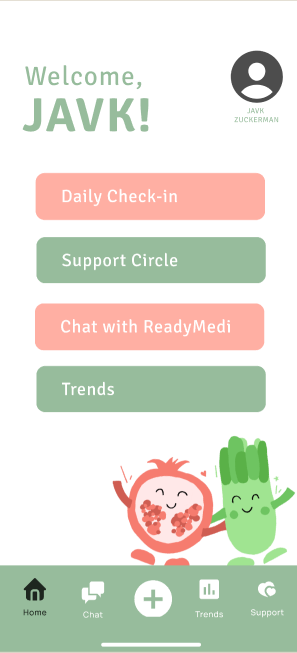
Home Page
-
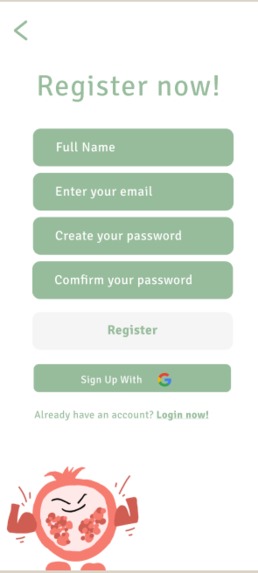
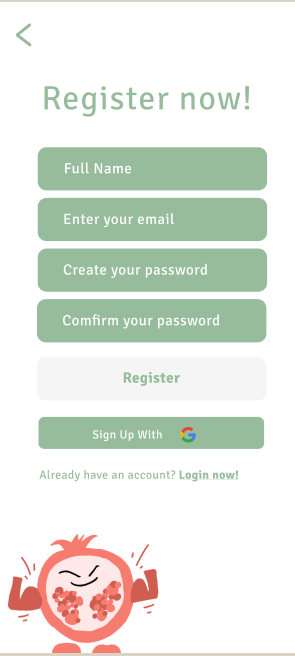
Register
-
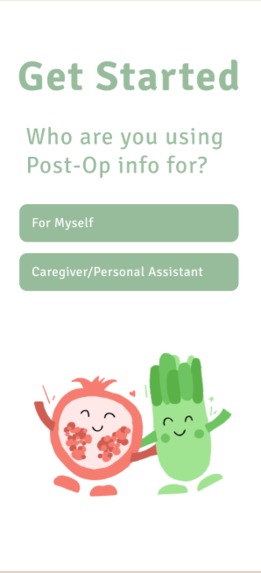
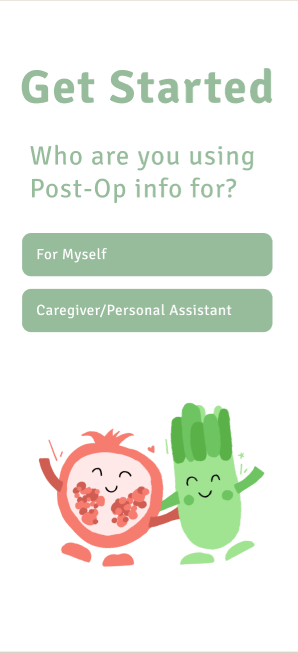
Onboarding 1
-
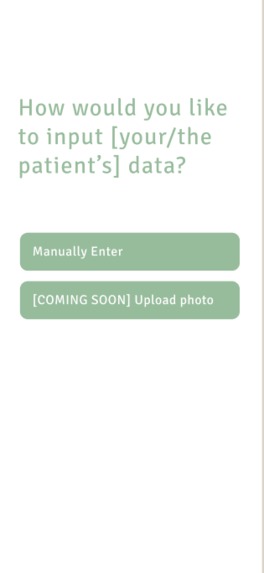
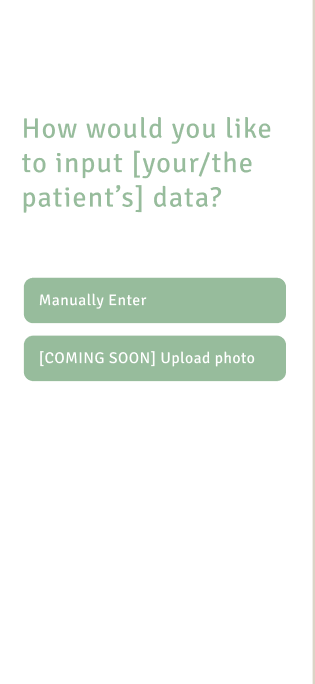
Onboarding 2
-
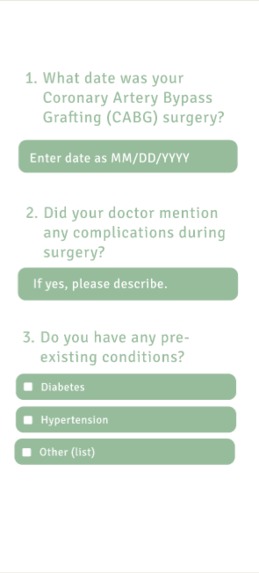
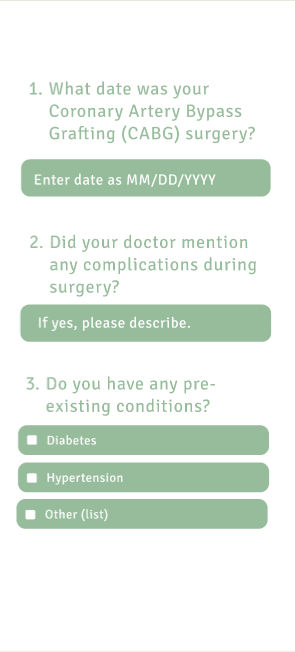
Onboarding 3
-
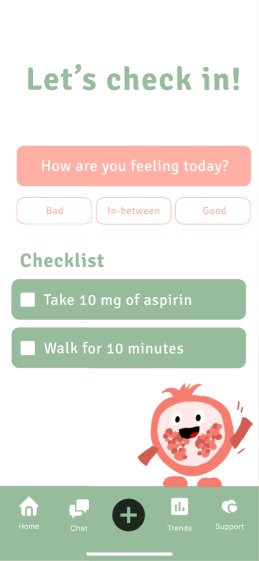
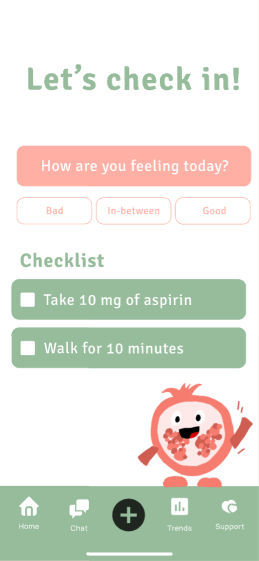
Daily Check-in
-
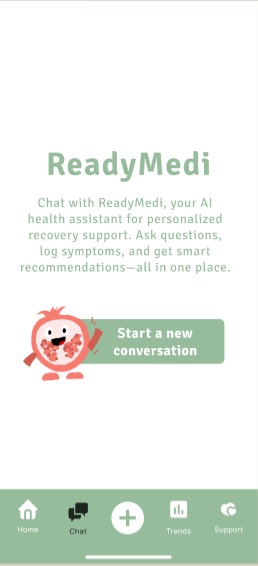
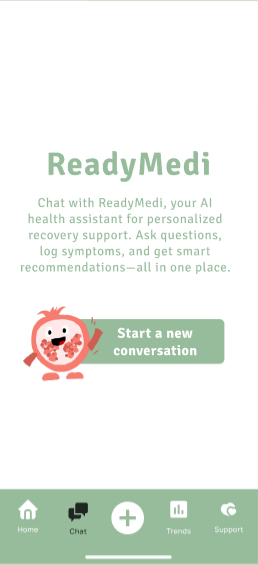
Chat with AI
-
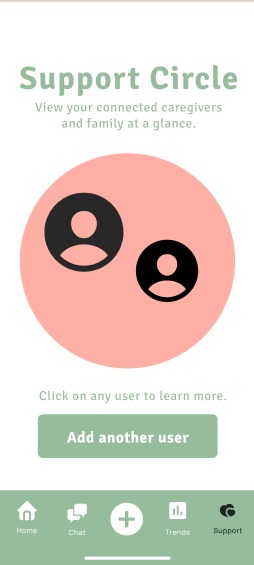
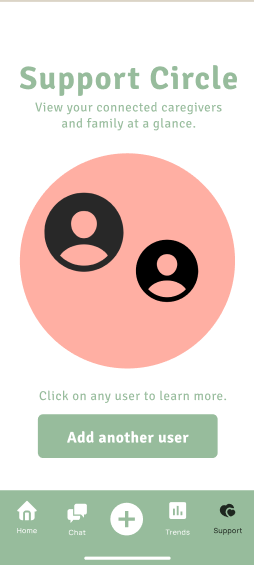
Support Circle
-
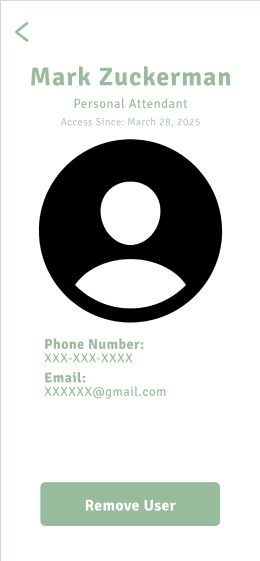
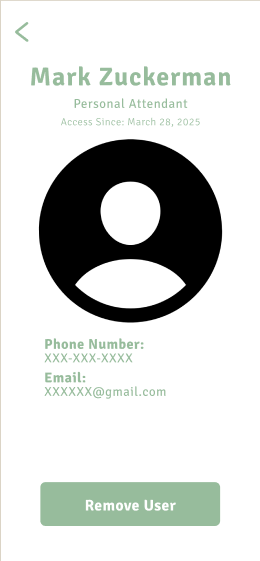
Support Circle - Caregiver Info
Inspiration
The inspiration behind Post-Op Info comes from a shared commitment to improving post-surgical recovery. We’ve seen firsthand the challenges patients face after discharge—from keeping up with medications to recognizing early signs of complications. These struggles can lead to preventable readmissions, delayed healing, and unnecessary stress. We aimed to create a solution that empowers patients to take control of their recovery while providing peace of mind through personalized support.
What it does
Post-Op Info is designed to support patients recovering from surgery, specifically those who have undergone Coronary Artery Bypass Grafting (CABG). By considering each patient’s specific surgery details, the app provides personalized daily health check-ins, medication and specific instruction reminders, and alerts for potential concerns during recovery. It also allows caregivers to assist with tracking and inputting data, ensuring patients stay on track and receive the support they need for a smoother recovery.
Video link: https://www.loom.com/share/dccc9997c9d9499288a5cdb1d32a1624?sid=f5373925-b21d-463a-be2b-d00e23f2b5e7
How we built it
We built Post-Op Info using a tech stack that includes TypeScript, React Native, and JavaScript, with Expo for development and Figma for UI/UX design. The backend enables symptom tracking to support patient recovery monitoring. Our development process focused on creating a user-friendly experience and seamless integration for both patients and caregivers while ensuring scalability for future enhancements, such as voice-to-text capabilities, AI-powered features, VR integration, and support for additional surgical procedures.
Challenges We Ran Into
Our biggest challenge was working with Expo for the first time, which came with a lot of technical difficulties. These issues prevented us from implementing some of the features we originally envisioned. Additionally, we aimed to make the app accessible both as a mobile app and a web platform, but Expo’s limitations made it difficult to achieve seamless web functionality.
Another major challenge was designing a smooth way to integrate discharge instructions into the app. Since each patient’s post-surgery care varies based on their condition and procedure, standardizing these instructions while keeping them easy to follow was a complex task. We also hoped to include a feature where patients could take a picture of their discharge instructions, and the app would automatically extract the relevant information. Unfortunately, this wasn’t feasible within our time frame and due to limitations in our background knowledge.
We also faced hurdles with implementing voice-to-text input, which we felt would make it significantly easier for patients to log symptoms without manual entry. Unfortunately, we couldn't incorporate this feature due to time and technical constraints. Similarly, we wanted to leverage AI-powered symptom tracking and recommendations, but we encountered issues using Gemini’s API, which prevented us from fully integrating AI-driven analysis.
Lastly, we initially planned to use Firebase for user authentication but were unable to move forward with it due to technical limitations. Despite these challenges, we focused on building a user-friendly, scalable foundation that can support future improvements and additional features.
Accomplishments We're Proud Of
While we encountered challenges during development, we are incredibly proud of how the app turned out, both in terms of functionality and design. We learned a lot through the process, including how to work with Expo for the first time and how to attempt integrating new technologies like Gemini and Firebase. Although the voice-to-text feature and AI-powered symptom analysis weren’t fully realized, we’re proud of the effort we put into exploring these innovative tools.
Most importantly, we believe our idea has great potential to make a positive impact on patients' recovery journeys. The collaborative nature of the app, which allows both patients and caregivers to be actively involved, is something we're particularly proud of. We’re excited about the potential of this app to support patients in their recovery and look forward to future improvements and features.
What We Learned
Throughout this project, we learned that while it’s great to be ambitious, it’s also crucial to assess what’s feasible within our time frame and ensure the features are digestible for users, particularly for an older audience or those recovering from surgery. We discovered that balancing technological innovation with simplicity is key to creating an intuitive user experience.
Additionally, it's essential to focus on executing them effectively and making sure the app's core functionality is solid before expanding to more complex features. We also realized that we decided on our idea a bit late in the process, which made it harder to fully implement all our envisioned features.
What's Next for Post-Op Info
Moving forward, we plan to expand the app’s capabilities to support more types of surgeries beyond just CABG. We also aim to integrate with hospital portals like Epic and MyChart, creating a seamless experience for both patients and healthcare providers. Future features may include AI-powered support for symptom analysis and recovery recommendations, as well as calendar integrations for better tracking of appointments and medication schedules.
We also hope to incorporate voice-to-chat functionality to make it even easier for patients to interact with the app and log their progress. Another key feature we want to implement is the ability to take pictures of discharge instructions, allowing the app to extract and track important information automatically.
Ultimately, our goal is to enhance the recovery process by empowering patients with the tools and support they need to stay on track, making recovery easier, more efficient, and more personalized.


Log in or sign up for Devpost to join the conversation.