-
-
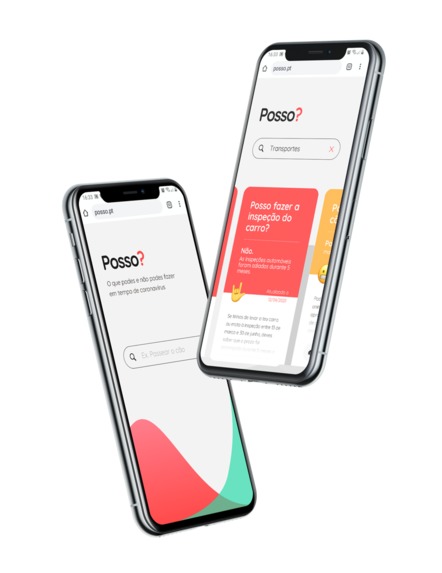
Can I? prototype
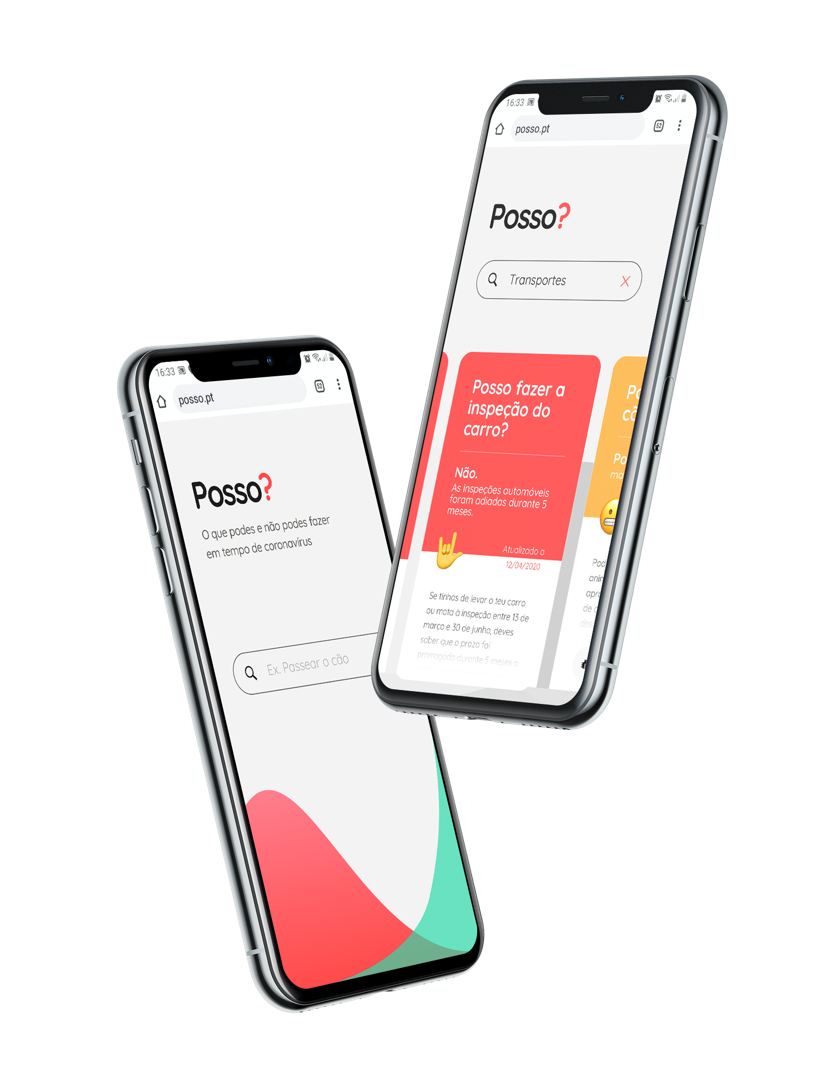
Why we've created Can I?
It is well known we're fighting an infodemic as well as a pandemic.
From the very beginning, we've been swamped with a huge amount of information, news and updates about Covid-19. But more information doesn't make us more informed.
Actually, we’ve noticed that people appeared to have increased doubts about Coronavirus related information and measures. Moreover, we saw the spread of dangerous rumours and fake news.
But the thing is: when I’m looking for specific information, I still need to look into government statements or long and generic journalistic texts. It’s an old-fashioned approach to information consumption. It seems that nobody is taking advantage of the existing technology to deliver personalized content.
That’s why we decided to create a platform to clarify those doubts in a very simple and personalised way and to debunk fake news about Coronavirus.
What it does
Can I? is a really simple web app where users can ask questions regarding local-related Covid-19 impacts and measures, including:
- Public and personal health
- Quarantine restrictions
- School
- Working
- Benefits and pensions
Instead of diving into general information, people get direct and simple answers to their specific questions.
Plus, users can get alerts by push notification and e-mail when changes occur in questions they have opted in. This is particularly useful once restrictions start lifting.
For now, the Can I? prototype is only available in Portuguese in the following link www.posso.pt. We already have hundreds of questions answered in our database but they are all in Portuguese. Here are a few suggestions for you to try on.
- "Posso ir correr" - Can I go for a run?
- "Posso renovar o cartão do cidadão" - Can I renew my ID?
- "Estou em isolamento. Posso receber pessoas em casa" - I'm in quarantine. Can I receive guests?
- "É seguro receber uma encomenda da China" - Is it safe to receive an order from China?
How we built it
We've used Webflow, ReactJS, TypeScript, Lunr and Directus to build our platform.
After creating the platform, we’ve answered hundreds of questions relying only on official sources, such as WHO and governmental documents. We cite and link to the sources we use in every answer.
What's next for Can I?
We’ve launched a prototype of our platform in Portugal - where it is called “Posso?” (meaning “Can I?”) - three weeks ago and already reached thousands of people.
Feedback has been excellent, so we want to internationalize our platform and make it suitable for every EU state.
Here are the next steps:
1. Implement the notification system
2. Internationalize
We want Can I? to be an “Information Aggregator” and have country teams creating and updating content. That’s why content professionals will be our biggest necessity.
From user perspective: once someone enters Can I?, we’ll identify his or her location, so we can present information for that specific country.
3. Share our search statistics with policy-makers
We know which questions people are asking. Search trends driven by user needs can be very useful to understand people’s concerns and make data-driven decisions.
Progress during the weekend
Since we already had launched the first version of our platform in Portugal, this weekend we’ve been focused on creating our internationalization plan, receiving important advices from our mentor.
We’ve been also dedicated to develop the notification feature, i.e. how people will receive alerts.
Challenges we ran into
It's been very challenging to process an overwhelming amount of information every day.
Optimizing the search bar was also a deal but it’s working perfectly since we've implemented a fuzzy algorithm term matching with wildcards to improve our search engine with help of lunrJS.
We’re still working on the implementation of the alerts' system.
Accomplishments that we're proud of
We’re very proud that we already had the chance to help thousands of people who have visited our web app in Portugal. That was our first goal. Now we want to do it in an European scale.
We've also received great attention from Portuguese media which was important to promote the project. You can take a look at some examples:
- https://www.tsf.pt/portugal/sociedade/nao-sabe-o-que-pode-ou-nao-fazer-em-tempo-de-covid-19-o-possopt-responde-12063729.html
- https://www.publico.pt/2020/04/14/p3/noticia/plataforma-podes-nao-podes-tempo-covid19-1912226
- https://sicnoticias.pt/especiais/coronavirus/2020-04-13-Criada-plataforma-para-combater-desinformacao-sobre-Covid-19
After the crisis
We believe the data we are collecting regarding the questions that most concern people in a crisis will be useful in the future.
After the crisis, we still can use this model to deliver relevant content about several EU matters based on audience interests and motivations - a new and modern approach to information.
What we learned
We’ve learned how to build a platform that really is useful and user-centered.
So far, our statistics show that people are seeking specific information that meets their personal needs and looking for a reliable source of information that delivers that type of content.
Built With
- directus
- lunr
- react
- typescript
- webflow


Log in or sign up for Devpost to join the conversation.