-
-
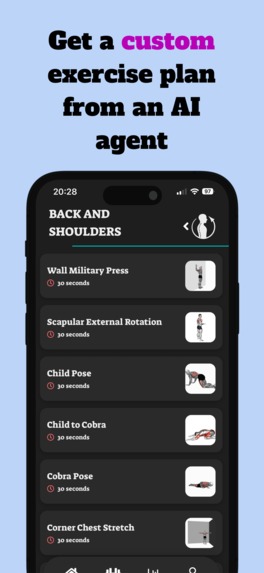
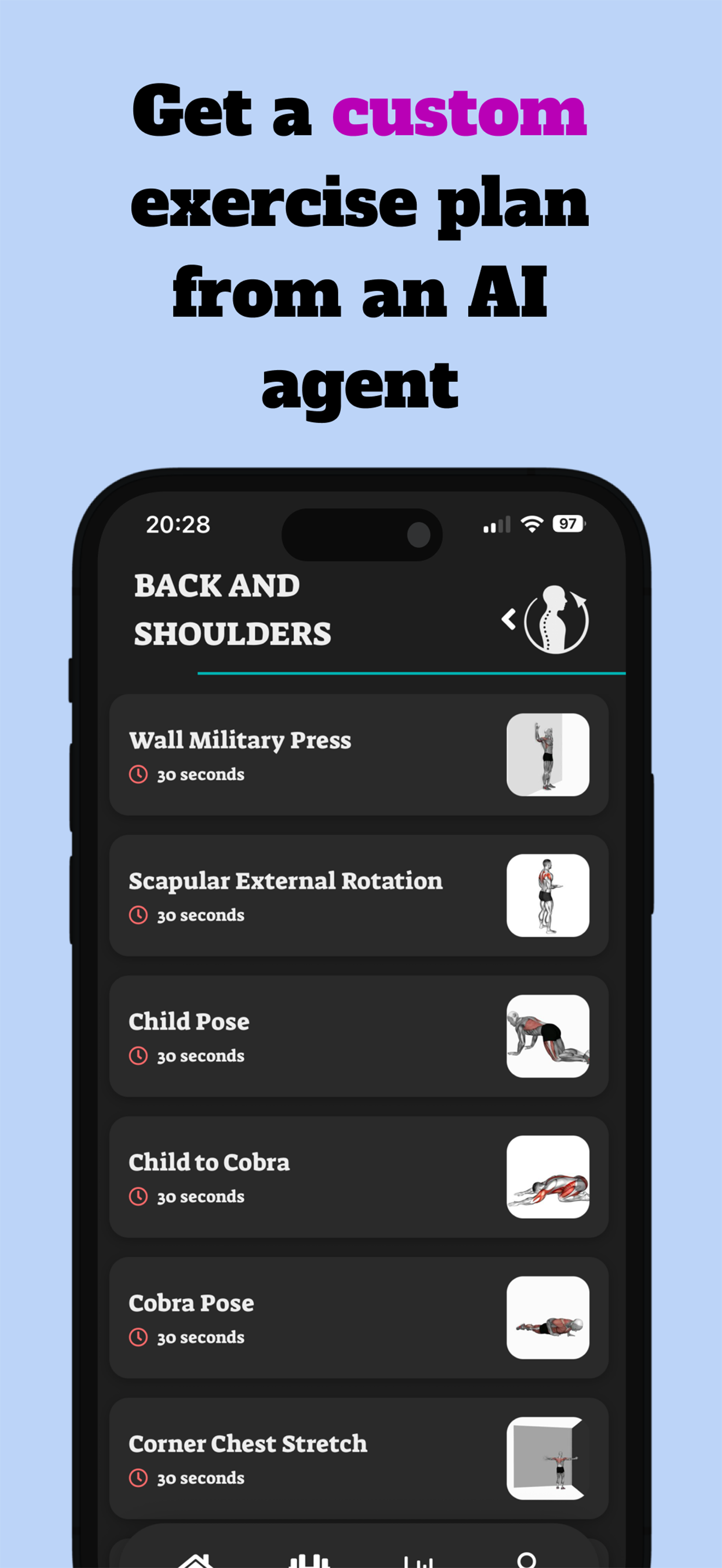
exercise plan
-
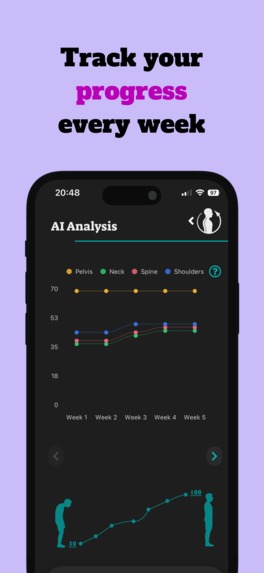
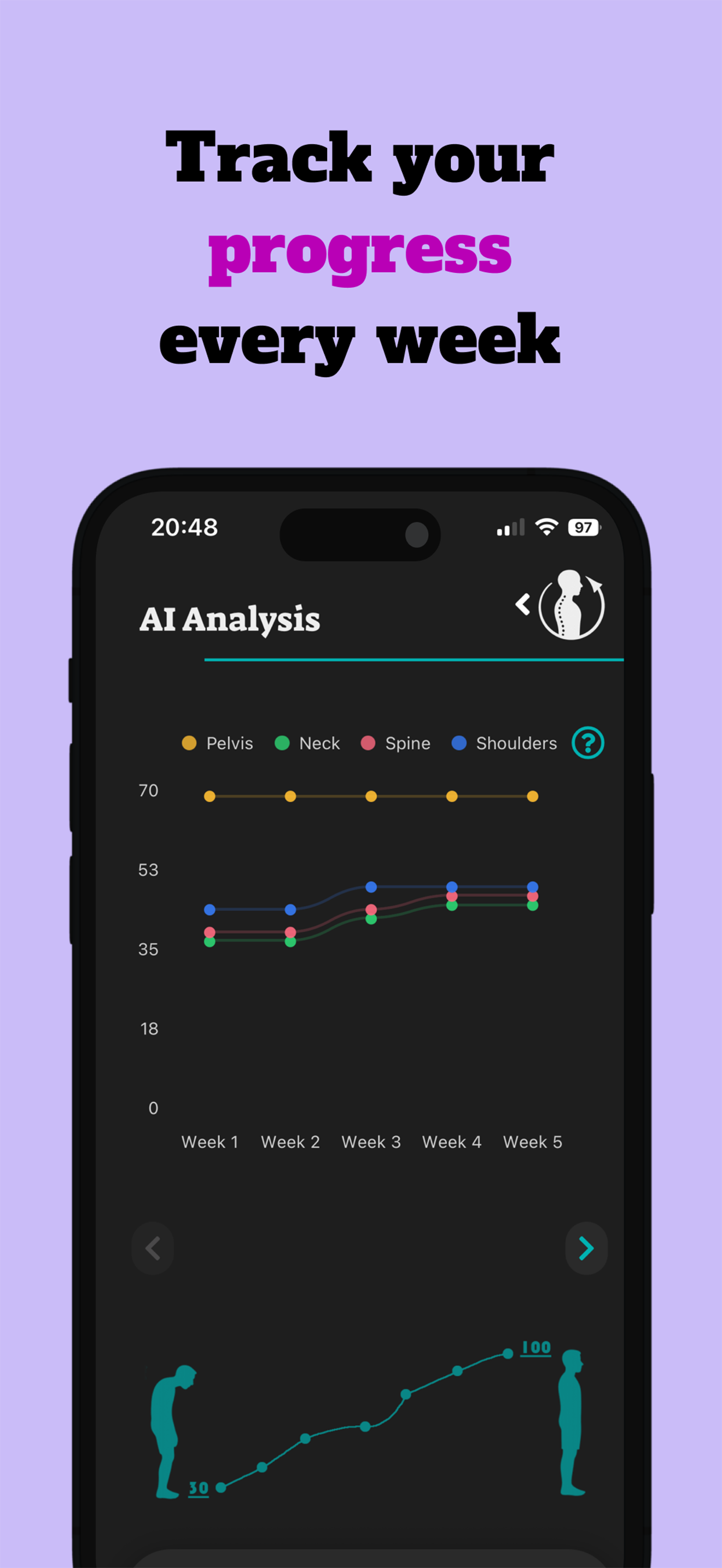
charts
-
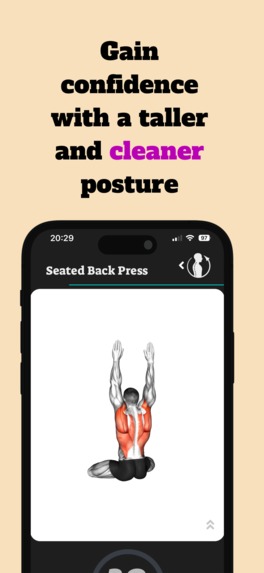
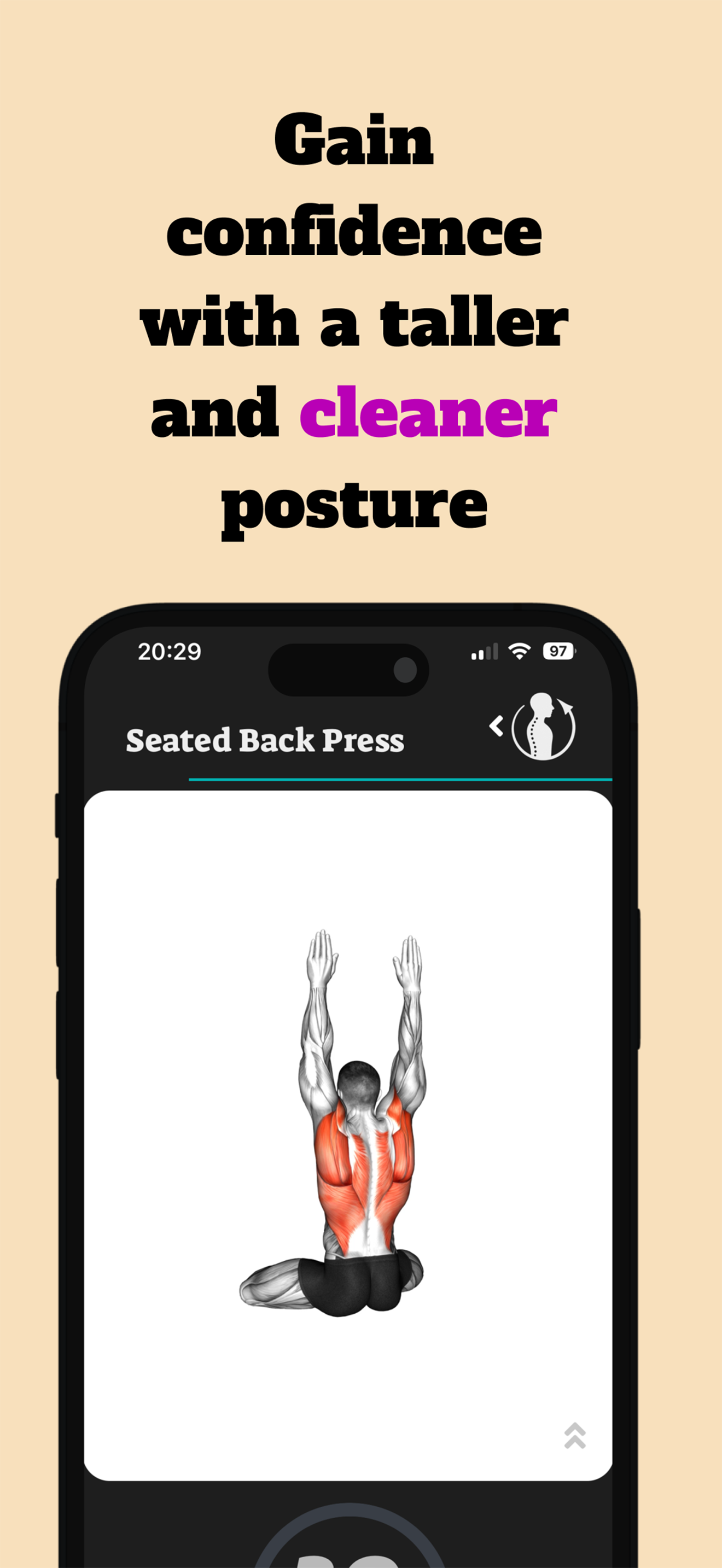
video animation
-
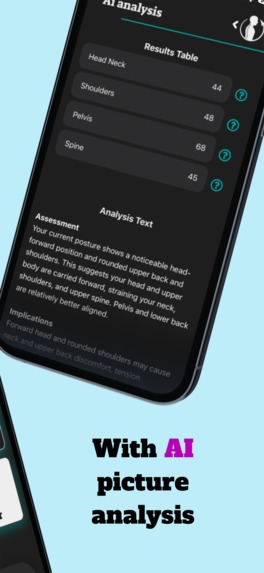
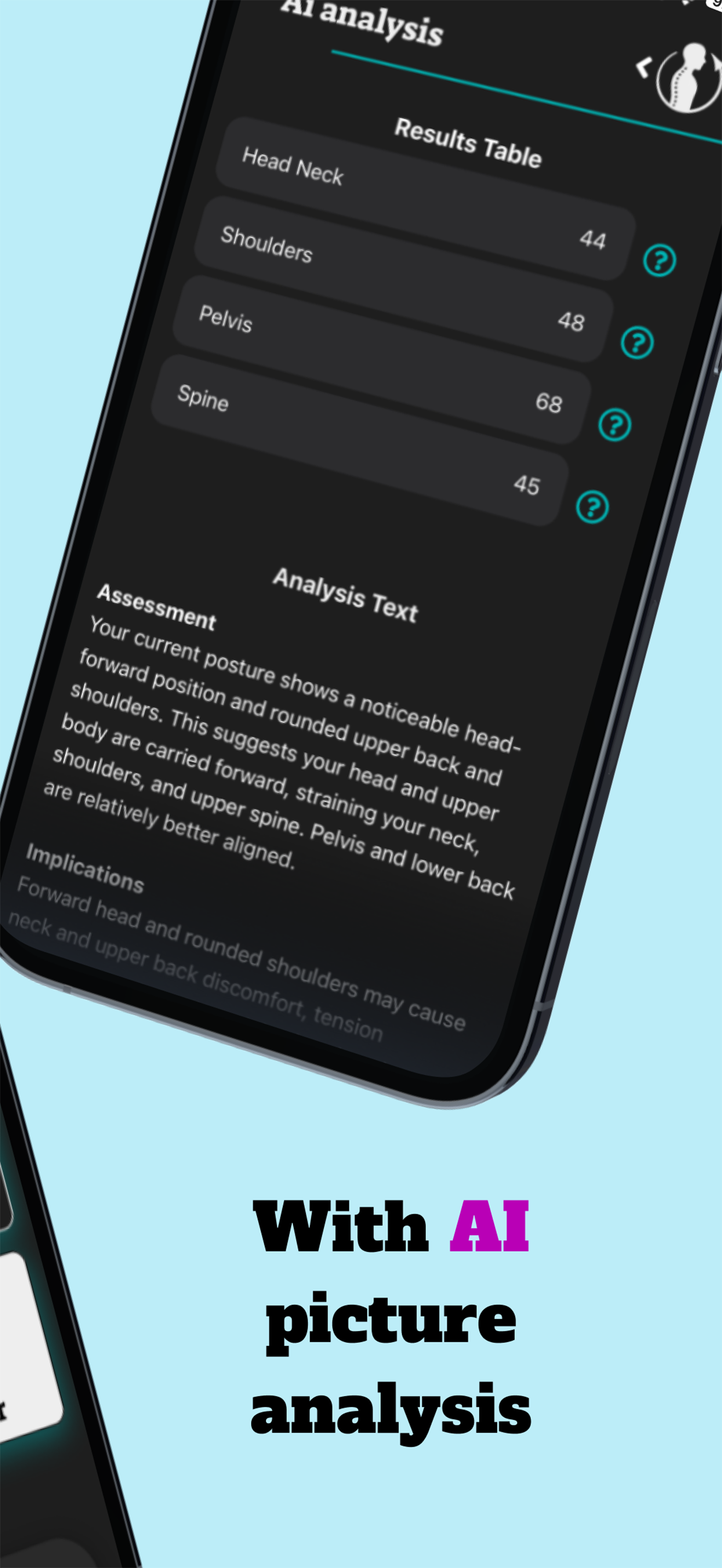
analysis page
-
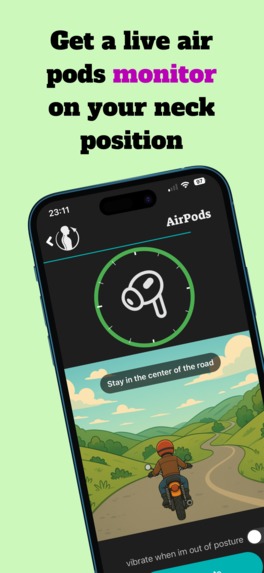
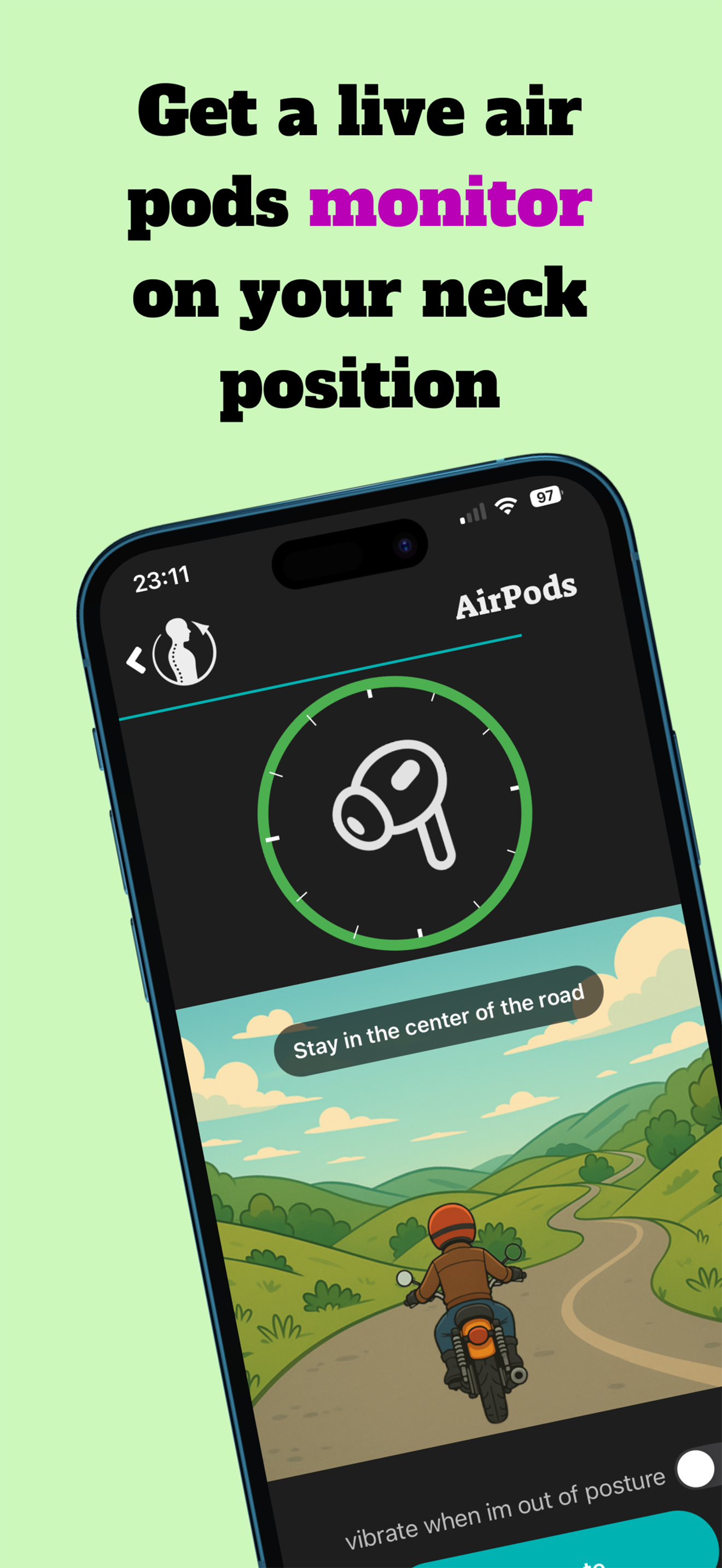
air pods head movement animation game
-
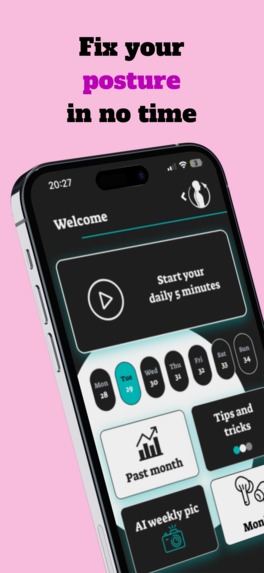
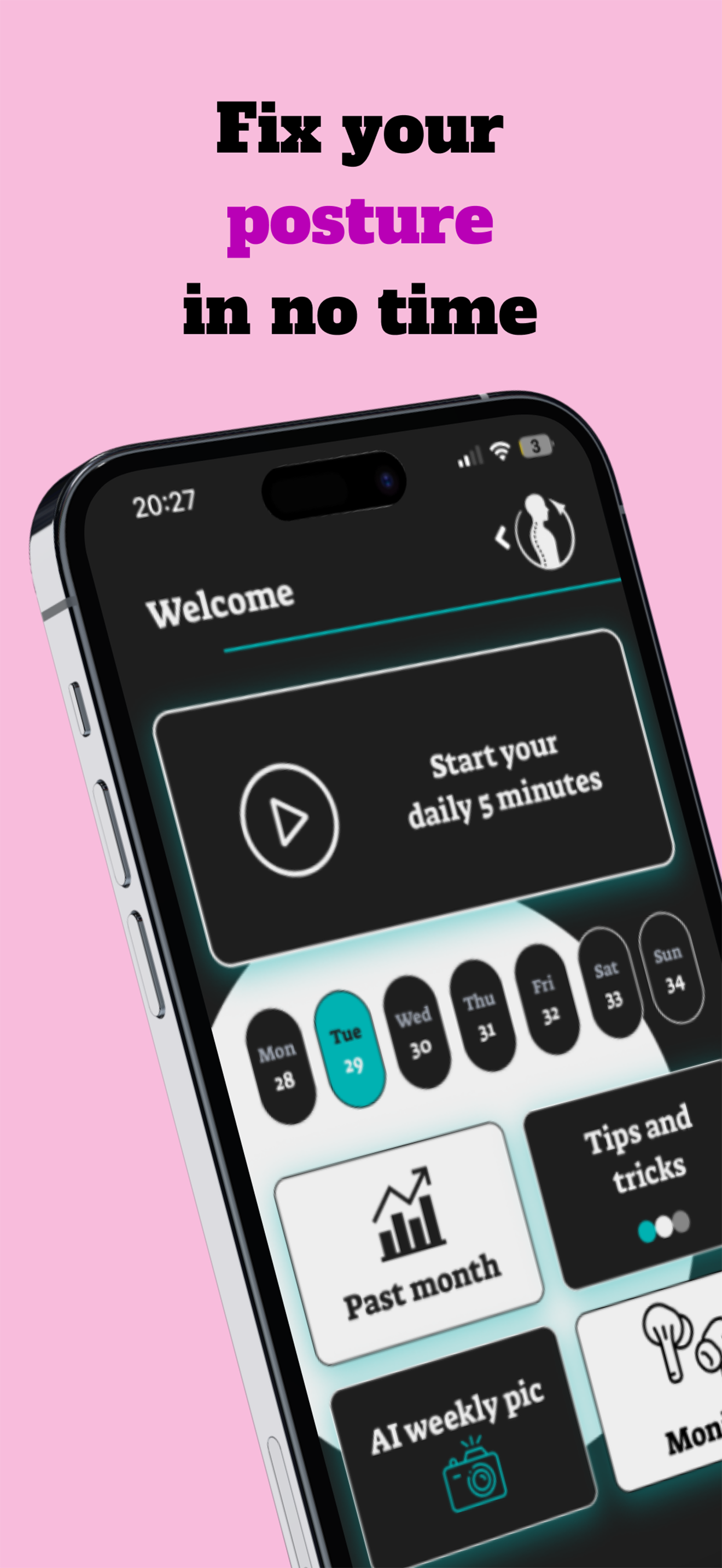
home screen
🧍♂️ Inspiration Many people struggle with poor posture due to prolonged screen time, lack of body awareness, or sedentary habits. These issues can lead to pain, reduced confidence, and long-term health problems.
We wanted to build an app that makes posture awareness easy, engaging, and accessible to anyone, with no need for expensive equipment or professional supervision.
That’s how Pospine was born: a mobile-first posture improvement experience that blends AI, gamification, and real movement feedback.
🚀 What it does Pospine helps users improve their posture using three main features:
📸 Weekly AI Posture Analysis Users take a simple side-profile photo of themselves once a week. The image is sent to an AI model that analyzes posture and detects common issues like:
Forward head posture
Rounded shoulders
Anterior pelvic tilt
The app returns visual feedback and a personalized weekly exercise plan based on the results.
🎮 Real-Time Head Tracking with AirPods Using built-in motion sensors in AirPods (or other motion-enabled headphones), Pospine tracks head position in real time.
When posture is aligned → the motorcycle stays centered. When the head drifts or tilts → the motorcycle veers off the road.
This creates a fun, interactive game that builds posture awareness through play.
🧘♂️ Weekly Training Program with Animated Videos Based on the AI analysis, users receive a weekly posture correction plan with short guided exercises. Each exercise includes a clear animated video, making it easy to follow.
Exercises are:
Targeted to your specific imbalances
Updated as you improve over time
Easy to perform anywhere
🛠️ How we built it Frontend: React Native (Expo)
Native Modules: Custom Dev Client for AirPods tracking
Backend: Cloud Run (Node.js)
AI Model: External service analyzing user posture from photos
Database: MongoDB Atlas
Subscriptions: RevenueCat
Motion Tracking: CoreMotion (iOS) for AirPods sensor data
⚠️ Challenges we ran into
AirPods Integration on iOS: Connecting to the AirPods’ motion sensors through CoreMotion required digging deep into private-level APIs, handling permission quirks, and working around iOS limitations. Access to the raw orientation data isn’t officially documented or guaranteed, so we had to experiment and reverse-engineer behavior across different AirPods models to ensure stable tracking.
Consistent Sensor Data: Even when access was established, sensor data was noisy, inconsistent, and highly sensitive to head movement. We had to apply real-time smoothing and custom filters to make the data usable for posture feedback.
App Store Review: Dealing with Apple rejections over permissions, iPad, etc.
🏆 Accomplishments that we're proud of Built a hybrid system combining AI + real-time feedback using consumer devices
Made posture training fun and engaging, not boring or clinical
Created a visually polished experience with personalized weekly plans
Got real feedback from users who felt better and more confident
📚 What we learned AirPods motion tracking is powerful — if you know how to handle it
Gamification works especially when it’s intuitive and rewarding
Clear onboarding is essential when combining AI + sensors
Apple’s app review process is strict — clarity and transparency are key
🔮 What's next for Pospine
📹 Expanded Training Library with mobility & stretching routines
🏆 Leaderboards & Challenges with friends or teams
🤖 Multi-Device Support (Android + wearables)
🩺 Therapist Dashboard for remote posture monitoring
Built With
- api
- cloudrun
- courser
- expo.io
- google-cloud
- mongodb
- node.js
- openai
- reactnative
- revenuecat

Log in or sign up for Devpost to join the conversation.