-
-
Concept Proposal
-
-
-
-
-
-
-
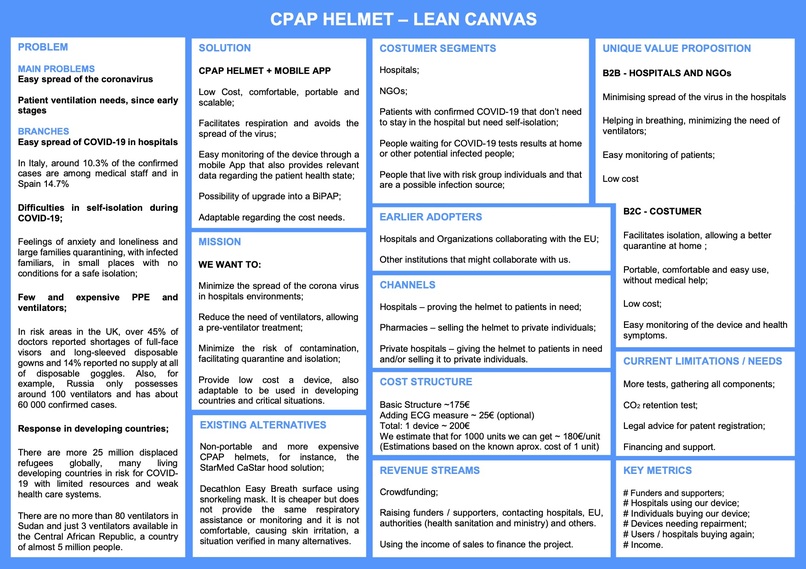
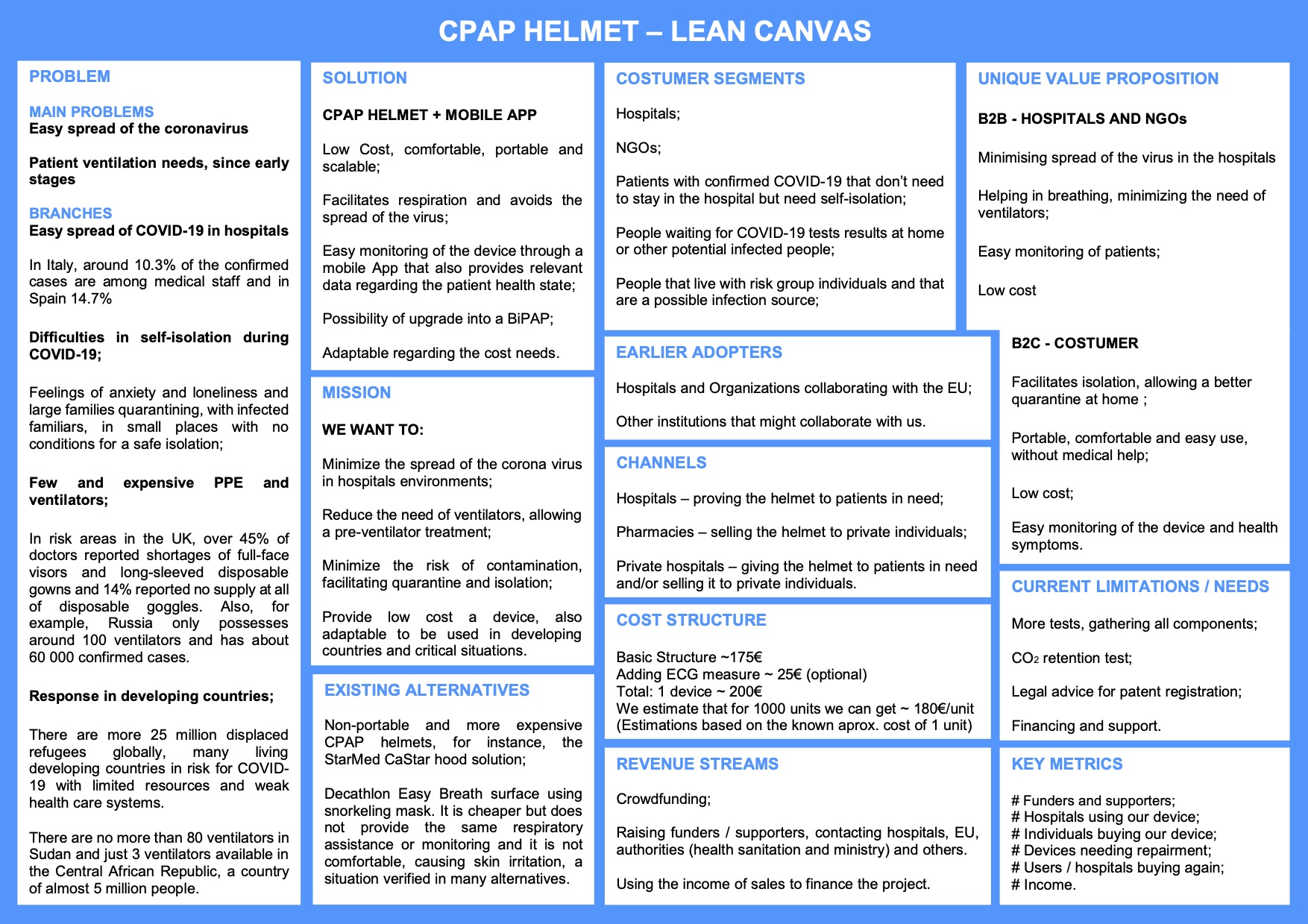
LEAN CANVAS

PPH against COVID
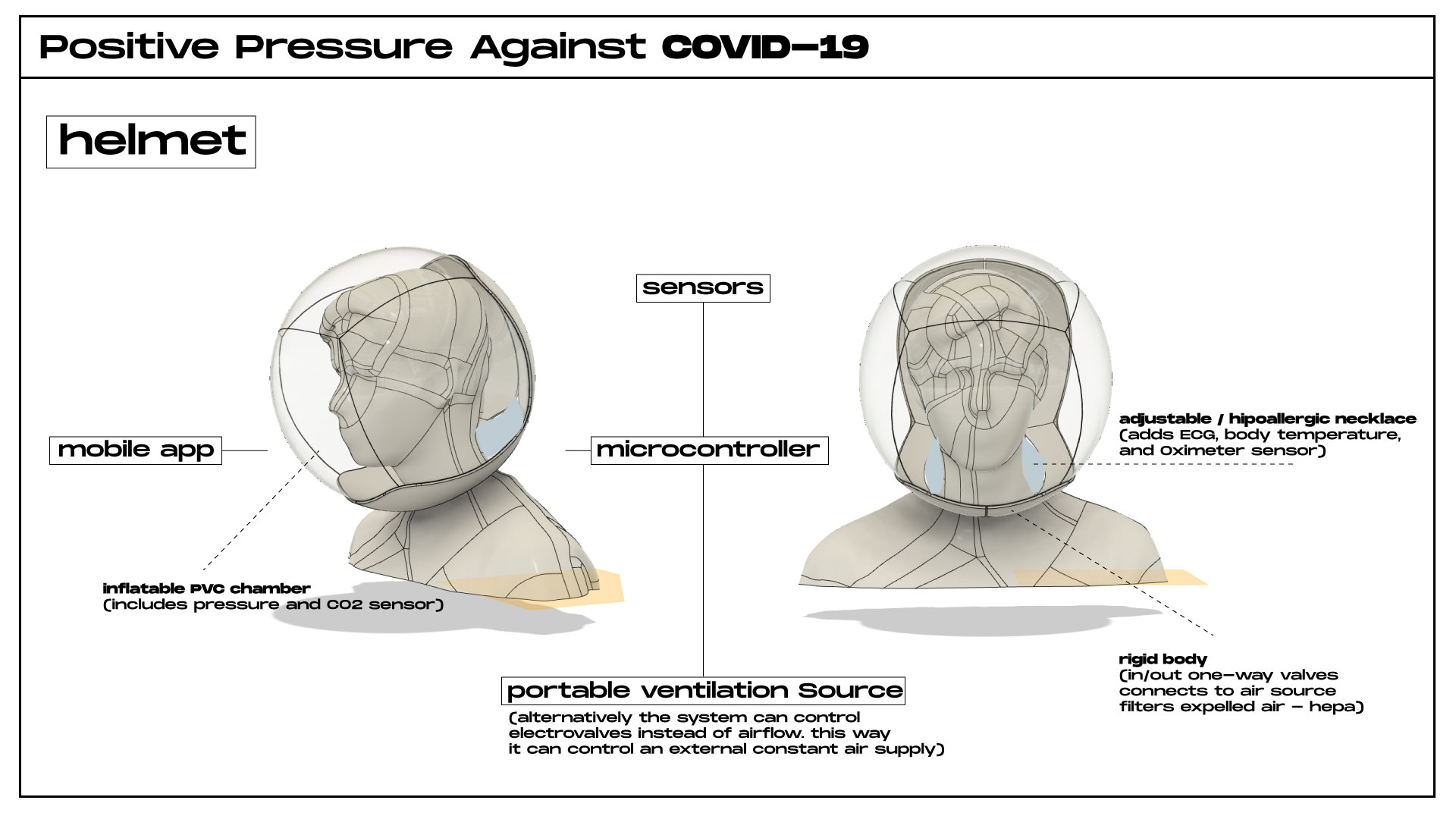
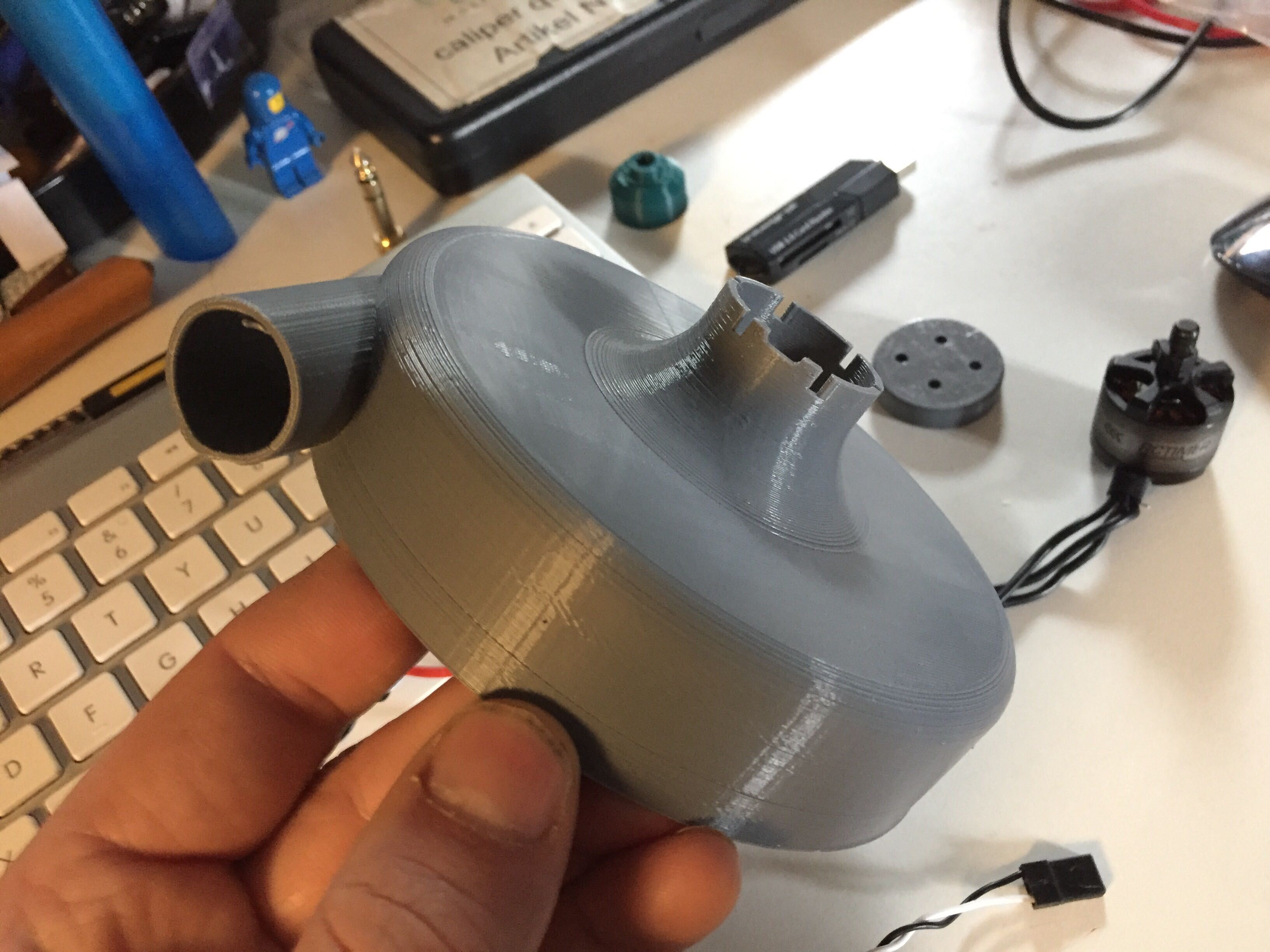
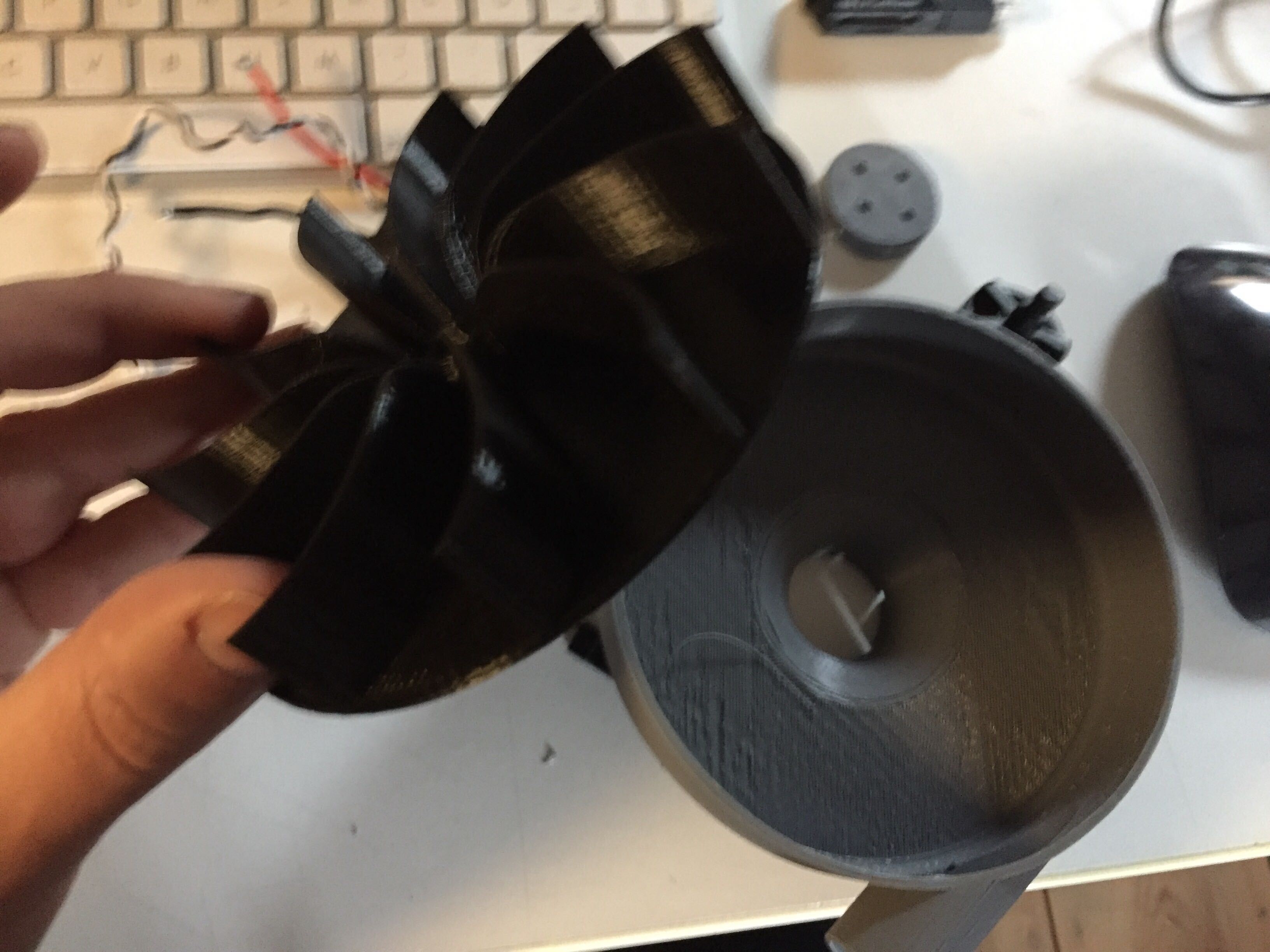
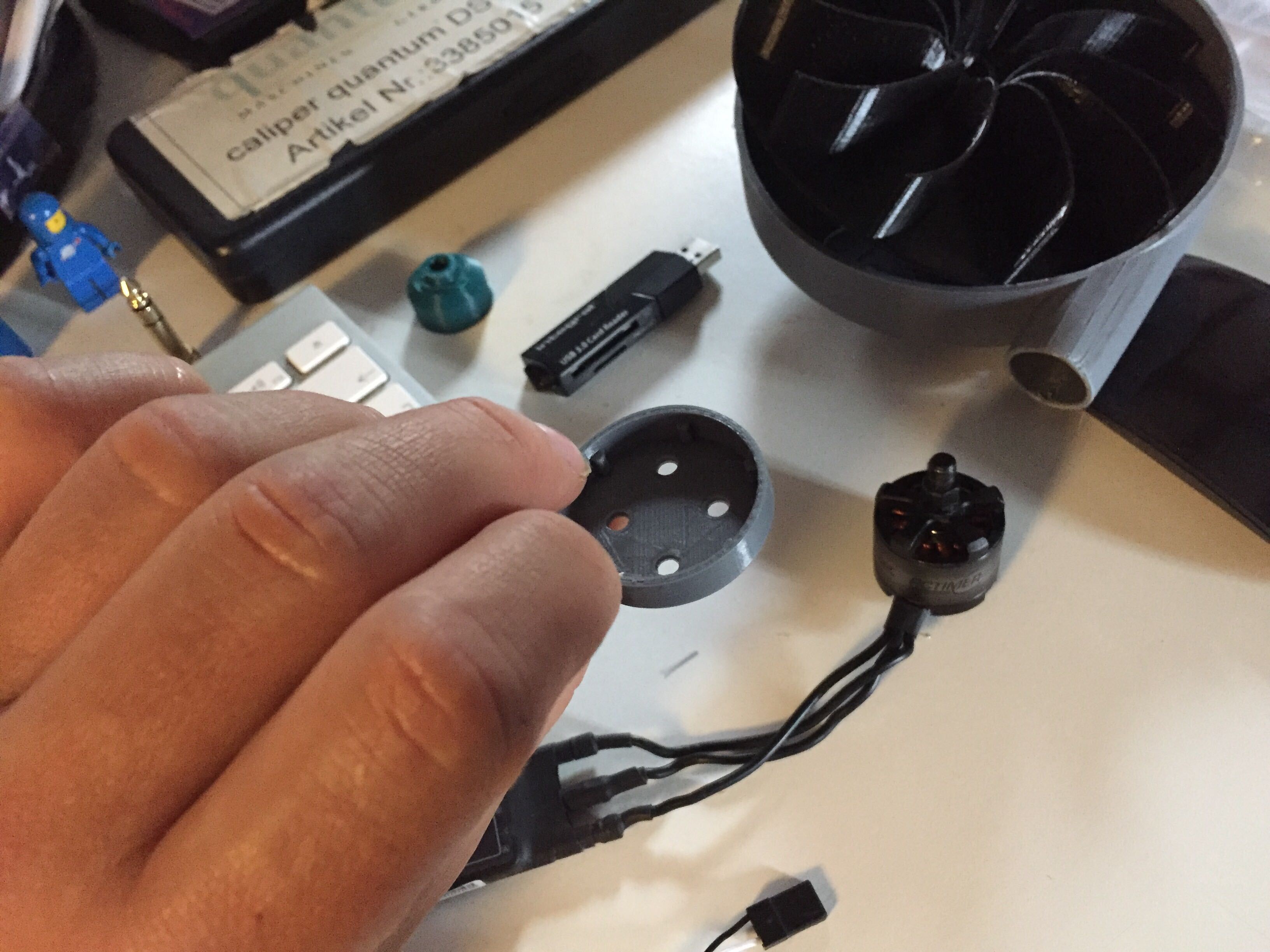
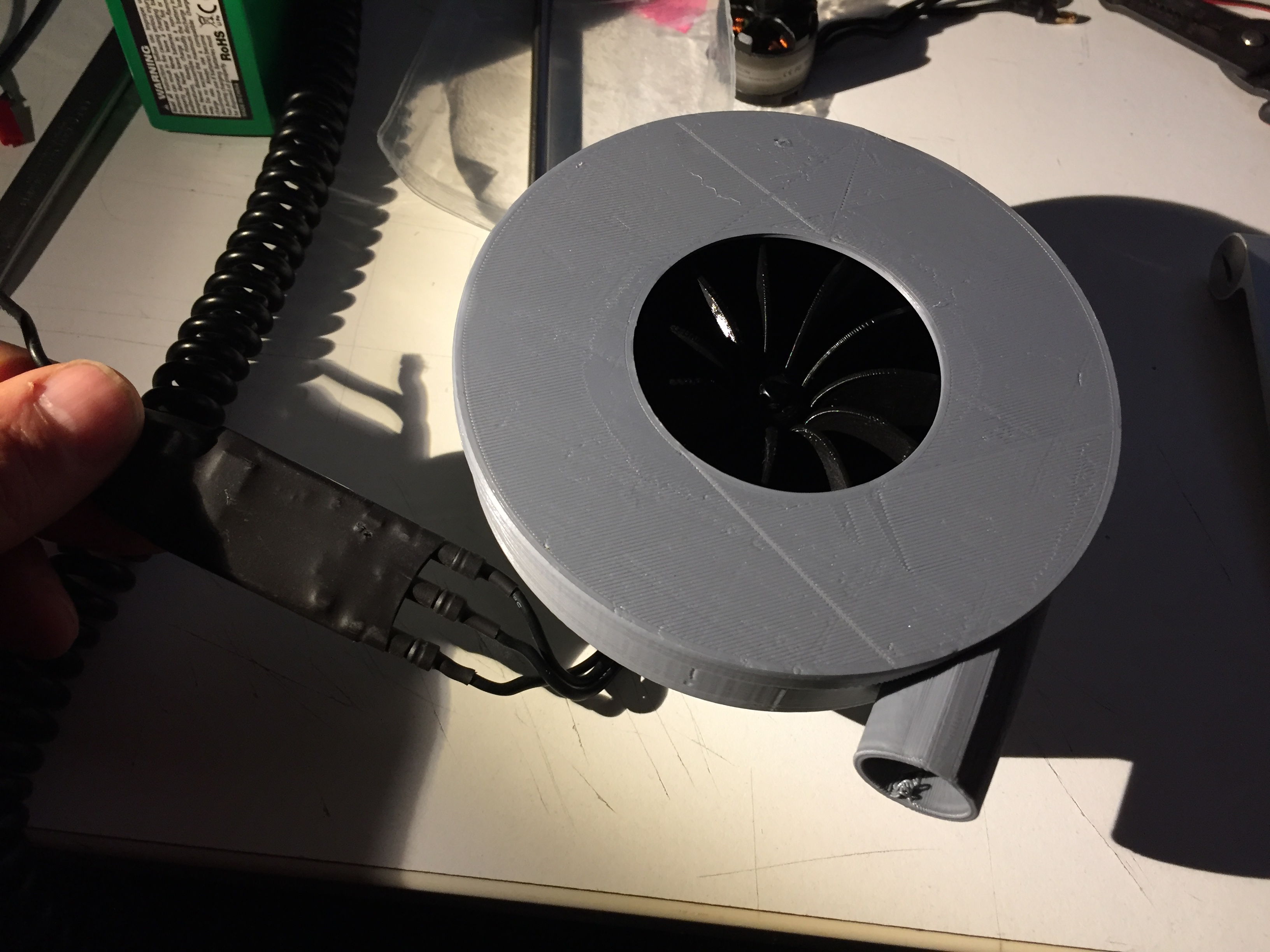
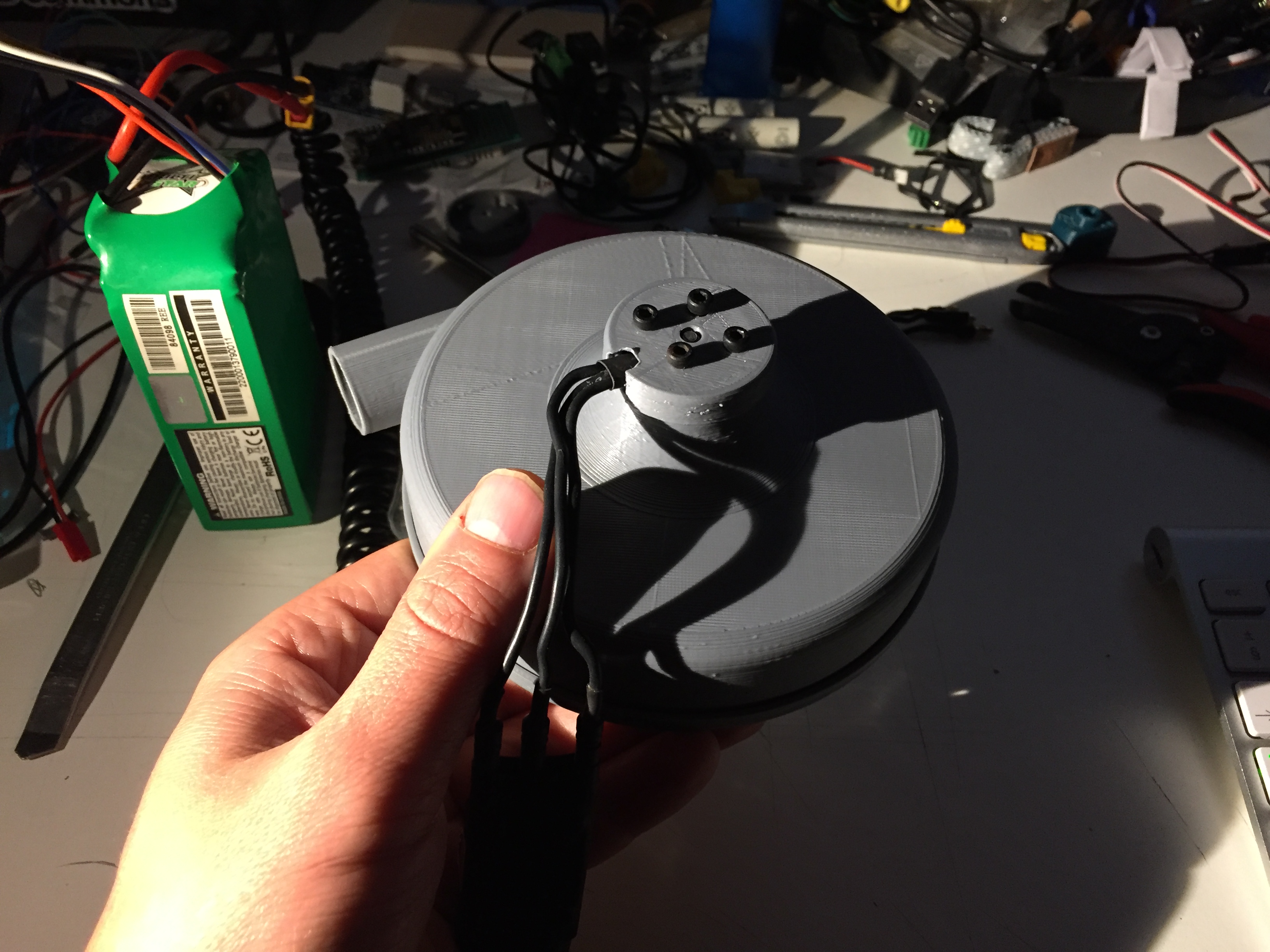
Positive Pressure Helmets (PPH) are proven to be efficient in some COVID-19 treatment situations since they allow non-invasive ventilation of early-stage patients. While isolating the patient from the surrounding environment and properly filtering the expelled air, it will also protect hospital staff. We propose to work on a low cost, autonomous portable version, to be deployed in crises situation, being used in campaign hospitals, and even in other extreme scenarios. During the Hackathon, we will develop different modules that will allow us to prove the concept. We will also develop a business model proposal.
1. Context
COVID-19 is caused by SARS-COV2 is currently a pandemic of great global public health concern.
According to the World Health Organization (WHO), the most common symptoms of COVID-19 are fever, dry cough and tiredness. People experiencing minor symptoms are recommended to not seek medical care, to stay at home, self-isolated and monitoring symptoms.
The transmission of COVID-19 is made primarily from person to person through small droplets from nose or mouth, expelled by a COVID-19 patient when he/she coughs, sneezes, or speaks. These droplets are relatively heavy, do not travel far and quickly sink to the ground. However, they can land on objects and surfaces and people can become infected by touching them if then they touch their eyes, nose or mouth. This is why it is important to respect the safety distance from other people and to wash hands regularly, as recommended by the WHO . People with minor symptoms can transmit the virus and some reports indicate that people with no symptoms can also transmit it.
2. Problem
In the context of our project, we identified two main issues:
1. Easy spread of the virus;
2. Ventilation and respiratory needs of the patients
These are related with more specific problems:
Easy spread of COVID-19 in hospitals
Few and expensive PPE and ventilators;
Difficulties in self-isolation at home;
Future difficulties in developing countries;
Health care workers are at an of catching a disease like COVID-19 increased risk , spending a lot of time in contact with patients, doing high-risk activities, including placing patients on ventilators or collecting samples from their lungs. For instance, during the SARS outbreak in 2002, one-fifth of all cases were in health care workers. When doctors start to get infected in high numbers during an outbreak, it amplifies the already high levels of strain on the healthcare system and this is why it is so important that health professionals have access to protective equipment and for patients to be identified and isolated quickly.
According to data from Statista, for example, the high number of cases registered in Italy has put the national healthcare system under a lot of pressure, especially due to the*limited number of intensive care units (ICU).* In addition to that, the virus also spread among medical staff. As of April 16, 2020, the number of coronavirus cases recorded among medical staff in Italy reached nearly 17 thousand. On the 16th of April, Italy counted with around 165 155 total confirmed cases, meaning that around*10.3% regard medical staff*. More than shows that that % is around 12,24% for Romania and 14.7% for Spain .
More surveys show that, for instance, in the UK, during the COVID-19 pandemic, there is a significant number of healthcare professionals working with limited availability of personal protective equipment (PPE), being more exposed to the virus.In April 2020, more than 46% of doctors working specifically in UK high-risk areas during the pandemic, reported shortages of full face visors, while approximately 44% were experiencing shortages of long-sleeved disposable gowns and 14% that there was no supply at all of the disposable goggles.
Besides the shortage of PPE, countries also are dealing with few ventilatorsand respiratory equipment to attend the patient's needs. For instance, Russia only possesses around 100 ventilators and has about 60 000 confirmed cases. Regarding self-isolation, according to the World Health Organization, it is an important measure that should be applied when there are COVID-19 symptoms, but not several ill, in order to avoid infection others in the community, including family members. This can be applied for people waiting for tests results, in case of confirmed diagnosis but not several diseases that needs hospital care or when there is a suspicious. Some guidelines from WHO are that these possible patients should isolate for 14 days, even if feeling healthy earlier, monitoring symptoms, not sharing personal items, keeping at least 1 meter from other, even from family members, preferably being in a different room and using a different bathroom, and trying to stay positive and energized, and in touch with loved ones by phone or online and exercising at home. Also, it is advised that people should stay in a well-ventilated room, which is sometimes not possible.
These measures, although being conceptual simple, can be really difficult to implement, not only for mental and psychological reasons and daily limitations for the person isolated but also for the danger of contamination for the people living with him/her, even when the recommended safety measures are taken. People are reporting feelings of anxiety and loneliness and large families are quarantining, with infected familiars, in small places with no conditions for safe isolation. Also, even though younger people can count on online technologies to maintain social contact, self-isolation will disproportionately affect elderly individuals whose only social contact is out of the home, such as at daycare venues, community centers, and places of worship. Elderly are also being isolated from their families, for their protection, however, increasing feelings of isolation and loneliness.
While rich nations are in panic mode stating that thousands of ventilators will not be enough, we can predict how poorer nations like the Central African Republic will face a big challenge regarding coronavirus. For instance, in Africa, ICU beds and personnel trained in critical care are limited and most countries won’t be able to afford large-scale diagnoses. According to the World Health Organization , although the number of reported cases of COVID-19 in sub-Saharan Africa until now represent only a small proportion of the global total, cases are increasing every week.
The development of solutions to help these countries is crucial and, for example, an African task force for coronavirus preparedness and response ( AFTCOR ) has been established in order to develop a unified continent-wide-strategy trying to contain the spread of the virus and mitigate its socio-economic impact. This strategy. Also, there are more than 41 million internally displaced people and 25 million displaced refugees globally, many living in LMICs with large-scale refugee camps situated in countries at risk for COVID-19 and limited resources to increase preparedness measures. In these camps, the health care systems are weak and access to health care facilities being once more crucial to reduce the risk factors for COVID-19 in these camps, preventing catastrophic consequences.
The shortage of material in these countries is even a bigger problem. There are no more than 80 ventilators in Sudan and just 3 ventilators available in the Central African Republic, a country of almost 5 million people.
3. Our Solution
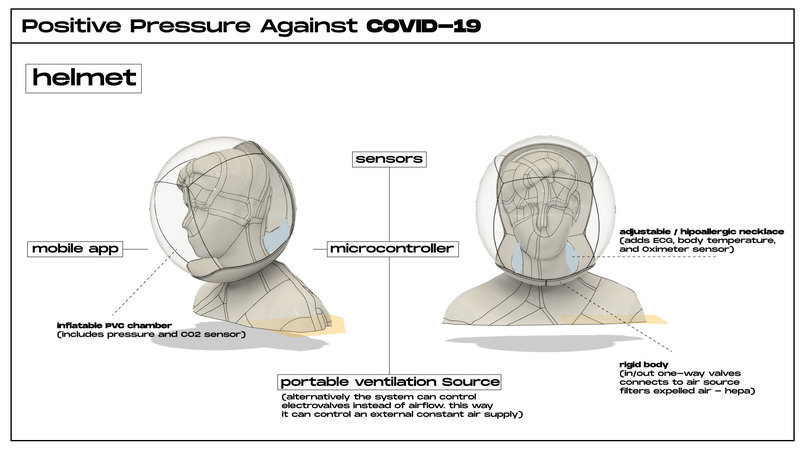
We are proposing a CPAP portable helmet. It is a low cost, comfortable, and easily scalable.
It is composed by:
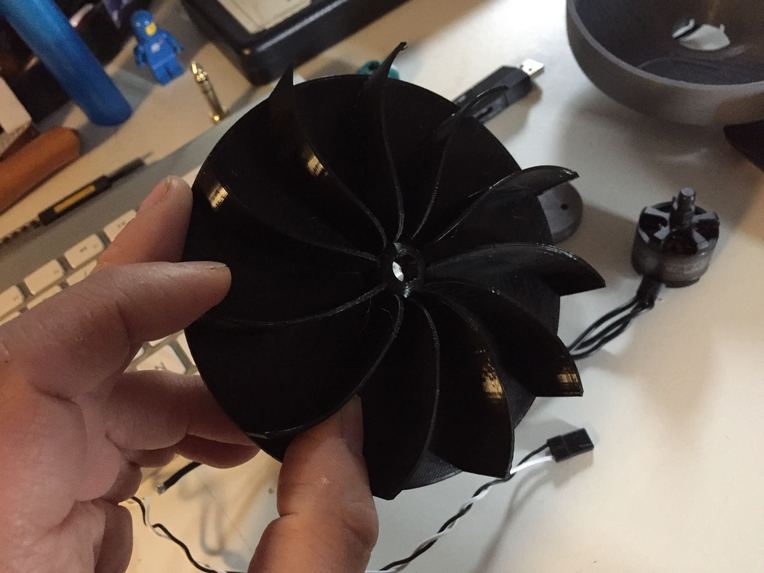
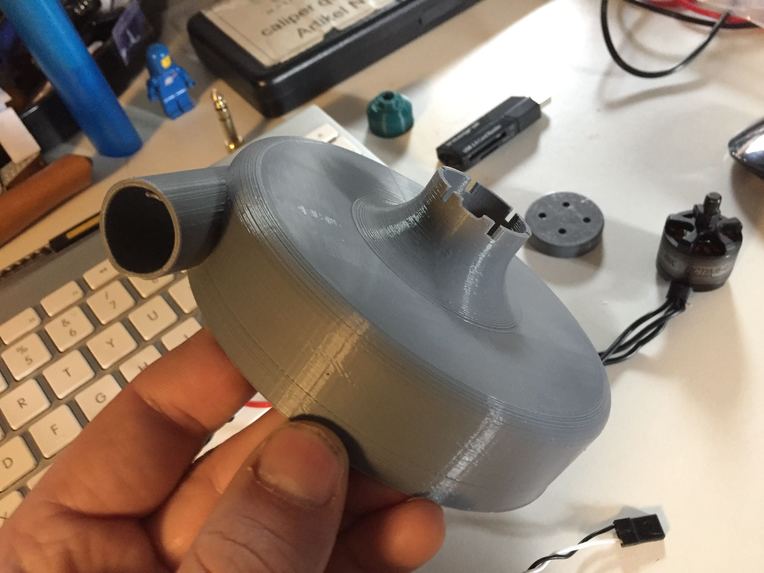
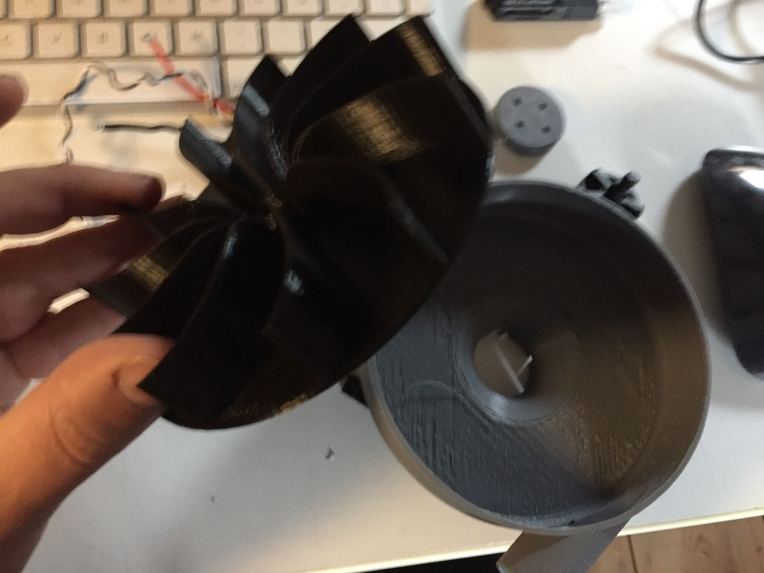
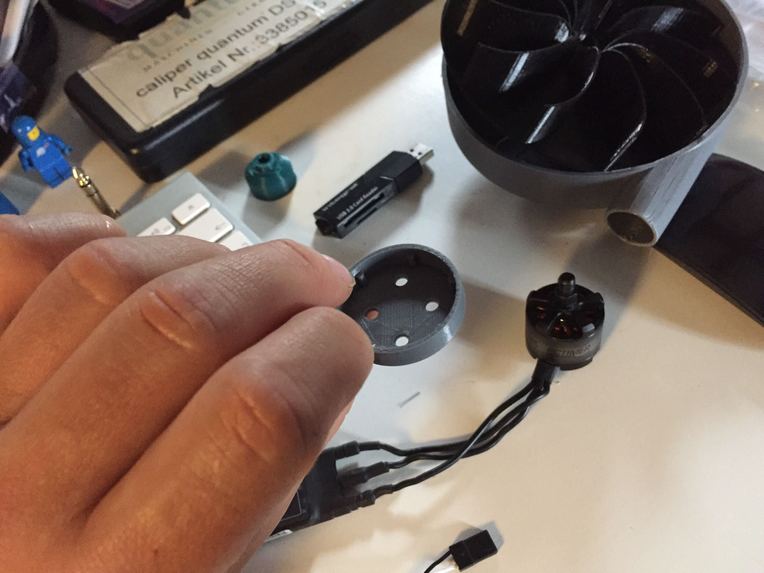
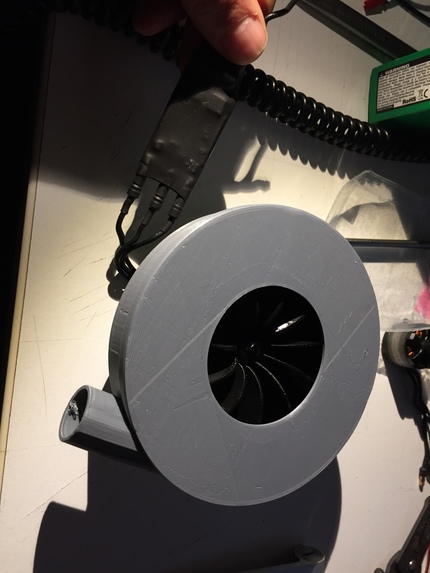
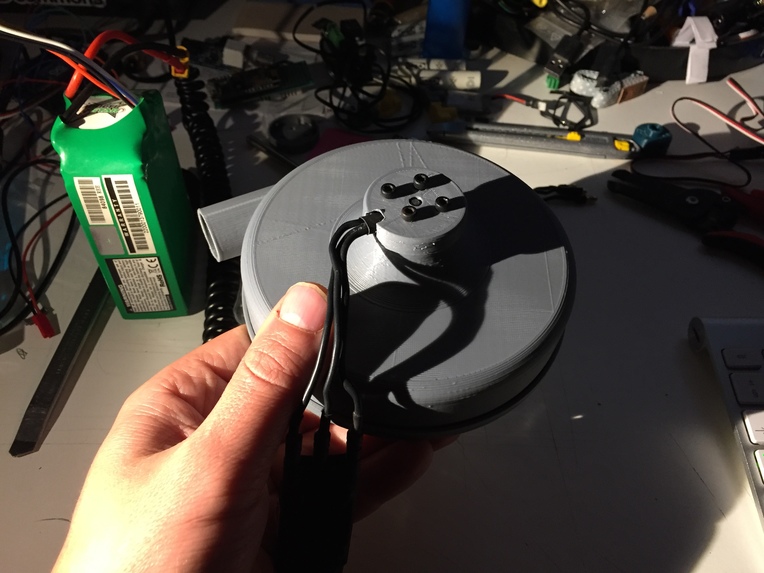
Head Bubble - with a neck juncture and ring, motor and blower and valves;
Control System with a pressure sensor;
Extra features for symptoms monitoring: temperature and ECG sensors;
Theory Behind it we are updating this part, check this link: https://gitlab.cba.mit.edu/pub/coronavirus/pph-ppe
Important reference values we are updating this part, check this link: https://gitlab.cba.mit.edu/pub/coronavirus/pph-ppe
Current development and tests
(3D) https://github.com/steam228/positivePressureAgainstCovid/tree/master/3D (Arduino) https://github.com/steam228/positivePressureAgainstCovid/tree/master/Arduino (App) https://github.com/steam228/positivePressureAgainstCovid/tree/master/Arduino/App
This device facilitates respiration while avoiding the spread of the virus and with the mobile app allows an easy monitoring of the device and of relevant data regarding the patient's health state.
Our project can be adaptable regarding the cost needs, for example, the ECG sensor is not mandatory, and can be scaled to developing countries.
Also, with the addition of one sensor at the way out we can easily, in the future, upgrade our CPAP helmet into a BiPAP and provide assisted ventilation. This is really relevant because CPAP are really useful in hospitals but, even in non-crisis situations, but in the particularly COVID-19 situation, BiPAP helmets are used whenever it is possible.
With our project we want to provide a low cost a device, also adaptable to be used in developing countries and critical situations that:
Minimizes the spread of the coronavirus in hospitals environments;
Reduces the need of ventilators, being possible to use in intermediate stages when a ventilator is not yet needed;
Minimizes the risk of contamination, facilitating quarantine and self-isolation;
It is easily monitored, not only the chamber conditions ut also the patient's health state, using a mobile app with a version for doctors and others for the patient.
4. Theory Behind it
We are updating this part, check these links: https://gitlab.cba.mit.edu/pub/coronavirus/pph-ppe https://github.com/steam228/positivePressureAgainstCovid
5. Important reference values
We are updating this part, check these links: https://gitlab.cba.mit.edu/pub/coronavirus/pph-ppe https://github.com/steam228/positivePressureAgainstCovid
6. Current development and tests
(3D) https://github.com/steam228/positivePressureAgainstCovid/tree/master/3D
(Arduino) https://github.com/steam228/positivePressureAgainstCovid/tree/master/Arduino
(App) https://github.com/steam228/positivePressureAgainstCovid/tree/master/Arduino/App
7. Customer segments and channels
Our main customers segments:
Hospitals;
NGOs operating in critical areas;
Private individuals:
patients with confirmed COVID-19 that don’t need to stay in the hospital but need self-isolation;
people waiting for COVID-19 tests results at home or other potential infected people;
people that live with risk group individuals and that are a possible infection source.
The earlier adopters of our device are possibly hospitals and organizations collaborating with the EU or others that may be willing to collaborate with us. In order to get partners to reach our consumer, we can contact hospitals and authorities (health sanitation and ministry).
Our product can be distributed in hospitals to patients in need or be sold to the general public in pharmacies or in private hospitals.
8. Existing alternatives
There are some alternatives like:
Non-portable and more expensive CPAP helmets, for instance, the StarMed CaStar hood solution;
Decathlon Easy Breath surface using snorkeling mask. It is cheaper but does not provide the same respiratory assistance or monitoring and it is not comfortable, causing skin irritation, a situation verified in many alternatives.
9. Limitations and future work
Because of the quarantine situation we are working apart which limits a lot the developing of the project so, in the future, we need to do more testes gathering all the components together.
Regarding the project, in general, we need to implement the ECG sensor and the alert system and finalize the developing of the app.
We also need to implement a CO2 sensor in the chamber in order to assure that there is no CO2 retention problem associated. We are really confident that this won’t be a problem and we are already preparing the test. However, it is crucial to test in order to be possible for the general public to use it at home and even for upgrading it into a BiPAP.
We also need to investigate more about legal matters, not only the registration of the idea but the bureaucracy regarding equipments used in hospitals.
Finally, we need to find financing and support in order to make possible the scalability of our product.
10. Team
Carolina Paes de Faria Biomedical Engineering Student from Instituto Superior Técnico Lisbon, Portugal contact: [email protected]
Pedro Santos Biomedical Engineering Student from Instituto Superior Técnico Lisbon, Portugal contact: [email protected]
André Rocha Product and Interaction Design Professor Higher School of Education Polytechnic Institute of Lisbon Portugal [email protected] steam228.com
Built With
- arduino
- flutter-.





Log in or sign up for Devpost to join the conversation.