-
-
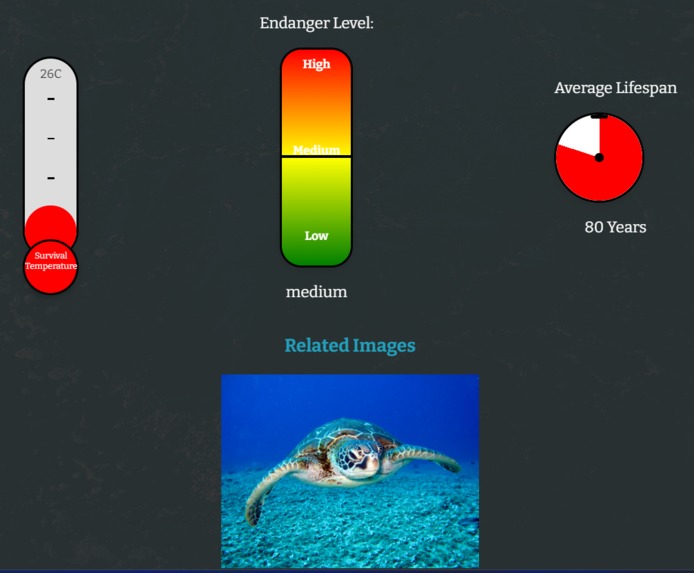
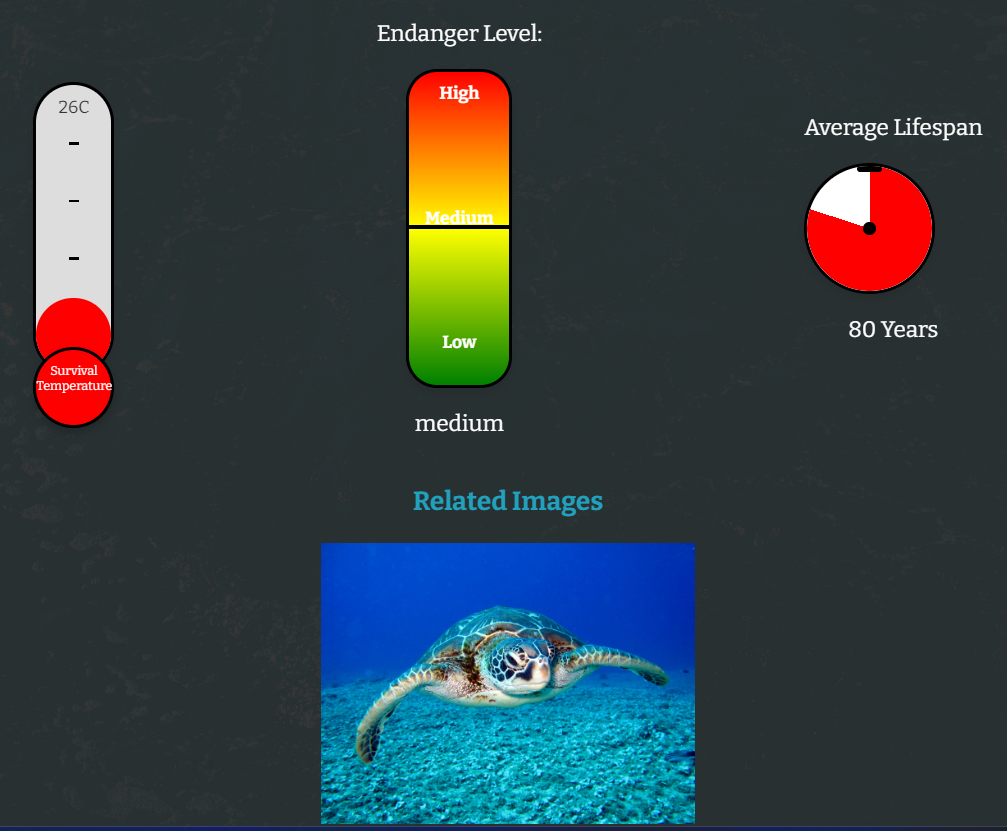
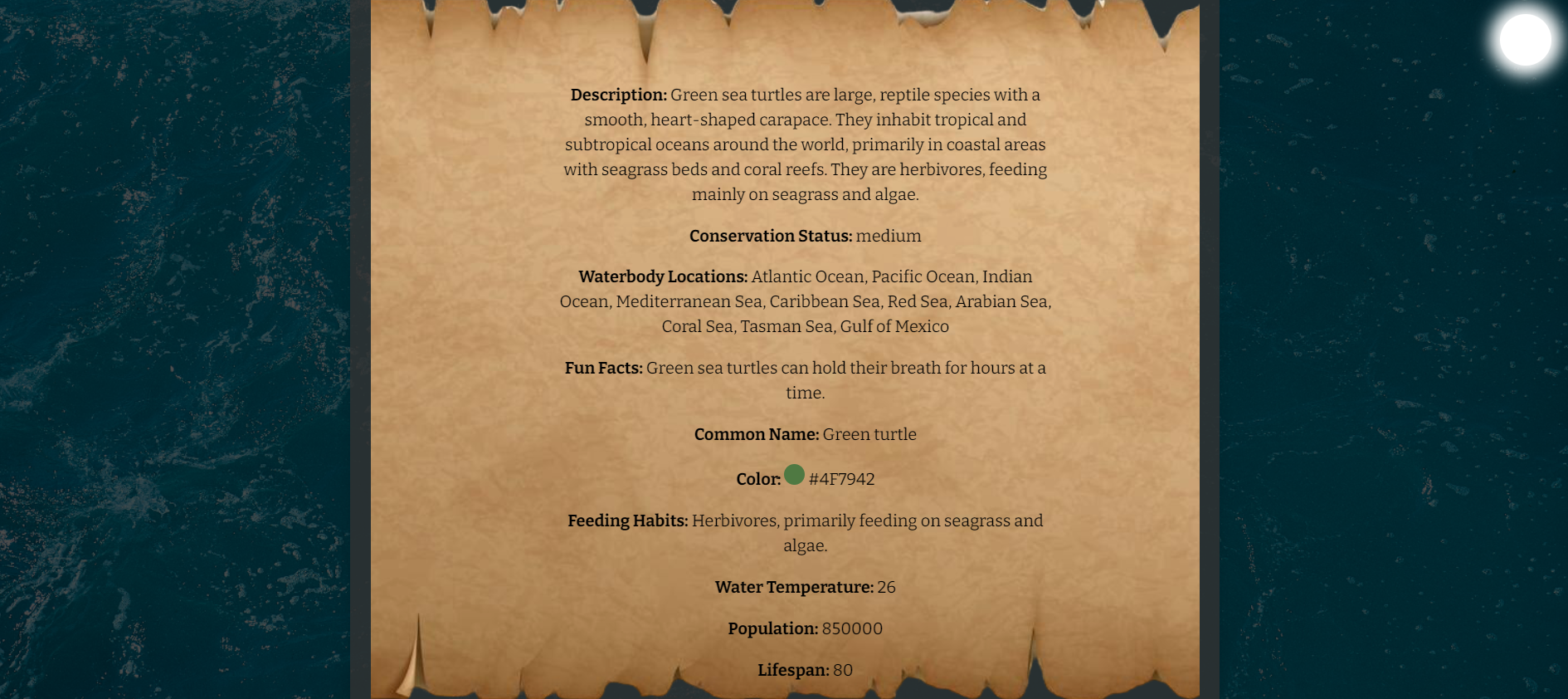
Characteristic Metrics and sample images
-
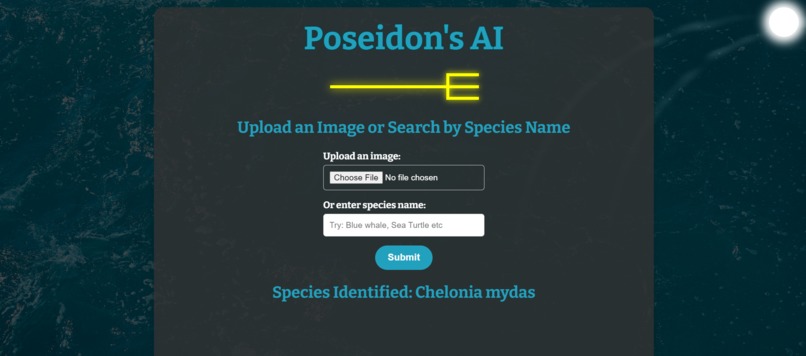
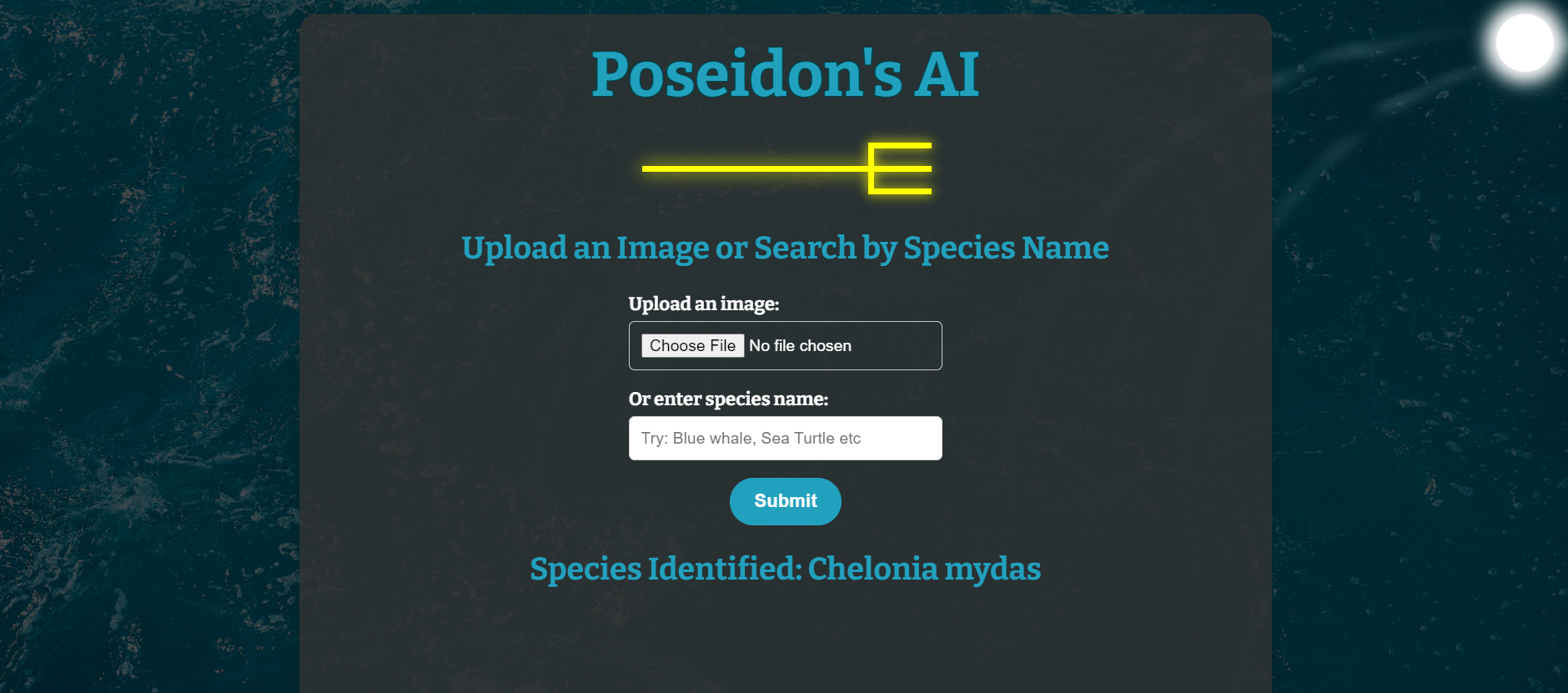
user can upload images of marine species or search directly
-
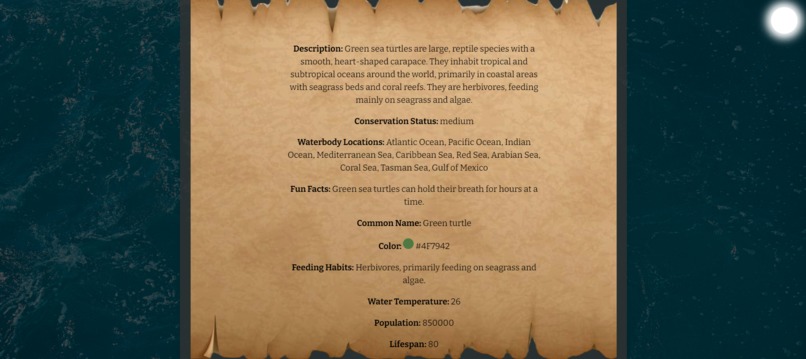
Description
-
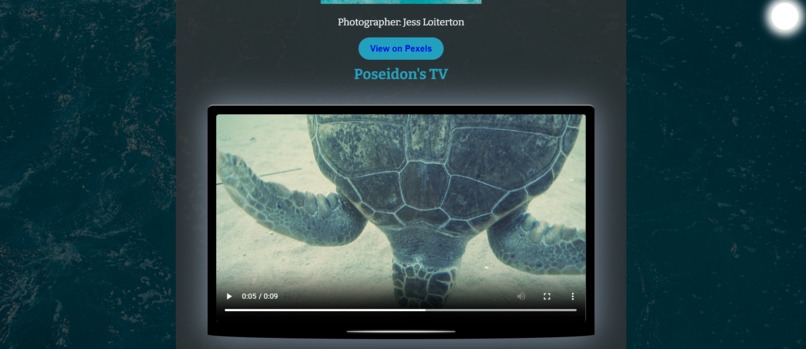
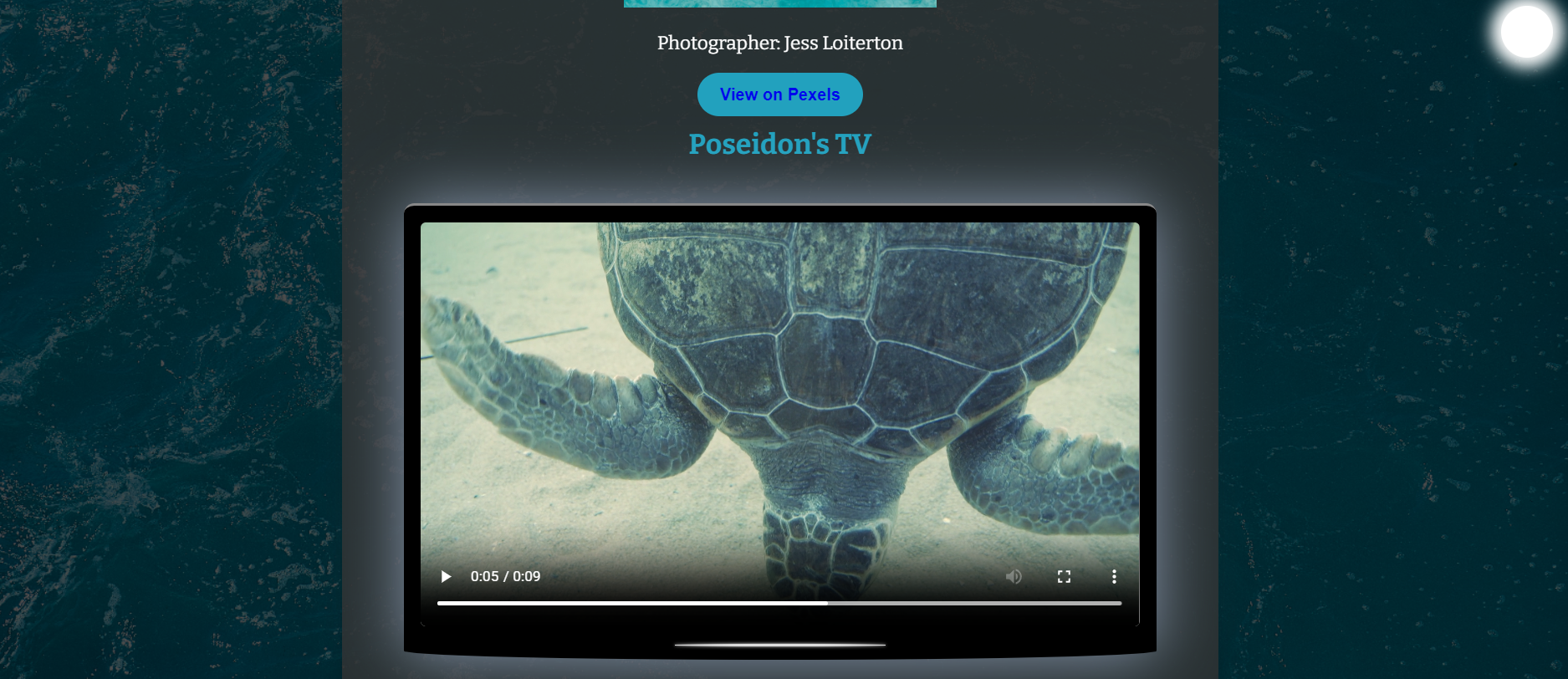
Poseidon's TV! Video fo the species
-
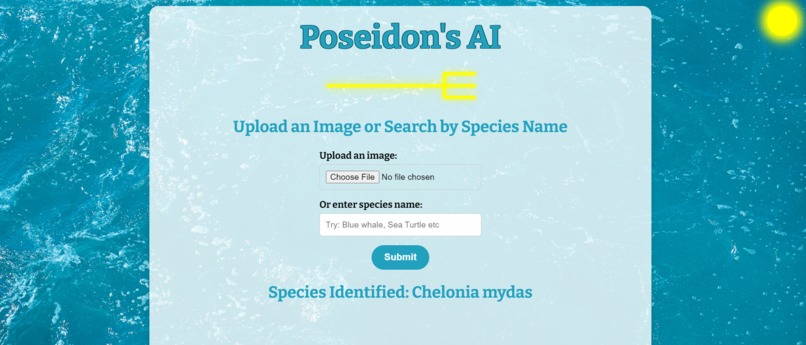
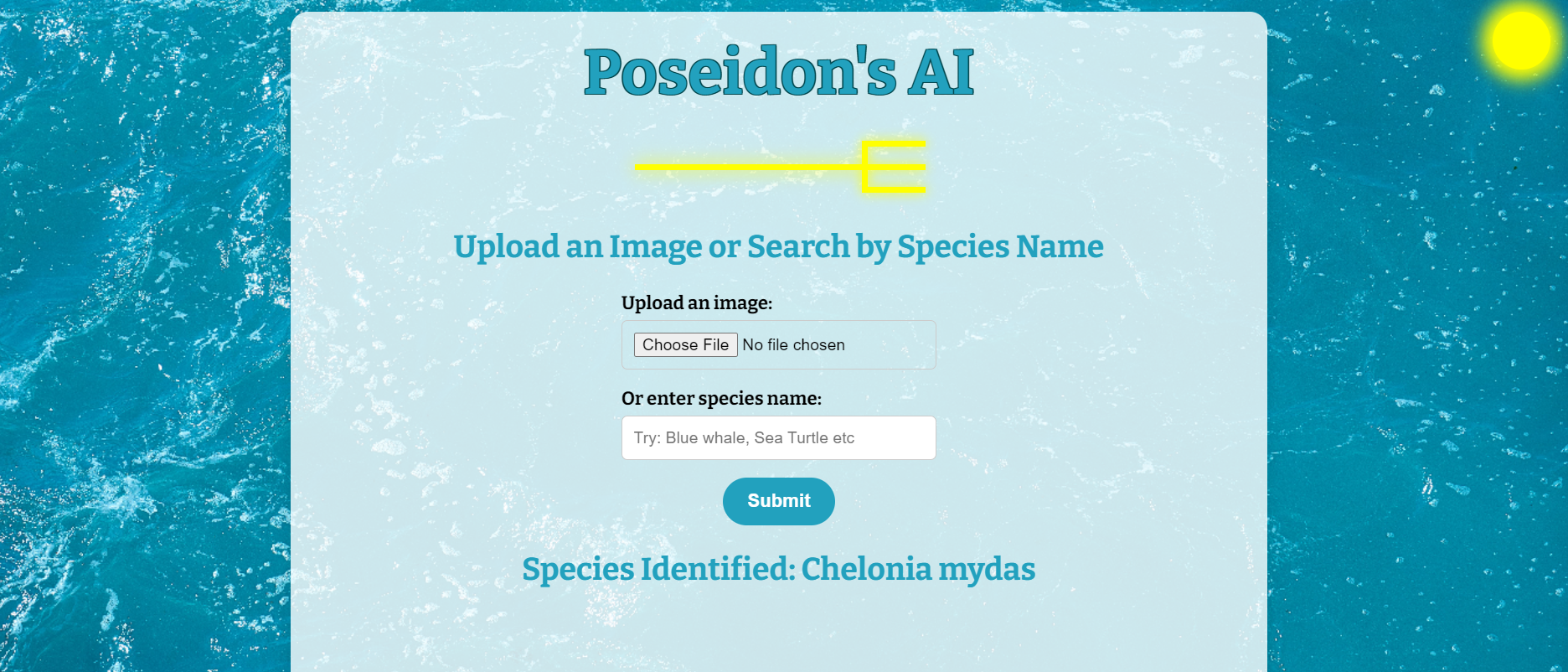
Homepage with dark and light mode
-
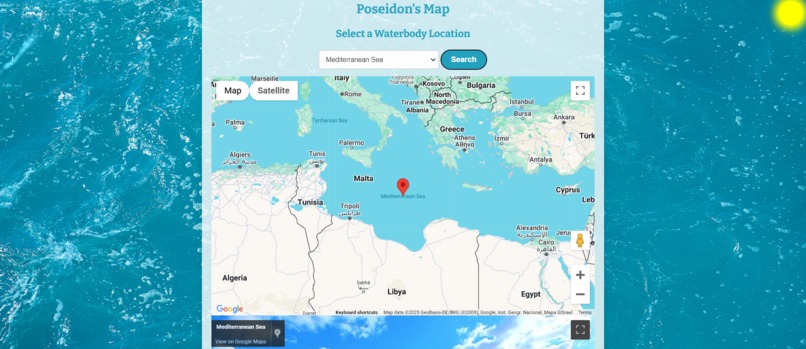
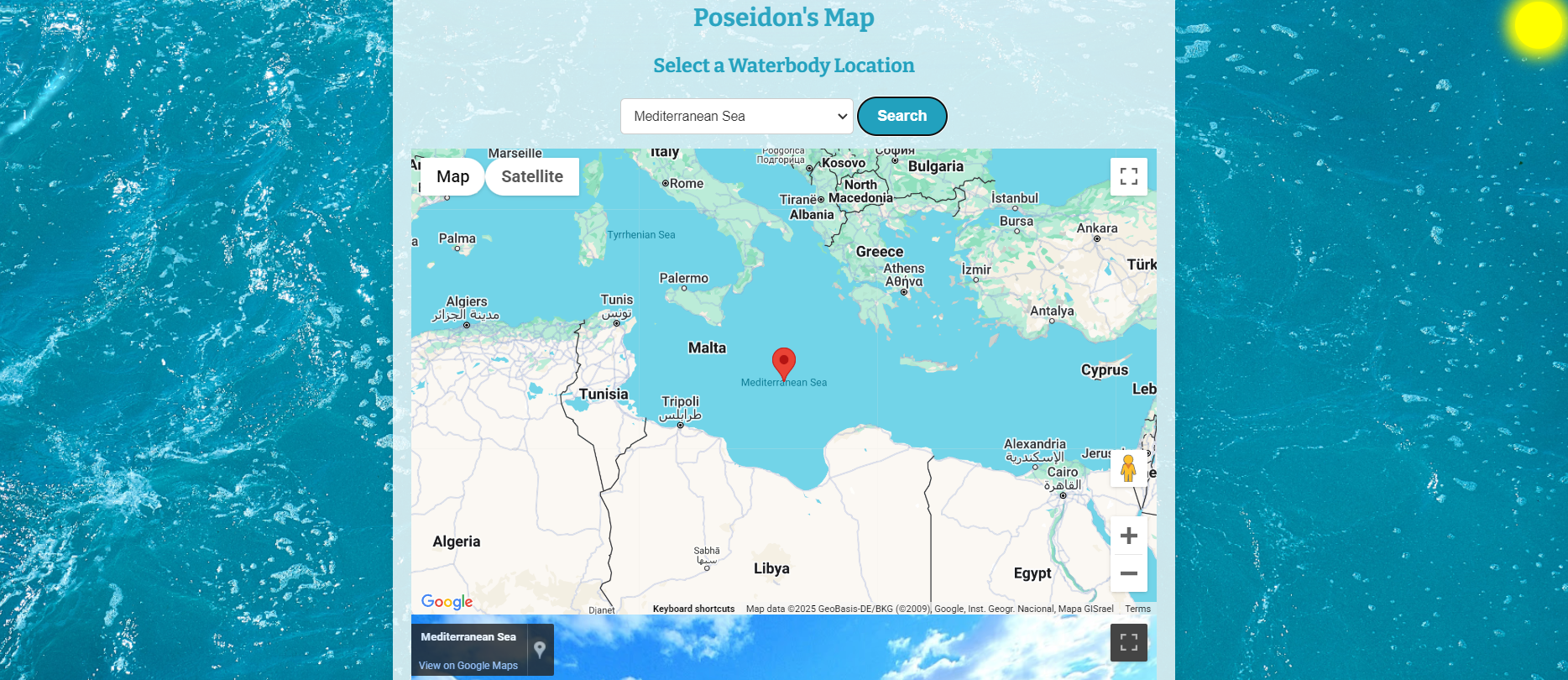
Waterbodies location in which the species is found
-
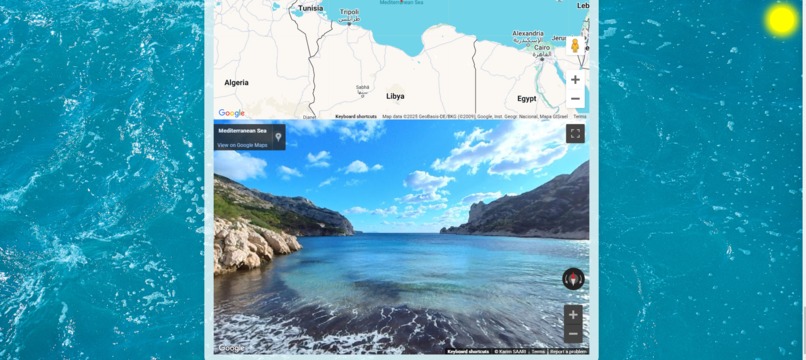
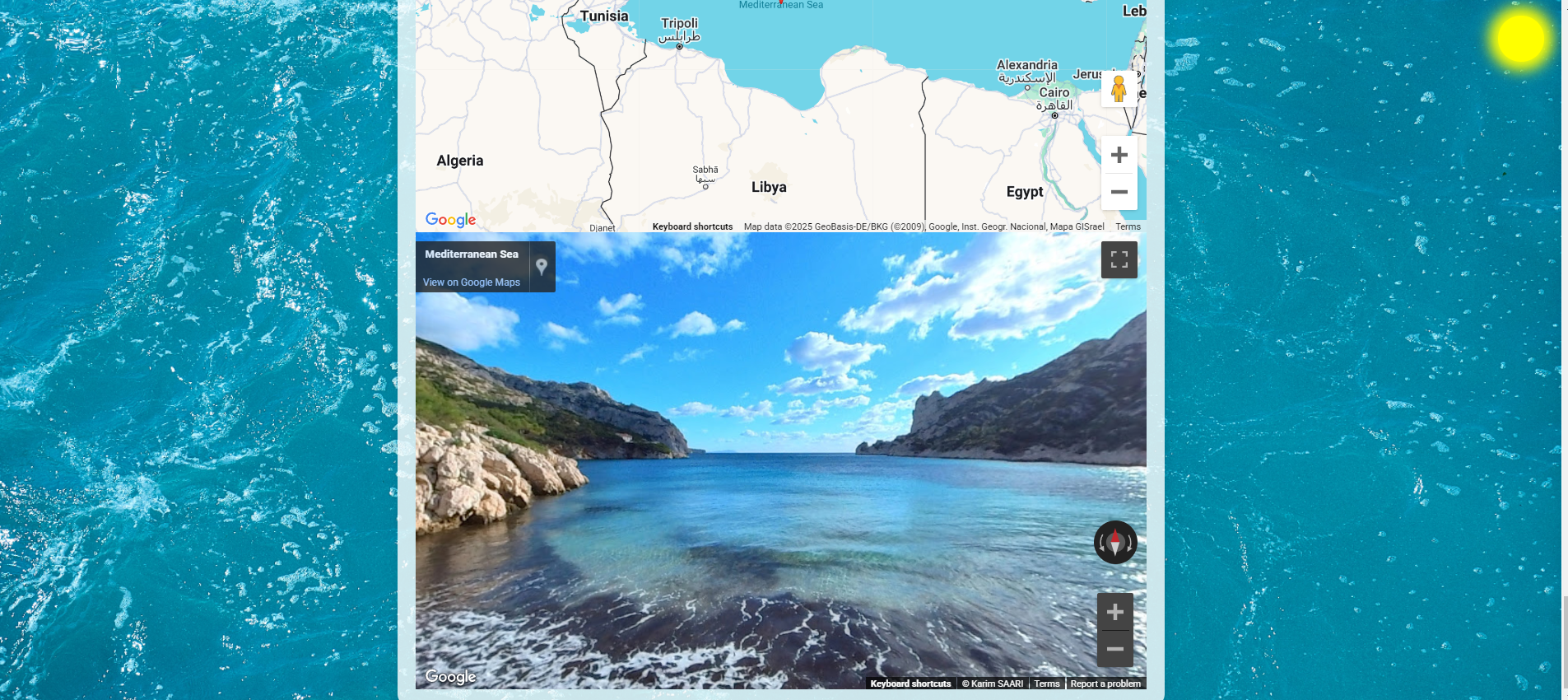
Live Street View of beautiful waterbodies
-

Main

Poseidon: Exploring Marine Biodiversity with AI
🌟 Inspiration
The beauty and diversity of marine life have always fascinated me. However, I noticed a lack of accessible platforms that provide an interactive and engaging way to learn about marine species. Inspired by the potential of AI and my passion for conservation, I created Poseidon to bridge the gap between technology and marine education.
🛠️ How I Built the Project
Poseidon is powered by Gemini AI, enabling intelligent processing and data fetching. The application integrates:
- Flask Framework: For building the backend and serving the web application.
- Google Maps API: To display the visual locations of various marine species.
- Gemini API: For fetching marine biodiversity details
- Pexels API: To fetch images and videos, providing a rich multimedia experience.
- Dynamic Descriptions: Detailed insights about species, including feeding habits, lifespan, and population.
- Responsive Design: Ensures a seamless user experience across devices.
💡 What I Learned
- Integrating APIs such as Google Maps and Pexels to enhance functionality.
- Designing intuitive and user-friendly web interfaces.
- The importance of combining technology and conservation efforts to educate and inspire people.
🚧 Challenges Faced
- Static File Management: Handling file uploads and ensuring proper directory configuration was tricky.
- Google Maps Integration: Customizing the map display for seamless interactivity required patience.
- API Rate Limits: Managing data-fetching limits while maintaining performance.
🌊 Conclusion
Poseidon is more than an application—it's a step towards raising awareness about marine biodiversity through technology. I hope it inspires others to learn about and protect our oceans!
Built With
- ai
- bootstrap
- css
- flask
- gemini
- google-cloud
- google-maps
- html
- javascript
- pexels-ai
- pexels-api
- python
- pythonanywhere
- sqlite


Log in or sign up for Devpost to join the conversation.