-
-
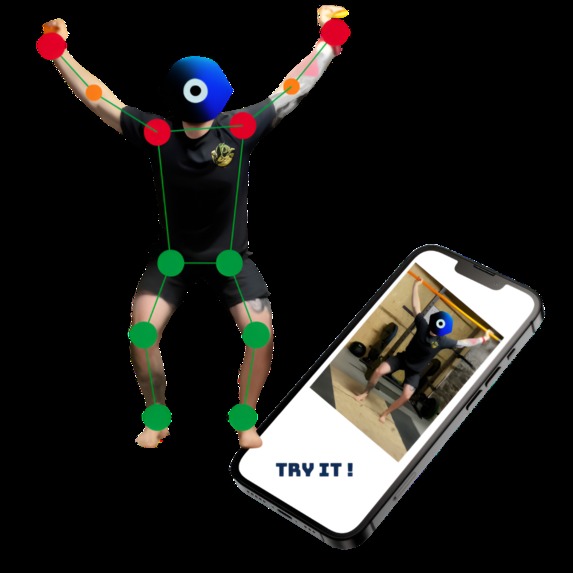
Try it now on WorkoutBattle
-
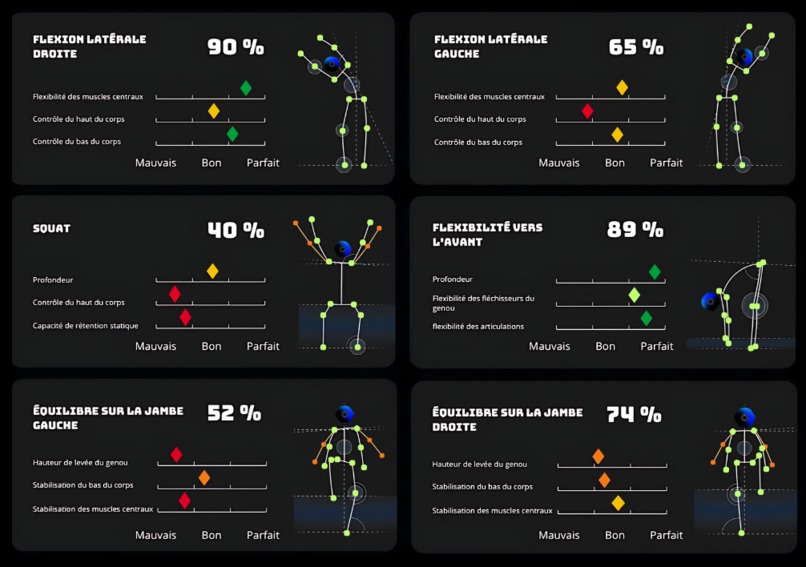
Biomechanical analysis
-
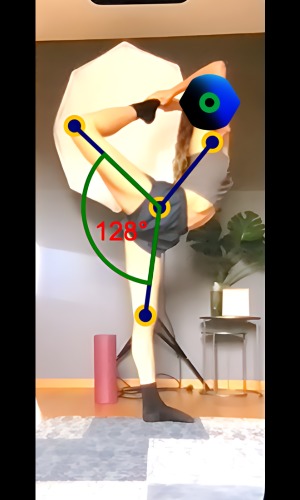
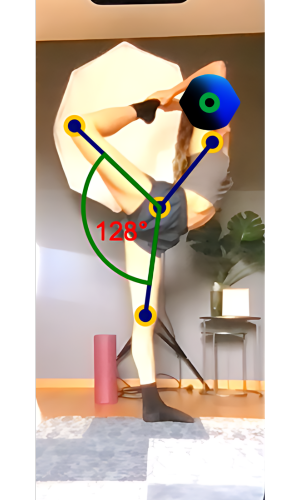
Real time body angles tracking
Inspiration
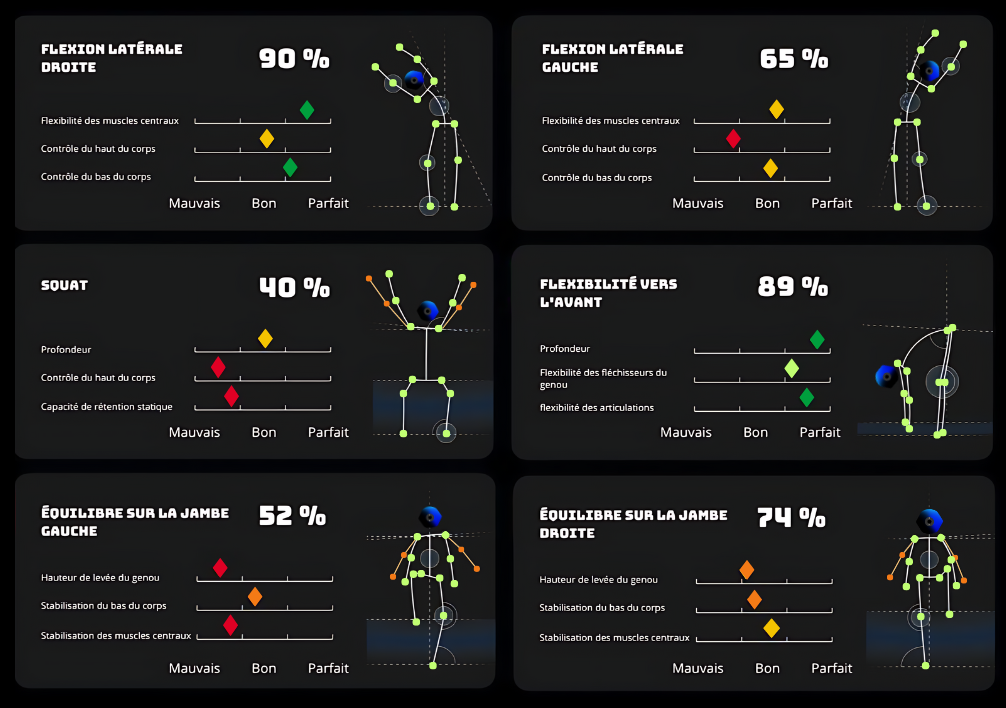
PoseTracker was inspired by the need for a precise, user-friendly tool that enables fitness enthusiasts to perform exercises correctly and safely. Observing the gap in mobile fitness applications, where users often perform exercises without immediate feedback, PoseTracker aims to provide real-time motion tracking and biomechanical analysis to enhance the effectiveness of workouts and prevent injuries.
What it does
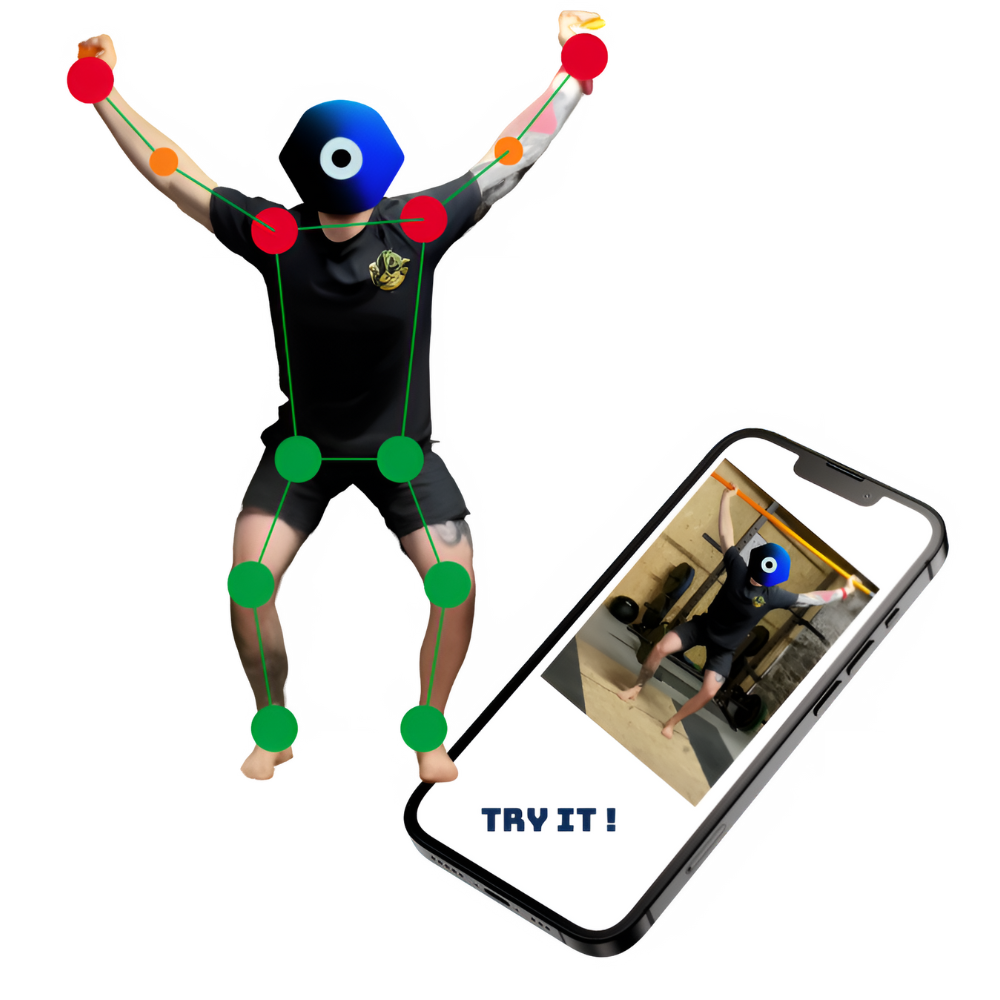
PoseTracker is an API that integrates into mobile fitness apps to offer real-time motion tracking and biomechanical analysis. It evaluates the execution of exercises, providing users with instant feedback on their form, ensuring each movement is performed correctly and safely. It also offers personalized recommendations to improve technique and prevent common exercise-related injuries.
How I built it
PoseTracker was developed using advanced computer vision and machine learning technologies. It leverages on-device processing (edge computing) to analyze movements without needing to send data to a server, ensuring privacy and reducing latency. This allows the API to provide instant feedback directly on the user's device, whether on iOS, Android, or web platforms.
Challenges I ran into
Developing an algorithm capable of accurately recognizing and analyzing complex human movements in a diverse range of environments and lighting conditions was challenging. Ensuring the API's compatibility across different devices and operating systems also posed significant technical hurdles.
Accomplishments that I'm proud of
I am proud of developing an API that not only enhances the functionality of existing fitness apps but also makes advanced training techniques more accessible to the general public. The API's ability to operate efficiently on edge devices without compromising user privacy or data security is a significant achievement.
What I learned
Throughout the development of PoseTracker, I learned a great deal about the complexities of motion tracking and the intricacies of applying machine learning in real-time applications. Balancing performance, accuracy, and speed while maintaining a seamless user experience was an invaluable part of the journey.
What's next for PoseTracker API
The future of PoseTracker involves expanding its capabilities to include more exercises and refining the algorithms for even greater precision. Plans include developing partnerships with major fitness platforms and exploring new markets such as rehabilitation and elderly care, where motion tracking can significantly contribute to health and recovery.
Built With
- react
- strapi
- tensorflow


Log in or sign up for Devpost to join the conversation.