
Inspiration
Our primary goal is to reduce global fuel consumption. Ships, as we all know, use more gasoline than regular vehicles on the road. Furthermore, ships provide the majority of good transportation. So, we aim to reduce fuel consumption in ships.
What it does
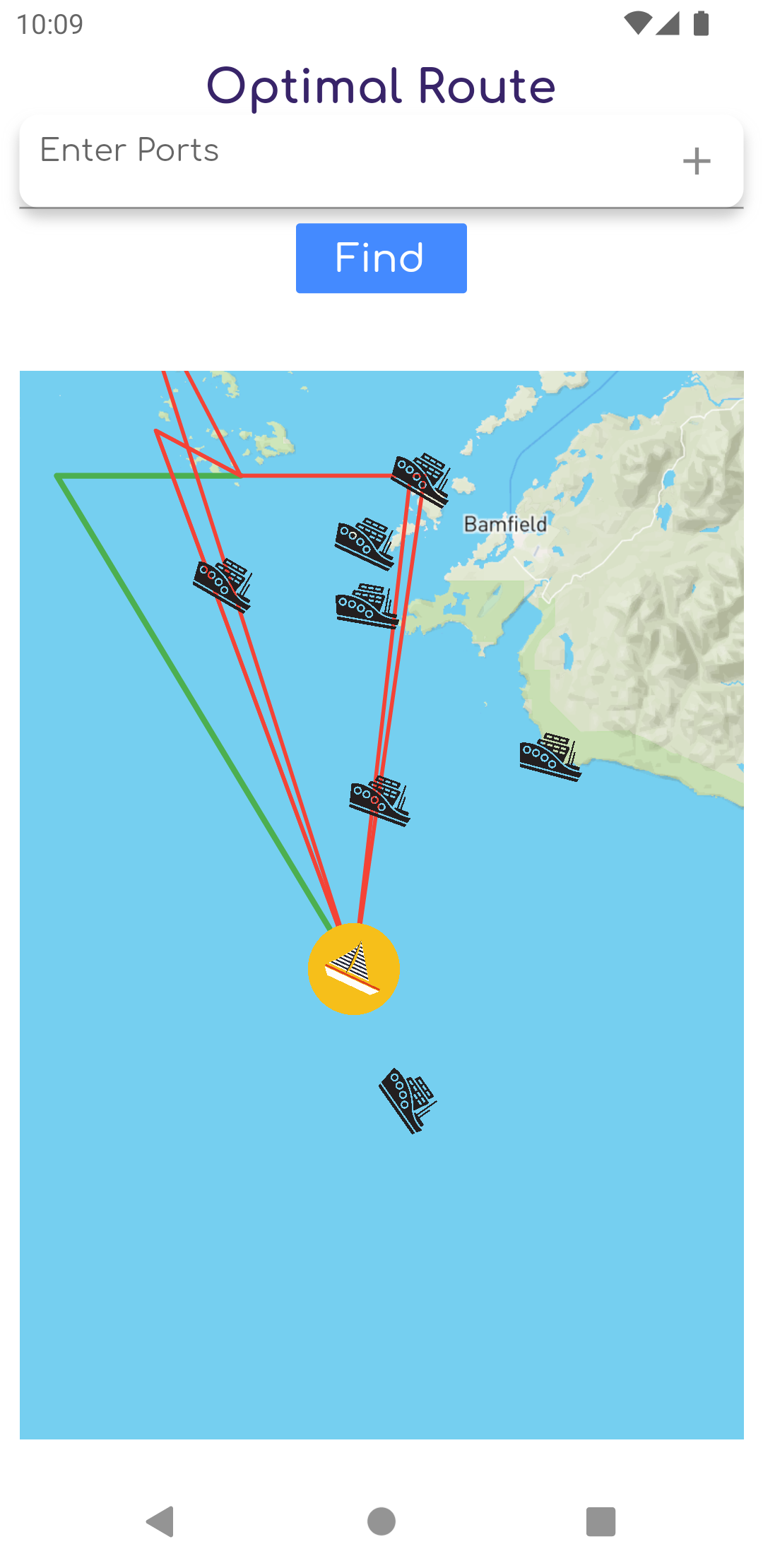
When two ships are about to cross each other's path, they drastically reduce their speed by a method called "reverse breaking". In this case, the ship starts the engine in reverse with a speed equal to or greater than the present speed. It consumes more fuel than usual, so we attempt to give an appropriate speed and itinerary so that the spacecraft only has to make minor stops. We can save a significant amount of fuel in this manner.
How we built it
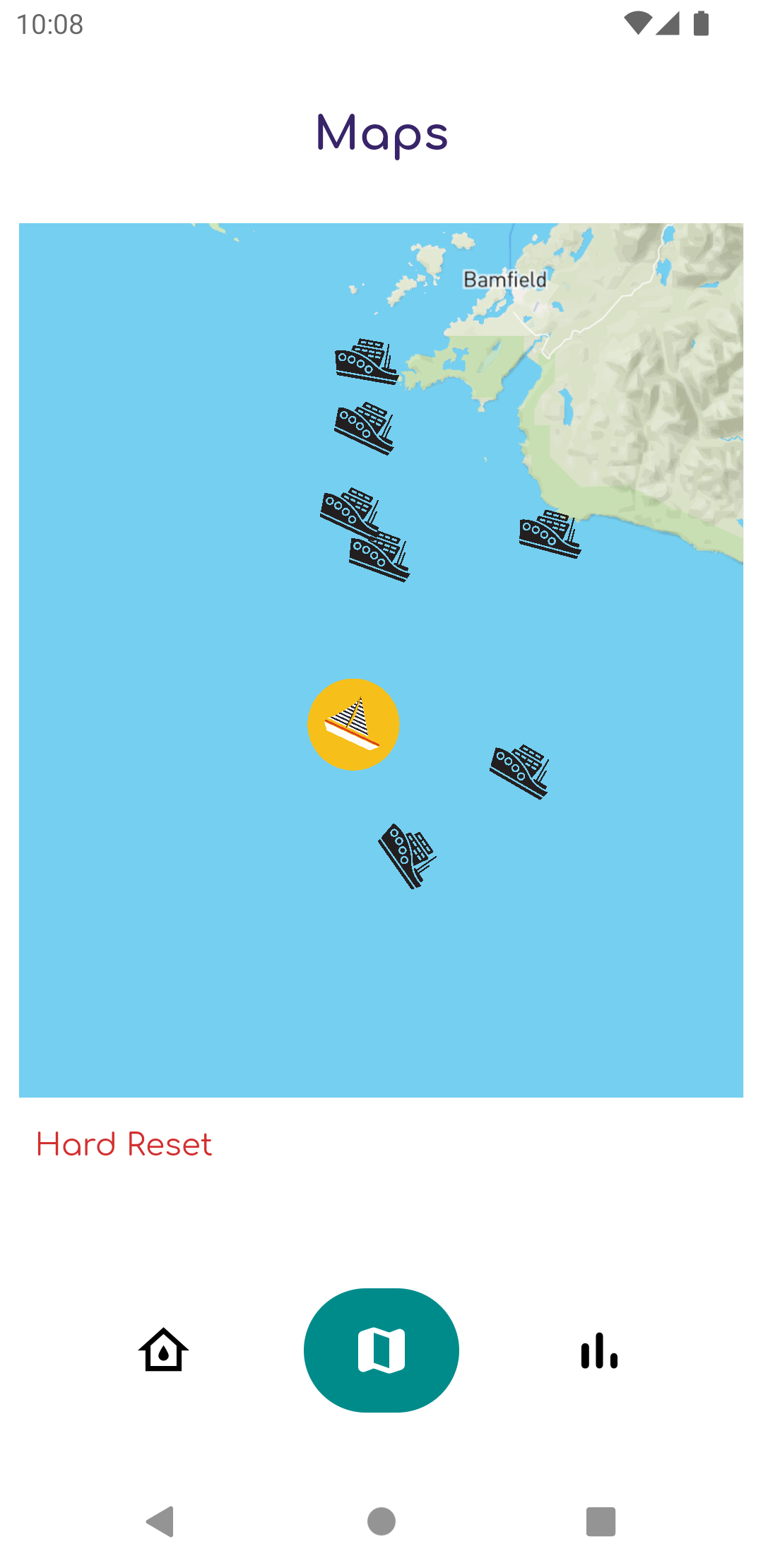
We developed a collision probability algorithm as well as a location prediction algorithm. We took all the ships within a certain radius and used heading, latitude, longitude, and speed to forecast their next destination. Then we calculate the likelihood of two ships colliding. If this likelihood exceeds a certain level, we've discovered the best speed and direction for both ships so that they can avoid colliding without immediate breaking. We have used dart (flutter) to build an android application.
Challenges we ran into
In the initial phase, it was very complex to understand boat dynamics plus lack of background knowledge made it more difficult. As it is 24 hours hackathon we also needed to start implementation but for that, we needed clear requirements. To solve this, we divided tasks among members and each member started checking out different APIs and their working and relative terminology. As we grasped the idea behind the working of boats and APIs related to vessel moving, we worked on implementation on formulas to complete our work
Accomplishments that we're proud of
When we started this hackathon, we had some goals like we wanted efficient results as well as clean and nice UI. When we decided on our plan, we emphasize this two. We understood how boat dynamic works and made and tested several formulas to calculate the shortest distance as well as optimal speed. This made our application efficient as well as we made minimal, yet clean and easy to use UI with the use of flutter. We are really pleased as we achieved our desired goals.
What we learned
We have to go through every basic terminology related to the boat as we all belong to different domains. Then we checked different APIs for live tracking of boats such as marine traffic, fleet on and choose the appropriate one. Apart from this boat data, we tried to implement some attractive yet simple and user-friendly UI. We did a brain-storm session on that and implemented our application in a flutter.
What's next for Pop-eye
We were only able to develop two features due to the short time available during the hackathon. We intend to add more functionality to this programme in the future, such as weather effects on fuel use and cargo management. We also intend to leverage data APIs that are much more advanced.

Log in or sign up for Devpost to join the conversation.