-
-
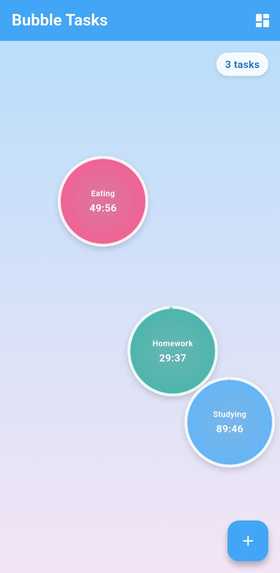
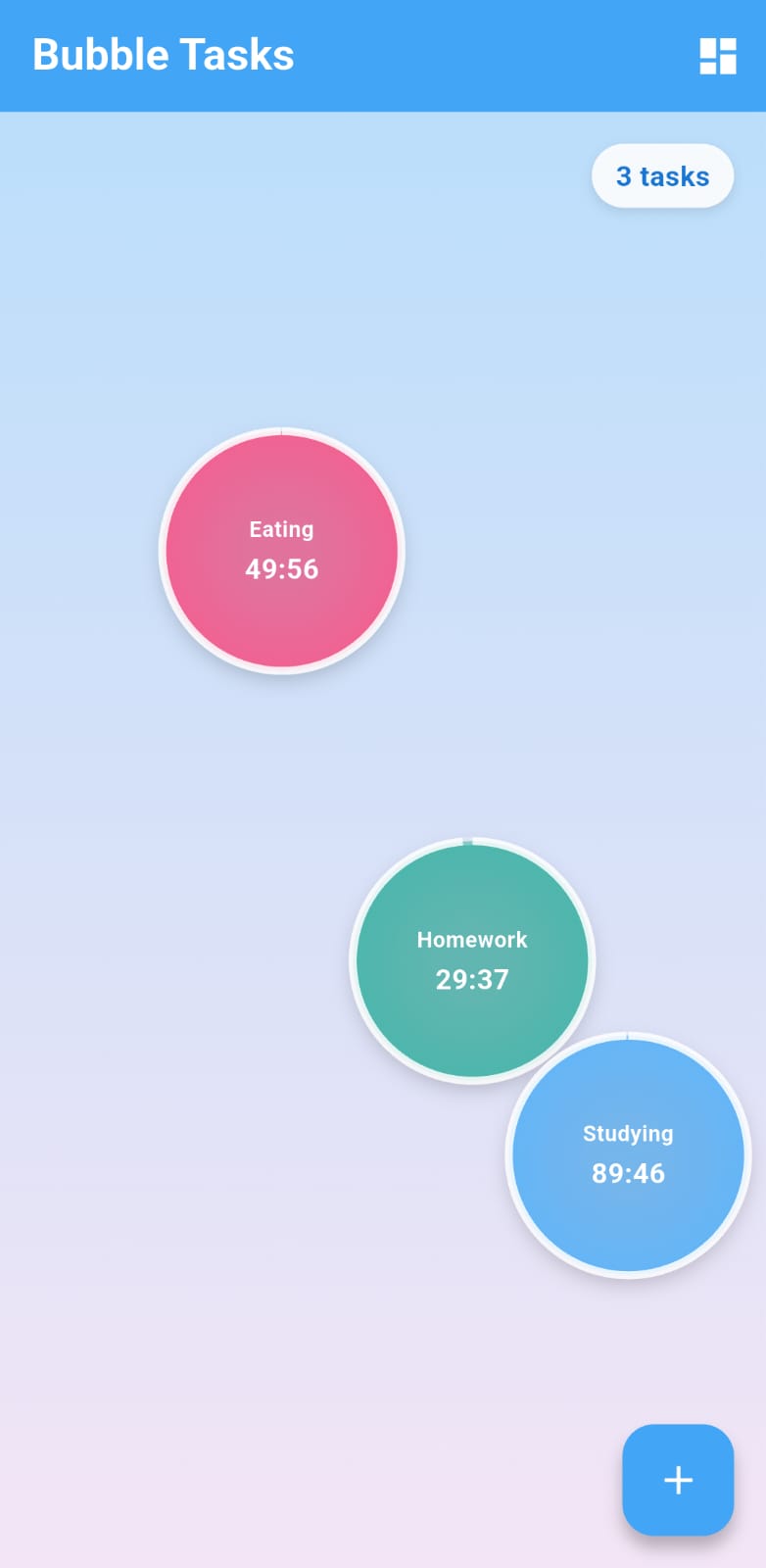
Floating Tasks
-
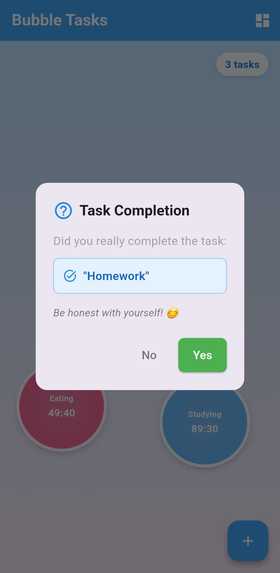
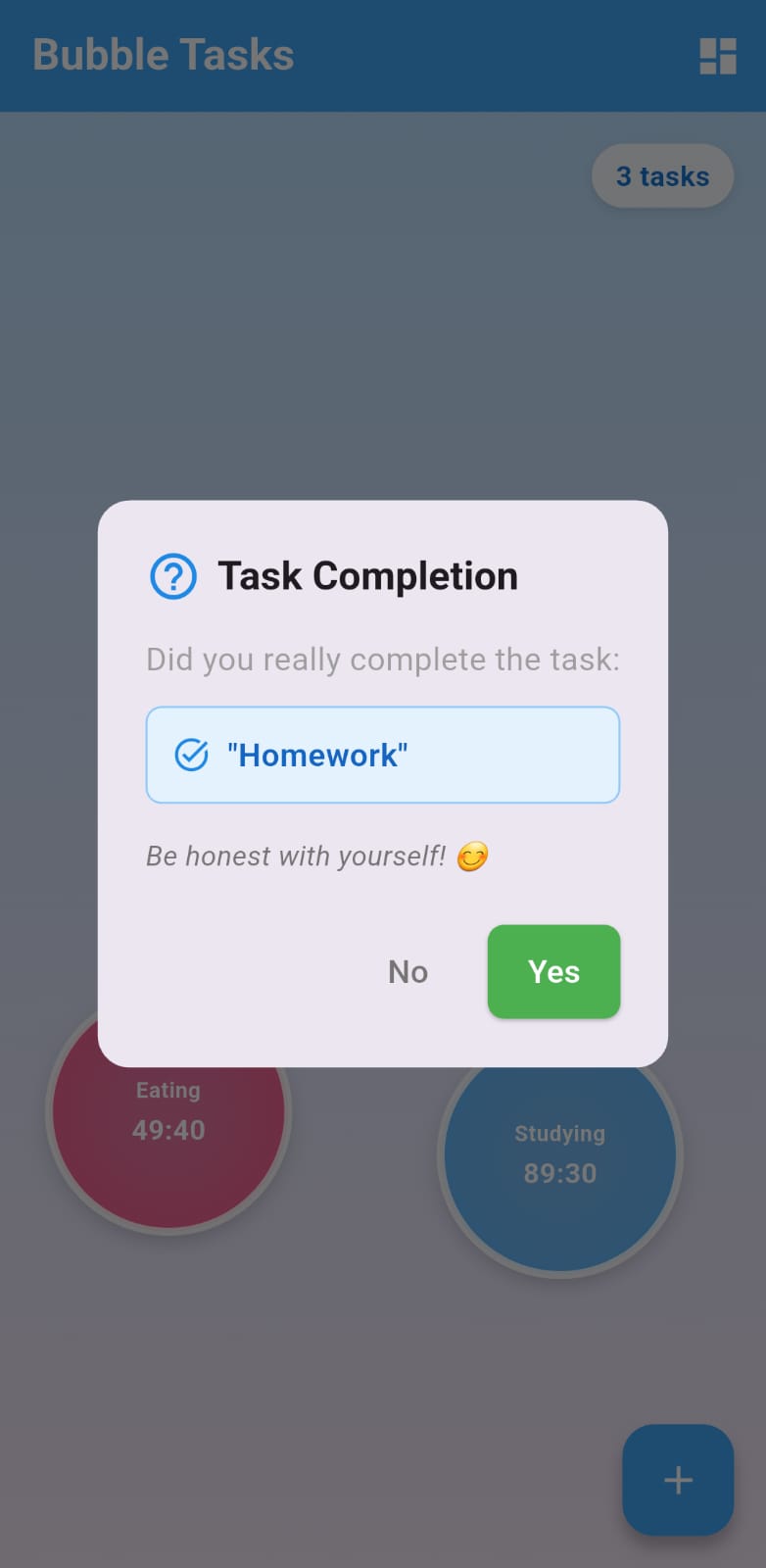
Confirmation
-
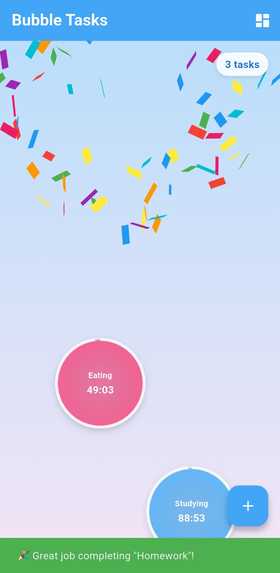
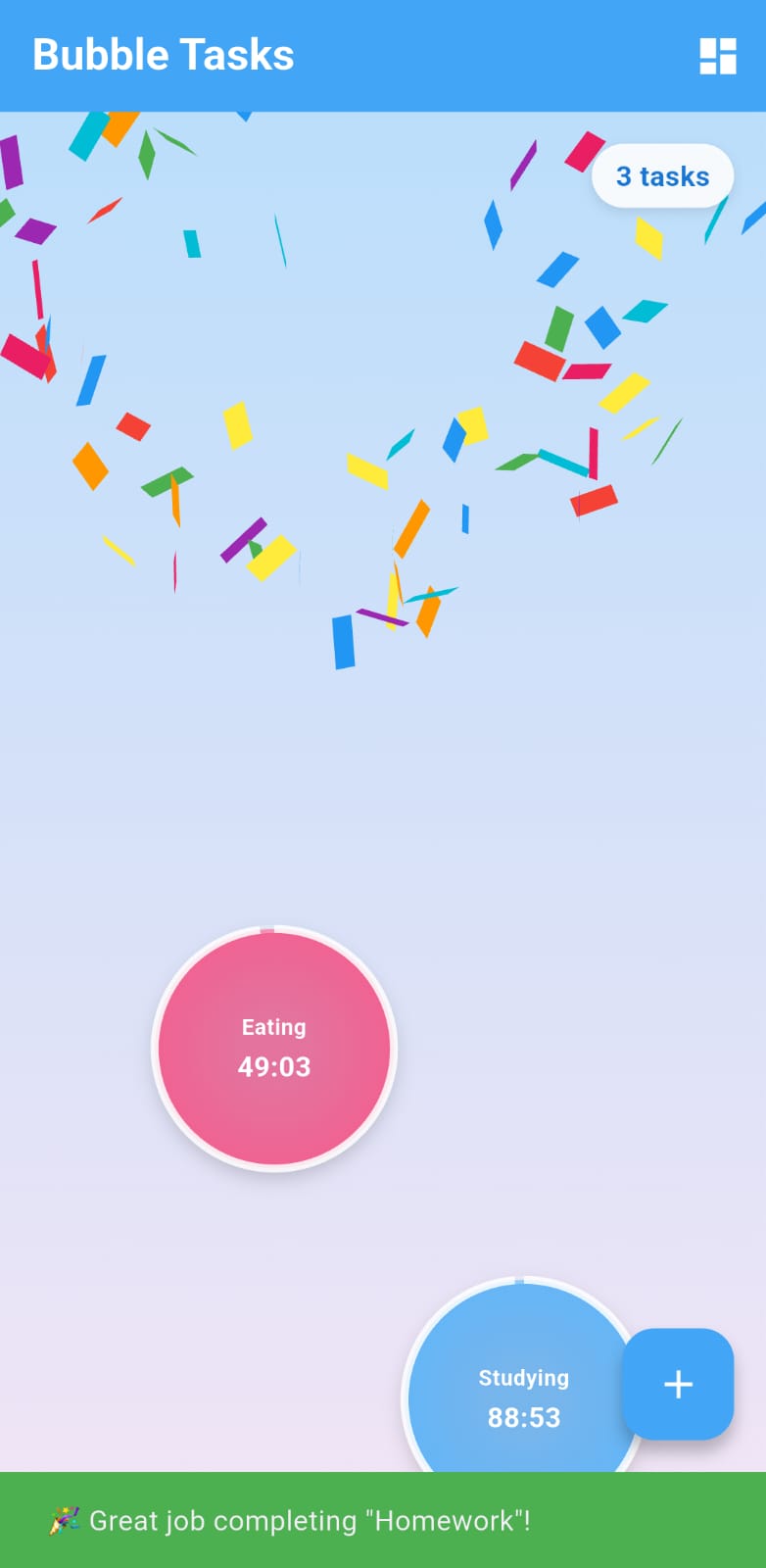
Successful completion of Task
-
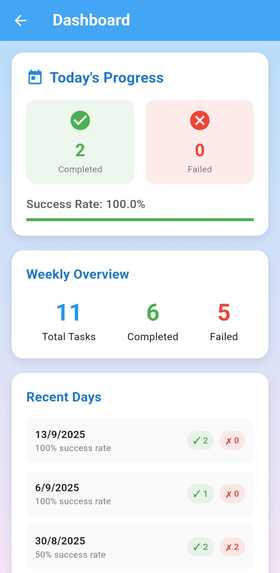
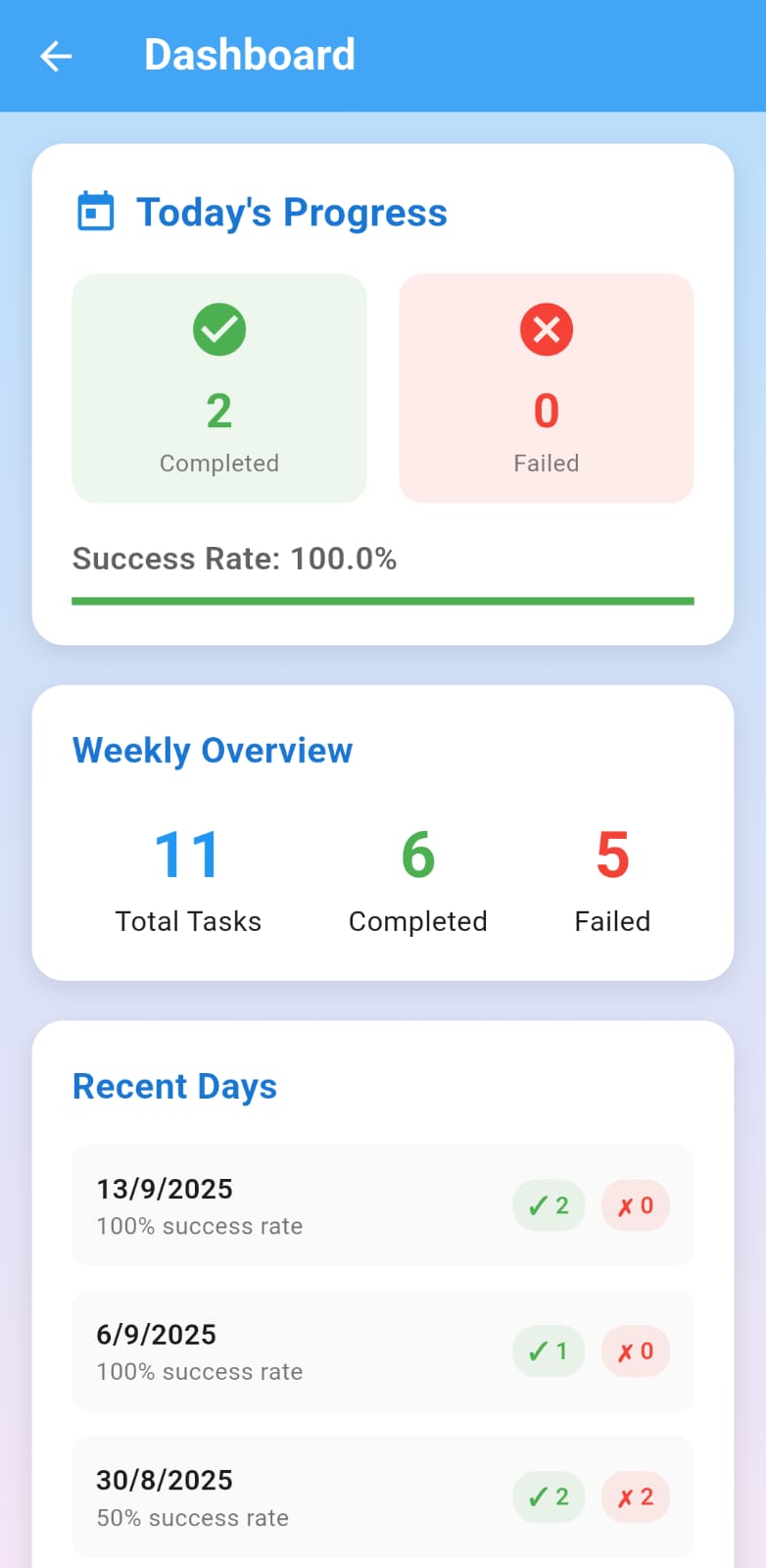
Dashboard
Inspiration
In today’s fast-paced, distraction-filled world, children often struggle to maintain focus on a single task. With the constant pull of digital entertainment, social media, and other competing stimuli, it has become increasingly difficult for kids to build concentration and discipline. This challenge inspired me to rethink how task completion can be made engaging and rewarding rather than overwhelming.
The idea is to transform task completion into a reward-driven experience, where every successfully finished activity becomes a satisfying accomplishment that motivates children to keep going. By turning tasks into milestones and tracking progress over time, I created a system that not only measures productivity but also instills a sense of accomplishment.
This approach combines elements of gamification and positive reinforcement—kids are encouraged to focus by associating effort with tangible rewards and progress tracking. The ultimate goal is to help children develop better concentration, build healthy habits around task management, and experience the joy of achieving their goals one step at a time.
What it does
The application transforms everyday task management into a fun, interactive, and visually engaging experience. Users can create tasks and assign a timer to each one. Every task is represented as a colorful floating bubble that drifts around the screen, giving a playful yet dynamic representation of pending responsibilities.
When a user successfully completes a task within the set time, they can pop the bubble, which triggers a delightful confetti animation and a success sound—providing instant gratification and reinforcing positive behavior. However, if the task isn’t completed in time, the bubble bursts automatically, marking the task as failed.
Multiple tasks can be created simultaneously, each floating and gently bouncing off one another, creating a lively and motivating environment. Behind the scenes, the system tracks both successes and failures, allowing users to view a clear record on their dashboard of how many tasks they’ve completed versus how many they’ve missed.
By blending productivity with gamification, the app helps users stay focused, manage their time effectively, and enjoy the process of completing tasks.
How we built it
We built this application using Kiro, leveraging its Vibe Coding feature to streamline development. By clearly describing our use case and the desired behavior of the app, Kiro automatically generated the necessary files, project structure, and boilerplate code, saving significant setup time and allowing us to focus on refining functionality and design.
The app itself is developed using Flutter, making it cross-platform by default. This means it can be seamlessly deployed on both Android and iOS devices, ensuring accessibility to a wider audience. The combination of Kiro’s automation and Flutter’s flexibility enabled us to quickly bring our idea to life while keeping the codebase clean, structured, and scalable.
Challenges we ran into
Like any development journey, building this application came with its share of hurdles. Initially, we encountered a few bugs that required careful debugging and iteration before the app behaved as expected.
The most significant challenge, however, was testing the application. The Android SDK emulator wasn’t functioning properly, making it difficult to reliably simulate real usage scenarios. This slowed down the development cycle and forced us to look for workarounds. To overcome this, we opted to connect and test directly on physical mobile devices instead of relying on the emulator. While this required extra setup and troubleshooting, it ultimately allowed us to validate features in a more realistic environment and ensure smooth functionality on actual hardware.
These challenges not only tested our problem-solving skills but also gave us valuable hands-on experience in adapting to technical limitations and finding practical alternatives under pressure.
What's next for Pop The Task
Next, we plan to deploy this app into app store and play store to make it publicly accessible.
Built With
- dart
- flutter

Log in or sign up for Devpost to join the conversation.