Inspiration 💡
Gut health is a crucial but often overlooked part of our overall well-being. We realized that many people struggle to keep track of their digestive health simply because it's considered an awkward or taboo topic. We wanted to remove the stigma and create a fun, intuitive, and highly private way for users to monitor their daily habits. Thus, PoopTracker was born!
What it does 💩
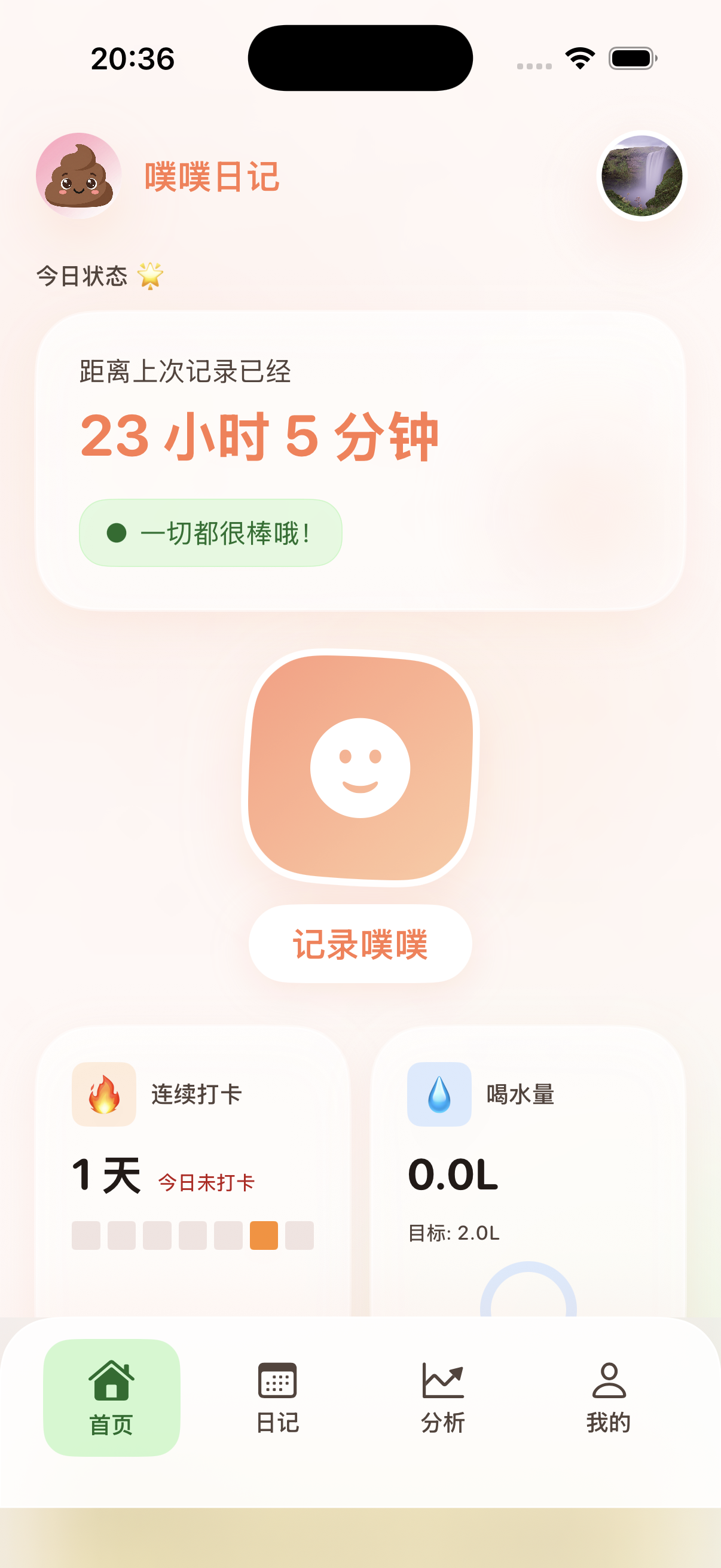
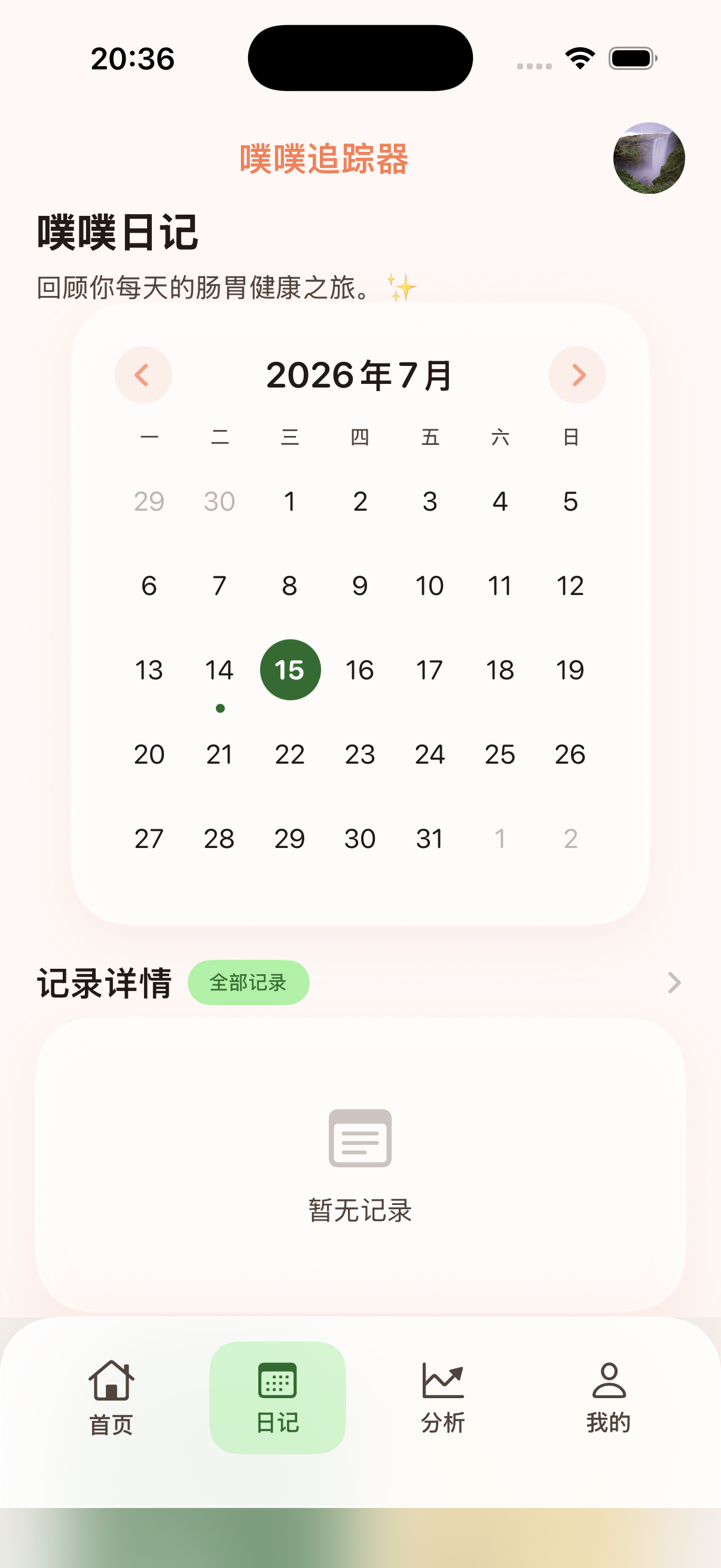
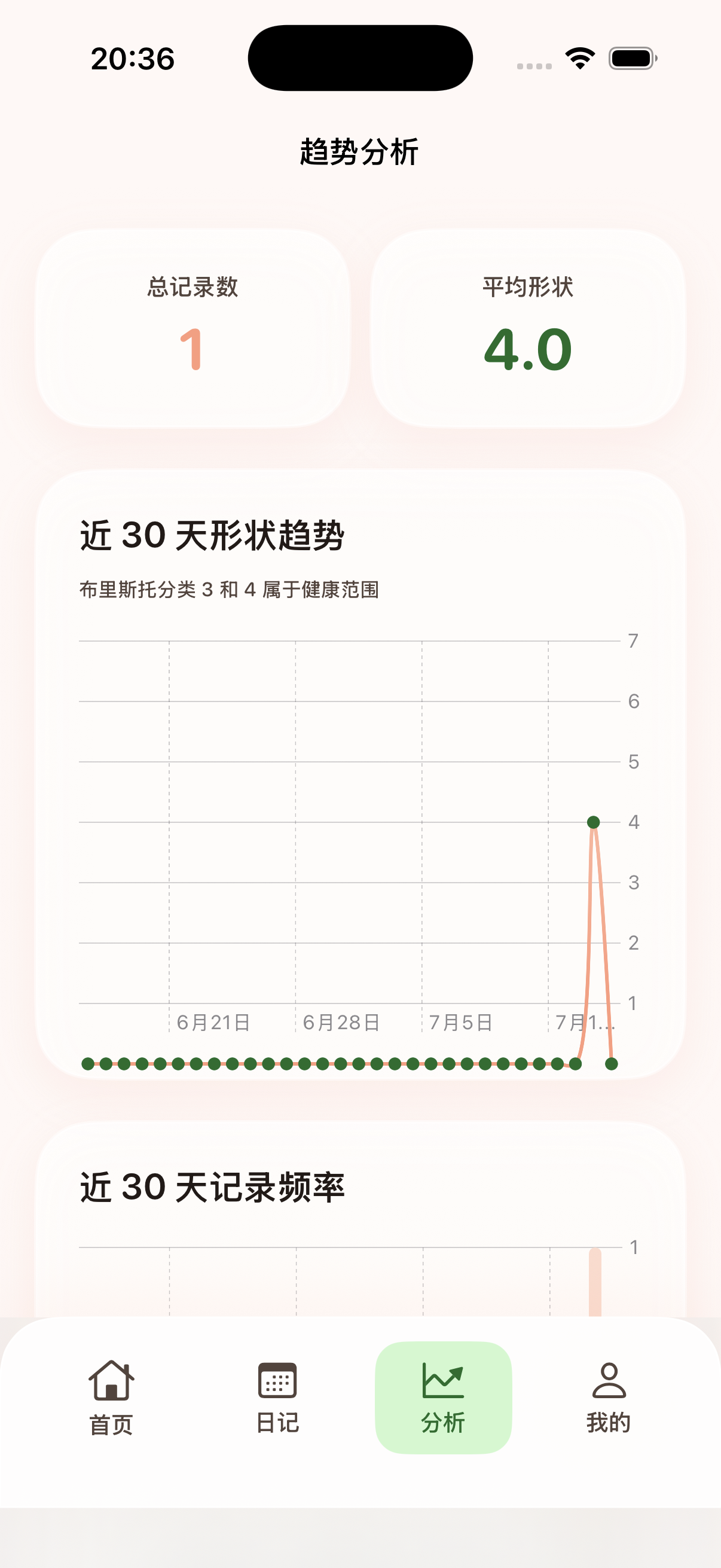
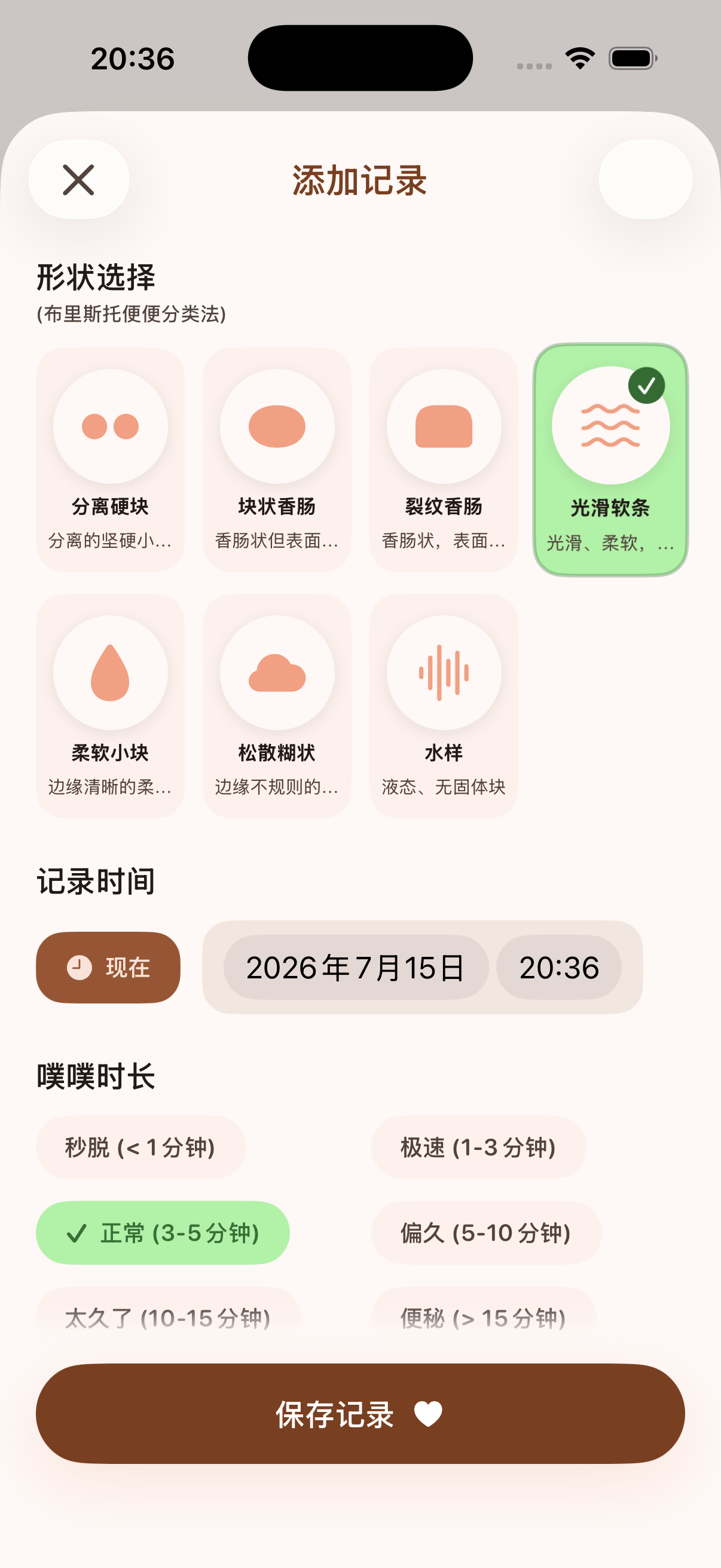
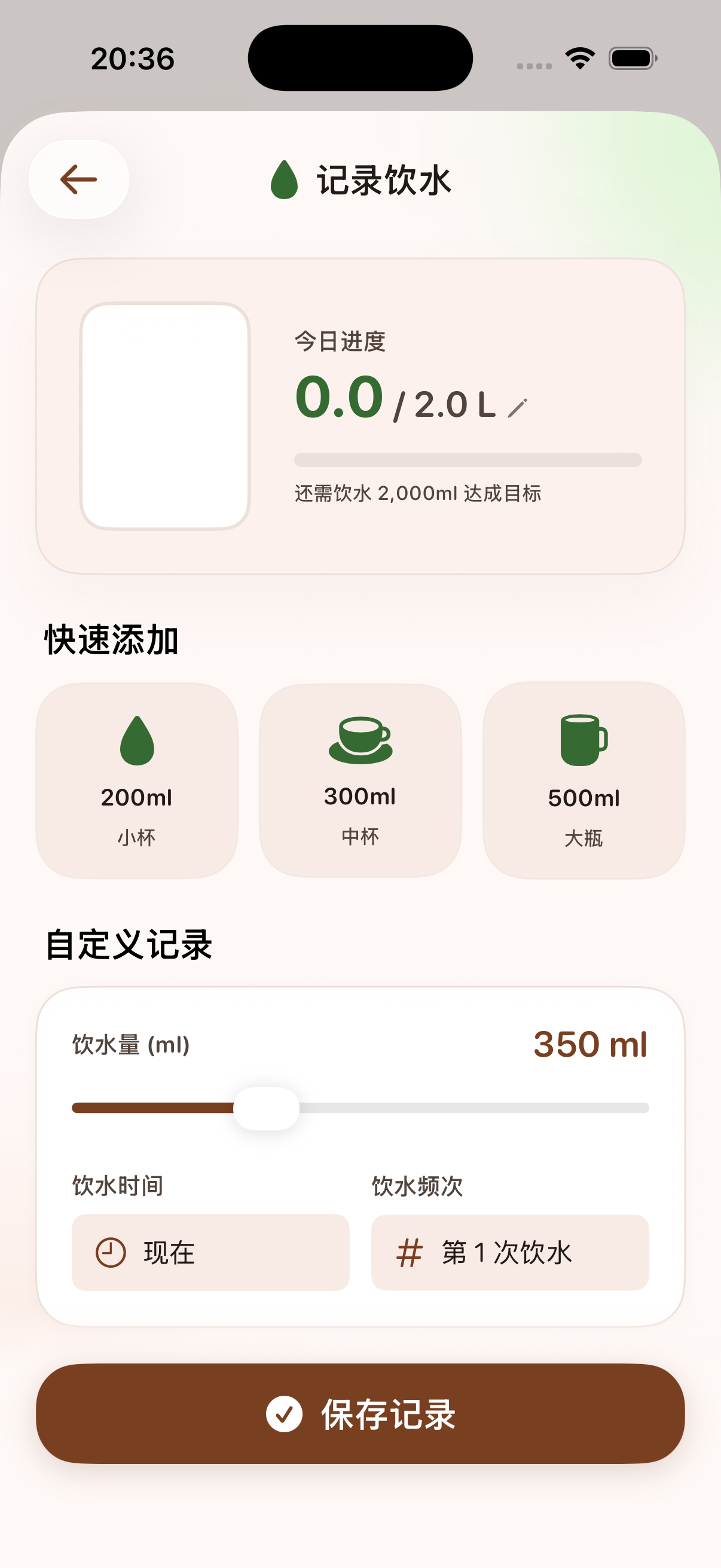
PoopTracker is a daily logging iOS application that allows users to seamlessly track their bowel movements. Users can quickly log the time, type (referencing the standard Bristol Stool Scale), and add personalized notes about their diet or hydration. Over time, the app generates data visualizations and insights, helping users identify trends or potential dietary triggers that affect their digestive system.
How we built it 🛠️
We built PoopTracker as a native iOS application to ensure the best possible performance and system integration. The user interface was crafted entirely with SwiftUI, which allowed us to build fluid, responsive, and welcoming screens with smooth animations. For data persistence, we utilized CoreData to keep the sensitive logs stored securely and locally on the user's device, ensuring maximum privacy.
Challenges we ran into 🚧
One of the main challenges was designing an interface that was informative and scientific without being visually off-putting. Additionally, ensuring the absolute privacy of this highly personal health data was a top priority. Relying strictly on on-device storage meant we had to design efficient data models to handle querying and charting local data without performance drops.
Accomplishments that we're proud of 🏆
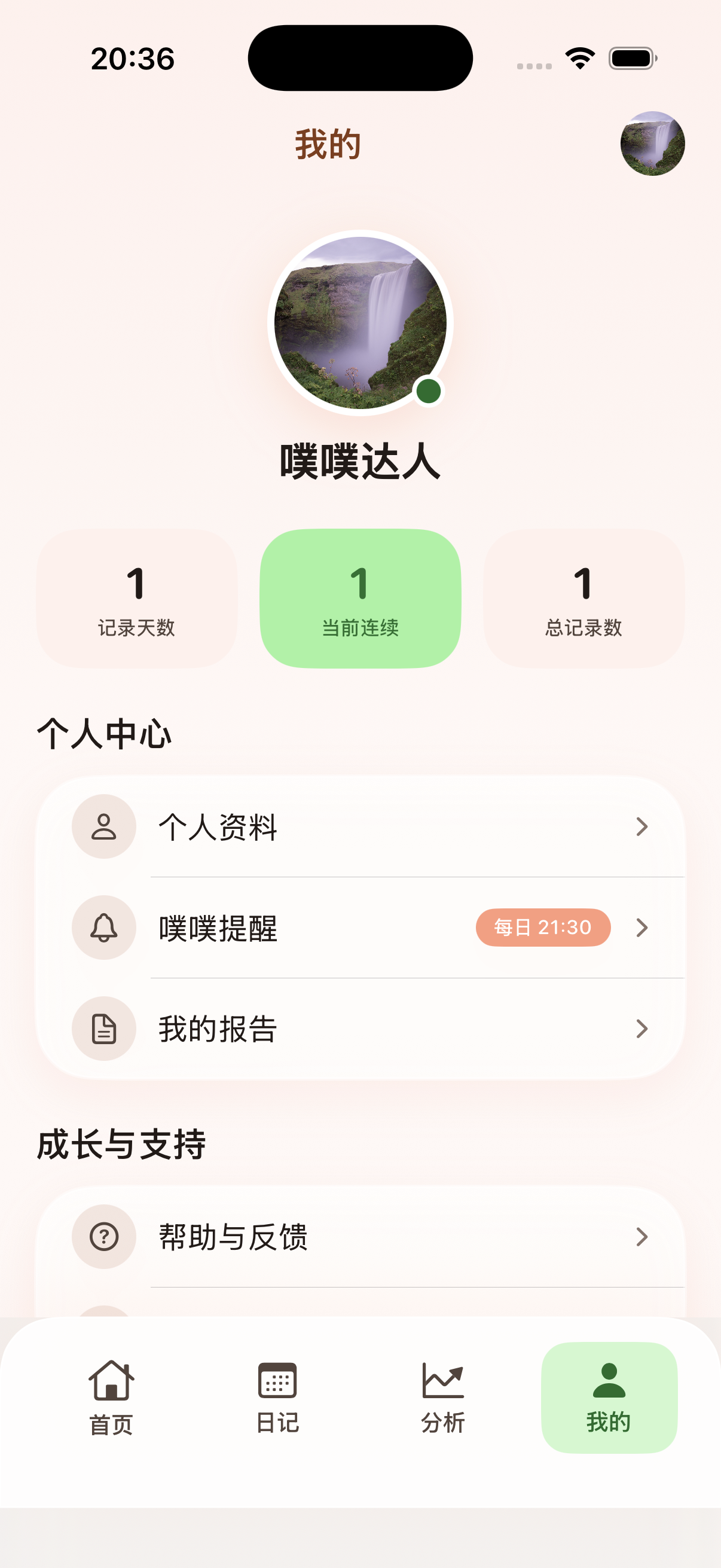
We are incredibly proud of the intuitive iOS UI and the clean data visualization dashboard. Seeing raw daily logs turn into meaningful Apple-style charts that can actually help someone understand their body better is highly rewarding. We also successfully managed to complete the core tracking loop within the tight timeframe!
What we learned 🧠
Building PoopTracker taught us a lot about handling sensitive user data and the importance of empathetic user experience design in health-tech applications. We also significantly deepened our technical knowledge of Swift, state management in SwiftUI, and building efficient local databases with CoreData.
What's next for PoopTracker 🚀
In the future, we plan to integrate Apple's HealthKit so users can correlate their digestive data with their sleep and activity rings. We also want to add a secure "Export to PDF" feature so users can easily share their health logs directly with their doctors or gastroenterologists.


Log in or sign up for Devpost to join the conversation.