-
-
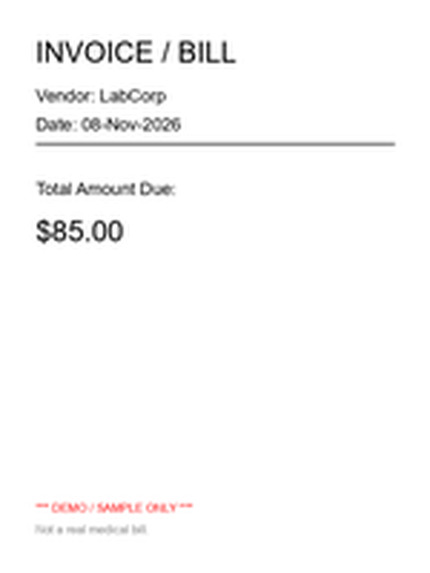
mock_bill_1
-
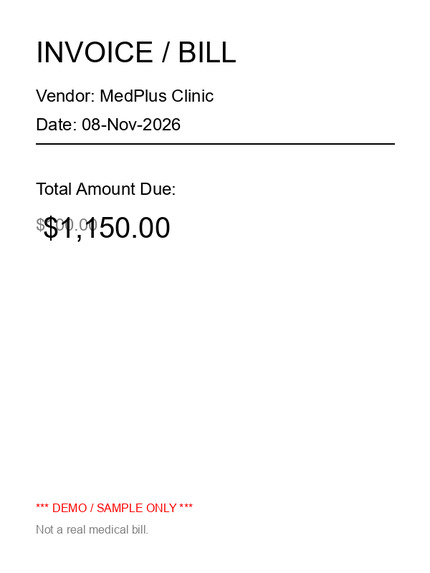
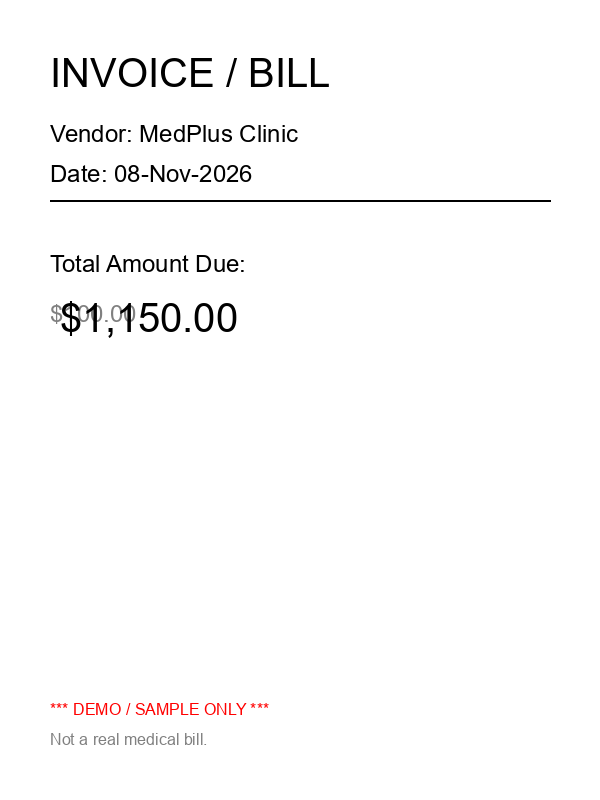
mock_bill_2
-
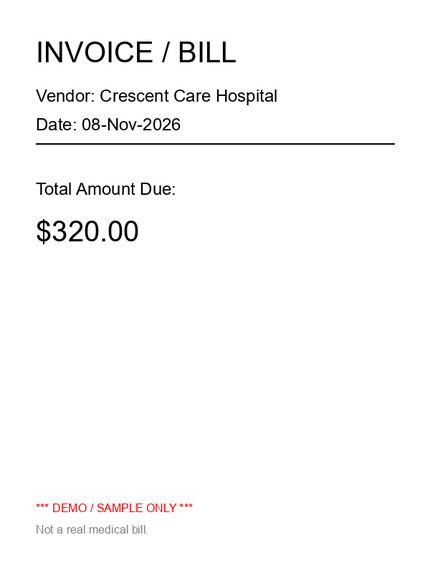
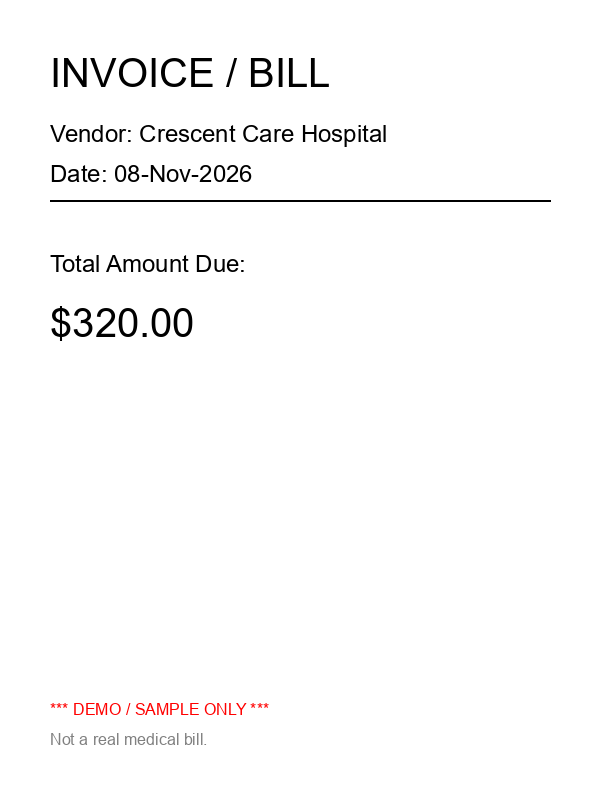
mock_bill_3
-
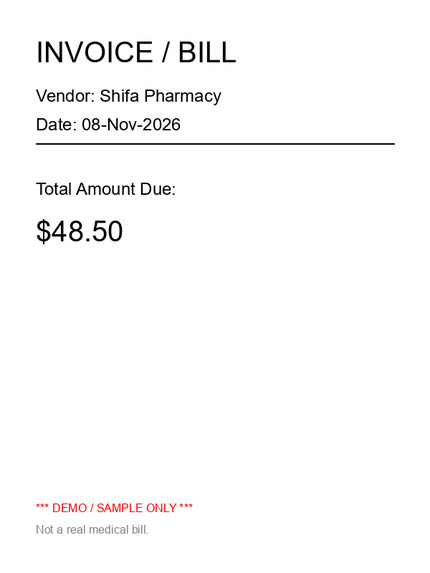
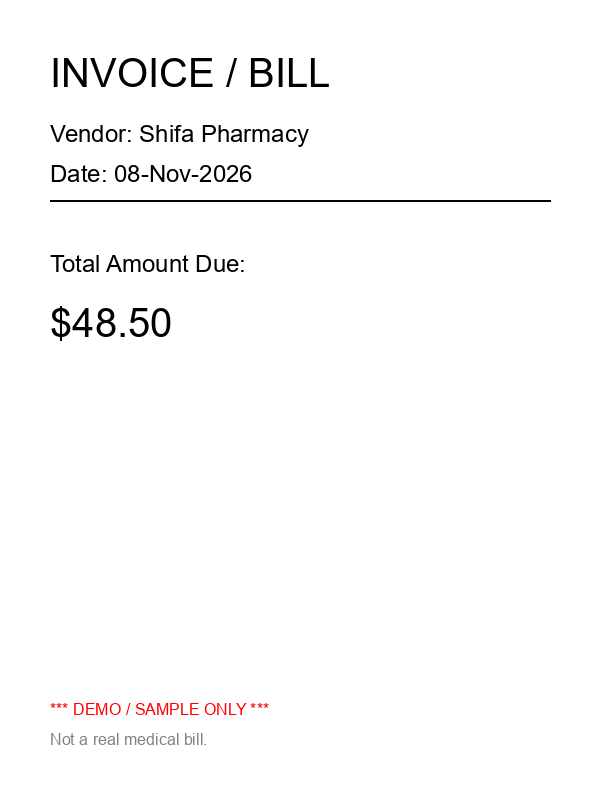
mock_bill_4
Inspiration Money brings people together, but managing money between people often creates friction. Whether it is pooling funds for a shared purchase, splitting a medical bill, lending money to a friend, or tracking repayments, the process is still surprisingly manual. People rely on spreadsheets, chat messages, reminders, and trust.
We wanted to build something smarter: an AI-powered platform that makes managing shared financial commitments easier, more transparent, and accountable. What if an AI agent could coordinate the entire process, from collecting contributions and tracking repayments to making purchases, while keeping people firmly in control of their money?
That idea inspired FundFlow. What it does FundFlow is an AI-powered financial coordination platform that helps people manage shared money, payments, loans, and purchases.
Its key capabilities include:
- Group Pooling and Gifting: Create shared funding pools, invite contributors, collect partial payments, and track progress toward a financial goal.
- Lending and Borrowing: Record personal loans, track installments, monitor repayment deadlines, and send intelligent reminders.
- AI Purchasing Agent: Compare prices, verify sellers, enforce spending limits, prevent duplicate purchases, and request approval before checkout.
- Group Bill Splitting: Split shared expenses equally or unequally, track contributions, and coordinate payments to beneficiaries.
- AI Reasoning and Transparency: Understand why the AI made a decision through a live reasoning feed, confidence indicators, and plain-language explanations.
- Audit Trail and Dispute Resolution: Maintain transaction histories, payment records, agreements, and evidence that can be exported when needed. FundFlow is designed around one principle: AI can coordinate financial activities, but users remain in control of their money. How we built it We designed FundFlow around an AI agent that understands natural-language financial instructions and translates them into structured actions.
Users can interact with FundFlow through a conversational interface instead of navigating complicated financial workflows.
The platform combines:
- AI-powered orchestration: Interprets user instructions, manages workflows, and coordinates financial activities.
- PayPal integration: Uses a payment client architecture designed to support PayPal transactions, authorizations, captures, and refunds.
- MockPayPalClient: Simulates payment workflows for the hackathon demonstration, with no real money movement. The repository also includes the real PayPal integration path, configurable through environment variables.
- Intelligent document processing: Extracts financial information from uploaded bills and documents.
- Real-time dashboard: Visualizes pools, contributions, repayments, payment statuses, and transaction histories.
- Audit and transparency layer: Records AI decisions, rule validations, and transaction events for traceability. Challenges we ran into One of our biggest challenges was PayPal sandbox accessibility. Since some team members are based in Pakistan, accessing PayPal's developer sandbox presented geographical limitations.
Rather than letting this block development, we designed a MockPayPalClient to simulate the complete payment lifecycle. This allows us to demonstrate the workflows while retaining a real PayPal integration path for testing in supported environments.
Another challenge was balancing AI autonomy with financial safety. An AI agent handling money cannot simply make decisions without boundaries. We needed to think about spending limits, explicit approvals, duplicate transaction prevention, seller verification, and complete auditability.
We also had to bring several different financial workflows into one coherent experience without overwhelming users. Accomplishments that we're proud of
- Bringing group pooling, lending, borrowing, bill splitting, and AI-assisted purchasing into one platform.
- Designing an AI agent that does more than answer questions. It coordinates multi-step financial workflows.
- Building financial guardrails around AI-driven actions, including spending caps and explicit purchase approvals.
- Making AI decisions transparent through reasoning explanations and an auditable activity history.
- Designing a simulated PayPal payment environment that allows the team to demonstrate end-to-end payment workflows despite sandbox accessibility challenges.
- Creating a foundation that can evolve beyond a hackathon prototype into a broader financial coordination platform. What we learned We learned that building an AI-powered financial product involves much more than connecting an LLM to a payment API.
Financial workflows require trust, predictable execution, accountability, and clear boundaries around what an AI agent can and cannot do.
We also learned the importance of designing for failure scenarios: incomplete contributions, overdue repayments, failed transactions, duplicate purchases, refunds, and disputes.
Most importantly, we learned that the real value of an AI agent is not just automating individual tasks, but coordinating multiple steps while keeping humans informed and in control. What's next for FundFlow We see FundFlow evolving into a trusted AI financial coordination platform.
Our next steps include:
- Completing and validating the real PayPal integration for payments, authorizations, captures, and refunds.
- Expanding AI-powered purchasing with better price comparison, seller verification, and fraud detection.
- Introducing more sophisticated repayment intelligence and configurable reminder workflows.
- Improving trust and reliability tracking across financial commitments.
- Adding integrations with more payment providers and financial platforms.
- Strengthening security, privacy, and transaction-level auditability.
- Exploring additional use cases for families, communities, small groups, and businesses. Our long-term vision is simple: Make managing money together as easy as having a conversation, with AI doing the coordination and people retaining control.


