About PondIQ: Revolutionizing African Catfish Aquaculture
The inspiration for PondIQ stemmed from a firsthand understanding of the significant challenges faced by catfish farmers across Africa. Traditional aquaculture practices are often labor-intensive, inefficient, and highly susceptible to issues like poor water quality and disease outbreaks. These factors directly impact profitability and sustainability, hindering the potential of a vital food source. We saw an opportunity to bridge this gap by leveraging accessible technology to empower farmers, making their operations smarter, more efficient, and ultimately, more productive.
Our vision was clear: to create a solution that could automate basic, repetitive tasks, provide critical real-time insights, and eventually, offer predictive analytics for fish health—all accessible from a farmer's mobile phone, regardless of infrastructure limitations. This led us to develop PondIQ, a smart aquaculture device designed to revolutionize how catfish are farmed.
What PondIQ Does
PondIQ is a comprehensive smart aquaculture solution designed to bring efficiency, precision, and intelligence to catfish farming operations, directly empowering farmers through a user-friendly mobile application. Our current prototype delivers robust automation capabilities, while also laying the critical groundwork for advanced AI-driven disease detection.
- Automated Pond Management (Current & Fully Functional):
PondIQ liberates farmers from time-consuming manual tasks, ensuring optimal conditions for catfish growth and health. Through our intuitive mobile app, farmers can:
Remote Water Change Control: Initiate and manage water exchange cycles remotely. This allows for precise control over water quality, reducing manual labor and ensuring a healthier environment for the fish. Users can trigger water inflow and outflow pumps directly from their mobile device, receiving real-time status updates.
Scheduled Automated Feeding: Configure and schedule precise feeding times and dosages. This ensures consistent and accurate feed delivery, minimizing waste and optimizing feed conversion ratios. Farmers can set multiple feeding schedules for different times of the day, adjusting quantities based on fish size and growth stages, all managed effortlessly from the app.
Configurable Feed Scale: Remotely adjust and calibrate the feed dispensing mechanism. This feature allows for granular control over the amount of feed dispensed, preventing overfeeding or underfeeding, which are common issues leading to poor fish health and economic losses.
Real-time Operational Monitoring: Receive live updates on the status of all automated processes. The app displays whether pumps are active, when the next feeding is scheduled, and confirms successful completion of tasks, providing peace of mind and operational transparency.
- Catfish Health Monitoring with AI (Currently Simulated, Data Gathering Underway):
Our long-term vision for PondIQ includes an advanced AI-powered disease detection system to proactively identify fish health issues. While a real-world dataset for African catfish diseases is currently scarce, we have implemented a robust strategy to develop this crucial feature:
ESP32-CAM for Pond Streaming: The device integrates an ESP32-CAM module capable of streaming live video of the catfish pond. This provides farmers with visual access to their stock, even when they are not physically present at the pond.
Simulated AI Monitoring Interface: To demonstrate the future capability, our web application features a simulated interface that illustrates how the AI model will eventually analyze video streams to detect anomalies. This simulation showcases the potential for early warning signs of disease, allowing for timely intervention.
Community-Driven Data Collection for AI Training: Recognizing the critical need for a relevant dataset, we have built a dedicated "Report" page within the mobile application. This feature allows African catfish farmers to actively log observations, share images or videos of fish displaying symptoms, and provide detailed reports on disease outbreaks. This crowdsourced data, combined with other collected metrics, will form the foundation for training our unique, localized AI model—the first African Catfish-based AI capable of accurately identifying region-specific diseases.
PondIQ is designed to be a scalable, user-centric solution that addresses the core operational and health management needs of catfish farmers, leveraging resource-constrained computing to deliver maximum impact in an African context.
How we built it
The Build: Technology Stack and Architectural Decisions Building PondIQ involved a carefully selected technology stack, prioritizing resource efficiency, scalability, and ease of use:
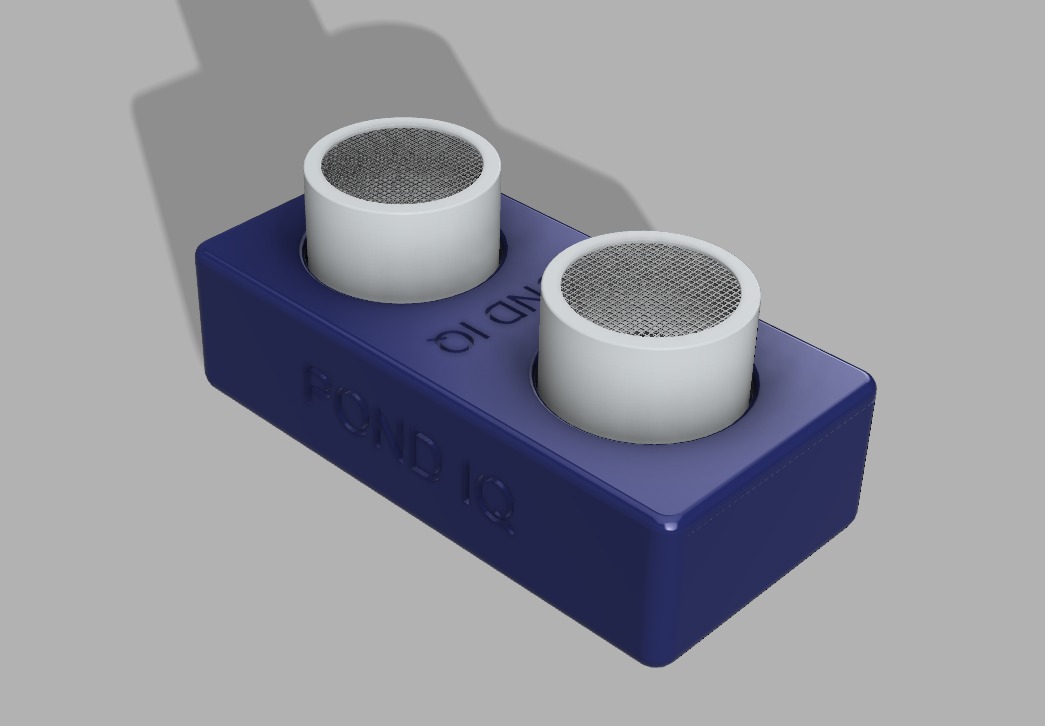
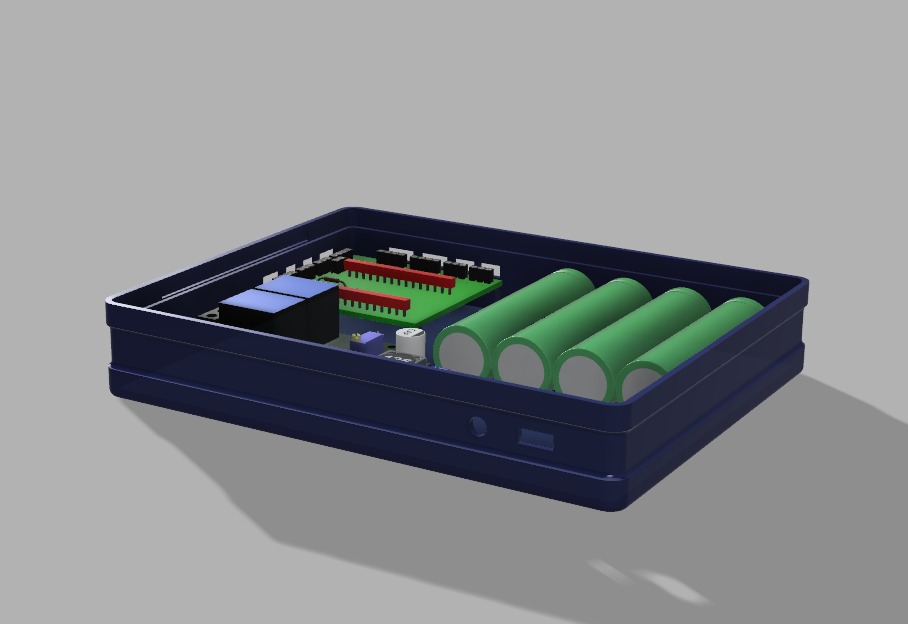
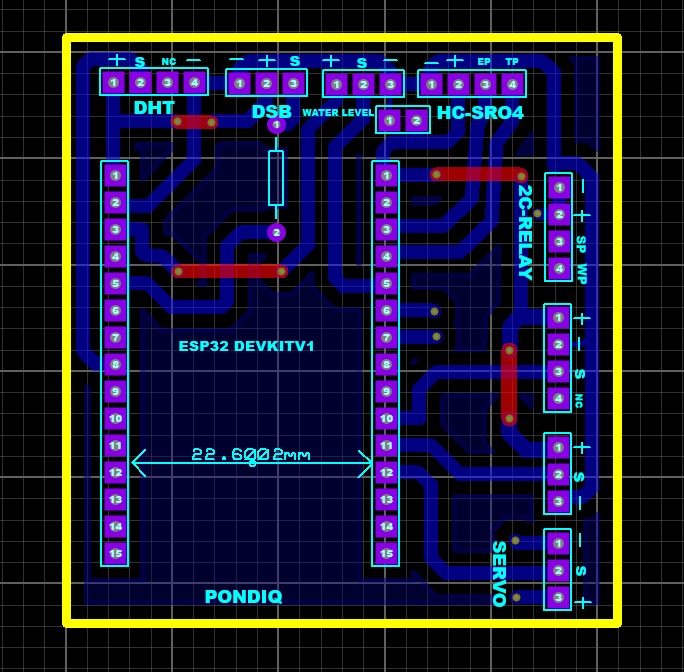
IoT Hardware (ESP32 & ESP32-CAM): The ESP32 was chosen as the brain of our device due to its cost-effectiveness, low power consumption, and robust Wi-Fi capabilities, making it ideal for edge computing in rural or semi-urban African settings where stable power supply can be a constraint. It directly controls essential farm operations like automated water changes, scheduled feeding times, and precise feed scale configuration. For the crucial monitoring aspect, we integrated the ESP32-CAM, anticipating its role in live pond streaming and future on-device AI inference.
Backend (Firebase): Firebase provides a real-time, scalable backend solution that perfectly complements our resource-constrained hardware. Its NoSQL database (Firestore) enables quick and efficient data synchronization between the device and the mobile application, ensuring farmers receive timely updates and can send commands reliably, even with intermittent network connectivity. Firebase's authentication and hosting services also streamline the development process.
Web Application (Next.js): We built a responsive web application using Next.js to provide a rich, intuitive interface for farmers. Next.js offers server-side rendering and static site generation capabilities, which improve performance and user experience, especially important for users who might have limited bandwidth. The web-app serves as the central hub for managing device settings, viewing operational data, and crucially, for farmers to log reports on fish health, which is foundational to our AI development.
Lessons Learned and Challenges Faced
Our journey with PondIQ has been a continuous learning experience, particularly concerning the realities of deploying deep tech solutions in resource-constrained environments:
Data Scarcity for African-Specific AI: The most significant challenge we encountered was the absence of a robust, real-world dataset for African catfish diseases. While generic fish disease datasets exist, they often don't account for the specific pathogens, environmental factors, or visual characteristics unique to catfish species prevalent in Africa. This directly impacts our goal of developing a highly accurate, localized AI model for disease detection using the ESP32-CAM.
Our Solution: To overcome this, we designed a simulation-based demo for our AI monitoring feature to illustrate its future potential. More importantly, we integrated a farmer reporting system into our mobile application. This allows farmers to actively contribute valuable, real-world data about observed fish health issues, creating a community-driven dataset that will be instrumental in training our first African Catfish-based AI model. This approach turns a constraint into a unique data acquisition strategy.
Connectivity and Reliability: Ensuring consistent communication between the ESP32 devices and Firebase in diverse African settings presented a learning curve. We had to design our system to be resilient to intermittent network access, ensuring that critical operations like feeding schedules execute even if temporary connectivity is lost, and data syncs efficiently once re-established.
Hardware-Software Integration: Optimizing the interplay between the ESP32's limited processing power and memory with the demands of real-time control and data transmission required careful firmware development and efficient data structuring. We learned the importance of lean code and optimized communication protocols to maximize performance on edge devices.
Despite these challenges, the development of PondIQ has reinforced our belief in the power of localized, resource-optimized deep tech to address critical problems in African agriculture. We are committed to building a solution that is not only technologically advanced but also truly impactful and accessible to the farmers it serves.
What's Next for PondIQ
Our journey with PondIQ is driven by a clear roadmap focused on scaling impact, refining our core technology, and ultimately delivering the first truly African Catfish-based AI for aquaculture. Our next steps are strategically designed to address identified challenges, particularly the need for robust, localized datasets, and to ensure PondIQ remains a practical and accessible solution for farmers across the continent.
- Accelerating AI Model Development through Focused Data Acquisition:
This is our immediate and most critical priority. To move beyond simulation and deploy a functional AI for disease detection, we will:
Intensify Farmer Data Collection: We will actively promote and incentivize the use of the "Report" feature in our mobile app. This involves direct engagement with pilot farmers and potentially partnerships with agricultural extension services to ensure high-quality, diverse reports (including images and videos) of healthy and diseased catfish specific to African environments.
Controlled Environment Data Generation: Explore collaborations with aquaculture research institutions or universities in Africa to create controlled environments where various catfish diseases can be safely introduced and systematically documented. This would allow for the collection of high-resolution, annotated image and video data under expert supervision.
Lightweight Model Training: As the dataset grows, we will focus on training small-data AI models and leveraging TinyML principles to ensure these models can be efficiently deployed and run directly on the ESP32-CAM (edge computing). This approach minimizes reliance on constant high-bandwidth internet connectivity and reduces computational costs, aligning perfectly with the "Resource-Constrained Computing" theme.
- Enhancing Device Intelligence and Autonomy:
We aim to make PondIQ even smarter and more resilient to varying conditions:
Advanced Water Quality Sensing: Integrate additional, cost-effective sensors for real-time monitoring of crucial water parameters (e.g., pH, dissolved oxygen, temperature, ammonia). This data will not only be displayed in the app but will also feed into the device's local intelligence, enabling more proactive and automated adjustments.
Predictive Maintenance Alerts: Utilize historical data from the device (feeding patterns, pump usage) to develop basic predictive algorithms that can alert farmers to potential hardware malfunctions or maintenance needs before they become critical issues.
Offline Operational Redundancy: Further enhance the device's ability to operate autonomously for critical functions (e.g., maintaining feeding schedules, basic water circulation) even during extended periods of internet outage, ensuring farm operations are not disrupted.
- User Experience and Accessibility Expansion:
To maximize adoption and impact, we will focus on refining the user experience and broadening accessibility:
Multilingual Support: Incorporate support for key local African languages within the mobile application to make PondIQ accessible to a wider demographic of farmers.
Offline Data Sync Optimization: Improve the efficiency of data synchronization, allowing for larger batches of data to be transmitted when connectivity is available, and ensuring critical information is always cached locally on the device.
Simplified Onboarding and Training: Develop accessible training materials and potentially conduct workshops for new users, focusing on the practical benefits and ease of use of PondIQ.
- Strategic Partnerships and Pilot Expansion:
Collaborate with Agricultural Organizations: Seek partnerships with NGOs, government agricultural bodies, and local aquaculture cooperatives to pilot PondIQ in diverse farming communities across different regions of Africa. This will provide invaluable real-world feedback and facilitate wider adoption.
Local Manufacturing and Support: Explore opportunities for local assembly or manufacturing of PondIQ devices within Africa to reduce costs, create local jobs, and ensure readily available spare parts and technical support.
Ultimately, "What's next for PondIQ" is a commitment to evolving our prototype into a robust, scalable product that not only automates and monitors but truly learns from the unique realities of African aquaculture. By prioritizing accessible, resource-efficient technologies and fostering a community-driven approach to data, we are poised to deliver a transformative solution that contributes significantly to food security and economic empowerment across the continent.

Log in or sign up for Devpost to join the conversation.