Inspiration
What inspired us to create Pomodoro Puyo-Puyo was the theme. We both consistently use Pomodoros to manage distractions from technology to work on tasks in our daily lives. Although we enjoy Pomodoros, we also really wanted to create a game so we made Puyo-Puyo to maintain a good work-fun balance.
What it does
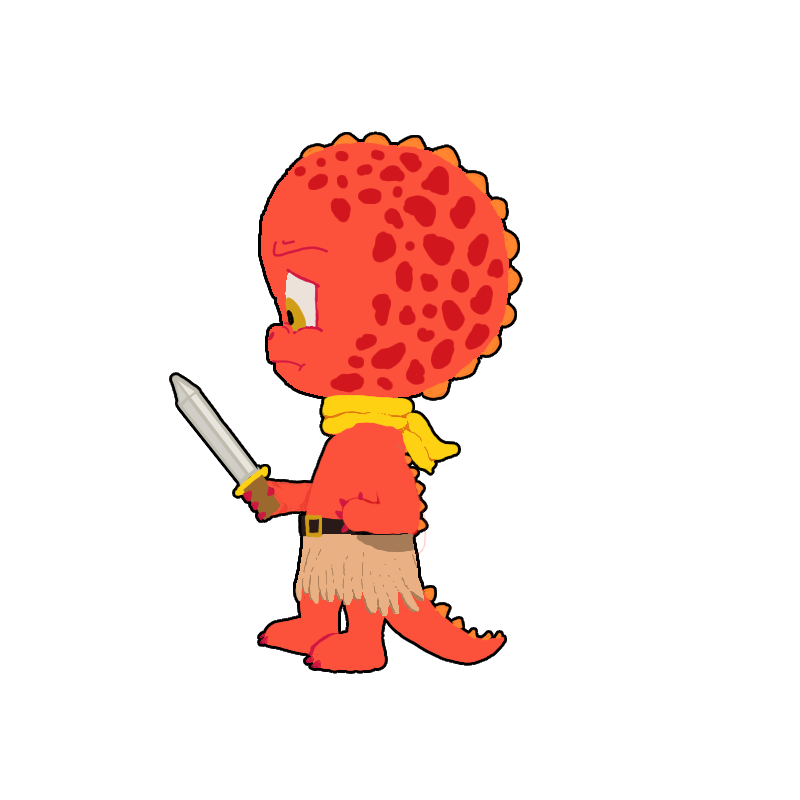
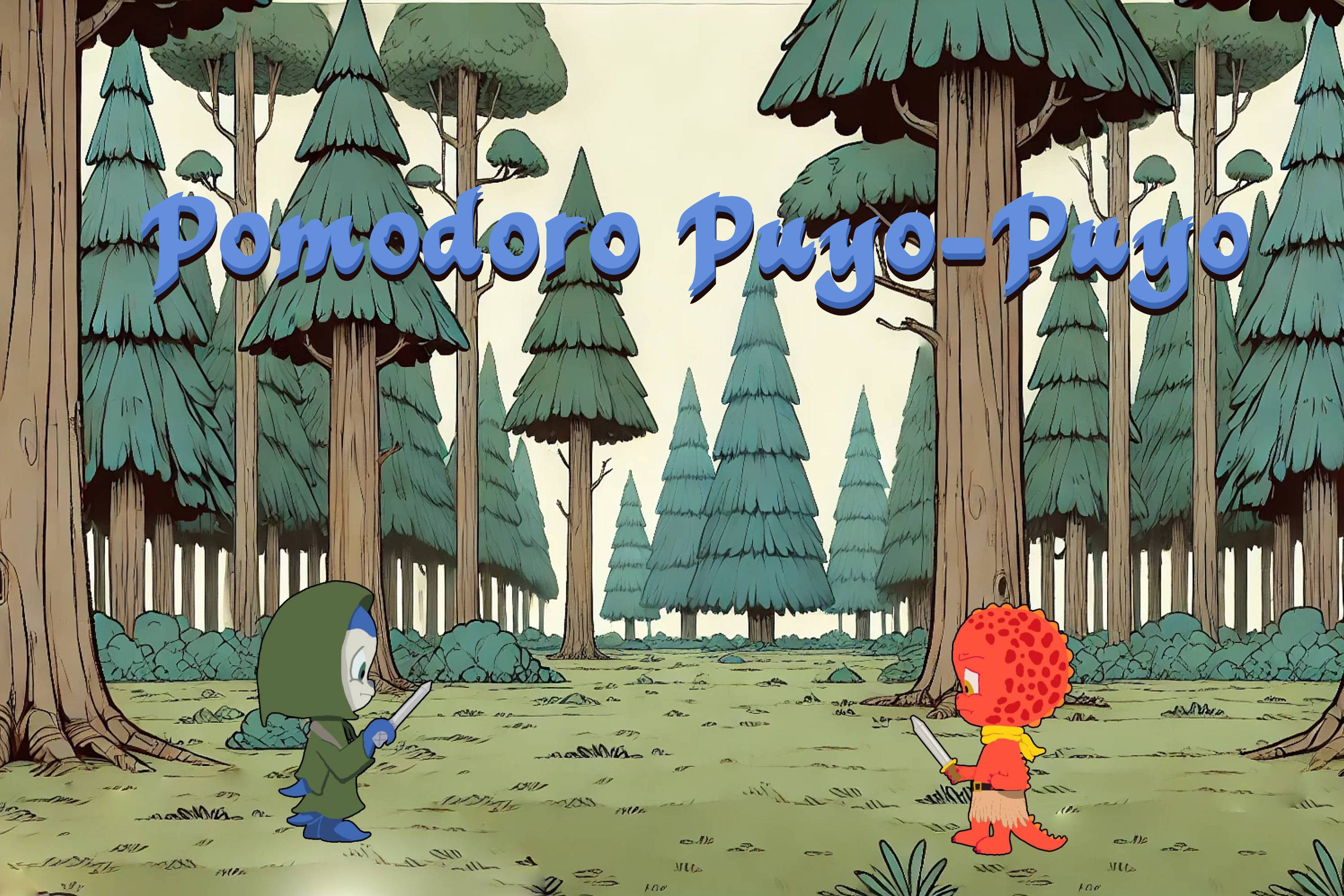
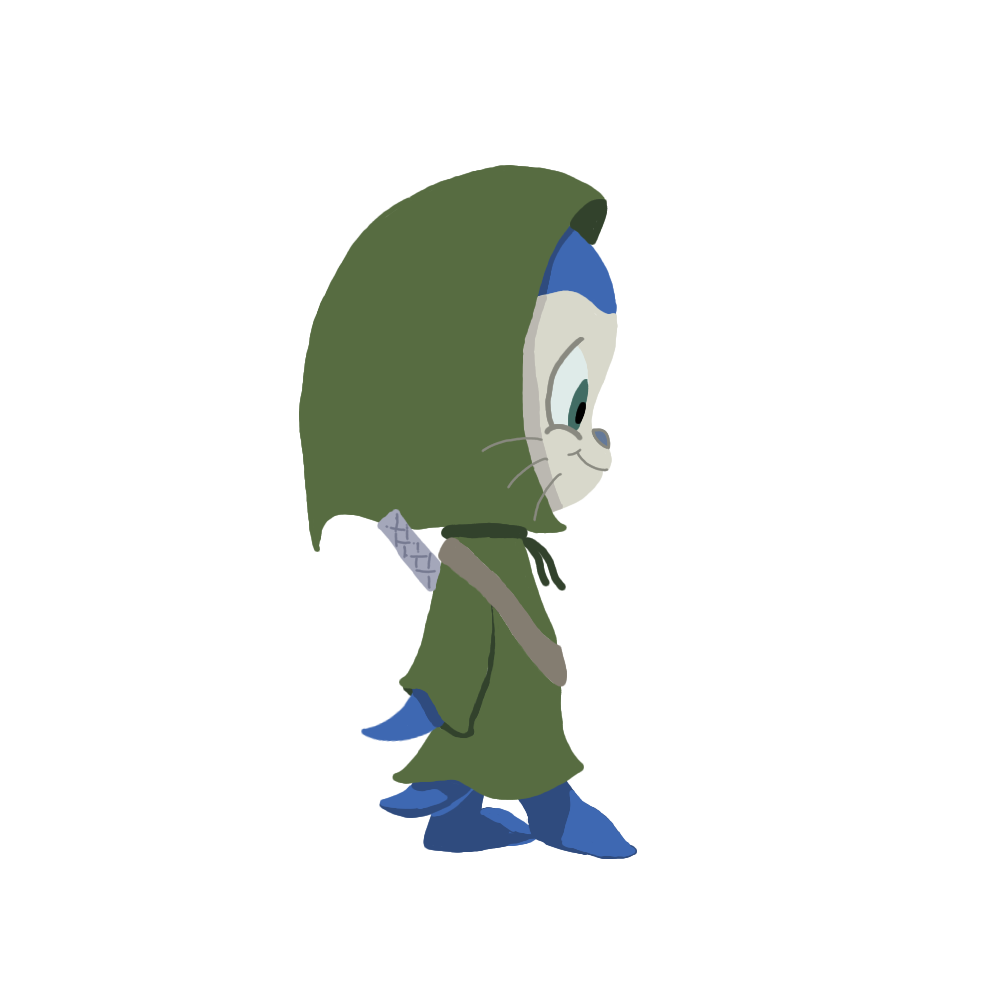
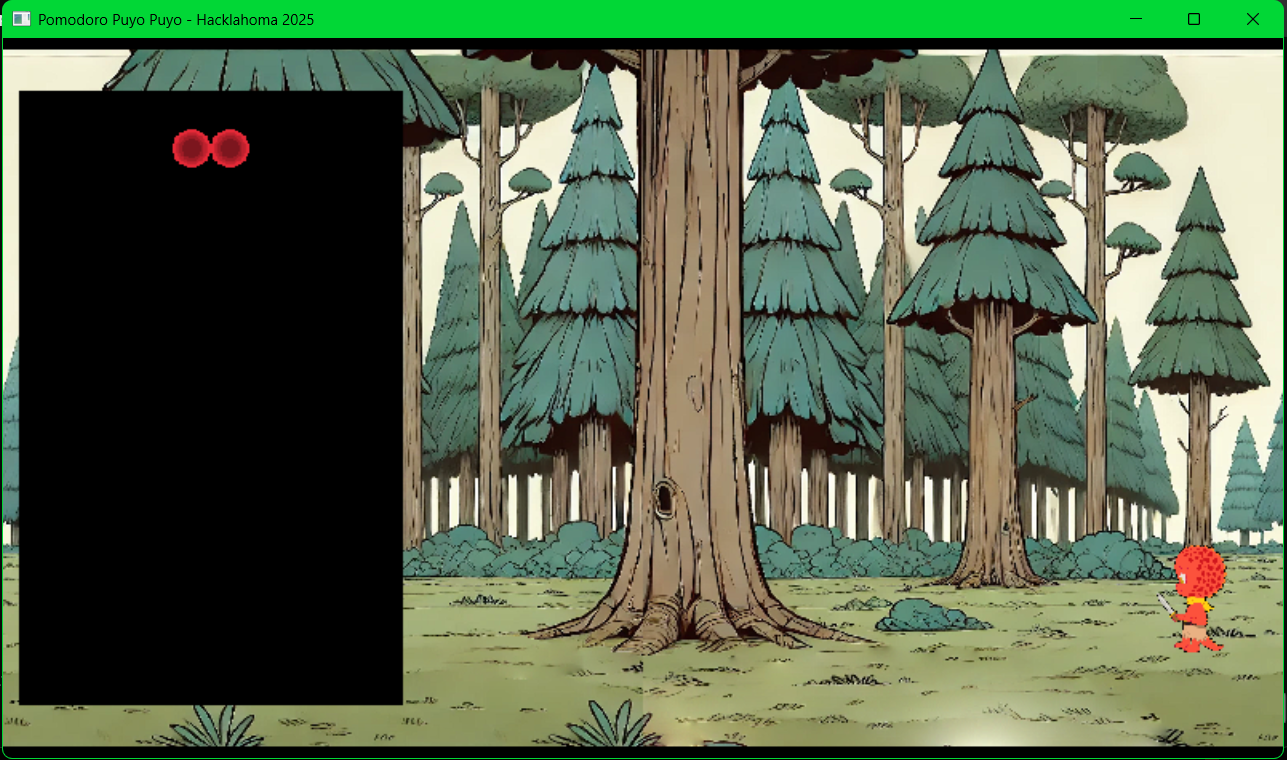
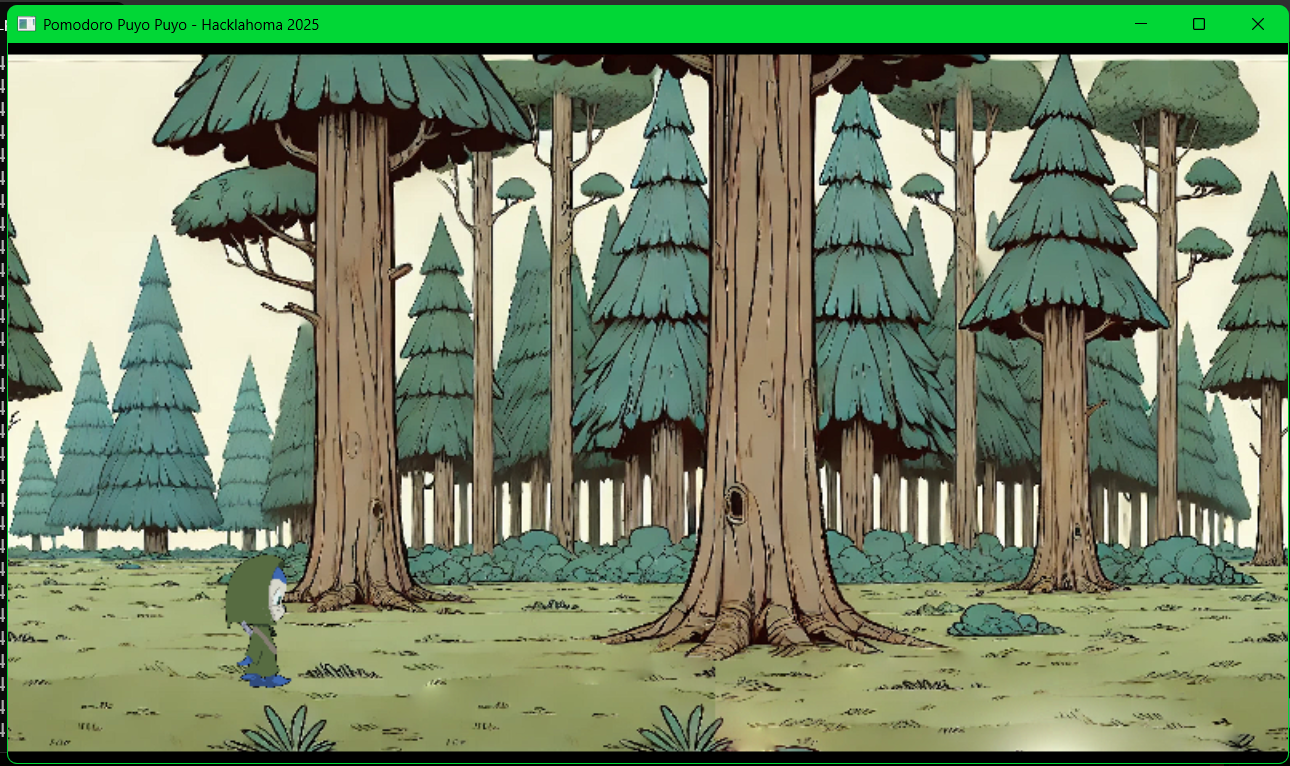
Pomodoro Puyo-Puyo has an octocat walking through a calm forest with an enemy that will appear. When an enemy appears, they will challenge you to a game of Puyo-Puyo. Play as long as you can! Once the game is complete, it resumes the Pomodoro.
Controls
- Move Orbs: A or Left Arrow; D or Right Arrow
- Rotate Orbs: W or Space or Up Arrow
- Move Orbs Downward: S or Down Arrow
How we built it
The game is programmed in C++ using the Raylib library. The art was created using Photopea.com.
Challenges we ran into
One challenge we ran into was the obvious time crunch. We didn't have time to implement music. Another large hurdle was the game of Puyo-Puyo. There are so many different connections that falling orbs can create. This made the development and art implementation challenging.
Accomplishments that we're proud of
It works! Whoo hoo!
What we learned
What we learned through this experience was the frustrations that C++ can present, how time-consuming art is, and that the quicker you can set yourself to an idea, the more you can create.
What's next for Pomodoro Puyo-Puyo
Next, we are going to add a timer, score count, music, and a title screen, and polish the graphics of this game. (I, Malorie, am really looking forward to using this during my daily life.)
Built With
- c++
- photopea
- raylib


Log in or sign up for Devpost to join the conversation.