-
-
Logo
-
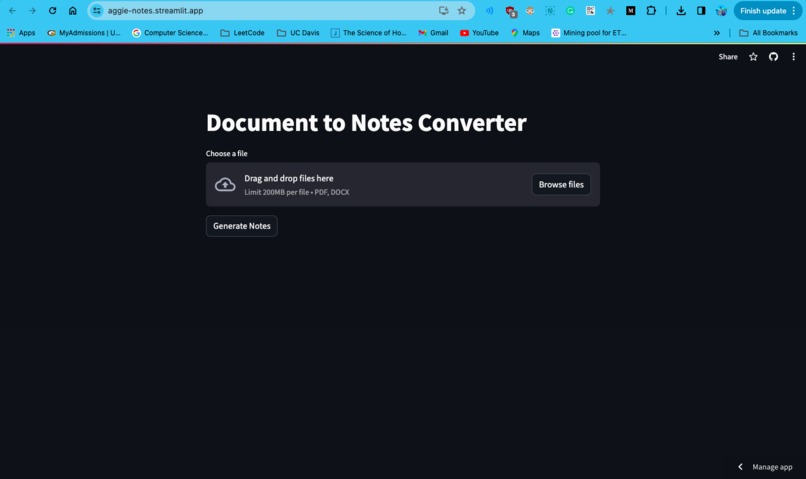
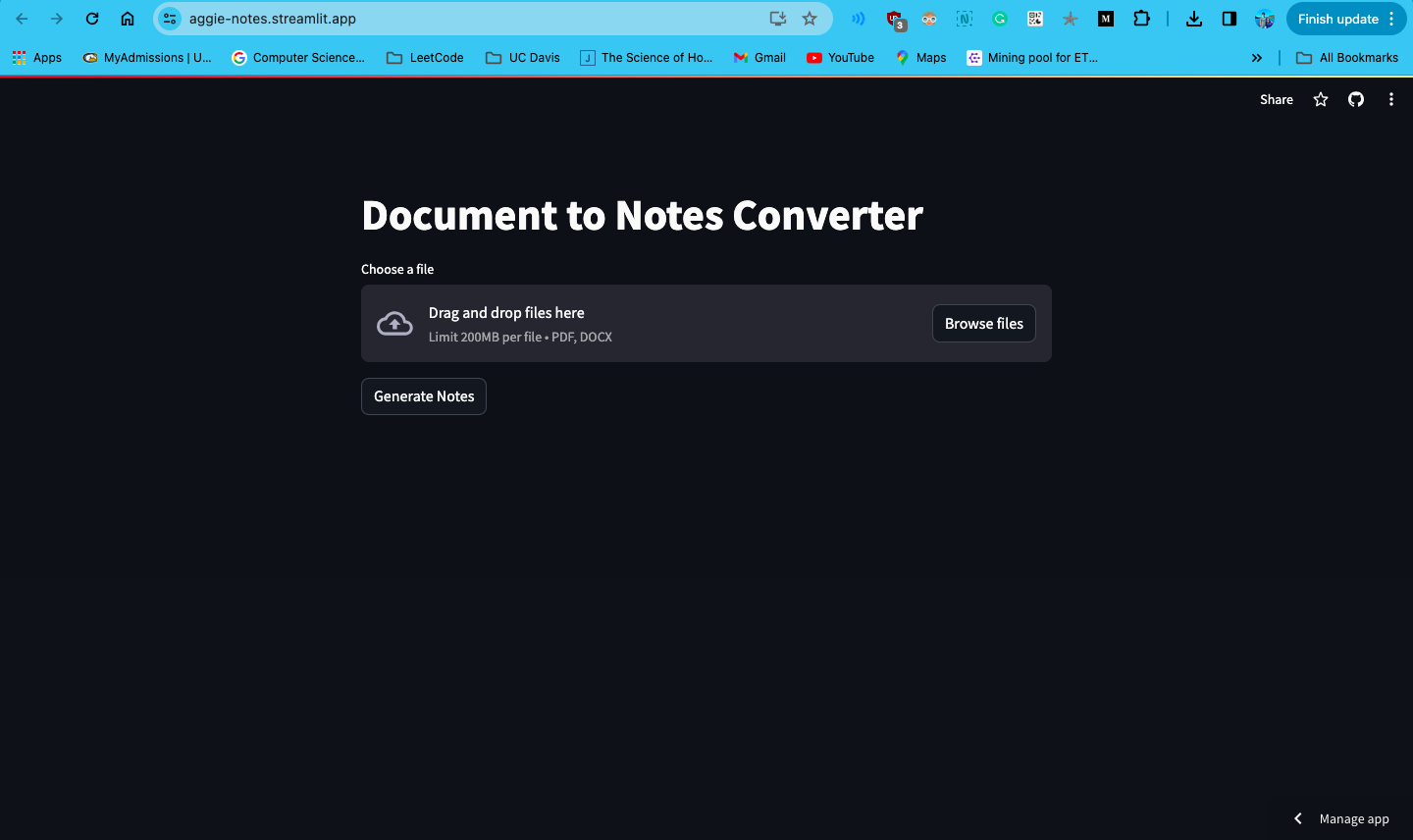
Notes Creator
-
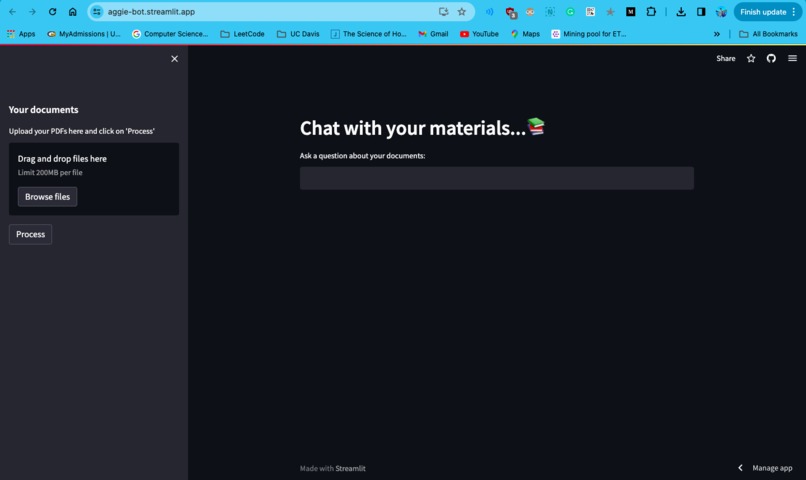
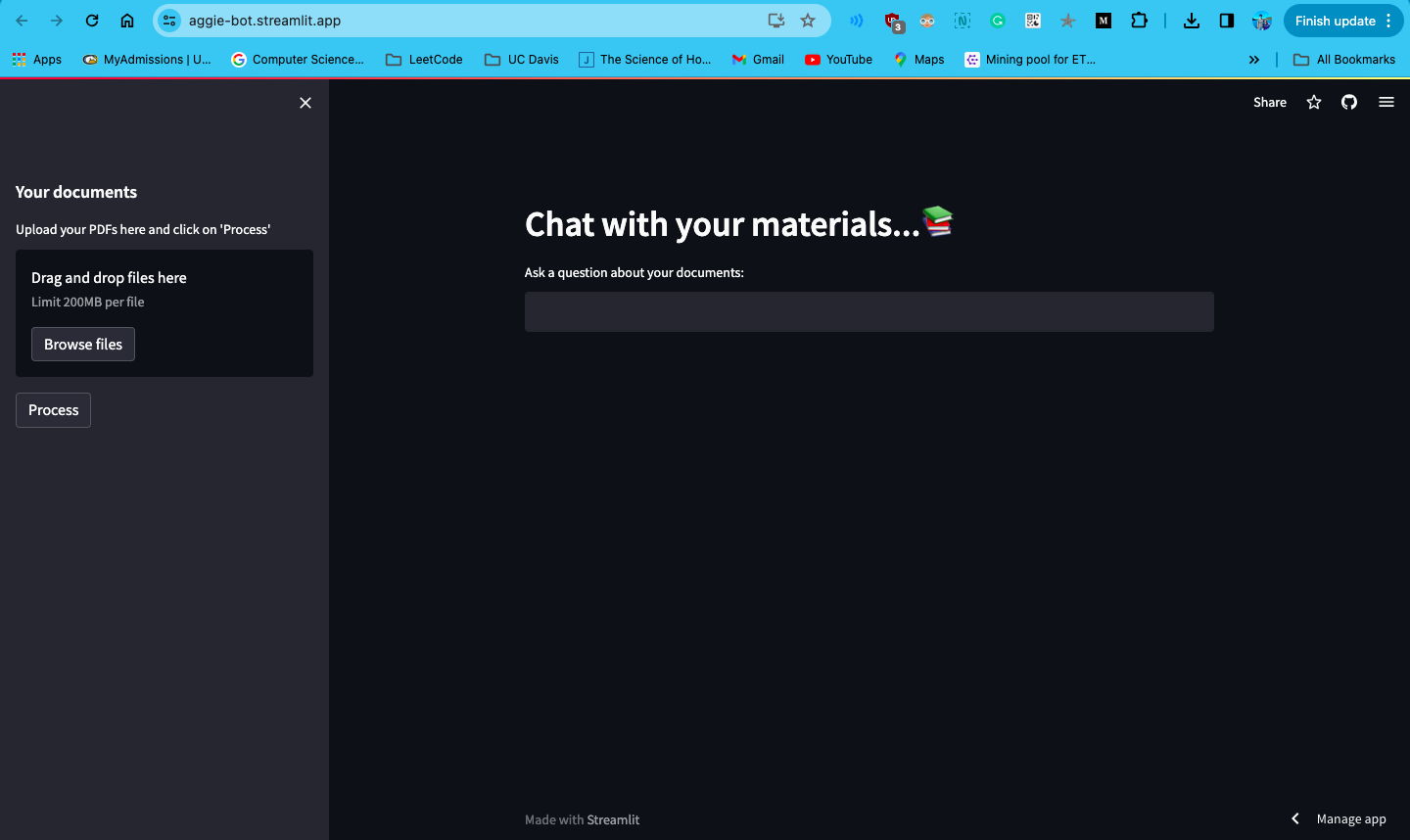
Chatting with your lecture materials!
-
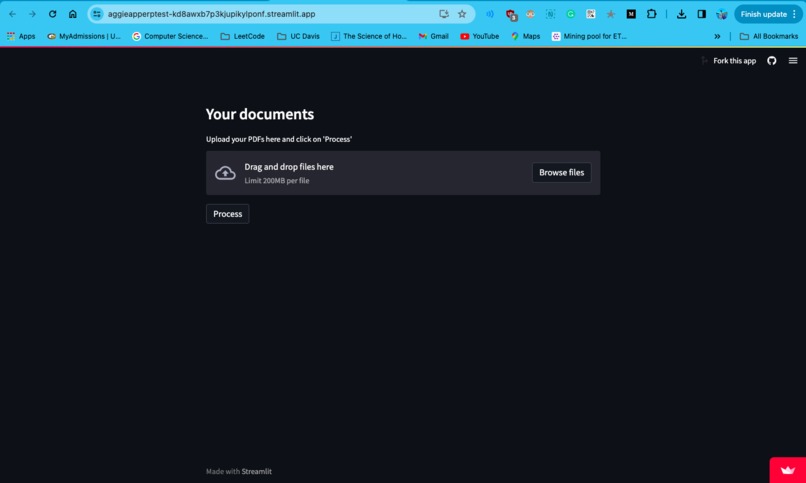
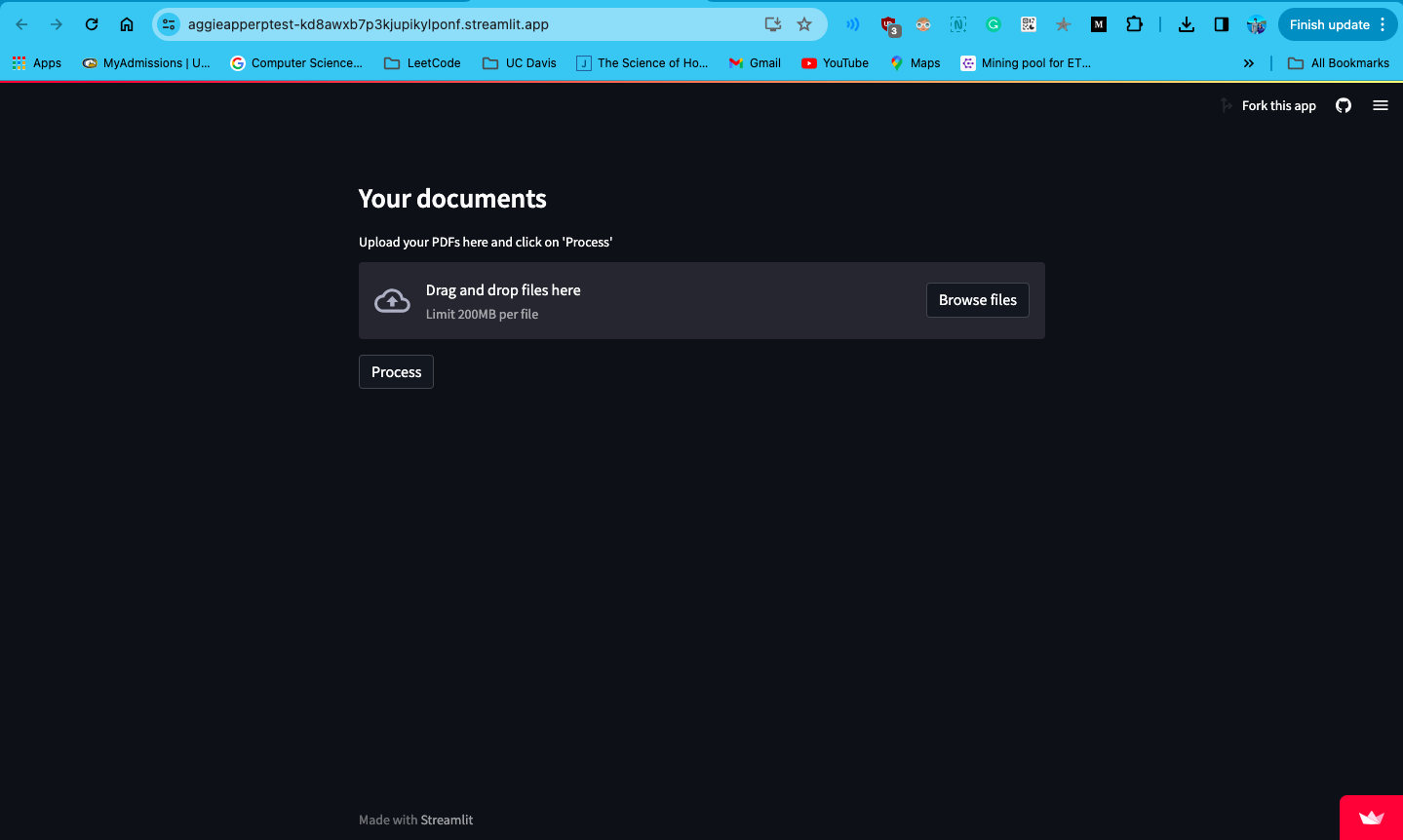
Creating unqiue practice tests based off course materials
-
-
Watch the video for the user side!! :)
Inspiration
We've all been there – juggling lectures, assignments, and life, wishing there were more hours in a day. That's exactly why we created Pomodoro. As students ourselves, we've felt the pressure of keeping up with the academic hustle. We wanted to build something that's not just another app, but a real game-changer in how we manage our time and learning.
Pomodoro is our answer to making every minute count. It's crafted with the understanding that time is precious, especially in student life. Our goal? To simplify the chaos of daily schedules and help students focus on what truly matters – learning, growing, and enjoying their academic journey. Pomodoro is more than just a tool; it's a friendly companion in the adventure of student life, helping to make each day a little more manageable and a lot more fulfilling.
What it does
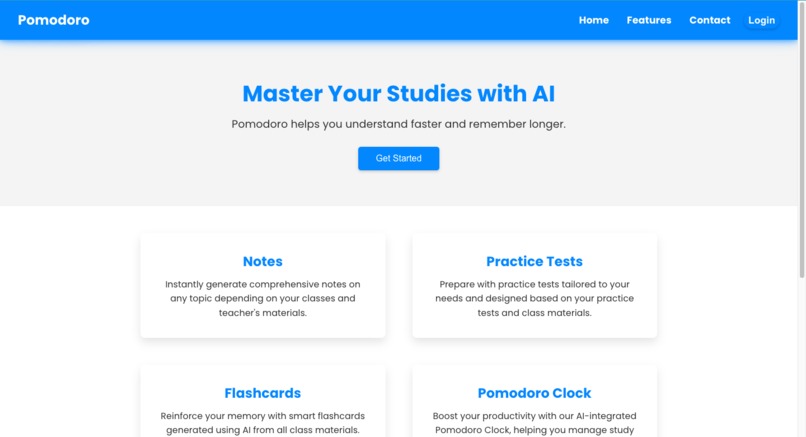
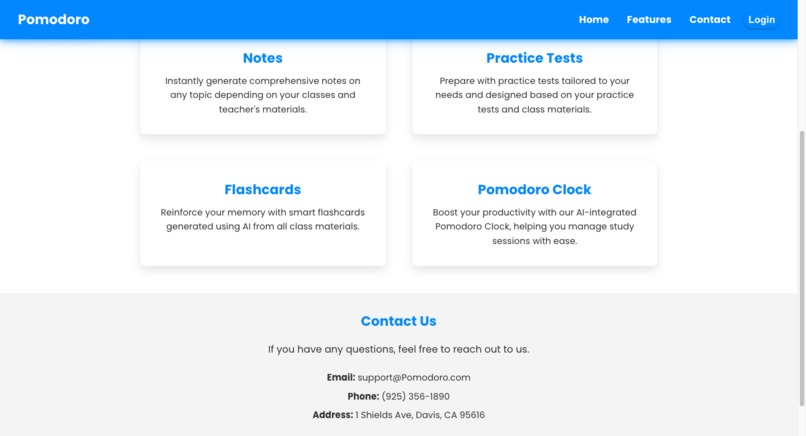
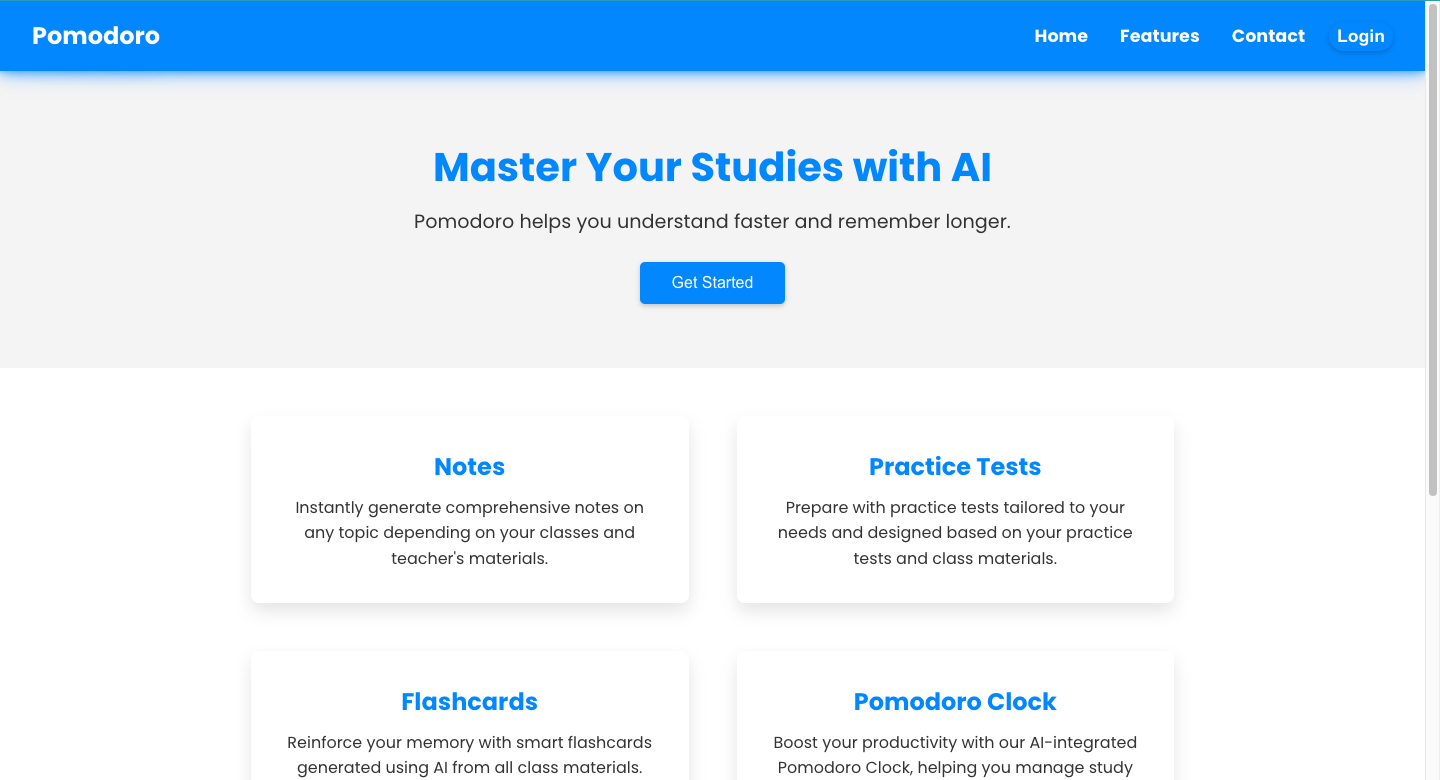
Pomodoro harnesses the power of Generative AI and advanced natural language processing models akin to ChatGPT to revolutionize the student learning experience. Here's how it integrates these technologies:
Generative AI for Notes: Leveraging AI, Pomodoro transforms lectures and documents into concise, easy-to-review notes. This AI-driven summarization helps students capture the essence of their study materials quickly.
Chat Functionality with AI: The chat feature likely employs a language model to assist students in real-time. Whether they're clarifying concepts or asking for study tips, the AI provides immediate, context-aware responses.
Practice Tests Creation: By analyzing the content of courses and previous inputs, the AI generates practice tests that are tailored to the student’s current study materials, providing a customized revision experience that adapts to their learning progress.
FAISS for Efficient Embeddings: Facebook AI Similarity Search (FAISS) is utilized for creating and searching through dense vector embeddings efficiently. In Pomodoro, FAISS could be used to quickly match queries with relevant study materials, notes, and educational resources, even within a vast database of documents.
Interactive Learning Materials: Pomodoro might use AI to turn static documents into interactive learning sessions. By parsing the content of uploaded materials, the AI can field questions, offer explanations, and even suggest related topics for further study.
The integration of Generative AI and FAISS in Pomodoro not only enhances the functionality but also ensures speed and relevance in its responses, creating a seamless and interactive user experience. With these advanced technologies, Pomodoro stands out as a forward-thinking tool that caters to the evolving needs of the educational landscape.
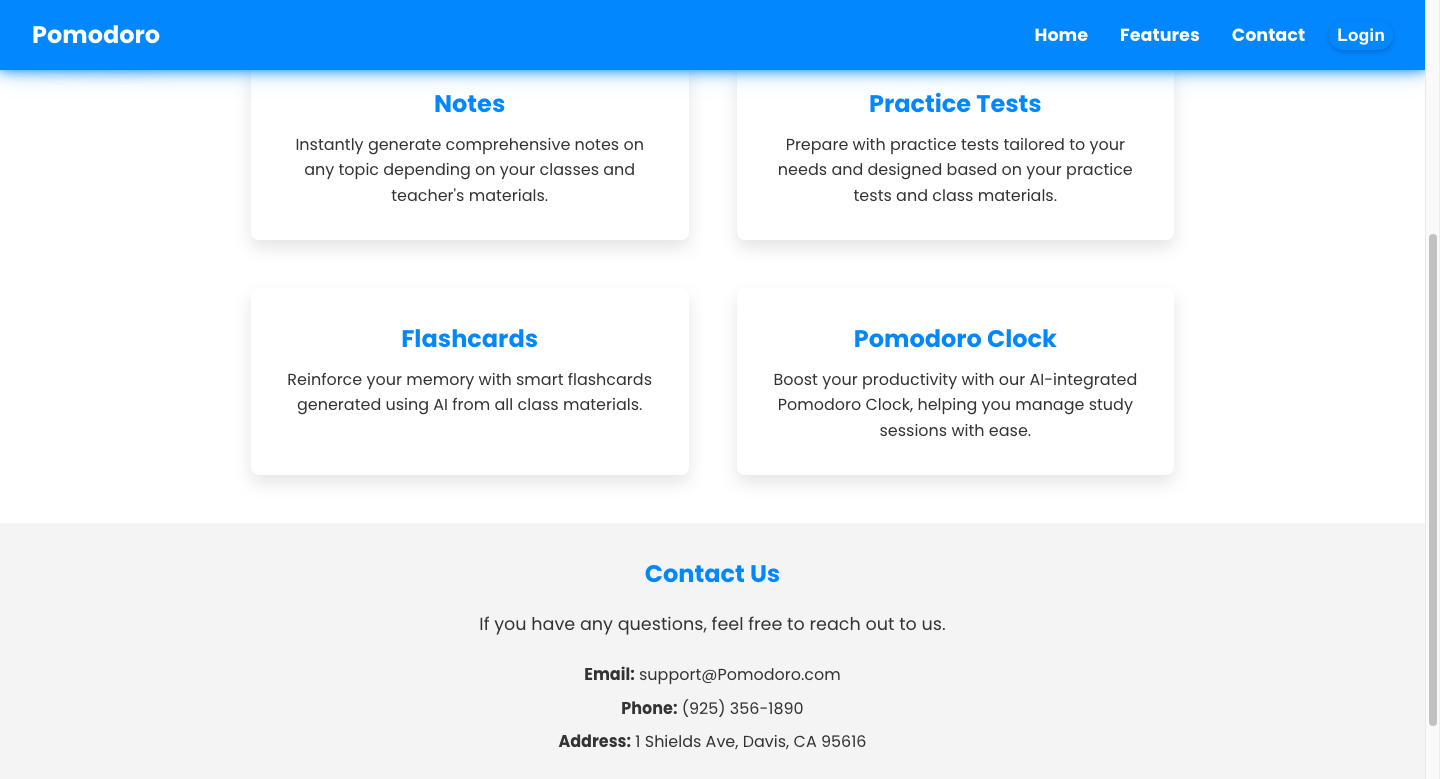
Other Features Course Management: The platform allows students to add and organize their courses, creating a centralized hub for academic planning.
Homework Tracking: Pomodoro provides a dynamic homework tracking system where students can add, view, and mark assignments as completed, ensuring they never miss a deadline.
Pomodoro Timer: Integrating the Pomodoro technique, the app includes a timer to help students manage their study and break intervals, promoting focused learning and preventing burnout.
How We Built Pomodoro
Pomodoro was meticulously crafted using a robust and modern tech stack, designed to offer a seamless and responsive user experience, backed by powerful AI functionalities. Here's a walkthrough of our development process and the technologies we employed:
Front-End Development with React: We chose React for its component-based architecture, allowing us to build a dynamic and highly interactive user interface. React's state management capabilities enable real-time updates across the app, crucial for features like the Pomodoro timer and homework tracker.
Back-End Services with Express: We utilized Express, a minimal and flexible Node.js web application framework, to set up our server and APIs. It's the backbone for our MongoDB interactions and serves as the conduit for our React front end to communicate with the database and AI services.
Node.js for Package Management: Our development relied on Node.js for its vast ecosystem of npm packages. It streamlined the integration of essential libraries and tools into our React application, enhancing its functionality and performance.
Database Management with MongoDB: We store user data, including personal preferences, coursework details, and vector embeddings, within MongoDB. Its NoSQL structure gives us the flexibility to handle a variety of data types and the scalability to grow with our user base.
User Authentication via Okta Auth0: Security is paramount, and for that, we integrated Okta Auth0. It provides robust, scalable authentication and authorization services, ensuring our users' data is secure and access is controlled.
FAISS for Vector Embeddings: To manage the large-scale vector embeddings necessary for our document similarity searches, we employed FAISS. It allows us to perform efficient similarity searches and retrieval of documents, powering the core of our AI-assisted features.
Generative AI with OpenAI API: For all generative AI tasks, such as note-taking, chat interactions, and practice test generation, we harnessed the OpenAI API. It gives us access to powerful language models that underpin the intelligent responses and content generation within Pomodoro.
Streamlit for LLM Integration: Streamlit is our choice for integrating language learning models (LLMs) directly into the app. It enables us to create clean and maintainable code for our AI-driven features, keeping the user experience smooth and efficient.
Every piece of the Pomodoro tech stack has been chosen with two goals in mind: to create an intuitive, user-friendly application and to leverage cutting-edge AI to provide real educational value to our users. Through thoughtful integration and robust development practices, we've built an application that stands at the intersection of technology and education, ready to make student life more organized, productive, and stress-free.
Challenges We Ran Into
During the development of Pomodoro, we encountered several challenges that tested our problem-solving skills and technical acumen:
Database Request Linking: Our initial approach to linking database requests with MongoDB collections was met with unexpected hurdles. Aligning the data schema with our application's requirements proved to be more complex than anticipated. We had to meticulously debug and refine our data models to ensure smooth communication between the front end and the database.
Data Fetching and Rendering: Fetching and rendering existing user content was another significant challenge. We faced issues with asynchronous data handling and state management in React, which led to content not being displayed as intended. This required a deep dive into React's lifecycle methods and state management to create a seamless user experience.
Secure Streamlit Hosting: Hosting our Streamlit applications securely while maintaining the integrity of our API keys was a critical concern. We had to explore best practices for secret management and implement a secure solution to protect our API keys from being exposed in the client-side code.
Each of these challenges brought valuable lessons and led to a more robust and secure Pomodoro platform. We leveraged the strength of our team, collaborating to find solutions and implement best practices, ensuring that Pomodoro would not only function effectively but also maintain the highest standards of security and performance.
Accomplishments That We're Proud Of
The journey of creating Pomodoro brought us several accomplishments that we hold in high esteem:
Robust Integration of AI and Search Technology: Successfully integrating Generative AI and FAISS for efficient data handling and personalized content creation is an achievement that stands out. It allowed us to offer features like smart note summarization and customized practice tests, enhancing the educational tools available to students.
Seamless User Authentication: Implementing a secure and seamless user authentication process with Okta Auth0. This not only provides a smooth user experience but also ensures that user data is protected with state-of-the-art security measures.
Sophisticated Front-End Architecture: Developing a sophisticated front-end architecture using React that is both responsive and intuitive. The ability to manage real-time updates and maintain performance is something we are particularly proud of.
Overcoming Technical Challenges: Tackling and overcoming the technical challenges related to database management and data rendering. Our persistence and innovative problem-solving approaches led to a robust solution that we're proud to put our name to.
Building a Full-Stack Solution: The successful creation of a full-stack solution with a complex tech stack is a testament to our team's technical abilities and collaborative spirit.
What We Learned
Throughout the development process of Pomodoro, we gained invaluable insights:
Advanced Data Management: We deepened our understanding of managing complex data structures and efficient query handling within a NoSQL database environment.
State Management in React: We learned advanced state management techniques in React, enabling us to handle real-time data updates smoothly.
Secure Application Deployment: We gained experience in deploying applications securely, learning how to manage API keys and sensitive data effectively.
AI-Powered Feature Implementation: We learned how to leverage AI to create dynamic and responsive features that adapt to user input and behavior.
Teamwork and Collaboration: We reinforced the importance of teamwork, especially when faced with challenging problems that require diverse perspectives and skills.
What's Next for Pomodoro
As for the future of Pomodoro, we have a vision for continuous improvement and expansion:
Enhanced AI Features: We plan to enhance the AI capabilities to provide more personalized and accurate study aids.
Expansion of Content: We aim to expand the range of subjects and topics covered by our practice tests and study materials.
Community Features: We're looking to build out community features, allowing students to connect, collaborate, and share resources more effectively.
Mobile Accessibility: Developing a mobile version of Pomodoro to make it accessible anywhere, anytime.
User Feedback Integration: We will integrate user feedback mechanisms to ensure that Pomodoro evolves in line with the needs of its users.
Pomodoro is more than a project; it's an evolving platform with the potential to redefine how students interact with their educational environment.


Log in or sign up for Devpost to join the conversation.