-
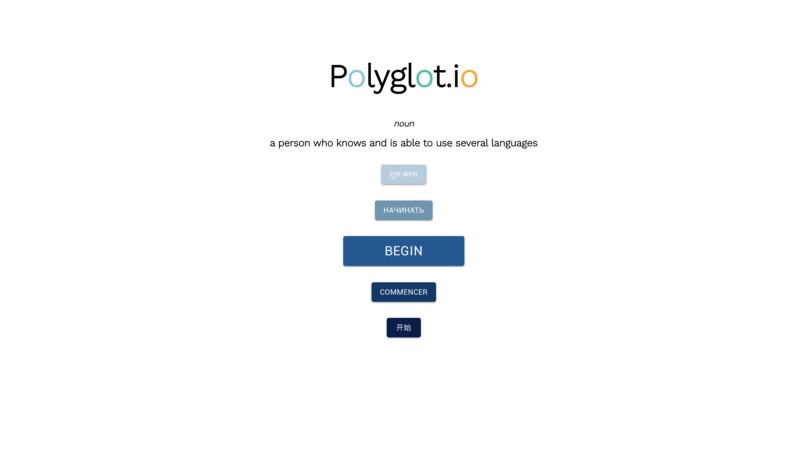
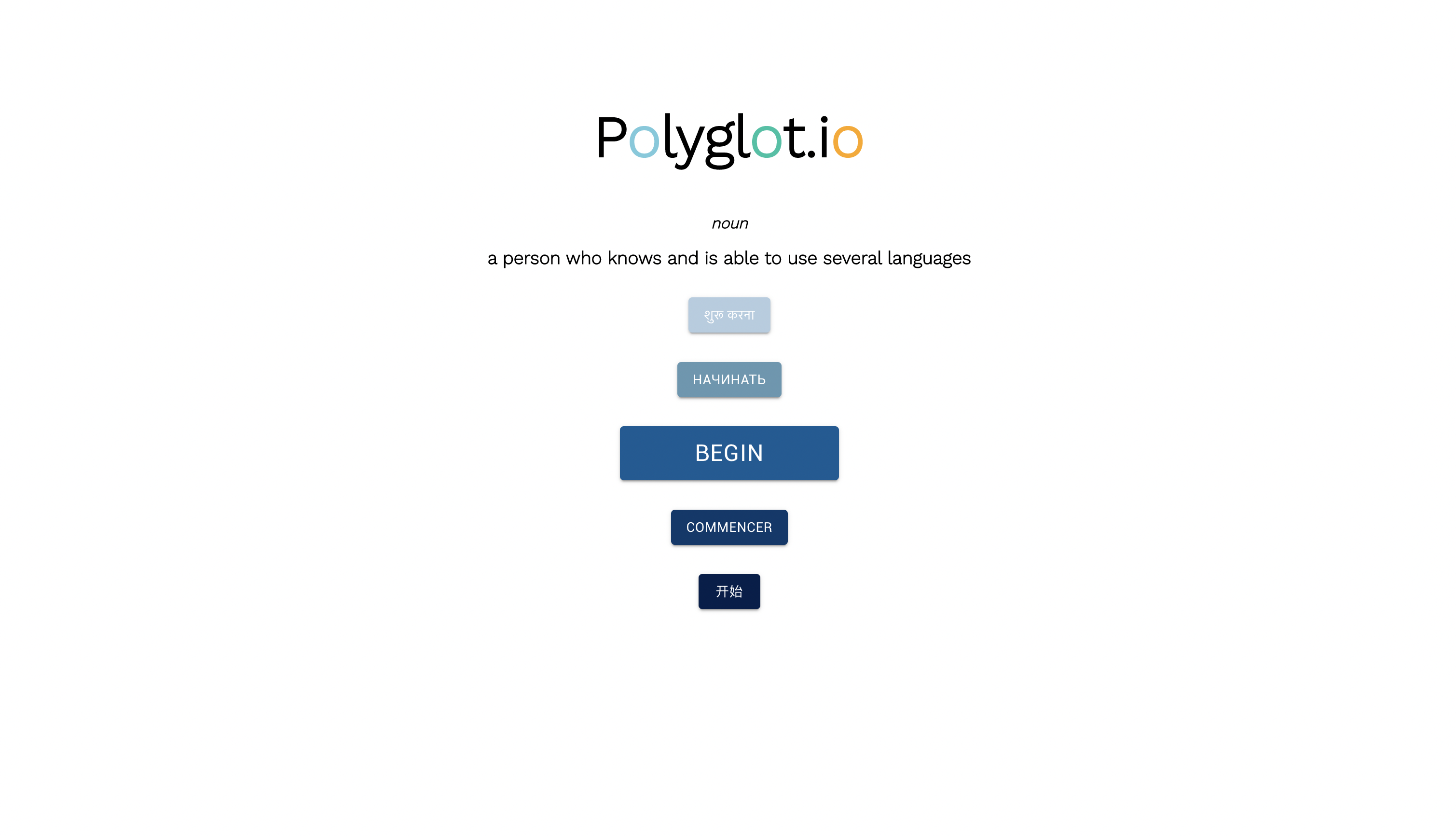
Landing Page
-
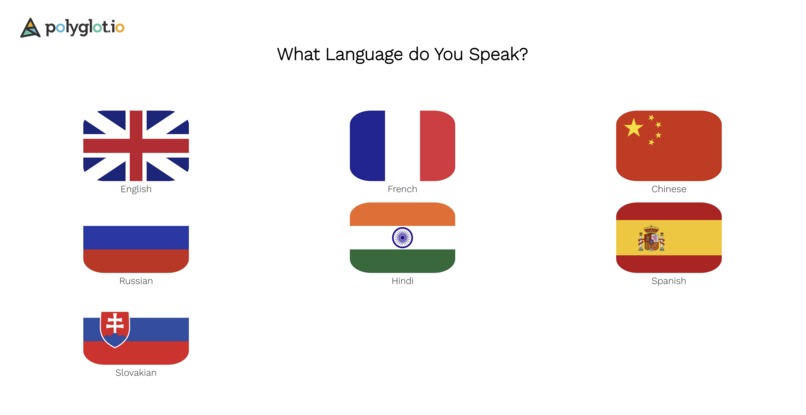
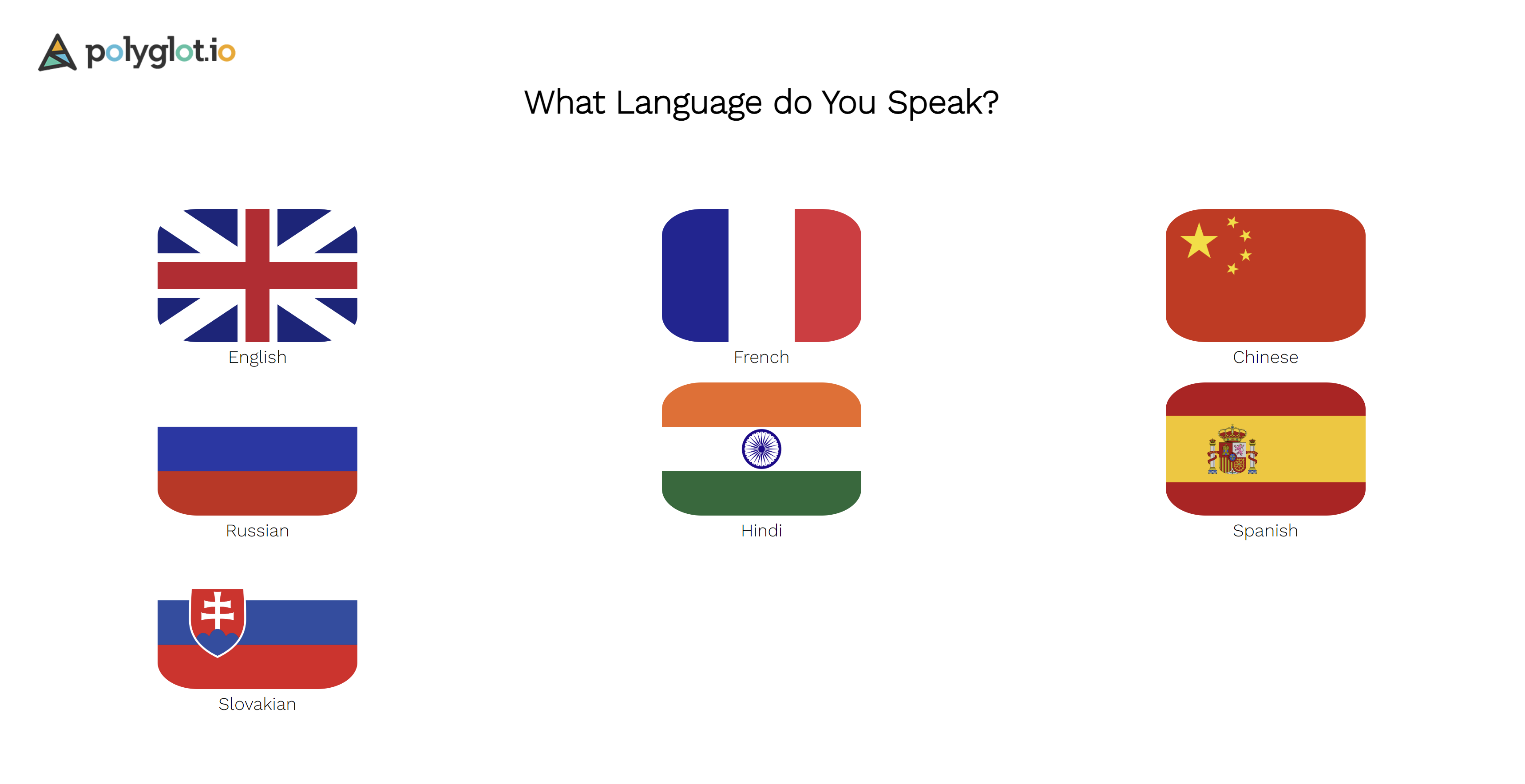
Choose Your Fluent Language
-
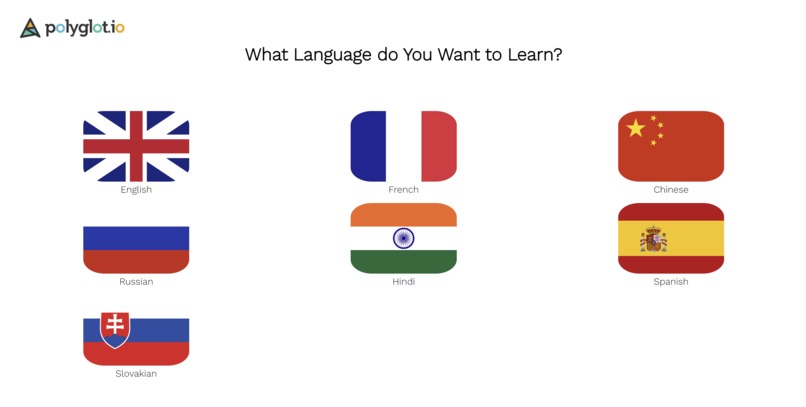
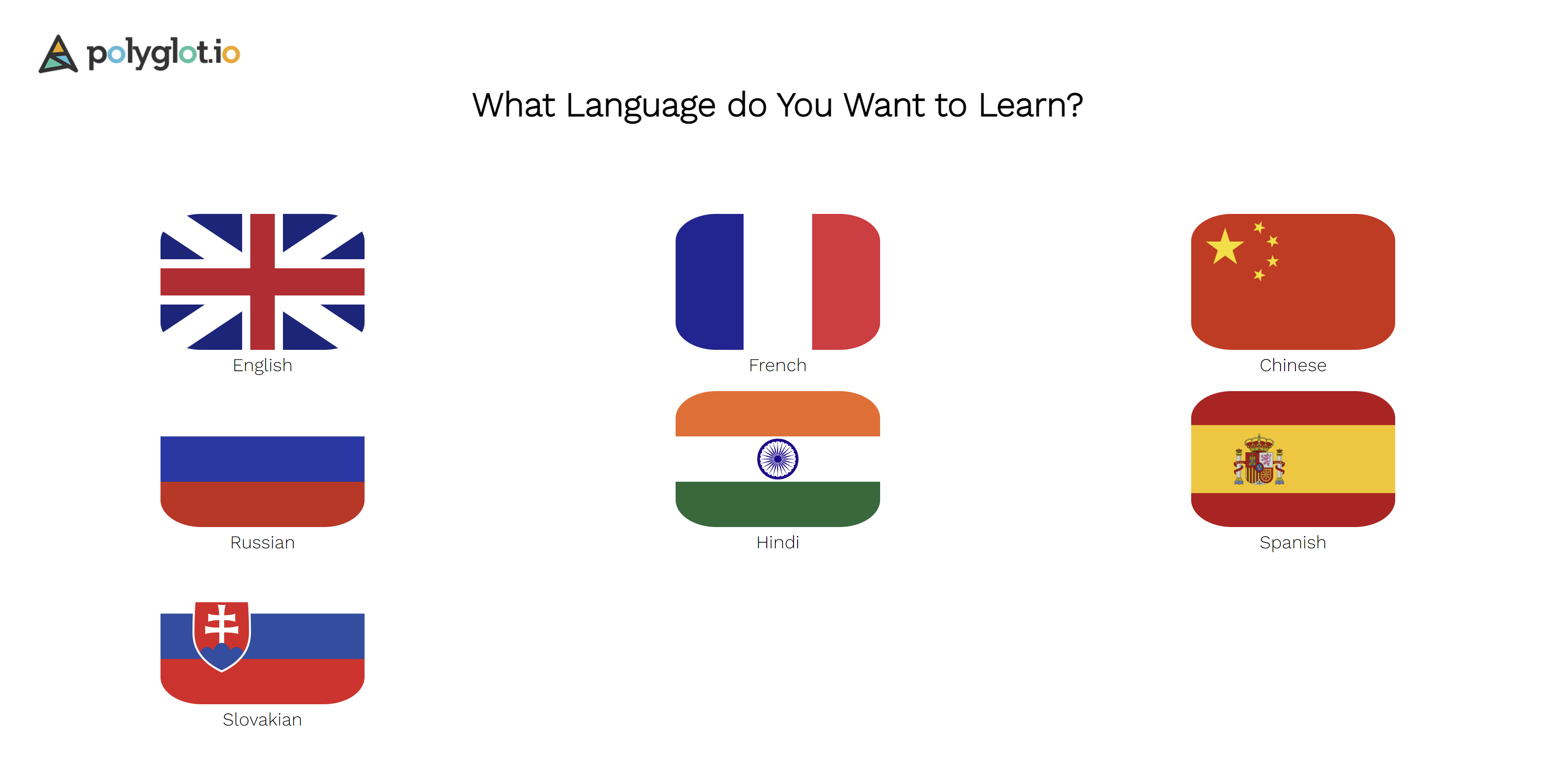
Choose the Language You Want to Learn
-
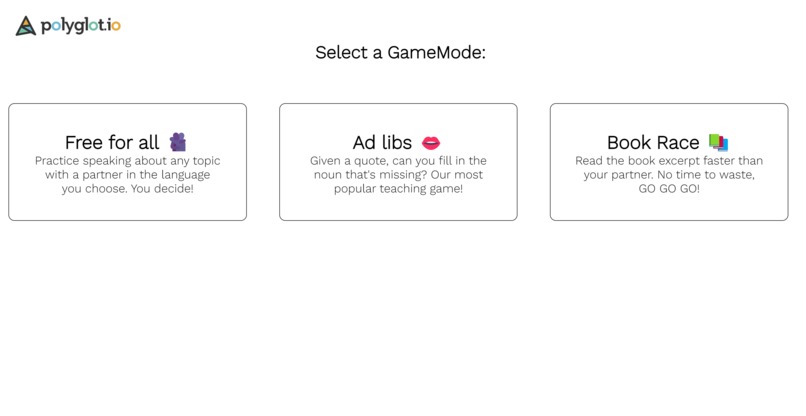
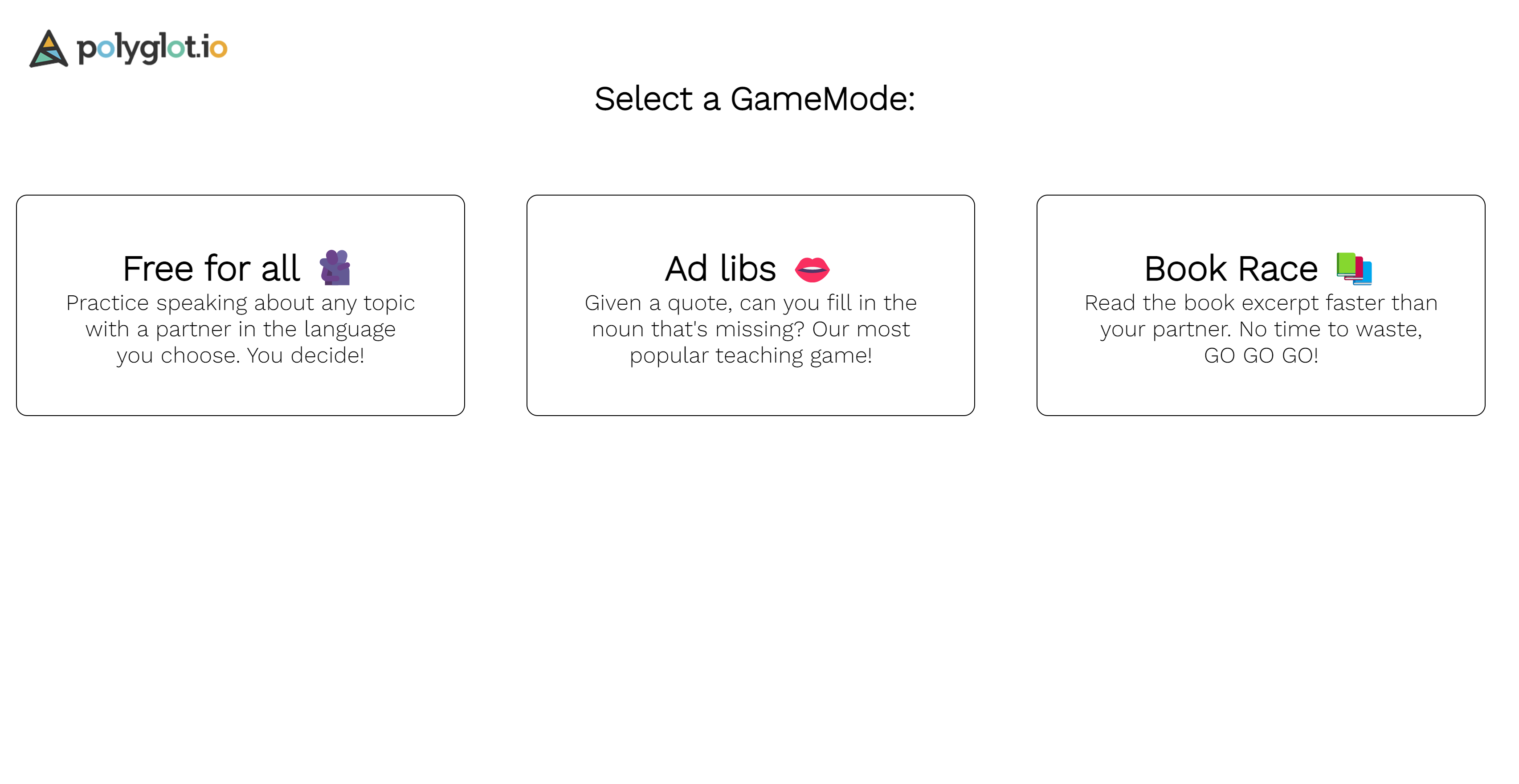
Select a Gamemode
-
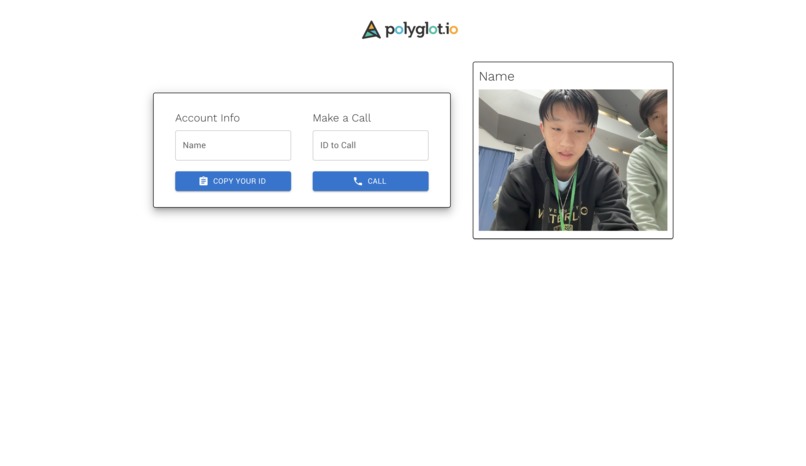
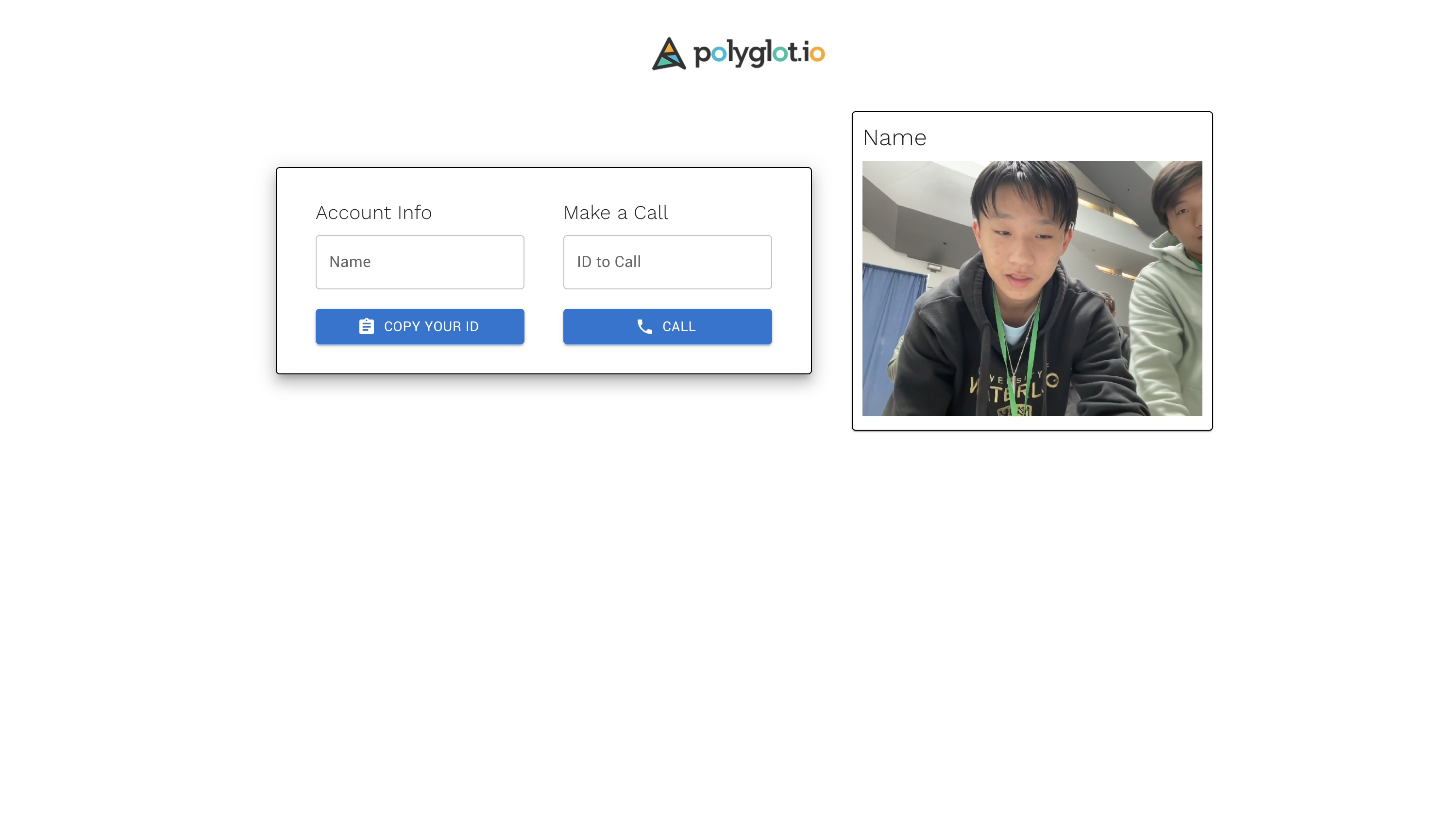
Pre-connect Screen
-
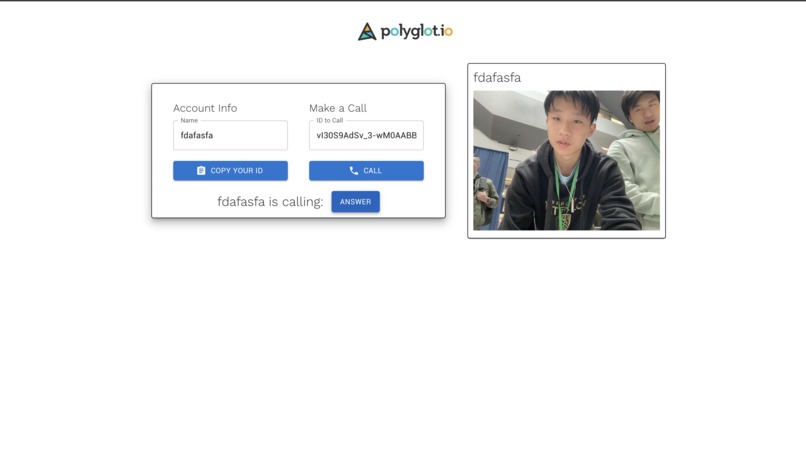
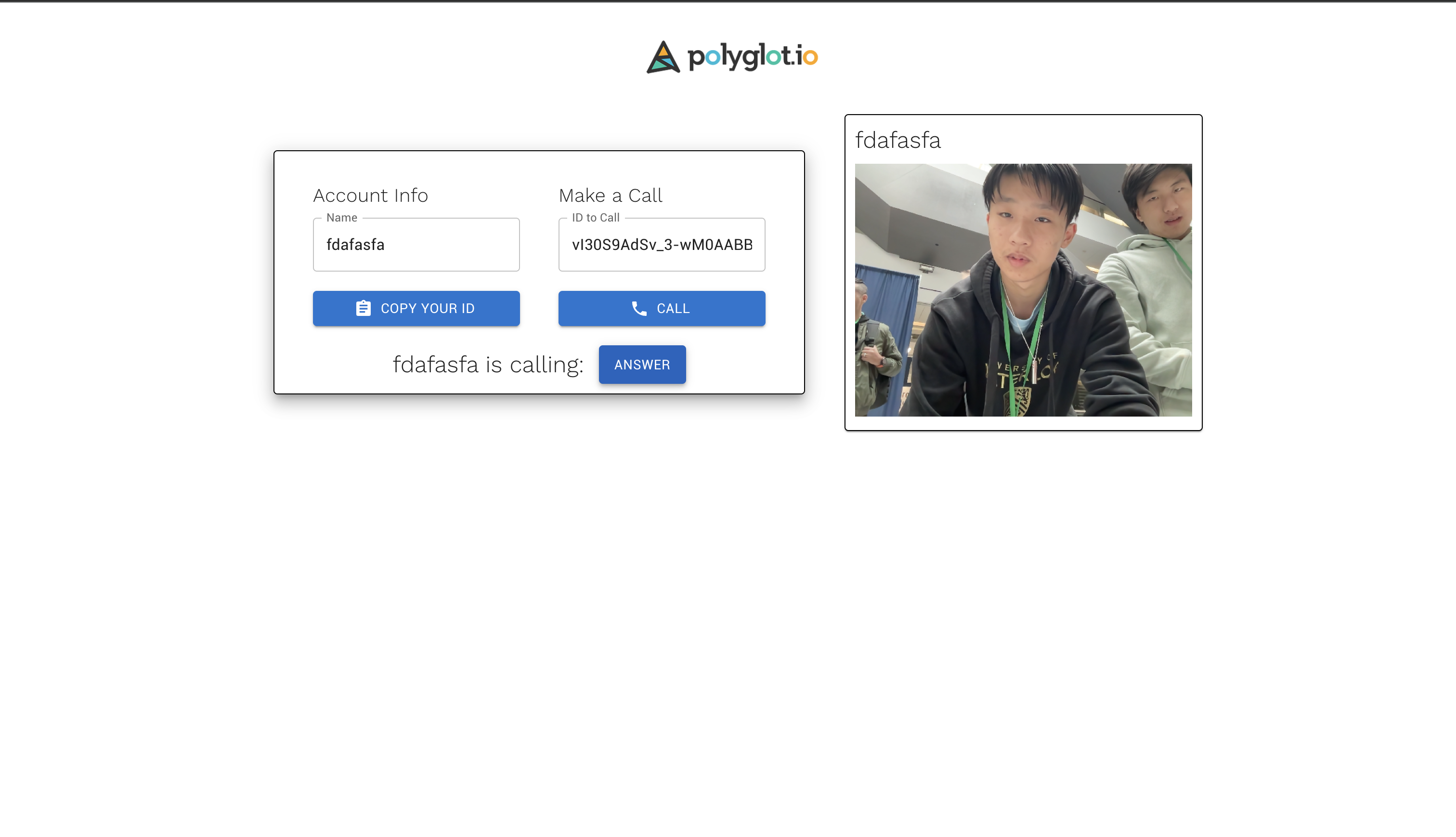
Accepting Call
-
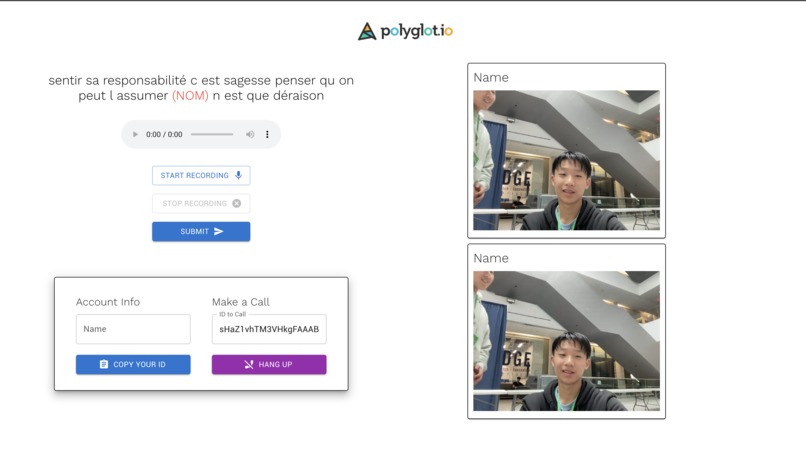
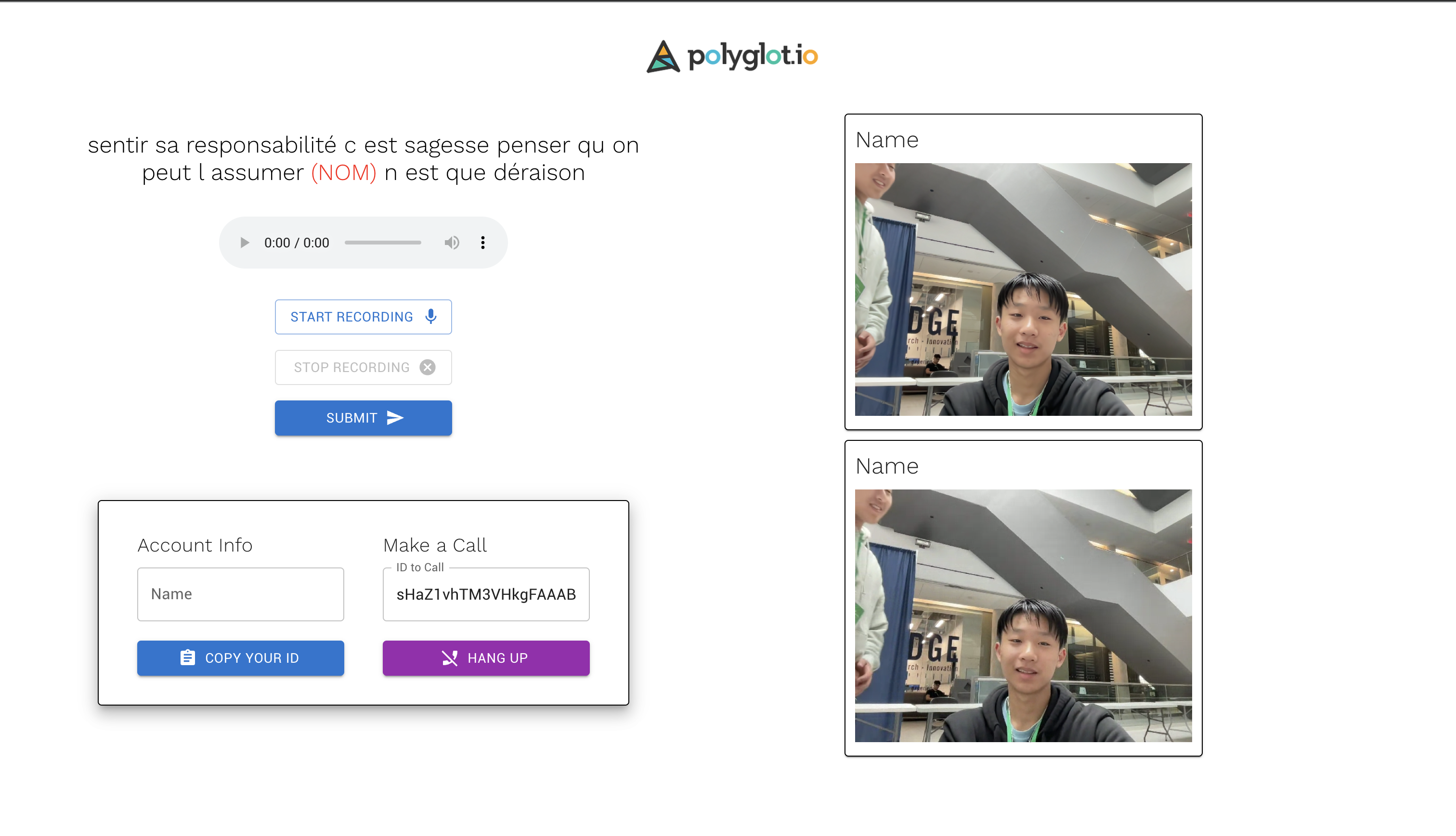
Call with Quote and Recording Option
-
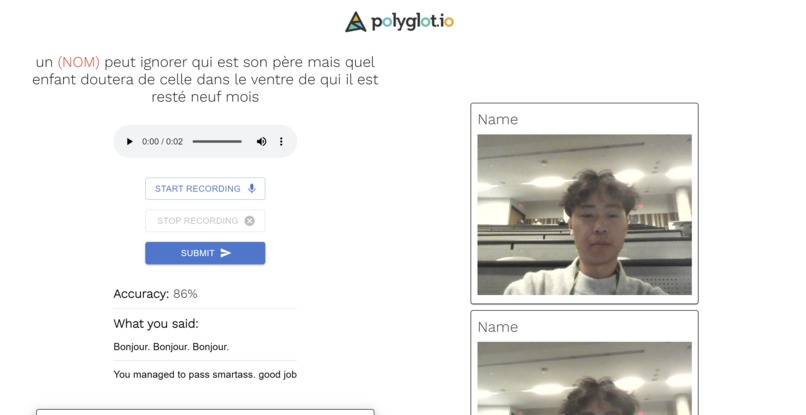
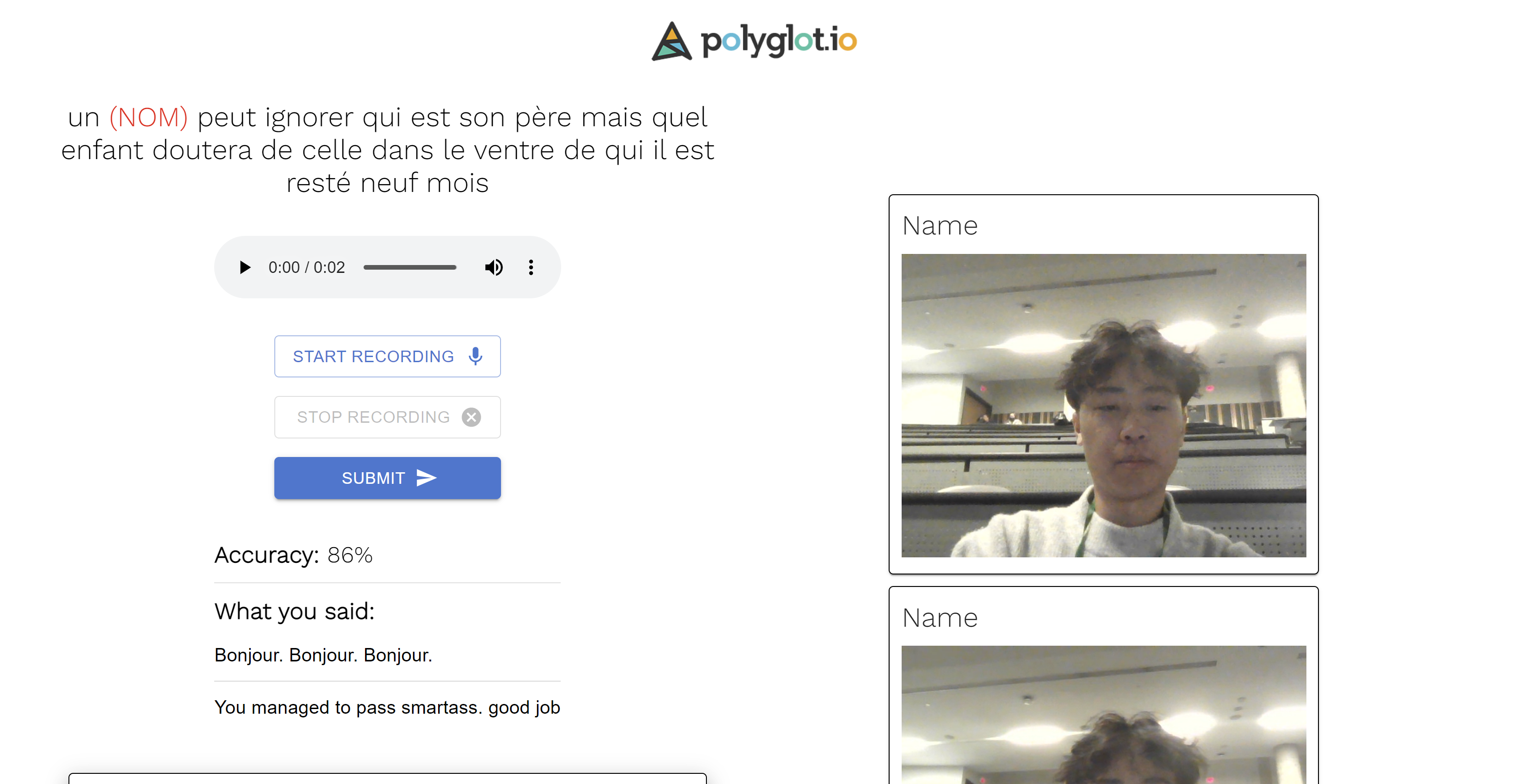
Accuracy Score
Inspiration
We were inspired by Duolingo and Omegle.
What it does
Polyglot is a video-chatting app that gamifies language-learning. You will be connected to someone in a call based on the language that you're fluent in, and the language that you want to learn. Much like Mad Libs, you will be given a quote (in the language you're learning) with a fill-in-the-blank noun, all of which you have to pronounce correctly (your Polyglot partner will help you!). Once you are done understanding the text, you will record and submit an audio clip of your pronunciation, and submit it to our server which tests the accuracy of your pronunciation using AssemblyAI.
How we built it
- React.js for frontend (with MaterialUI) and backend (with Node.js)
- Socket.io to communicate between frontend and backend
- Heroku to deploy the backend server
Challenges we ran into
We had a lot of trouble implementing the WebRTC and SocketIO. There were many problems we encountered involving getting the other user to connect to the call, displaying the video for the webcams, and sending messages to the different React components so that it can perform different functionalities.
Accomplishments that we're proud of
- Analyzing part-of-speech in English and French for randomly generated quotes using npm
- Building aesthetic front-end with responsive design
- Working with ReactJS for frontend and backend for the first time
- Implementing Simple-peer and SocketIO
- Using Assembly AI STT API for the first time
What we learned
- Using React for frontend and backend
- Honed debugging skills
- Roughly understand socket.io
What's next for Polyglot.io
- Build a backend database to sync aspects of user sessions (e.g. same quotes, switching order)
- Create other gamemodes
- Support more languages


Log in or sign up for Devpost to join the conversation.