-
-
Poly-Go Logo
-
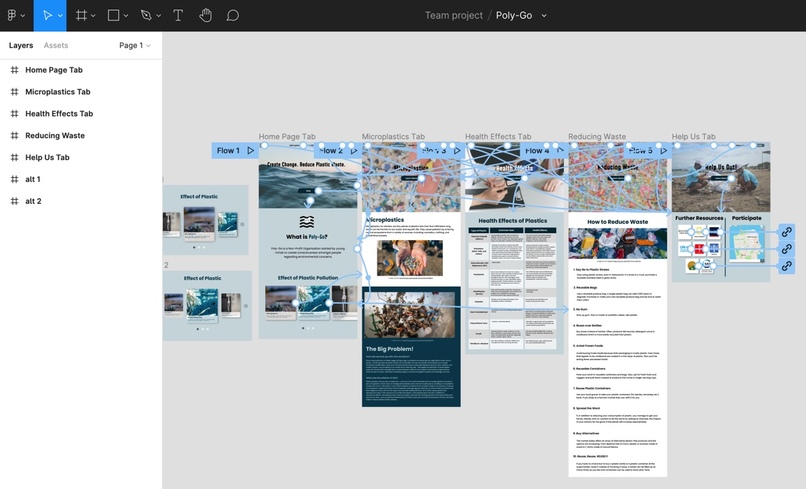
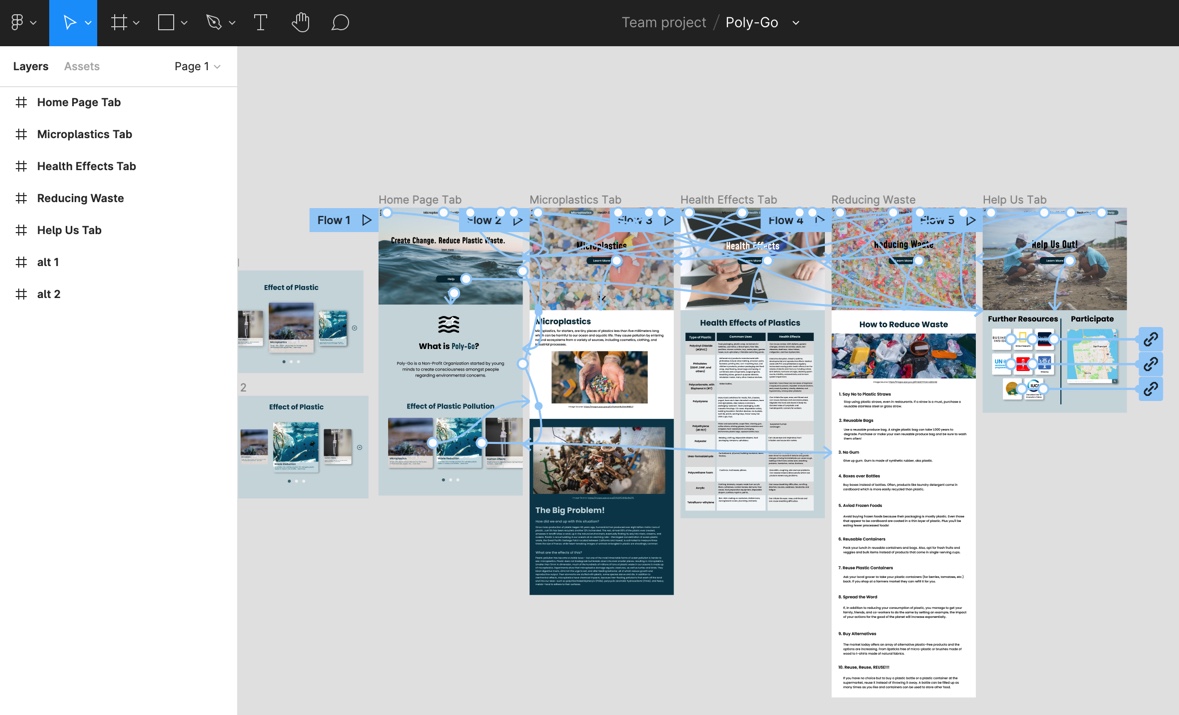
Wireframe of Poly-Go's prototype
-
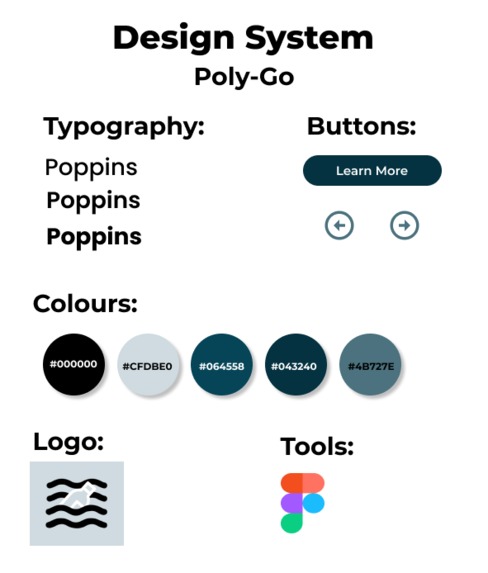
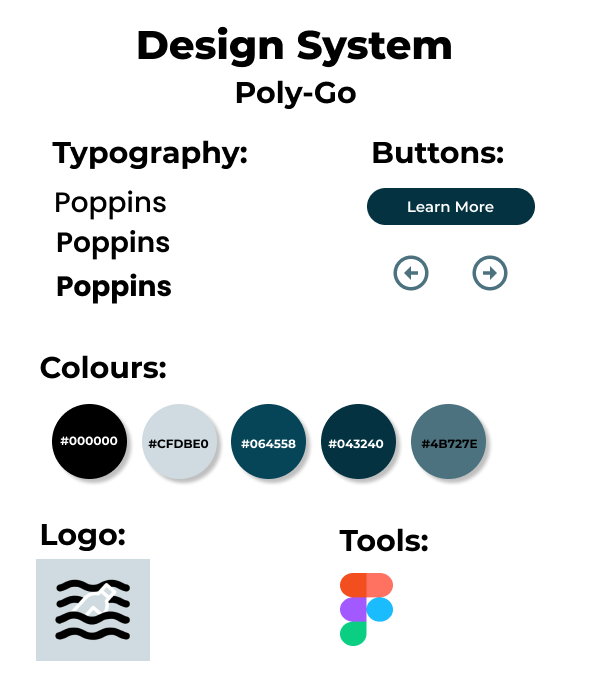
Design system of Poly-Go's design
-
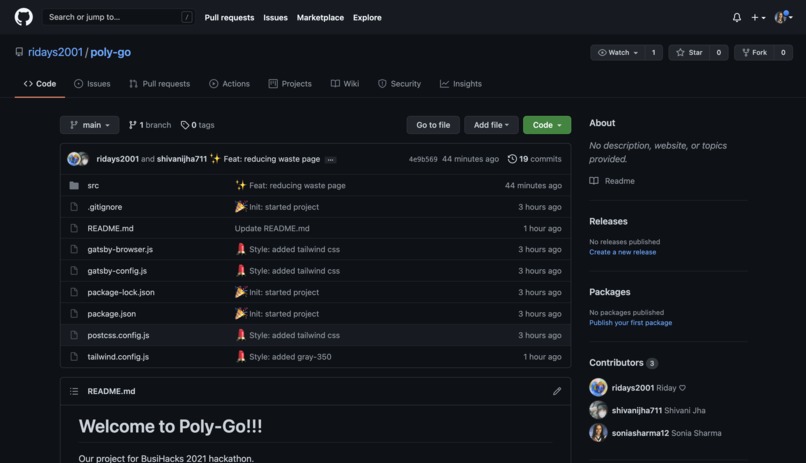
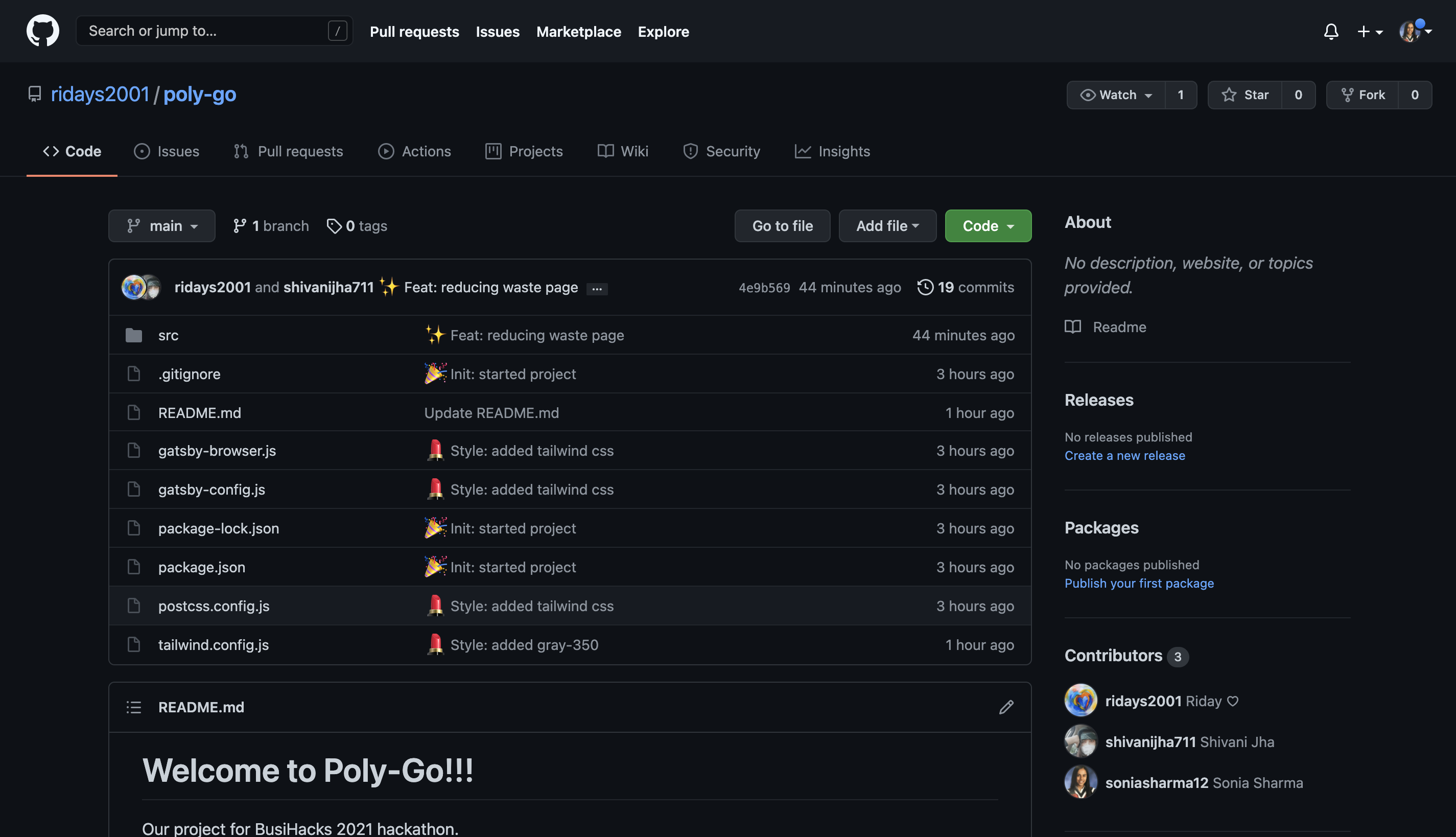
Poly-Go GitHub Repository

Inspiration 💡
With the rapid growth of plastic pollution, it’s evident that it’s an extremely prevalent issue in today’s environment. Plastic pollution is most visible in developing Asian and African nations, where garbage collection systems are often inefficient or nonexistent. But the developed world, especially in countries with low recycling rates, also has trouble properly collecting discarded plastics. Plastic trash has become so ubiquitous it has prompted efforts to write a global treaty negotiated by the United Nations.
We believe that not enough awareness of plastic pollution is being raised in schools and students are not aware of the threats plastic poses, which is why this issue persists. Our team thought it was vital to create a website that addresses the pressing issues that come with plastic, raises awareness, and combat arising challenges before it’s too late!
What it does 🌎
Poly-Go is an informational website targeted towards students to engage and educate them on the threats plastic poses and how to resolve this global environmental issue. Our website contains information elaborating on microplastics, health effects caused by plastics, how society can reduce waste, and how you can help us out.
How we built it 💻
Research (By: Anish)
Research is arguably one of the most vital aspects of this website. For a reliable website, reliable data and information are requisite. I’ve used a diverse collection of sources, and I’ve only incorporated the parts that overlap with most of these sources and those that protrude.
Design UI/UX (By: Sonia & Tanisha)
UI/UX design brainstorming, wireframing, and prototyping in Figma to accommodate for ease and simplicity when navigating a website, especially since it is aimed towards a young audience.
Web Dev (By: Riday & Shivani)
We used Gatsby, which is a React-based framework to make static websites quickly. The gatsby generator gave us a basic template to get started, but we had to make a lot of changes here before we actually started with the project. We removed a lot of defaults and replaced them with our site's details. For the styling, we used Tailwind CSS which is a trendy framework that provides a plethora of classes at our disposal for almost every CSS property. This reduced our programming time a lot faster.
Tools Used 🛠
- React.js
- Gatsby (React-based framework)
- Tailwind CSS
- Figma (for designing)
- Git and GitHub (for code collaboration)
- Discord (for team collaboration)
Challenges we ran into 😤
The main challenge was the timeframe. We had to quickly finish building the site that our teammates designed, but there were a lot of things that didn't work out as expected. For example, the images in the designs were used in different styles. That was especially hard to put in the code.
What we learned 📚
We learned how to multitask and work together as a team within a limited time frame. Additionally, we learned how plastic is a pressing concern and as bystanders, we must take action sooner rather than later.
What's next for Poly-Go 👀
For plans, we discussed the implementation of a quiz feature that would allow our target audience of young students who are interested in plastic pollution to easily navigate articles, further readings, and even direct them to outside links so they can take action in the real world. The quiz feature would ask the user to select different needs that the user would then select, to create a personalized report of where to find those needs, and refer them to outside resources for further research.
We believe that we can add more details about how the environment is being affected. We can host the site and start a new community by adding features for community interaction like blogs, profiles, etc. The first thing to do would be to make it completely responsive to mobile view too.


Log in or sign up for Devpost to join the conversation.