-
-
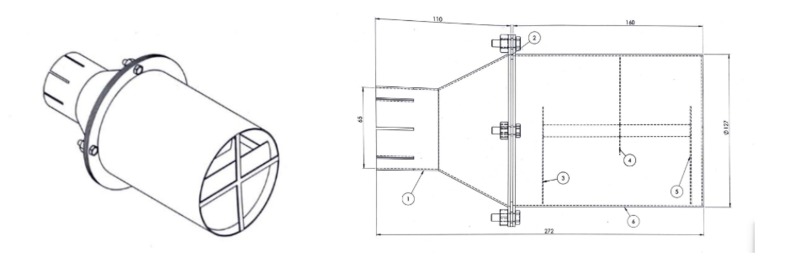
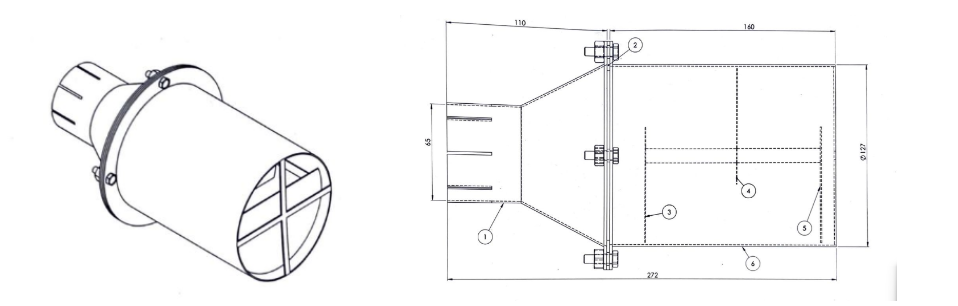
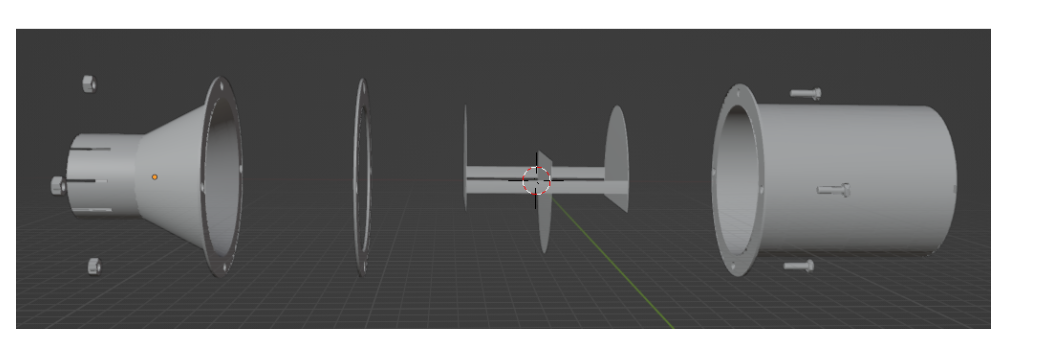
Design of the Carbon Capture System
-
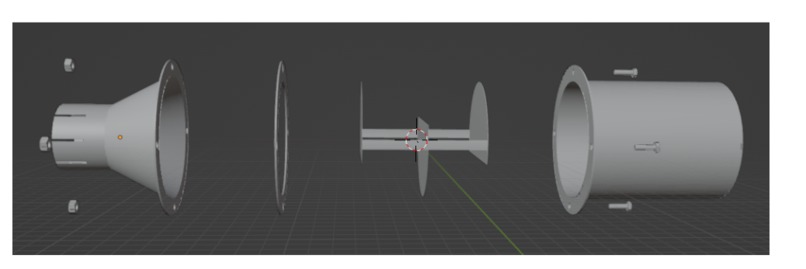
3D Model of the Carbon Capture System
-
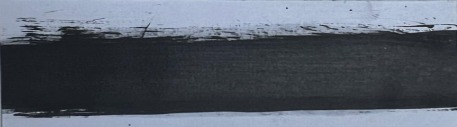
Ink prepared by Soot on Paper

Inspiration
During our trip to Delhi, we were very much impacted by the dense air pollution and the serious health implications it has on individuals. We also saw an ink production unit and were horrified by the raw material and wastage involved. That's when we thought — can we utilize pollution in some way?
What it does
PolluInk filters out soot from dirty air and turns it into useful ink via a quick, safe, and eco-friendly method. It combats air pollution and turns waste into a product of value, in accordance with UN SDGs like Good Health and Well-Being, Industry, Innovation & Infrastructure, and Responsible Consumption & Production.
How we built it
PolluInk was designed and built as a no-code solution throughout the hackathon. We employed basic modeling methods, manual research, and material testing processes to model how soot can be filtered, collected, and chemically transformed into usable ink. Rather than toxic solvents or industrial adhesives, we chose Linseed oil as a natural adhesive and Isopropyl alcohol as a benign solvent — both readily accessible and environmentally friendly.
Challenges we faced
We grappled to find chemical compounds that were safe and effective at converting soot into ink. The no-code constraint and the time limit encouraged us to creatively seek viable, environmentally friendly options and emphasize solid theoretical justification.
Achievements that we're proud of
We're glad to have created a low-tech, realistic solution that can cut pollution and waste of resources without needing code or sophisticated hardware. The project is based on sustainable thinking and has definite potential for practical application.
What we learned
We discovered how interdisciplinary thought — the synthesis of environmental science, chemistry, and sustainability — can result in compelling solutions. The hackathon also demonstrated how impactful ideas aren't necessarily about coding; innovation starts with a deep understanding of the problem.
What's next for PolluInk
We intend to prototype PolluInk with simple soot collection equipment and safe binding chemicals. Future activities involve laboratory testing, outreach to eco-conscious groups, and developing low-cost production techniques to propagate the concept in schools and communities.
Built With
- chemistry
- ink
- no-code
- pollution


Log in or sign up for Devpost to join the conversation.