-
-
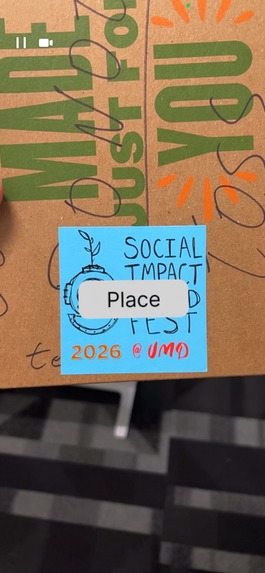
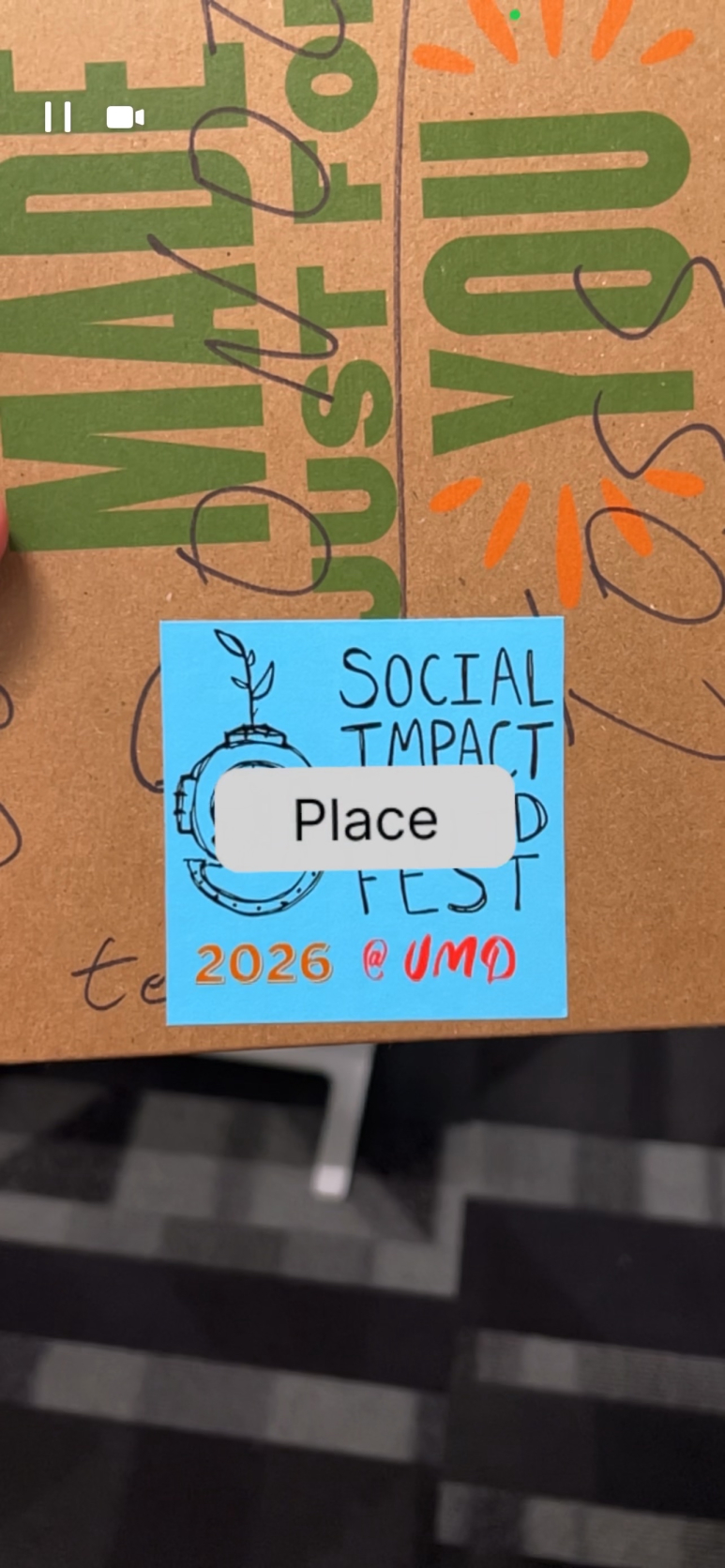
The user scans in a box and prepares to check in the mail-in ballot to its proper location.
-
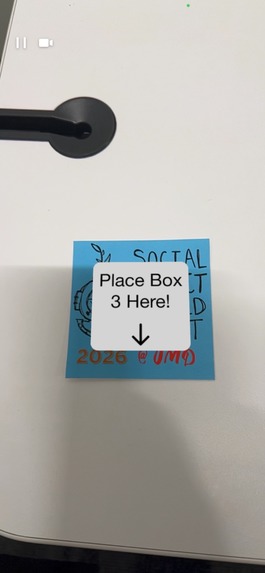
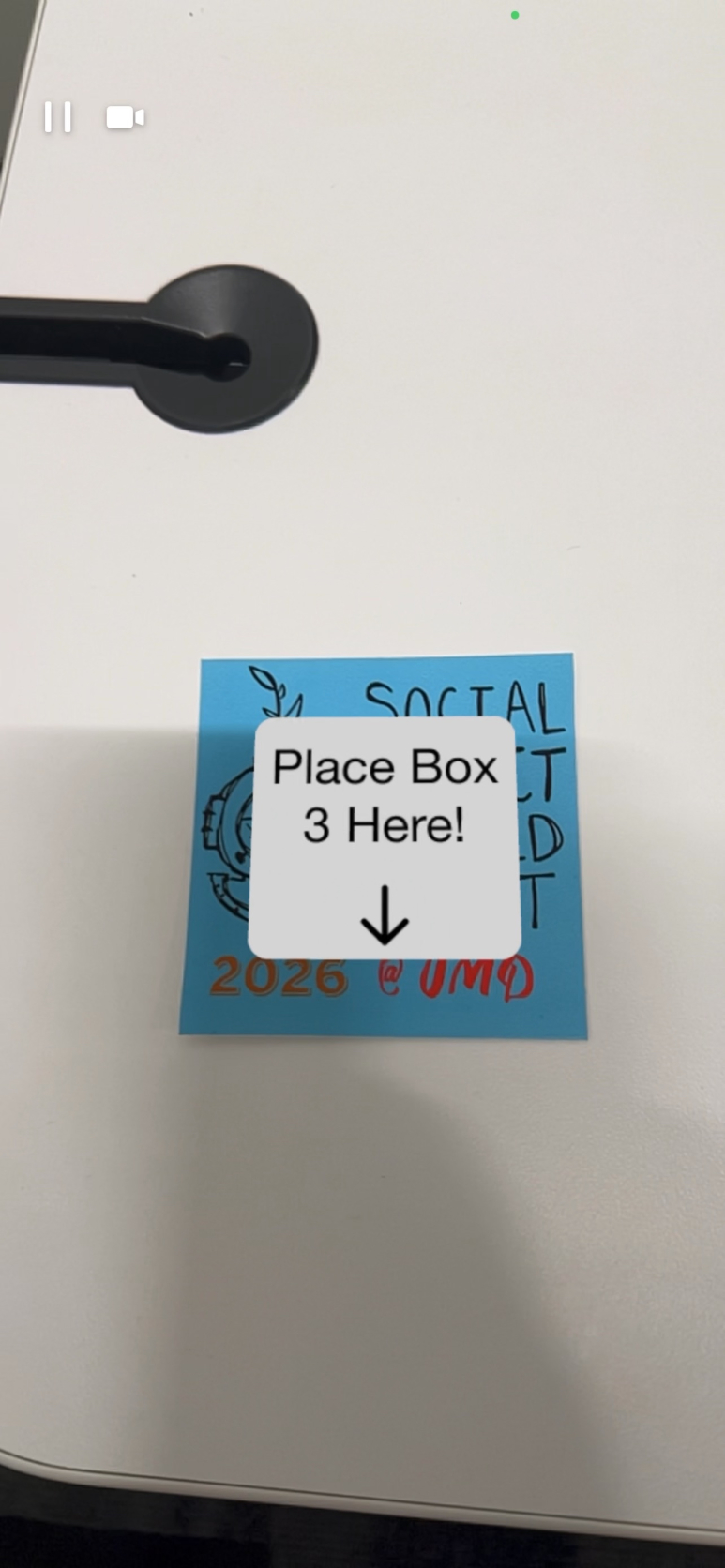
The user finds the place to put the mail-in ballot box.
Inspiration
During the 2025 midterm election, Election officials in Maricopa County, Arizona, misplaced two boxes of mail-in ballots during ballot processing, which lead to over 2,000 votes nearly not being counted. Mismanagement of mail-in ballots is unfortunately common, as polling workers oftentimes lack the training necessary to manage large in-takes of mail correspondence. As such, we want to help polling workers make the experience of tracking down lost ballot boxes as easy as possible, while ensuring the the integrity of the voting process is maintained.
What it Does
Pollscan is an AR app that uses an image scanning system to help polling workers organize boxes of mail-in ballots with an intuitive visual interface. Once a box is located and placed down, the system logs a recording of the retrieval in a centralized database in order to ensure that election fraud can be mitigated.
How we Built It
Pollscan is currently in its prototyping stage, with development split across three key areas. First, we built out the core AR experience using the Scenery AR framework. This serves as the foundation of the project and is functional, though still being refined. In parallel, we set up a MySQL database to track worker and box data through structured queries, which we plan to integrate directly into the AR layer as the project matures. Finally, we designed a front-end interface in Figma to define the look and feel of the full application beyond just the AR view. Moving forward, our goal is to connect all three components into a cohesive full-stack experience.
Challenges We Ran Into
The main challenge we ran into was redesigning what exactly our app would do. We knew the problem we wanted to solve from the start, and that never changed. The vision that came along with it also stayed strong. But when it came to solving the problem itself, we had to go through a couple of AR-based iterations until we finalized what seemed most effective. Since our three components — Scenery, MySQL, and Figma — were developed separately as prototypes, our next major challenge will be integrating them into a unified system.
Accomplishments that We're Proud Of
We identified a real and meaningful problem and came up with a unique, AR-based solution to address it. We didn't just go with our first idea; we went through multiple iterations before landing on something we felt was truly effective, and we're proud of the thought and effort that went into the final prototype. Even at the prototype stage, we touched AR, database, and front-end design, effectively planning for the future by getting started on all three layers. Most importantly, we worked as a great team, communicating effectively while tackling different components of our project in parallel.
What's next for Pollscan?
The next step for Pollscan is to bring all three components together into a full-stack application. For the front-end, we plan to build out the interface using React for its component-based structure, styled with CSS, making it easy to scale as we add features. We're also evaluating whether to migrate from MySQL to a NoSQL database, like MongoDB, since our worker and box data may benefit from a more flexible, document-based schema as the project grows, especially as we incorporate real-time tracking from the AR layer. On the AR side, we want to continue refining the Scenery AR experience to make it more polished and intuitive for poll workers in the field. Ultimately, our goal is to take Pollscan from a prototype to a deployable tool that could realistically be used in real elections.
Built With
- css
- figma
- javascript
- mysql
- react
- scenery


Log in or sign up for Devpost to join the conversation.