-
-

Recent Social Query
-
About Trends
-
Trends Page

Inspiration
The story behind the inspiration of this project is a bit cheesy, but it all starts with one of my best friends, whose passion has always been the planning and analysis of events—especially those related to politics and journalism.
So, during many of our outings, he would always end up feeling stressed about the tedious and manual analyses he had to do for certain campaigns or studies—not to mention the bureaucratic processes he constantly faced.
Being a fieldwork enthusiast myself, I began to ask: how or with what can I help him?
That’s when the inspiration kicked in. To better understand and start analyzing his studies in detail, I asked him to send me examples, and so on. But he kept saying there was still a core problem. That’s when I said, “We really need a solution,” especially for instant journalism.
How can we avoid those processes and make things easier?
It was then, within the framework of the new law in my country, that we began working on this app during the hackathon—an app that could help us analyze trends, review news, and compare them with the current market, where organizations and monitoring are rooted in our local context.
What it does
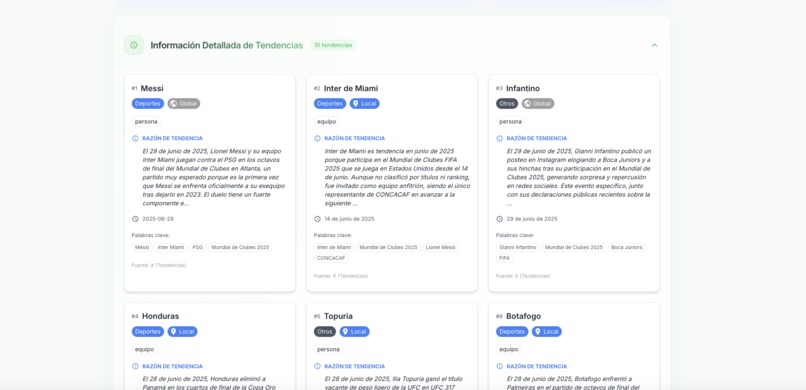
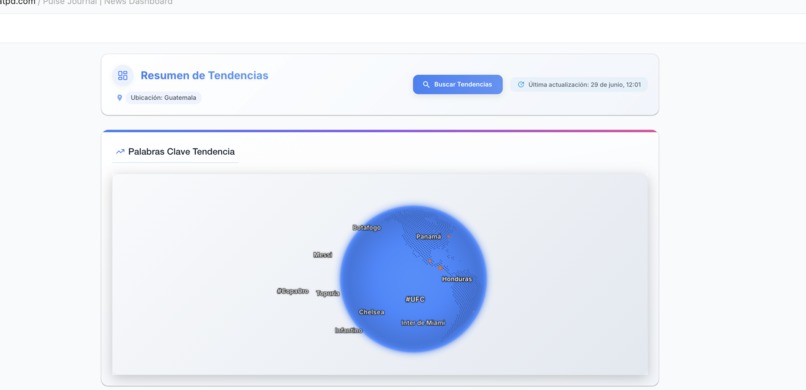
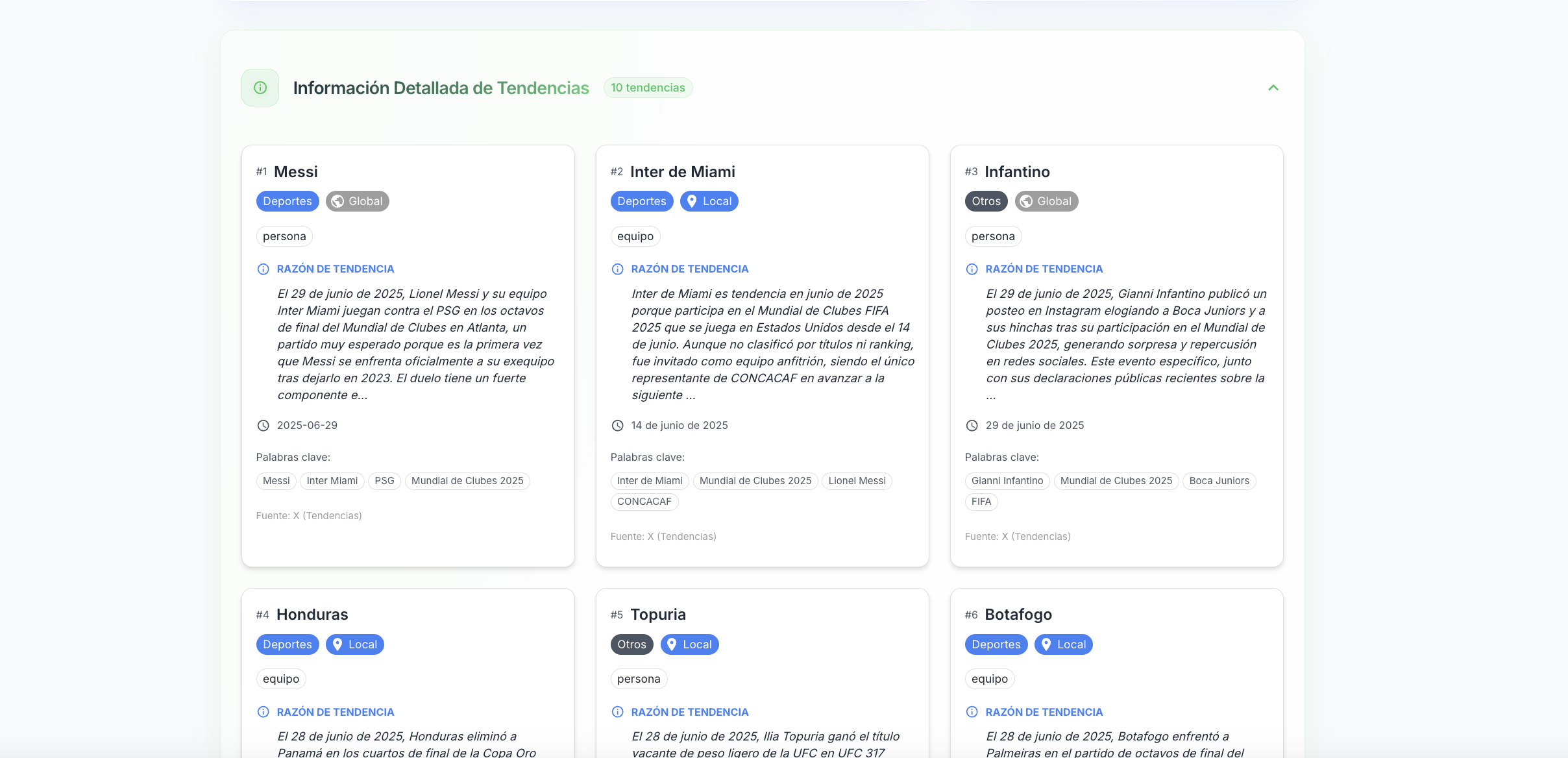
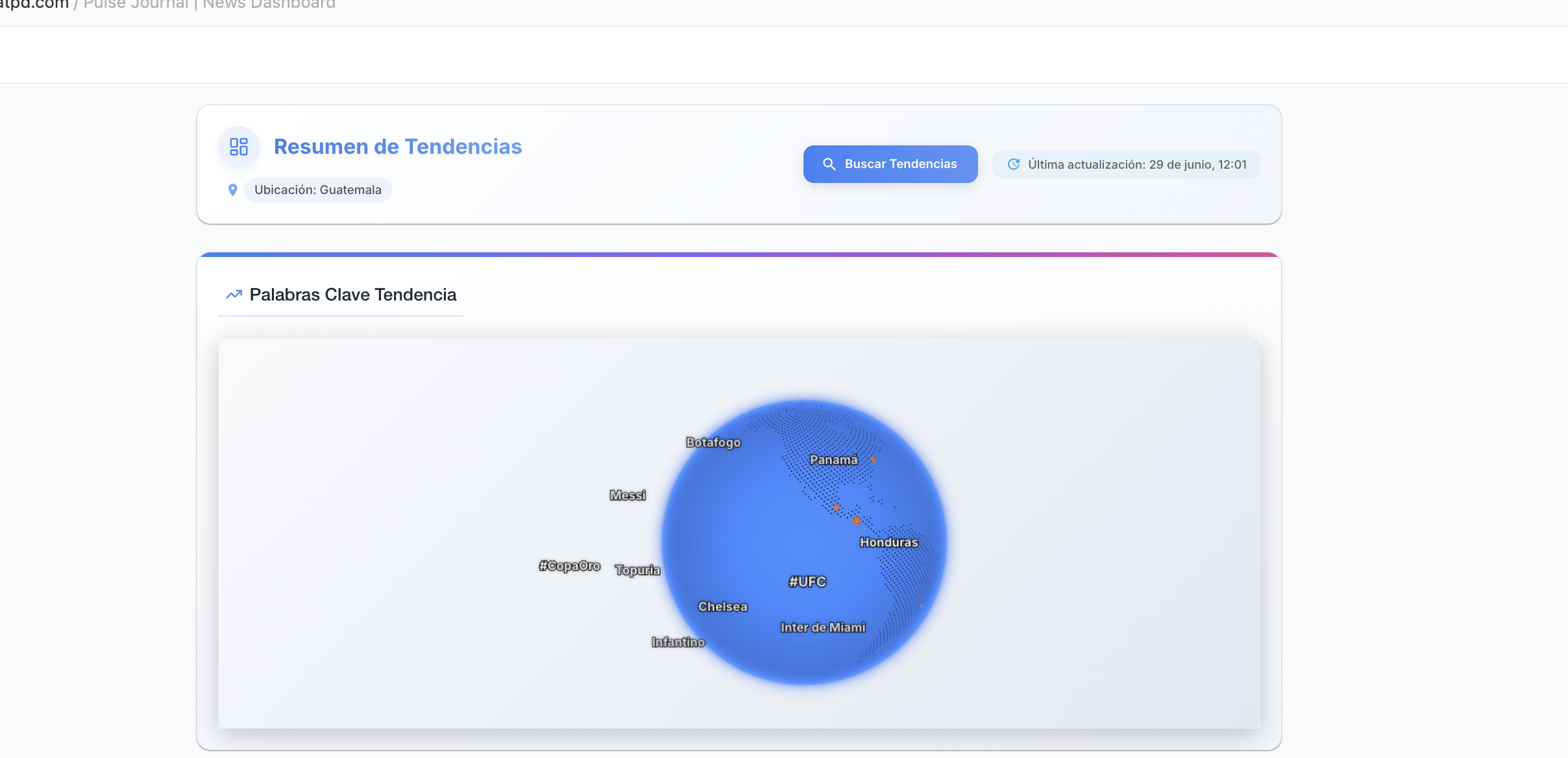
Pulse Jornal allows users to analyze news and public discourse instantly. It identifies trending topics, compares narratives across different sources, and gives institutions or communicators tools to respond quickly and with clarity.
It removes the friction of manual monitoring and empowers users—especially those in journalism, politics, and social research—to build better insights based on real-time data.
How we built it
We built it combining several tools:
- A scraping module that gathers public data from social platforms and news outlets
- An AI layer that helps summarize and categorize content
- A lightweight backend that connects these layers and lets users interact through a web-based dashboard
- Several external APIs for enriched data (e.g., Perplexity, OpenAI, Supabase)
All of it framed to serve a local context, both in language and in relevance.
Challenges we ran into
- Integrating multiple APIs and services smoothly, especially under the limited timeframe of a hackathon
- Making the AI models respond in contextually accurate ways for local journalism
- Designing a system that is both scalable and user-friendly, while still being useful in real-world pressrooms and political campaigns -Although I have a full-time job, working on this project in my spare time has been a valuable learning experience. While the demo may not be perfect, I’m proud of what I’ve been able to build and achieve.
Accomplishments that we're proud of
- We created a tool that immediately resonates with real needs in our region.
- The MVP is already functional and capable of producing insights that would have taken hours to do manually.
- We achieved a strong balance between automation and editorial control—so the journalist or communicator is always in the loop.
What we learned
- Real innovation comes from listening—this project wouldn’t exist without understanding a real pain point from someone close.
- Working with local context is more challenging but also more rewarding; global tools don’t always fit.
- Building fast under pressure (like during a hackathon) teaches you to focus on the essentials and ship value.
What's next for Pulse Jornal
- We aim to extend the platform to allow deeper collaborations between journalists, activists, and institutions.
- We’ll add tools for storytelling, live monitoring, and exporting content for reports or media coverage.
- Eventually, we hope to turn Pulse Jornal into a broader ecosystem—one that strengthens communication and transparency in emerging democracies like ours.
Built With
- javascript
- node.js
- openai
- perplexity
- python
- sql
- supabase
- typescript

Log in or sign up for Devpost to join the conversation.