-
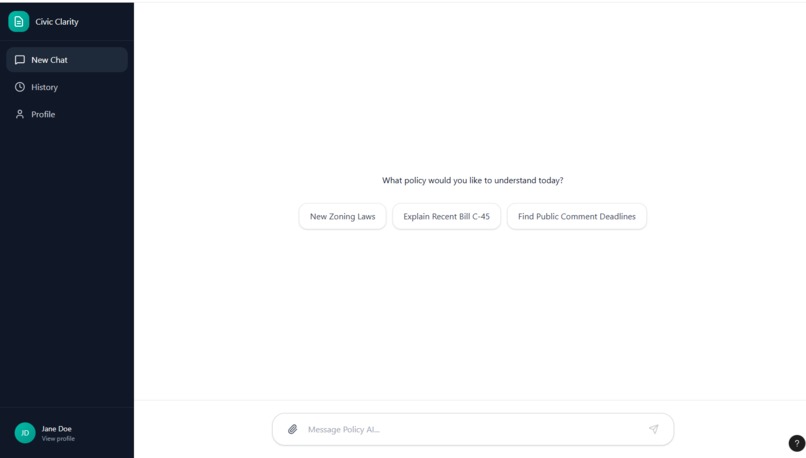
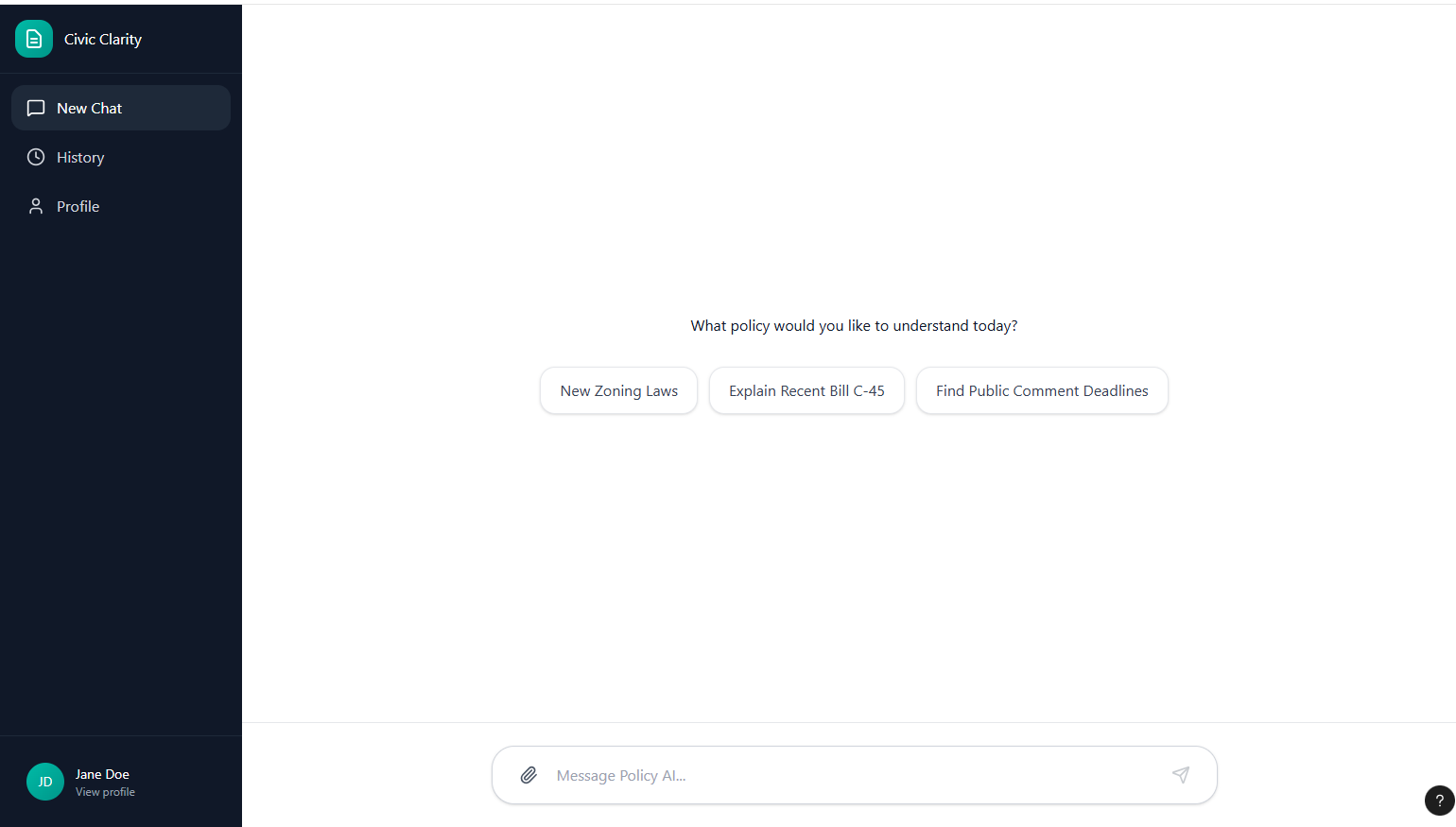
chat interface
-
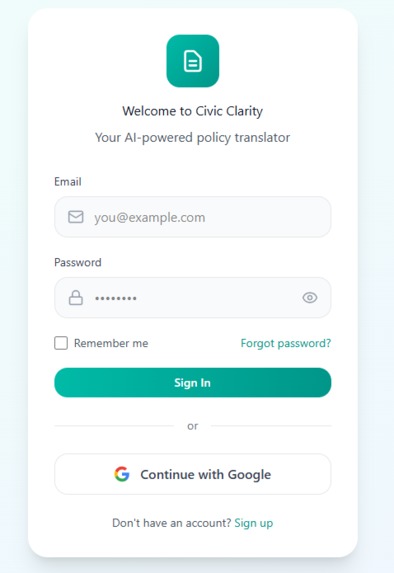
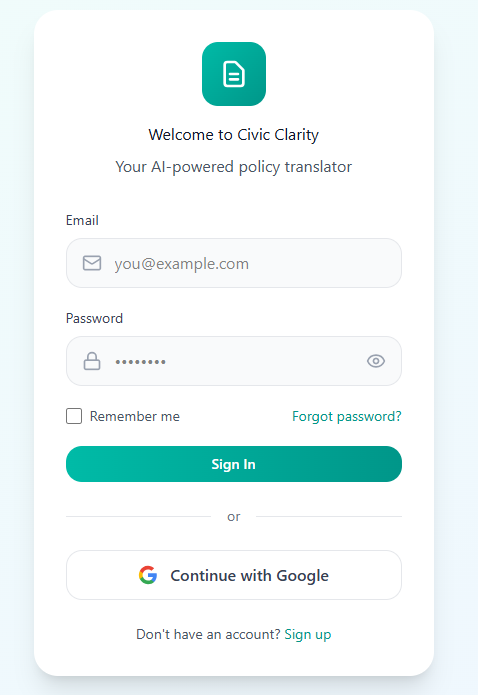
registration and login
-
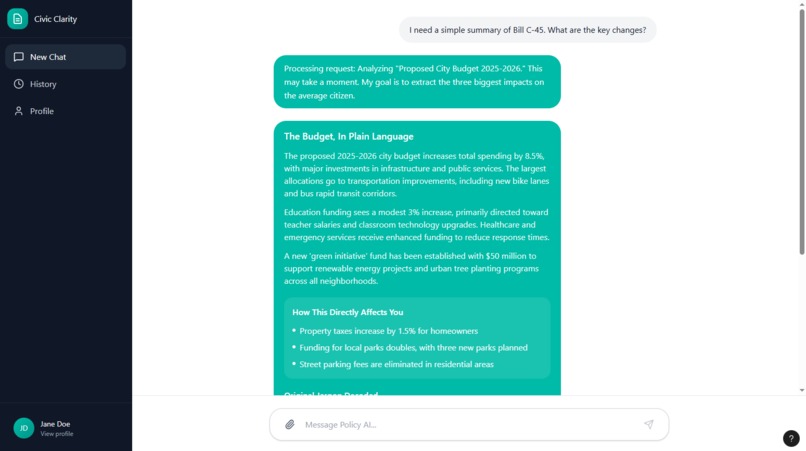
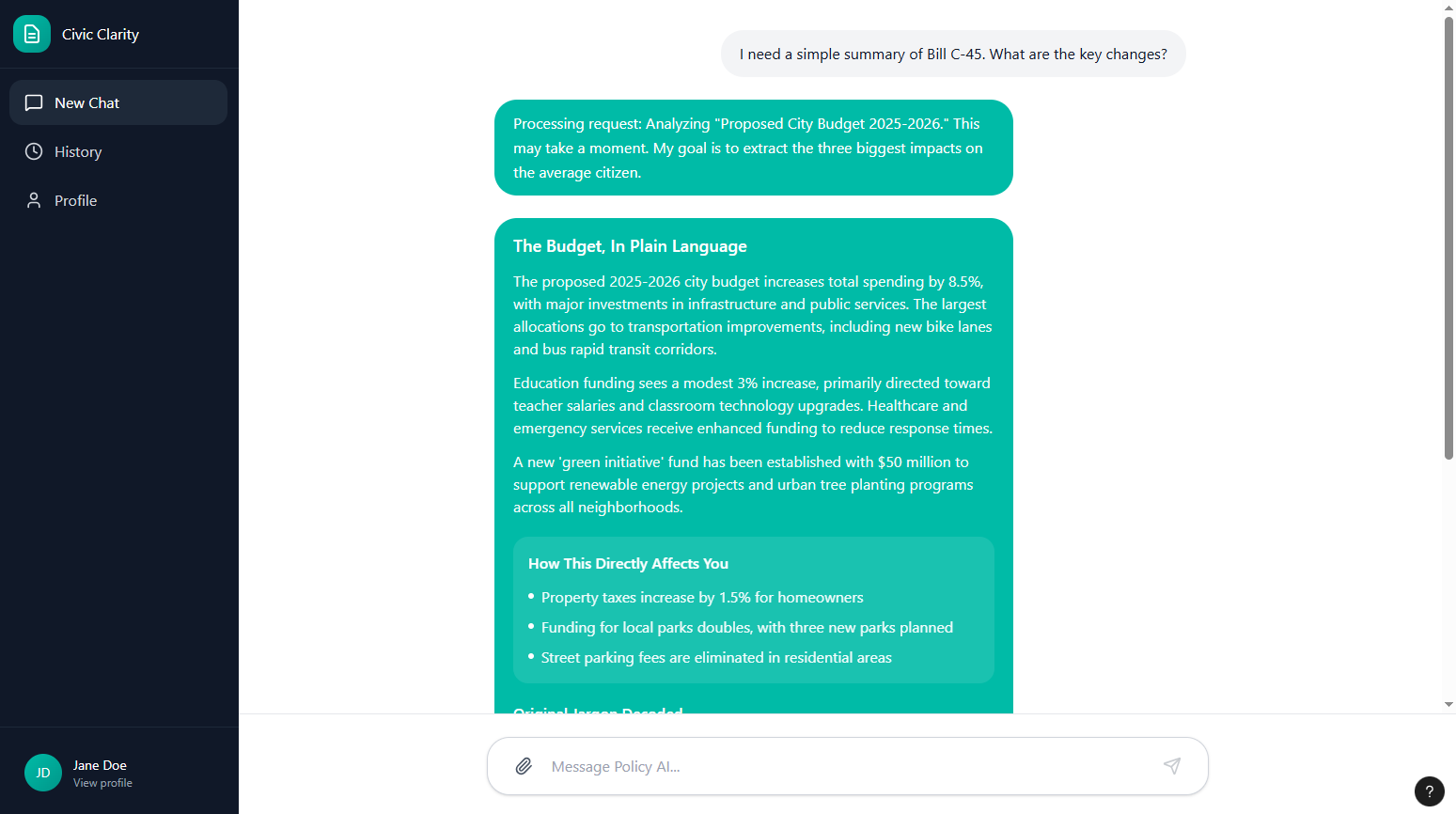
chat with the translator
-
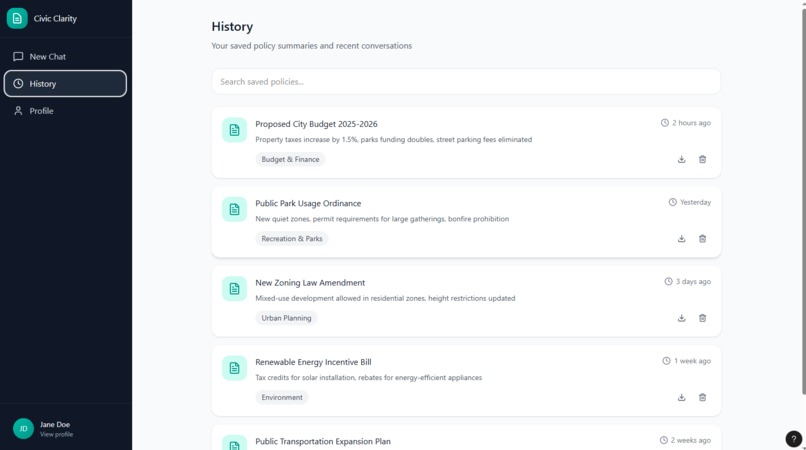
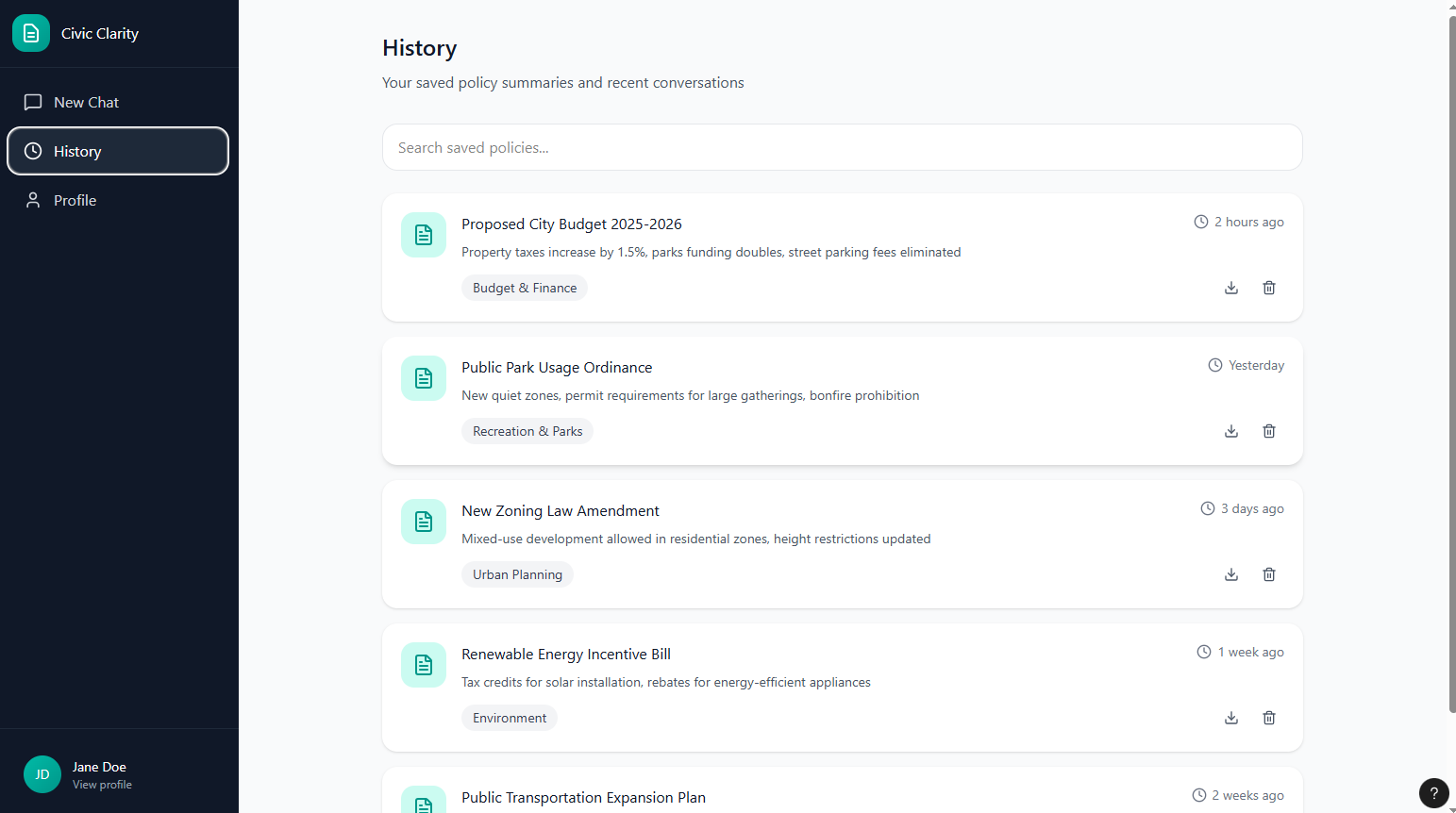
chat history
The PolicyTranslator Story: How We Got Here
The Spark
It started with frustration the kind that makes you want to throw your laptop across the room.
My cousin had been running a successful online business for two years. She was ready to make it official, register with CAC, get legitimate. Simple enough, right? Wrong.
She downloaded the Corporate Affairs Commission registration form and stared at it for an hour. "What does 'particulars of charges existing on property' mean?" she texted me. Then: "What's a 'registered office situation'?" I didn't know either. We Googled. The explanations were just as confusing.
Three days later, after countless failed attempts and rejected submissions, she gave up and paid someone ₦15,000 to fill out the form for her. The guy finished it in 20 minutes. Not because he was brilliant because he'd done it a hundred times before and knew what the bureaucrats actually wanted.
That's when it clicked: this isn't a literacy problem. It's a translation problem.
The Reality Check
I started asking around. Turns out, everyone has a form story:
- My friend's mom spent six hours on a government hospital registration form, only to be told she filled it out wrong
- A classmate missed out on ₦200,000 in scholarship money because he abandoned his financial aid application halfway through
- An uncle paid someone to help with his international passport renewal for a form that should take 15 minutes
Then I looked at the US system (where I'm applying to schools). The FAFSA financial aid form? Same nightmare. Students leave literally millions in aid money unclaimed every year because the form is incomprehensible. One question asks about "untaxed portions of IRA distributions." I'm 22 and have no idea what that means.
The pattern was everywhere: government forms are written by bureaucrats, for bureaucrats. Everyone else either pays for help, wastes hours guessing, or gives up entirely.
The "What If" Moment
I was complaining about this to a friend over zoom when she said something that stuck: "Why can't forms just ask questions like a normal person would?"
That's it. That's the whole idea.
What if instead of "Indicate your dependency status pursuant to IRS Publication 501," a form just asked: "Did anyone claim you as a dependent on their taxes last year? (Yes/No)"
What if instead of demanding "particulars of charges," it said: "Does anyone have a legal claim on this property, like a bank loan or court order?"
Same information. Human language.
Why This Matters to Me
Here's the thing: I'm one of the lucky ones. I go to university. I have internet access. I can Google confusing terms and eventually figure them out. But I've watched brilliant people, people smarter than me feel stupid because a form used the phrase "bona fide resident" instead of "do you actually live here."
That's not okay.
Government services are funded by everyone's taxes. They should be accessible to everyone, not just people who can afford form agents or have family members who've "cracked the code."
This is personal because I've seen what happens when systems are deliberately exclusionary. Smart entrepreneurs can't formalize their businesses. Talented students miss out on education funding. Immigrants struggle with visa applications. Not because they're not capable because the forms are designed to confuse.
The Vision
PolicyTranslator started as a frustration, became a question, and now it's a mission: make government forms work for people, not against them.
We're building a tool that reads any government PDF, translates bureaucrat-speak into human language, and fills out the official form correctly. Upload, answer questions like a normal person, download your completed form. Free, private, simple.
We're starting with FAFSA (because it affects 20 million students) and Nigerian CAC registration (because that's home). But the vision is bigger: every government form, in every language, accessible to everyone.
What Winning This Ideathon Means
This isn't just about a competition for us. It's validation that other people see what we see: systems that don't serve people need to be redesigned, not endured.
We're not trying to disrupt government or revolutionize bureaucracy. We're just trying to translate it. Make it readable. Make it fair.
Because everyone deserves to understand the forms that determine their opportunities.
That's the PolicyTranslator story. Born from frustration. Built for equity. Designed to translate bureaucracy into humanity.

Log in or sign up for Devpost to join the conversation.