-
-
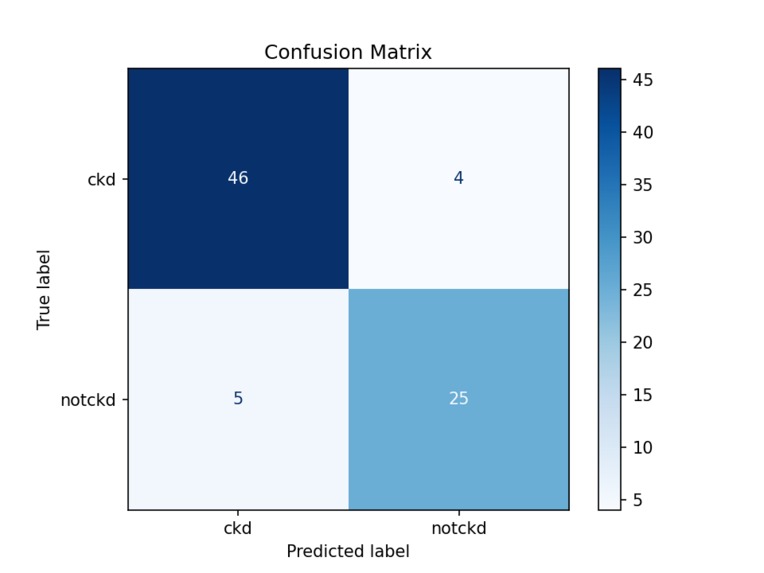
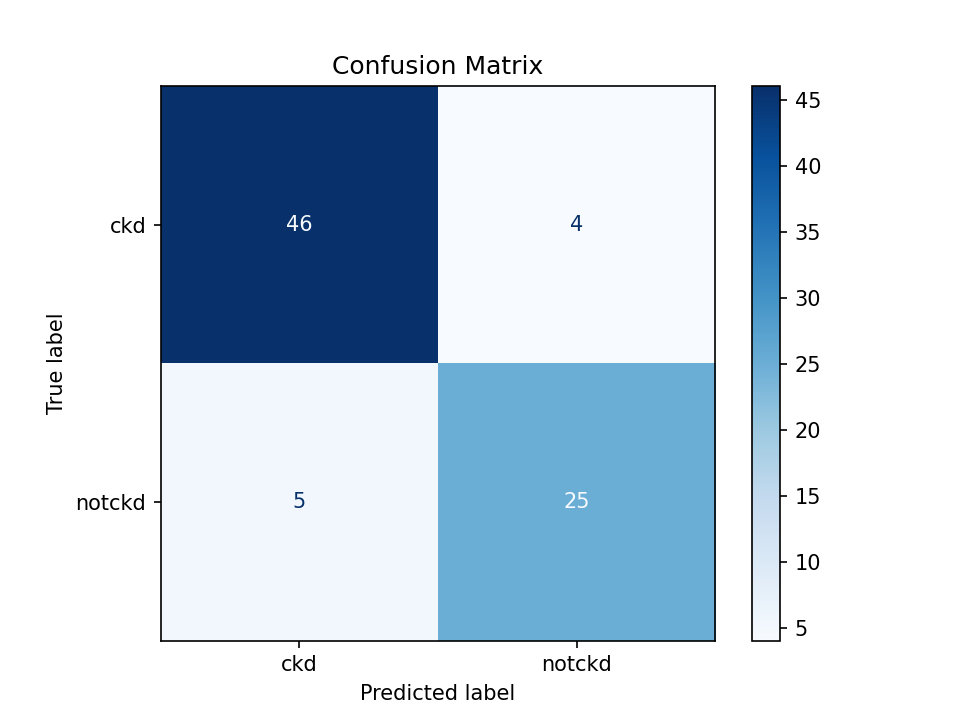
confusion_matrix
-
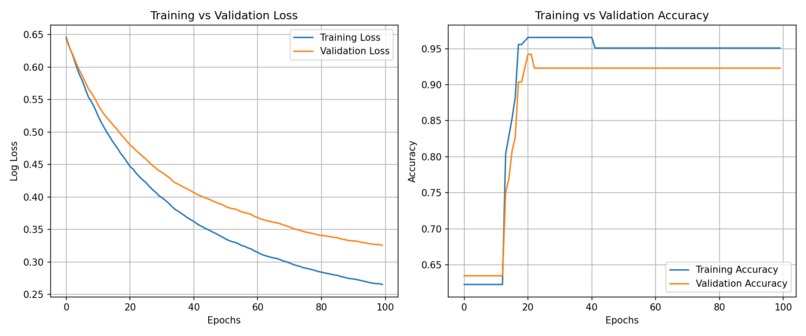
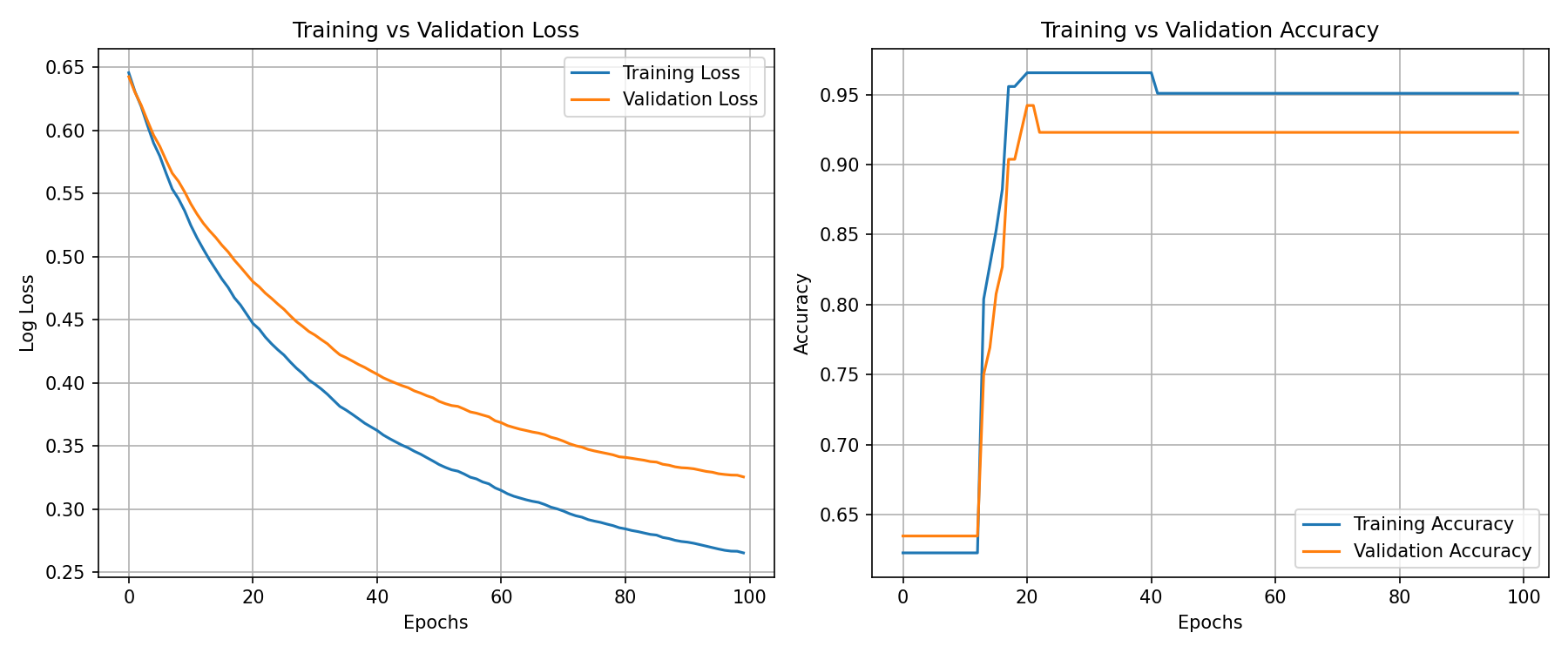
Training_Curves
-
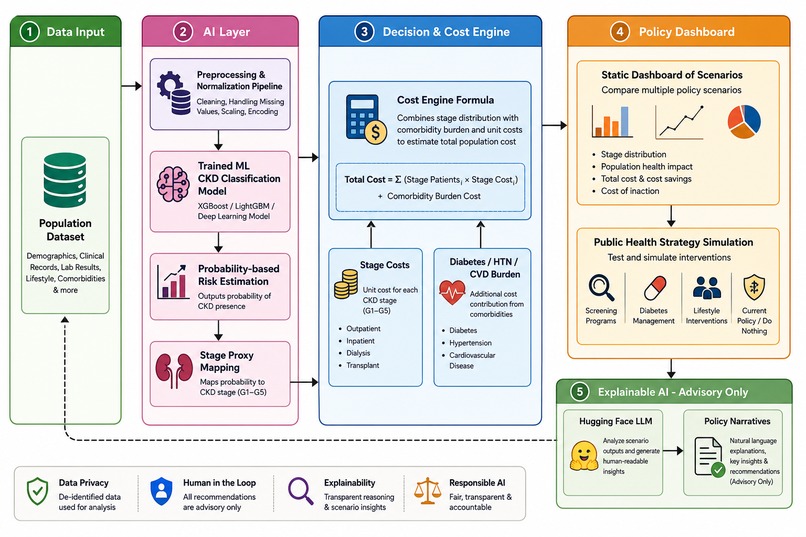
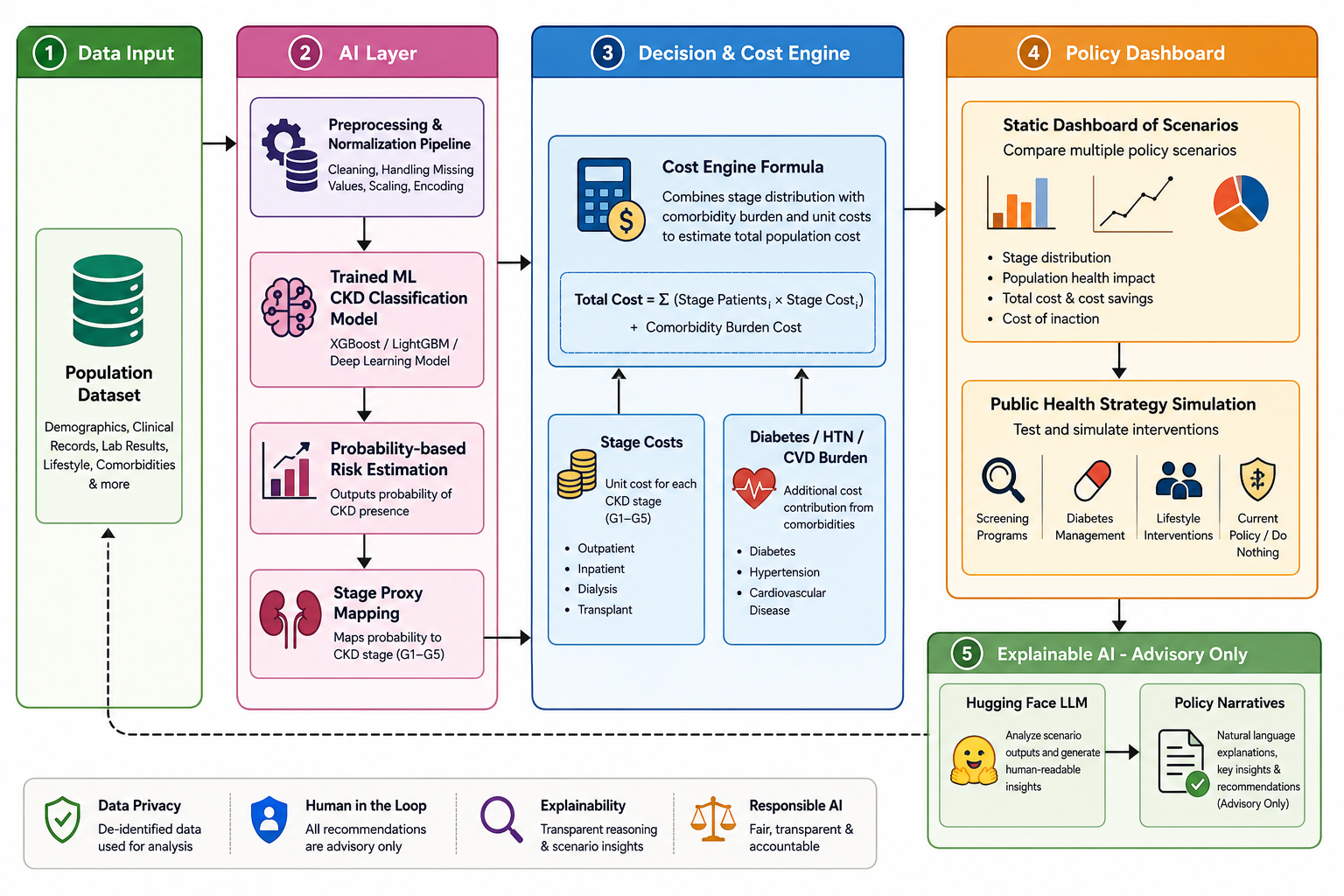
Project_flow
Inspiration
Chronic Kidney Disease (CKD) is a progressive, often asymptomatic condition that affects over 800 million people globally and places a significant clinical and economic burden on healthcare systems. Although predictive analytics have advanced, most AI solutions remain patient-focused and prioritize diagnosis over population-level decision support.
We aim to address this gap by applying the Digital Twin concept from engineering to public health. Our approach creates a virtual population model that continuously integrates clinical risk predictions, economic modeling, and policy simulations to assess the long-term impact of healthcare interventions before implementation.
By combining AI-driven risk stratification, scenario simulation, and cost-of-inaction analysis, the CKD Digital Twin helps policymakers shift from reactive disease management to proactive, evidence-based healthcare planning.
Our vision is to turn population health data into an intelligent decision-support ecosystem that allows prevention strategies to be evaluated, optimized, and prioritized based on their projected clinical and economic impact
What it does
CDK Digital Twin - Policy Simulator & Patient Risk Predictor AI is an AI-powered decision-support system for Chronic Kidney Disease. It integrates patient-level prediction with population-level policy simulation and includes four core components. The Policy dashboard has four major components: Population Policy Simulator, Patient risk predictor, Intervention Simulator, and the cost of doing nothing.
The Policy population simulator uses a trained CKD risk model to evaluate population datasets across four policy scenarios: Current Policy, Enhanced Screening, Screening + Diabetes Management, and Do Nothing.
Patient Risk Predictor enables healthcare professionals to input clinical variables for an individual patient to receive: CKD probability, Risk category, estimated annual treatment cost, and AI-generated clinical summary. The Intervention Simulator (screening ++ diabetes management) can simulate improvements in hypertension, diabetes management, edema, and laboratory parameters, and instantly compare predicted outcomes before and after the intervention. Finally, the Cost of Inaction Calculator estimates additional healthcare costs resulting from delayed preventive investment, turning clinical predictions into actionable policy insights. In addition, there is a personalized single-patient predictor that can predict the CDK risk factor based on individual patient data. Thus, this Digital Twin simulator supports both individual patient care and strategic healthcare planning.
How we built it
Input Data : CDK Dataset link CDK Digital Twin - Policy Simulator & Patient Risk Predictor was developed with a modular, full-stack AI architecture.
AI Layer
• Trained Machine Learning CKD classification model
• Feature preprocessing and normalization pipeline
• Probability-based risk estimation
• Stage proxy mapping for economic simulation
• Decision Engine
A custom cost engine applies an evidence-based CKD cost formula that incorporates:
• Disease stage cost
• Diabetes burden
• Hypertension burden
• Cardiovascular disease burden
To estimate annual healthcare costs. A static dashboard of scenarios, every scenario reruns the trained AI model across the entire population dataset, allowing dynamic simulation of different public health strategies.
Explainable AI
An optional Hugging Face LLM converts numerical outputs into clear policy narratives for advisory purposes only. The language model does not modify predictions; it only explains model outputs.
Model Performance Summary
==========================
Test Accuracy: 0.887
Confusion Matrix:
46 4
5 25
False Positives: 4
False Negatives: 5
False Positive Rate: 0.080
False Negative Rate: 0.167
Classification Report:
precision recall f1-score support
ckd 0.90 0.92 0.91 50
notckd 0.86 0.83 0.85 30
accuracy 0.89 80
macro avg 0.88 0.88 0.88 80
weighted avg 0.89 0.89 0.89 80
Challenges we ran into
One of our biggest challenges was connecting patient-level AI predictions with population-level policy decisions.
Most publicly available CKD models produce only binary predictions (CKD / No CKD), whereas policymakers require estimates of long-term disease progression and healthcare costs. To bridge this gap, we designed a probability-based stage proxy that enables cost simulation while clearly communicating that it is not a clinical diagnosis.
Another challenge was implementing Responsible AI principles. We wanted AI to assist decision-makers without replacing human expertise, so we intentionally designed the LLM as an explanation layer rather than a decision-making component.
Balancing technical accuracy, interpretability, and usability required multiple iterations of both the architecture and user experience.
Accomplishments that we're proud of
We are proud to have developed an AI system that advances beyond disease prediction to support evidence-based public policy.
Key achievements includ
• Developed a fully functional Digital Twin for CKD policy simulation
• Integrated patient prediction, intervention simulation, and policy modeling into a single platform
• Built a transparent cost engine with visible formulas and assumptions
• Implemented Responsible AI principles with human monitoring and explainable outputs
• Designed a flexible architecture that can be extended to other chronic diseases such as diabetes, cardiovascular disease, or COPD
Most importantly, we translated AI predictions into actionable insights for decision-makers evaluating healthcare investment strategies.
What we learned
This project reinforced that successful healthcare AI is not only about improving predictive accuracy it is about supporting better decisions.
We learned that:
• Explainability is essential for trust and adoption.
• Policy simulation requires translating clinical outputs into economic and societal impact.
• Responsible AI should prioritize transparency and human oversight over automation.
• Digital Twins provide a powerful framework for exploring "what-if" scenarios without affecting real patients.
We also discovered the importance of interdisciplinary thinking, combining machine learning, public health, economics, and software engineering into a unified decision-support platform.
What's next for Chronic Kidney Disease Digital Twin Policy Simulator
Our vision is to evolve CDK PoliCy Simulator AI into a scalable Digital Twin platform for national healthcare coordination.
Future development include
• Integration with real-time Electronic Health Record and public health datasets
• Reinforcement learning for flexible policy optimization
• GIS-based regional disease burden visualization
• Uncertainty assessment and confidence intervals for policy recommendations
• Fairness and bias auditing across demographic groups
• Multi-disease simulation covering diabetes, cardiovascular disease, and hypertension
• Generative AI assistants for policy makers to query scenarios using natural language
• Cloud deployment for government agencies and healthcare organizations
Ultimately, Policy Forge AI aims to become an AI-powered decision intelligence platform that helps governments move from reactive healthcare spending to proactive, data-driven prevention strategies, improving population health while lowering long-term economic burden.
Built With
- flask
- huggingface
- python
- railway
- react
- scikit-learn
- vercel
- vite


Log in or sign up for Devpost to join the conversation.