-
Meet your new companion to the web, Polaris
-
-
-
-
-
-
-
Inspiration
The inspiration for Polaris came from witnessing the struggles that the elderly face in navigating the rapidly evolving digital landscape. In an age where the internet is integral to everyday life, it became clear that a significant portion of the population is left behind due to interfaces that are not designed with their needs in mind. Our goal was to create a solution that not only bridges this gap but also empowers the elderly to navigate the web with confidence and independence, ensuring that age is not a barrier to digital literacy and access.
What It Does
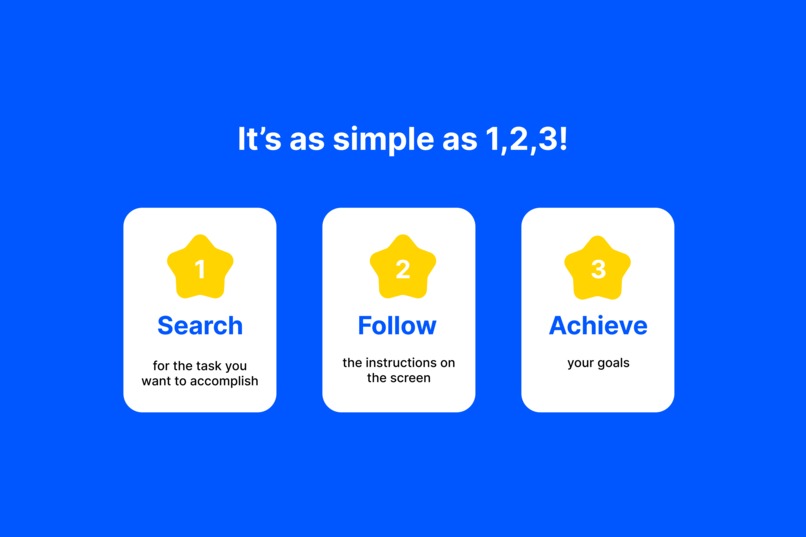
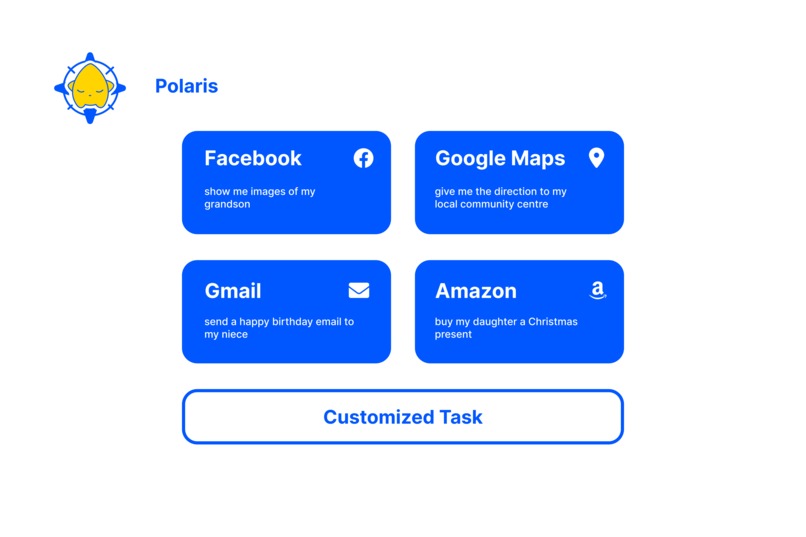
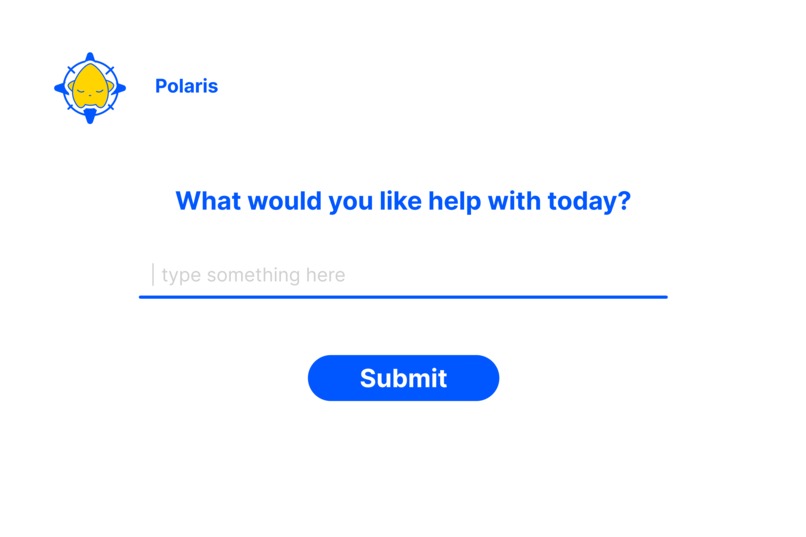
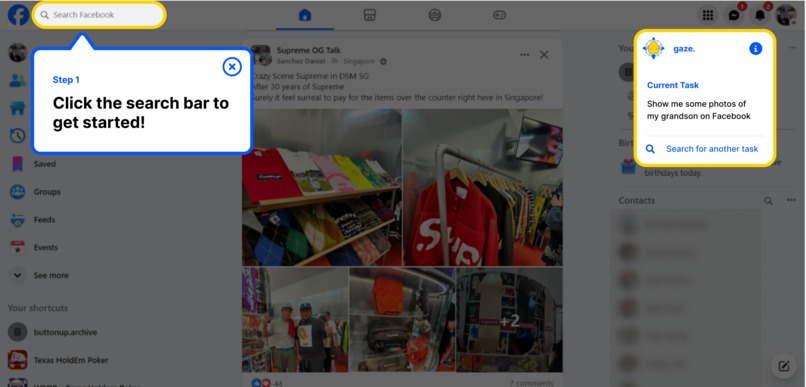
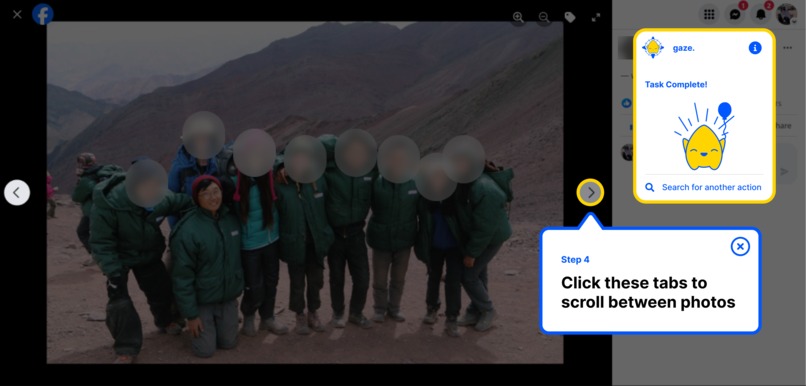
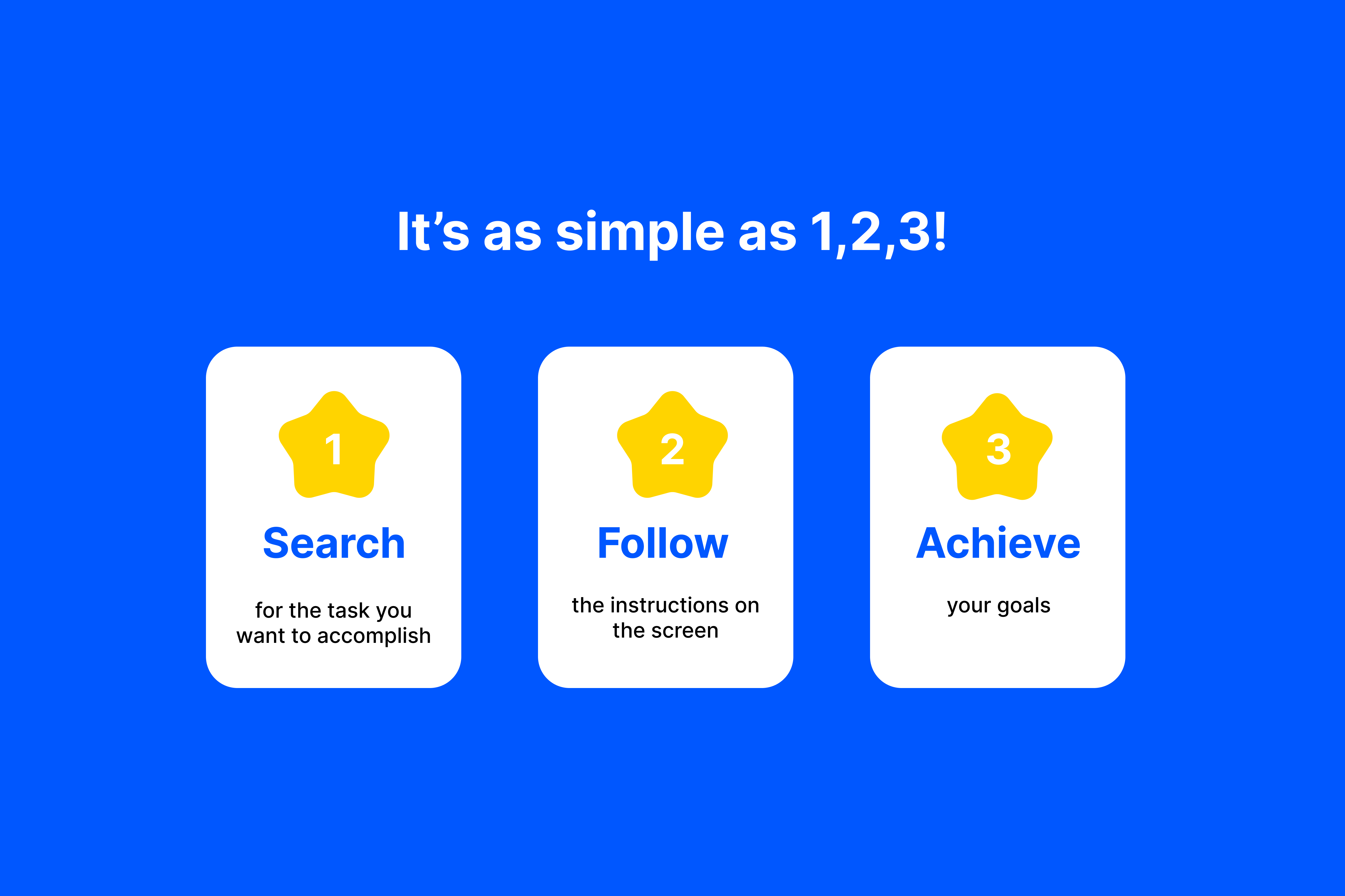
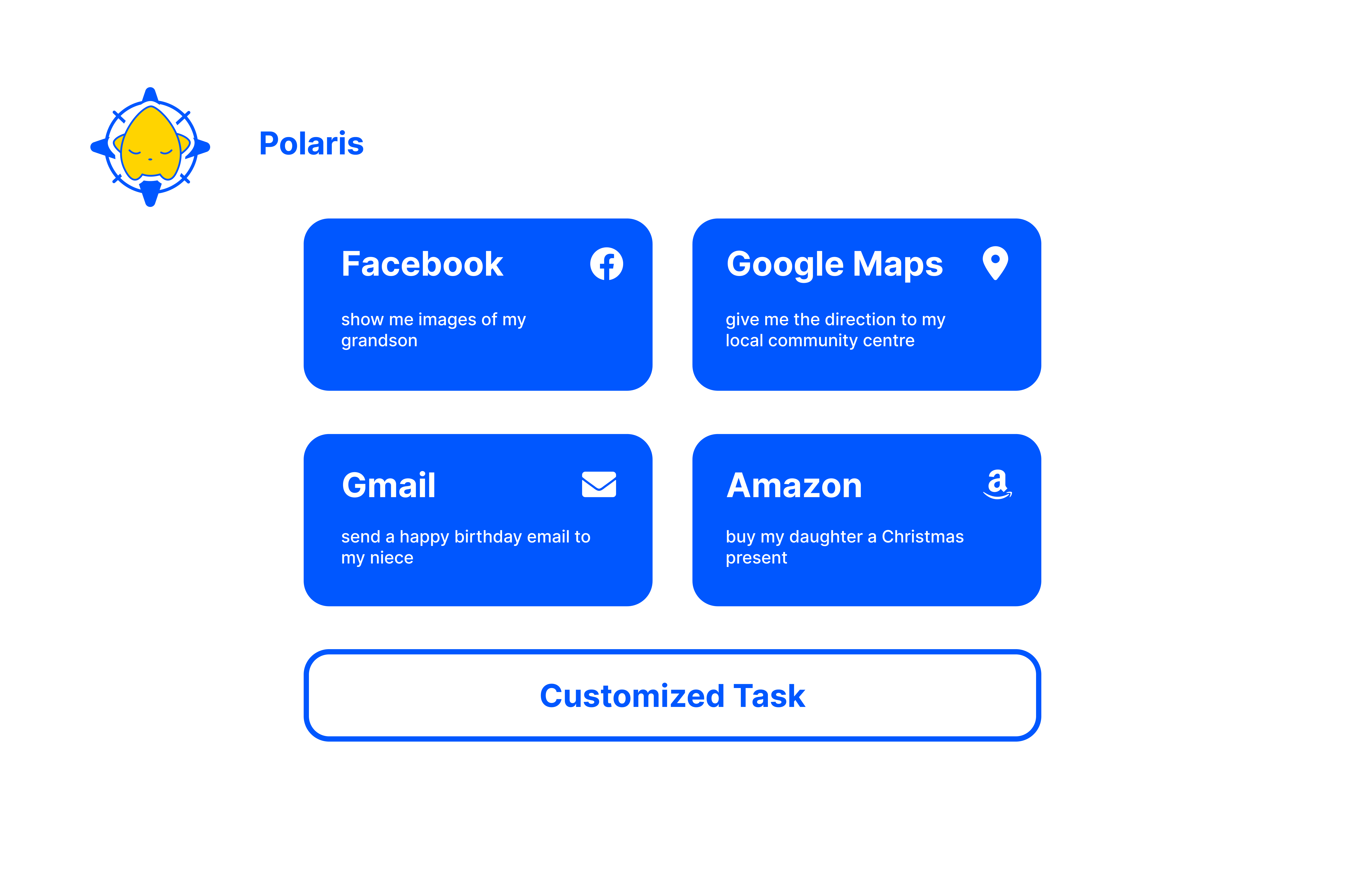
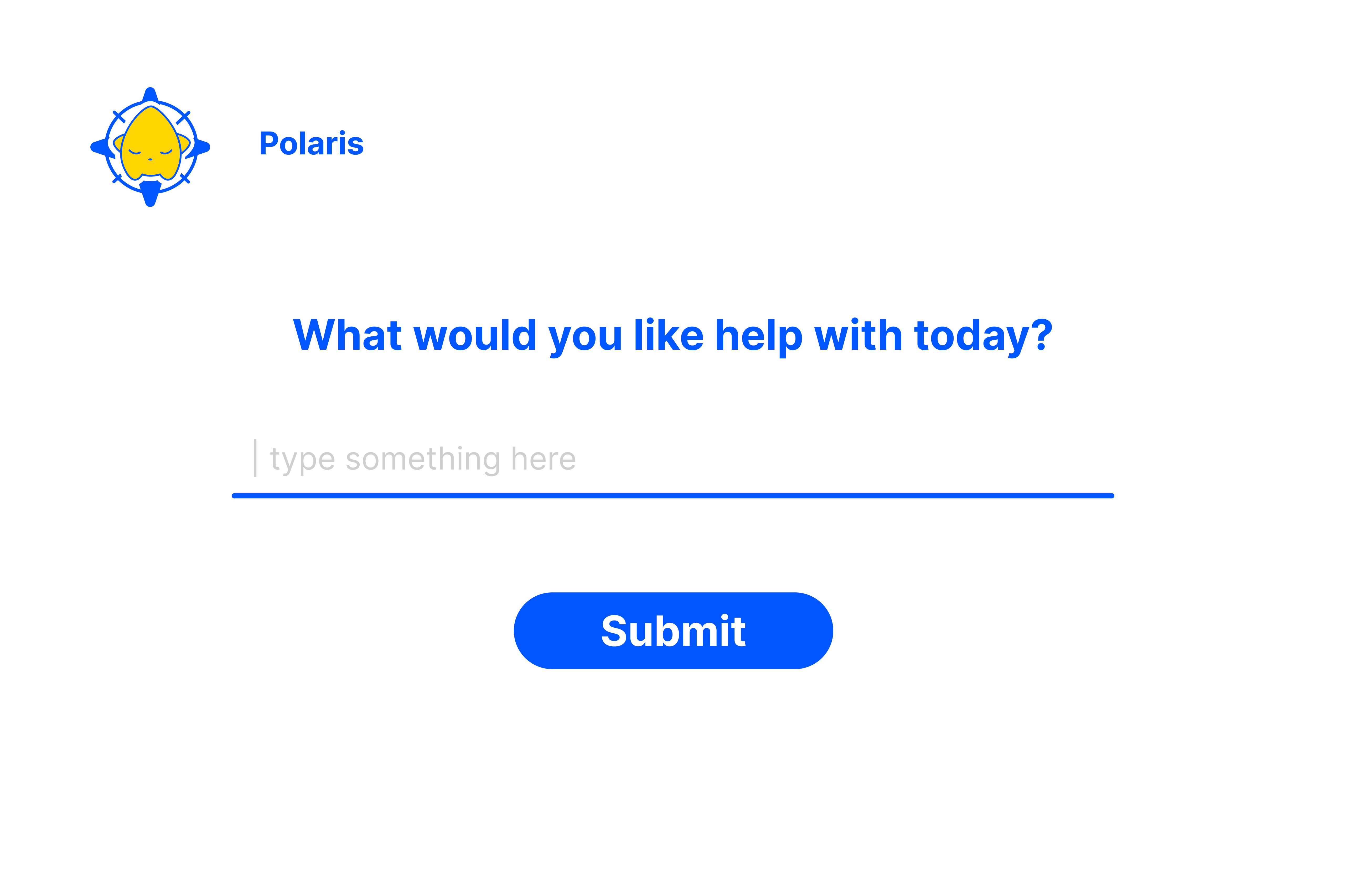
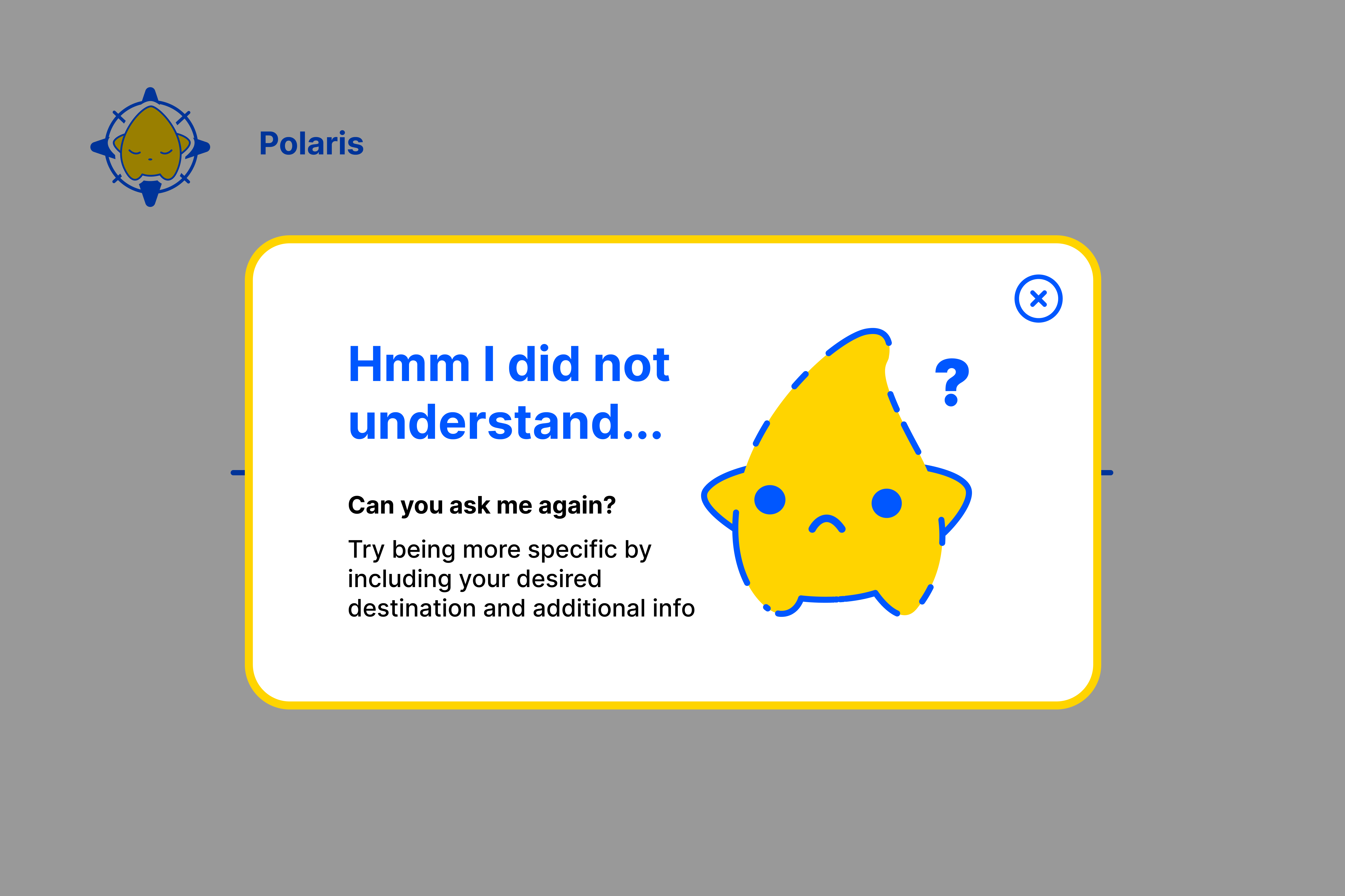
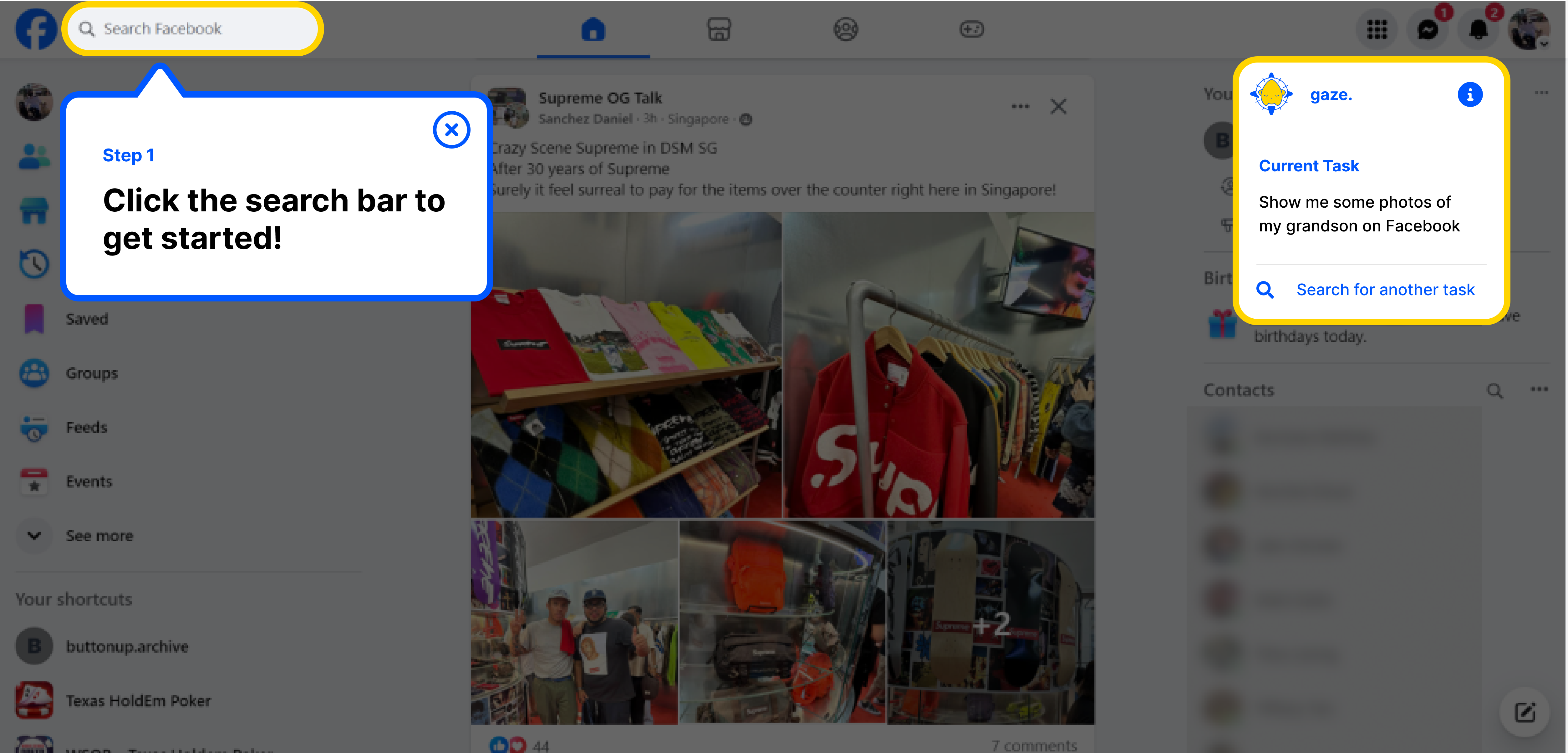
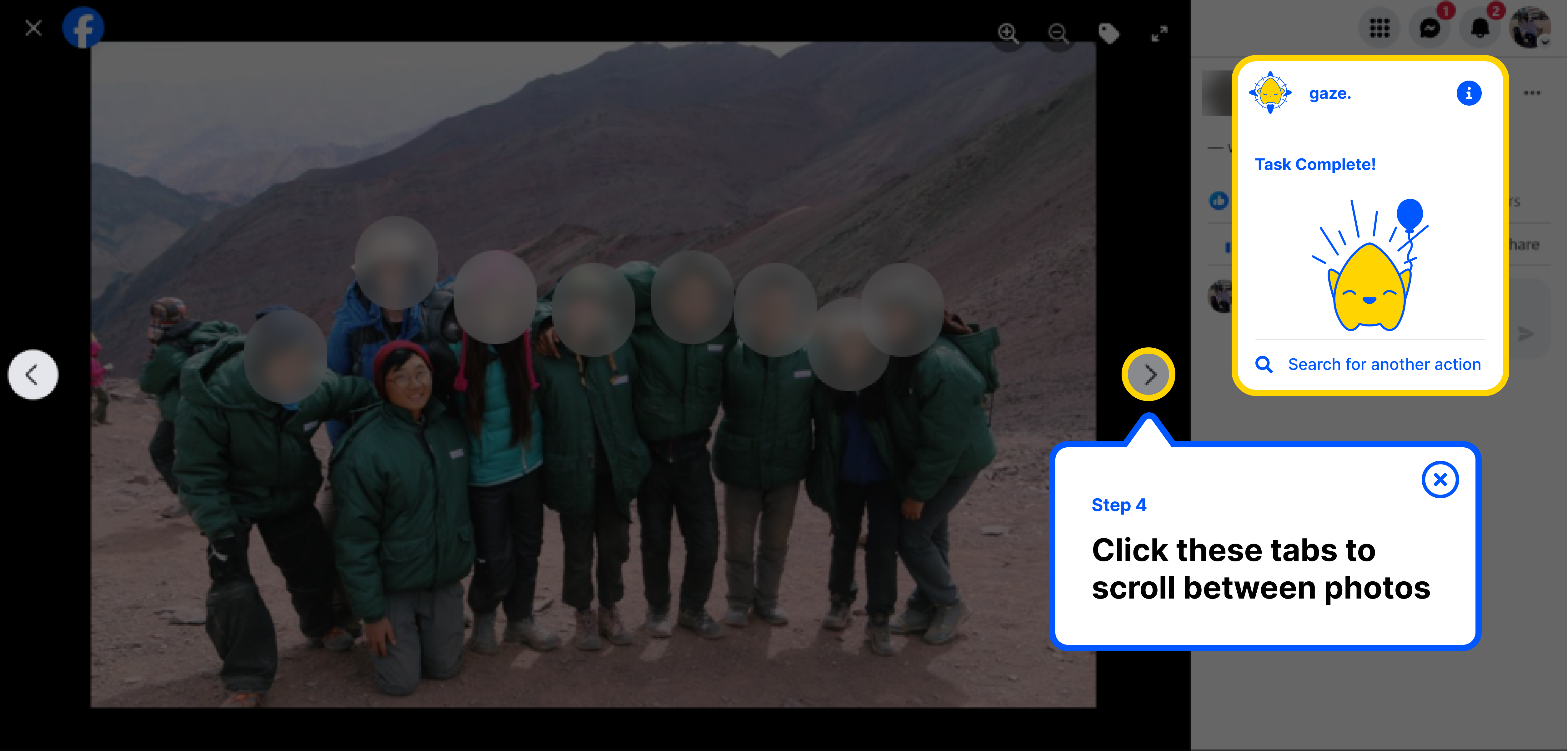
Polaris is a Chrome extension that revolutionizes web accessibility for the elderly. By allowing users to describe in natural language what they wish to accomplish on a website, Polaris guides them through the necessary steps. It captures and analyzes web page components, interprets the user’s intent through advanced language models, and provides visual cues and simple instructions via an overlay. This process simplifies web navigation, making digital spaces more inclusive and user-friendly.
How We Built It
We built Polaris using a combination of different frontend frameworks, APIs and machine learning technologies. The front end, developed as a Chrome extension and accompanying web app, captures user input and webpage elements processed using Beautiful Soup. The backend, powered by multi-modal language models, processes this data to understand the context and intent behind user commands. We leveraged open-source models like Llama2 and Mistral8x7B provided by together.ai's inference APIs and maximized their potential with prompt engineering. Our user-focused interface built with a combination of React, MaterialUI and Vite, allows us to simplify navigating the web for people of all age.
Challenges We Ran Into
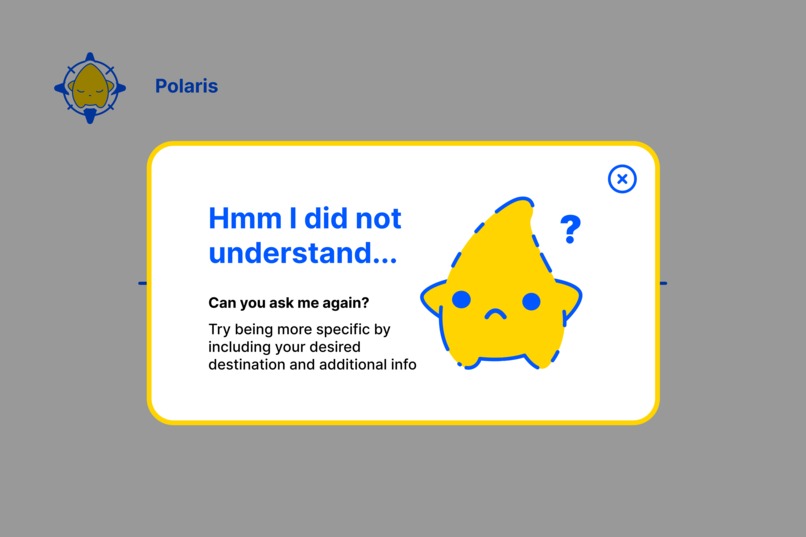
One of the main challenges was ensuring accurate segmentation and interpretation of web page components in real time, which required optimizing our models for speed without sacrificing accuracy. Another challenge was designing an intuitive user interface that could be easily navigated by elderly users, necessitating several iterations based on user feedback.
Accomplishments That We're Proud Of
We are particularly proud of developing a solution that significantly improves web accessibility for the elderly, a demographic often overlooked in technology design. Successfully integrating complex AI technologies into a user-friendly application that can run efficiently as a Chrome extension stands as a testament to our team’s dedication and technical prowess.
What We Learned
Throughout this project, we gained deeper insights into the challenges of web accessibility and the potential of AI to address these issues. We learned the importance of user-centered design, especially when creating technology for populations with specific needs. Additionally, we honed our skills in AI development, particularly in prompt engineering and data processing, and learned valuable lessons in teamwork, project management, and iterative design.
What's Next for Polaris
Looking ahead, we aim to expand Polaris's capabilities to cover more complex web interactions and support additional browsers beyond Chrome. Our vision is a digital world whose benefits are universally accessible to everyone, irrespective of age. We see what is now just a simple but powerful chrome extension one day turning into a suite of tools aimed at improving equitable access to the Internet, providing seamless integrations with other technologies like browsers and OSes."
Built With
- beautiful-soup
- chrome
- fastapi
- figma
- llama
- materialui
- openai
- react
- together.ai
- vercel
- vite

Log in or sign up for Devpost to join the conversation.