-
-
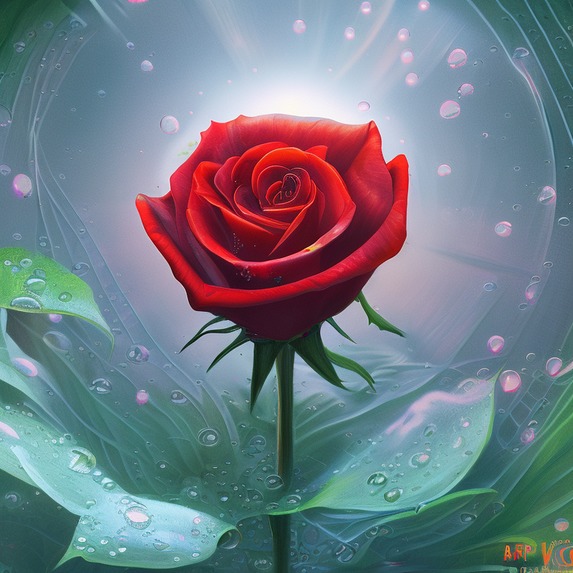
Inspiration
- My grandmother loves to write poetry.
- When I was a kid she would write poems,
- We would record her reading them,
- I would google images for scenes, edit it all together, and upload to YouTube.
- I never forget the glee on her face when we released a new video.
- She would go tell all of her friends about her new video!
- I created Poet.AI to automate my role as googler and editor,
- To use AssemblyAI, GPT-3 and Stable Diffusion to do what I did but much better!
What it does
- You upload an audio recording of your poetry,
- Poet.AI generates a transcript of what you said,
- Uses GPT-3 to partition that into scenes and generate prompts for those scenes,
- Uses Stable Diffusion to generate images for those scenes,
- Puts it all together in Python and gives it back to you.
How we built it
- The website is built in Django and it uses the AssemblyAI, OpenAI GPT-3 and Replicate Stable Diffusion APIs.
Challenges we ran into
- It was a pleasure using all of the APIs,
- However for a long time the videos for the poetry just didn't look good!
- Then I found a blog post of using GPT-3 to make better prompts, implemented that and it made it so much better!
Accomplishments that we're proud of
- It actually works and generates beautiful videos!
What we learned
- How to use a bunch of different machine learning APIs (Assembly AI, Replicate Stable Diffusion)
- How to use GPT-3 for weird things that it probably shouldn't be used for lol (extracting important phrases from text, etc.).
- I would loved to have used Cohere for this but just didn't find the time to learn another new API/toolkit.
- Creating a polished UI
What's next for Poet.AI
- Making it much faster, it takes longer than 10minutes to generate a single video.


Log in or sign up for Devpost to join the conversation.