Inspiration
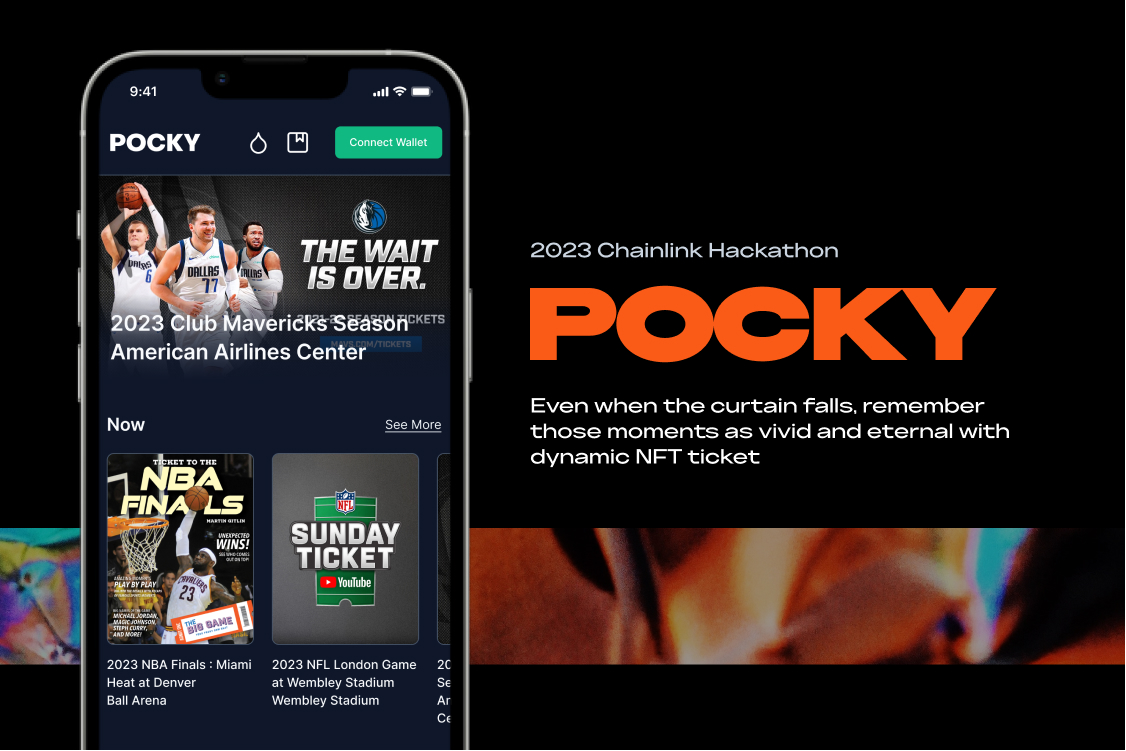
The inspiration for POCKY came from the desire to revolutionize the sports ticketing industry and provide an enhanced experience for sports enthusiasts. We wanted to support the next level of the NFT ticketing system that enables more active engagement of consumers and gets them involved even after the event has ended. Recognizing the existing limitations and inefficiencies in traditional ticketing systems, we aimed to leverage the potential of blockchain technology and dynamic NFTs to streamline event organization and improve users' event experiences.
What it does
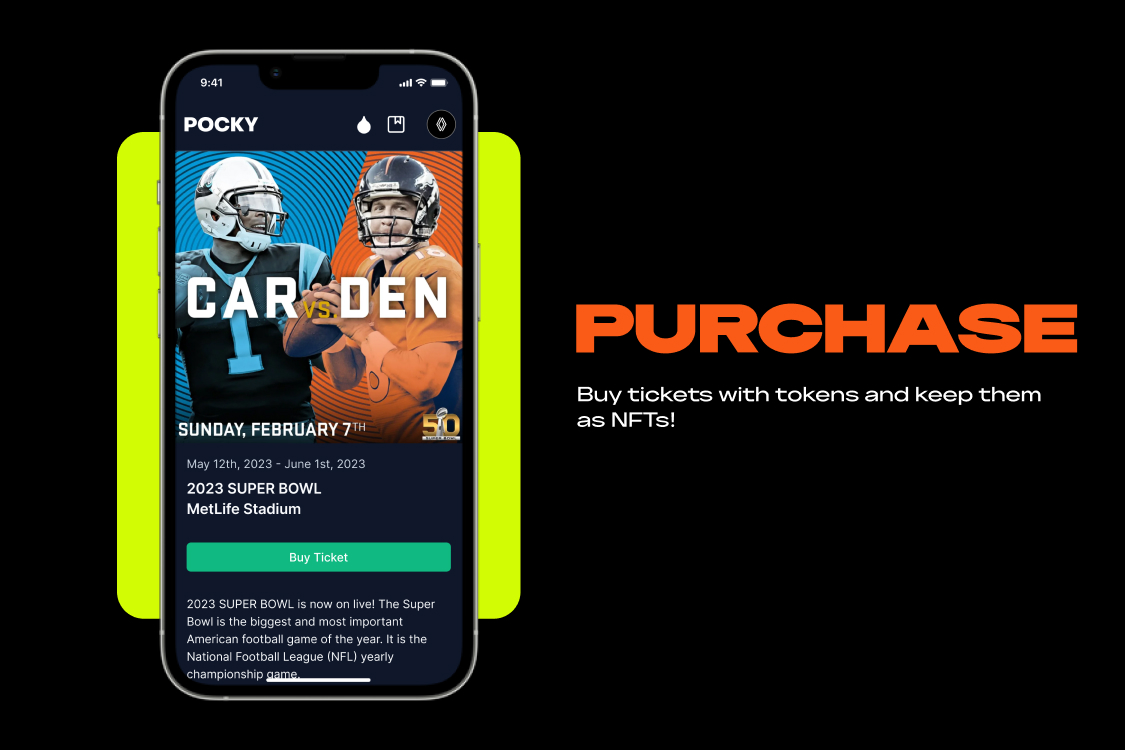
POCKY is a state-of-the-art ticketing platform that leverages dynamic Non-Fungible Token (NFT) technology to deliver an unparalleled ticketing experience for sports fans and event organizers. Key features and functions include:
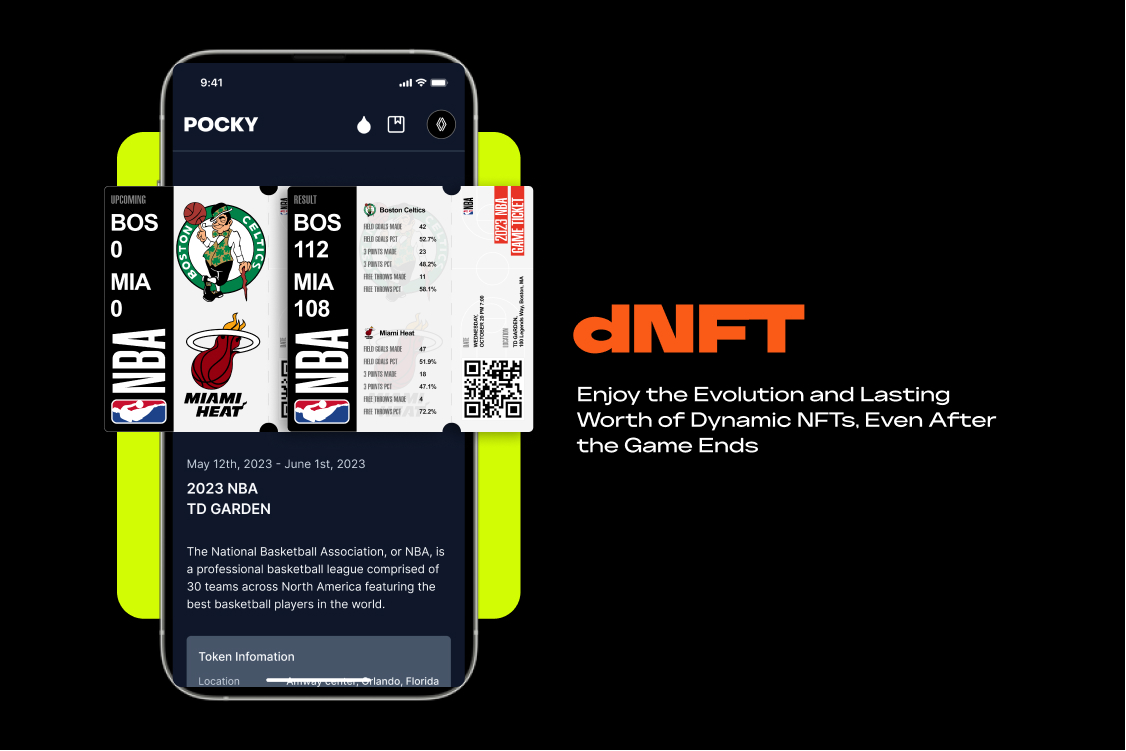
- Dynamic NFT Tickets: In contrast to conventional NFTs, dynamic NFTs in POCKY can have their metadata updated to reflect real-time information. When event details change, the updates are automatically synced to the dynamic NFTs, ensuring ticket holders have the most accurate and up-to-date event information.
- POCKY's Special Smart Contracts: POCKY employs unique smart contracts to manage ticket issuance, updates, and validation. This design allows for seamless integration with various digital wallet providers, ensuring compatibility and security.
- Real-time Event Updates: POCKY's automation system reflects changes over time using the dynamic NFT system, keeping ticket holders informed.
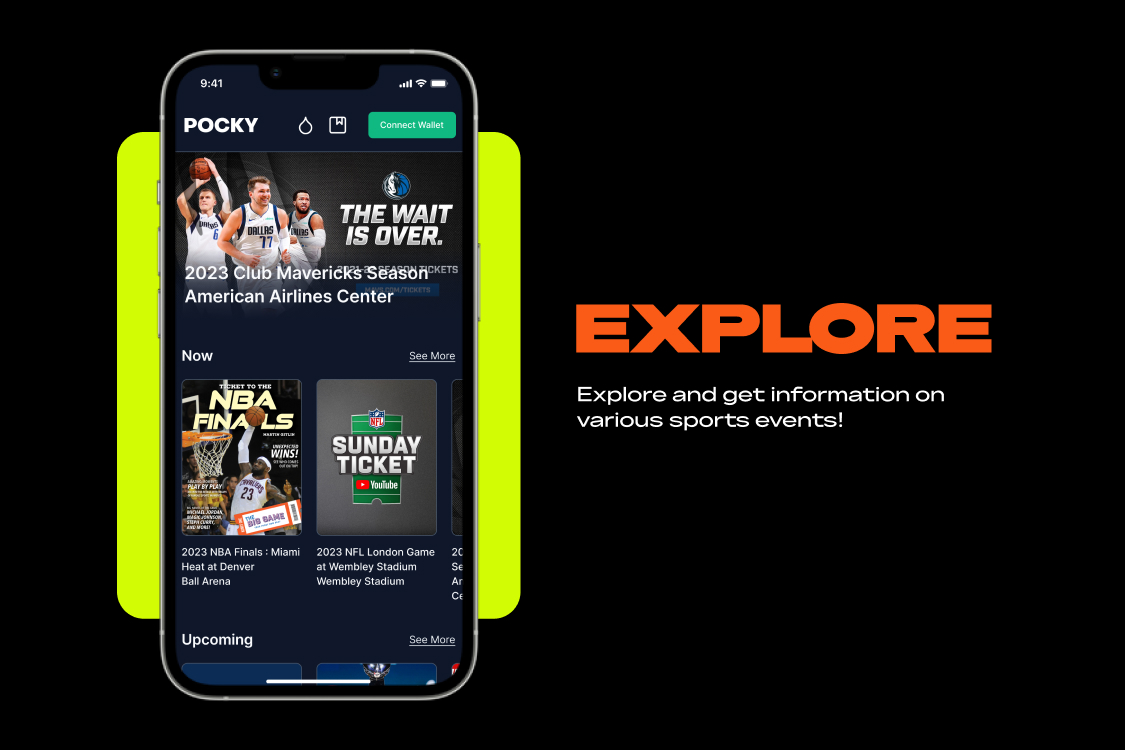
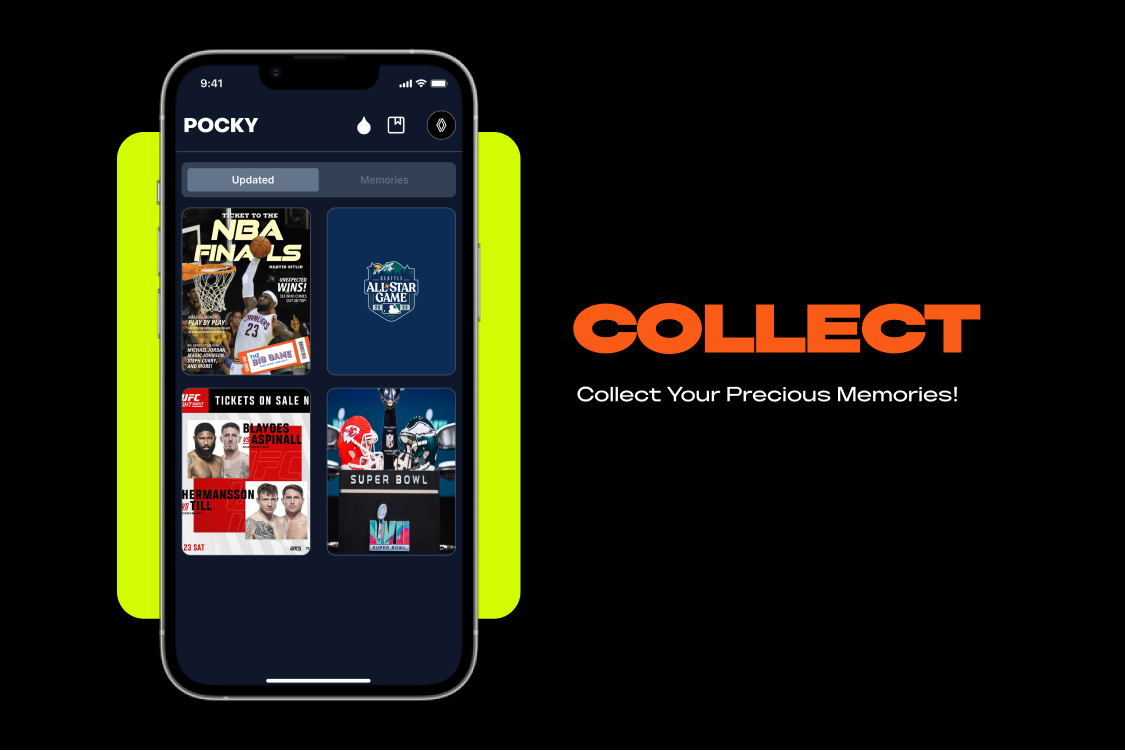
- Intuitive UI/UX Design: POCKY's user-friendly front-end allows fans to easily navigate the platform, browse upcoming events, and purchase tickets with their preferred digital wallet.
With POCKY, users can enjoy the evolution and lasting worth of dynamic NFTs, even after the game ends.
How we built it/challenges we ran into
From the beginning, our primary goal was to enhance sports enthusiasts' experiences and improve event organizers' efficiency using the innovative system of dynamic NFT technology. We assembled a passionate team of skilled blockchain developers, product designer and myself as the product manager. Our main job was to drive mass adoption using NFTs, and thus we aimed to create a product with a seamless UX that features an intuitive and user-centered UI, which can be easily used by the general public on both the user client side and the administrator side. The most challenging area was that although it's very easy to create several duplications of static NFTs, there were many technical challenges in the process of reflecting the actual game data and synchronizing it with the user's ticket through Chainlink to be updated in real-time using the dynamic NFT scheme. Meeting the users' needs, ensuring system security, and providing real-time event information updates became our key focus points.
We developed our proprietary dynamic NFT issuance system and designed a user-friendly front-end, integrating a crypto wallet for seamless purchases. For the admin panel, we built a comprehensive tool to cater to event organizers, ensuring a smooth ticketing issuance process.
We use Chainlink Oracle to update the dynamic NFT by fetching the match results using ESPN sports API. We implemented Chainlink Any API Consumer on Polygon to update the match results, and we use Chainlink Upkeep to fully automate the updating task.
Notably, our NFT image is not static: the image is dynamically rendered on the Solidity contract as an SVG, using the match data fetched by Chainlink Oracle.
Additionally, we used IPFS to store static assets and used Deno to implement an API server for the admin app.
Frontend development was challenging, but during this hackathon, we gained a deeper understanding of how dynamic NFTs can be stored completely on the chain, as well as several Chainlink products, such as Oracles. We learned how to display dynamic NFTs on the front end as an SVG. The most challenging parts for me were displaying the right data in the right place and making sure that everything looks consistent. We managed to develop a great product by having a great group of people with diverse sets of skills working together closely. As a developer, I greatly appreciated the docs put out by Jun (the smart contract dev), which helped me connect the contracts with the front end more easily.
Accomplishments that we're proud of
POCKY's dynamic NFTs differ from conventional NFTs. While conventional NFTs store static data on the blockchain, dynamic NFTs include both static data and real-time changeable metadata. POCKY's dynamic NFTs possess this real-time metadata, which contains event-specific information. For instance, event schedules, locations, and participant counts are all included in the metadata. If any details such as event timings or locations change, POCKY's contract system utilizing Chainlink upkeep automatically updates. This new information is instantly reflected in the dynamic NFT metadata, so ticket buyers can always have access to the most up-to-date information. By using these dynamic NFTs, POCKY provides advantages such as streamlined event organization and ticket sales.
What's next for POCKY
We plan to extend our dynamic NFT ticketing services into other sports segments and eventually expand into live entertainment events, such as concerts and theater performances. Additionally, we are exploring the development of a secondary marketplace where users can safely buy, sell, and trade their unique NFT tickets.
Using POCKY's on-chain data for marketing purposes can be highly beneficial in a variety of ways. Here are some ideas to leverage the on-chain data:
- Personalized Promotions: Analyze customer behavior and preferences from on-chain data and tailor marketing campaigns to each customer segment, offering targeted discounts, incentives, or product recommendations.
- Customer Loyalty Programs: Use on-chain data to track customer loyalty and reward frequent buyers or high-value customers with exclusive offers or customized packaging.
Also, utilizing offline events will be possible, for example, to integrate event activities with a gamified experience, where completing challenges or attending specific workshops earns participants dynamic NFTs that grow in value as they progress through the event.
Built With
- chainlink
- deno
- ipfs
- radix-ui
- react
- serverless
- vite
- vue


Log in or sign up for Devpost to join the conversation.