Inspiration
Pocket Siege actually started out as a completely different game.
The original idea was to let players attack medieval castles using catapults, siege towers, and all kinds of siege equipment.
But while developing a level editor to build the castles players would eventually attack, I realized something: Building the castles was actually way more fun.
And just like that, Pocket Siege was born.
What it does
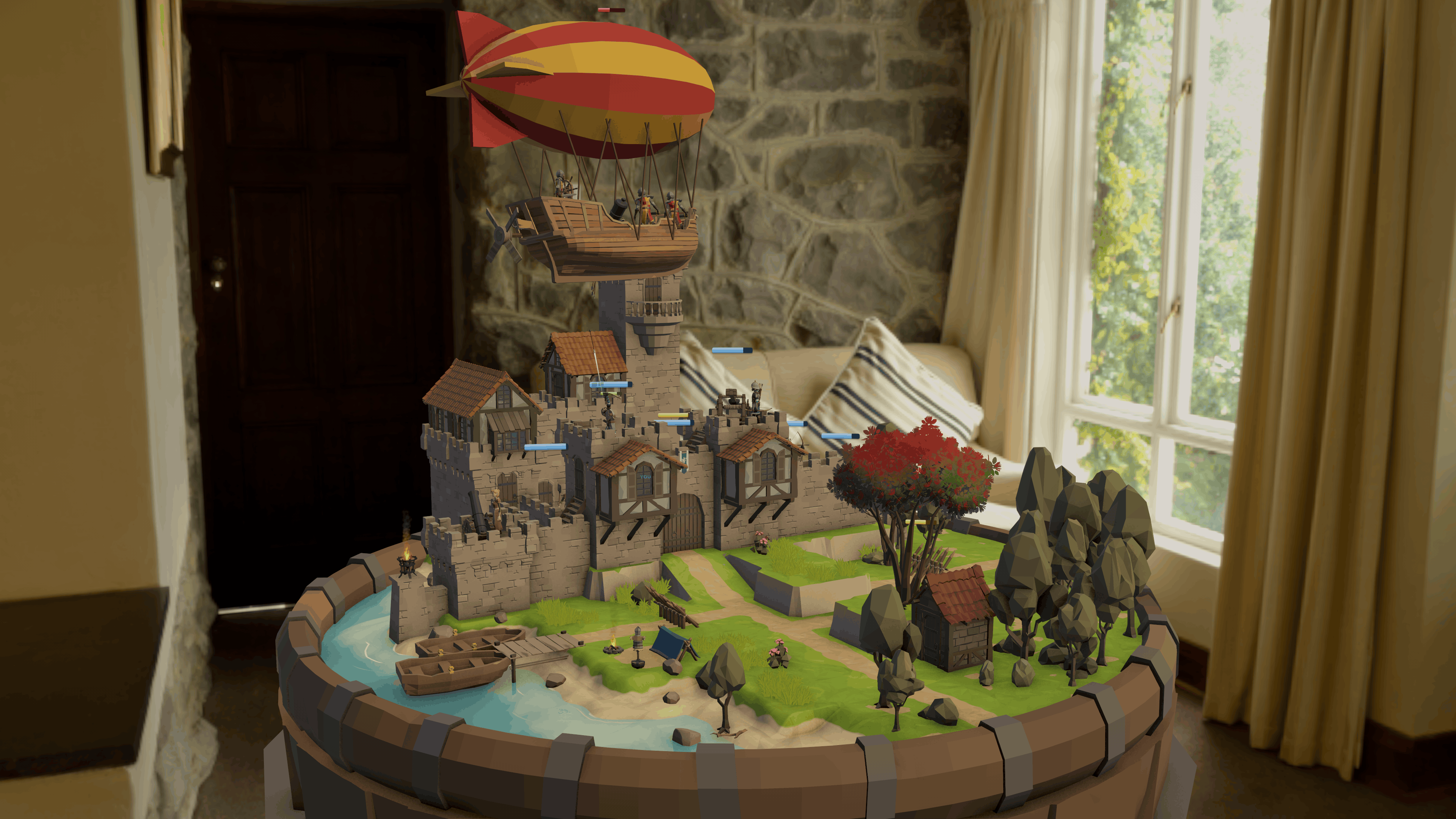
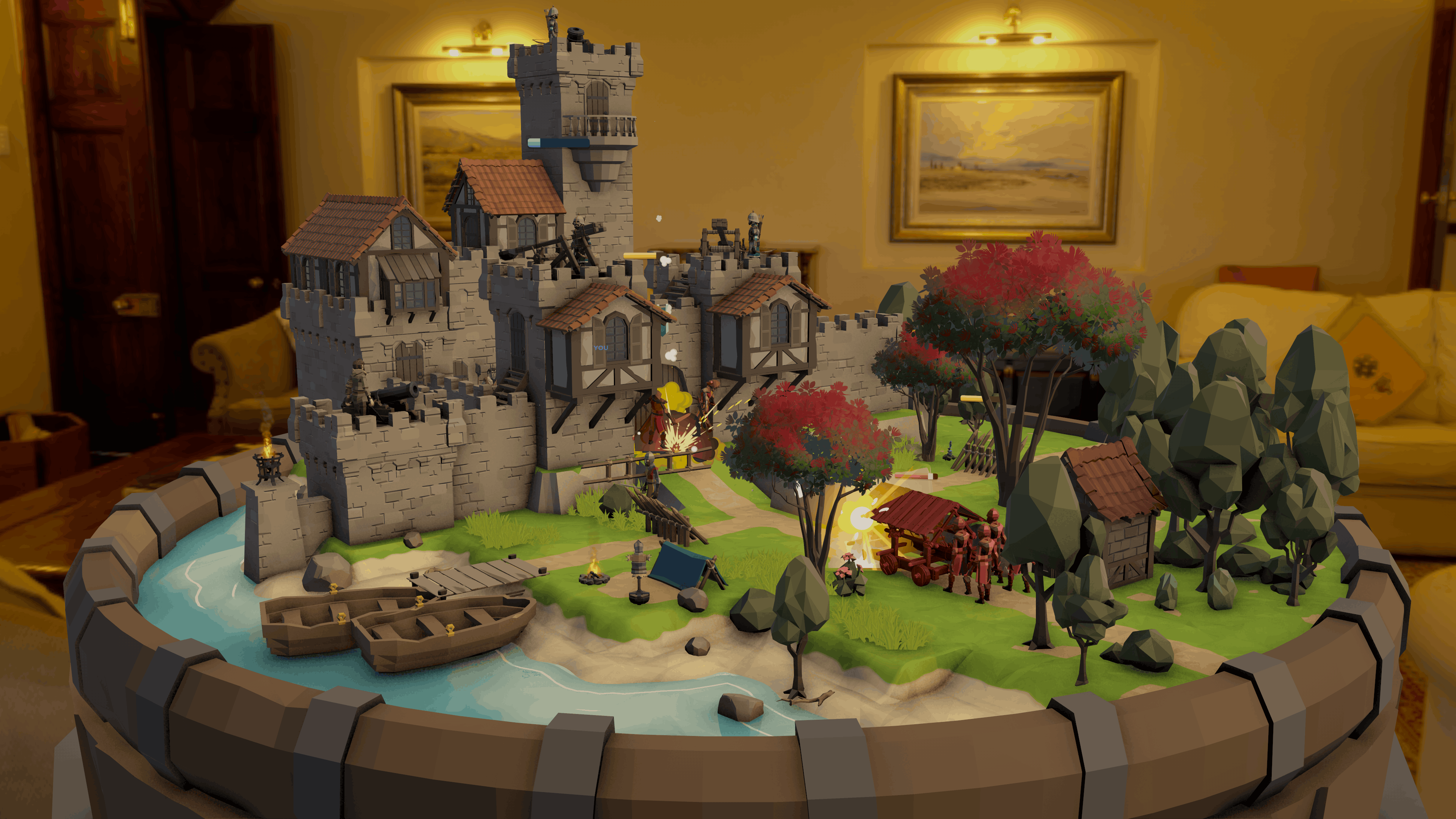
Pocket Siege is a mixed reality tower defense game for Meta Quest 3 and 3S that turns your table into a miniature medieval battlefield.
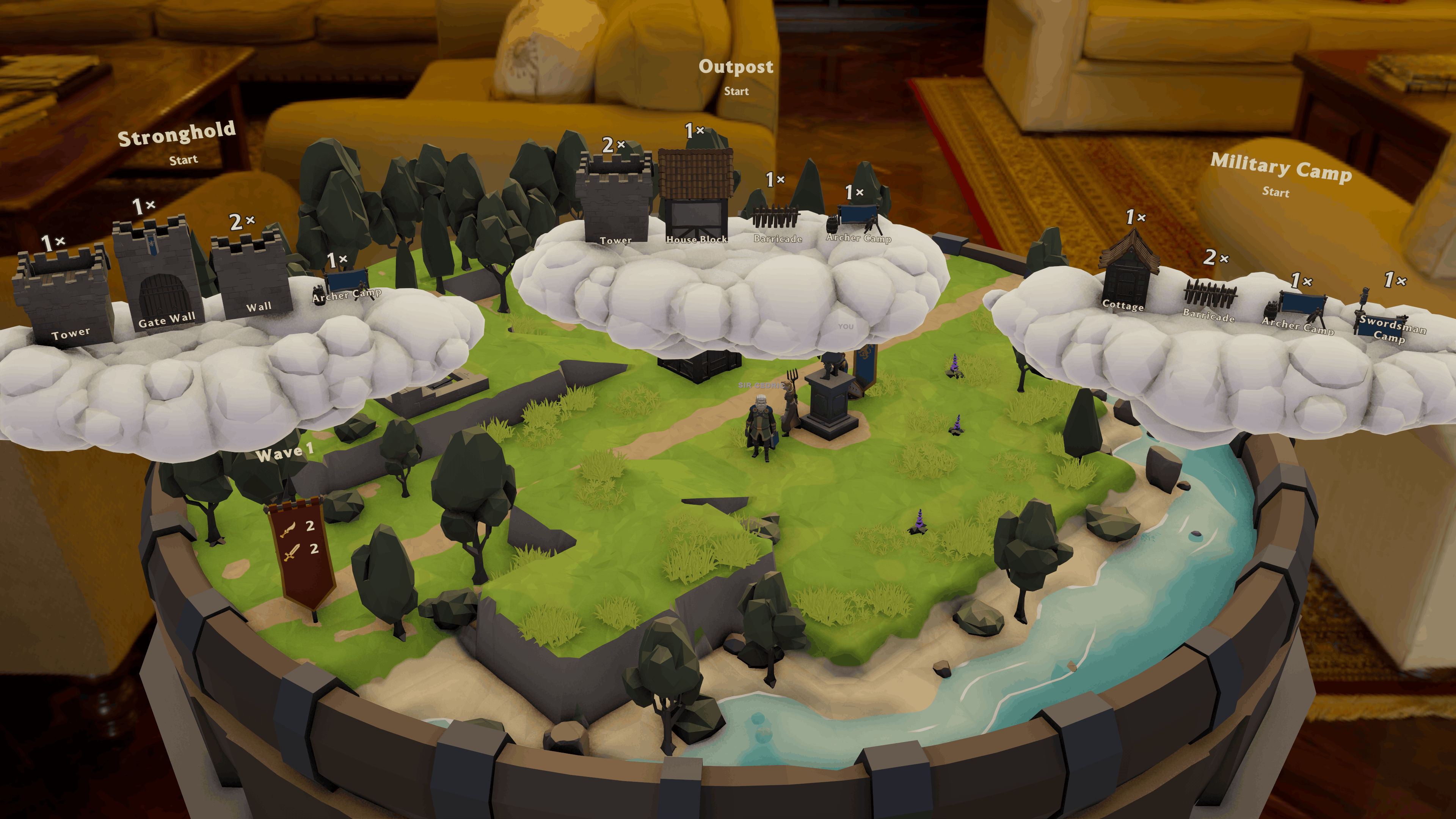
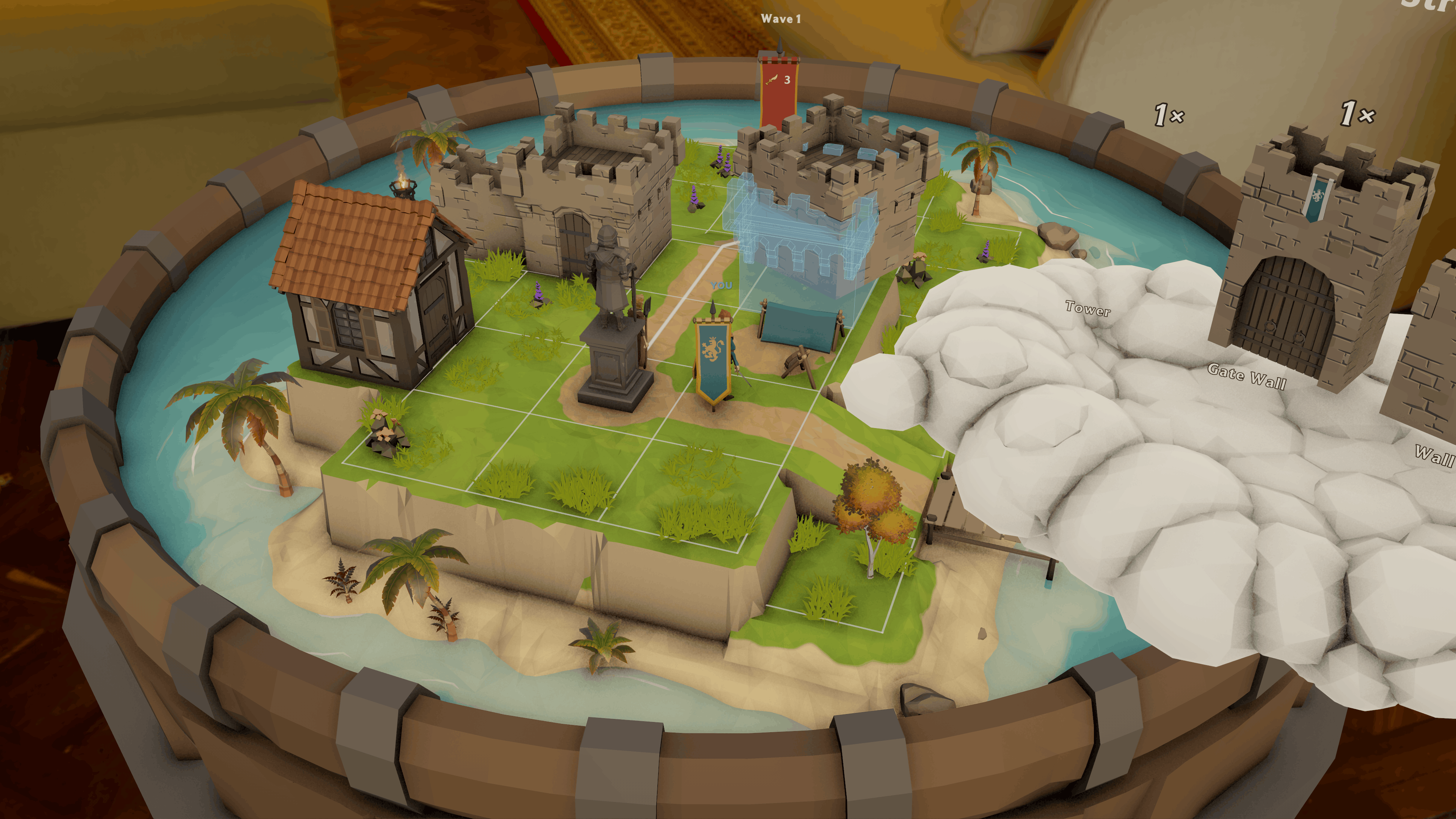
- Build your own castle. Place walls, towers, gates, and military buildings wherever you want. No predefined tower spots. Enemy routes adapt to your layout.
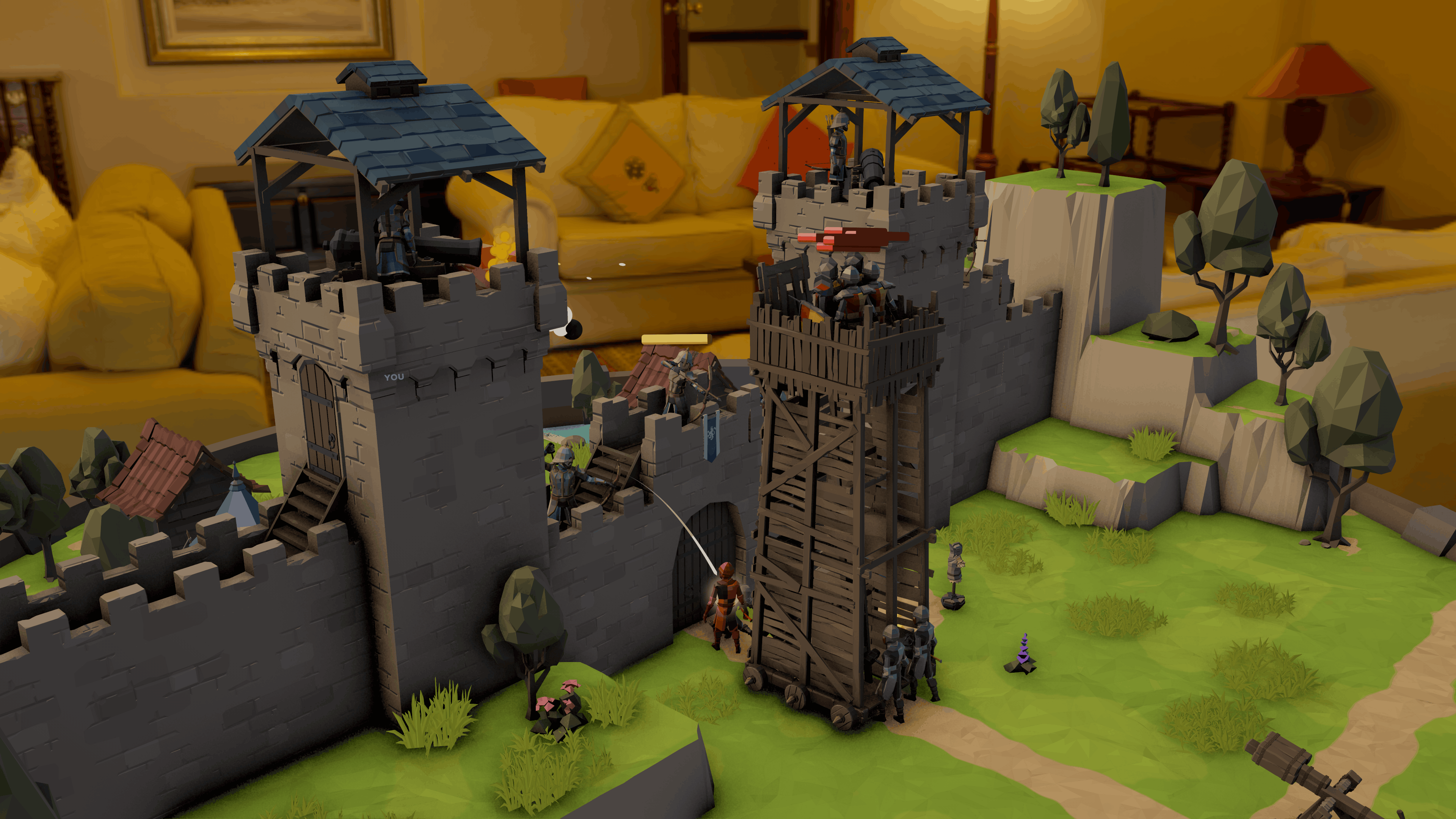
- Command miniature armies. Train soldiers, station archers on your walls, and send your troops into battle against increasingly challenging enemies.
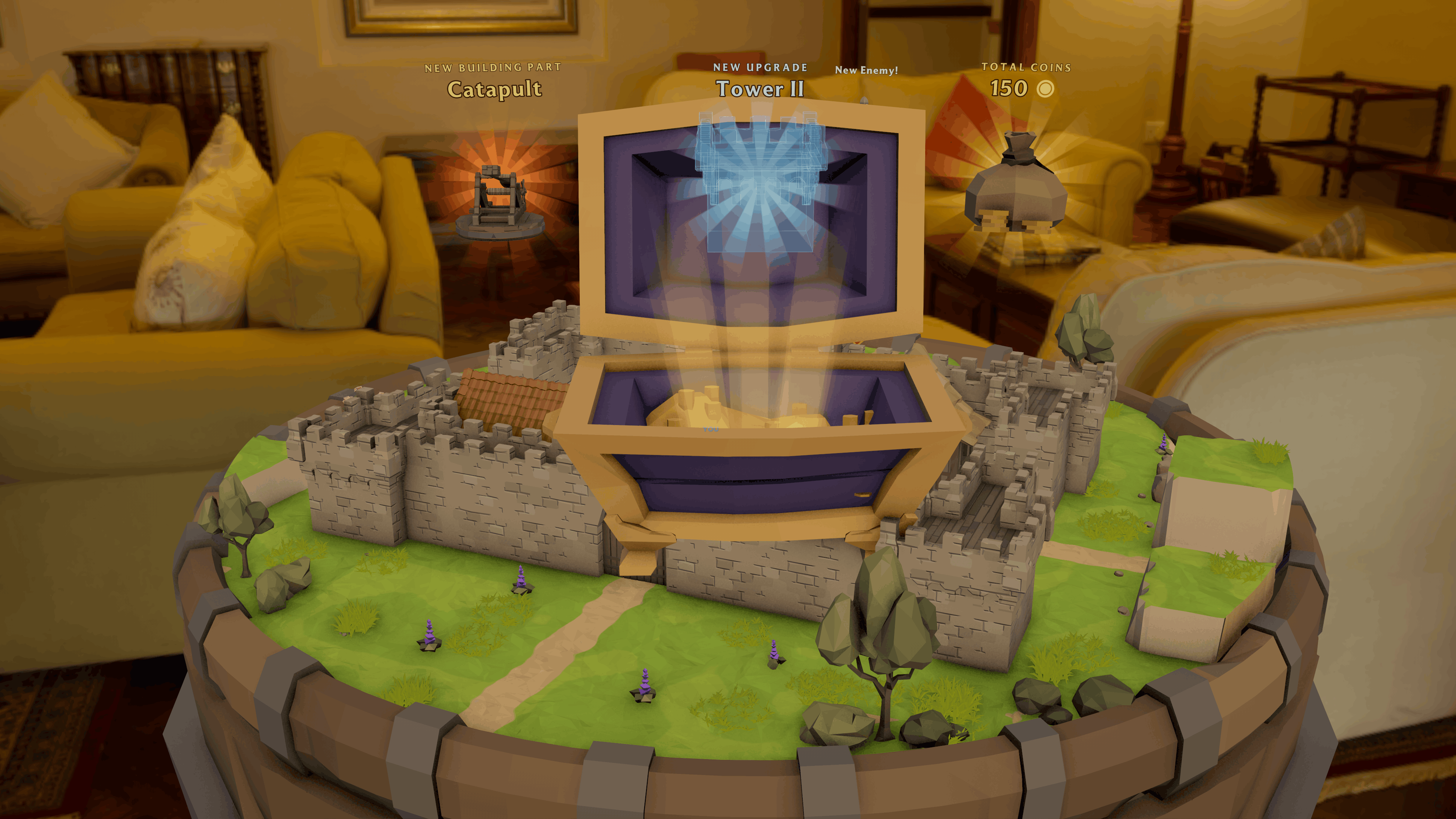
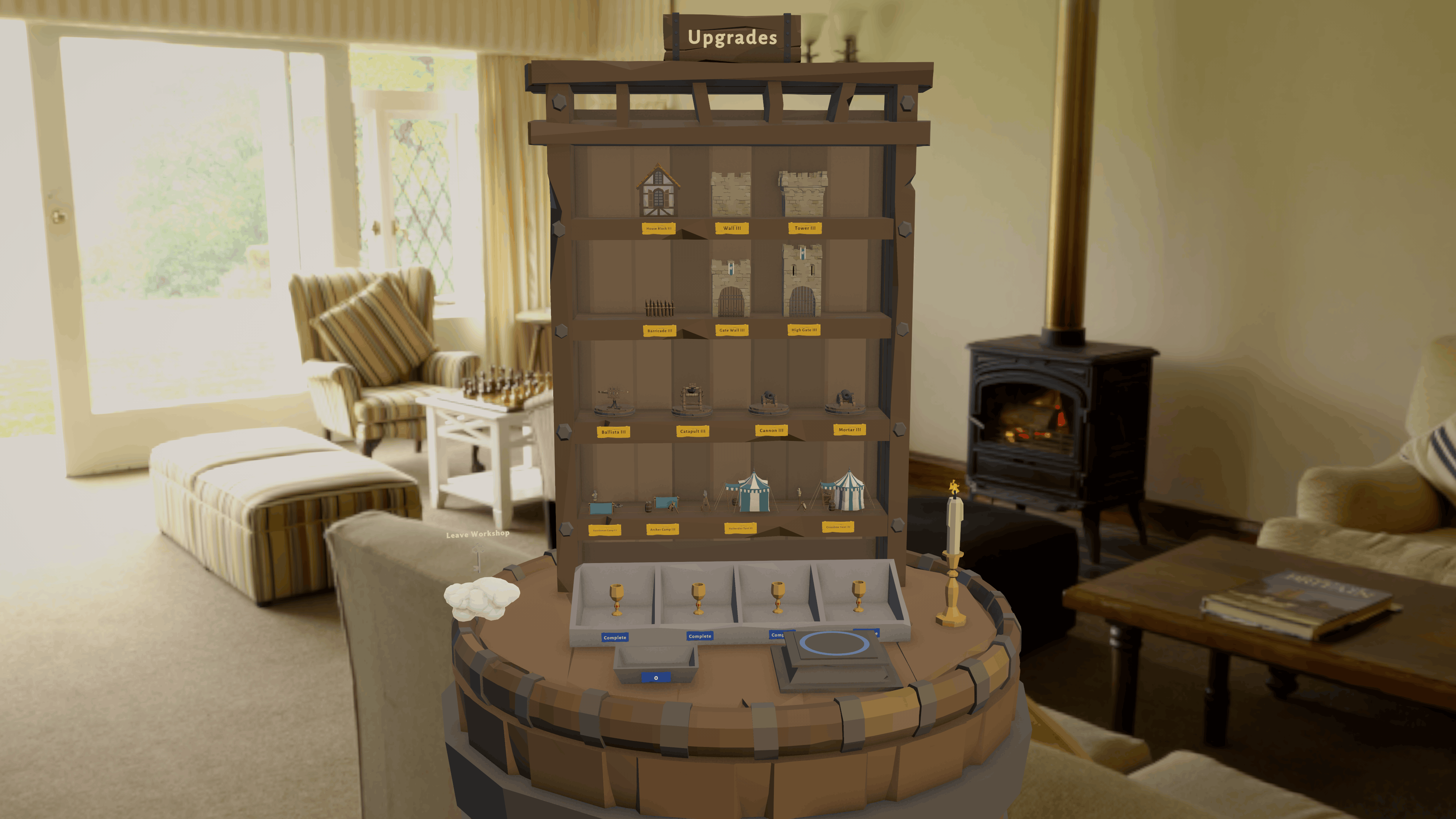
- Expand and upgrade. Choose new building packs between waves and visit your workshop between battles to improve your defenses.
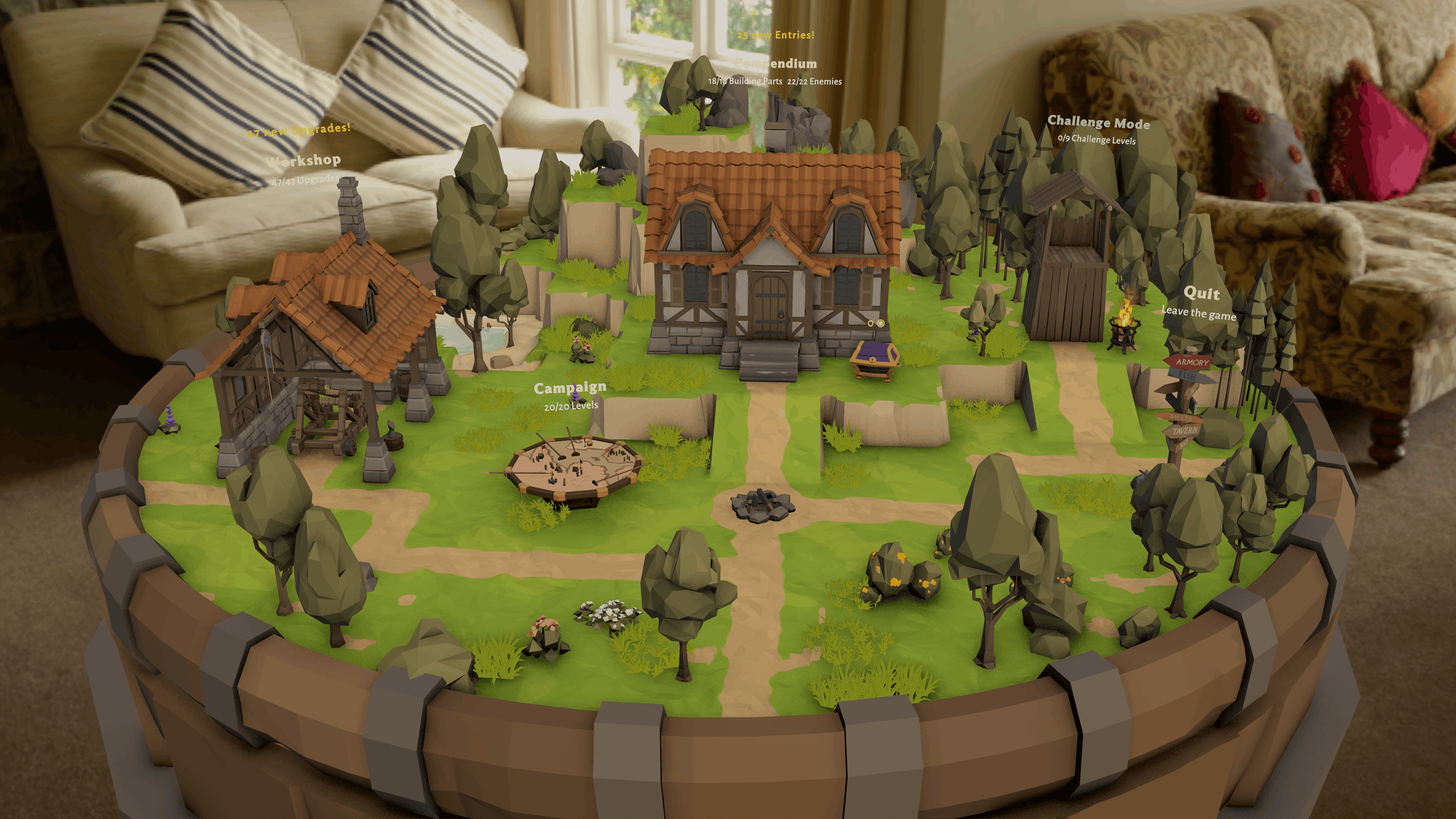
- A hands-on experience. Grab buildings, move soldiers, and rotate your entire kingdom. No controllers, laser pointers, or floating 2D menus.
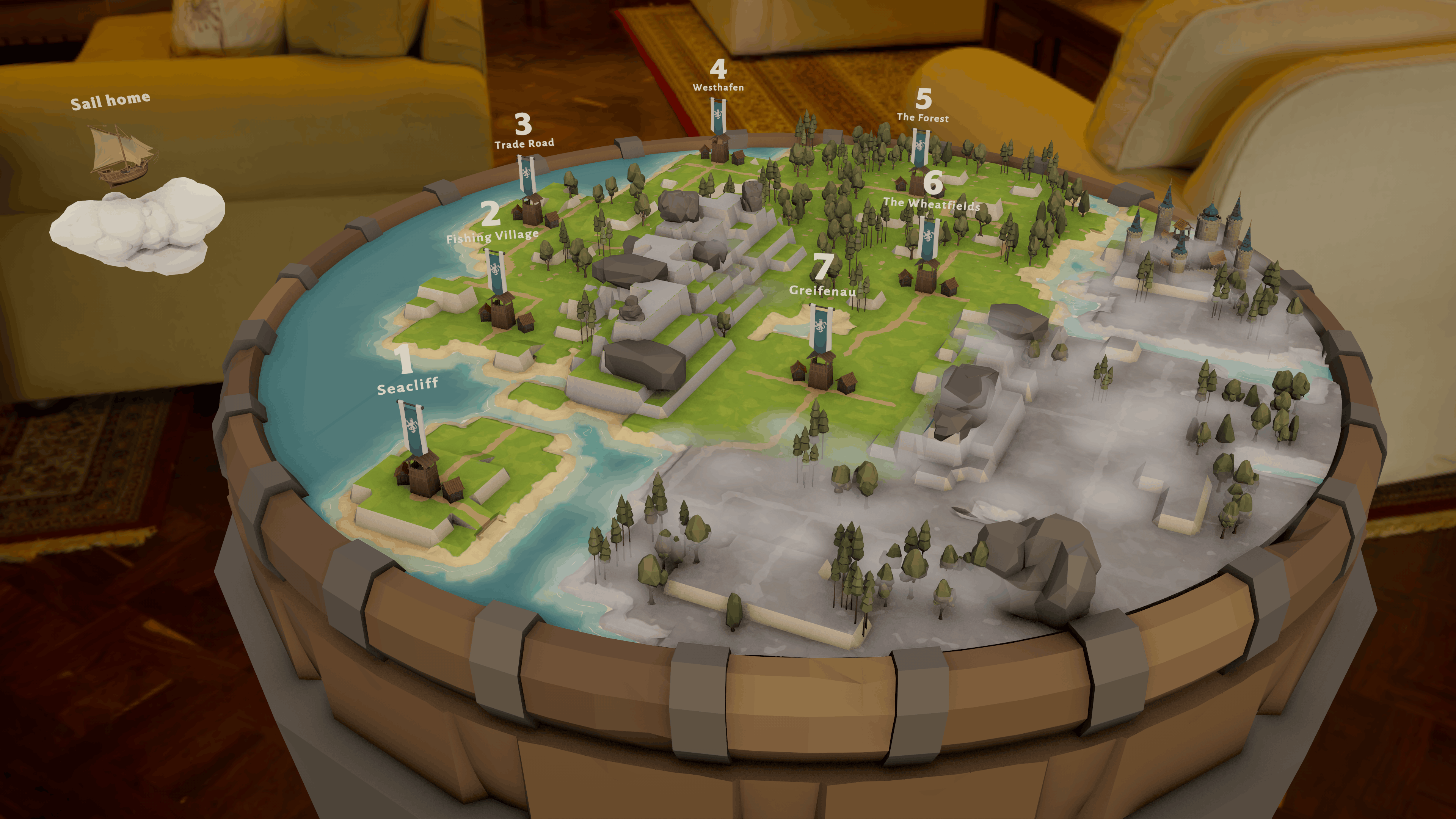
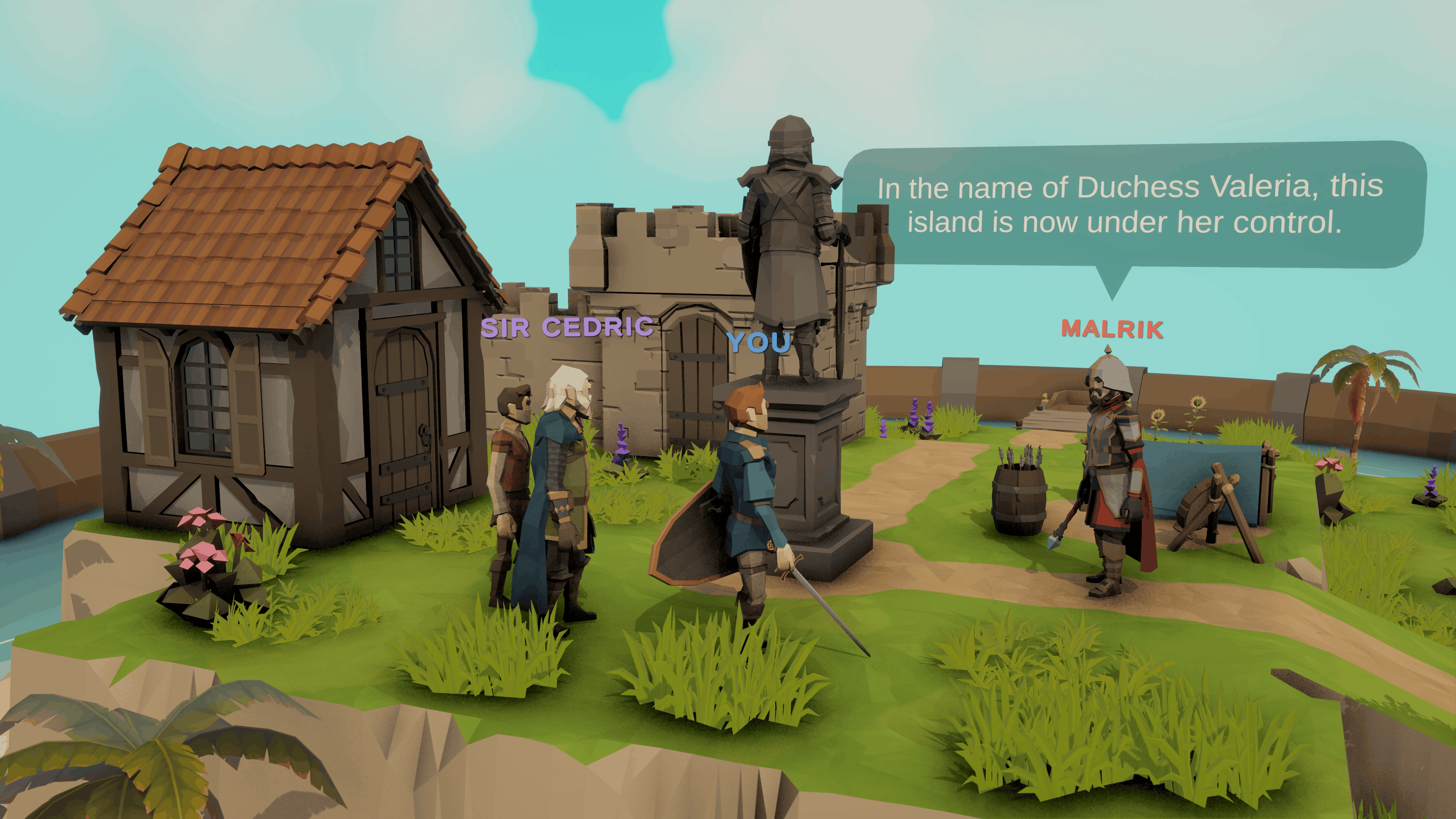
- Reclaim your kingdom. Fight through a story-driven campaign filled with medieval politics, ambitious relatives, dangerous sieges, and a narrator who always has something to say.
The current version features 10 campaign levels, 5 challenge levels, 18 building pieces, 22 unique enemy types, and 47 upgrades.
How we built it
I developed Pocket Siege entirely on my own using Unity 6 for Meta Quest 3 and 3S, combining passthrough mixed reality with hand tracking.
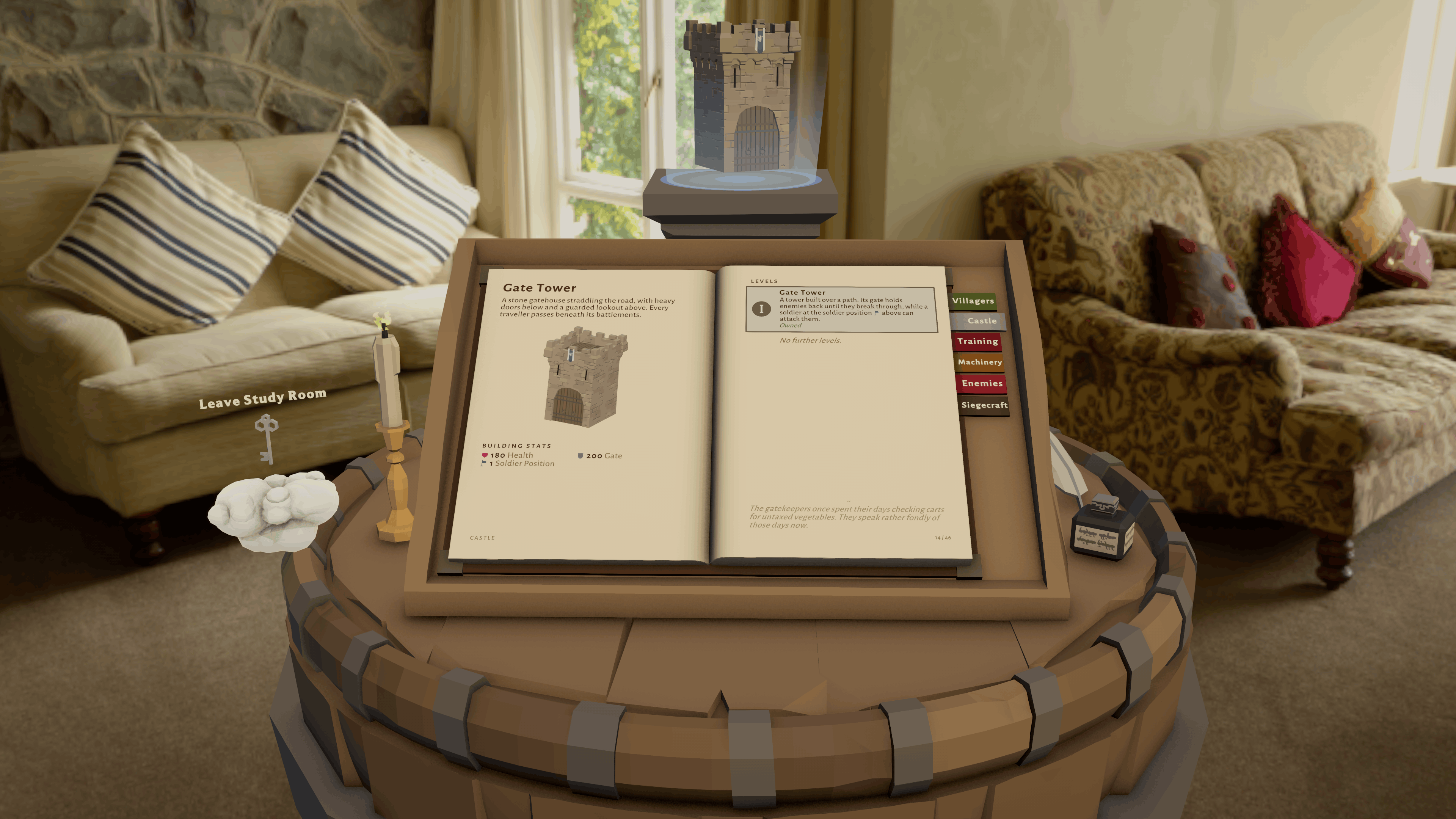
I deliberately avoided laser pointers, which I've always found a bit fiddly in VR. Instead, menus are physical 3D objects you can interact with directly, from floating building packs to the workshop and compendium.
Under the hood, the game combines modular castle construction, dynamic enemy pathfinding, unit AI, and wave-based combat.
Challenges we ran into
One of the biggest challenges was figuring out how large the battlefield should be.
I experimented with larger maps that players could navigate, but moving around using hand gestures quickly became clunky.
One particularly entertaining experiment was arranging the entire battlefield in a giant donut around the player. It offered much more building space, but wasn't particularly enjoyable without a swivel chair. And playing on a train or airplane was practically impossible.
Eventually, I realized that bigger wasn't necessarily better. A compact castle that grows upwards proved more interesting than an enormous battlefield. That's how I ended up with the current solution: a rotatable tabletop that keeps the entire kingdom within reach.
Another major challenge was dynamic enemy pathfinding. Since players can construct completely different castles, enemies need to navigate constantly changing layouts, including gates, ladders, walls, and opportunities to jump between structures.
Accomplishments that we're proud of
I'm pretty proud of having managed to build a game of this scale as a solo developer.
But what I'm especially happy with is how satisfying the castle building feels. Grabbing pieces from floating clouds, snapping them into place, and hearing those little cartoon sounds as everything pops together is just incredibly satisfying.
It's a small thing, but one of my favorite parts of the game.
What we learned
Playtesting revealed something interesting: the ideal size of a miniature game world is surprisingly personal. It's partly influenced by a player's hand and body size, but also by individual preference. A building or soldier that feels comfortable to grab for one player might feel too small or too large for another.
That's why I introduced an option during setup that lets players adjust the scale of the entire game world to whatever feels most comfortable.
What's next for Pocket Siege
There's still plenty I want to add to Pocket Siege:
- More content. Another 10 campaign levels and 10 building pieces are already in development.
- Building synergies. New structures that support each other and encourage creative combinations. The Armoury, already in my developer build, boosts the damage of cannons and mortars mounted on the same tower.
- Three-star challenges. Unique objectives for every campaign level, like winning without losing a soldier or without building any towers.
- More reasons to keep playing. Collecting stars will unlock additional late-game content, including special challenge levels with unique rules and restrictions.
Beyond that, I'd love to add more game modes, expand the siege mechanics, and keep improving the overall experience.

