Inspiration
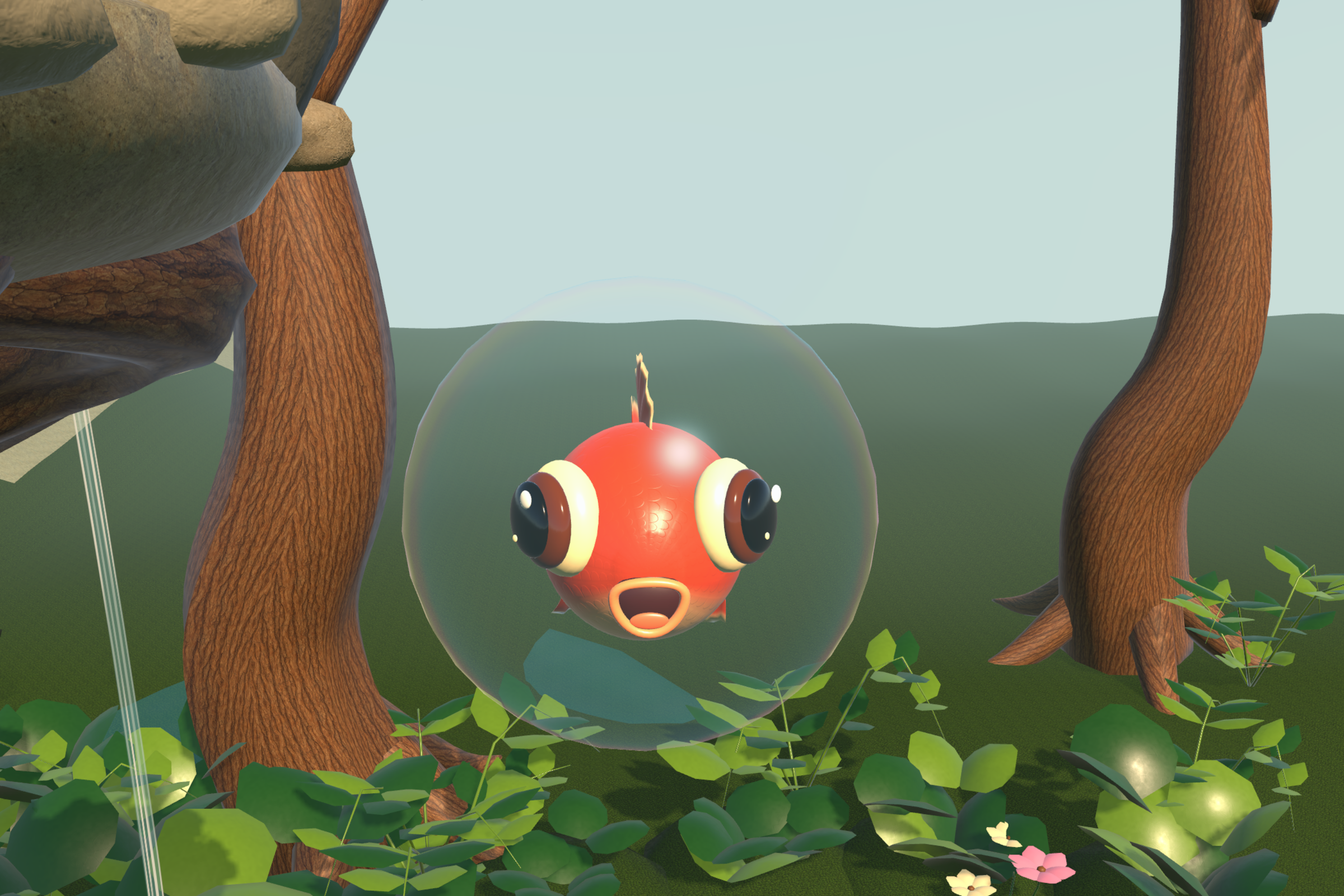
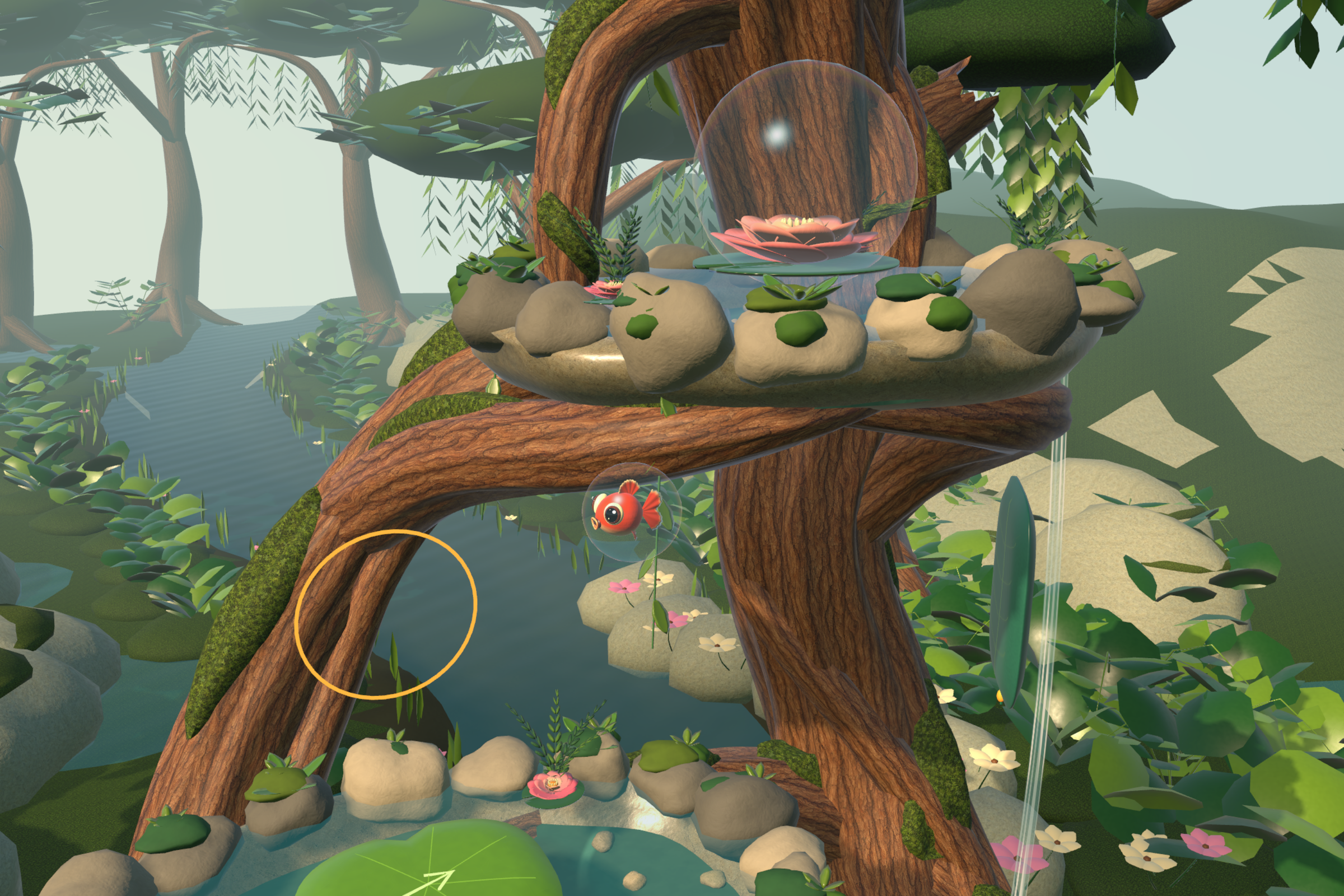
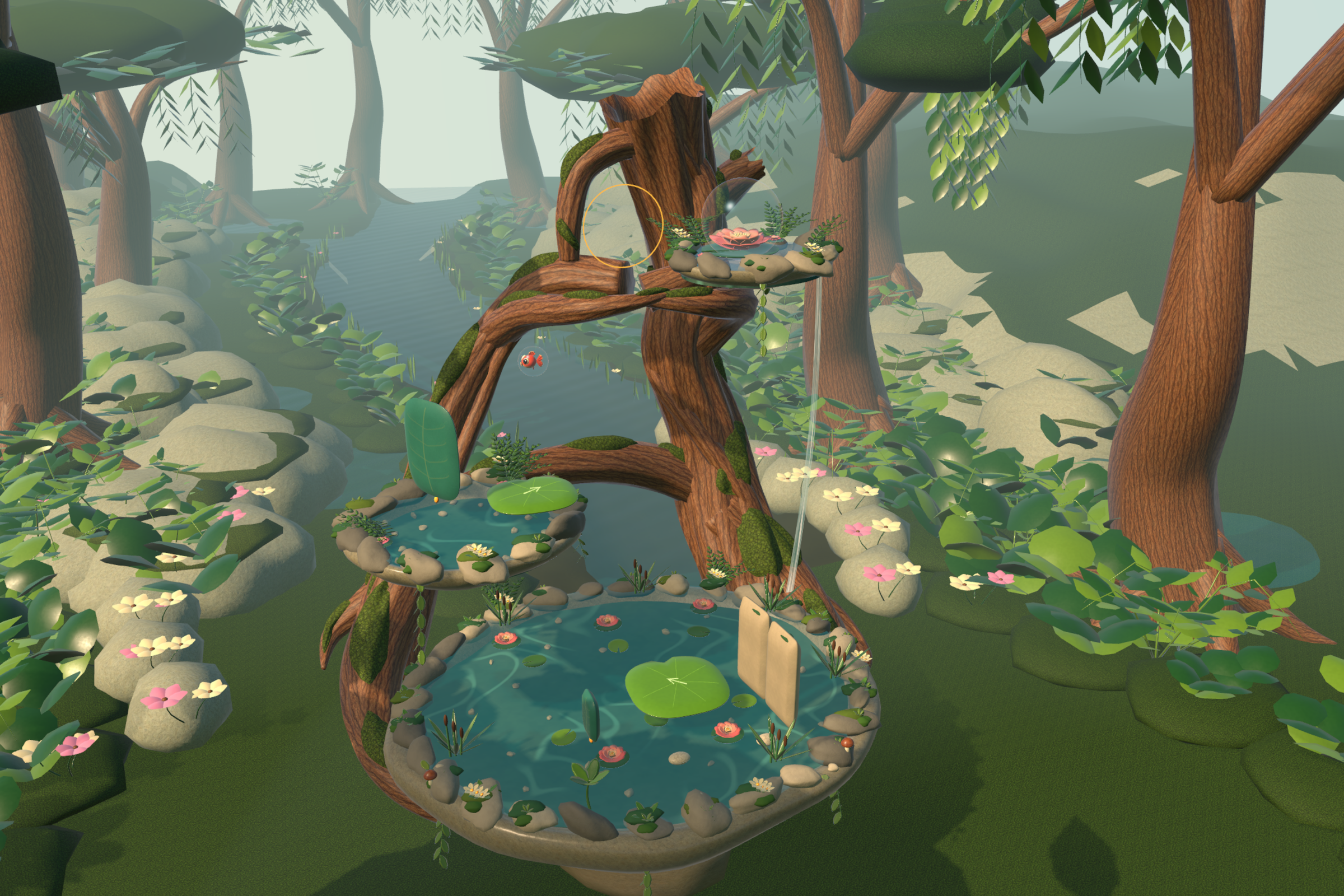
Pocket Pod grew out of a simple idea: combine the satisfaction of a clever trickshot with the charm of a little creature you want to help. I wanted my daughter to play an engaging puzzle game in her free time to boost her critical thinking and creativity in a way. Peggle influenced the deliberate aiming, Cut the Rope helped shape the rescue goal, and Hearthstone inspired decorations that respond to touch.
We wanted a small pond players could explore with their hands, with time to think between shots and expressive fish to play with. To interact with nature around the board and be able to feel it with their hands.
What it does
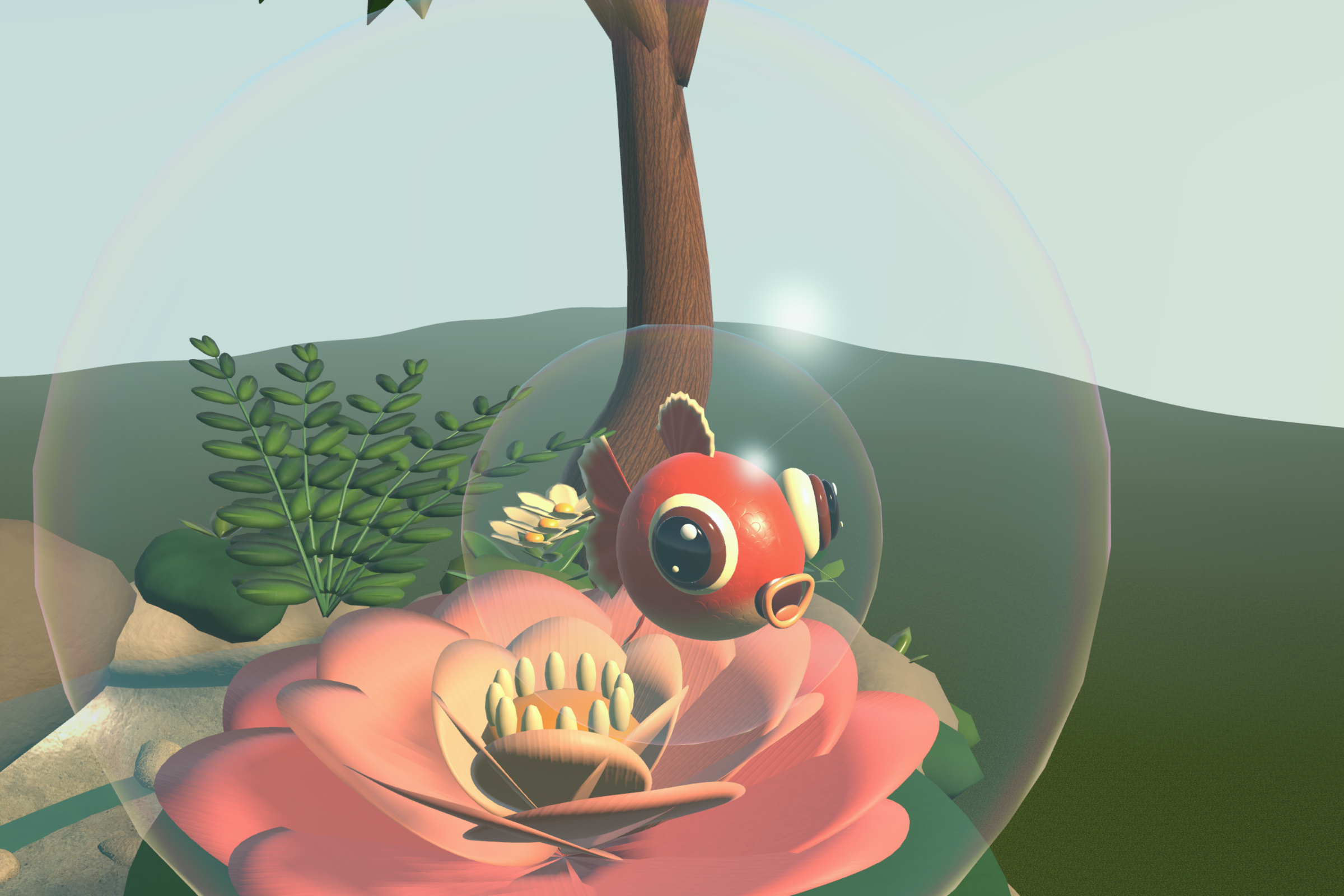
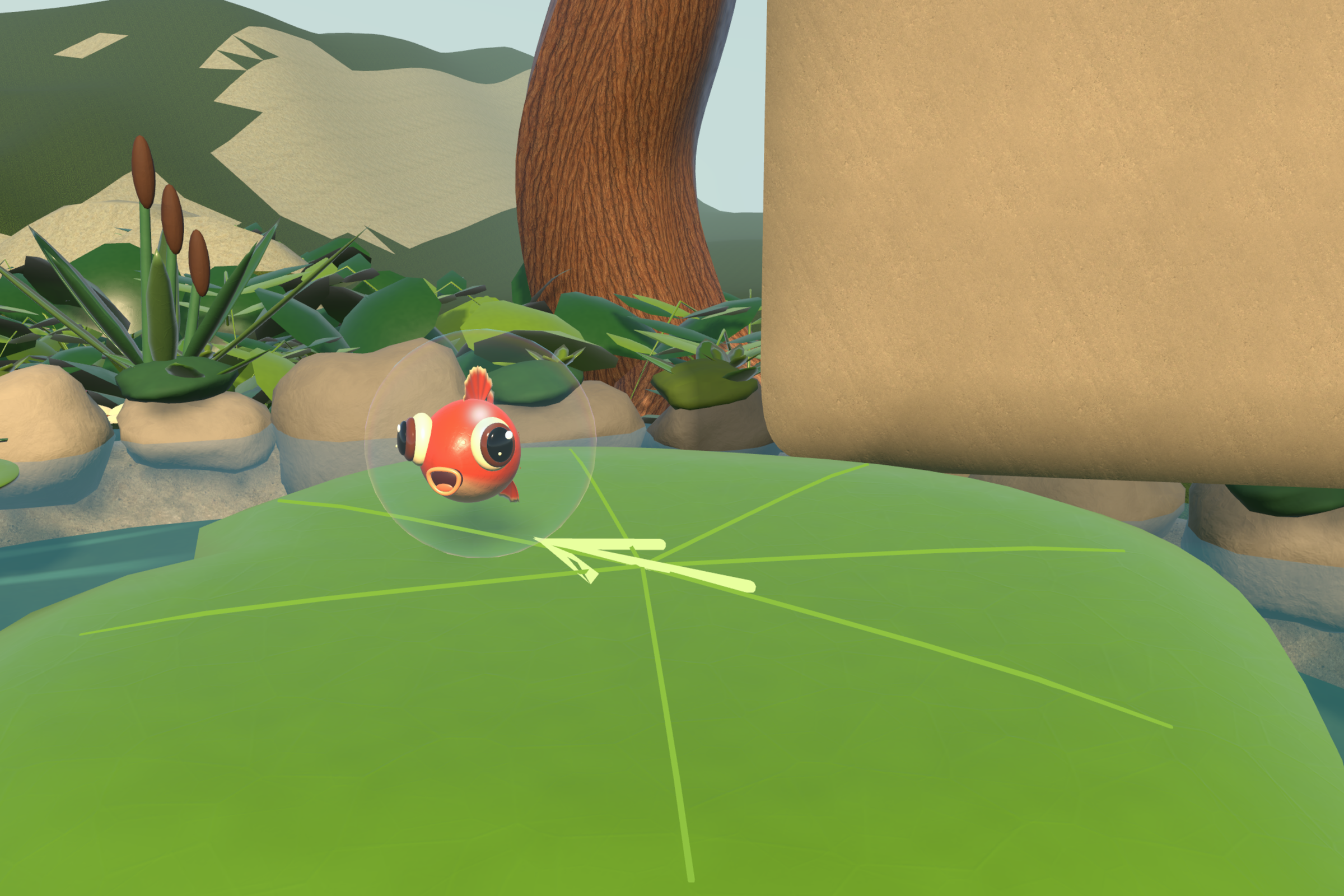
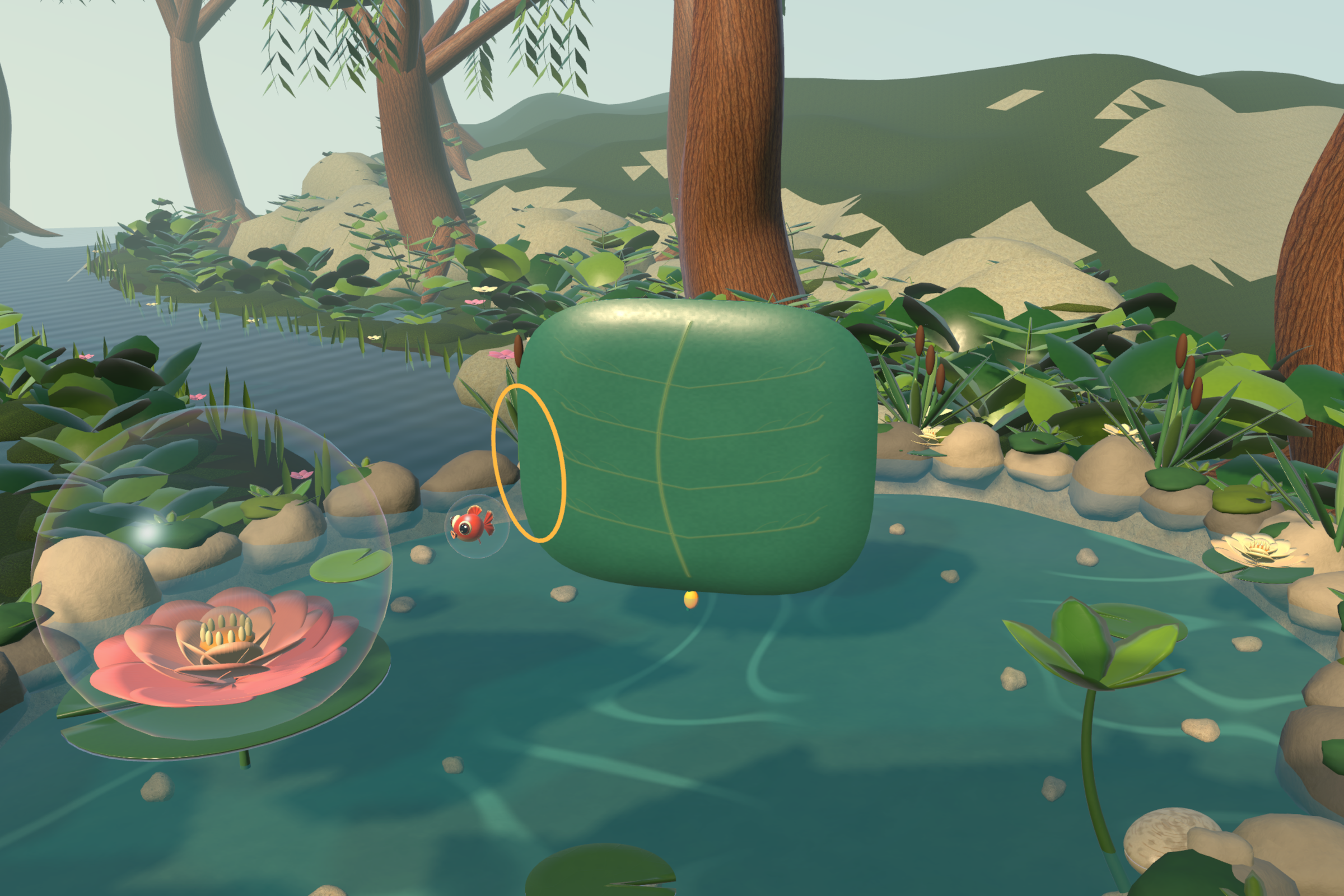
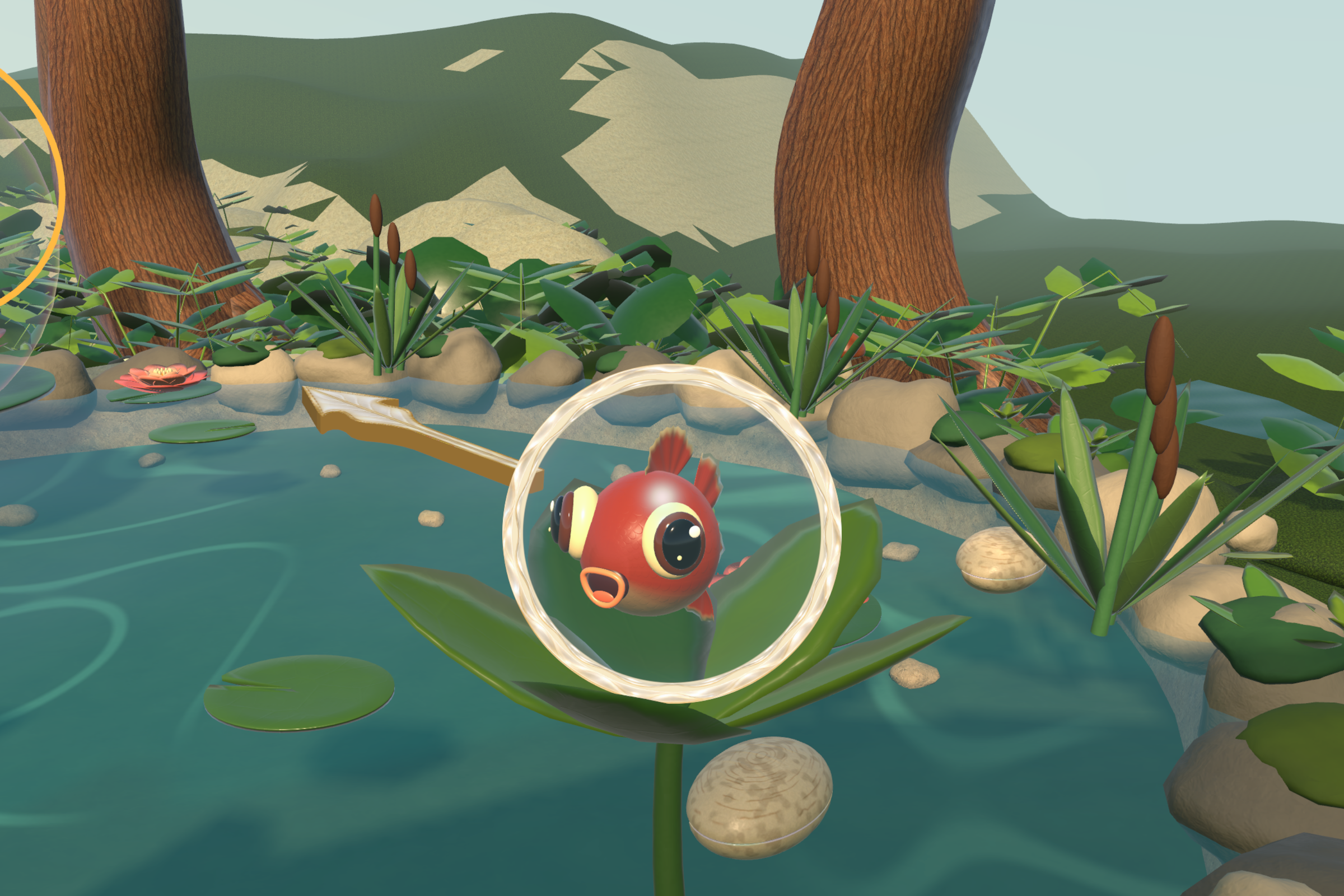
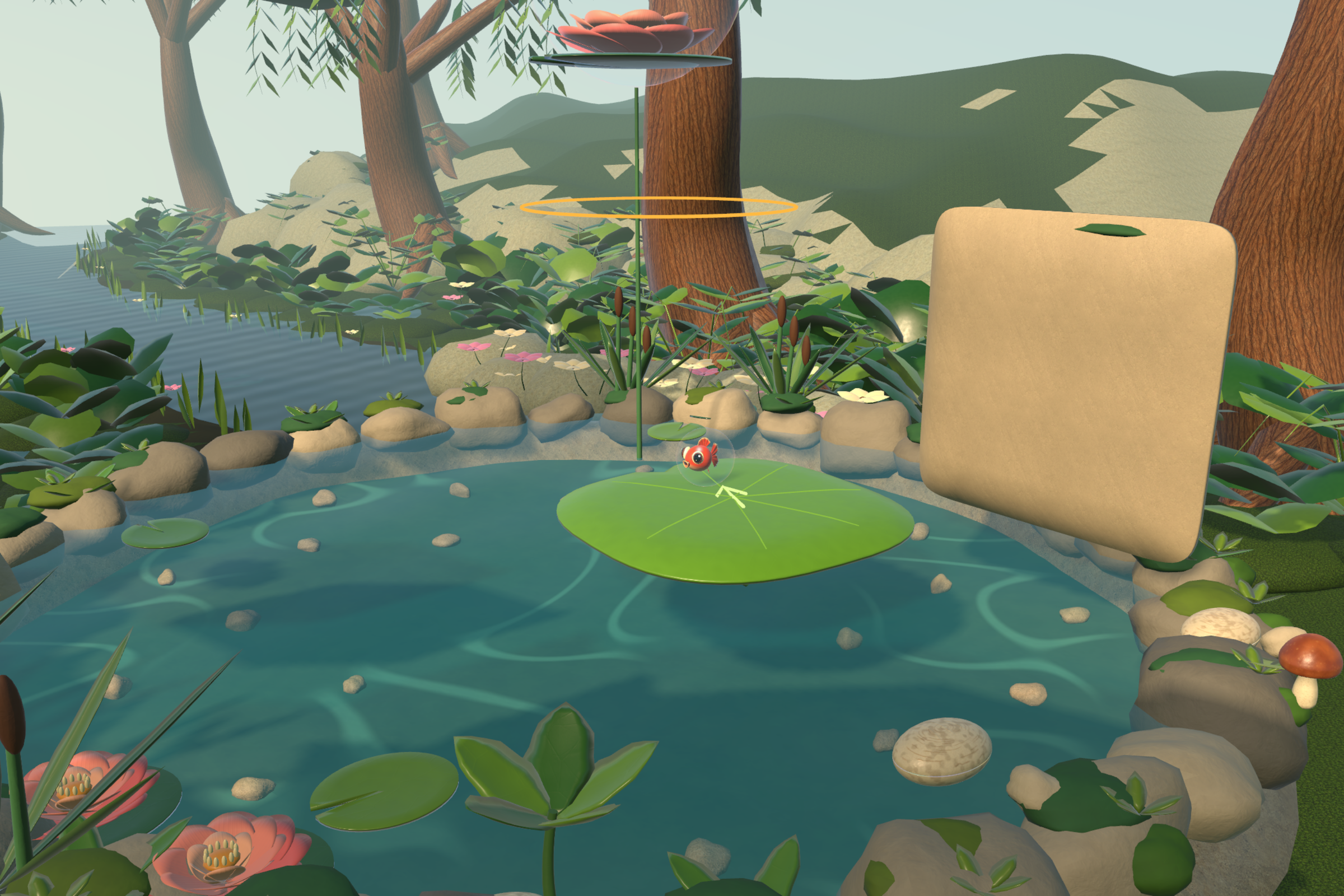
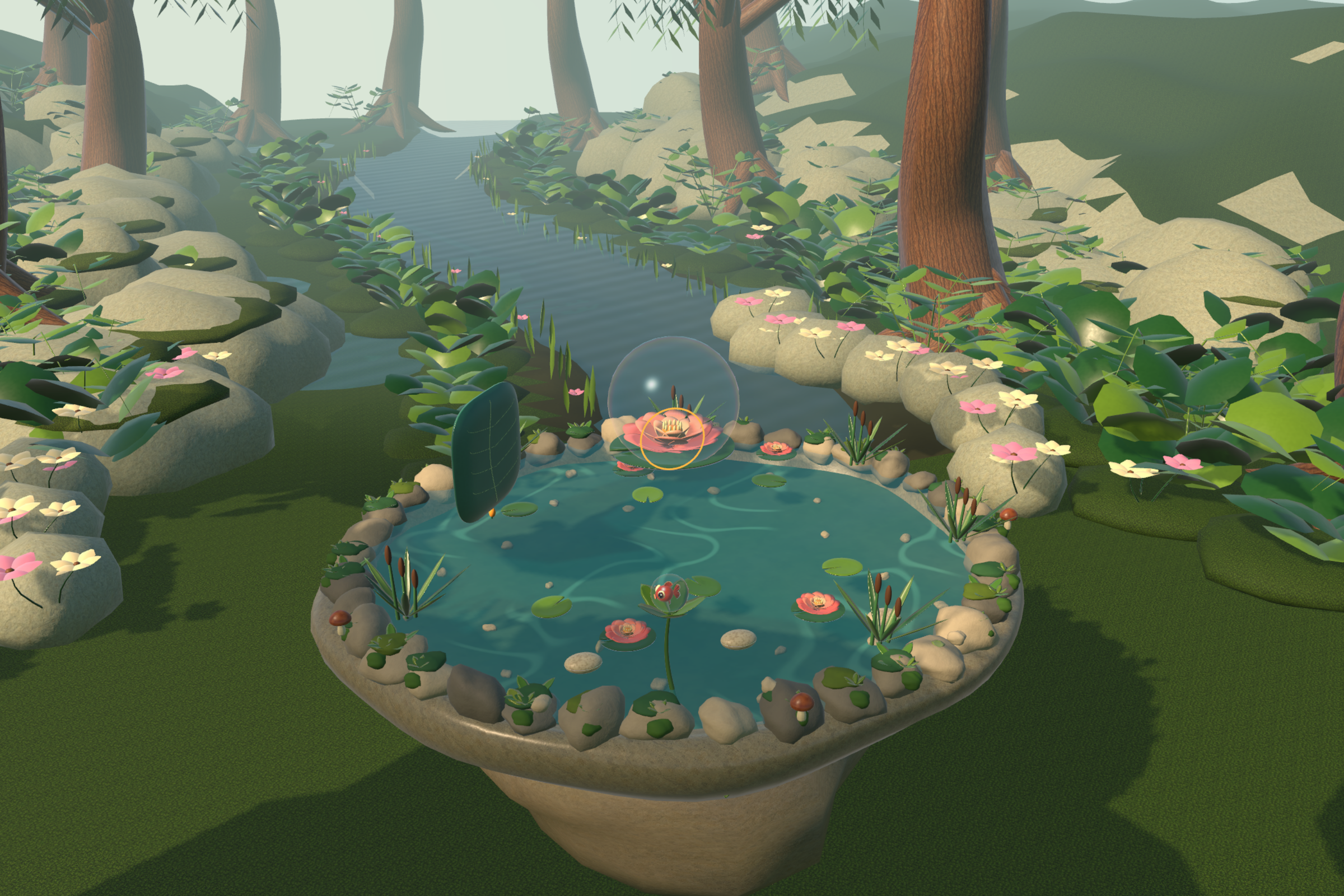
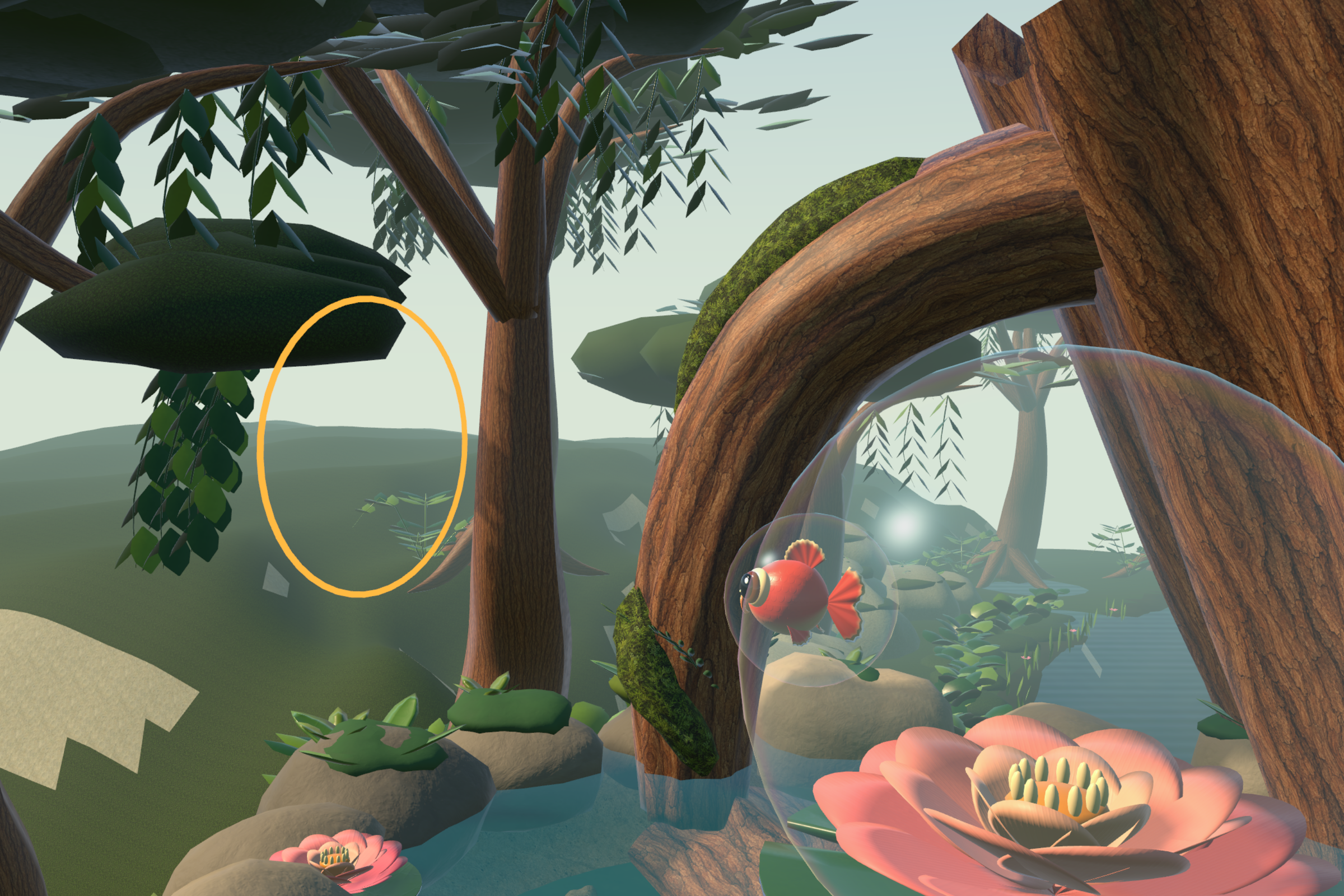
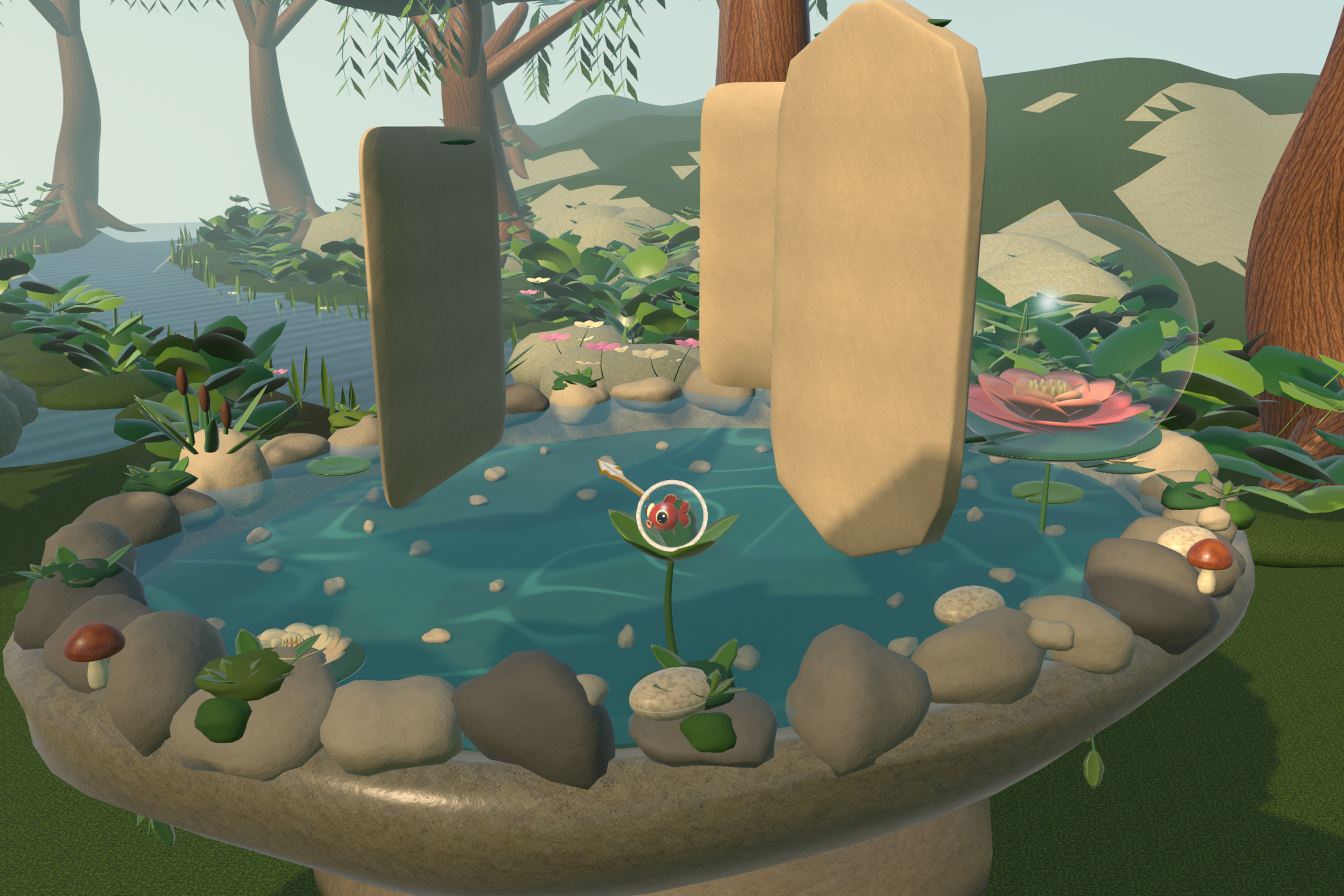
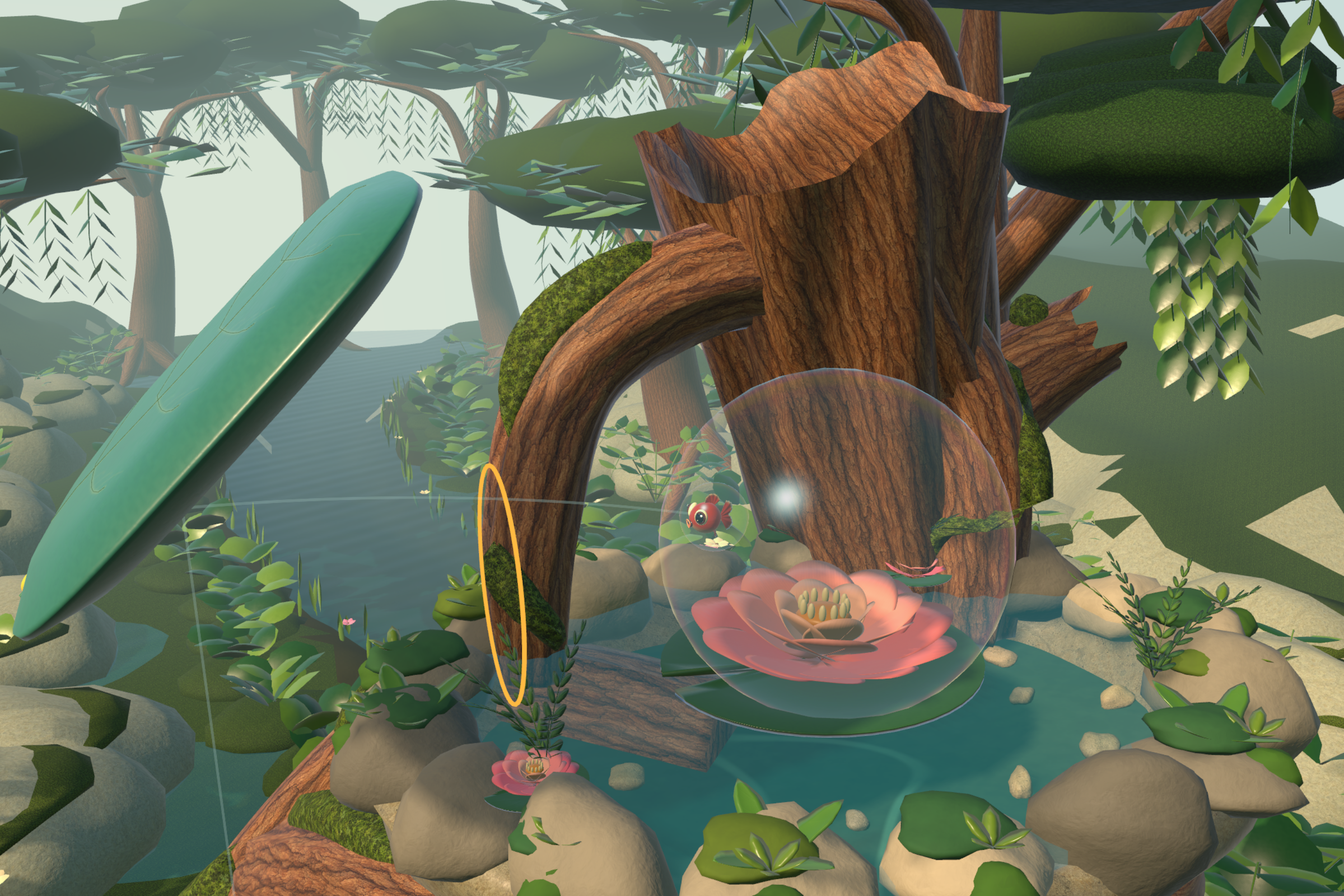
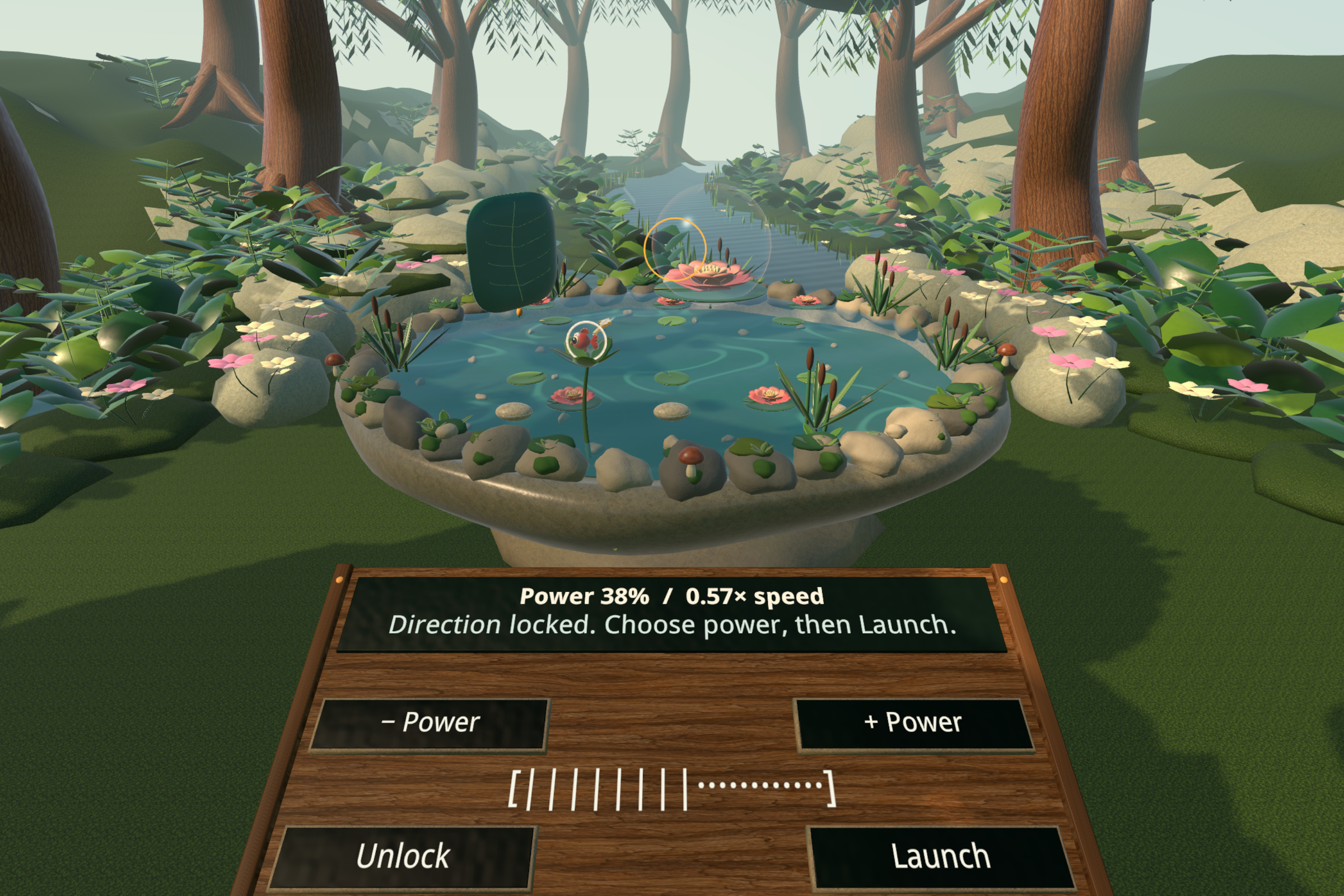
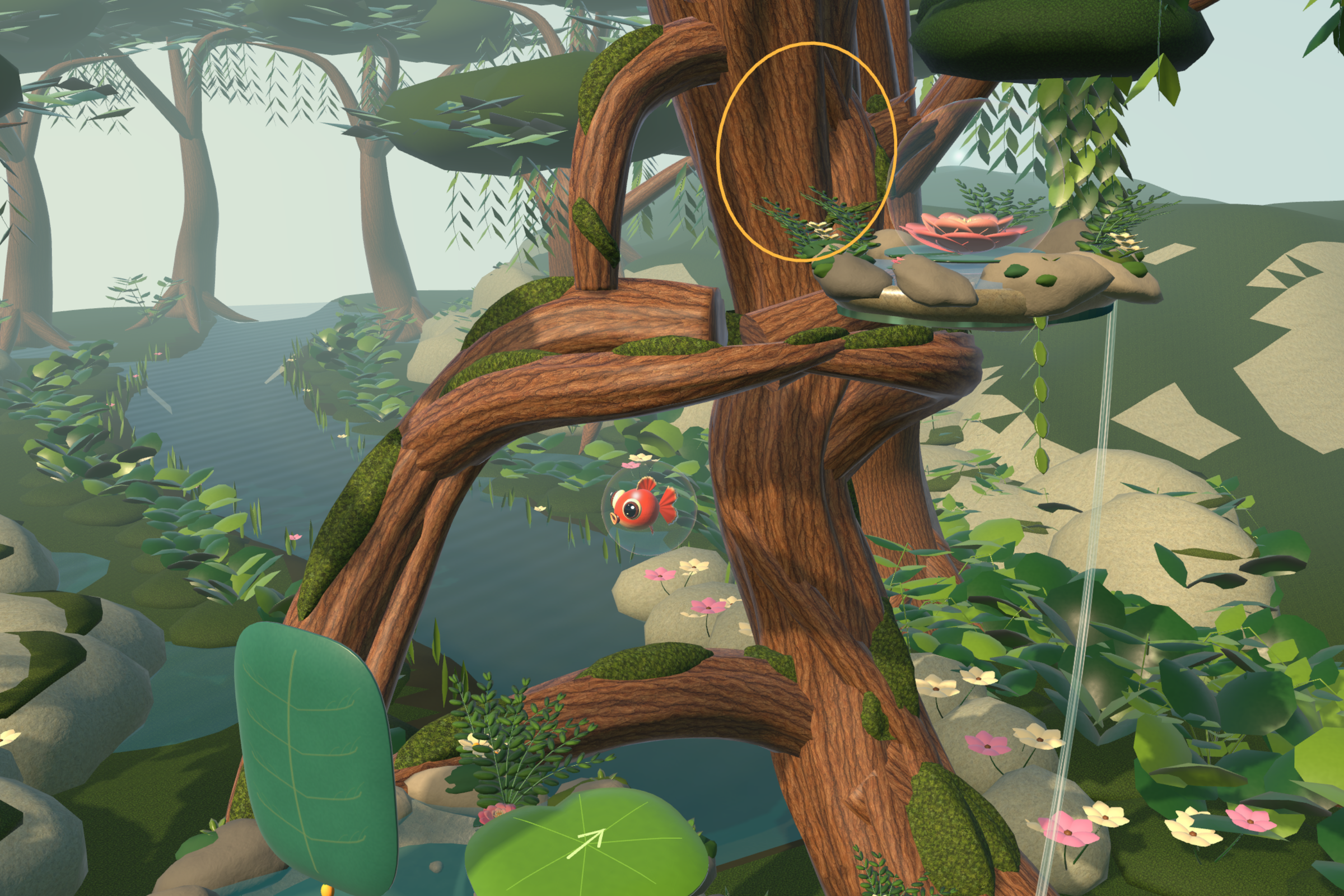
Players guide fish inside water bubbles toward a safe habitat. Move and rotate current deflectors, pinch and gently pull a bubble to aim, then release it. Stone obstacles create bank shots, while an optional bonus ring rewards a more demanding route.
Each round gives you five shots without a planning countdown. A visible flight trace helps you understand a miss and adjust your next attempt.
Between shots, you can pet the fish, pass or toss them between your hands, and touch reactive decorations. These playful interactions leave the puzzle and score unchanged.
How we built it
We started with a TypeScript prototype using IWSDK, Three.js, and WebXR. IWER provided simulated hands so we could develop without a headset. A deterministic game model kept bubble movement, reflections, and scoring predictable and testable.
We added larger authored layouts, stone obstacles, local progression, and personal bests. Codex helped with implementation and review, alongside automated checks for gameplay, hand input, and cosmetic interactions. Rendered walkthroughs exercised the ordinary controls with either simulated hand.
For the native immersive VR release, we selected Unity with OpenXR. That build is still planned; the existing browser implementation remains our behavior prototype.
Challenges we ran into
Playful fish handling had to remain distinct from launching a puzzle shot. Grabbing or tossing a fish must never spend an attempt, and losing hand tracking during aiming must cancel safely rather than register as a release.
Full walkthroughs caught issues that isolated checks missed. Overlapping menu targets could trigger Retry when the player selected Next shot, so we corrected touch selection and repeated the sequence.
Working without a headset also required clear limits on our conclusions. Simulation checks interaction paths, while physical tracking, comfort, and device performance remain unverified.
Accomplishments that we're proud of
We built a playable prototype with three authored ponds and demonstrated both basic and bonus rescue routes. Local progression preserves unlocks and personal bests, and the game continues when saving is unavailable.
The required flow works with either simulated hand. Petting, passing, tossing, and reactive decorations add playfulness without changing puzzle outcomes.
What we learned
Hands-only design includes onboarding, pause, results, and retry. Every required step needs clear feedback and a reliable way to recover from an interrupted gesture.
We also learned to separate a convenient prototyping workflow from the final delivery requirement. Browser simulation helped test the gameplay; the intended product remains a native immersive VR game.
What's next for Pocket Pond
Our next step is the native Unity and OpenXR build, starting with one polished, playable pond before completing the planned six-board progression. We want to preserve the deliberate puzzles and playful fish interactions while giving the game a coherent visual style.