Inspiration
I wanted a cozy city builder: one where the satisfaction comes from watching your little planet grow over time, and where your hands are the only tool you need.
What it does
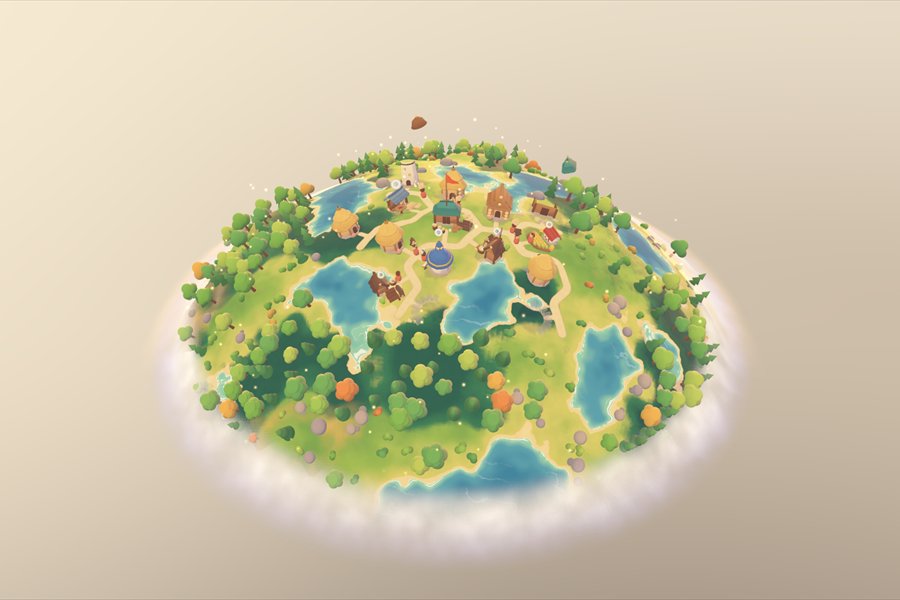
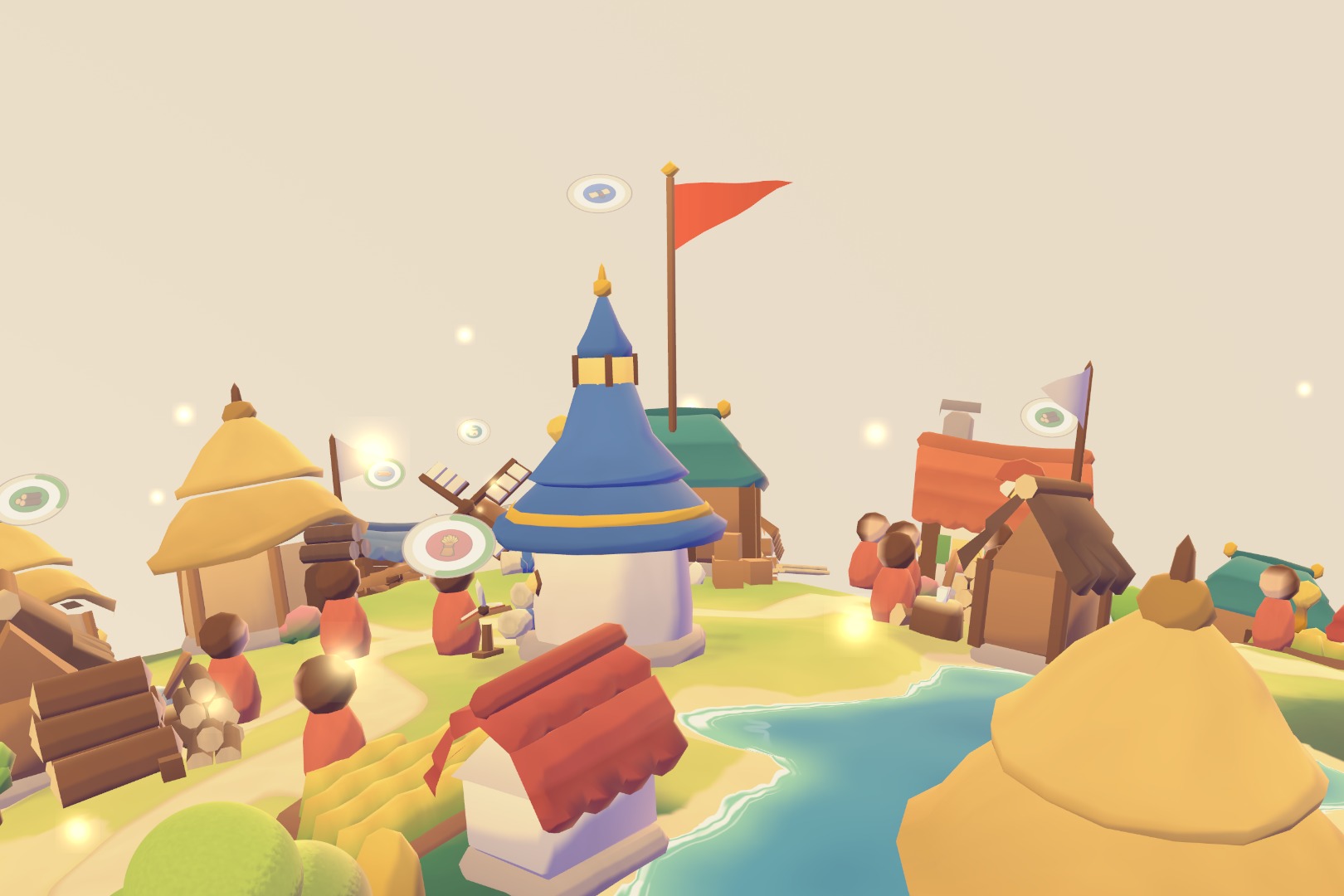
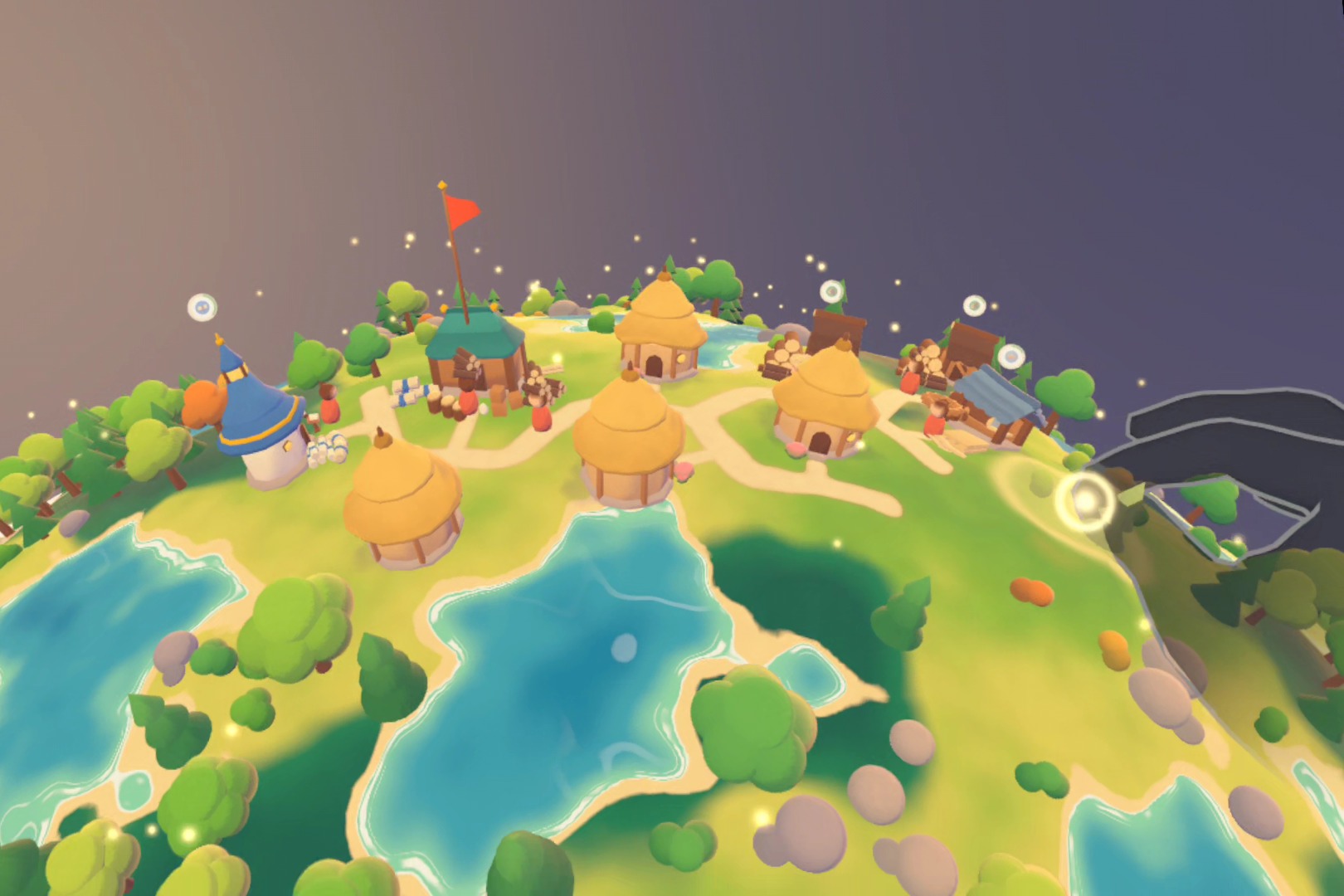
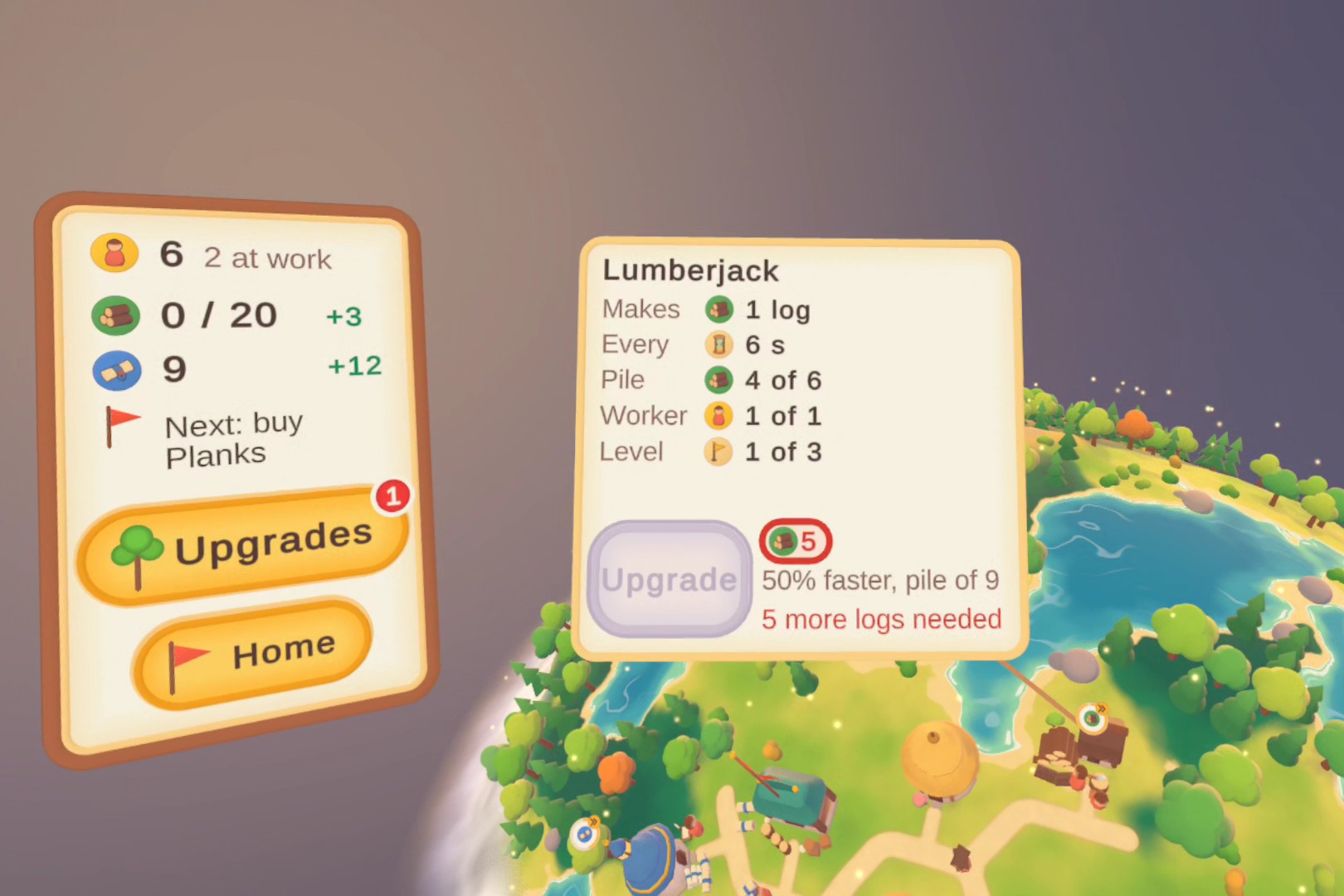
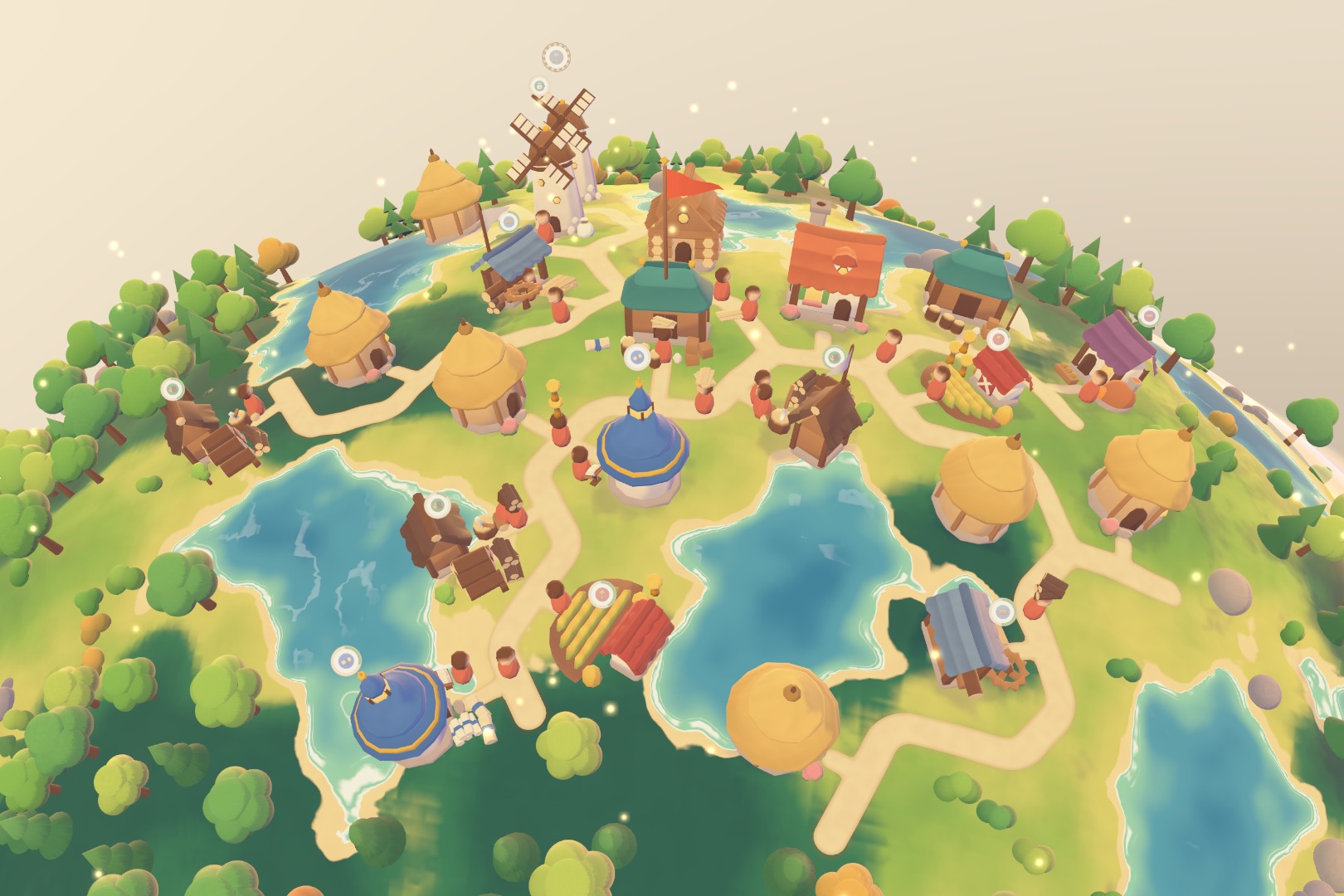
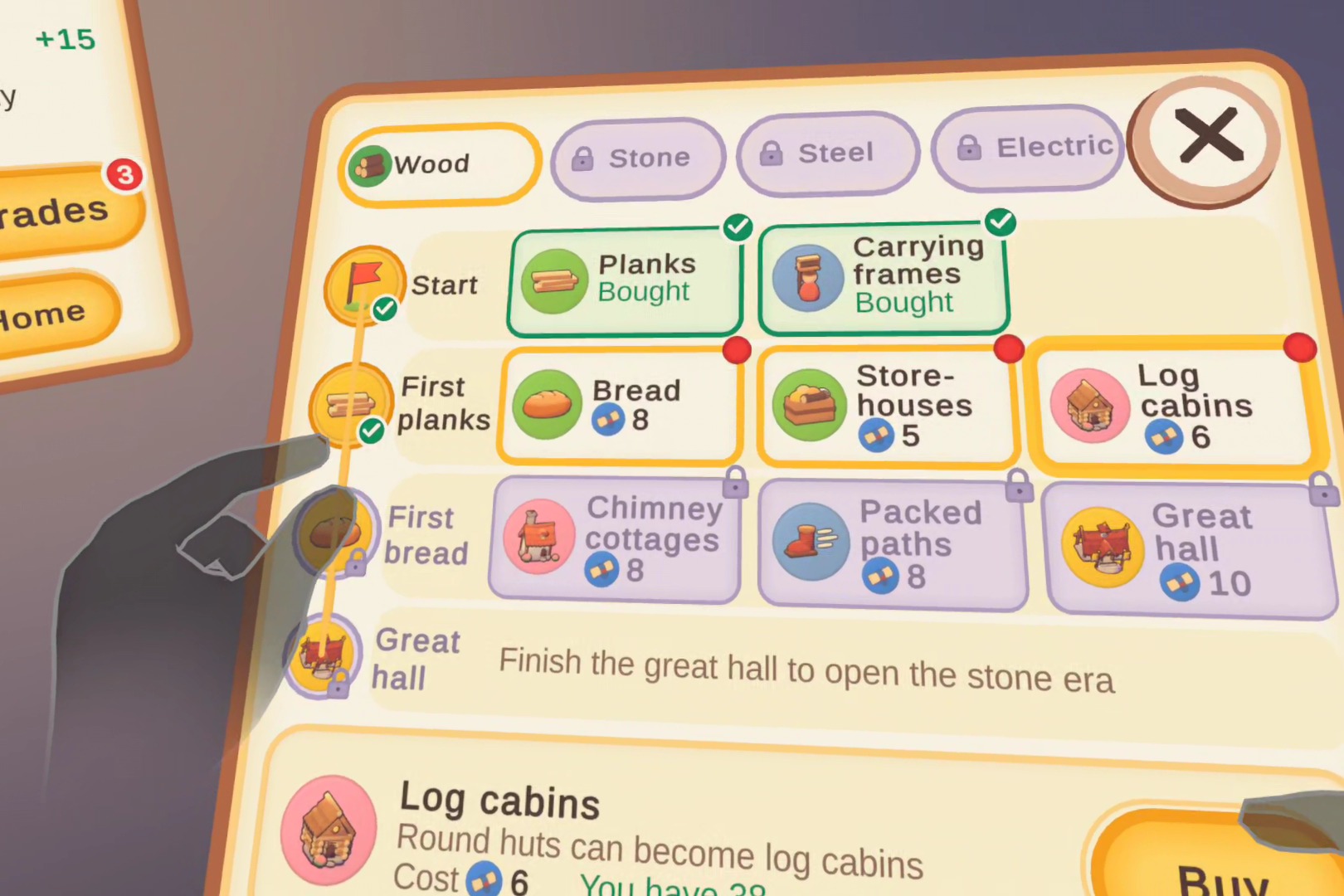
Pocket Planet is a small planet that floats in front of you, either in your own room through passthrough or in a painted room. Pinch it to roll it around. Point at a free plot and poke it to choose a building. From there the village runs itself: settlers walk out, carry logs, planks, grain and bread, build each site from the goods they bring, and roads grow between the buildings by themselves. Research new buildings and upgrades, and the village grows from a camp through the wood, stone and steel eras.
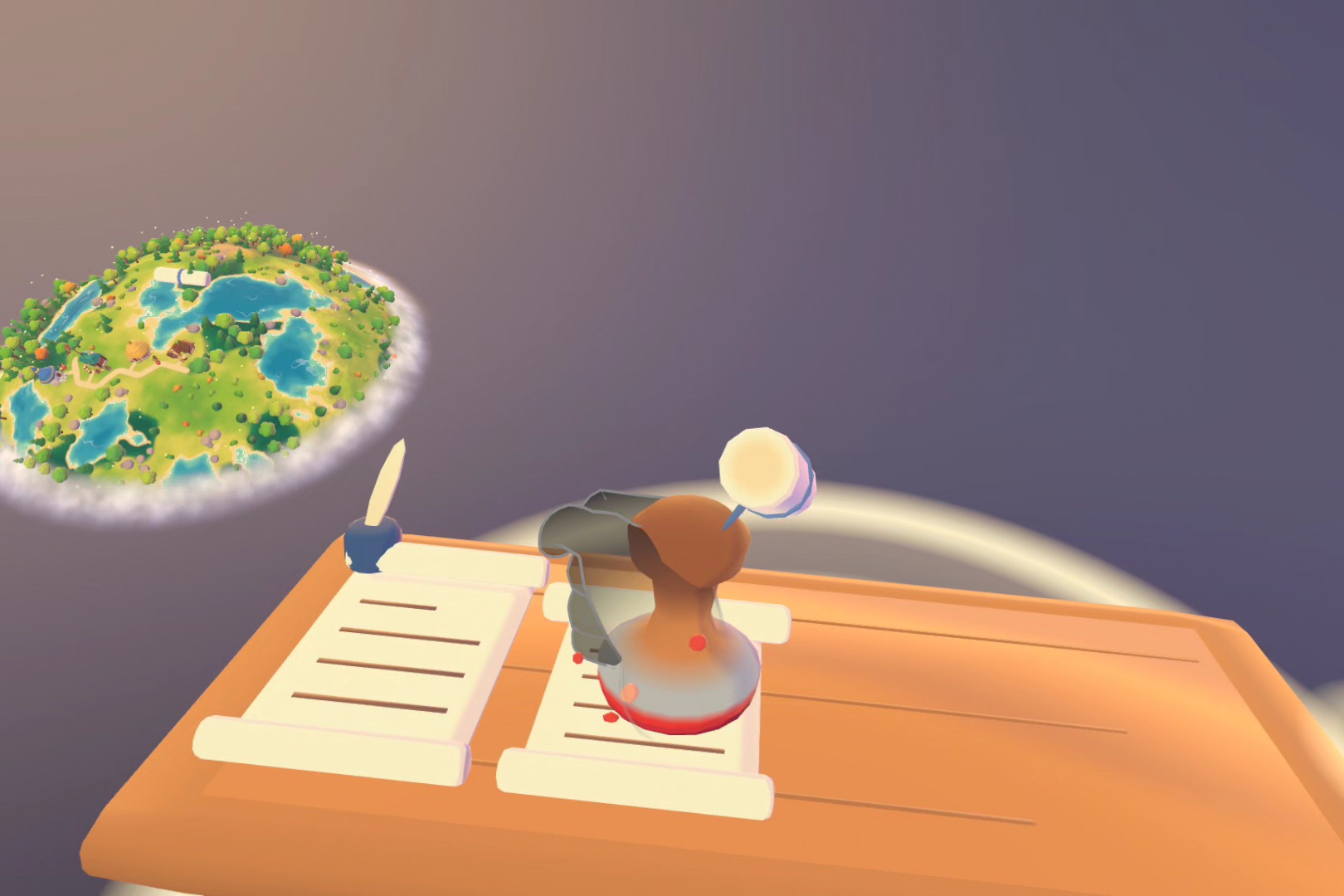
When you want to join in, lend your villagers a hand in six short hand games: chop a tree, split logs, turn the windmill's crank, pump the bakery's bellows, pull carrots and seal scrolls. Each one speeds up its kind of building for a few minutes.
How I built it
- Unity 6 with URP and the Meta XR SDK, using passthrough and hand tracking only.
- The planet is baked ahead of time: terrain, a hexagon grid of plots, and the graph the settlers walk on.
- Custom shaders give the soft painted look and fade everything at the dome's edge.
- Buildings were modelled in Blender.
Challenges
- Accidental grabs. A resting hand kept taking hold of the planet. Now a pinch only holds when the hand reaches into the surface.
- Too much management. An earlier build had much more manual work, for example assigning workers to each building. In the headset it felt like a chore, so I removed it and let the settlers share out the work by themselves.
What I learned
- Hands-only design means large targets, no precision, no timing, nothing above the head or below the waist, and always a clear way to let go.
- Cozy means fewer controls. Each time I removed one and let the village decide, the game got better.
What's next
- Space exploration, so players can care for more than one planet.


