-
-

Pocket Home
-
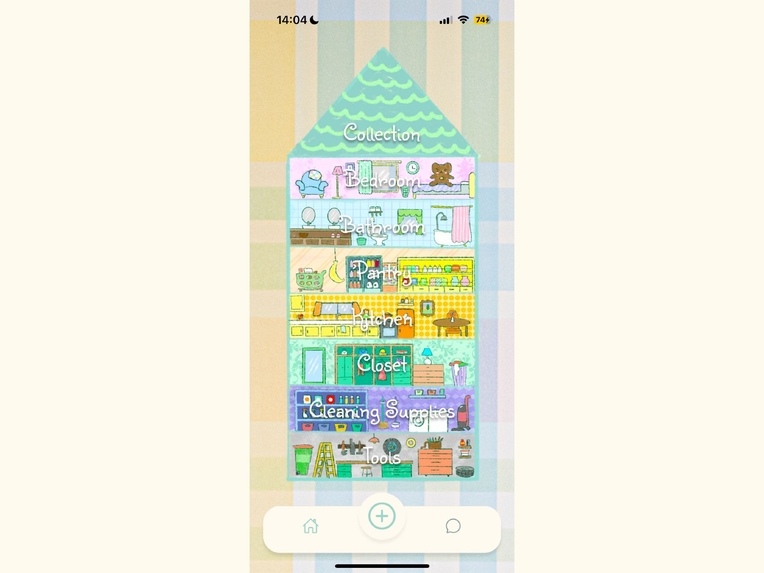
Home Page
-
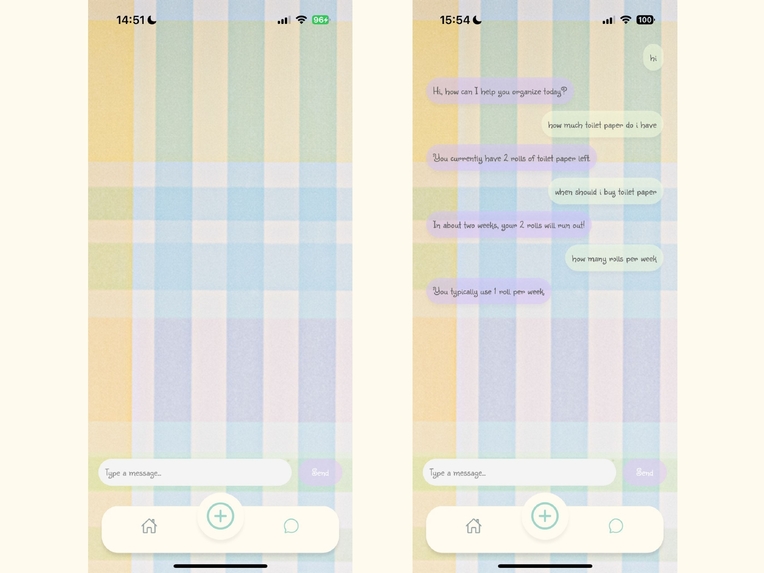
Pocket Home Chatbot
-
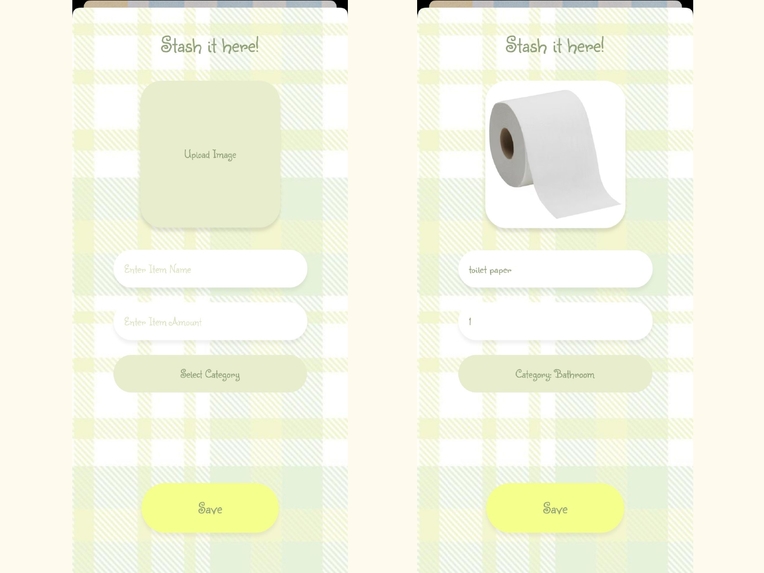
Adding Items
-
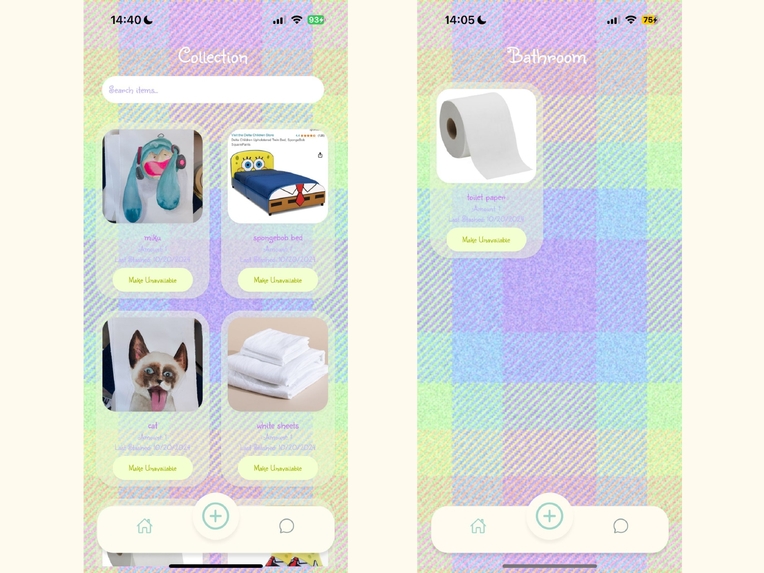
Collection and Bathroom
-
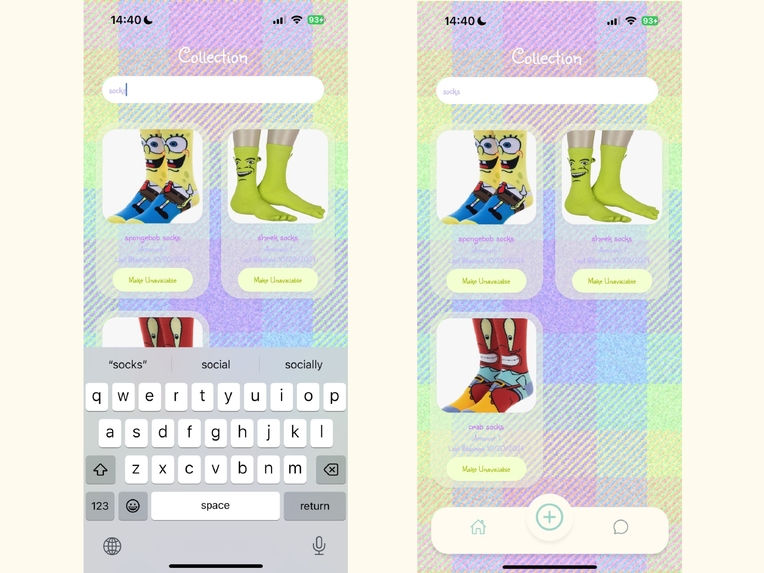
Collection Item Search
-
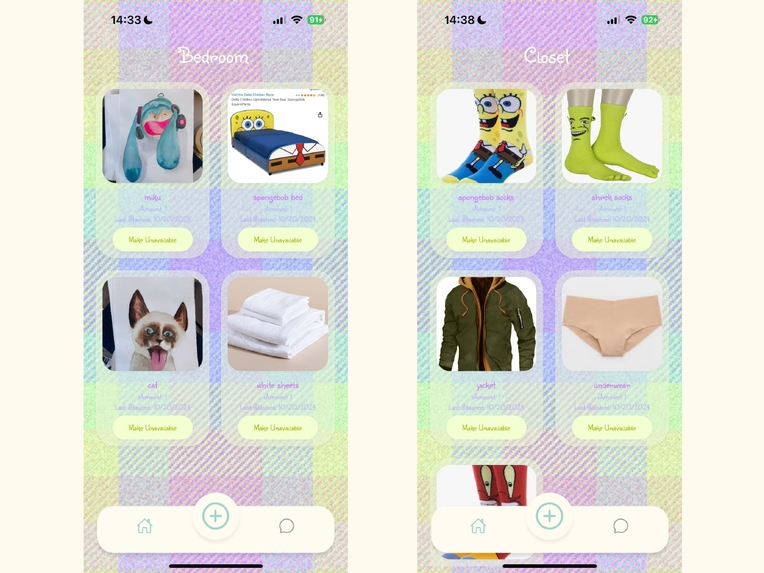
Bedroom and Closet
-
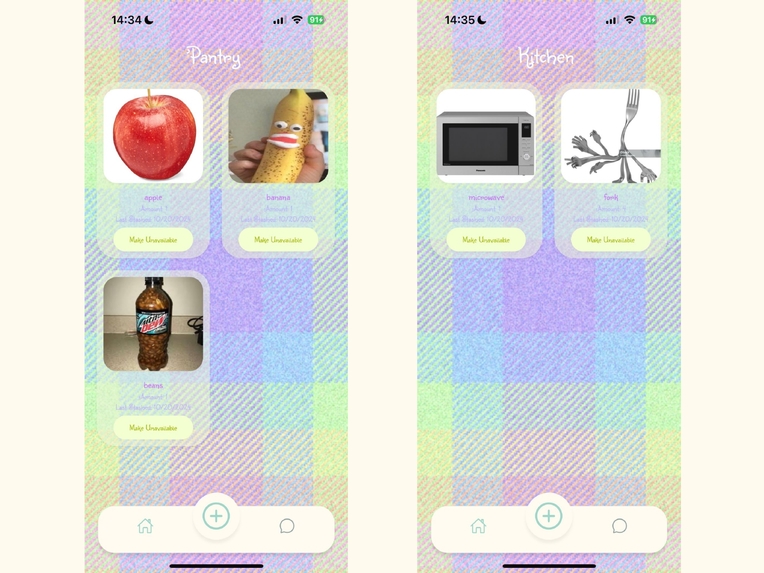
Pantry and Kitchen
-
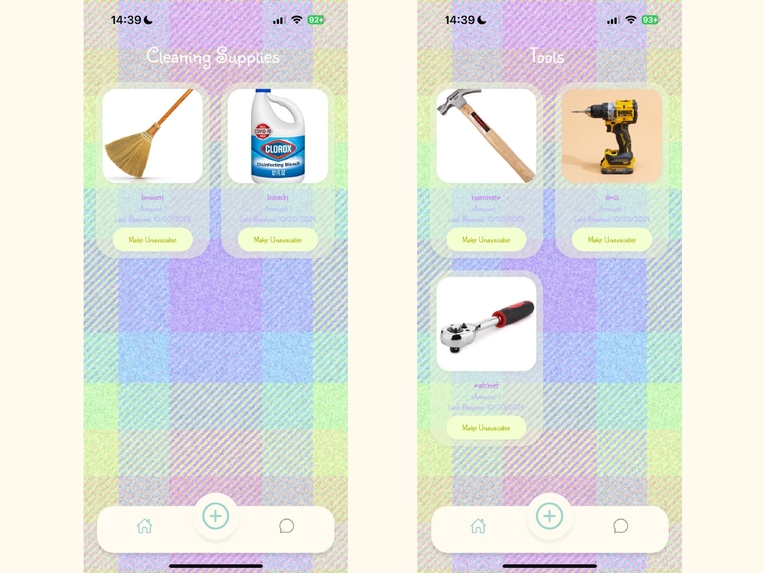
Cleaning Supplies and Tools
-

app icon


Inspiration
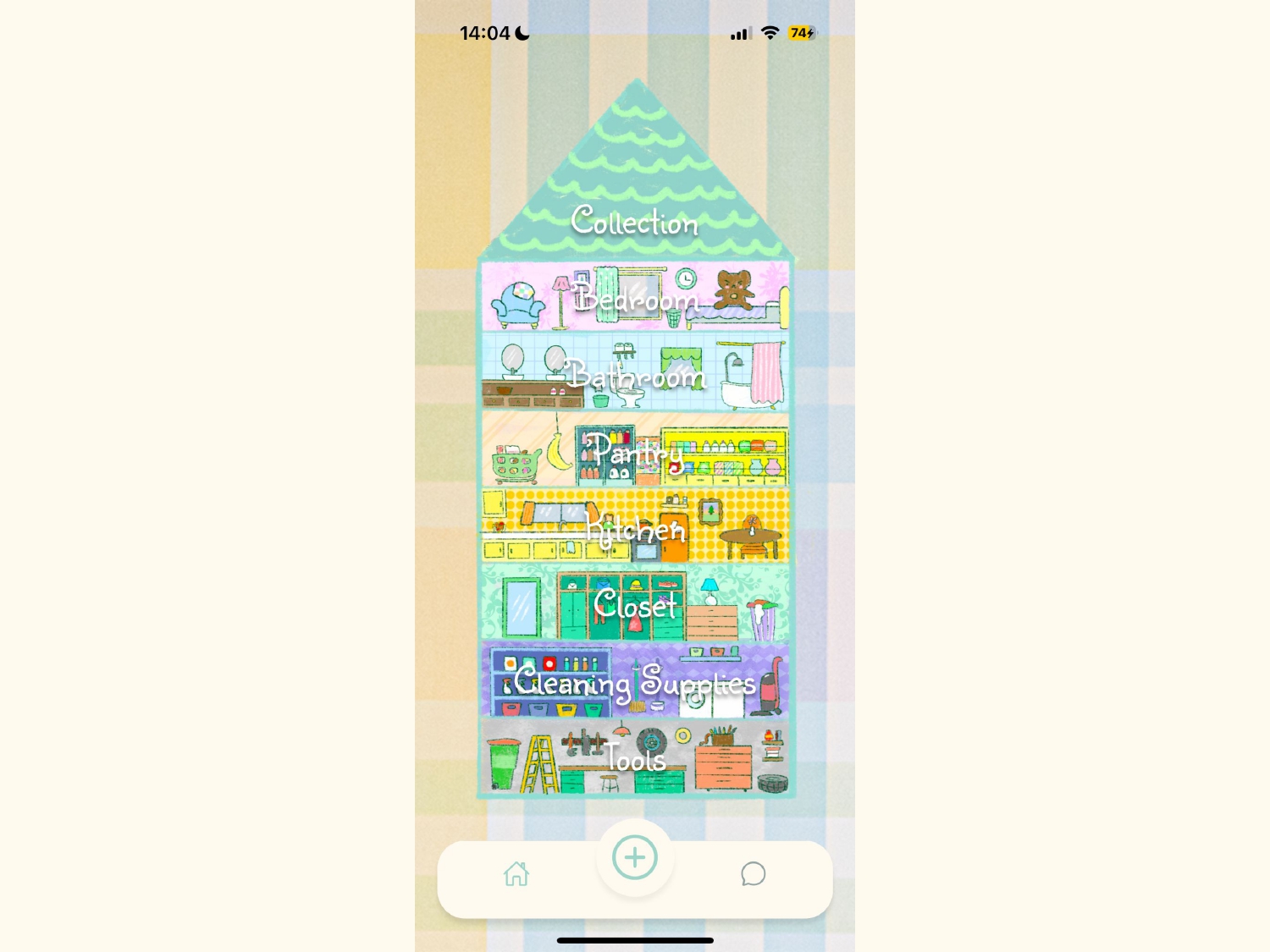
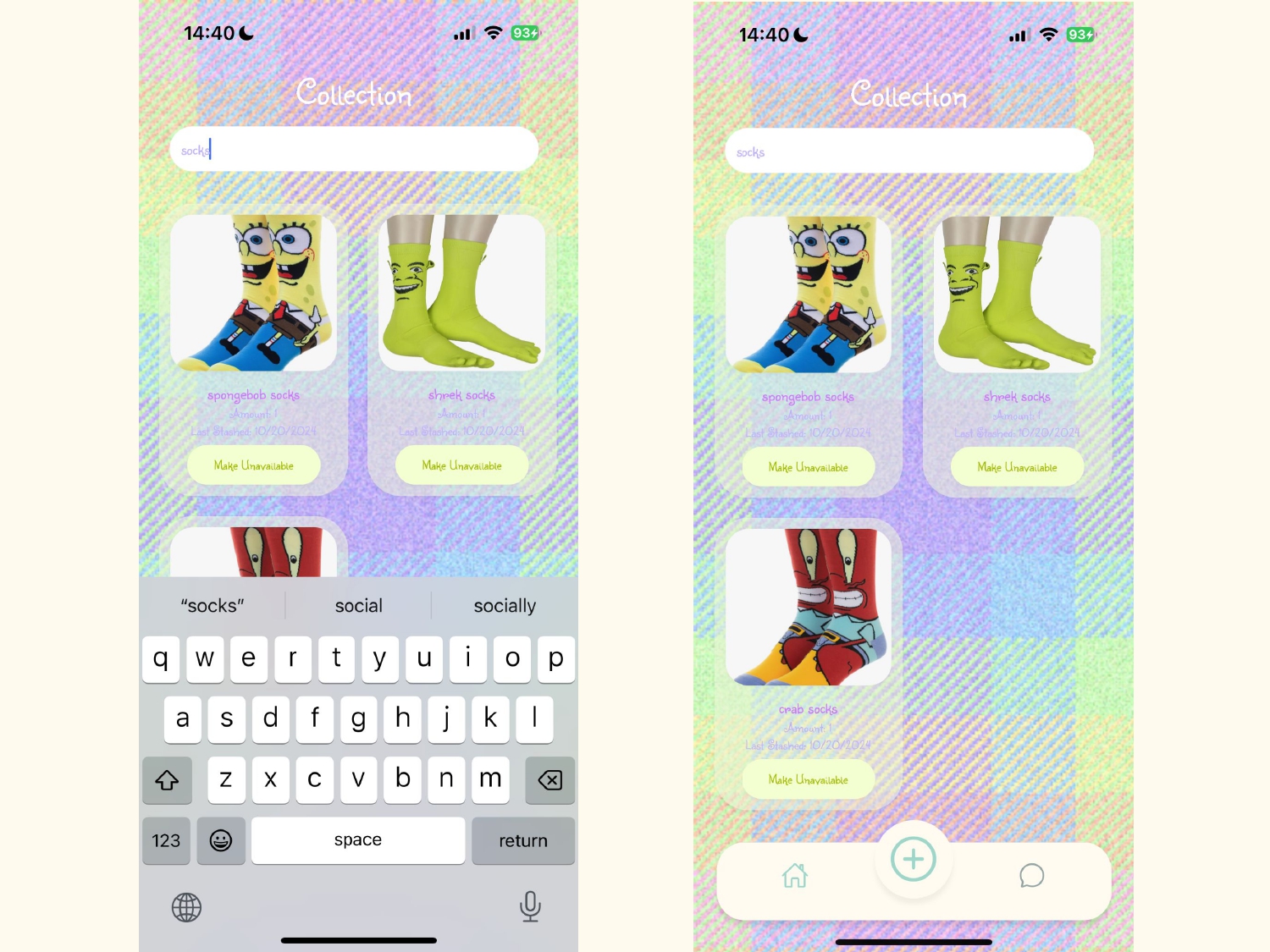
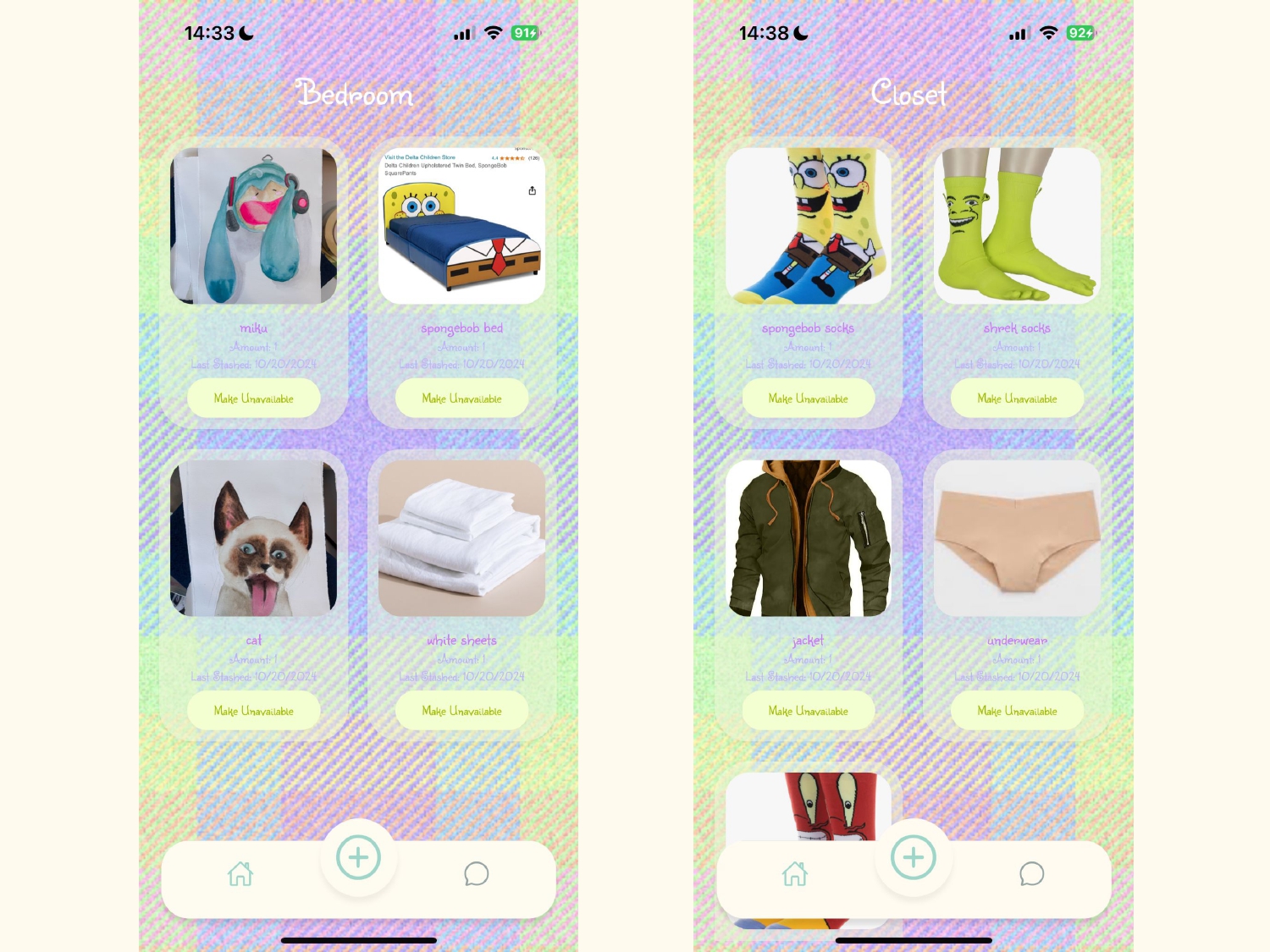
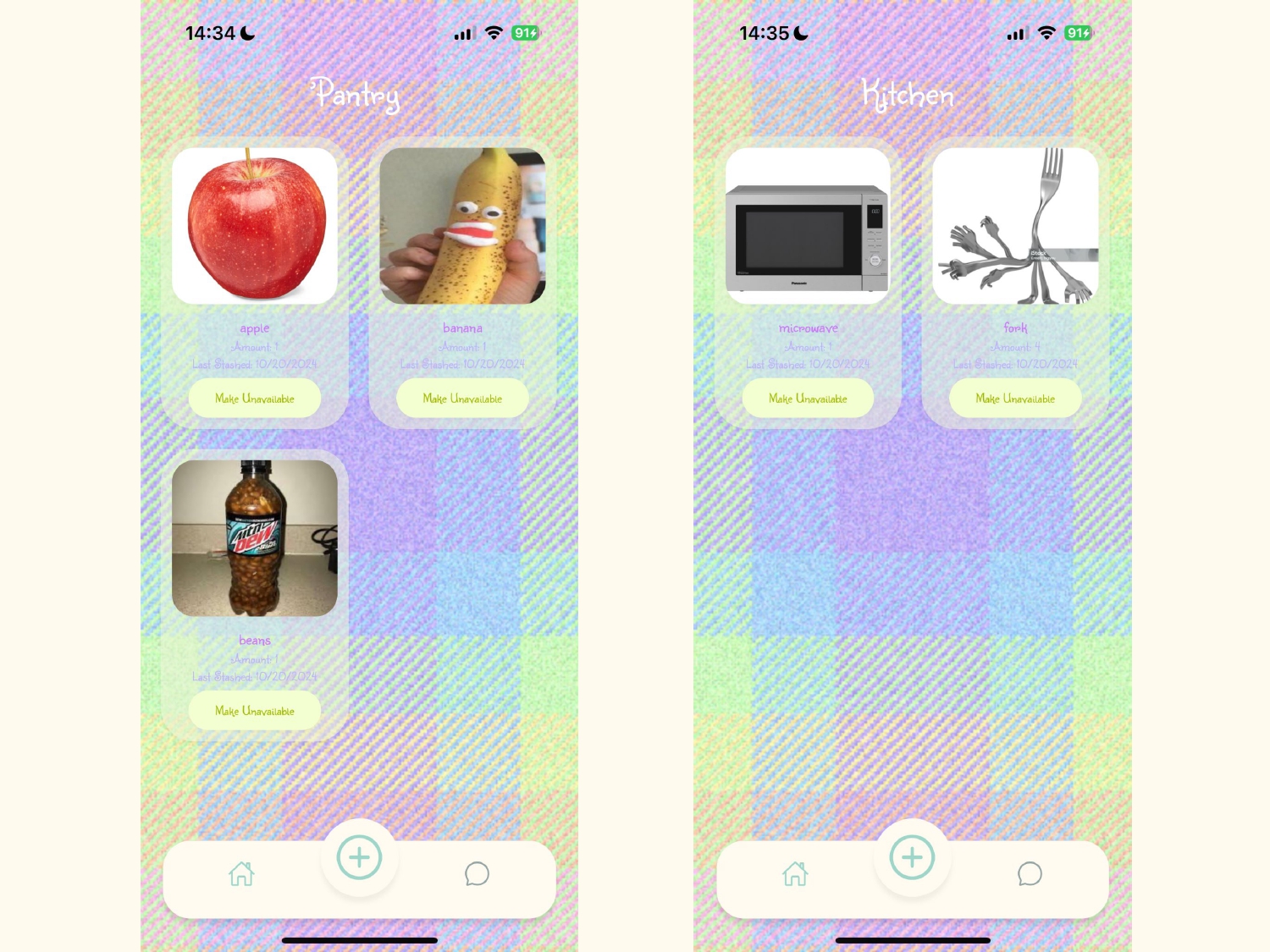
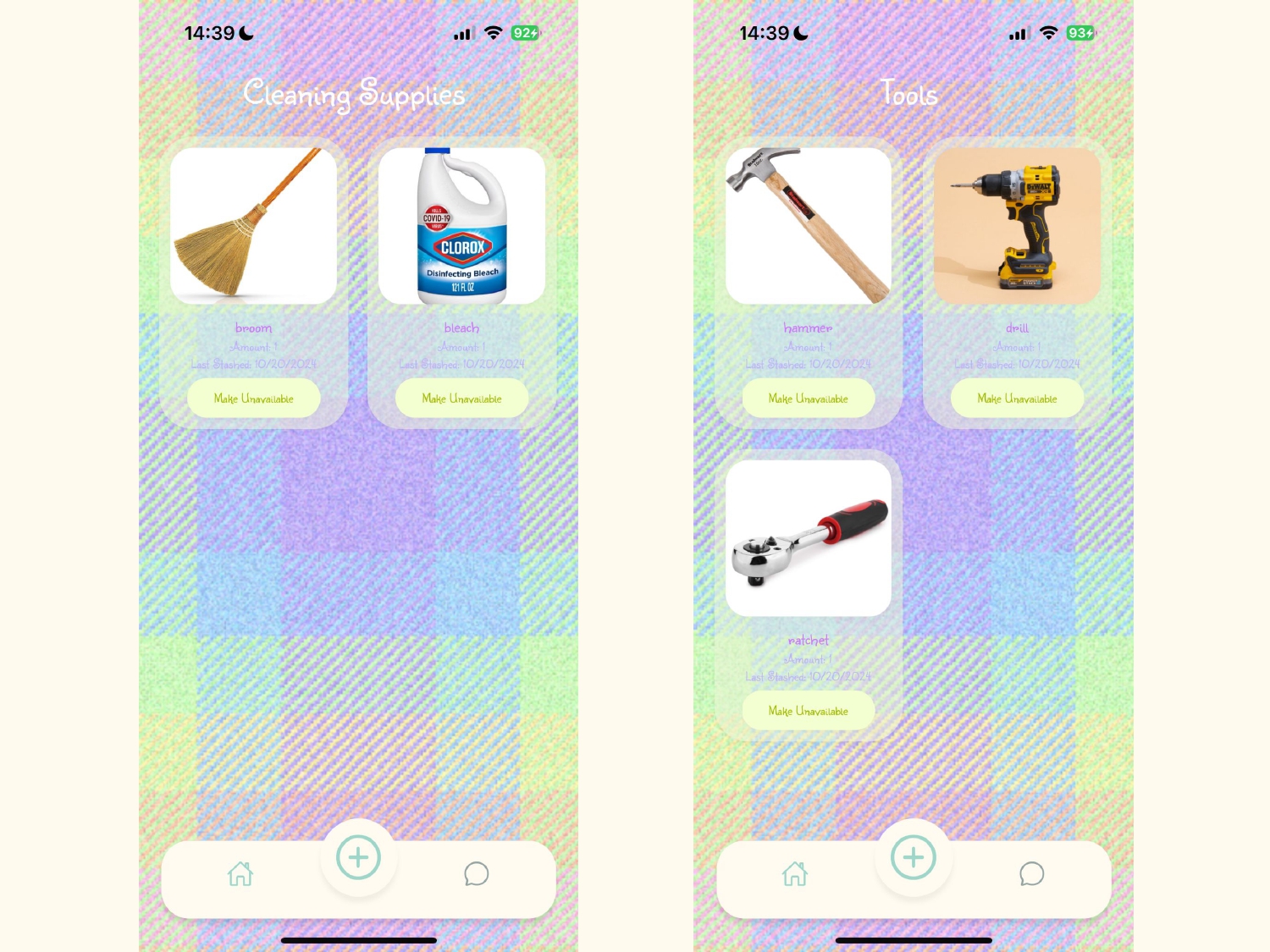
Mindy and Bridget both own a lot of stuff, so it's easy for us to lose track of what we have. When we heard the theme of the hackathon was life hacks, we wanted to create something we would actually use. That’s when the idea for Pocket Home came to life. In video games, having an inventory is essential for seeing all your items at once, so why is real life any different? With Pocket Home, you can manage your household inventory and avoid any unnecessary repeat purchases. The AI chatbot allows for an interactive experience, providing a modern solution for home organization. By combining inventory management with AI assistance, Pocket Home helps users streamline their daily lives and declutter their homes.
What it does
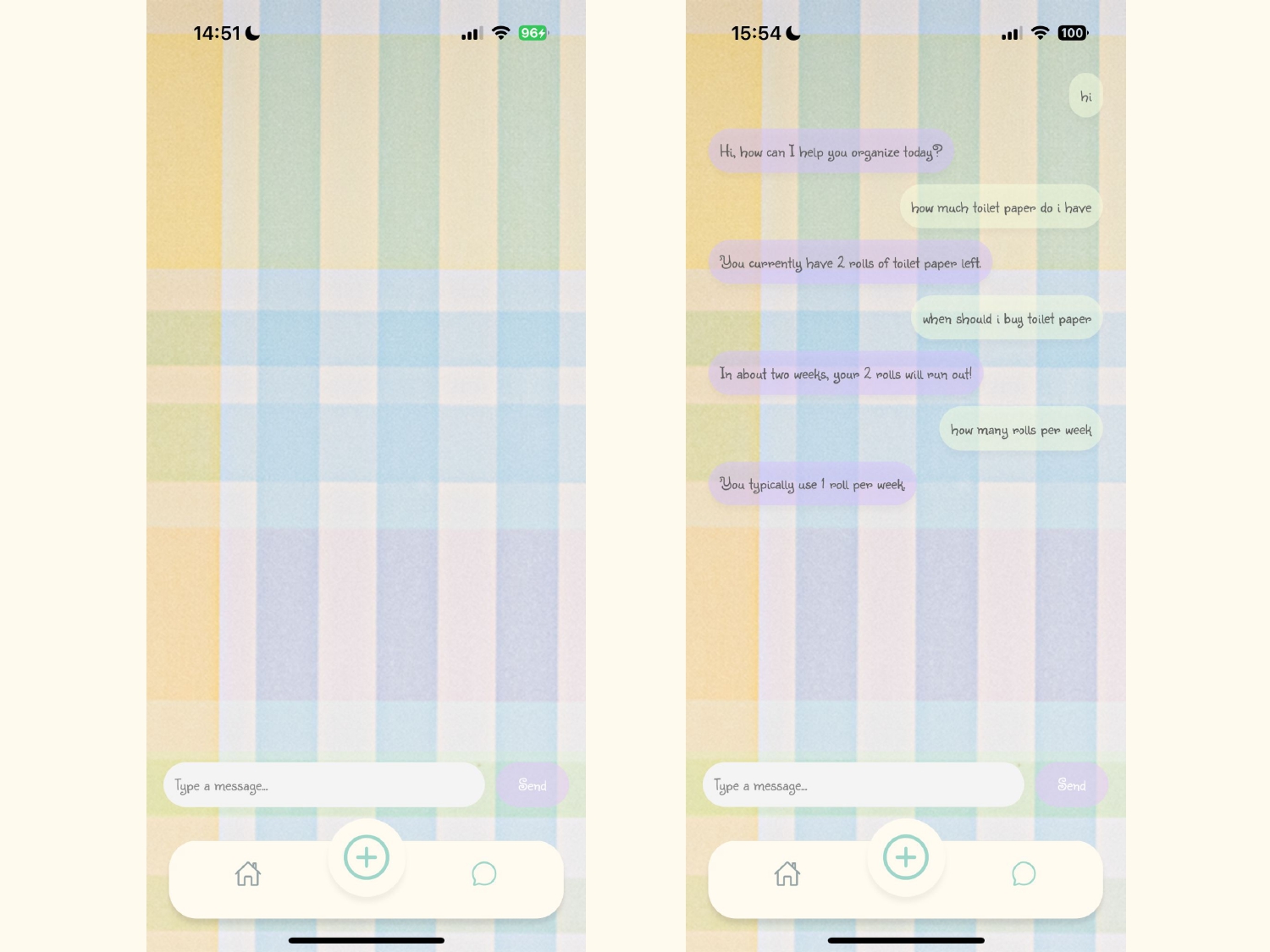
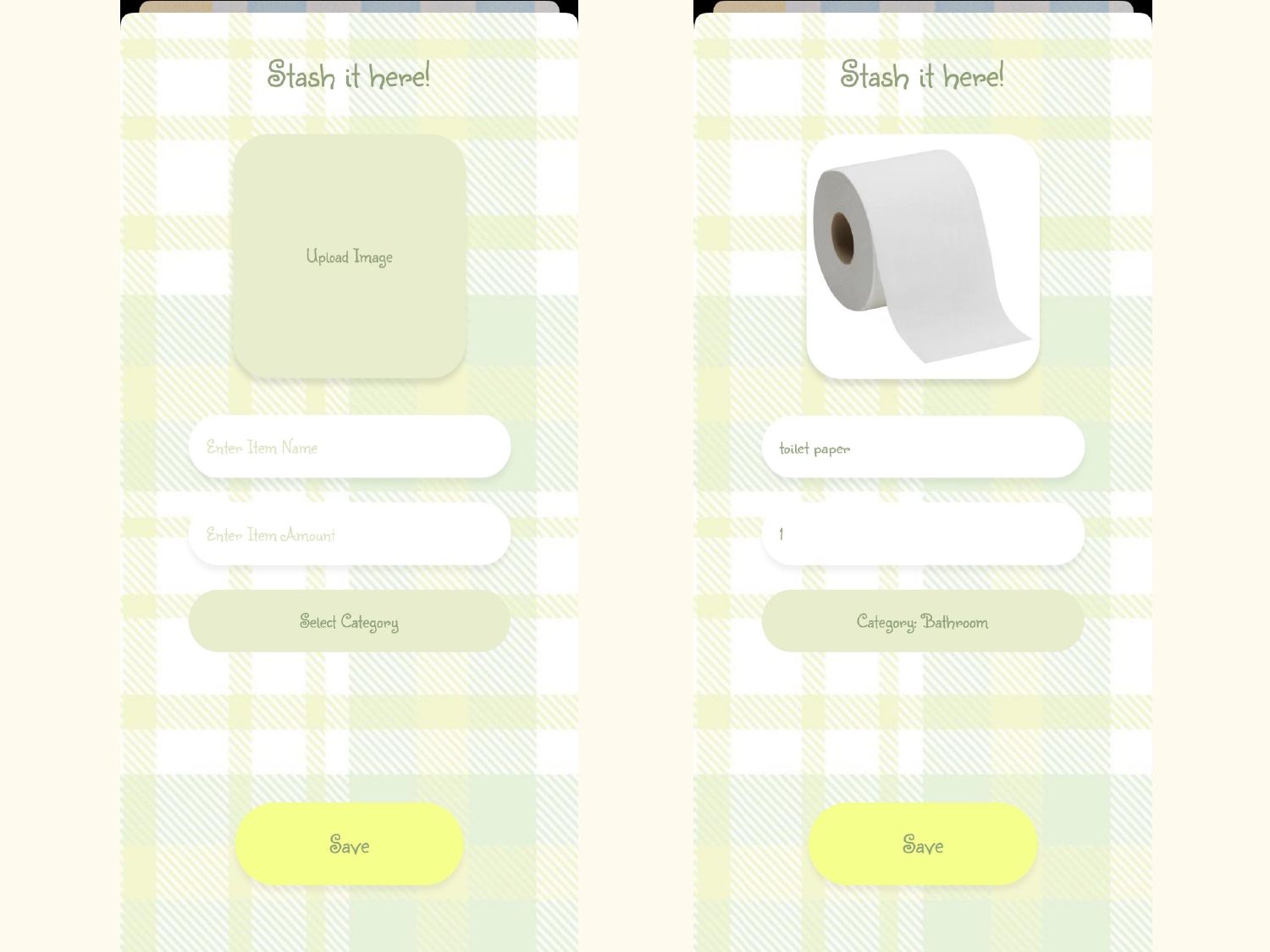
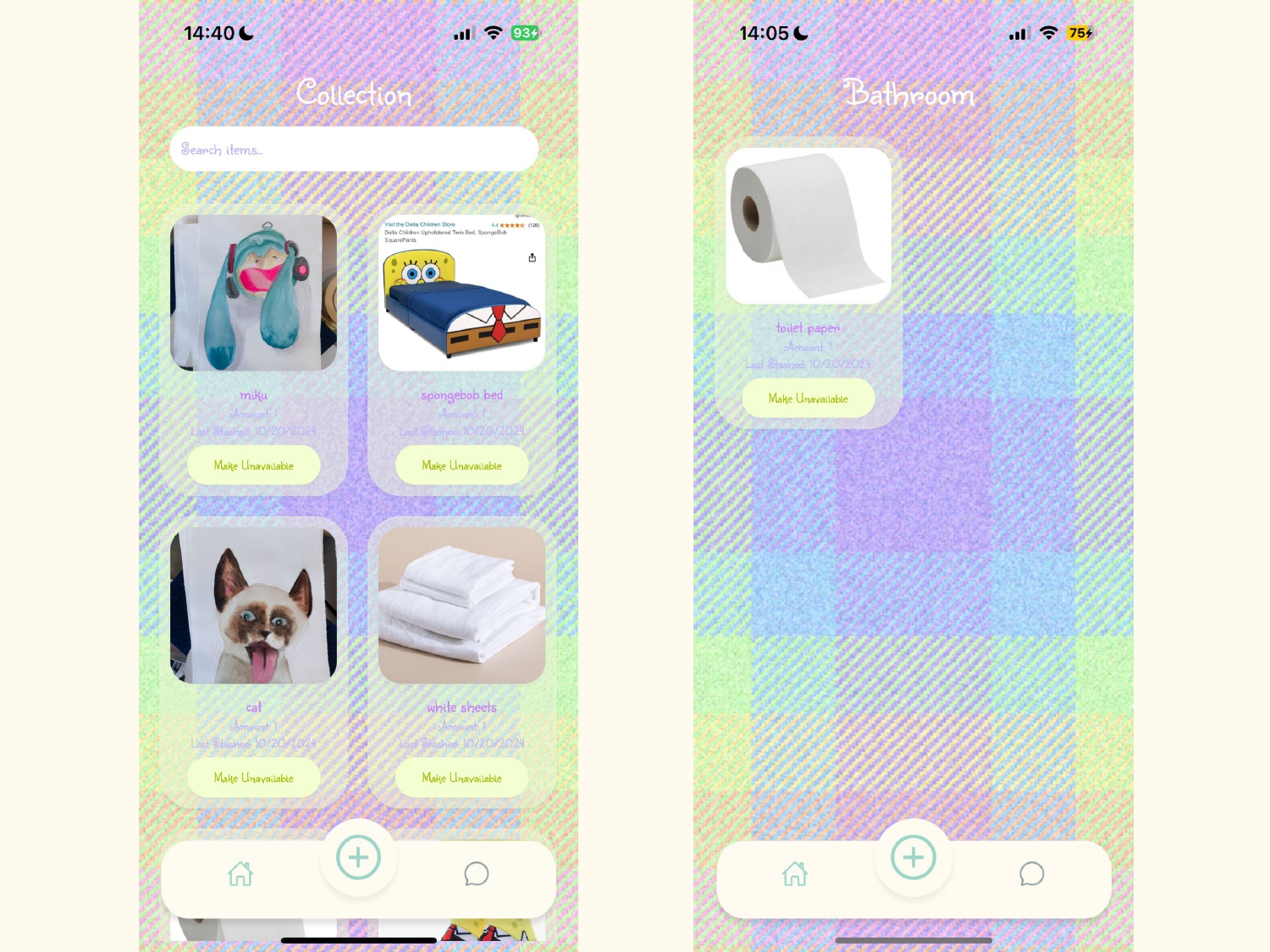
Pocket Home allows users to register and track their household items in a personalized inventory system. Users can upload images, categorize items, and track quantities to get a clear view of what they own. To enhance the experience, Pocket Home includes an AI-powered chatbot that can answer user queries, assist with finding items, and offer helpful reminders or advice for managing their inventory. The chatbot, powered by machine learning, learns from user interactions to provide increasingly tailored responses, making it easier to stay organized.
How we built it
Mindy: I used React Native for a smooth, cross-platform experience on both iOS and Android devices. Firebase was used as the backend for real-time data storage and synchronization, ensuring that users can register and view their items seamlessly. The AI chatbot is powered by Hugging Face’s machine learning models, integrated via API, enabling intelligent conversations around the user’s inventory. I incorporated the Expo Image Picker to allow users to upload photos, and custom fonts and clean UI design elements were added for a visually pleasing interface. In addition
Bridget: I used a jupyter notebook to create and test the ML algorithms. I also created the logo.
Challenges we ran into
We had a variety of challenges faced during the project. One of the key challenges was integrating the machine learning aspect of the AI chatbot into the app while maintaining a smooth user experience. Ensuring that the chatbot delivered useful, relevant responses based on inventory data required tweaking the API and fine-tuning the bot’s behavior. We also faced challenges with real-time data handling in Firebase and making sure the layout adapted well to different devices and screen sizes. Managing state across multiple screens, particularly when adding or editing items, also took some careful debugging. In addition, we created machine learning algorithms that are based on the user's prior patterns of use, so each user has tailor made suggestions based on their history. For example if Judy eats apples every day and just bought 10, Pocket home can suggest purchasing apples based 10 days later. This is great for grocery shopping, because it lets you know what you are about to run out of certain items. Unfortunately, due to time constraints we were unable to combine the Machine Learning with the app.
Accomplishments that we're proud of
We are proud of the fact that despite being tired and having other things we had to attend to over the weekend, we still managed to put together a fully functioning app that is not only intuitive but also addresses a real problem many people face: managing clutter. We successfully implemented features such as image uploads, real-time database updates, and an organized inventory view. Our user-friendly design and seamless transitions between screens are key accomplishments, and we’re proud of the collaboration and problem-solving involved in achieving this. We are also proud of successfully incorporating AI chatbot functionality into Pocket Home, which makes it stand out from traditional inventory apps.
What we learned
Mindy: Throughout the development of Pocket Home, I learned a lot about working with machine learning APIs and integrating them into mobile apps. I deepened my understanding of state management, especially when juggling real-time data updates across multiple components. I also gained valuable experience in UI/UX design and responsive layouts, making sure the app worked well on various devices. Additionally, I learned more about Firebase’s capabilities for real-time data synchronization and handling user interactions efficiently. Bridget: While I have had some experience creating machine learning models, it was always under the instruction of professors or supervisors. This project gave me the opportunity to do the entire process from start to finish. It was fun thinking about what ML algorithms work best for different situations, and what I could make from the data we decided on. Overall, it was an enlightening experience.
What's next for Pocket Home
We plan to combine the Machine learning algorithms and app. We can use colored icons to indicate whether the item will be needed soon. In addition, we plan to let users add expiration dates to their items. This would allow us to use yellow for when its about to expire, and red when it has expired. This would go into the database, and then the Machine learning algorithm could predict when an item is expired even if they don’t add the expiration date. In addition, we would like to allow users to customize their house on the app to their own house, for example if they have 5 bedrooms, then they could have all of those rooms on the app. This combined with collaborative features could be monumental for families. They can avoid repeat purchases for the whole household. With collaboration, privacy becomes more important, we would add the ability for users to make certain items private for their viewing only. If you have snacks you don’t want to share with the family hoarded away, then just toggle privacy. If adding all the items in your home seems tedious, we plan to add an image identifier, where you can take pictures of items in your house, and the ai will automatically identify them and add it to your inventory. In the future, we plan to enhance the AI chatbot’s capabilities to provide more advanced inventory management, such as suggesting when to replenish items or identifying items nearing expiration. We’re also exploring the integration of voice commands to interact with the AI assistant. Cloud synchronization, multi-device support, and advanced analytics for inventory usage are all on our roadmap. Our goal is to make Pocket Home the ultimate household assistant, combining inventory management, machine learning, and AI for a smarter home experience.


Log in or sign up for Devpost to join the conversation.