Inspiration
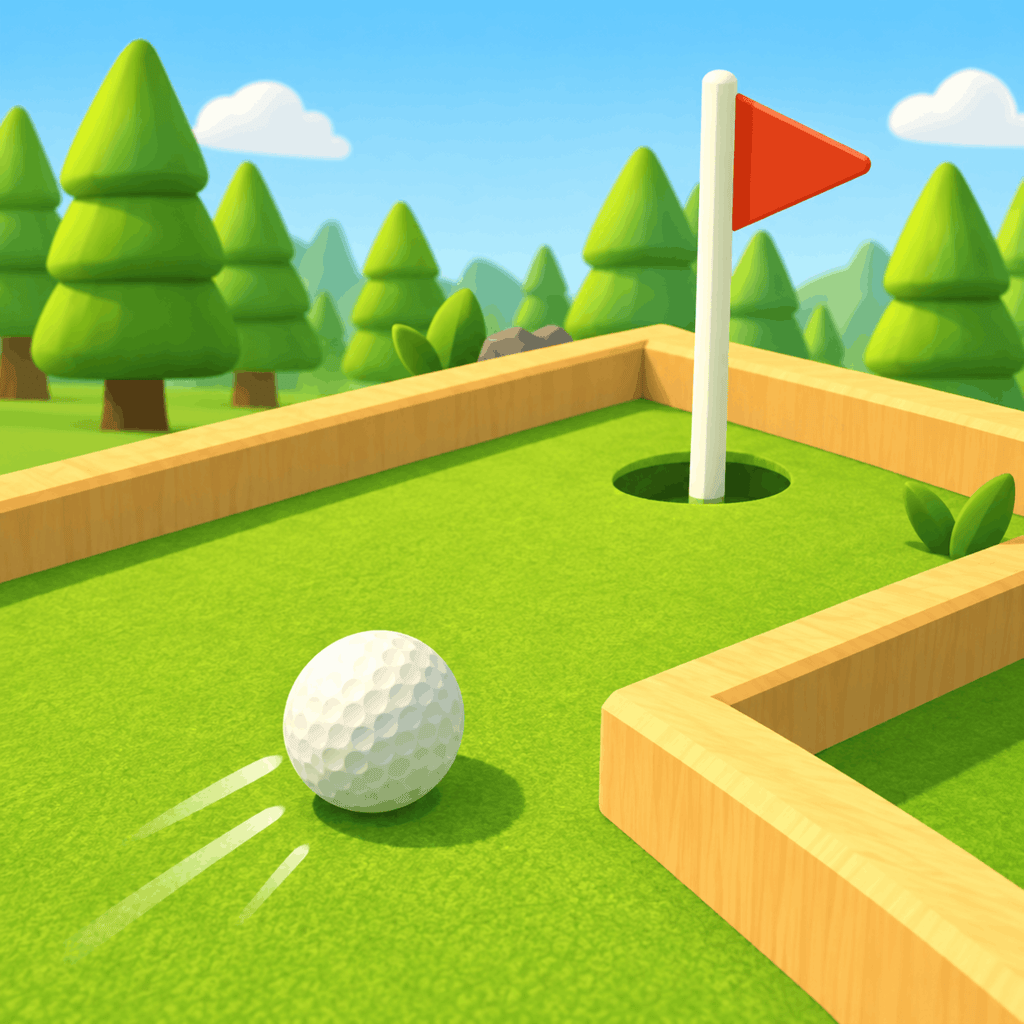
We wanted to bring the satisfying feel of mini golf to a phone. Pocket Golf makes each shot a small puzzle: judge the course, choose how hard to pull back, and see where the ball takes you.
What it does
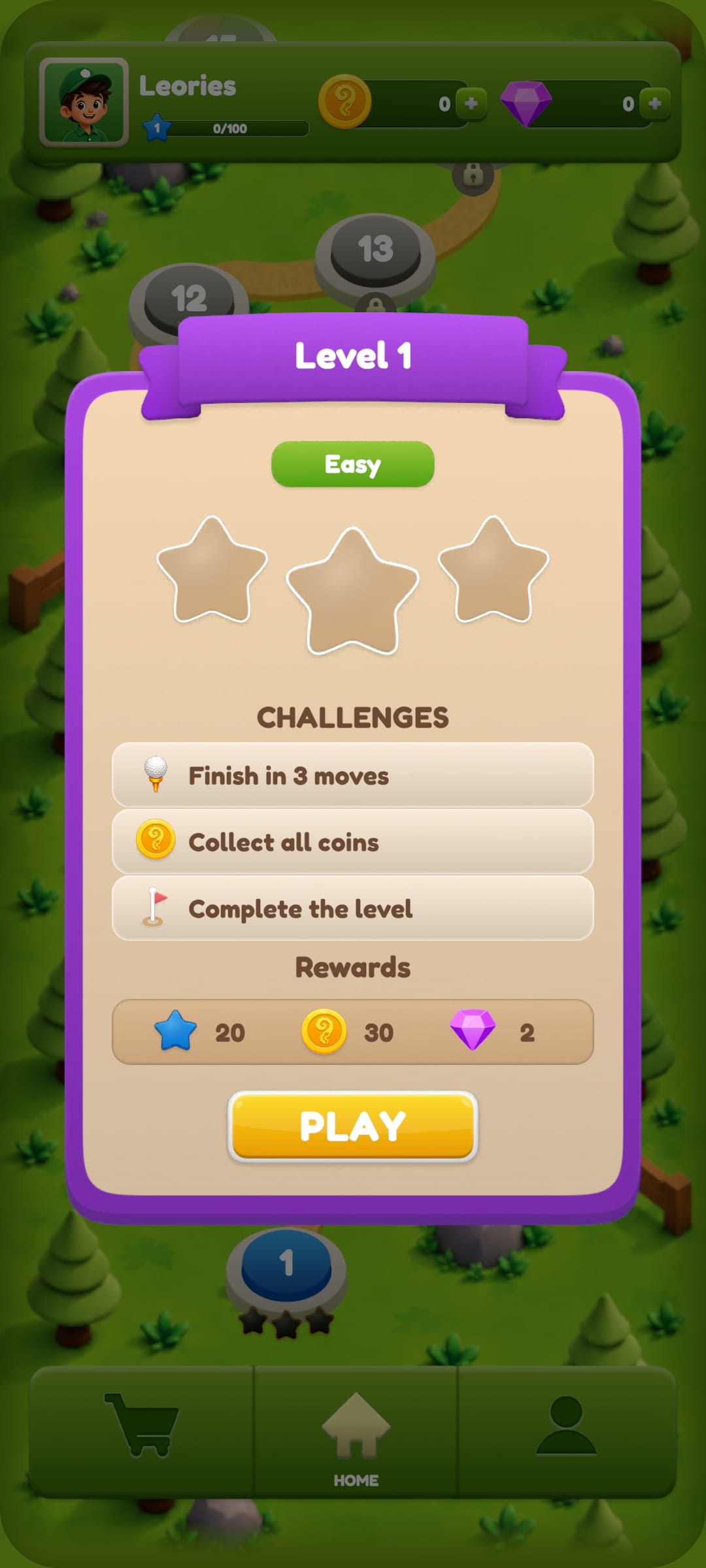
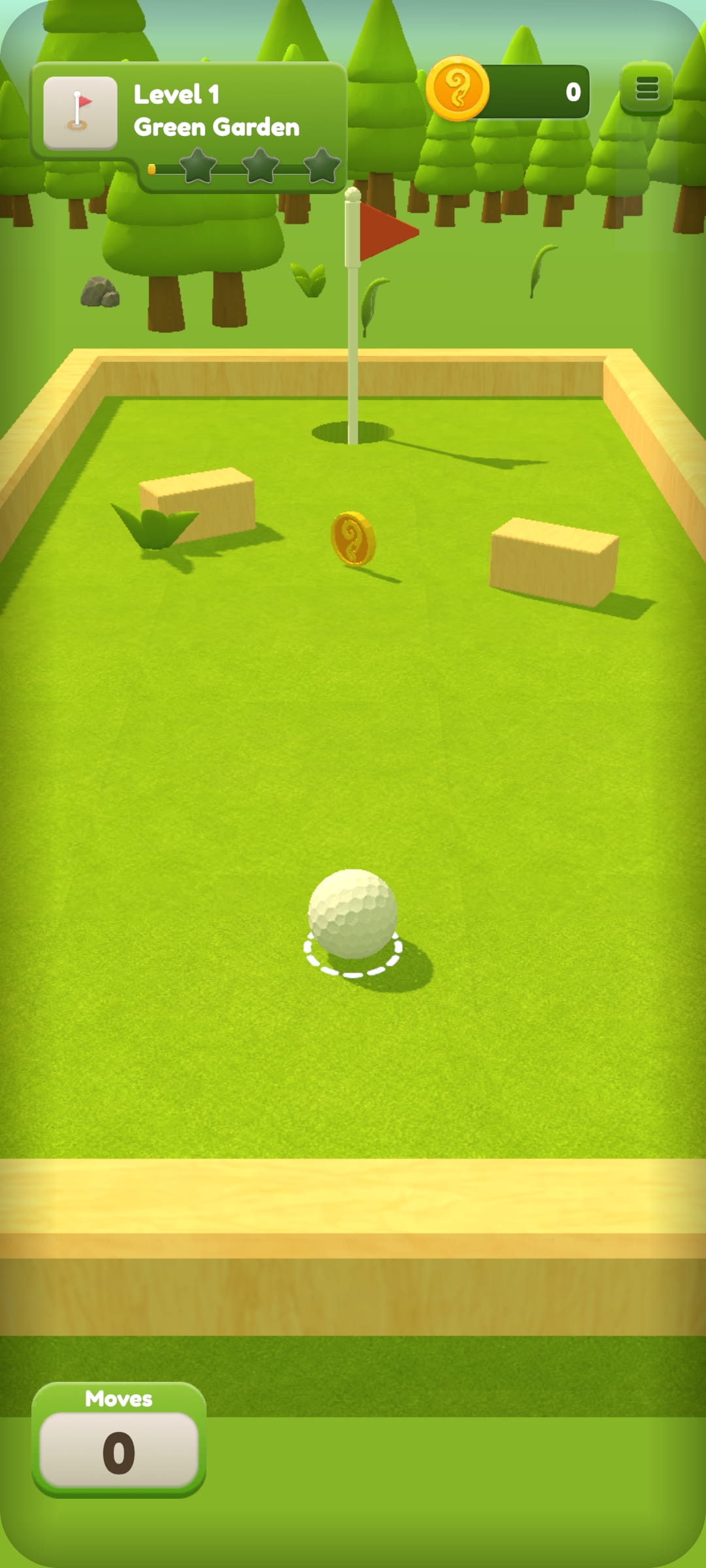
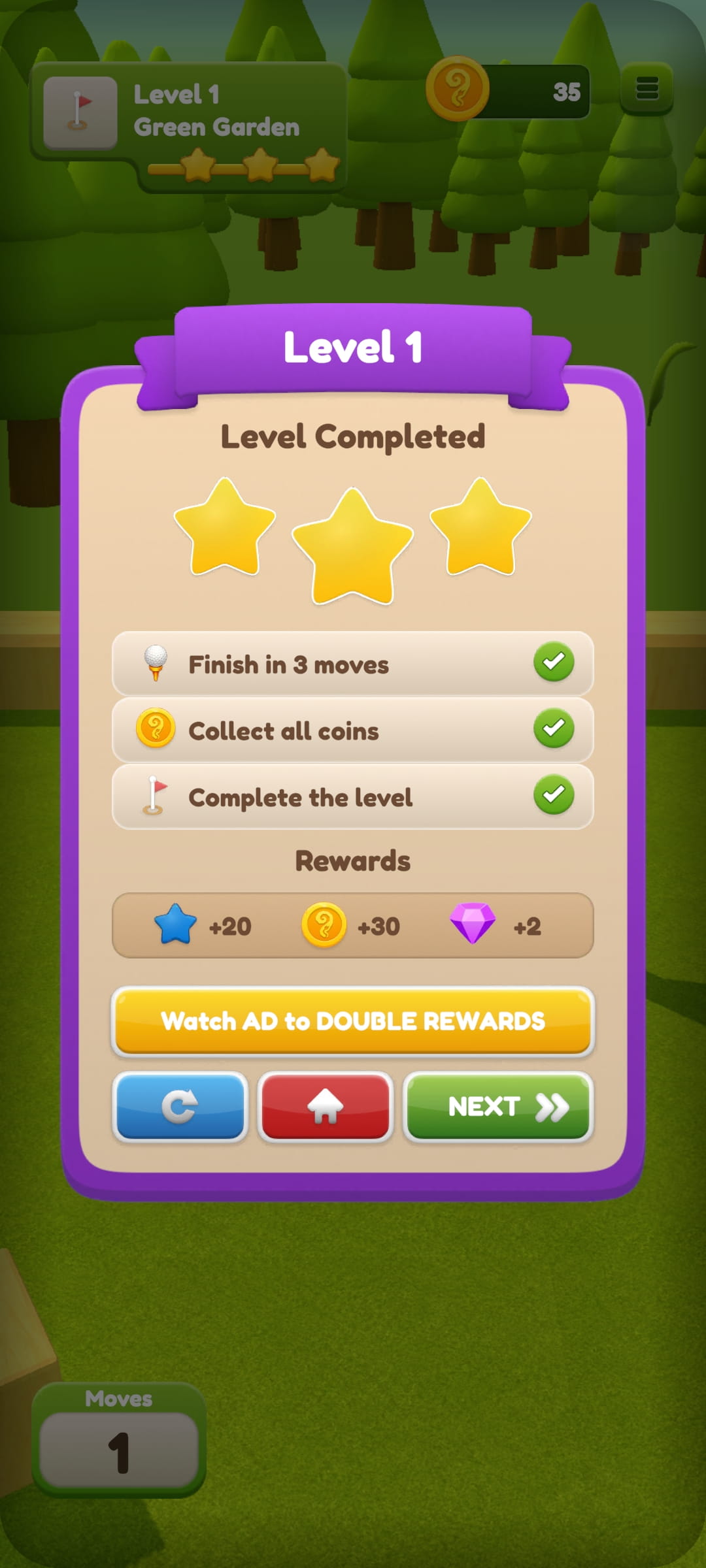
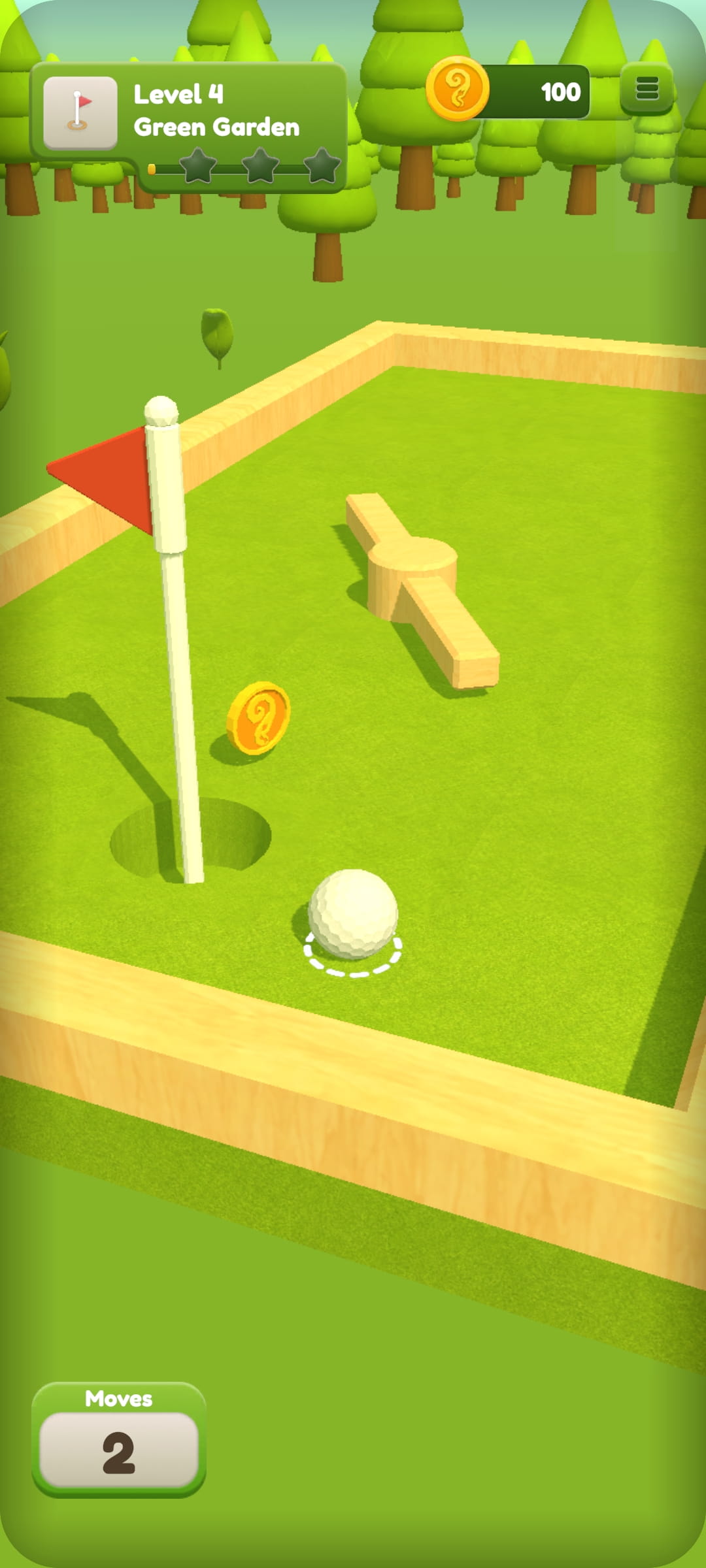
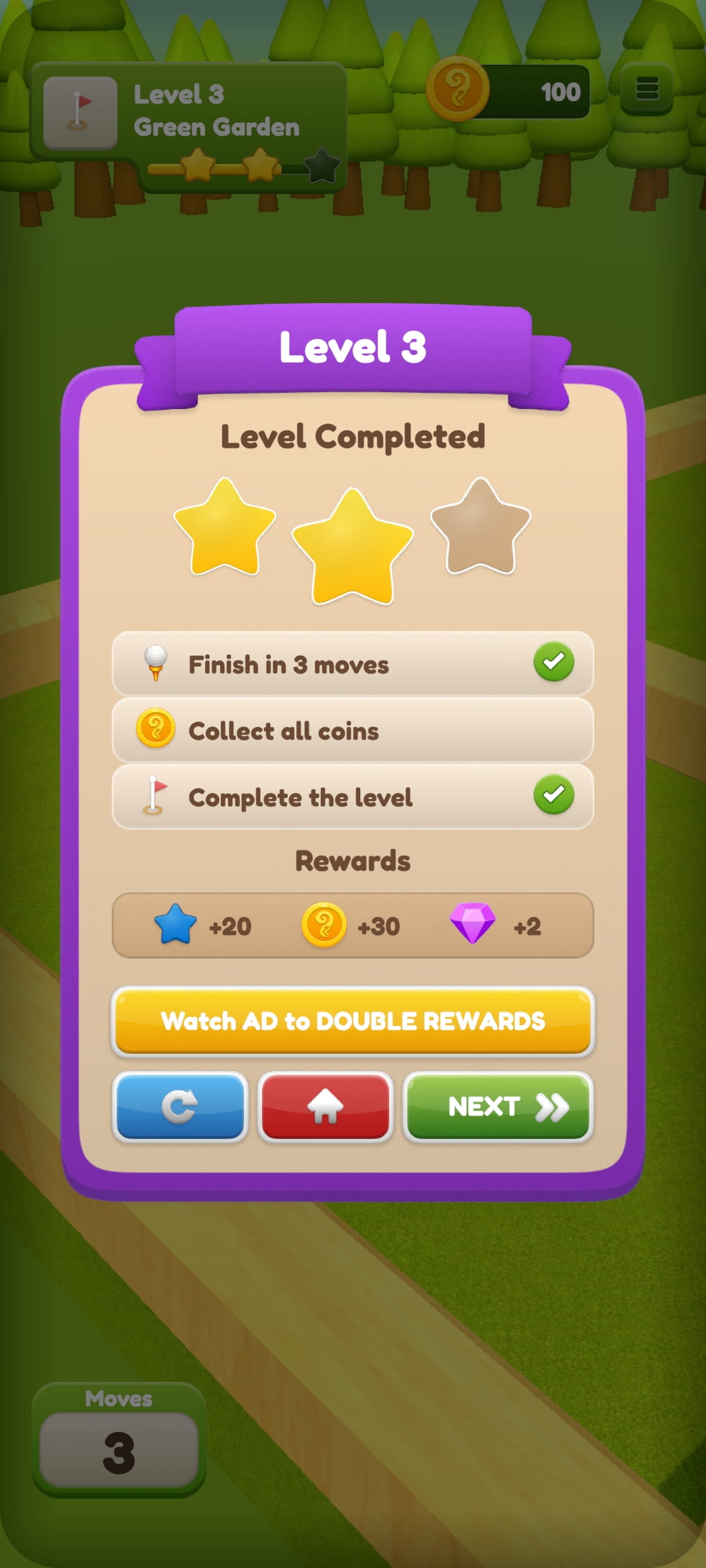
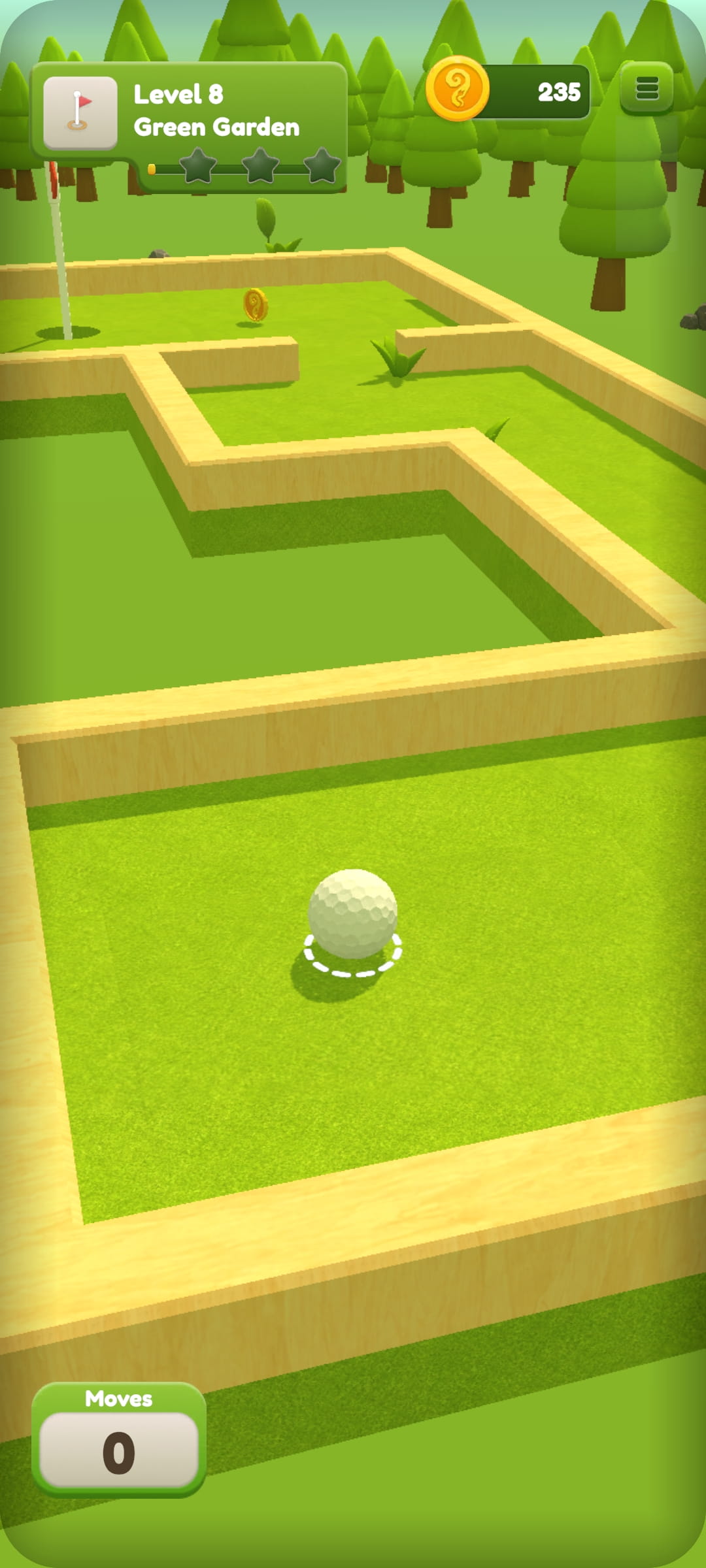
Pocket Golf is a portrait 3D mini golf game. Pull back from the ball and release to shoot; the pull distance controls the power. Play through a 16-level Green Garden course, collect coins, and aim to complete each hole’s challenges: finish the level, collect its coins, and stay under the move target.
How we built it
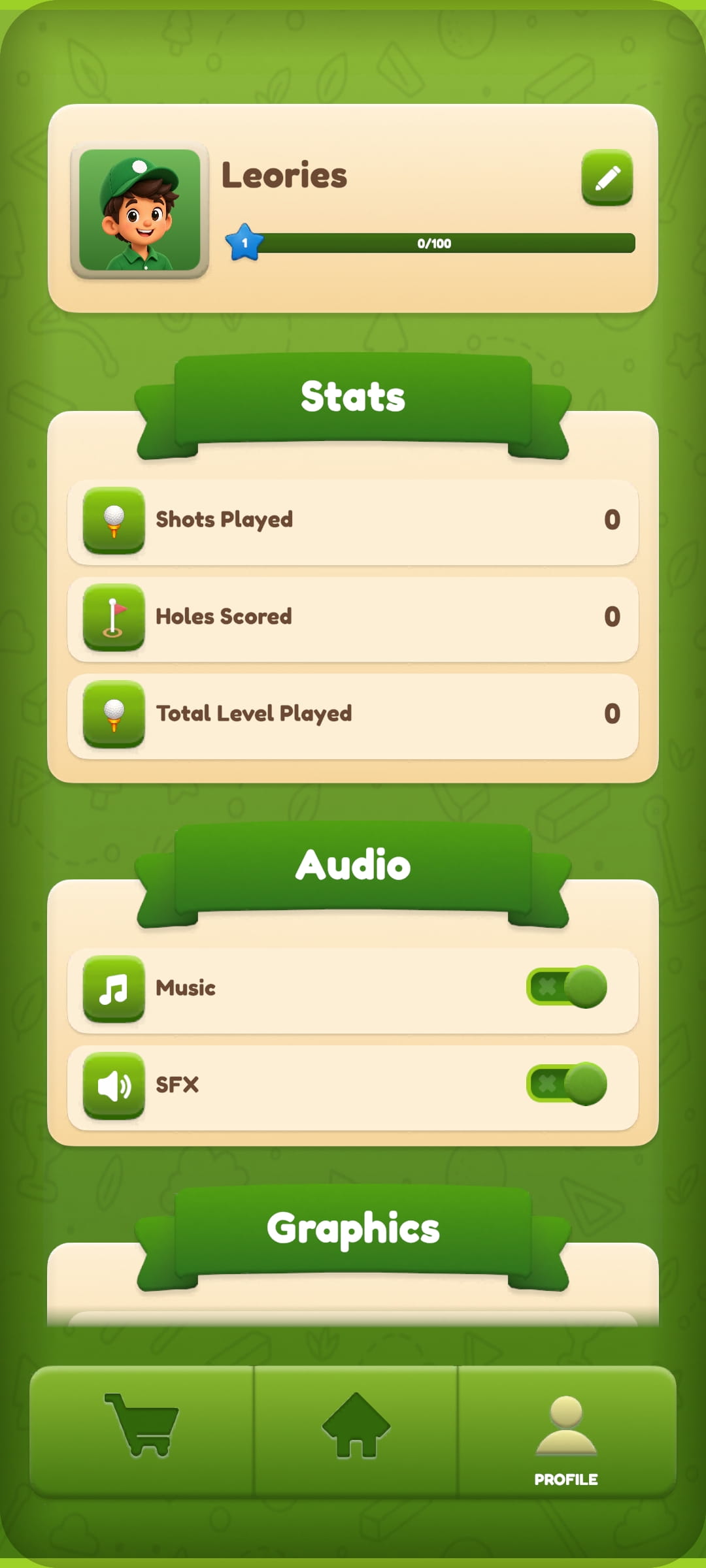
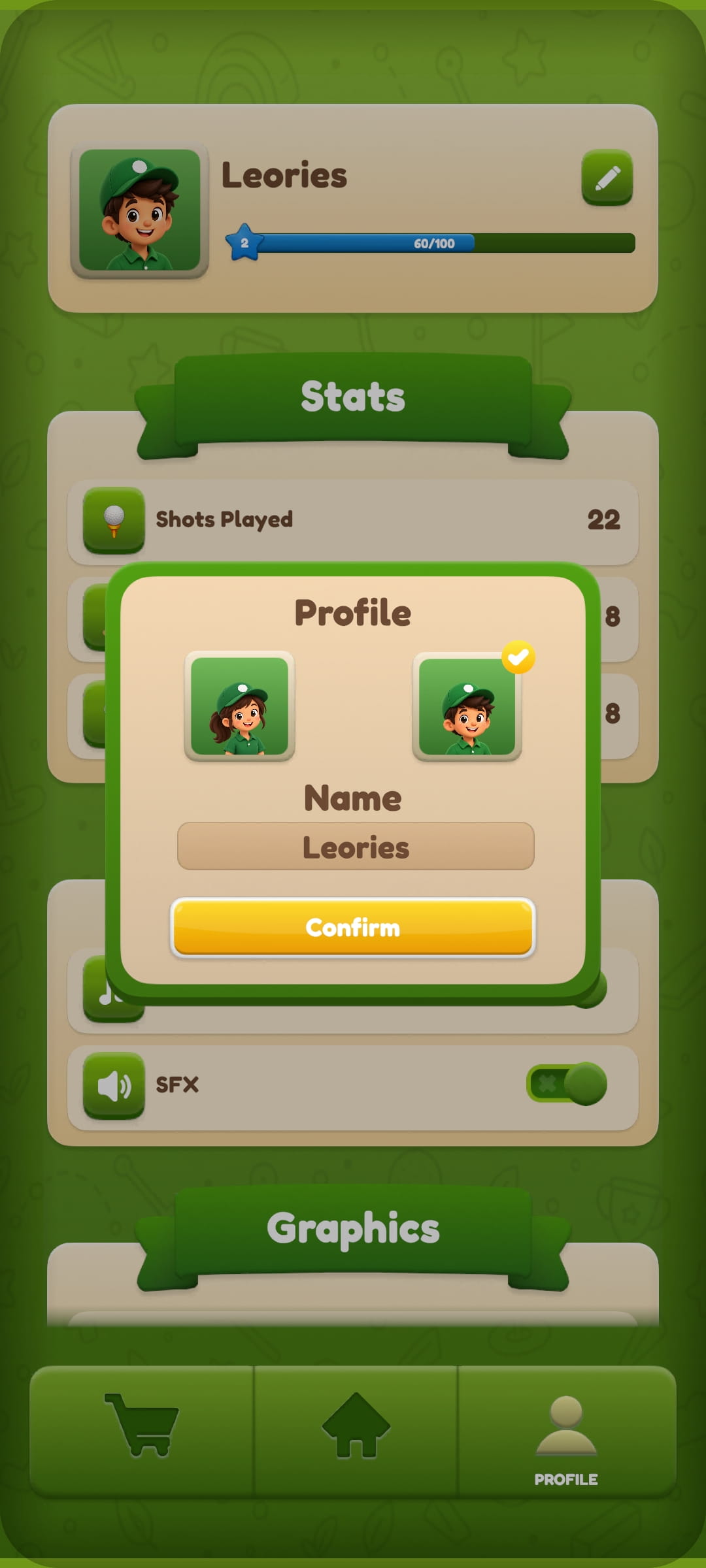
We built Pocket Golf in Unity 6 with C# and the Universal Render Pipeline. The golf ball uses physics based movement, and each course is built from reusable level prefabs with its own level data. The game saves player progress and includes a reward system, profile and shop screens, and rewarded ads with consent and reward verification integrations.
Challenges we ran into
Making shots feel good on a touchscreen took careful tuning. Pulling back needs to make aiming and shot power easy to understand, while the ball still needs to react naturally to slopes and obstacles. We also had to coordinate privacy consent, ad loading, and reward verification across several systems.
Accomplishments that we're proud of
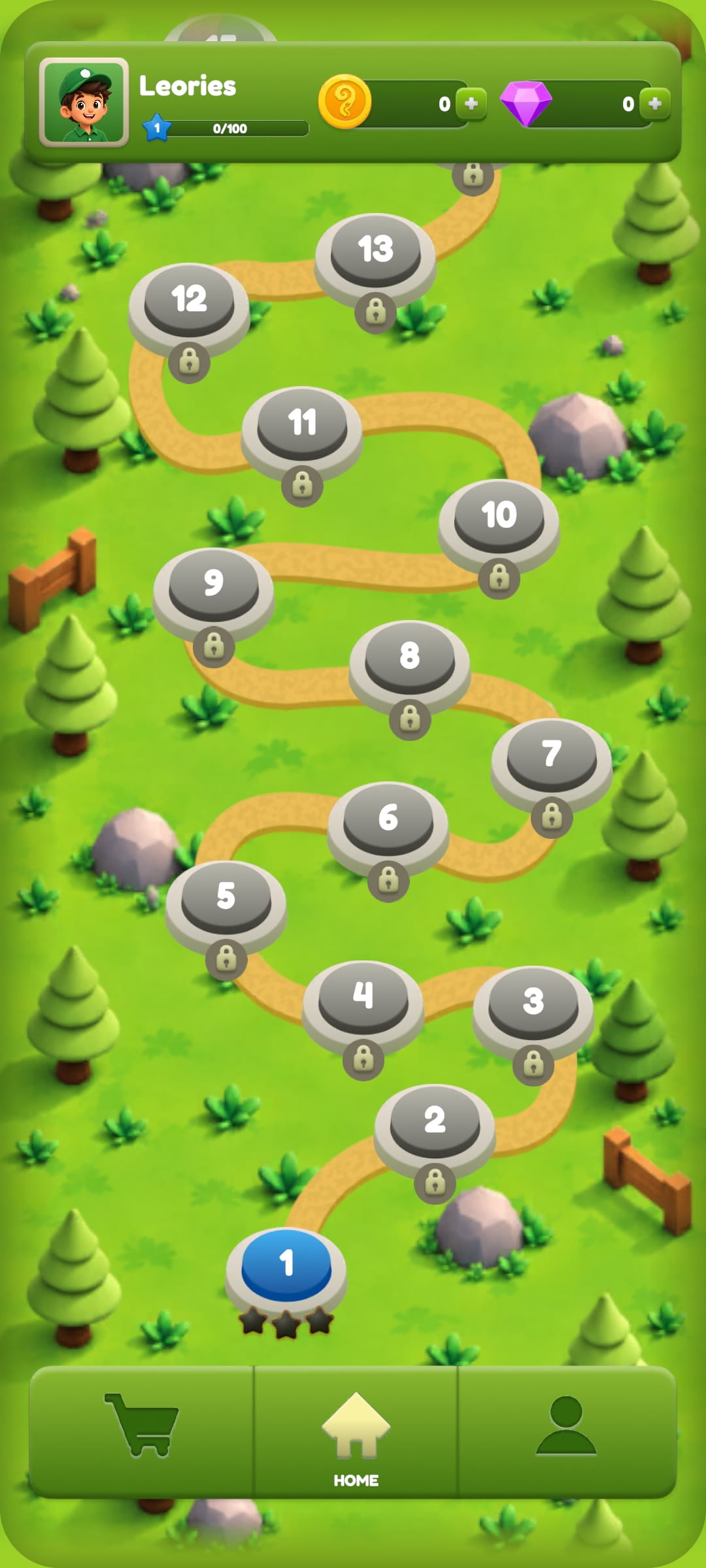
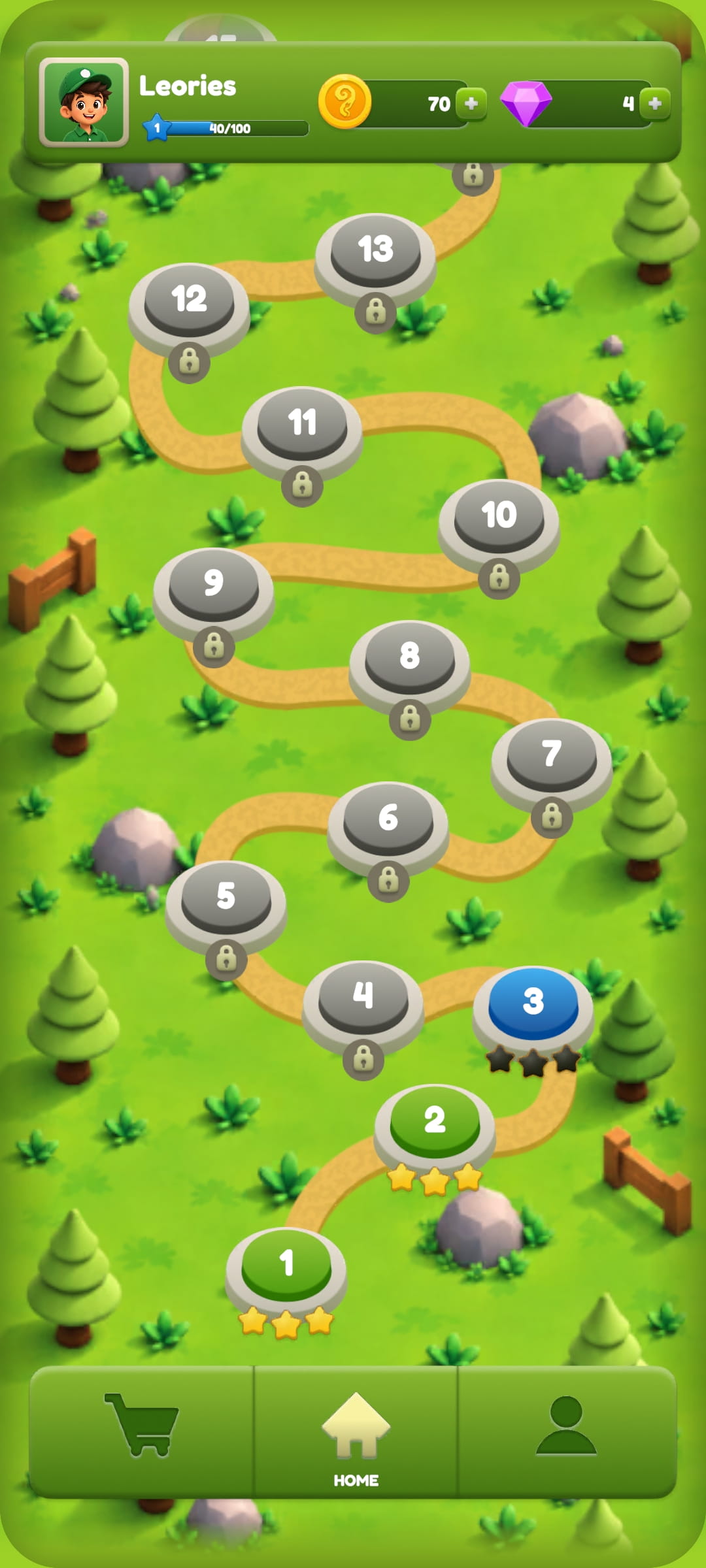
We completed a playable Android game with 16 Green Garden levels, persistent player progress, and challenges and rewards for each hole. We’re also proud of bringing the core game, menus, shop, and showcase video together into a complete hackathon submission.
What we learned
We learned how much careful tuning a simple one-touch control can take, and how reusable level data helps keep a multi-level game organized. We also gained experience connecting mobile ads and purchases while accounting for consent and reward verification.
What's next for Pocket Golf
We’d like to build on the Green Garden course with new themes, obstacles, and level challenges. Player feedback can help us tune shot controls, difficulty, and progression as the game grows.

Log in or sign up for Devpost to join the conversation.