-
-
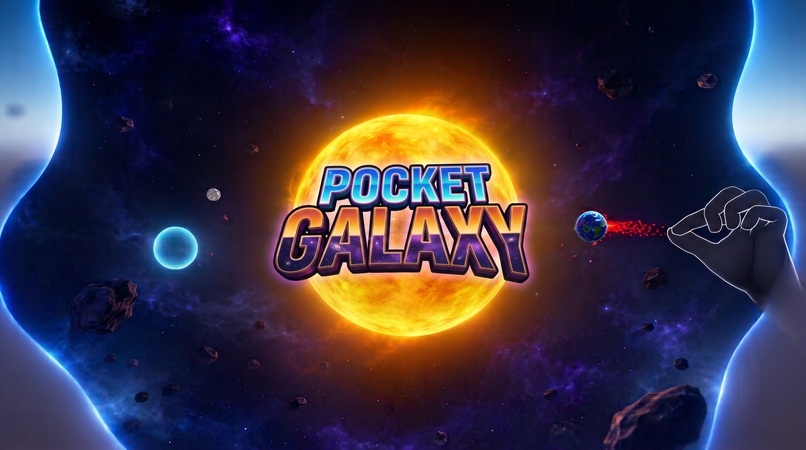
Main
-

Logo
-
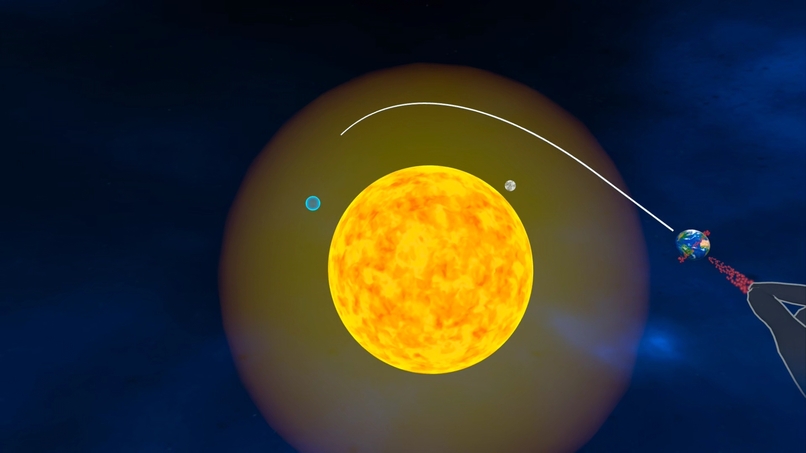
Sun
-
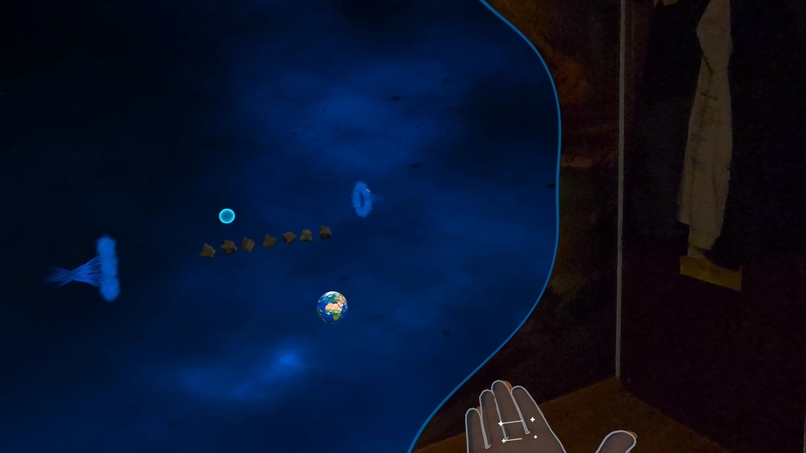
Mixed Reality
-
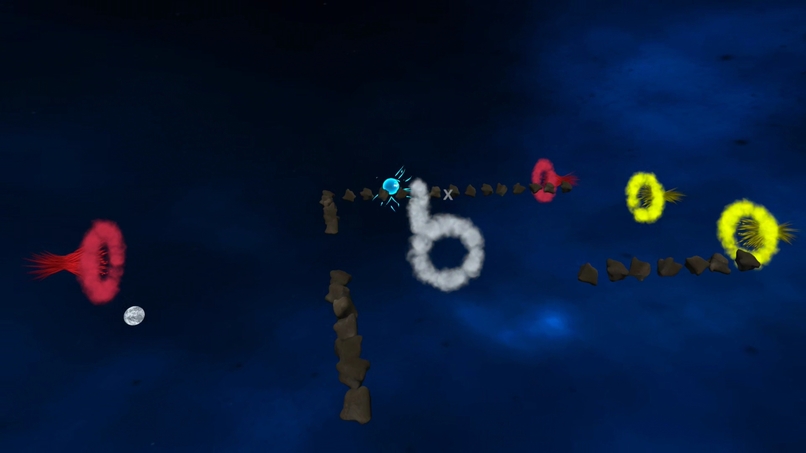
Wormhole Deactivated
-
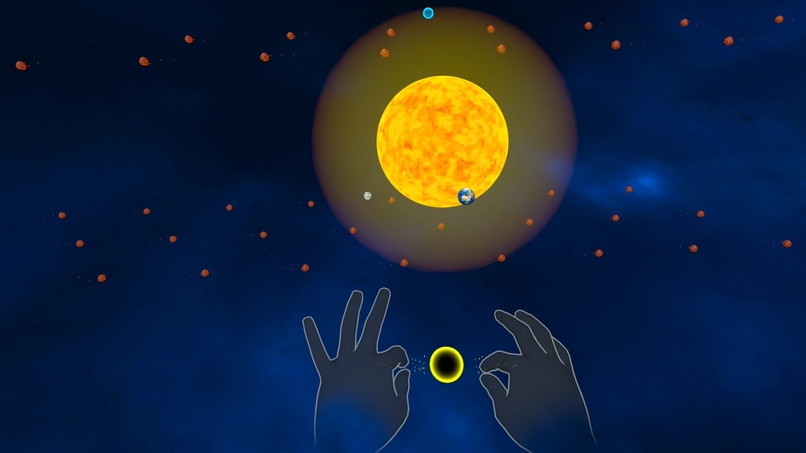
Resizing the Area
-
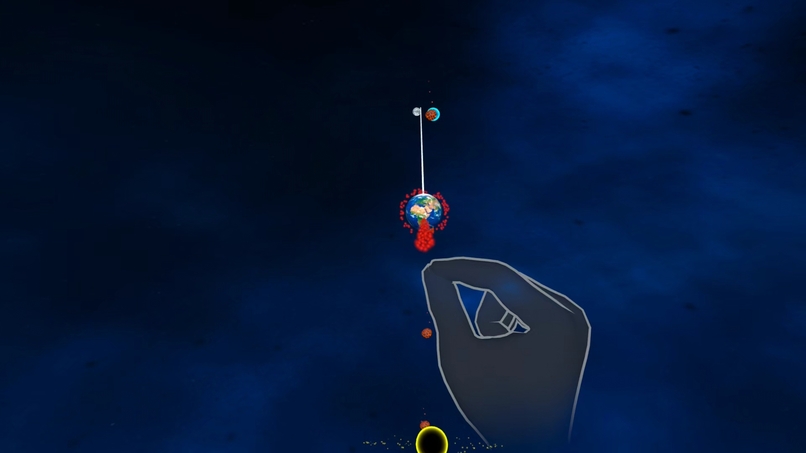
Launching
-
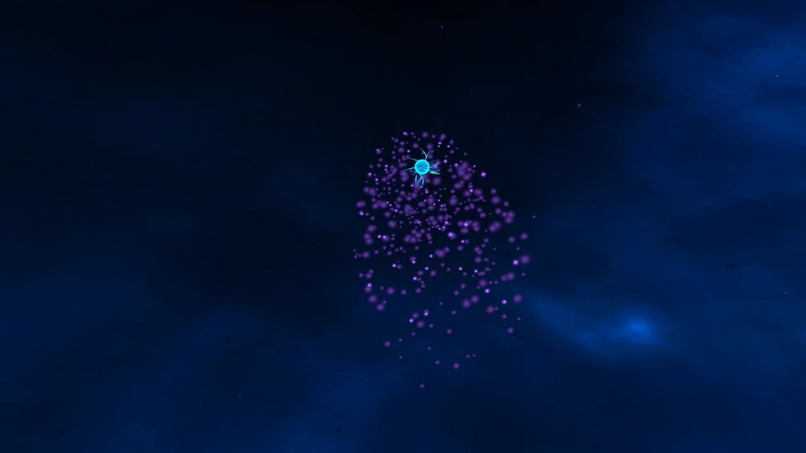
Cosmic Dust
-
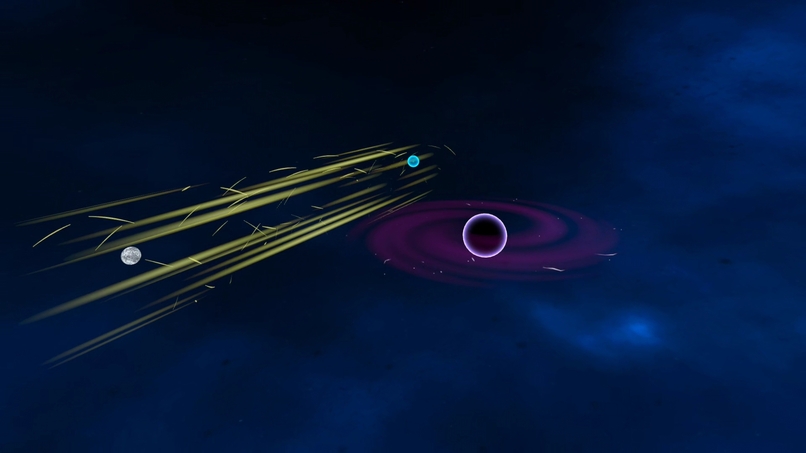
Blackhole and Solar Stream
Inspiration
I recently discovered mixed reality games that creates little playable areas in your room, like Pocket Lands and Banners & Bastions, and I really loved the idea of having this small "island" game-area floating on your table or in mid-air. I wanted to create something with the same miniature diorama feeling, combined with short, satisfying gameplay loops and a pleasant minimal aesthetic.
What it does
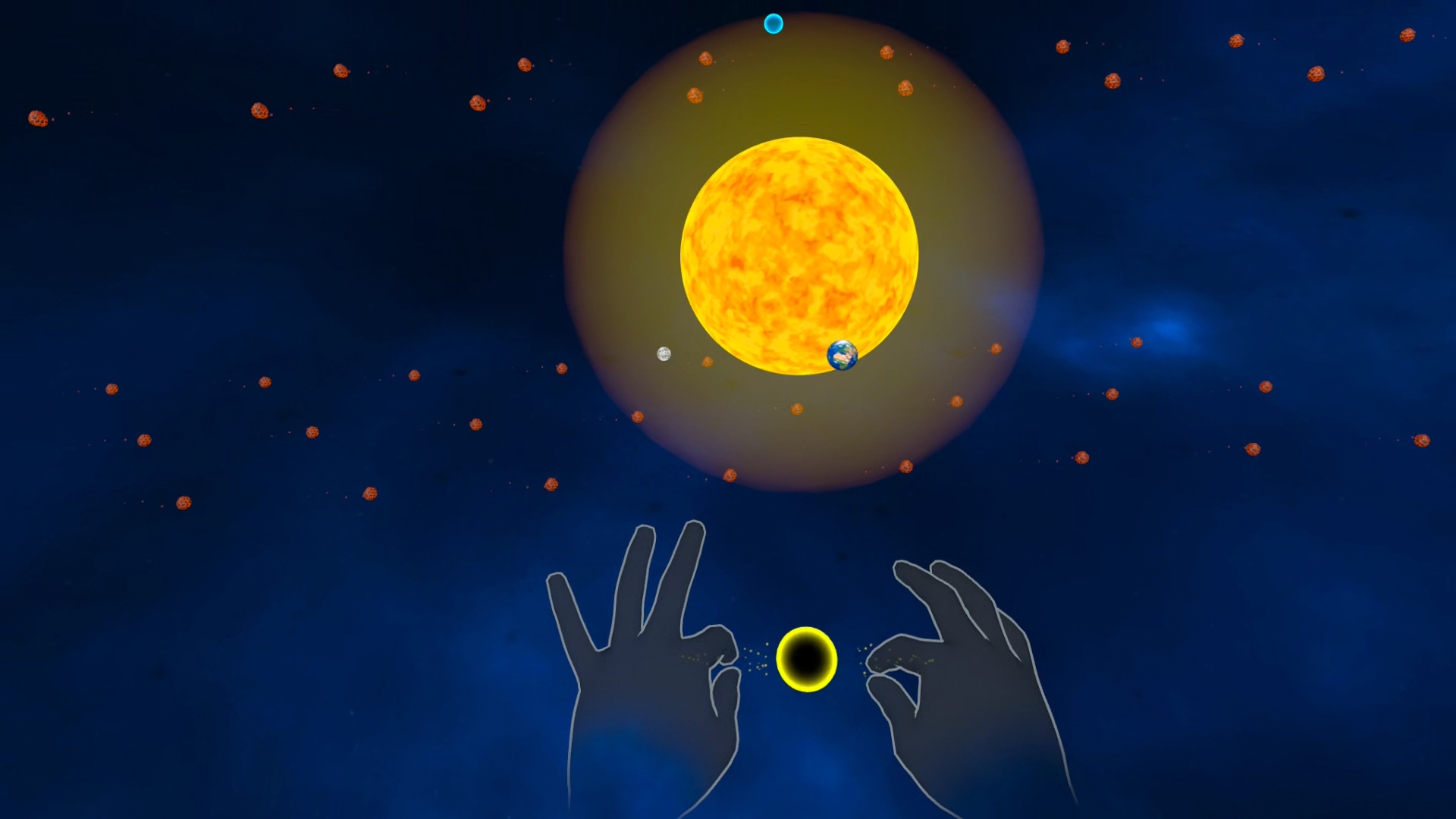
Pocket Galaxy is a Mixed Reality tabletop physics puzzle game built around intuitive hand-tracking.
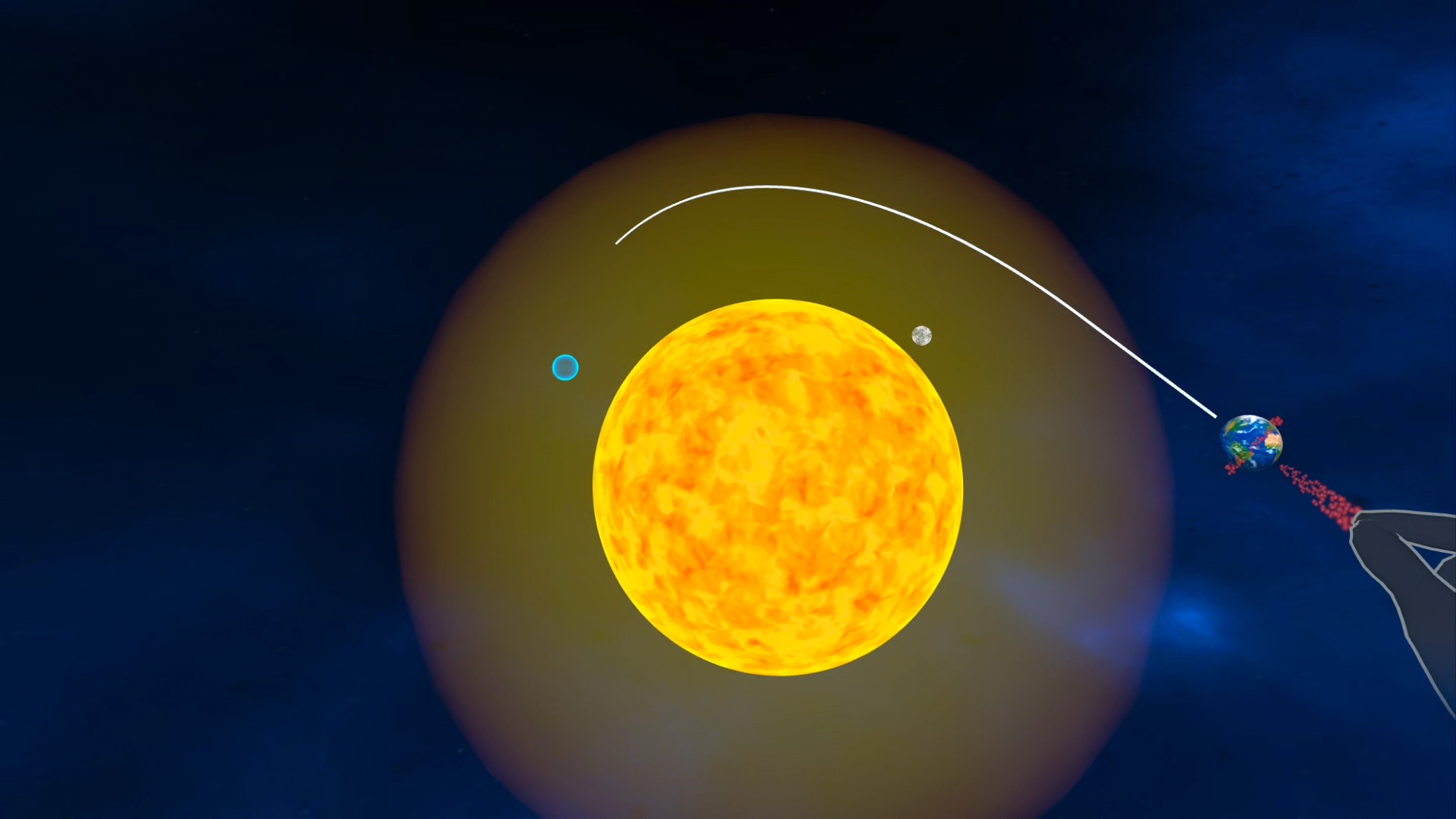
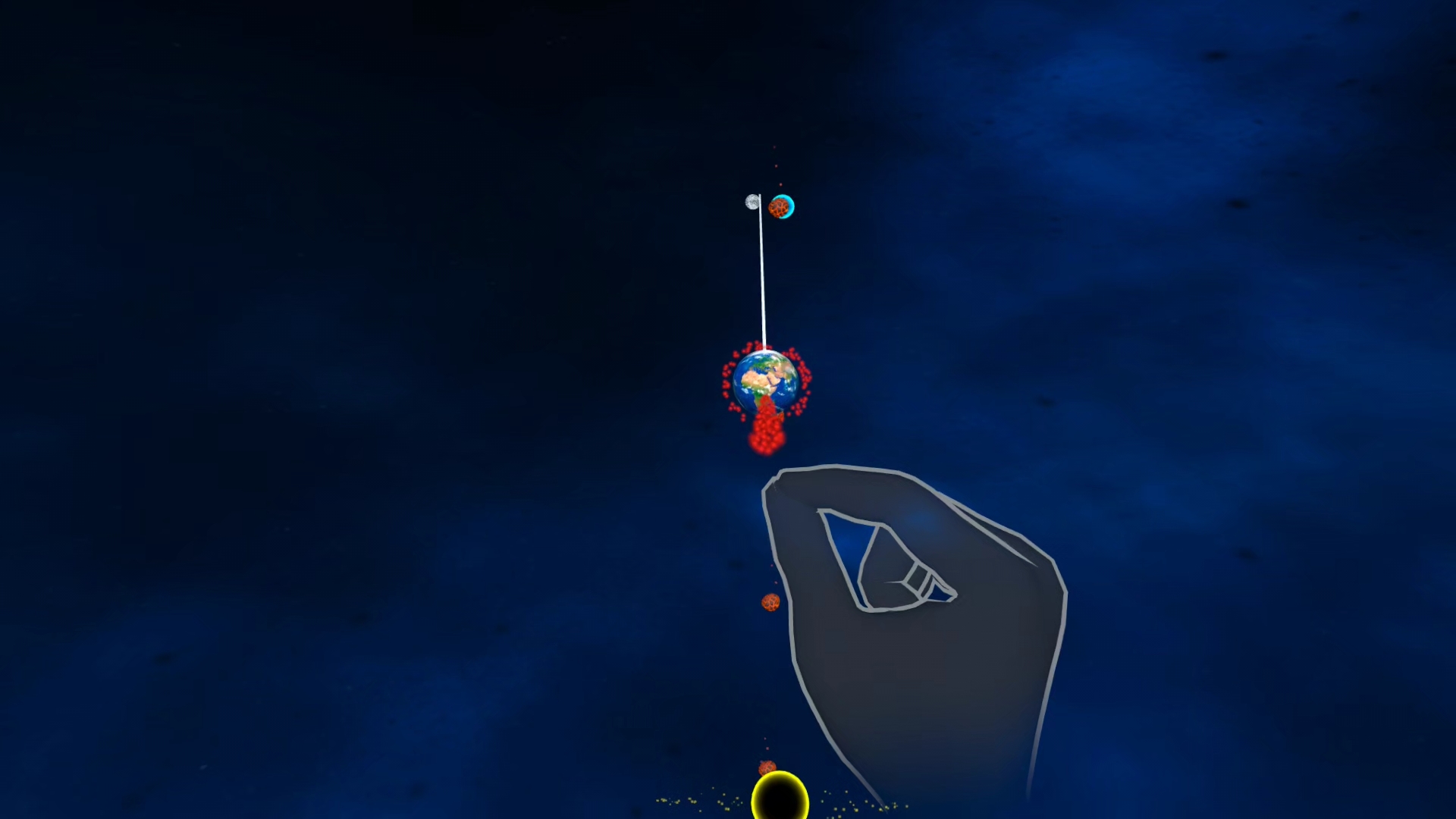
Tactile Slingshot & Orbital Physics: Pinch, pull, and release to launch your planet across miniature space systems into the goal.
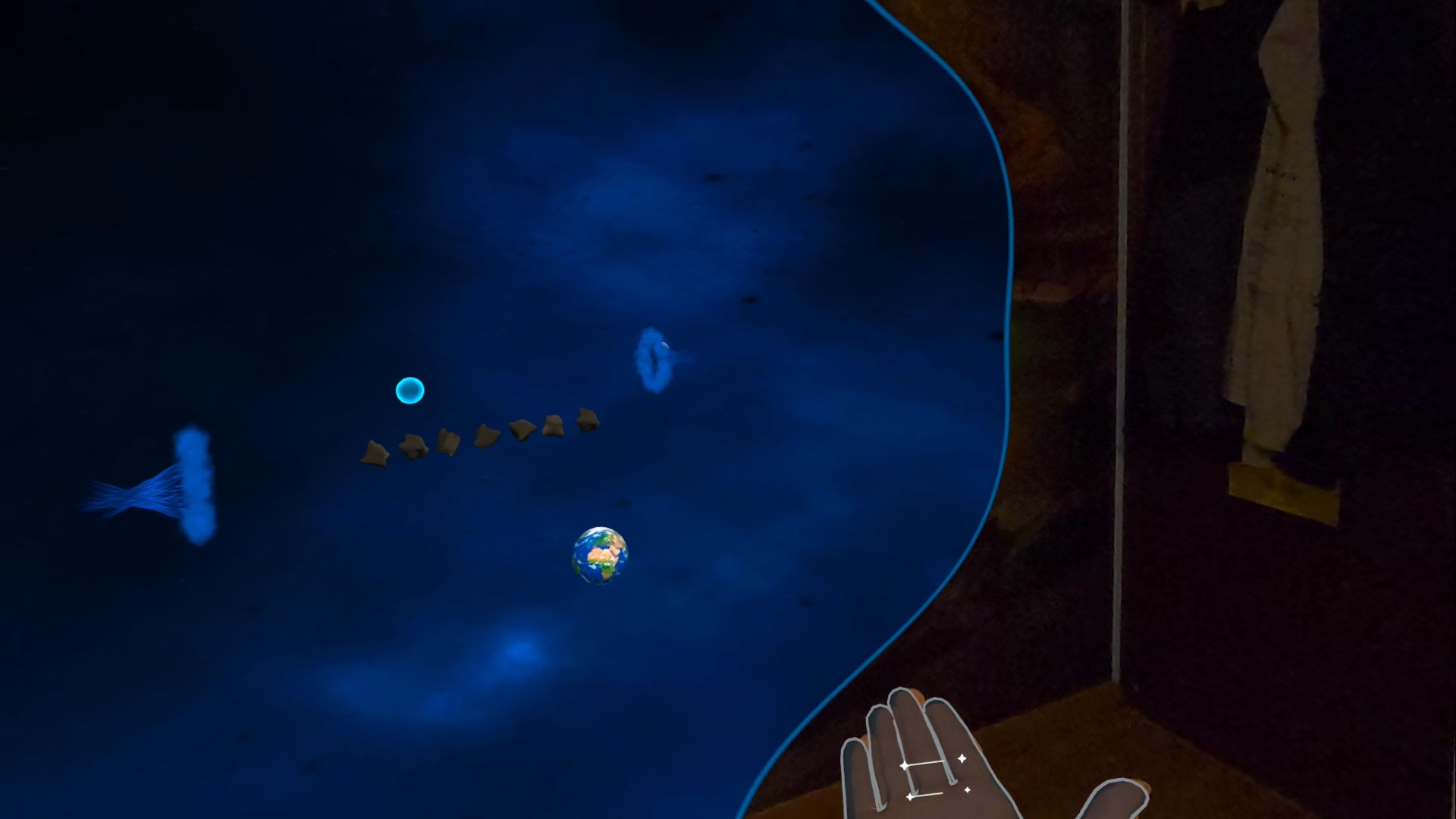
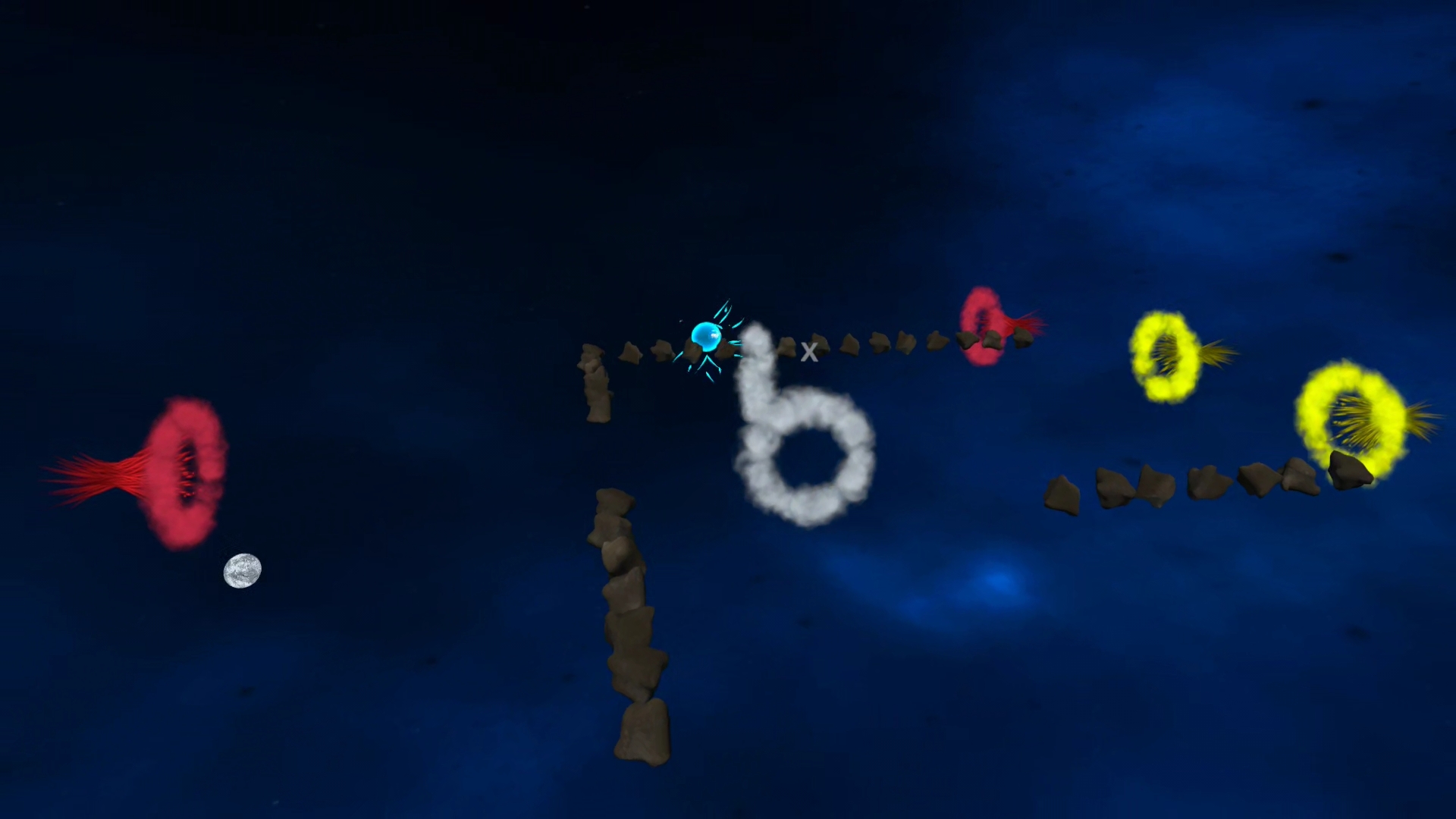
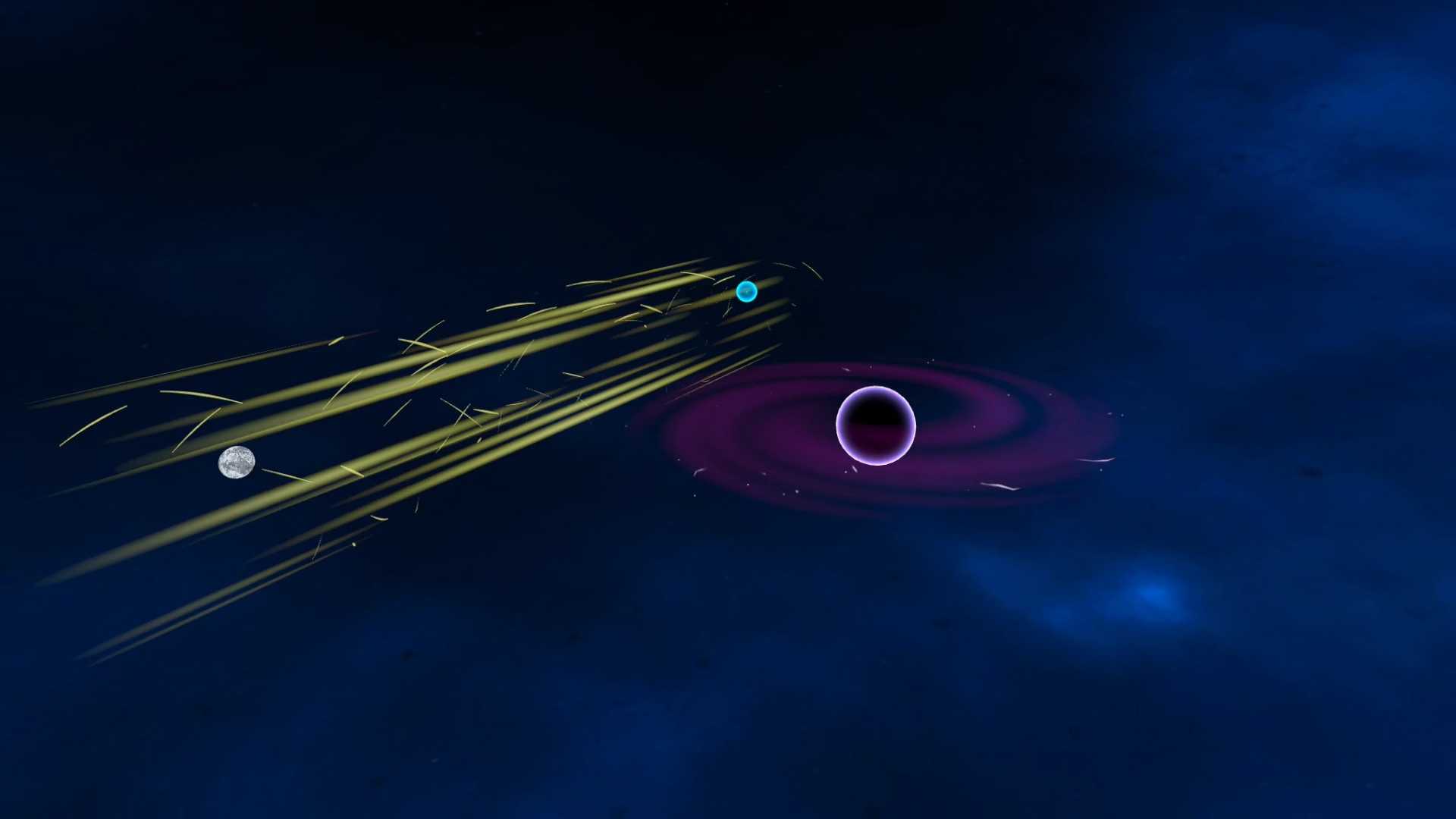
Multiple Interactors: Each level introduces new cosmic interactors like Stars, Black Holes, Asteroids, Wormholes, Solar Streams and Dust Clouds.
Three-Star Mastery: Beyond reaching the goal, players can aim for making each level in a Hole-in-One and collect orbiting space satellites to earn up to three stars per level.
Resizable Experience: The diorama can be moved, rotated and scaled allowing the player to get a strategic "God-view" when scaled down, or step inside a giant, immersive cosmos when scaled up.
Hand Gestures: Players can summon the menu at any time by holding their palm up and switch between Mixed Reality passthrough and full VR space environments at any time making a "Call" hand gesture.
How we built it
Engine & XR Core: Built in Unity, using the Meta XR SDK and Interaction SDK to achieve responsive, natural hand-tracking and physics-based interactions.
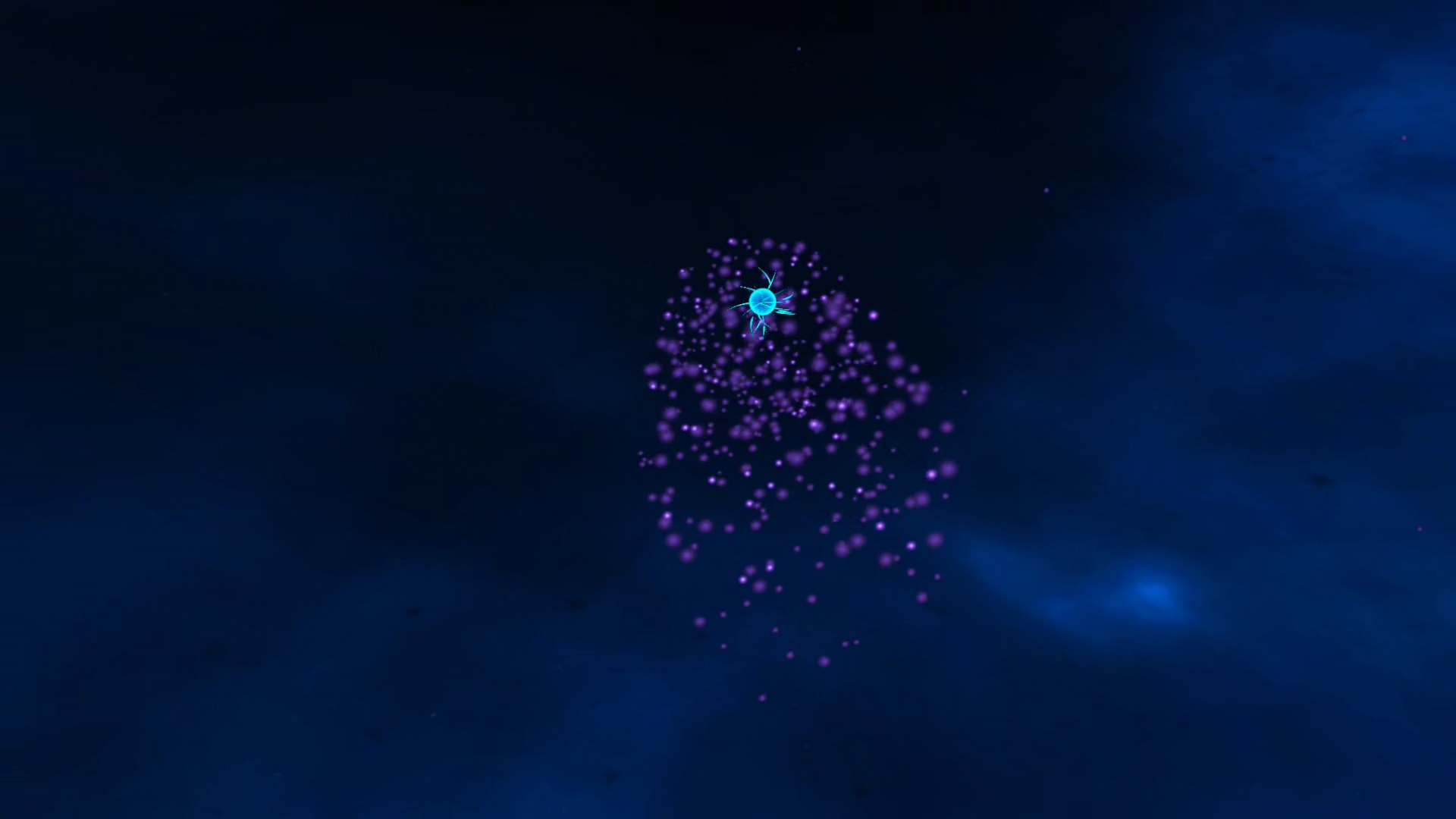
Visuals & Feedback: Implemented custom Shaders and Particle systems with Unity particle system.
Mixed Reality: Integrated runtime switching between full immersive VR and Meta's Passthrough MR, allowing players to blend the cosmic puzzle directly into their physical room.
Spatial Control System: Designed a custom control bar. Using a two-handed gesture, players can fluidly resize, rotate, and reposition the entire game world.
Challenges we ran into
Balancing Challenge and Frustration: One of the hardest design challenges was tuning level difficulty for a wide range of players so that clearing a stage feels rewarding without becoming frustrating. I constantly evaluated every puzzle through a simple player mindset test: "Is this my fault because I can improve my aim, or does it feel like no matter how many times I try, nothing changes?"
Game Area Maniplulation: Early on, using a single ring around the game area to move, rotate, and scale caused different unwanted physics behaviours such as the Coriolis effect deflecting a planet mid-flight if the player rotated the board while shooting. Also it was hard to group all the behaviours in a single torus, forcing to add another object to move the area around but it was uncomfortable on reaching the objects while avoiding to don’t bang the head in a wormhole or a star. Splitting the control into a 3-segment semicircular arc that orbits toward the player and freezing the area manipulation while shooting was the answer.
Keeping Physics Deterministic Across Resizing: Changing the transform scale of a parent object in Unity affects visual distances, which initially caused planets to overshoot or undershoot orbits after resizing. Decoupling launch power and gravitational acceleration from world scale solved this cleanly, also some scripts were distance based, they had to be tuned too.
Efficient VR Tutorial: Explaining different mechanics without overwhelming the player required designing a tutorial card system that pairs clear visual diagrams with concise text for full context. By spawning each tutorial once on the side of the game area rather than blocking the center of vision, players can read the hint and immediately interact with the level without interruption.
Accomplishments that we're proud of
Game Feel: The feedback the game delivers at every step, from pinching and stretching the slingshot to changing the wormhole color.
Gameplay Visual Aesthetic: A clean, readable cosmic diorama that immerse the player and tells itself how to play. The first thing you want to do when the scene opens is to grab the nearest planet.
Mixed Reality Transition: The fluid shift between Mixed Reality passthrough and full VR environments triggered naturally by a hand gesture seems like magic.
What we learned
A Game it’s all about feeling, how do I feel interacting with an object, how do I feel doing something? An action should be improved by searching to give a feedback to the player.
When you interact with a planet in this game, you may not have a controller in your hand, so in order to give a good feeling when launching you need to have an audio and visual effects that follows and enhances your action. Strong audiovisual feedback is essential at every single step of an experience.
What's next for Pocket Galaxy
Expanded Campaign: Adding more levels with progressively increased difficulty and complexity.
More Hand to Environment Interaction: Introducing obstacles that require physical hand interaction such as dense cosmic smoke clouds that obscure your trajectory until you physically wave your hand to disperse them or a movable planet that stands in the way, which you can grab and move it like a gate, but if you release it goes back to his starting position.
Active Hand Powers: Adding mid-flight gestures in advanced levels, such as closing your fist to trigger a velocity boost on a launched planet or to toggle groups of wormholes on and off.
In-Game Level Editor: Letting players to build and share custom levels.
Versus Multiplayer: A competitive mode where two players play through 5 random levels taking turns with a 20 seconds shot clock, watching each other's launches live to see who can clear the gauntlet in the fewest total shots.
