-
-
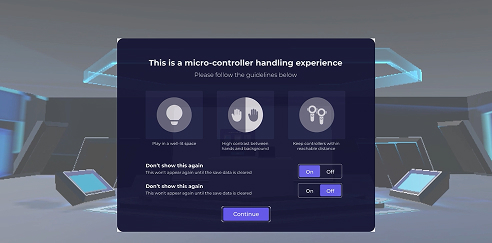
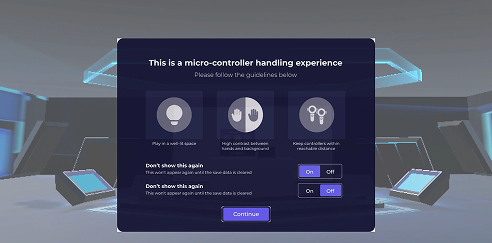
User enters MR workspace
-
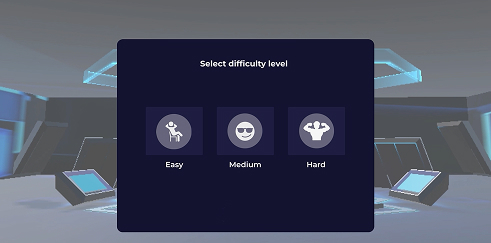
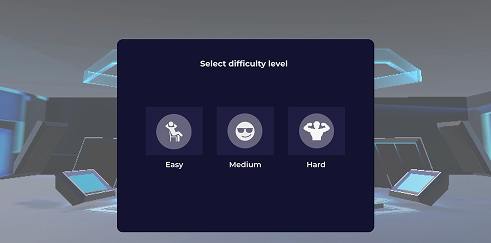
Difficulty level option appears
-
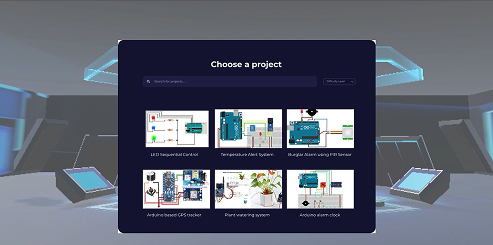
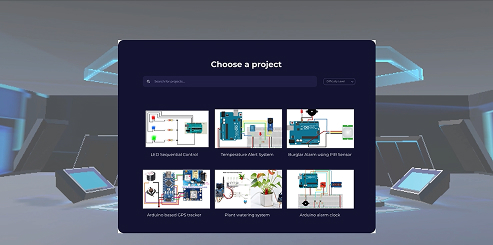
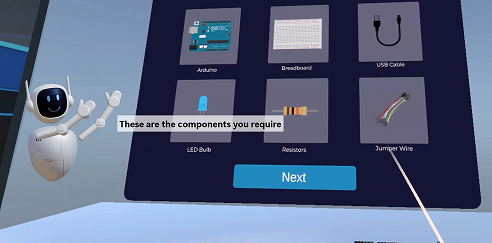
Project selection appears as holographic menu
-
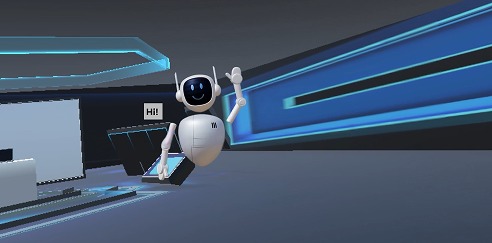
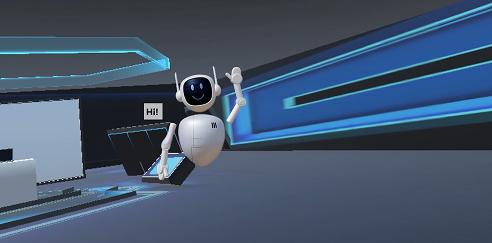
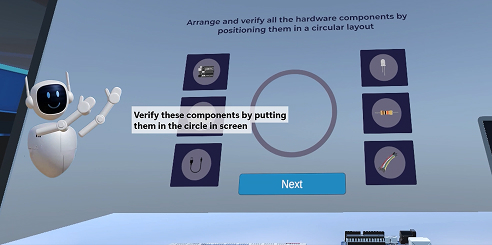
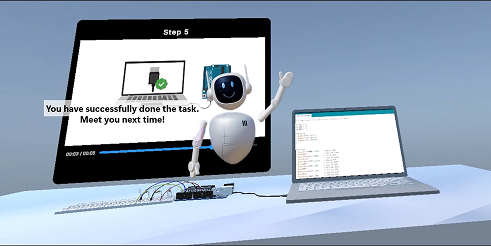
Robot assistant appears and welcomes the user
-
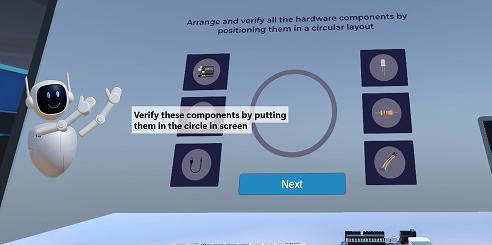
Verification of components is needed
-
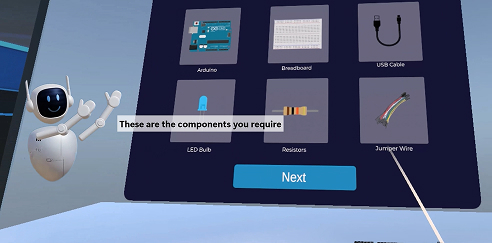
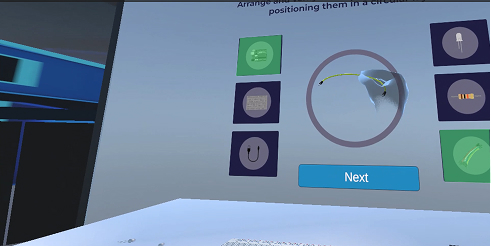
Components are highlighted
-
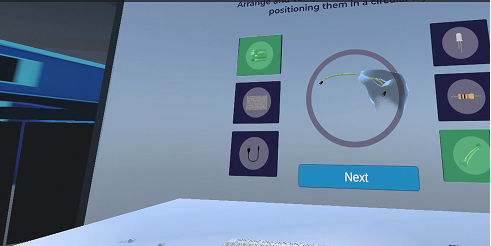
Green tick appears for ever correct component verification
-
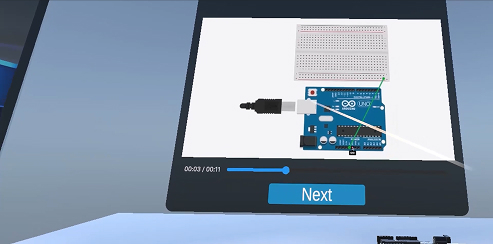
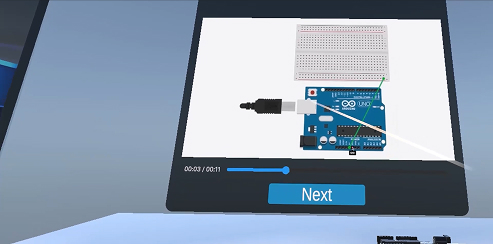
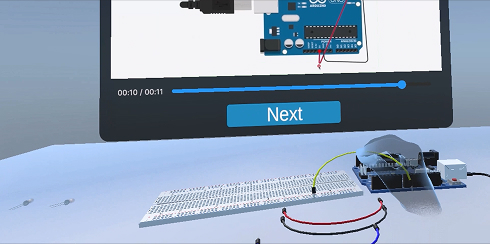
Wiring guidance appears as video
-
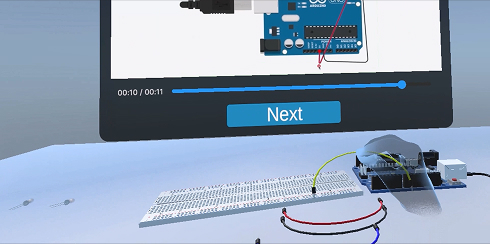
Incorrect wiring turns red, Correct wiring turns green with a sound
-
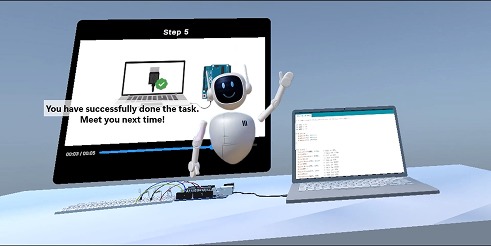
Robot guides in coding
-
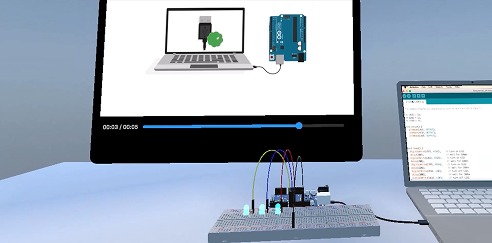
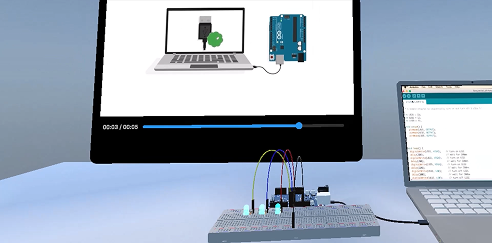
LED lights up
-
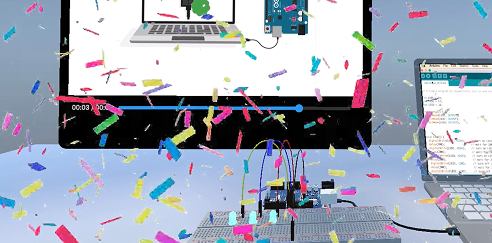
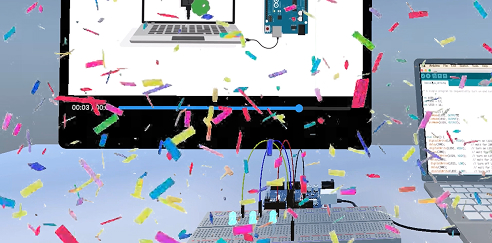
Robot celebrates with confetti
Inspiration
Learning electronics as a beginner often feels frustrating and intimidating. During one of our projects using a Raspberry Pi, a single wrong connection ended up damaging the entire system. What seemed like a small mistake became an expensive and discouraging experience. We realized that many beginners face the same problem tutorials may show what to connect, but they rarely help users understand why something went wrong.
That experience inspired us to rethink how electronics is taught. We noticed a major gap between theoretical learning and hands-on circuit building, where students are often left troubleshooting on their own. We wanted to create a system where learners could interact with real hardware while receiving intelligent, real-time guidance through Mixed Reality.
The idea behind PlugVR was simple: make electronics learning more interactive, visual, and less dependent on trial and error.
What it does
PLUG VR is a Mixed Reality learning assistant that helps beginners safely assemble and understand microcontroller circuits. Using real-world components combined with digital overlays, the system guides users step-by-step during the circuit-building process.
The platform: Provides interactive MR-based assembly instructions Helps users identify incorrect connections Visualizes components and circuit logic in real time Reduces confusion during hardware prototyping Makes electronics learning more immersive and beginner-friendly
Instead of just following diagrams, users can directly learn why each connection matters while building the circuit.
How we built it
We designed PlugVR by combining concepts from UX design, spatial computing, and electronics education. The workflow included:
Researching beginner pain points in electronics learning Mapping the user journey for circuit assembly Designing the Mixed Reality interaction flow Creating spatial UI overlays for guidance and feedback Developing interface prototypes and MR visualizations Integrating real-world circuit-building scenarios with virtual assistance
The project focused heavily on user-centered design principles, ensuring the experience remained intuitive even for first-time learners. The visual system was designed to bridge physical hardware with digital learning assistance in a seamless way.
Challenges we ran into
Simplifying complex electronics concepts for beginners Ensuring digital overlays did not overwhelm users Designing feedback systems that clearly communicate wiring mistakes Creating a learning flow that supports experimentation without frustration
Accomplishments that we're proud of
We are proud of creating a concept that transforms electronics learning from a stressful process into an interactive experience. PlugVR successfully combines real hardware with immersive guidance, making circuit-building more approachable for beginners.
Some key achievements include: Creating a system that promotes understanding instead of memorization Bridging physical and digital interaction in electronics education Building a strong UX-focused foundation for immersive learning Developing a visually engaging and meaningful educational experience
What we learned
Through PlugVR, we learned how important interaction design is in immersive learning environments. Designing for Mixed Reality is not just about adding 3D visuals it requires understanding human behavior, spatial interaction, cognitive load, and usability.
What's next for PlugVR
Due to time constraints, the current prototype was developed in VR, but our future goal is to transform PlugVR into a full Mixed Reality learning system integrated with real-world hardware.
Future plans include: Real-time circuit verification Voice-guided assistance Advanced microcontroller support Multi-user collaborative learning Gamified learning experiences AI-assisted troubleshooting


Log in or sign up for Devpost to join the conversation.