Inspiration
Excessive use of chemical fertilizers is harmful to the environment, contributing significantly to both water and air pollution. The overuse of nitrogen-rich fertilizers results in air pollution, releasing greenhouse gases that contribute to global warming. These emissions negatively change the climate making it a pressing environmental issue.
Rather than relying on chemical fertilizers to adapt the soil to specific plants, a more sustainable approach is to identify plants that naturally thrive in your existing soil conditions.
What it does
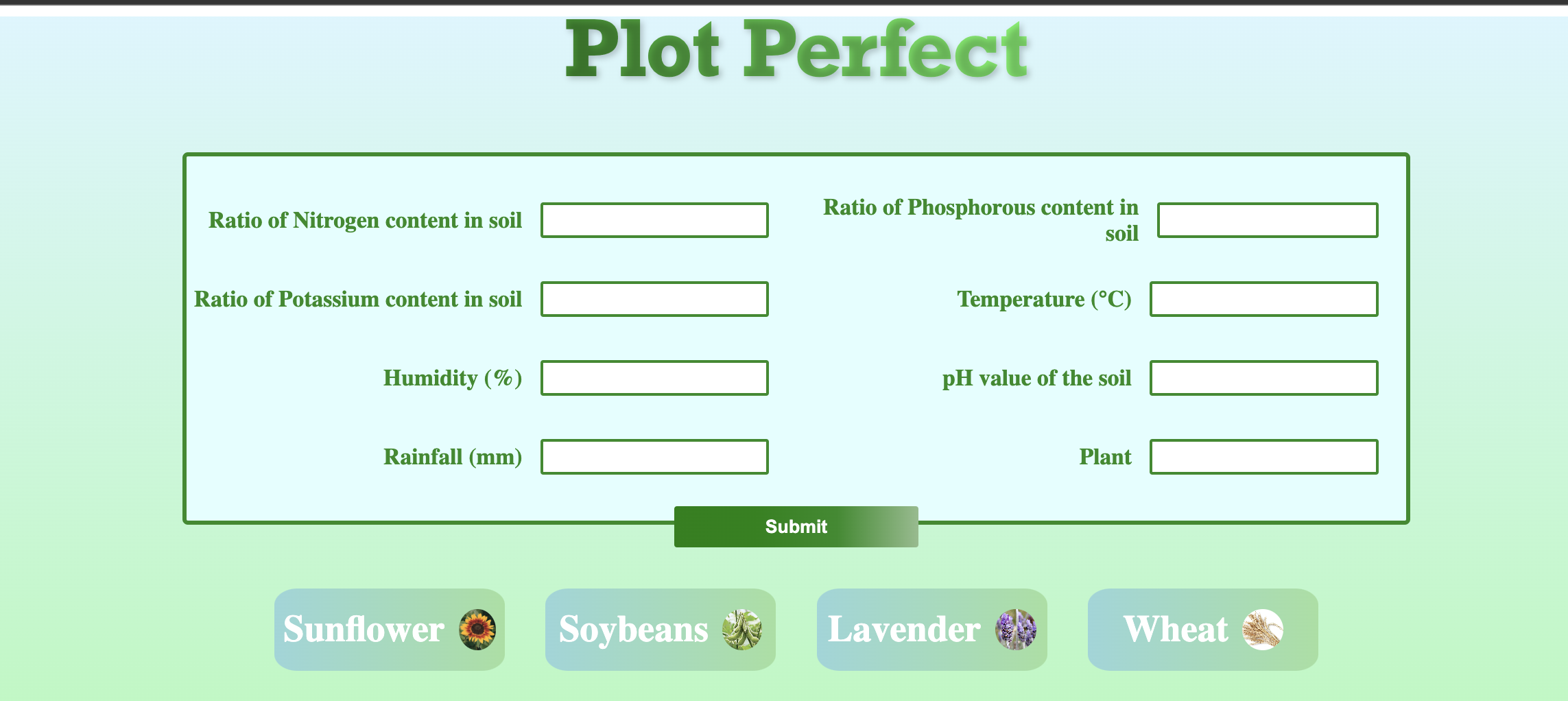
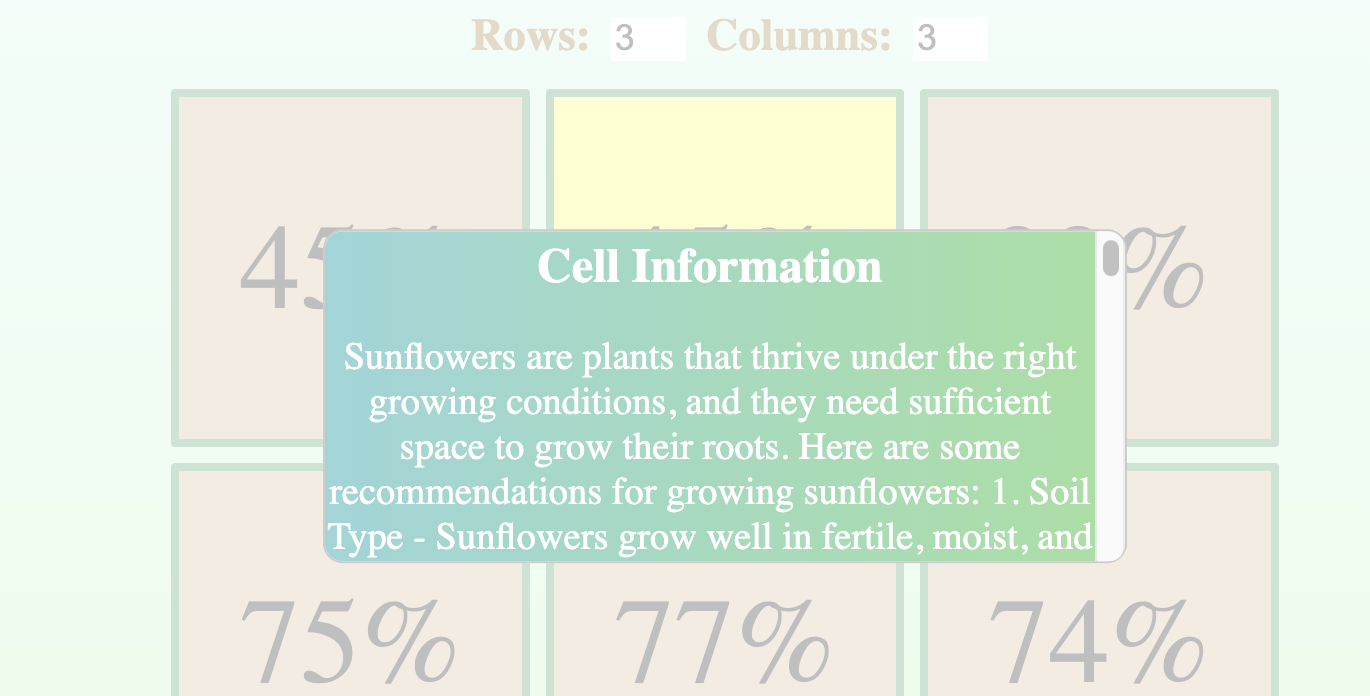
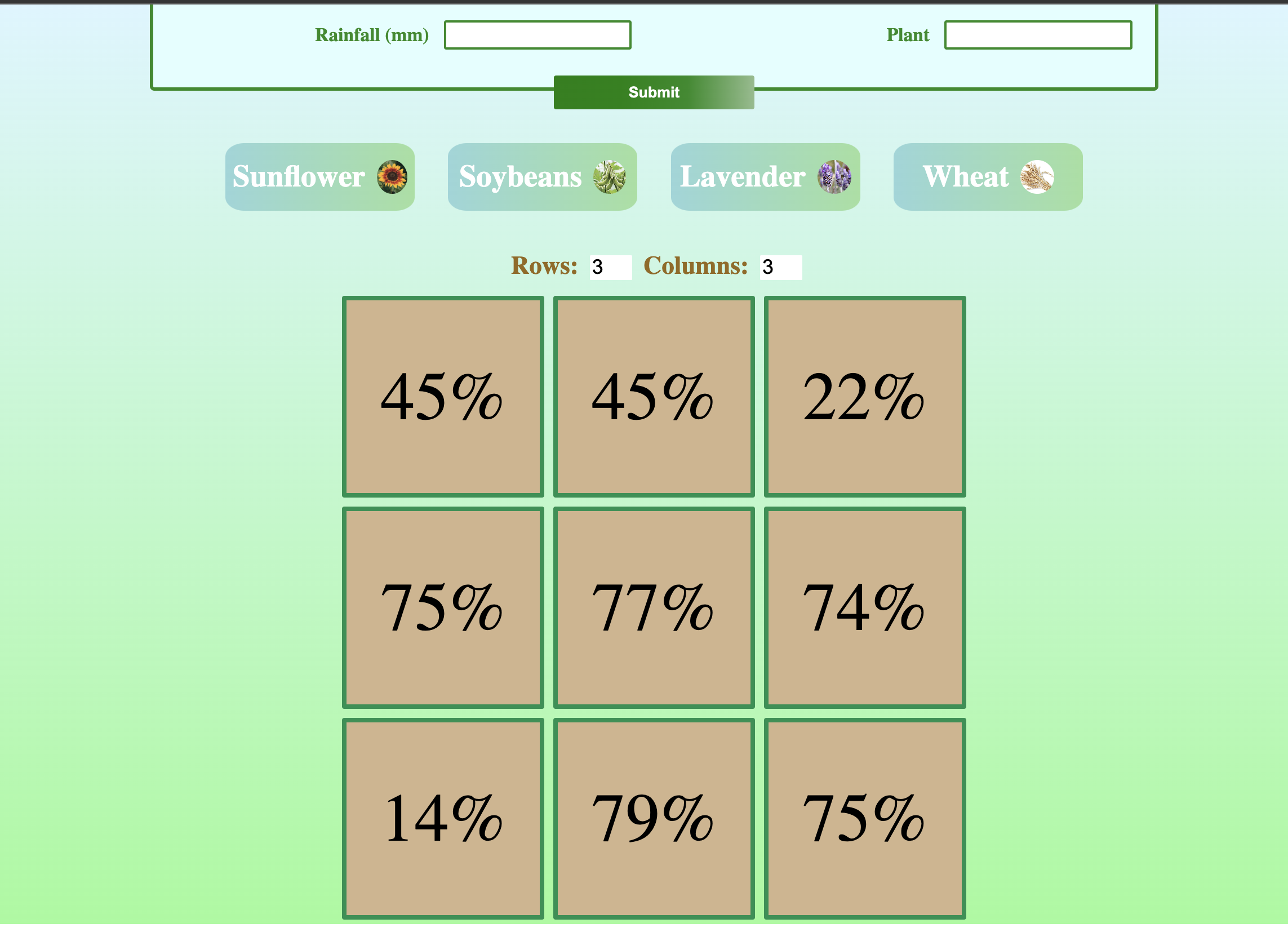
This is where our product comes in: by providing us with soil data, our machine learning algorithms can recommend plants that are well-suited to your soil's unique characteristics. This practical solution is user-friendly: simply visit our website, enter your soil specifications, and receive tailored plant recommendations. This approach not only promotes environmental sustainability but also simplifies the process of cultivating a healthy farm/garden.
How we built it
For the frontend, we utilized ReactJS, which is connected to a flask back-end. Flask served to create different endpoints for our frontend to access, which allowed us to process user inputted data and generate an accurate result based on the machine learning model we trained.
Challenges we ran into
Initially, connecting the backend and frontend posed a lot of challenges as we were struggling to pass all the required header data that was nested between our frontend components. A lot of restructuring had to be done to solve this issue and effectively send the user data to the backend.
What's next for Plot Perfect
We hope to add more models and hone our predictions further. We also want it to be compatible with more plant types and hope to be able to parse data from images.

Log in or sign up for Devpost to join the conversation.