



Project Story
Inspiration
Ploro AI was inspired by a real-world problem that still exists in the electrical industry.
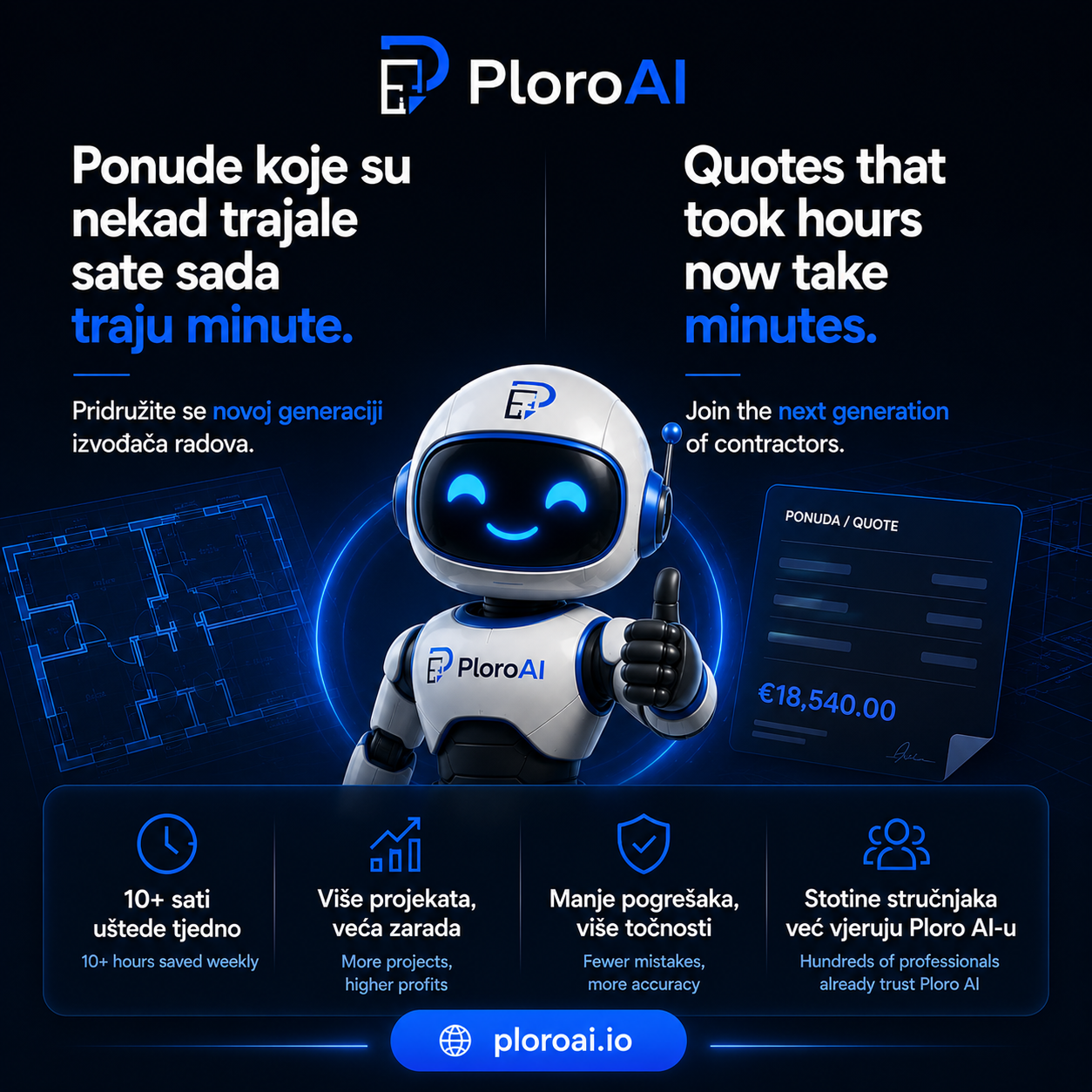
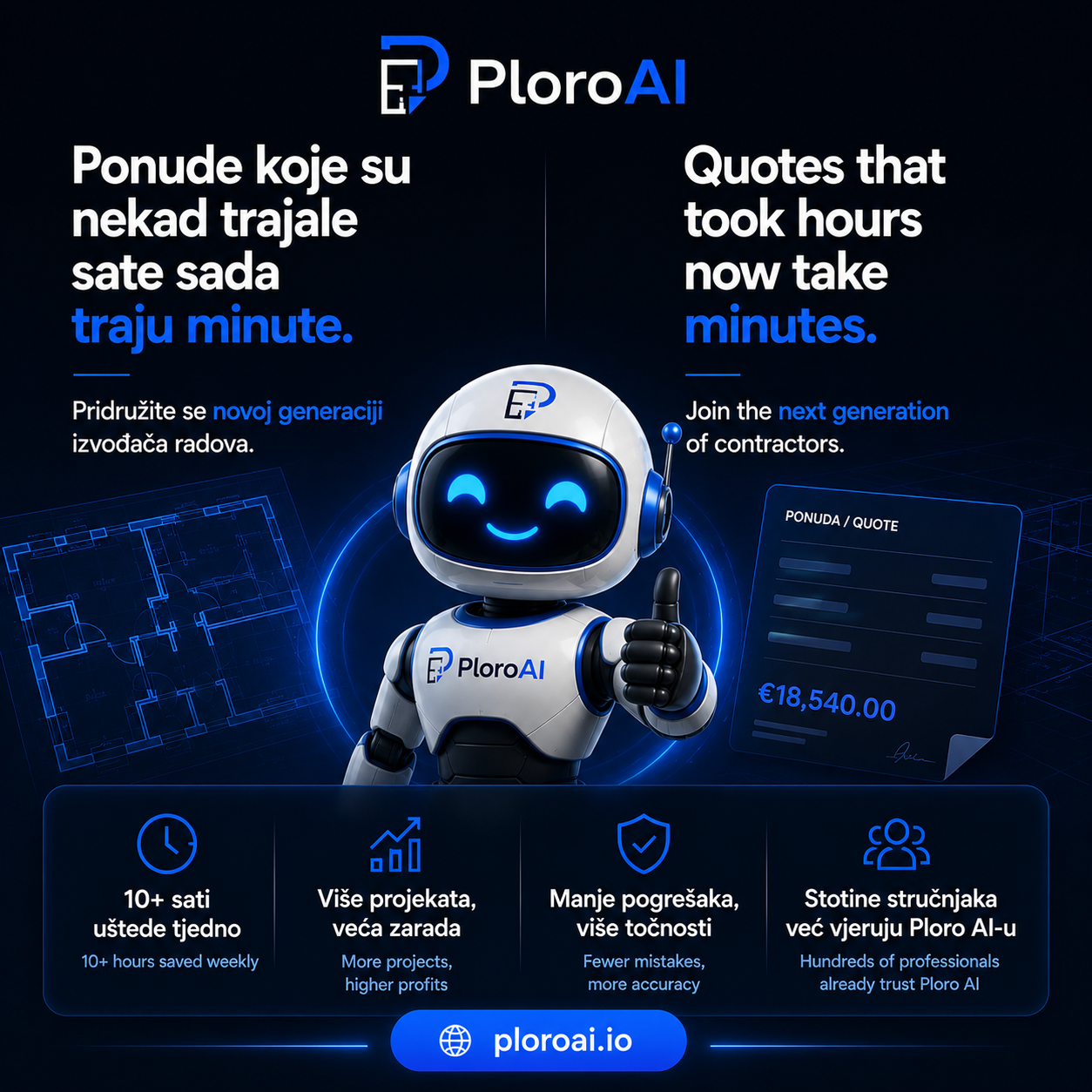
Preparing quotations from architectural floor plans is often a slow, repetitive, and manual process. Electrical contractors spend hours reviewing drawings, identifying rooms, estimating materials, and creating offers—often repeating the same work for every project.
As a software developer, I kept asking myself one question:
What if AI could prepare the first draft, while professionals stayed completely in control of the final quotation?
That idea became Ploro AI.
The goal was never to replace experienced estimators. Their knowledge and judgment are irreplaceable. Instead, I wanted to build an AI assistant that removes repetitive work, speeds up the workflow, and allows professionals to focus on making decisions instead of performing repetitive tasks.
What it does
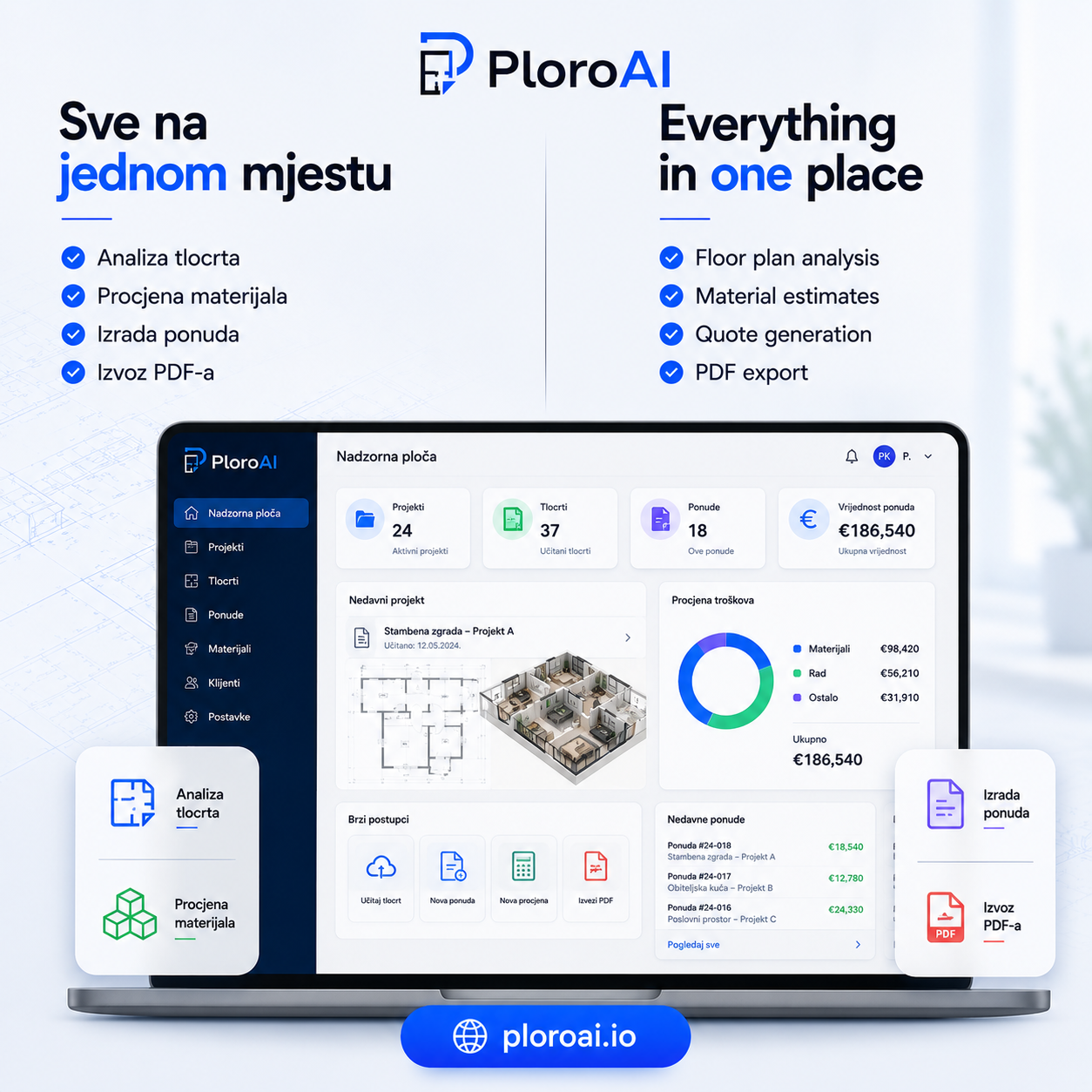
Ploro AI is an AI-powered SaaS platform that helps electrical contractors create quotations from architectural floor plans.
The current workflow allows users to:
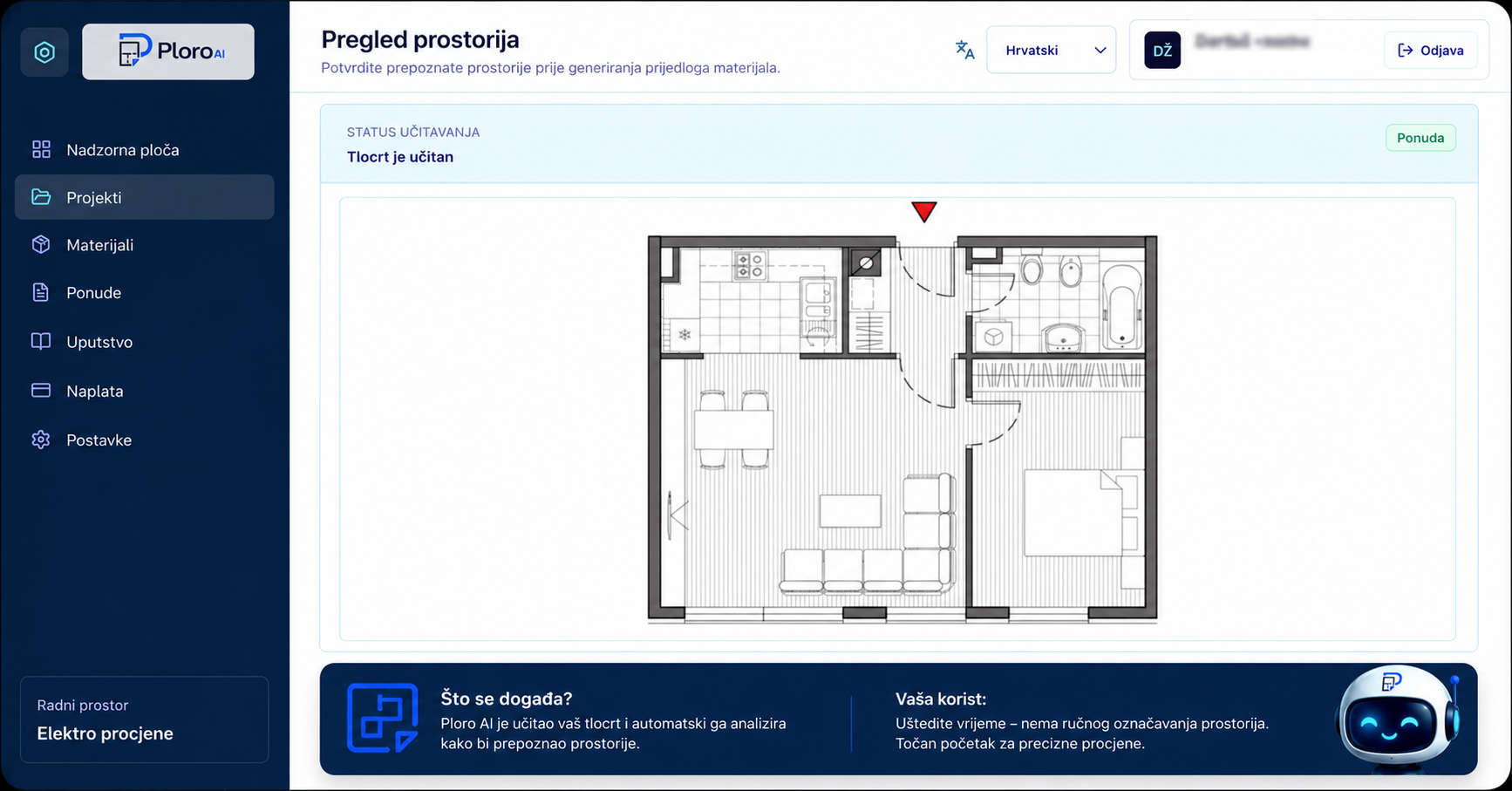
- Upload a floor plan.
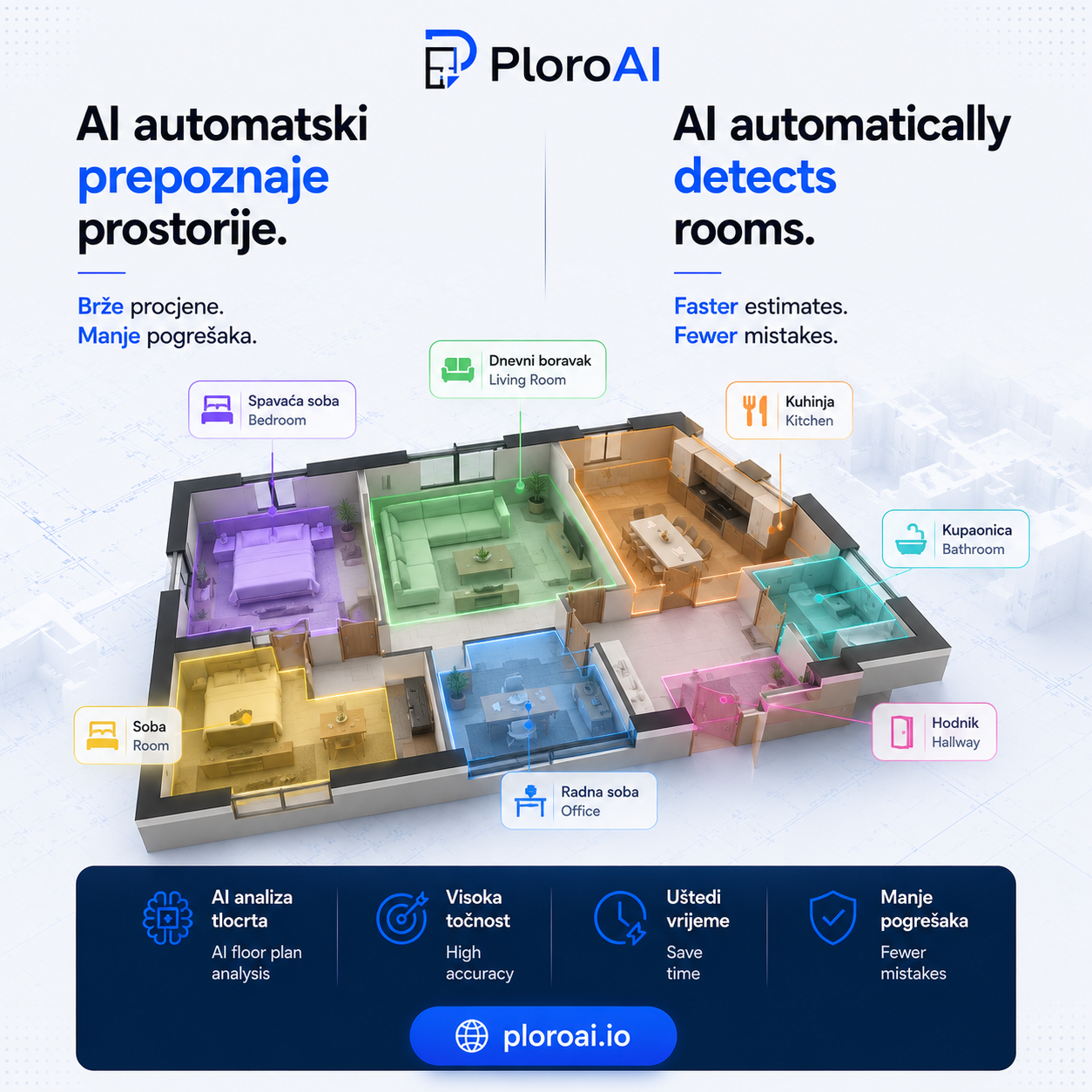
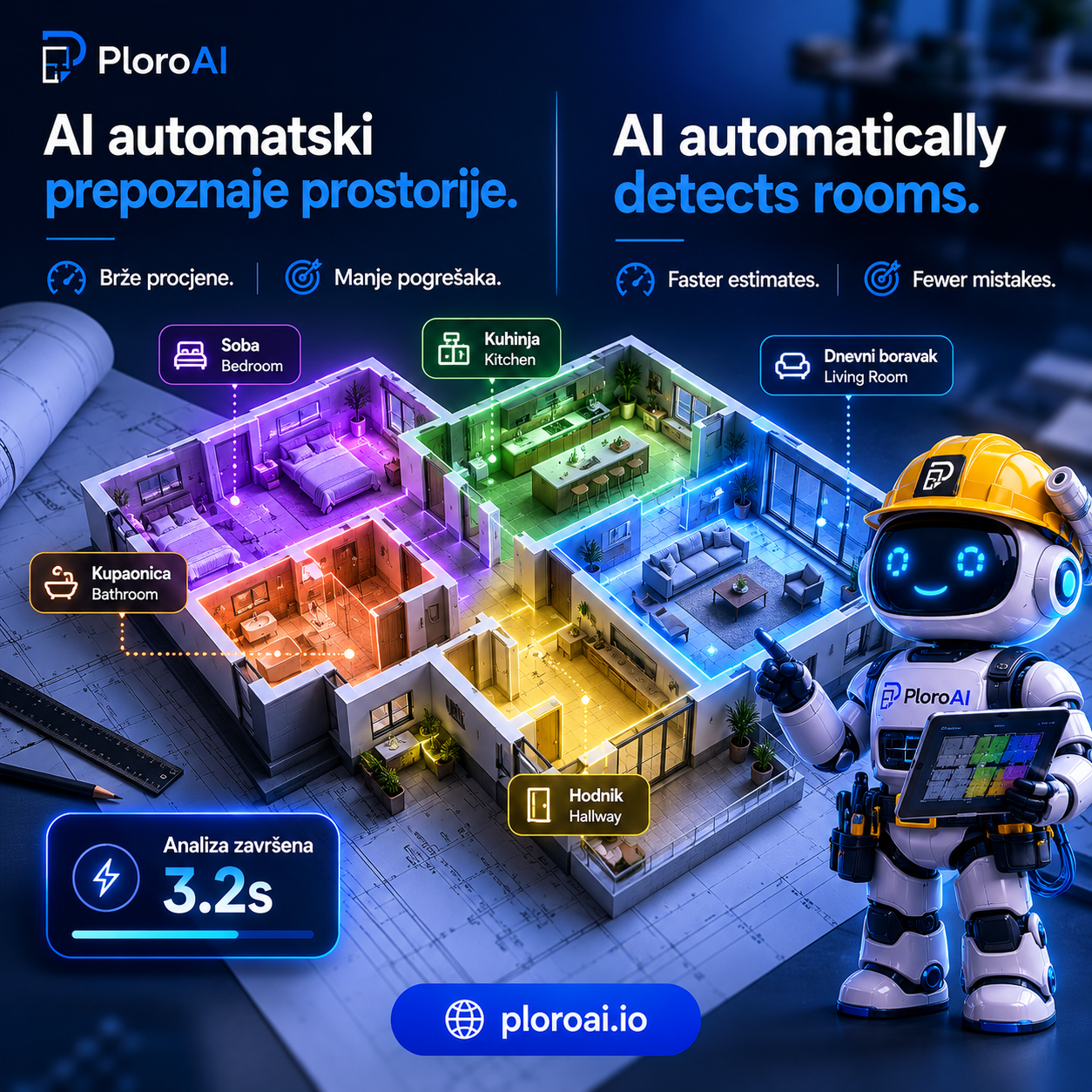
- Let AI analyze the project.
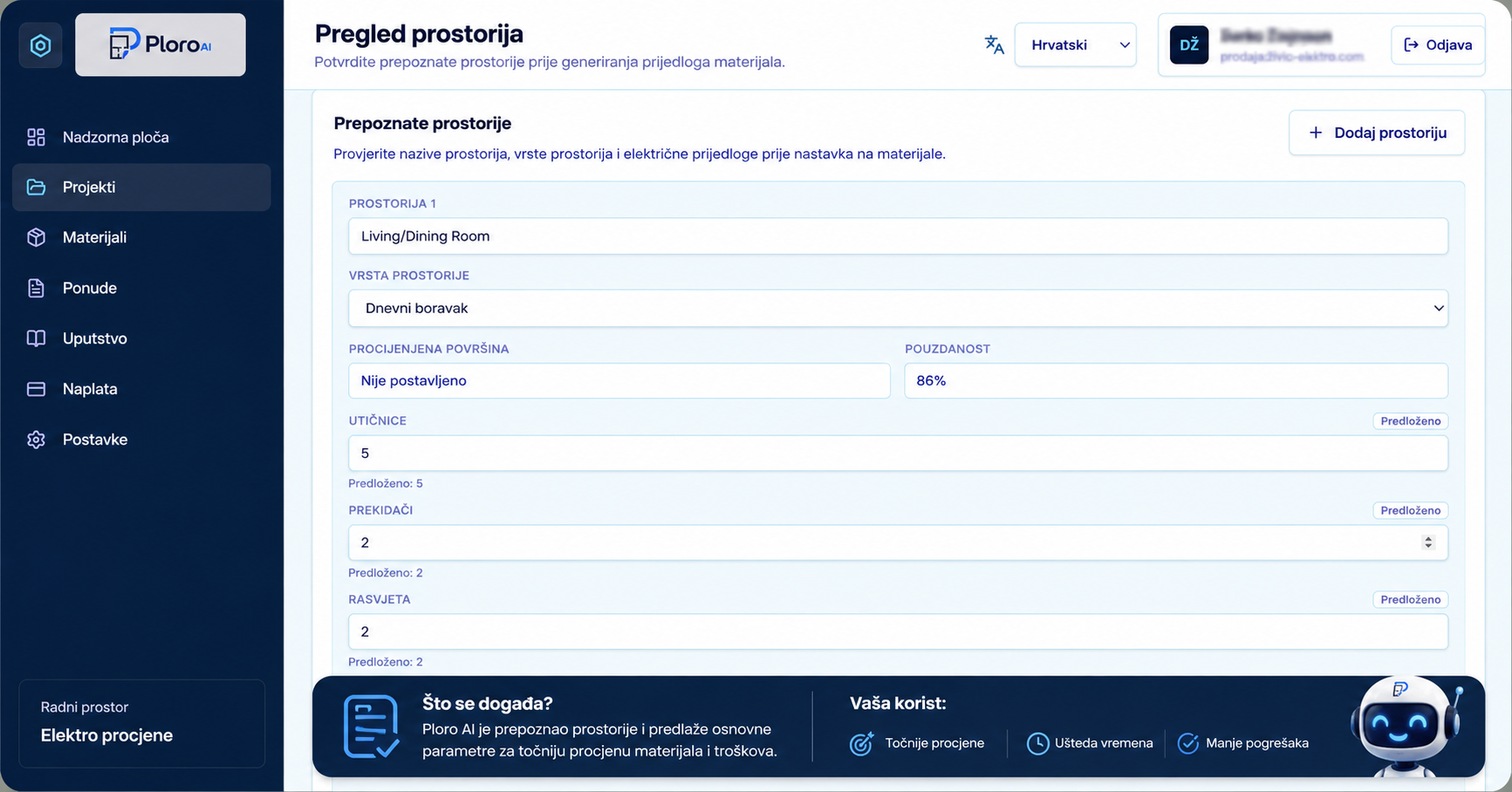
- Detect and organize rooms.
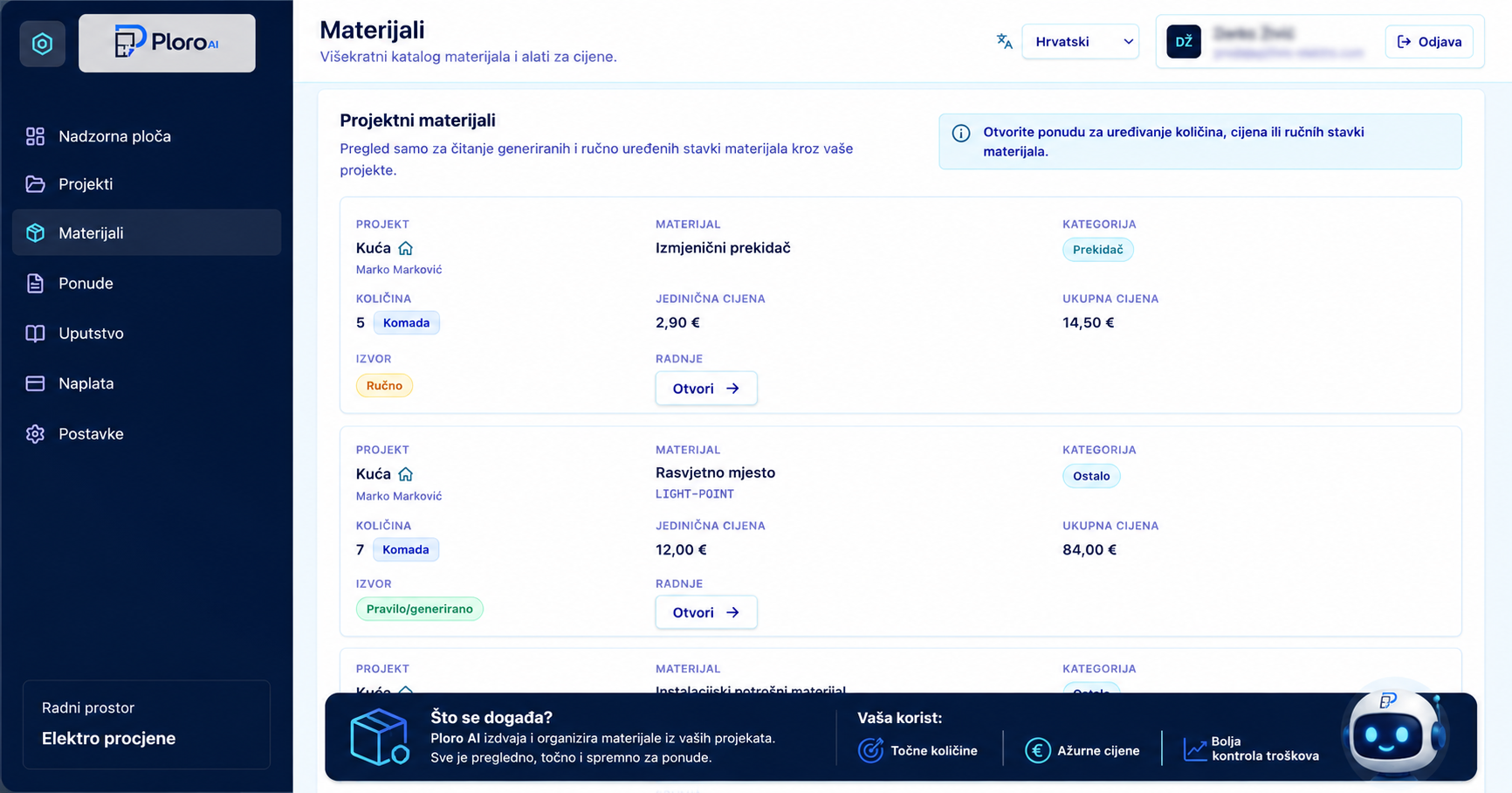
- Generate AI-assisted material suggestions.
- Review and edit every AI recommendation.
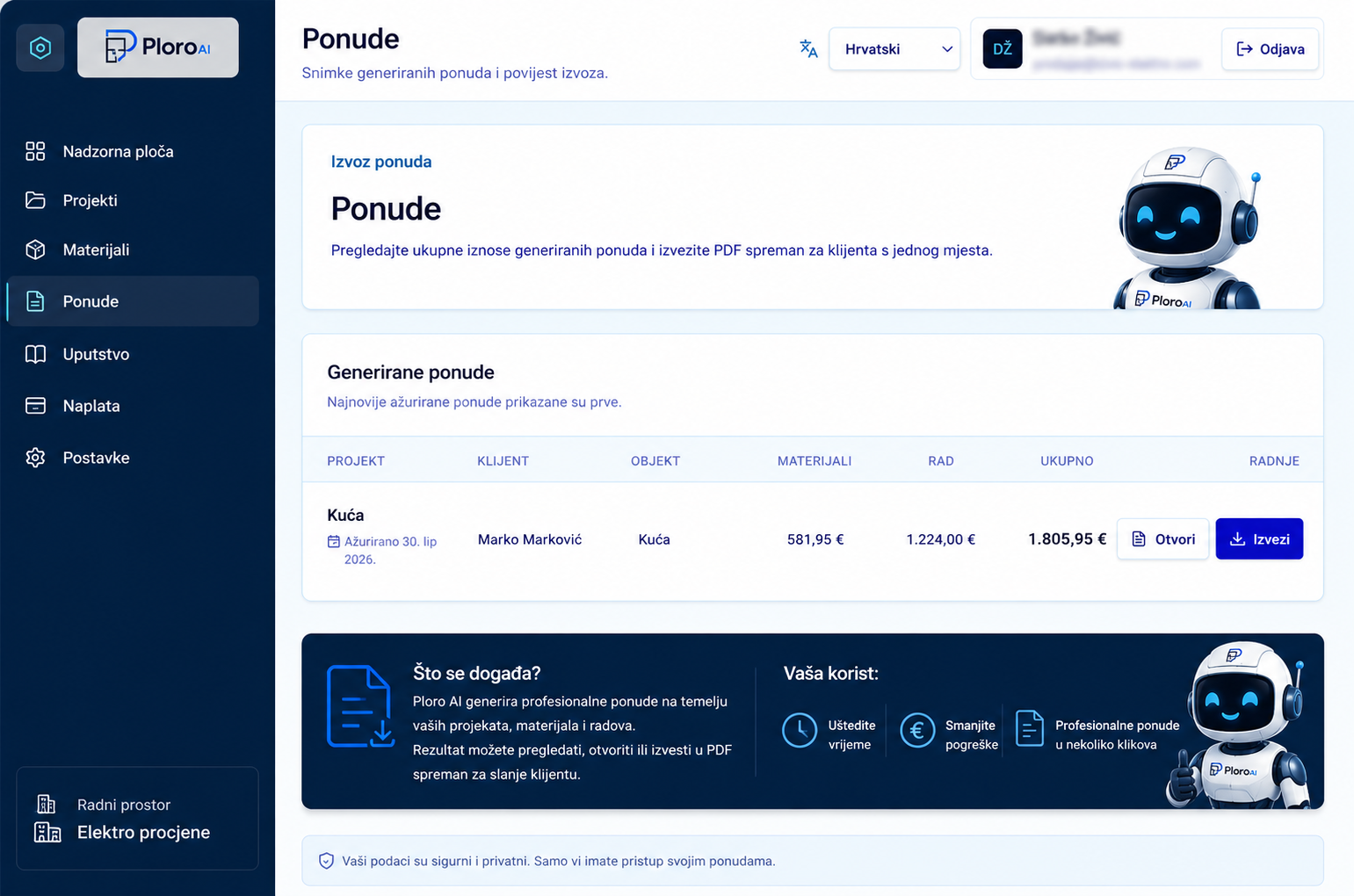
- Generate a professional quotation.
Instead of replacing the estimator, Ploro AI acts as a collaborative assistant. Every AI-generated suggestion can be reviewed, modified, or rejected before becoming part of the final quotation.
How I built it
Ploro AI is built using a modern web technology stack designed for scalability and production deployment.
Frontend
- Next.js 16
- React 19
- TypeScript
- Tailwind CSS
Backend
- Prisma ORM
- PostgreSQL
- NextAuth
- Supabase Storage
AI
- OpenAI API for intelligent analysis and structured AI workflows.
The application follows a secure SaaS architecture with protected API routes, authenticated users, cloud file storage, multilingual support, and a workflow built around AI-assisted decision making rather than full automation.
Challenges I ran into
The biggest challenge wasn't integrating an LLM—it was building something professionals could actually trust.
Architectural floor plans come in many different formats, layouts, and levels of detail. AI responses also need to be predictable and structured, not just "creative."
Finding the right balance between automation and human control became the core challenge of the project.
Another challenge was designing prompts and validation layers that consistently produce structured outputs suitable for a professional quotation workflow.
Building an intuitive user experience around AI also required many iterations. Every AI suggestion needed to be transparent, editable, and easy to verify.
Accomplishments that I've proud of
I've especially proud that Ploro AI focuses on solving a real business problem instead of being another AI demo.
Some achievements include:
- Building an end-to-end AI workflow around real construction documents.
- Creating an interface where AI and humans collaborate naturally.
- Designing a scalable SaaS architecture ready for future growth.
- Keeping professionals fully in control of every AI-generated recommendation.
- Transforming a traditionally manual workflow into a significantly faster process.
Most importantly, I've proud that the product is built around helping professionals—not replacing them.
What I learned
This project taught me that successful AI products are much more about workflow design than model integration.
Connecting an LLM is relatively easy.
Building software that professionals can trust is much harder.
I learned how important structured outputs, prompt engineering, validation, user experience, and human oversight are when building production AI applications.
Perhaps the biggest lesson was that users don't necessarily want autonomous AI—they want AI that helps them work faster while remaining in control.
What's next for Ploro AI
I 've just getting started.
Our roadmap includes:
- More accurate floor plan understanding.
- Smarter material estimation.
- Improved project organization.
- Support for additional construction trades.
- Team collaboration features.
- Integrations with external ERP and business systems.
- Continuous improvements based on feedback from real contractors.
My long-term vision is simple:
Build the AI assistant that becomes the standard starting point for preparing construction quotations.
I believe AI should remove repetitive work, accelerate decision-making, and allow professionals to spend more time delivering great projects and less time preparing paperwork.
Built With
- next-intl
- next.js
- open-ai
- prisma-orm
- psql
- react.js
- stripe
- supabase

Log in or sign up for Devpost to join the conversation.