-
-
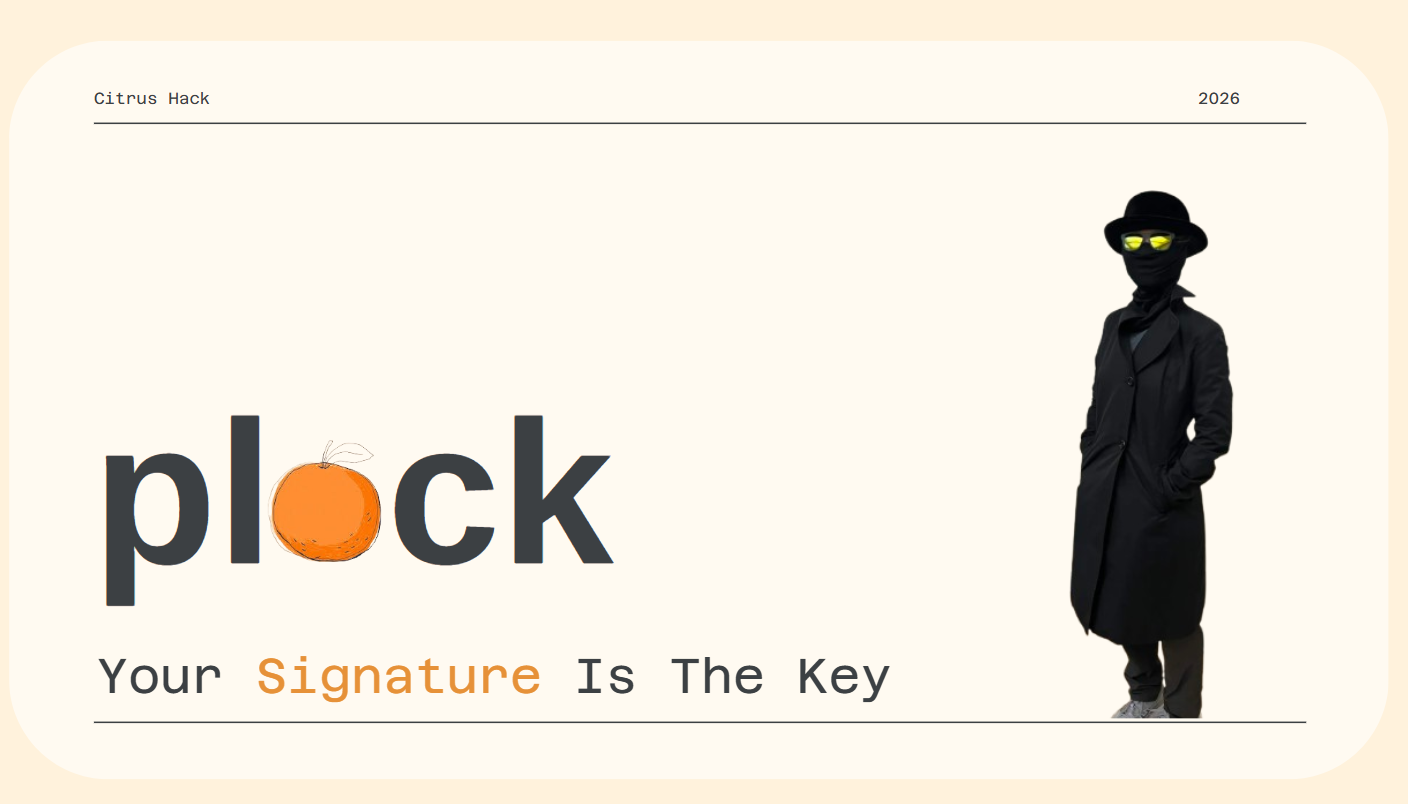
plock!
-
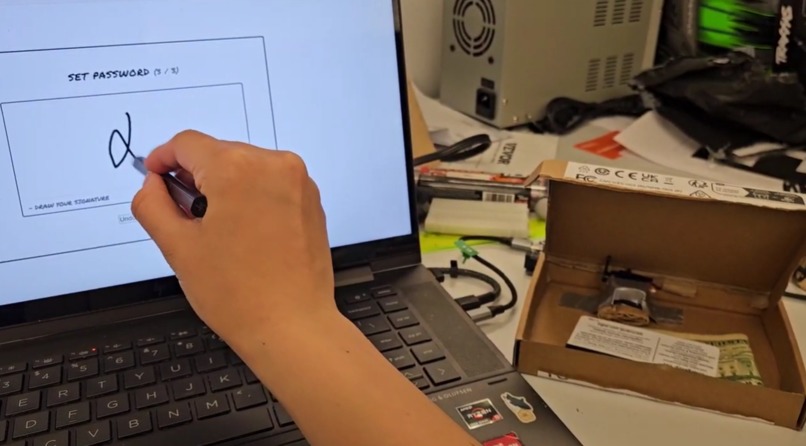
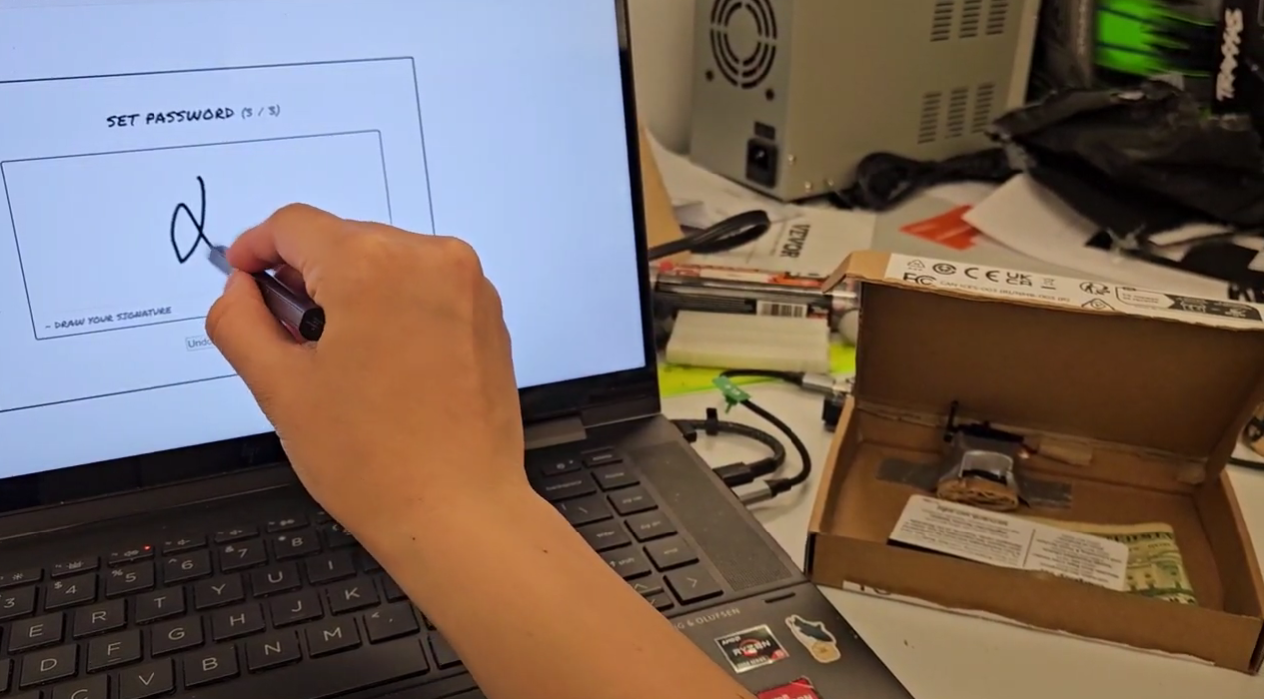
Plock in action: making the training set
-
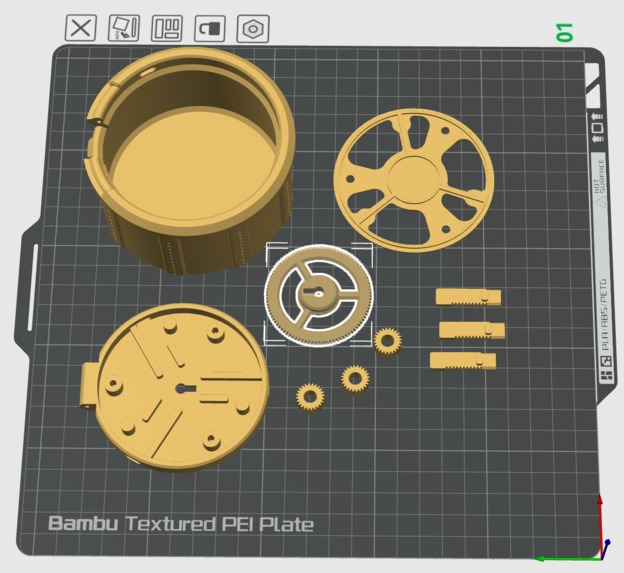
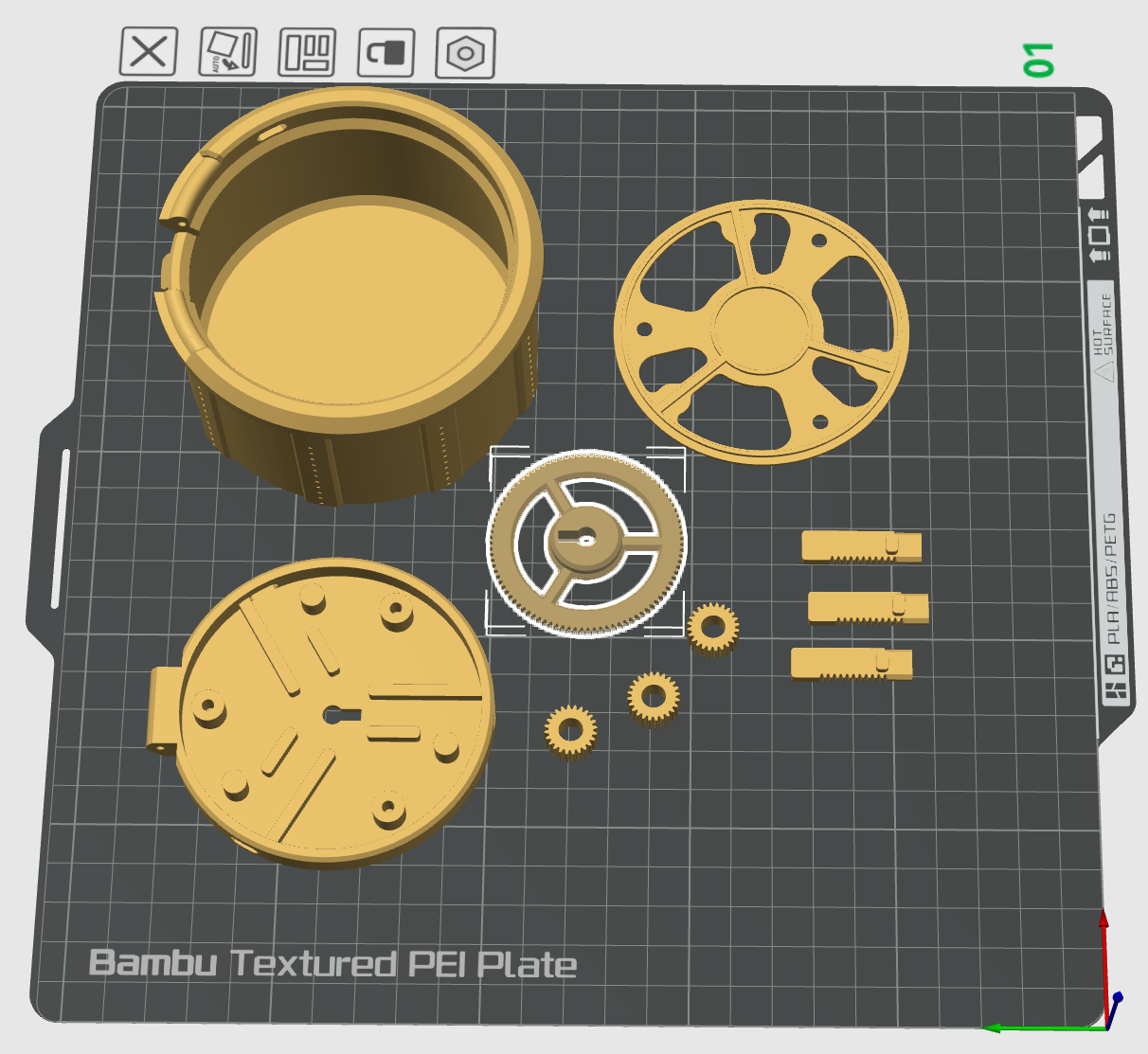
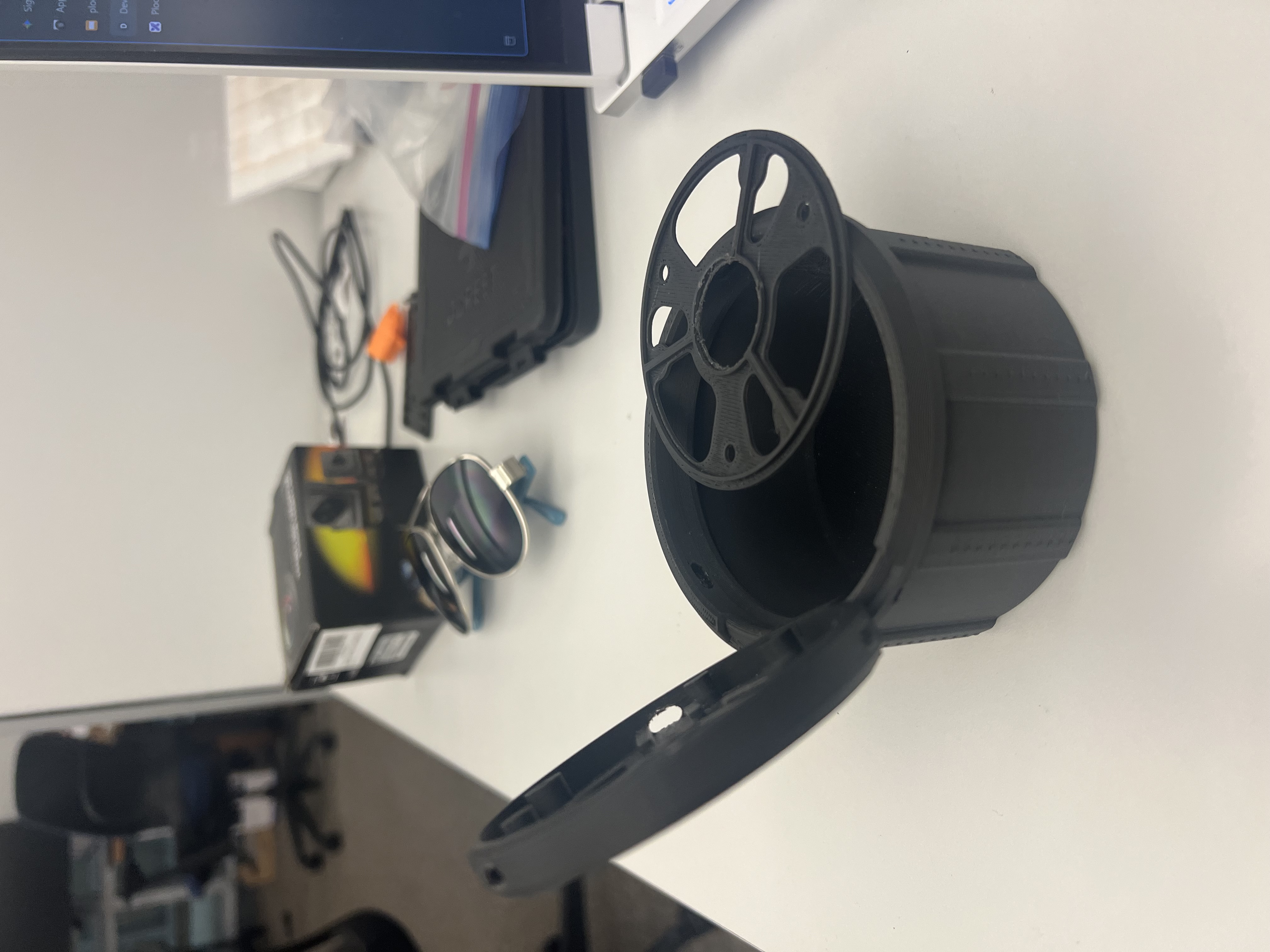
the bambu v4 safe print
-
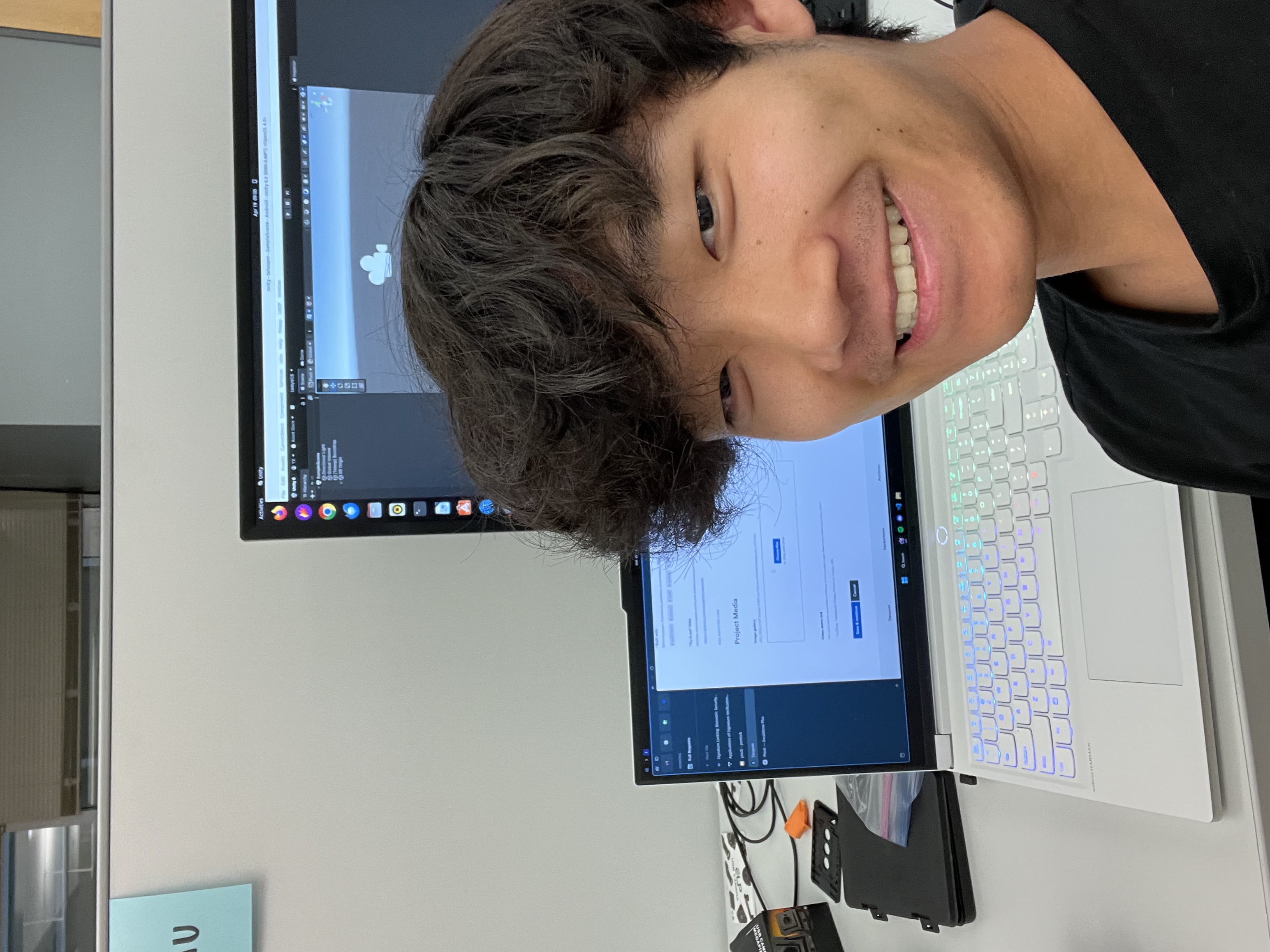
selfie von
-
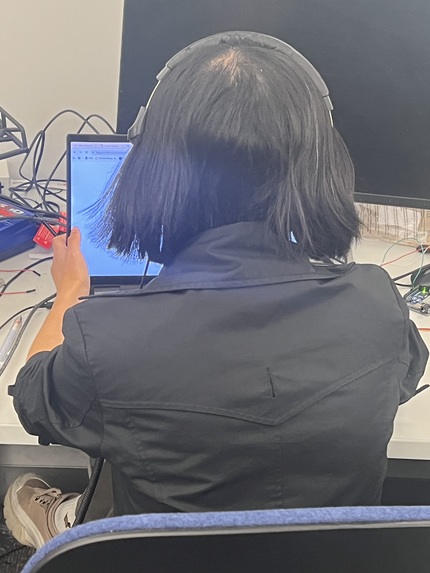
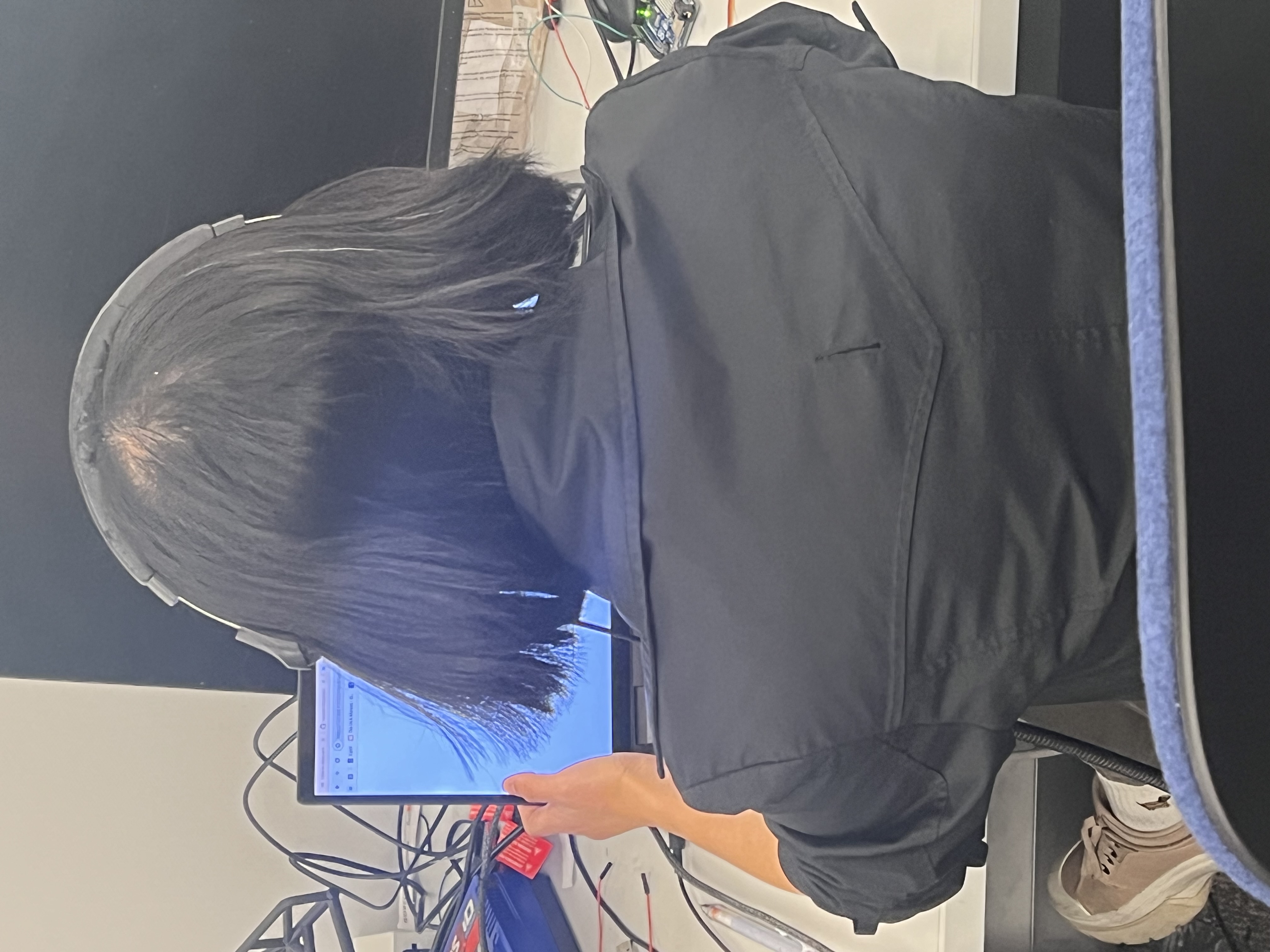
amber is locked IN
-
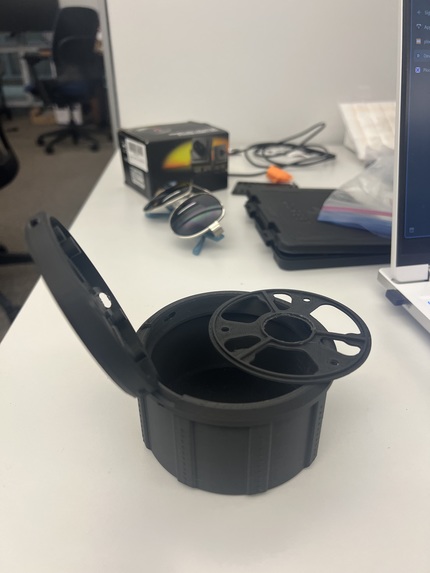
cad v1
-
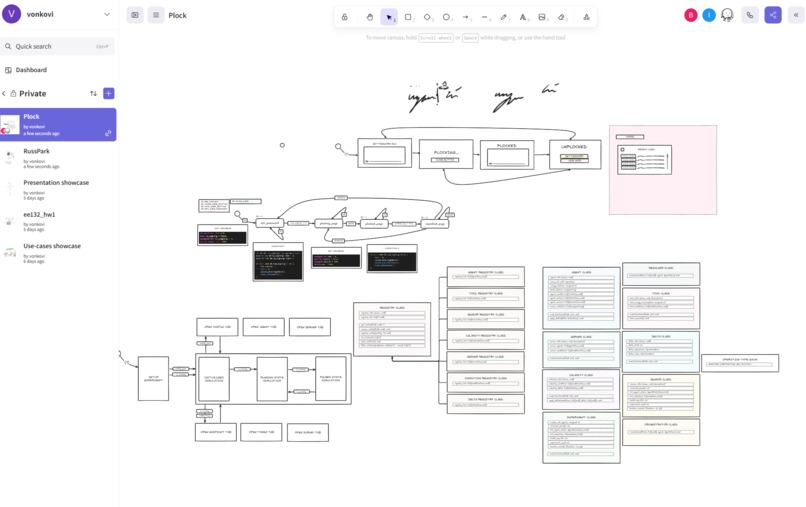
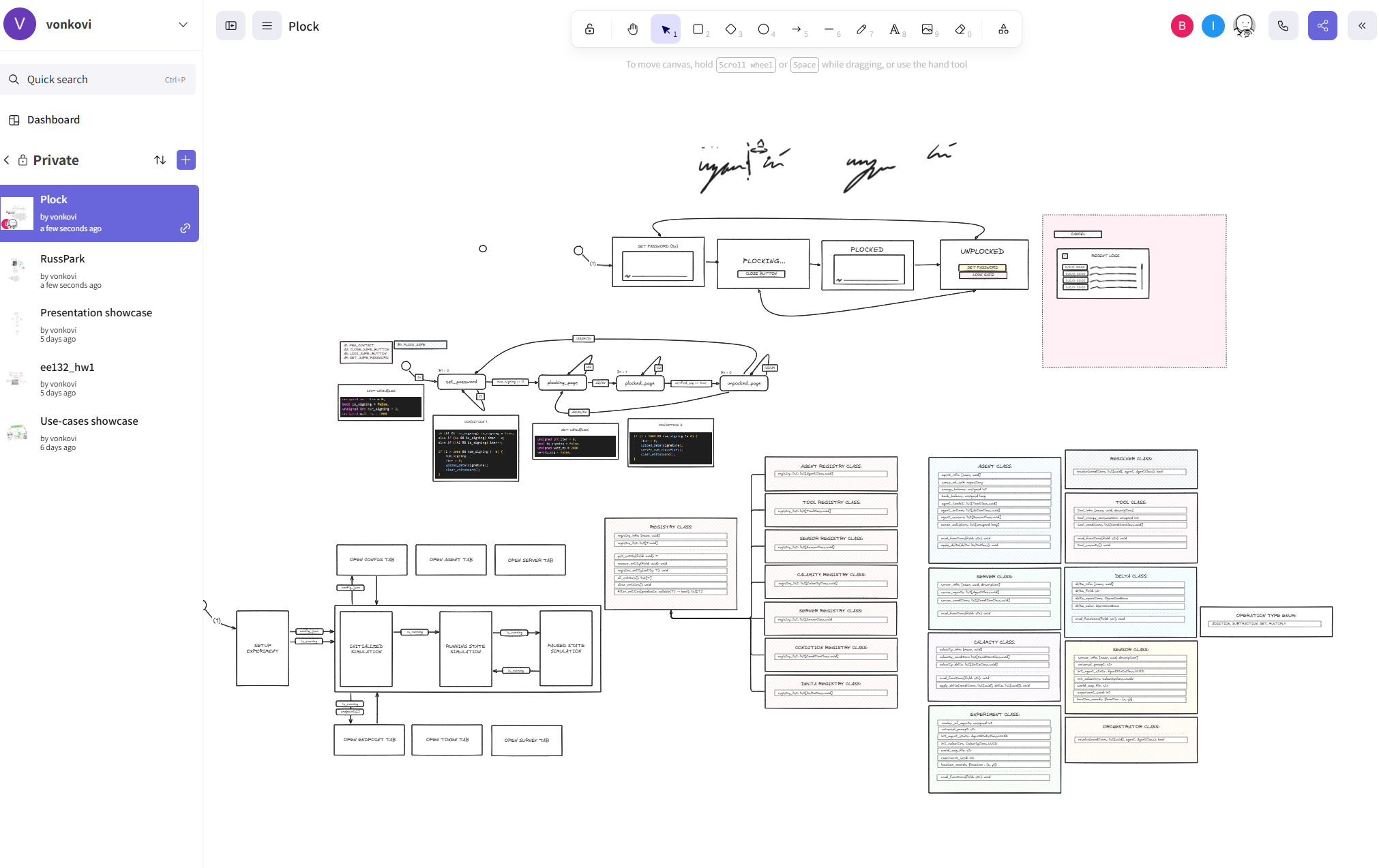
our ideas board...
-
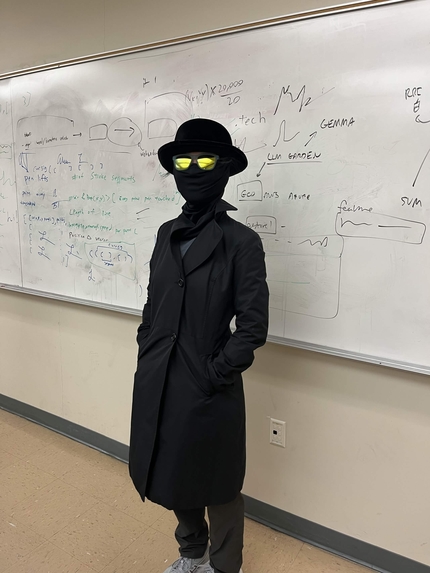
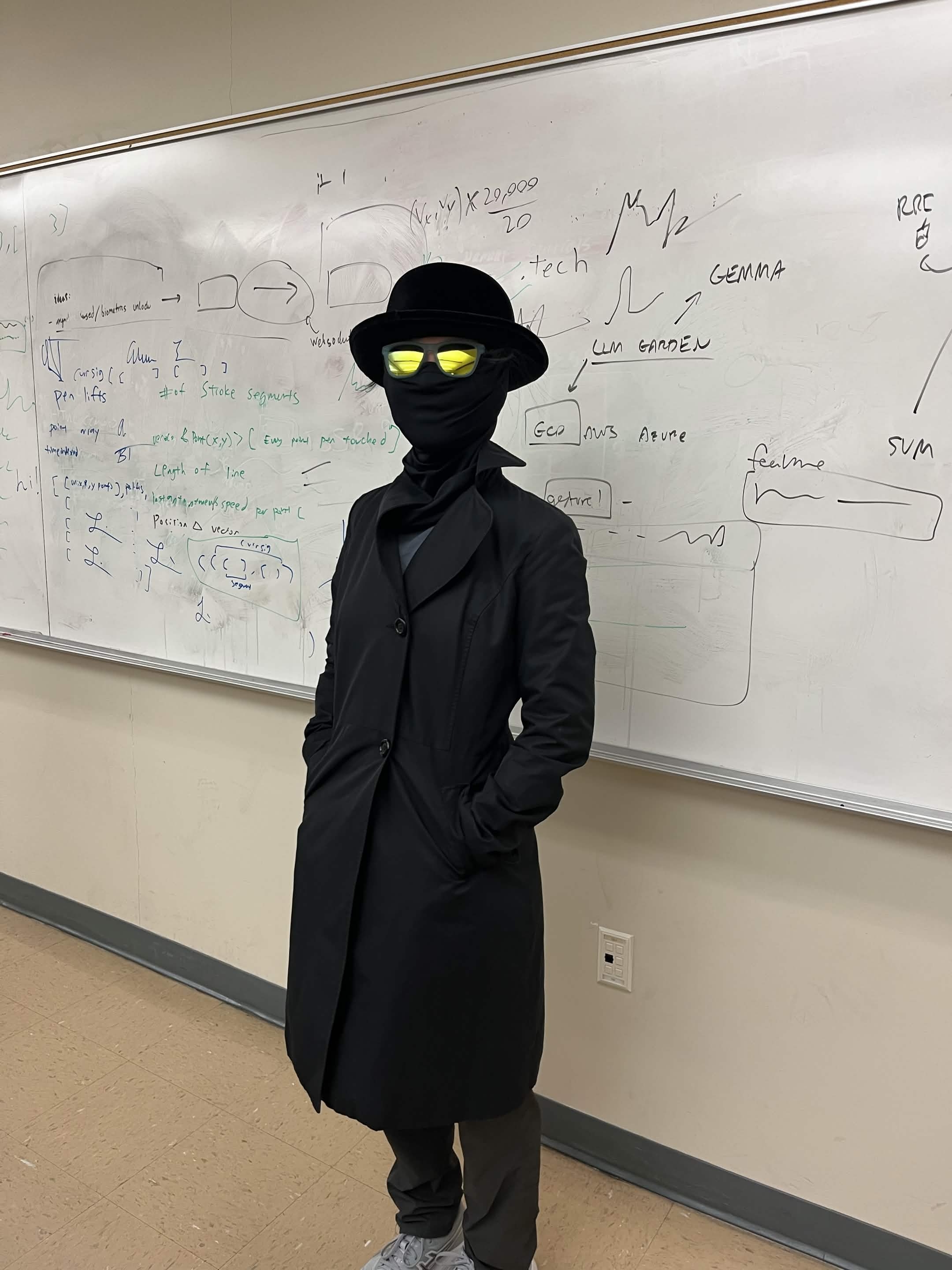
agent amber decked out
Inspiration
Passwords and PINs are failing because they are transferable. Unlike a signature, they don't prove who is behind the entry, only that the code is known. As of 2025, stolen credentials (Passwords/PINs) are the #1 initial access vector, involved in 22% of all data breaches—the highest of any category. Breaches initiated through compromised credentials cost organizations an average of $4.81 million per incident.
About Us
We are super top secret developers who need to keep our super duper top secret files and items super extremely safe. Our members are... (drumroll) Amber Lin, Alexander Totah, Anna Chang, and Yvon Kim!
What it does
Plock is a secret safe that opens based on the user's signature. The box locks when the user enters 4 signatures. Then, the box becomes locked and the user must put in their unique signature to open it. Unlike PINs, signatures are untransferable and accountable.
How we built it
SVMs! Each signature is comprised of segments, and each segments is comprised of points, and each point contains coordinate data and UNIX time stamps. From the list of points, one can derive maximum/minimum acceleration, speed, total duration. These features are fed into an SVM. The new signature to check is put into the SVM and marked as genuine if the similarity is high enough.
Challenges we ran into
We had issues with designing the SVM, and figuring out what data to extract. Additionally, the CAD took a lot of iterations before all the components were working. For example, we had to reduce the friction to allow the movement of the servo — the torque was insufficient.
Accomplishments that we're proud of
We applied SVMs to classify different signatures using vectors. We used mathematics to accomplish our goals, not just programming. By setting an internal clock, we measures the Δ vector inside of the signature to create a measurement called point density, which eventually calculates the speed of a signature at a certain area. These areas became the determining factor to deciding who was signing or not.
The CAD also took quite some time and was risky. However, we pulled it off because we filed the edges to make the friction heavy surfaces more manageable to the servo. Additionally, The UI for the signature loader was pulled off.
What we learned
We learned that fast development and then quick iteration is often the best philosophy for tackling time constraint projects. Additionally, we learned that hacksawing the mechanical projects (like filing and getting messy) is very efficient and effective.
What's next for Plock - Signature Based Lock
Integrate the cloud based features so that the project is no longer localized. Additionally, create more untransferable biometric login features, enhancing the overall feature set.
Built With
- arduino
- cad
- flask
- python
- scikit-learn
- serial
- web

Log in or sign up for Devpost to join the conversation.