-
-
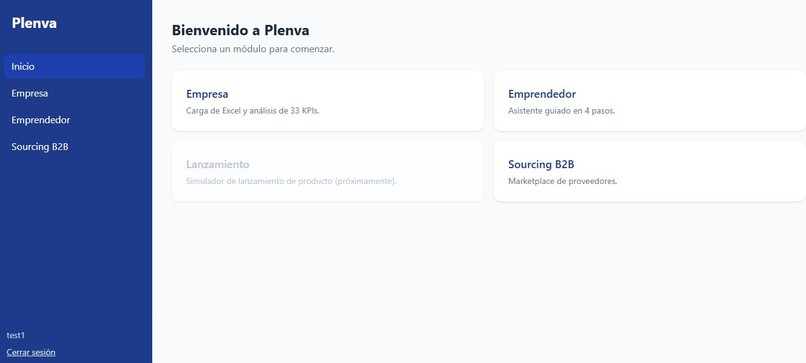
Landing
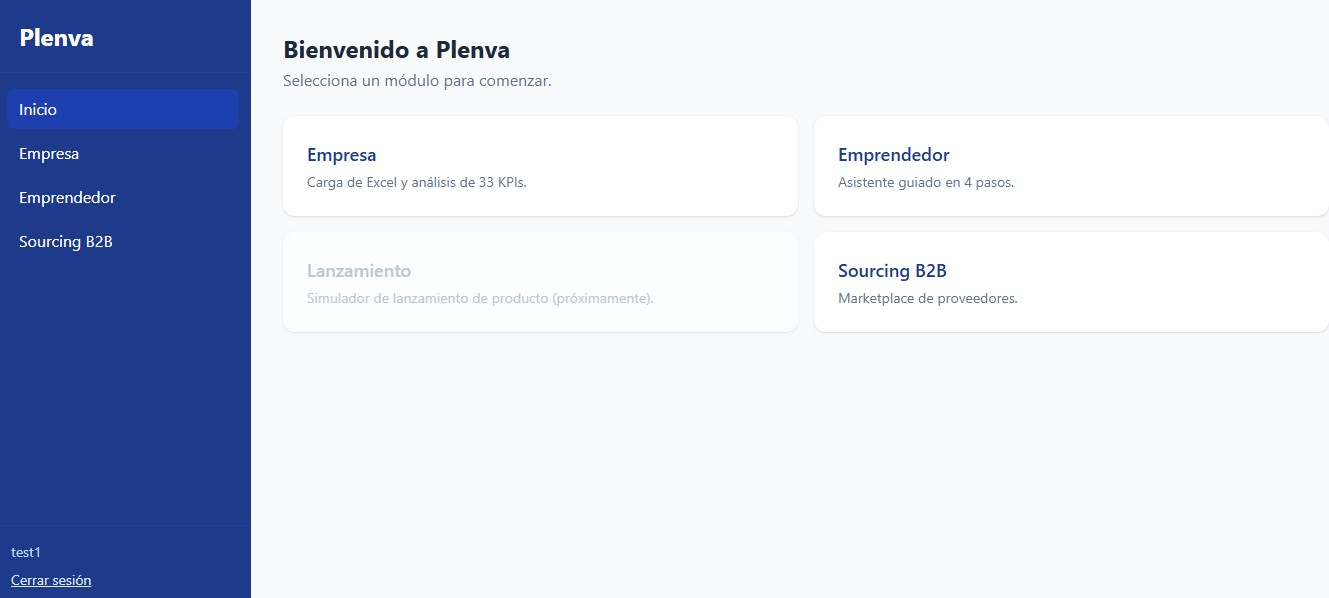
Inspiration
As an accountant, I have seen many companies and startups fail because they could not interpret their financial results or identify internal and external risk factors. For many, the cost of hiring a financial advisor, lawyer, customs broker, or other professional is simply unaffordable; consequently, 80% to 90% fail within their first two or three years.
What it does
Twenty-one specialized agents—each focused on a specific area—interpret financial indicators and monitor, in real time, risk factors that could impact the business's future. These include changes in labor laws, new taxes, competition and market prices, tariff adjustments, credit assessments, strikes, and other supply chain variables that could disrupt normal operations. Finally, a "consolidator" agent synthesizes the insights from all the other agents into a clear response for the user, providing an overview of the business's status and highlighting the internal and external factors that require attention. Whether an established company or a promising startup, the business gains a clear picture of how to move forward—all at a fraction of the cost of hiring a team of professionals.
How we built it
After learning about the "Build with Gemini XPRIZE" hackathon, I taught myself the basics of Python and SQL via YouTube and used "vibe coding" to build the project's entire architecture. It took time to learn best practices for creating a scalable application—ensuring it wouldn't crash under high request volumes, properly normalizing database tables, and mastering other technical details so that if something went wrong, I would know exactly where to look and how to fix it.
Challenges we ran into
I knew the technical side would be a huge challenge for me. I structured the architecture in phases to manage what was being built via vibe coding, incorporating tests at each stage to verify the work. The hardest part was configuring dependencies and the authentication system; the AI would sometimes lose context, so my development process—following a structured guide—helped keep the AI focused. A professional developer might have solved these issues just by glancing at the terminal, but I had to research every command and troubleshoot on the fly. This process actually helped me gain a much better understanding of the application's overall architecture.
Accomplishments we're proud of
The Quito Stock Exchange has shown interest in my application, and I am currently organizing a meeting to present its functionality and my vision for the future. The presentation is being scheduled for the first week of September. My goal is to leverage their user base and brand to achieve sustainable scaling within the local market. This will provide the momentum needed to launch the service across Latin America simultaneously, followed by a launch in the U.S. in the medium term.
What we learned
How a startup is managed from a technical standpoint. I have always operated on the financial side, but now I understand the full picture of a startup. I still have a lot to learn, but I have just taken a huge step forward in my career.
What's next for Plenva
In the short term, I will roll out:
- "Launch": a feature allowing users to simulate how the market will react to a new product—gauging whether the brand will be well-received, if the price point is right, etc.
- "B2B Sourcing": connecting entrepreneurs with companies within the ecosystem to help them improve their negotiation terms.
- In the medium term, I will roll out:
- "Build Your App": for those who want to create their own application; using "vibe coding," they can build apps directly while cutting costs. However, every application will undergo an exhaustive evaluation by our agents to analyze the competition, pricing, and market, ultimately defining the new app's value proposition. The ecosystem I am building will be so comprehensive that business opportunities among all market players will increase exponentially within Plenva.

Log in or sign up for Devpost to join the conversation.