-
-

rutine module (mobile app)
-
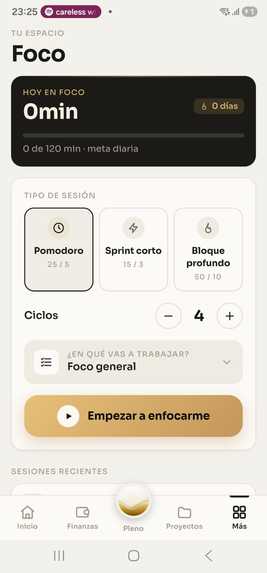
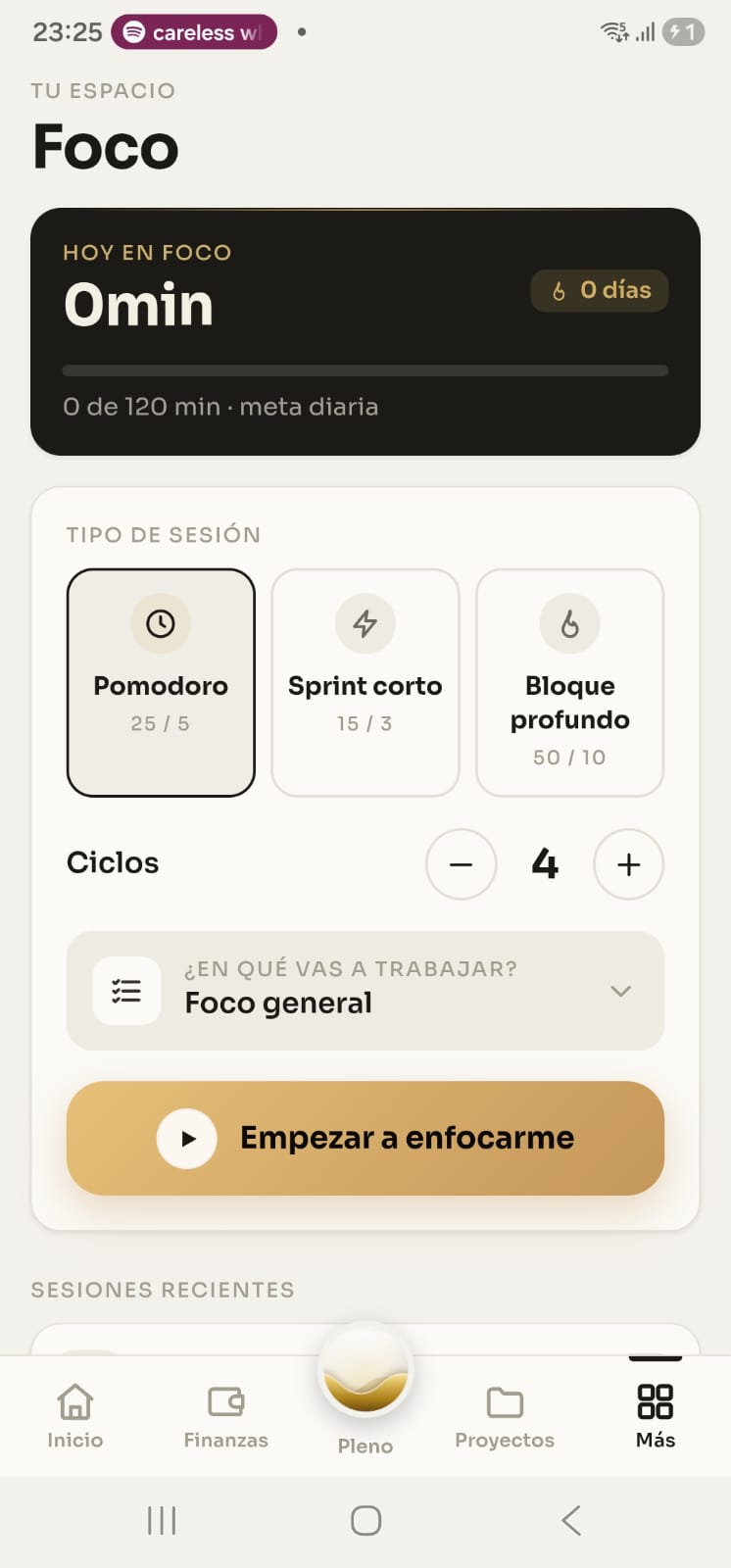
focus module (mobile app)
-
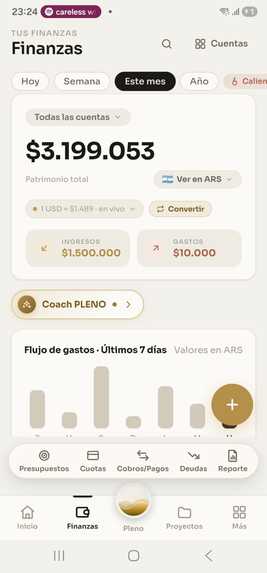
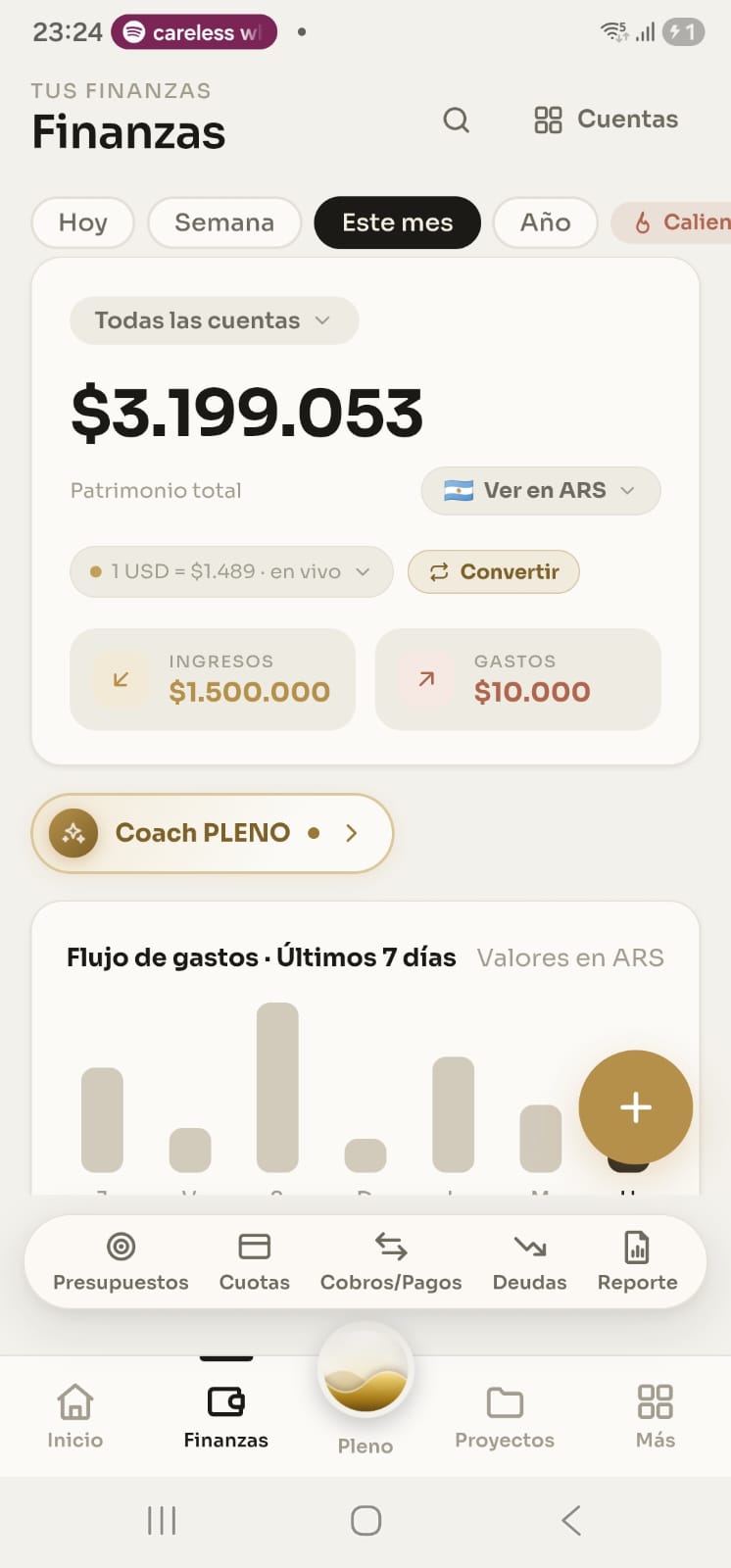
finance module (mobile app)
-

audio to text command
-

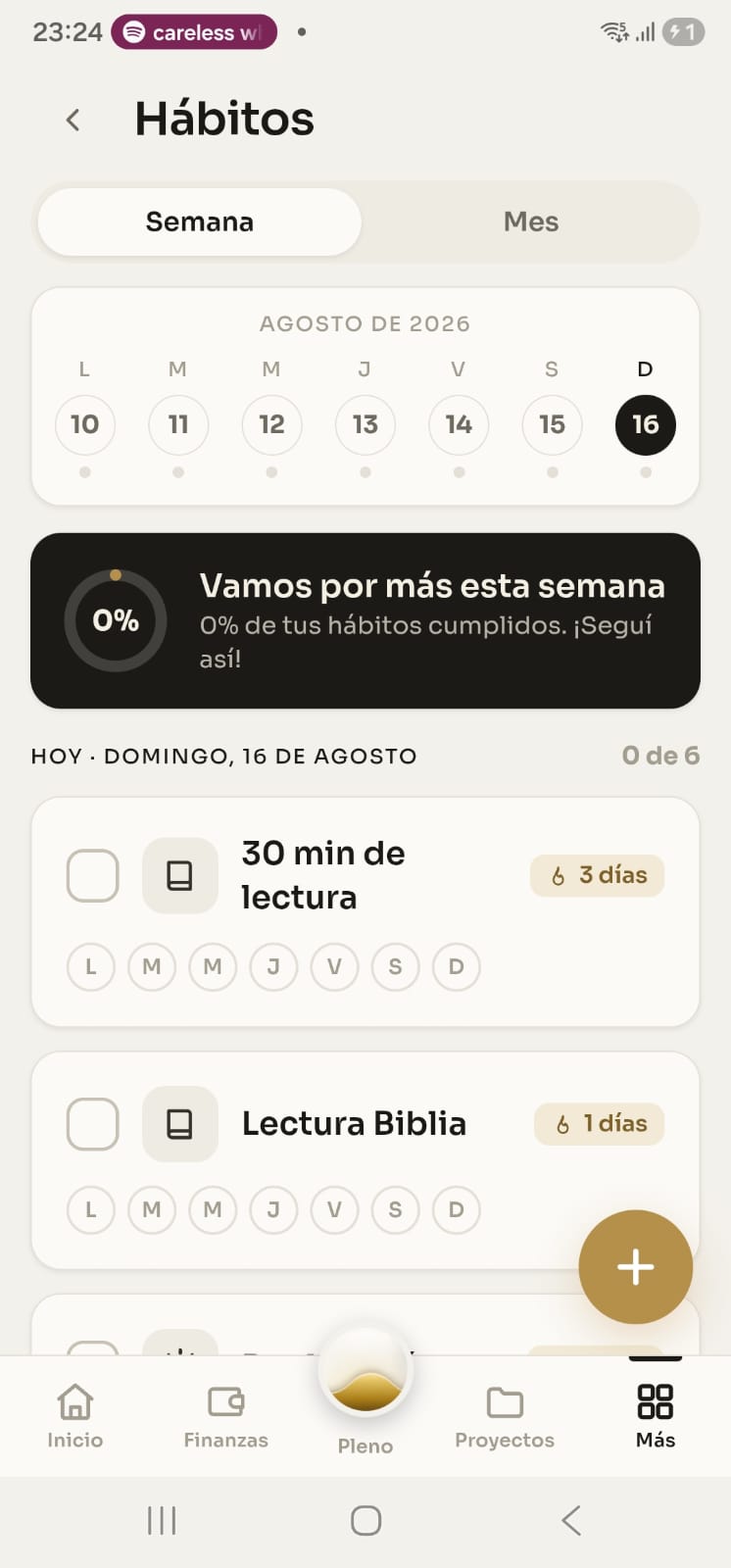
habit module (mobile app)
-

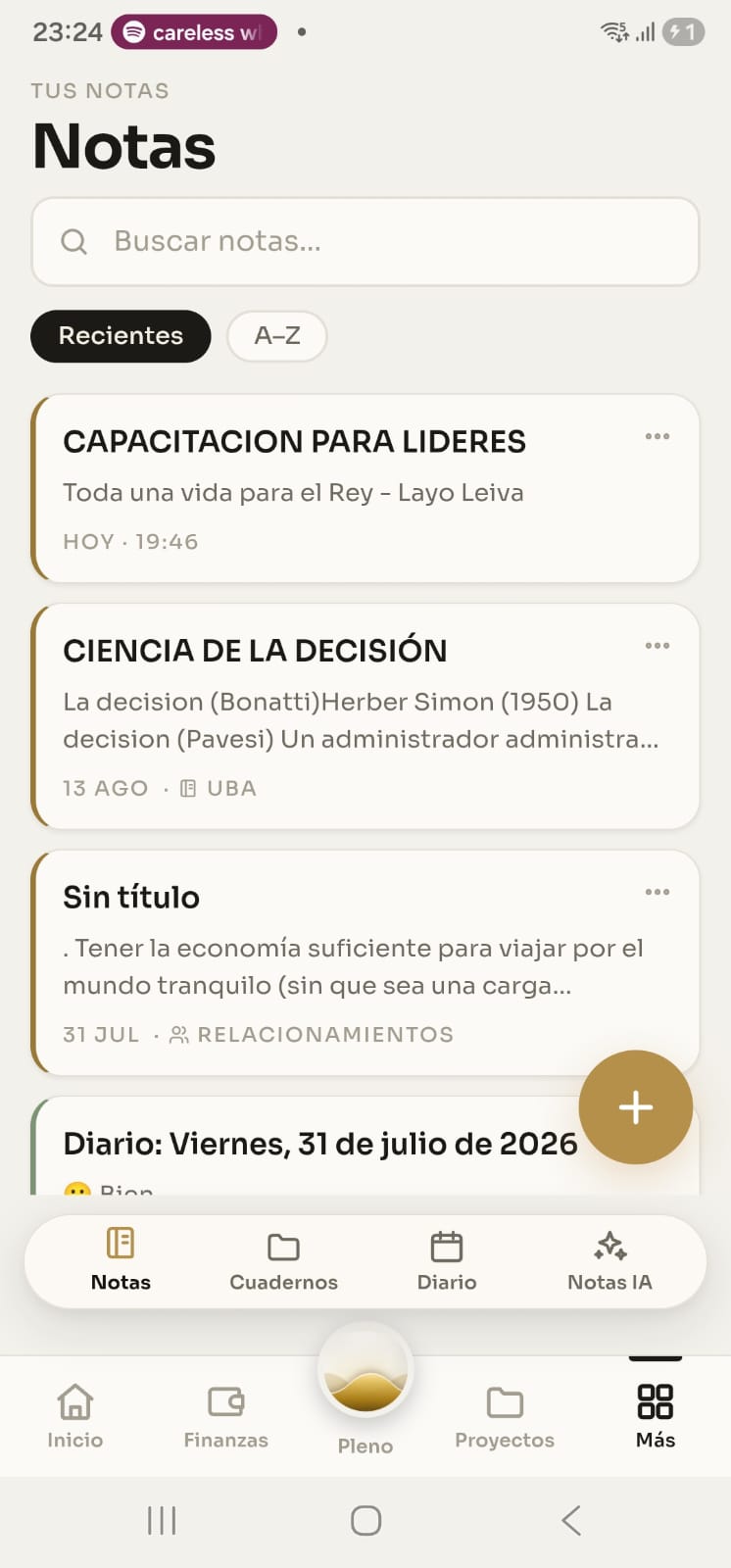
notes module (mobile app)
-
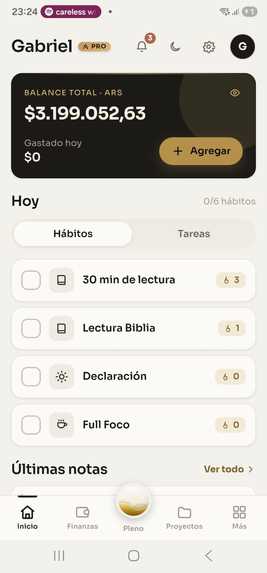
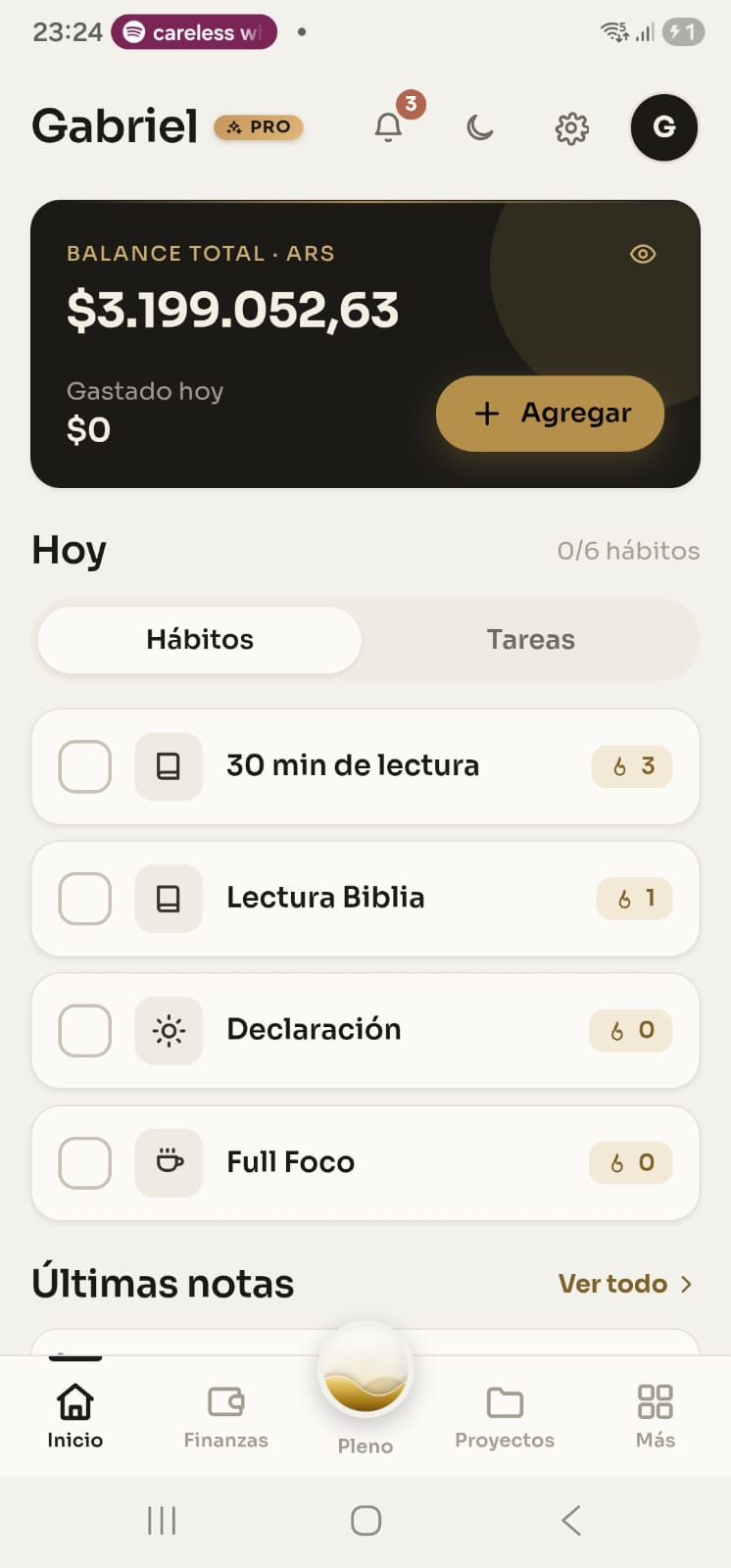
home (mobile app)
-
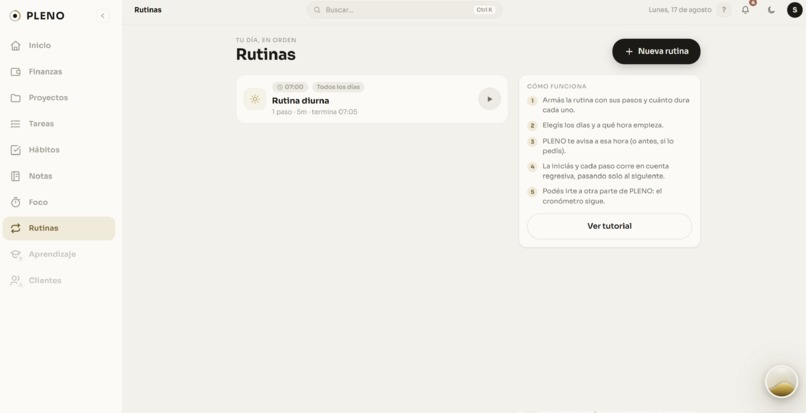
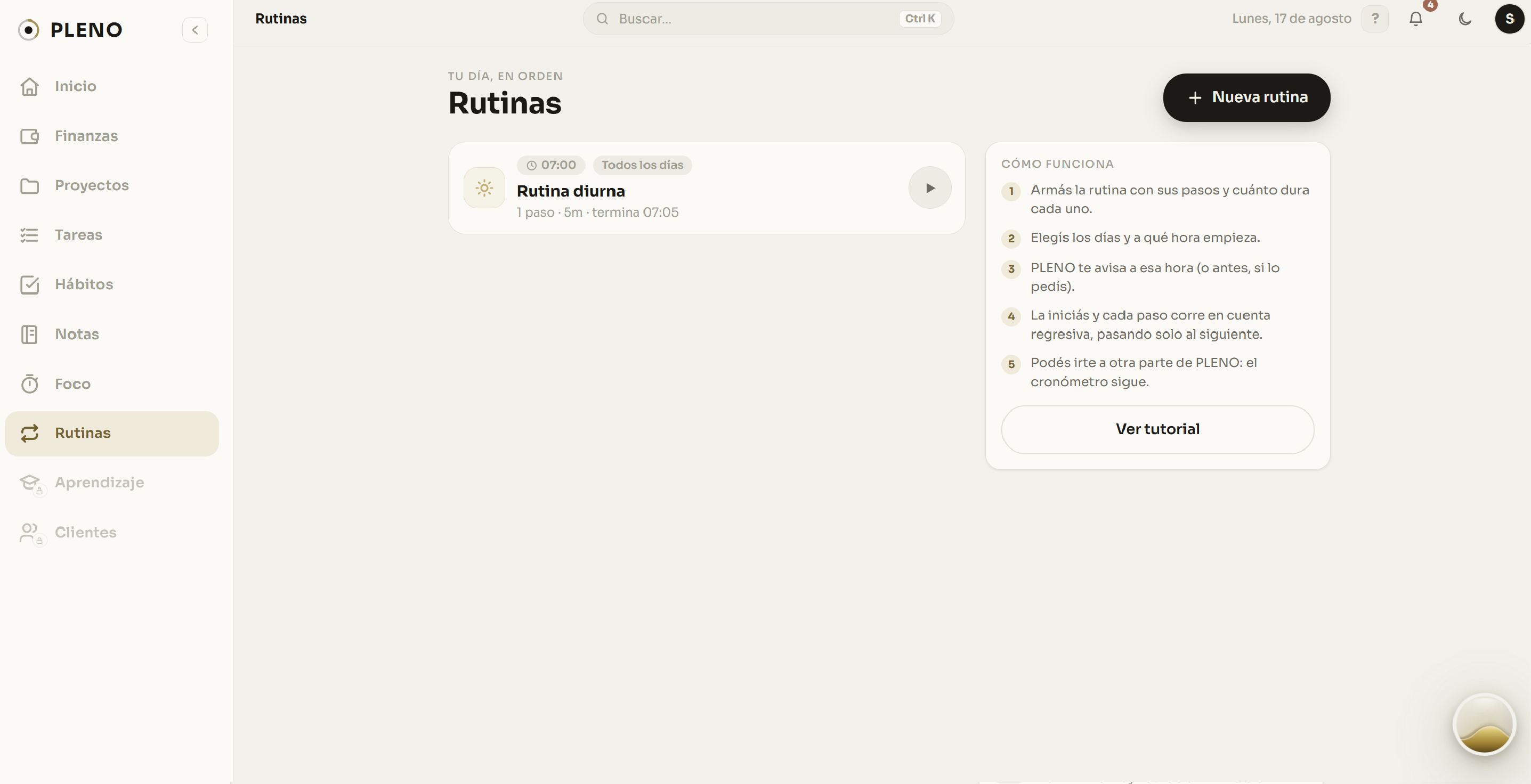
Rutine module (desktop app)
-
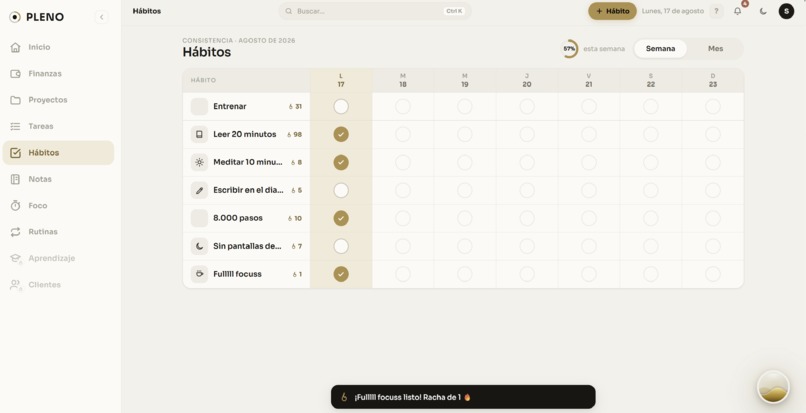
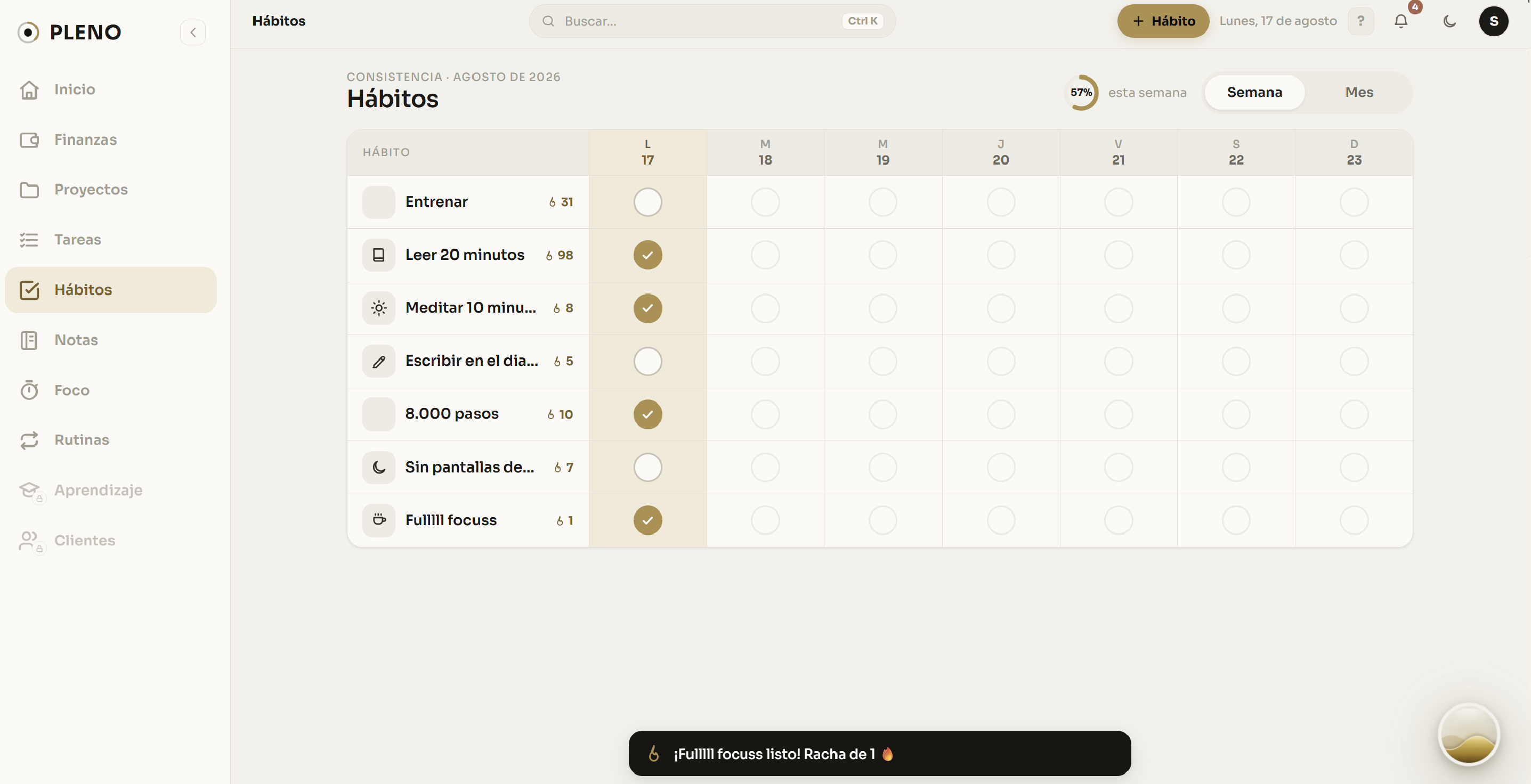
Habit module (desktop app)
-
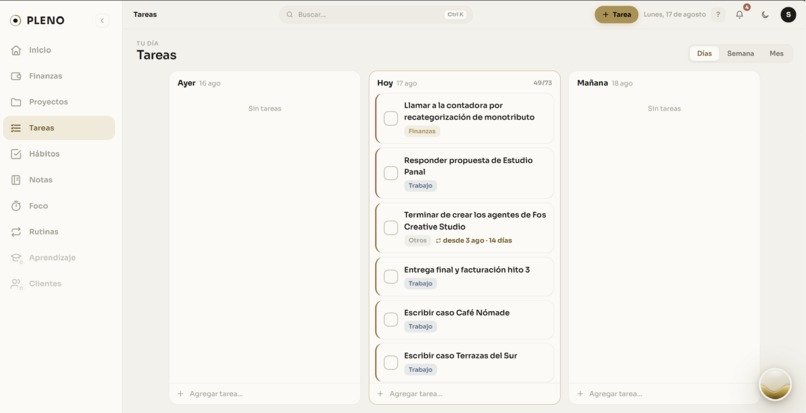
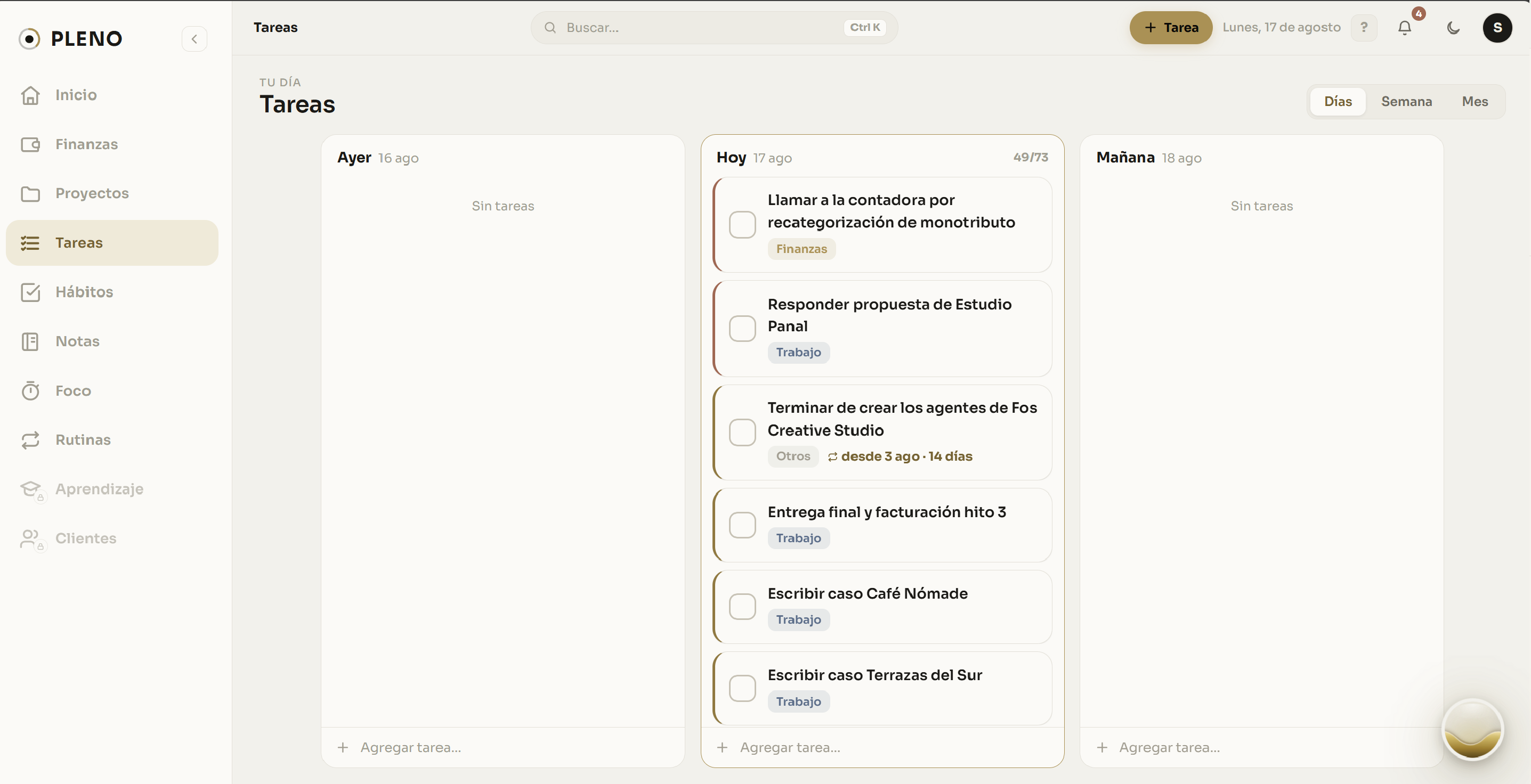
Tasks module (desktop app)
-
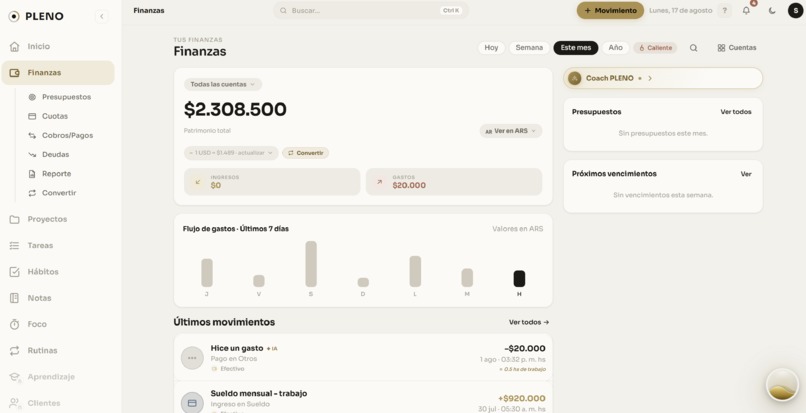
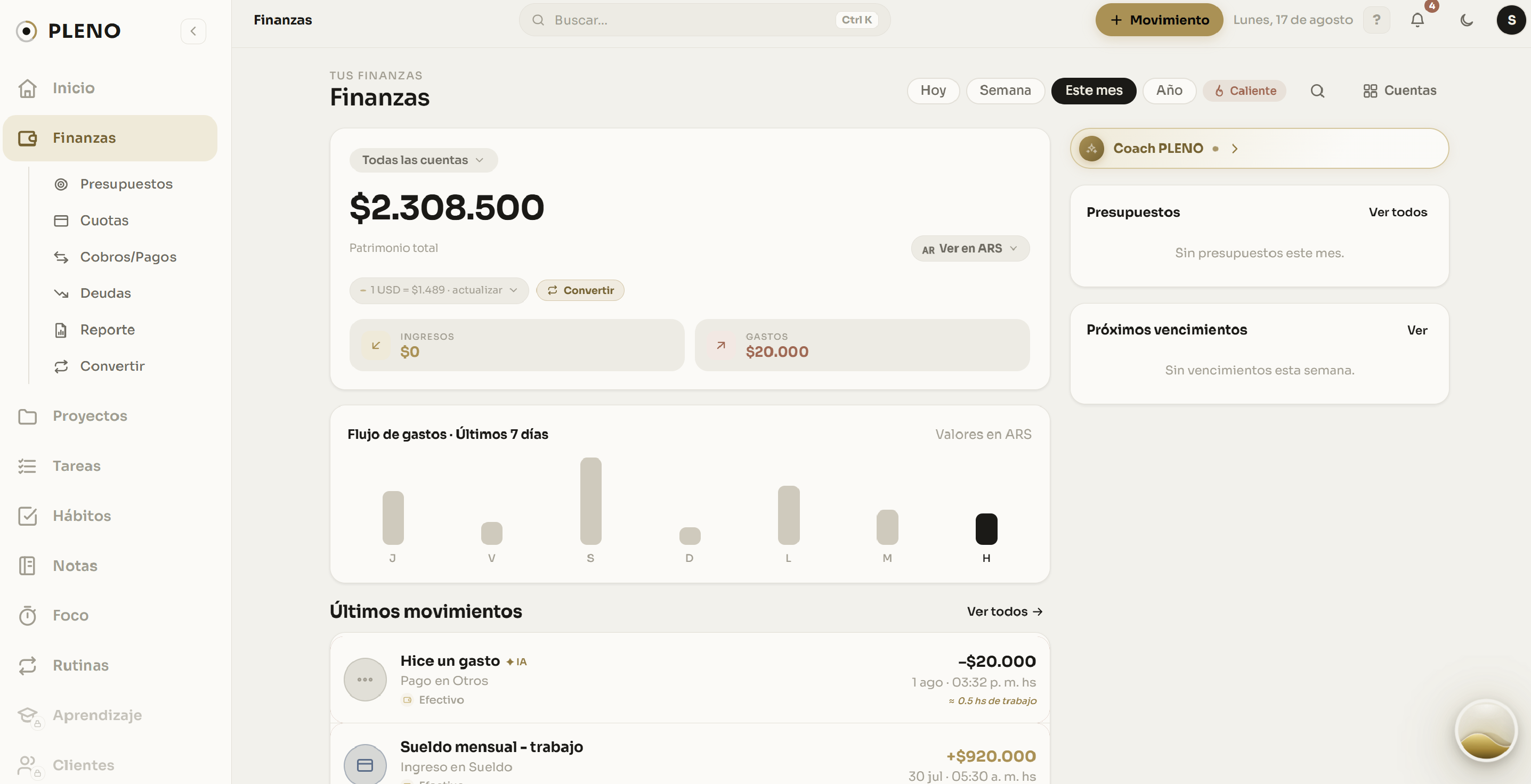
Finance module (desktop app)
-
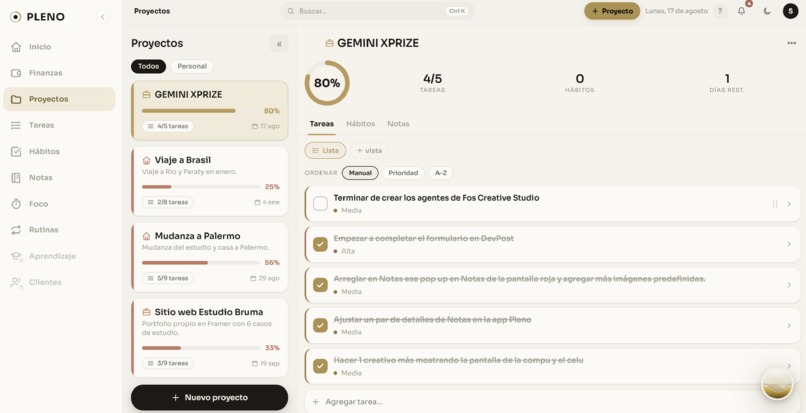
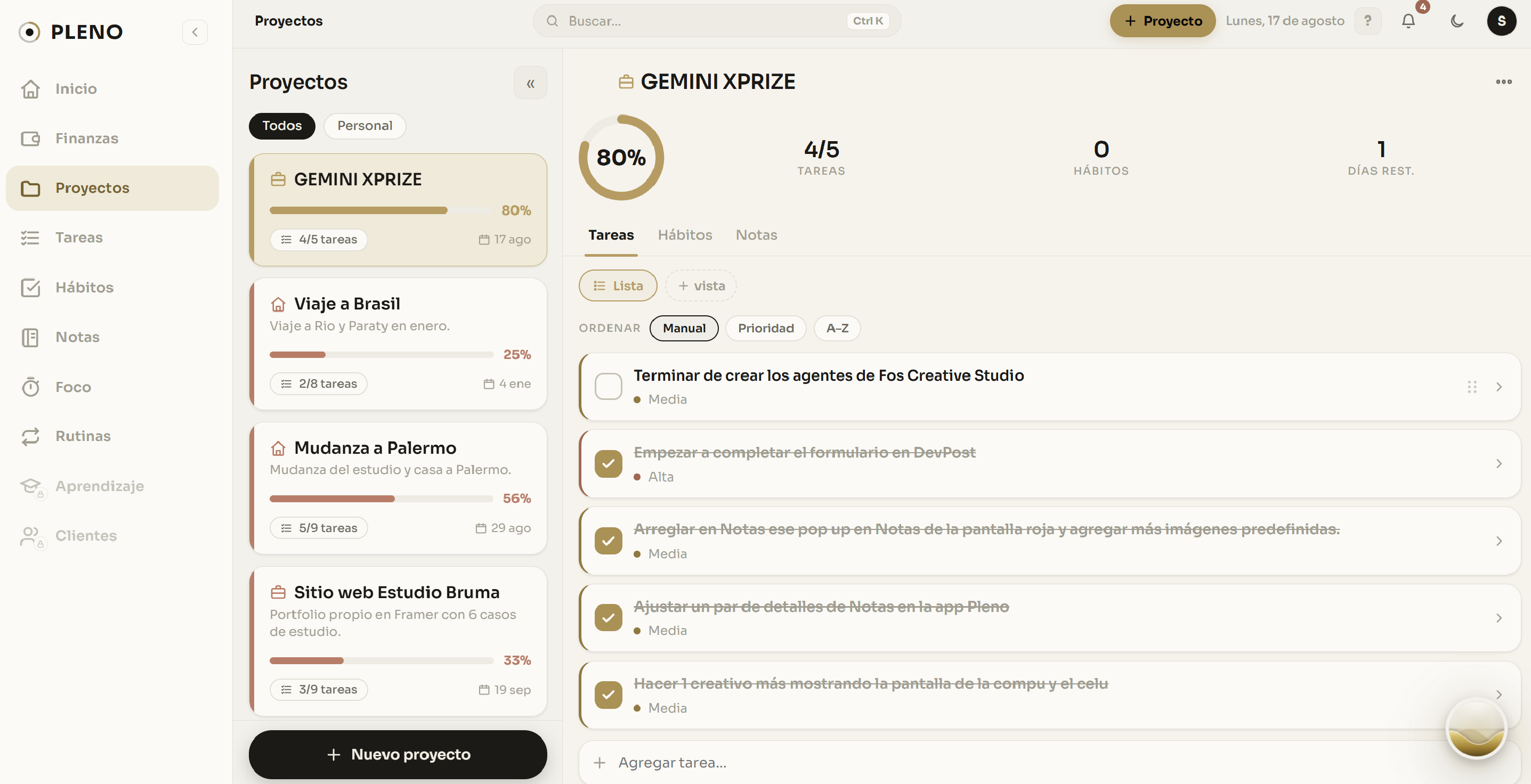
Project module (desktop app)
-
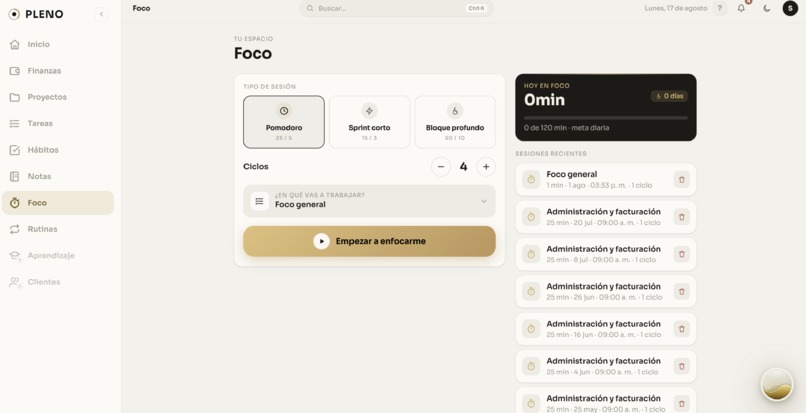
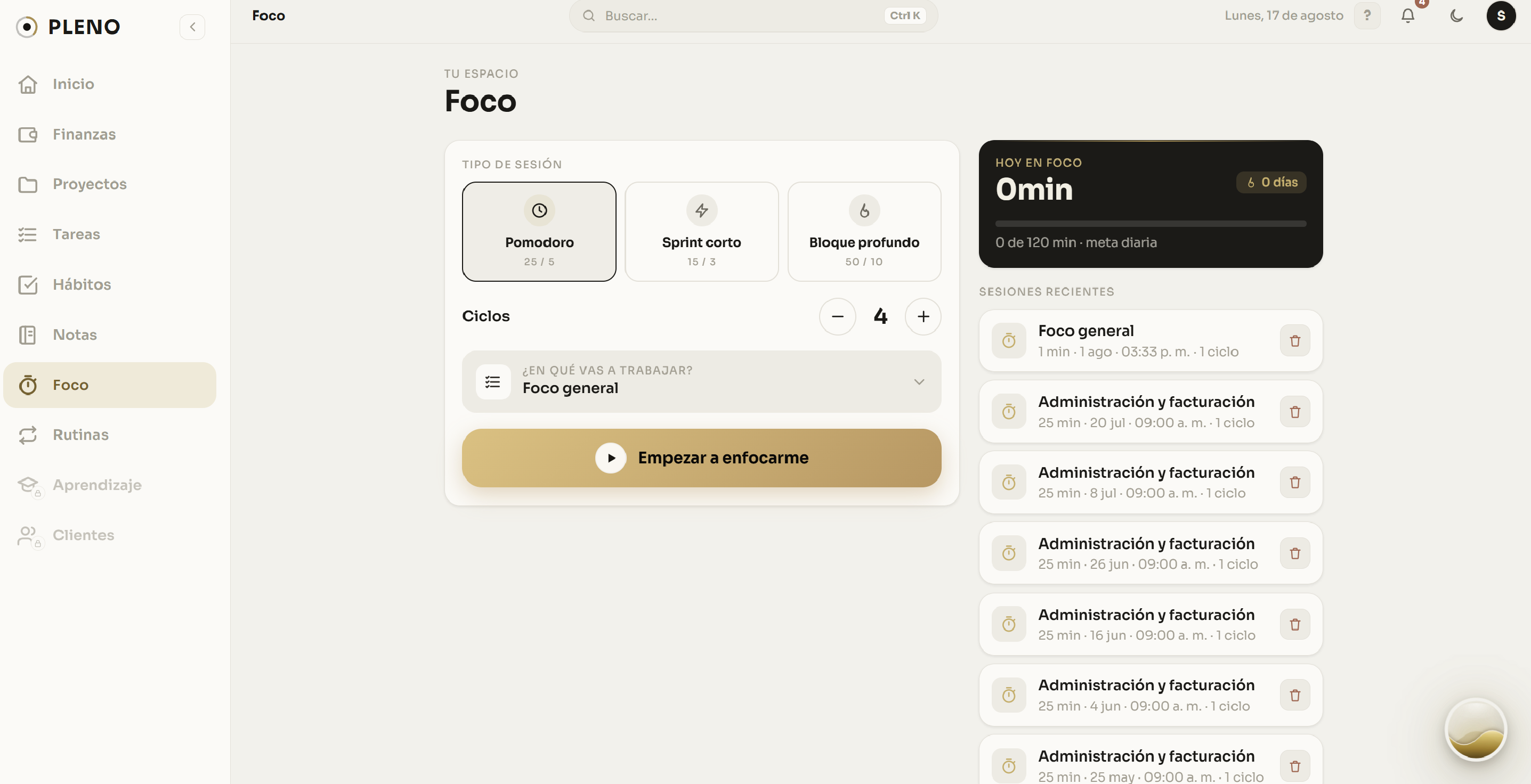
Focus module (desktop app)
-
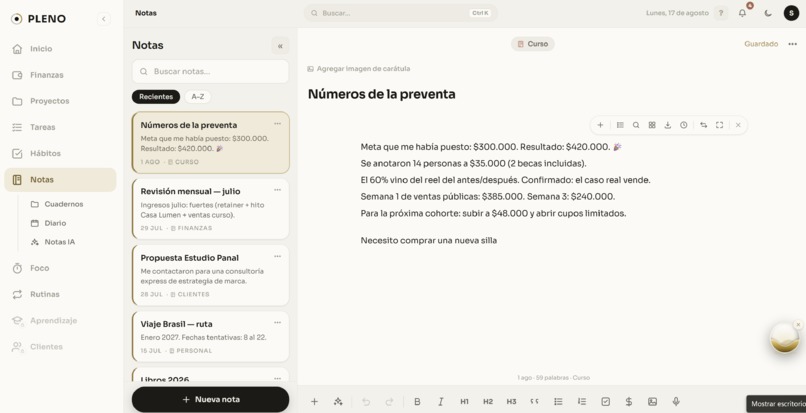
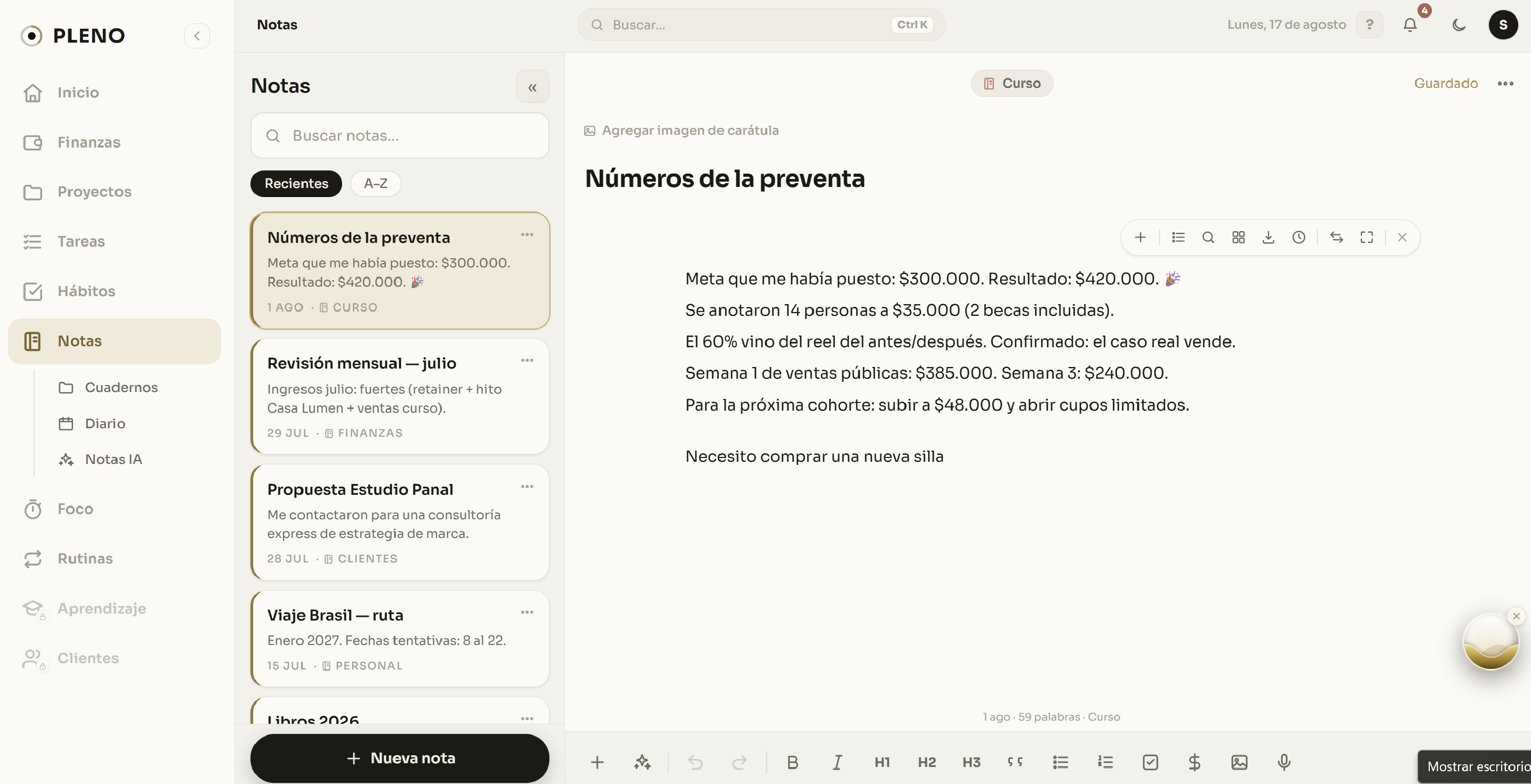
Notes module (desktop app)
-
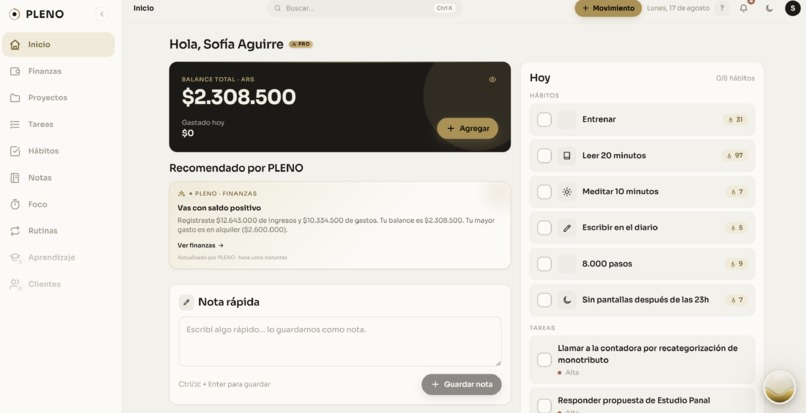
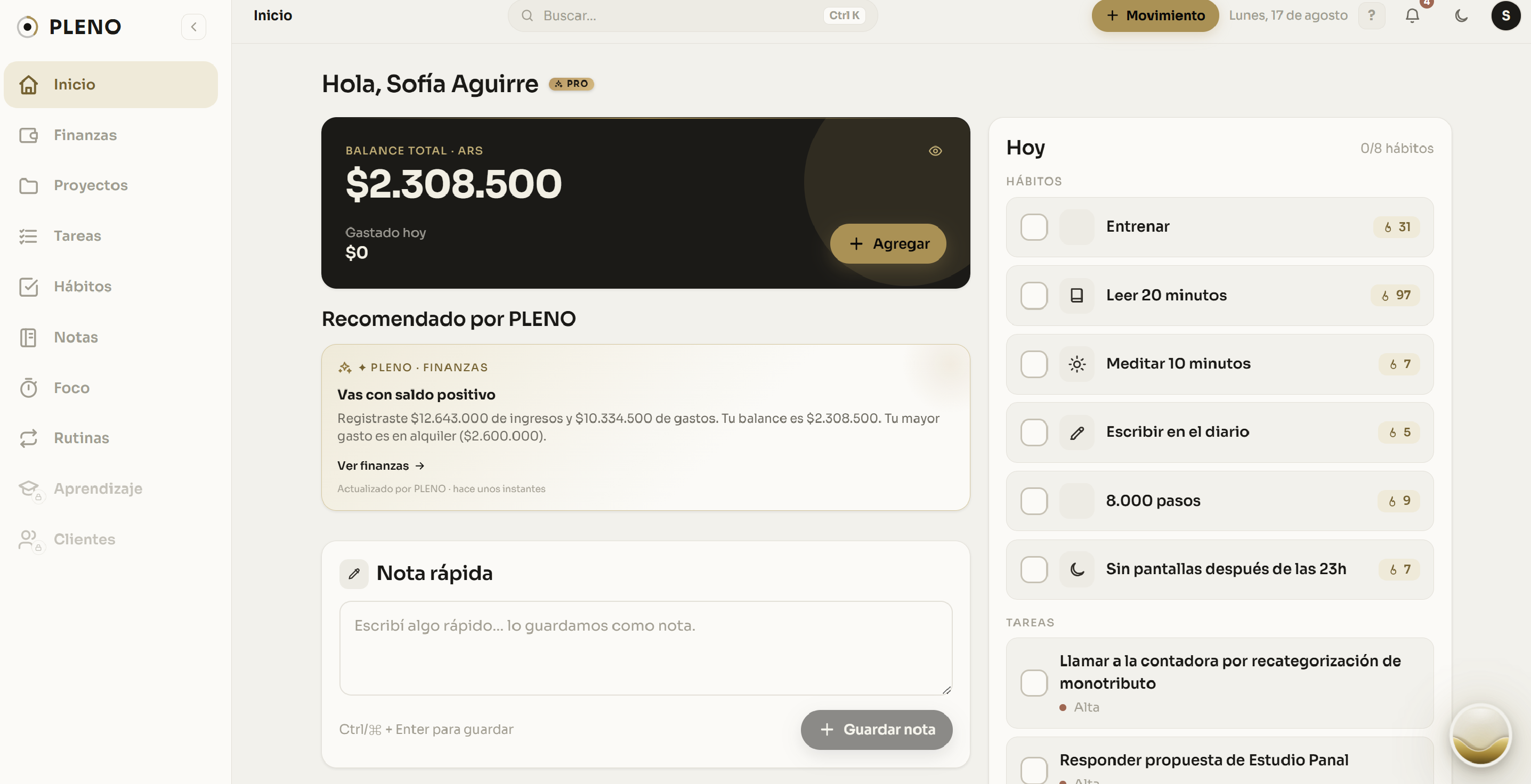
Home (desktop app)


The problem nobody was solving
Latin America has ~99 million freelancers and independent entrepreneurs. They run their entire professional lives across five disconnected apps: a spreadsheet for money, one app for tasks, another for notes, a calendar somewhere else, and WhatsApp messages to themselves for everything that doesn't fit.
But the real problem isn't fragmentation — it's that every tool available was built for a different economy. They charge in USD in countries where inflation eats income monthly. They assume one currency, when a freelancer here gets paid in dollars and spends in pesos. They don't understand installment payments ("cuotas"), which is how most purchases actually work in Argentina, Brazil and Mexico.
We researched hundreds of real Play Store reviews from Spanish- speaking users of Notion, Evernote, Todoist, Trello, Asana and Monday. The pattern was consistent: apps that paralyze users with blank-page syndrome, mobile versions that break, aggressive paywalls that remove features people already had, and pricing models that require minimum seat counts that no solo entrepreneur can justify.
What we built
PLENO unifies finances, habits, projects, tasks, focus sessions and notes into one app — but the unification isn't the product. The AI is.
PLENO runs on a multi-agent architecture powered by Gemini, where each agent handles a distinct operational domain:
- TransactionAgent — parses and categorizes financial entries from natural language
- InsightAgent — proactively surfaces spending patterns and behavioral alerts before the user asks
- ProjectionAgent — forecasts cash flow, calculates the user's "free zone" (what they can spend guilt-free), and simulates purchase decisions
- NaturalLanguageAgent — executes app actions from voice commands
- NotesAgent — semantic search and synthesis across the user's entire note history
- ProfileAgent — generates a monthly financial personality profile from real behavioral data
The centerpiece is the PLENO Sphere: a single button where tapping opens conversational AI, and holding it activates voice commands that execute real actions — "I spent 2800 at the supermarket" creates the transaction, categorized, in the right account, without opening a single form.
From prototype to real users
PLENO went through a closed testing phase on Google Play with real users — recruited from our own network, using the app daily for two full weeks. That process surfaced real bugs (an Android permission issue, incorrect date handling across finance and task records) that we fixed and shipped as new versions before requesting production access. PLENO is now live on Google Play, moving through Google's review for public release.
What makes this AI-native, not AI-decorated
The distinction matters. Most apps bolt a chatbot onto existing features. In PLENO, the agents are the operations:
- Financial categorization happens automatically, not manually
- The app tells you when you're heading toward a negative balance before it happens — you don't have to check
- "Can I afford this?" is a question you ask the app, and it analyzes your real cash flow, commitments and goals to answer with conditions
- Voice replaces forms entirely for daily logging
Building for a real currency reality
The multi-currency system isn't a display feature — it's infrastructure. Exchange rates are frozen per transaction (a purchase from two weeks ago keeps the value it had that day, not today's rate), users can override official rates with parallel-market rates (a daily reality in Argentina), and net worth is calculated across accounts in different currencies.
How we built it
- Frontend: React (via Babel standalone, no bundler), custom CSS design system, Capacitor 6 for Android
- Backend: Firebase (Auth, Firestore, Cloud Functions, Hosting)
- AI: Gemini API for all agent operations
- Payments: Google Play Billing (Android), Mercado Pago (Argentina), Lemon Squeezy (international)
- Web: Deployed as PWA at app.plenoapp.com.ar with real-time sync to the mobile app through the same Firestore layer
Challenges we faced
Building a complex product with AI tools, not a dev team. PLENO was built end-to-end using AI coding assistants, one person directing every decision — architecture, UX, business logic. That meant learning to give AI the right context to build reliably, and personally verifying every piece before trusting it in production, since there was no second engineer to catch what the first one missed.
The scope of "all-in-one" is a constant fight against sprawl. Finance, habits, projects, tasks, focus and notes could each be their own startup. Keeping them coherent — one design system, one AI layer, one data model — instead of six disconnected features bolted together, was the hardest and most ongoing design challenge of the whole build.
There is no playbook for launching a fintech-adjacent app from Argentina. Every "standard" path — payment processors, banking, app store monetization — assumes an economy this market doesn't have. We had to discover, one blocker at a time, which global tools simply don't work here, and build around each one without a roadmap to follow.
Real collaboration and real payments only reveal their cracks under real use. Multi-user projects that looked correct in isolation broke under actual concurrent use. Payment webhooks that worked in testing sent duplicate confirmations in production. Shipping to real testers, not just testing alone, was what actually exposed what needed to be rebuilt.
Racing a hard deadline while the product kept teaching us what it needed to be. Every week of user testing surfaced something that needed rethinking — pricing, onboarding, which features actually mattered. Balancing "ship what's real now" against "this insight changes the product" under a fixed deadline was a constant tension.
What we learned
Building for an underserved market means the constraints aren't technical — they're structural. Every "standard" solution (Stripe, seat-based pricing, USD-first billing) assumes an economy that doesn't exist here. The features that matter most to our users are the ones that no global tool considers worth building.
What's next
Bank and Mercado Pago transaction sync, a Notion-grade note editor with embedded diagrams, and expansion beyond Argentina into Mexico and Colombia.
Built With
- ai-agents
- android
- capacitor
- cloud-functions
- fintec
- firebase
- firebase-auth
- firebase-hosting
- firestore
- gemini
- google-analytics
- google-play-billing
- googleantigravity2.0
- javascript
- lemon-squeezy
- mercado-pago
- multi-agent
- pwa
- react
- resend
- web-speech-api


Log in or sign up for Devpost to join the conversation.