Inspiration: Why kids don't just listen
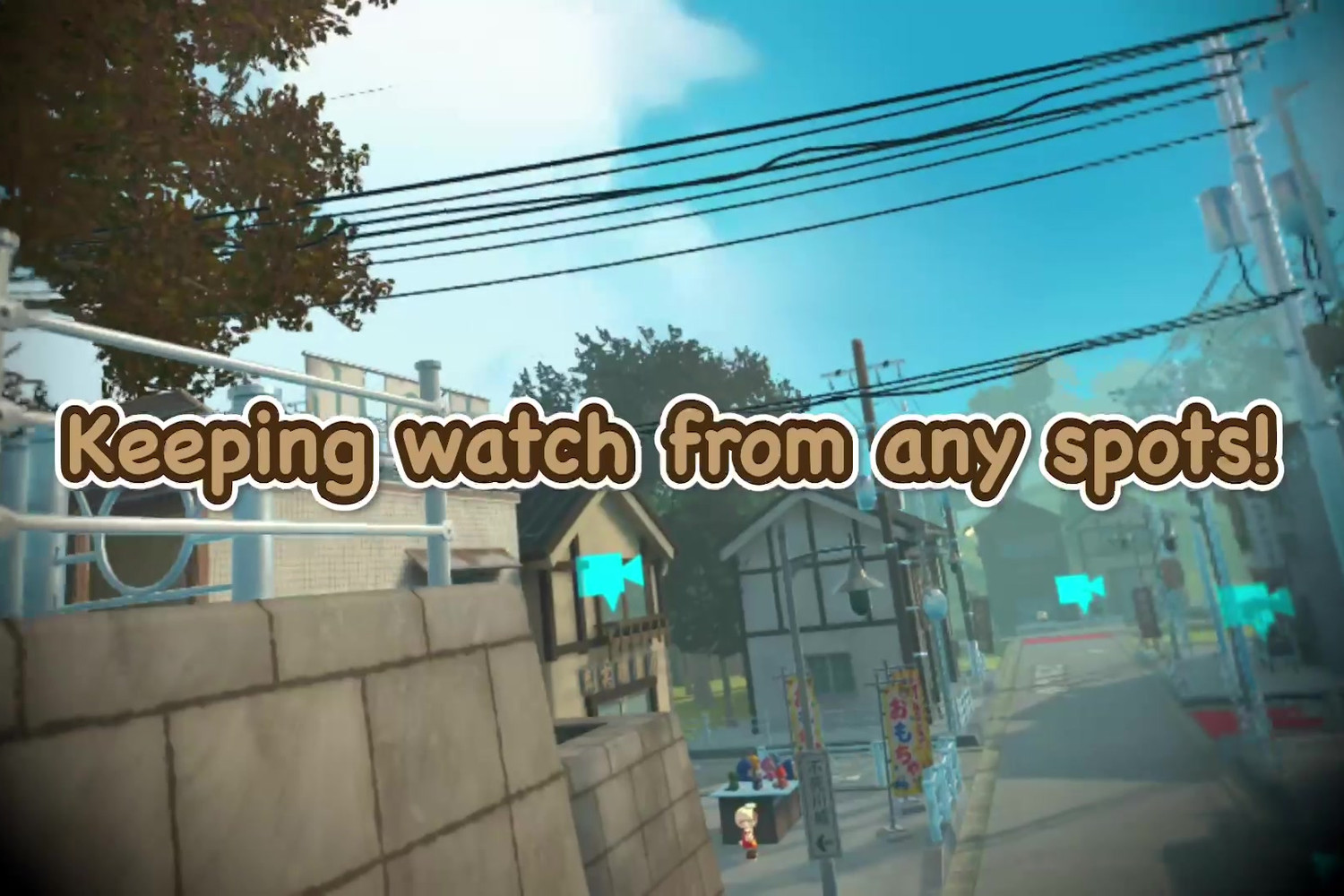
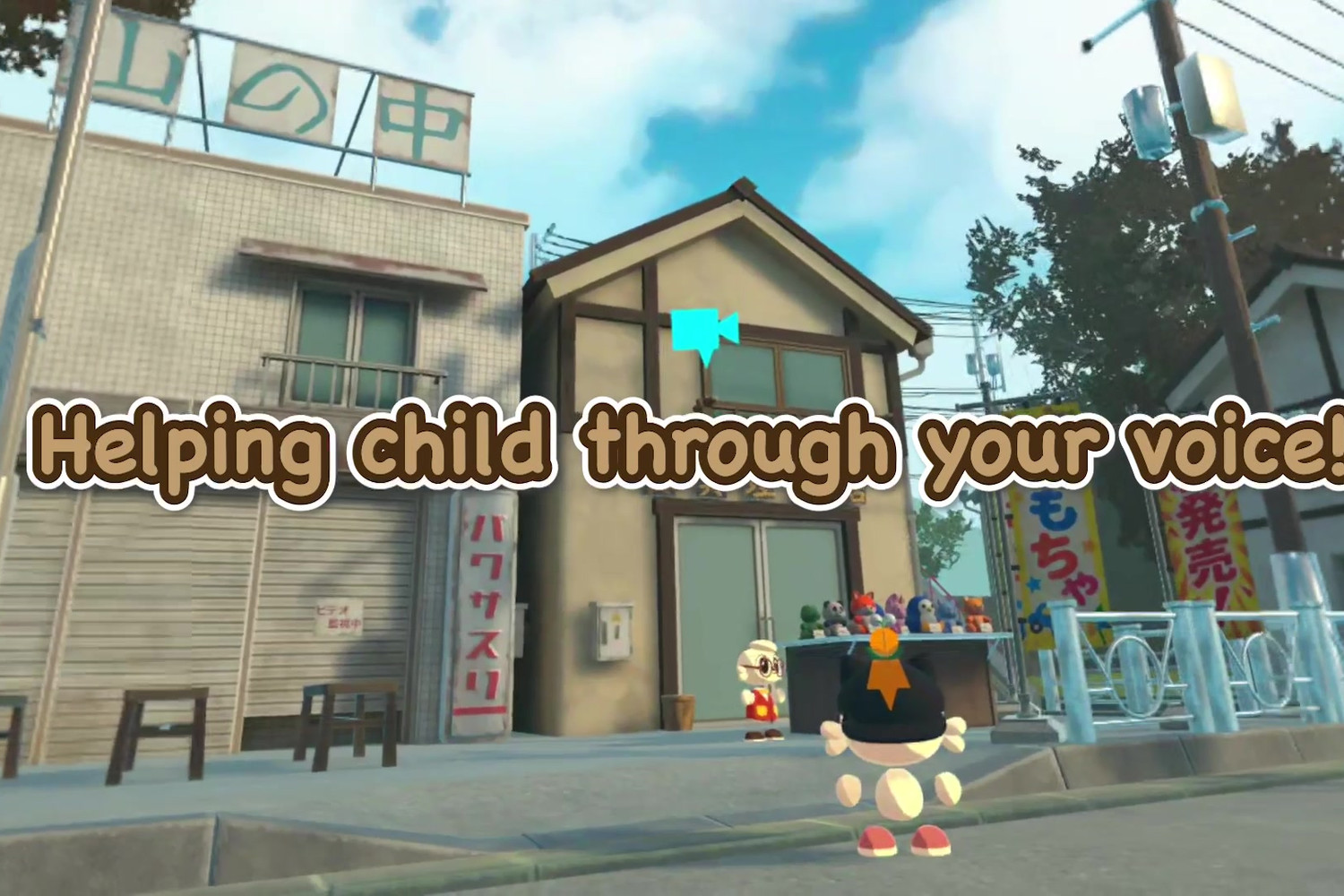
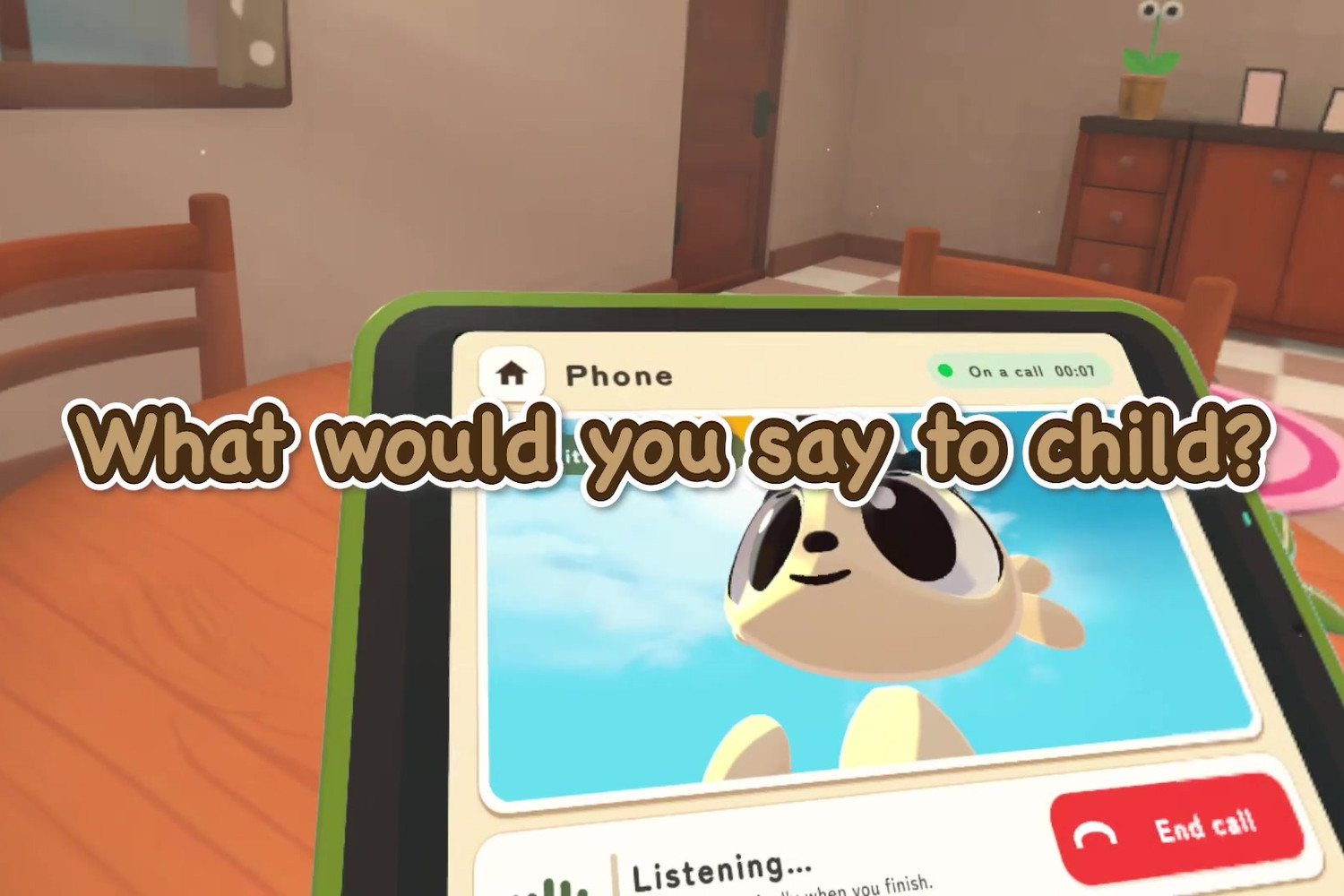
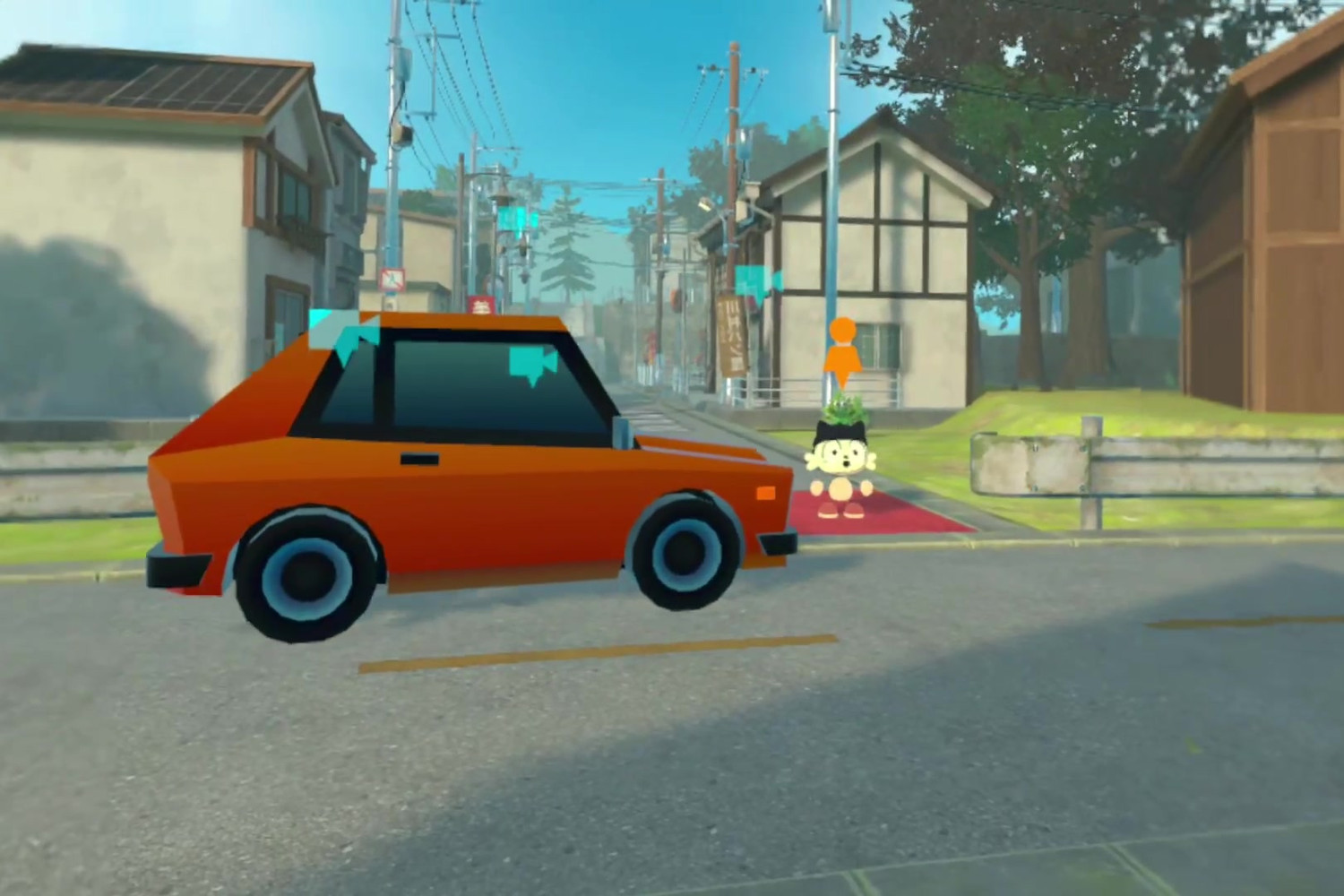
We wanted to build a game with conversation with AI at its core. With AI, you don't have to script every turn in advance, and the story still holds together as it unfolds. The theme we chose was getting a child to listen. Getting kids to listen is harder than it sounds. They forget what you asked, they want to wander off, they freeze up when they're scared. Every time, a parent has to choose: scold, encourage, or first ask how they feel. Some of our team members are raising kids right now, and feel firsthand how tricky it can be in their everyday moments together. We wanted players to feel the joy of the moment when you finally get through and your child really listens. The setting is a child's very first errand. You stay at home, peek through the hat camera and town cameras with the camera glasses around your neck, and watch over them by phone.
What it does: Your child's first errand
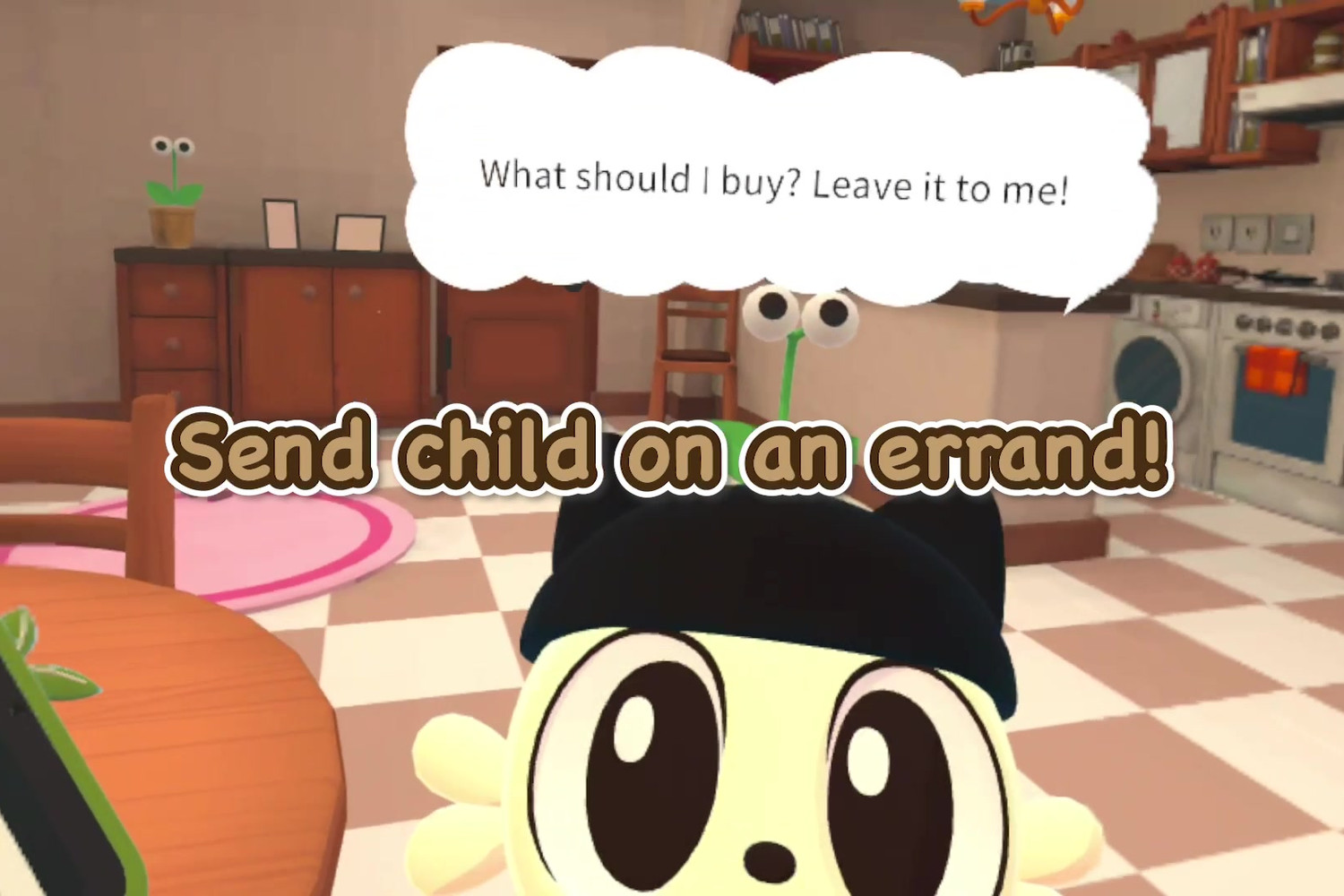
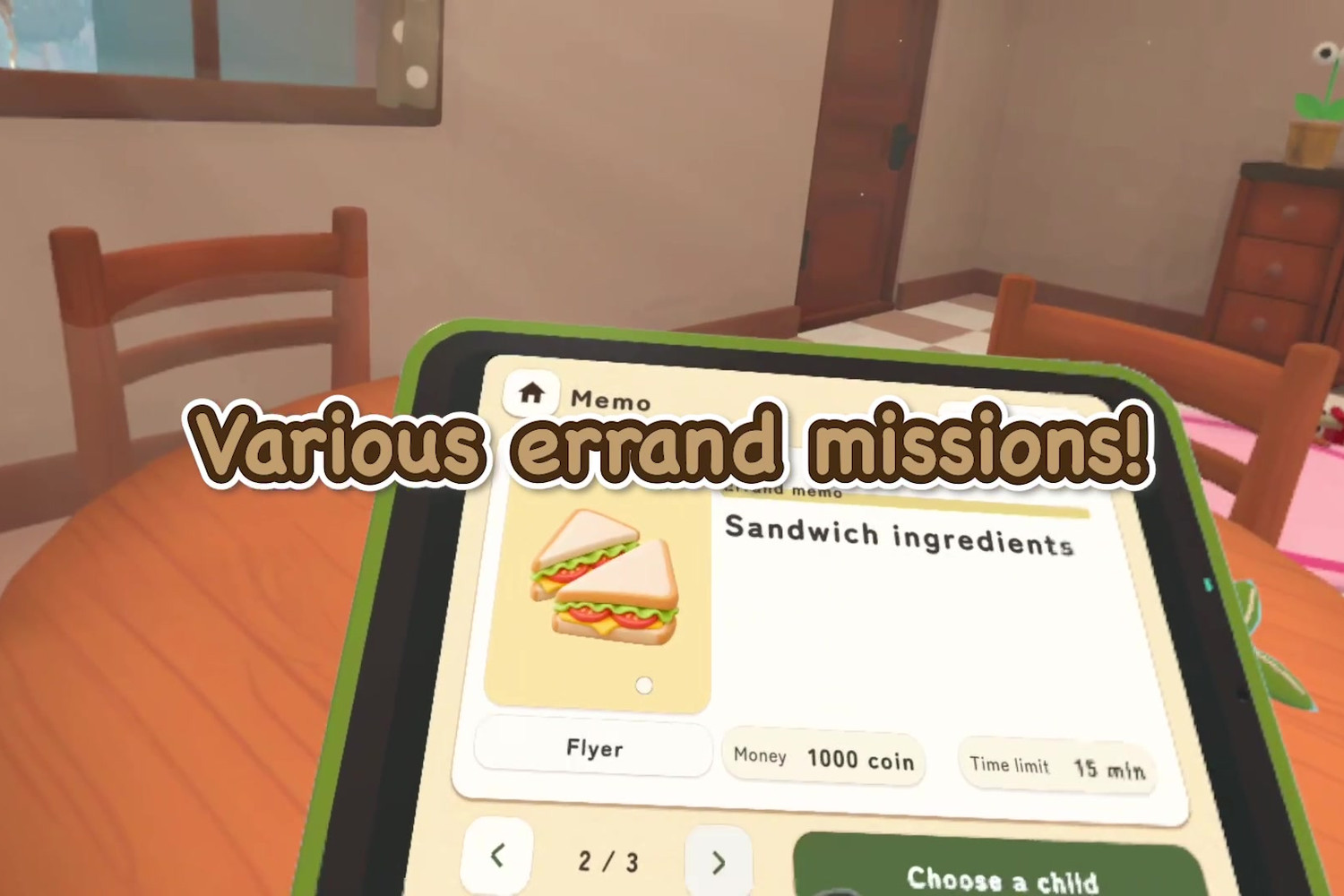
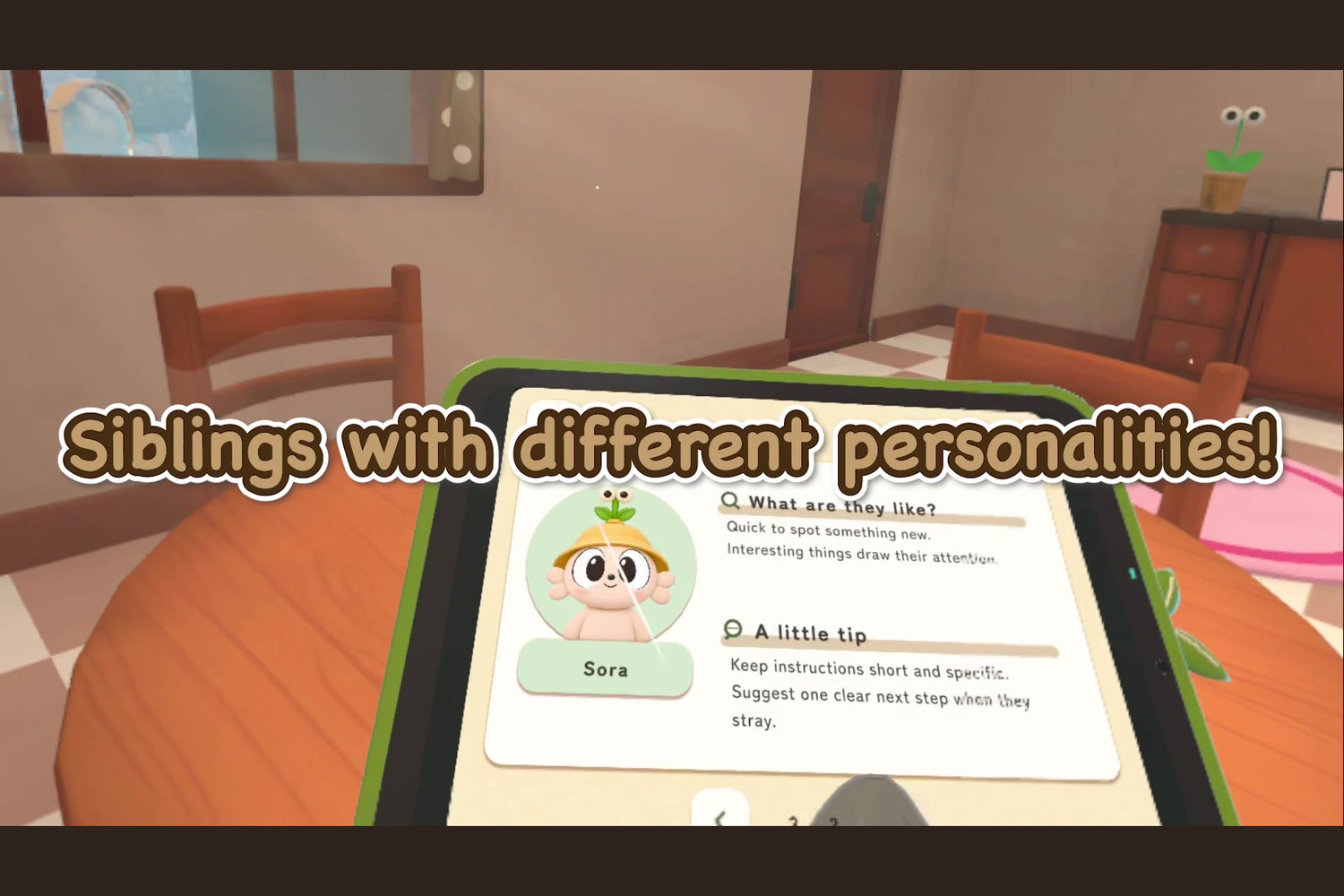
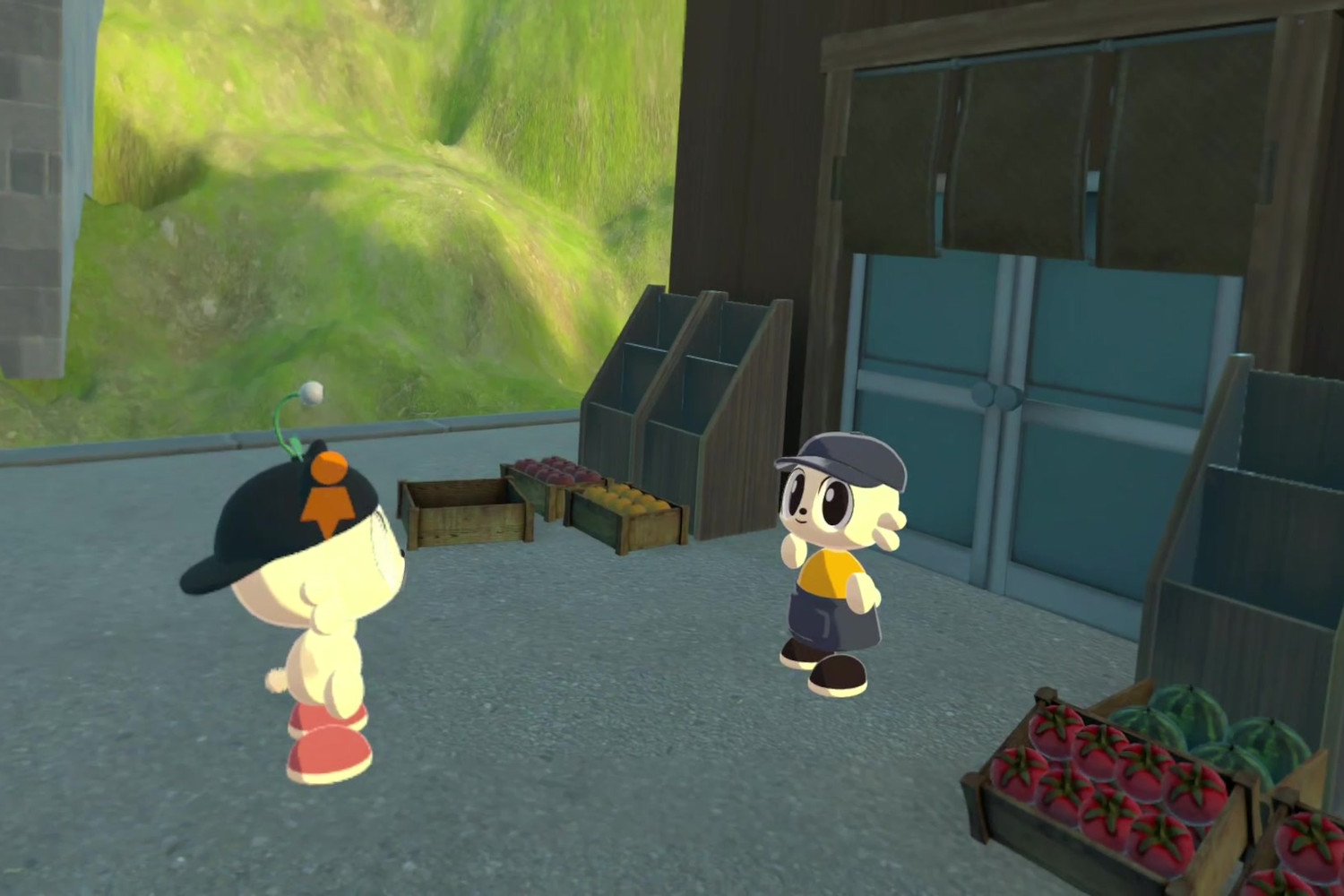
Please! Just Listen! is a game for Meta VR Glasses and Meta Quest 3/3S. You play as the mother of three brothers: Kai (in a rebellious phase), Riku (easily scared) and Sora (easily distracted). Pick one and send him off to buy ingredients for a meal, like sandwiches. You can name each item one by one, or leave the choice to him.
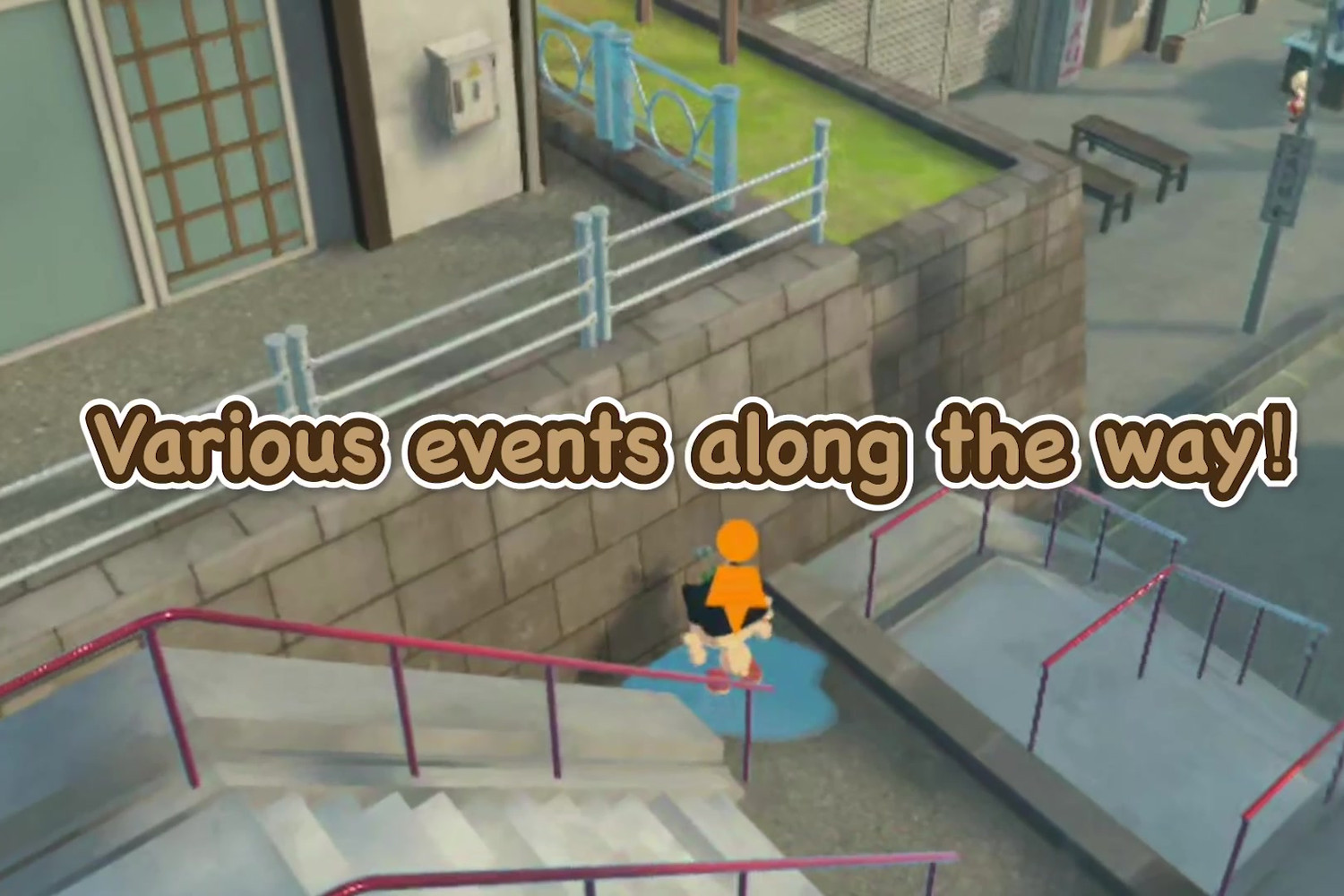
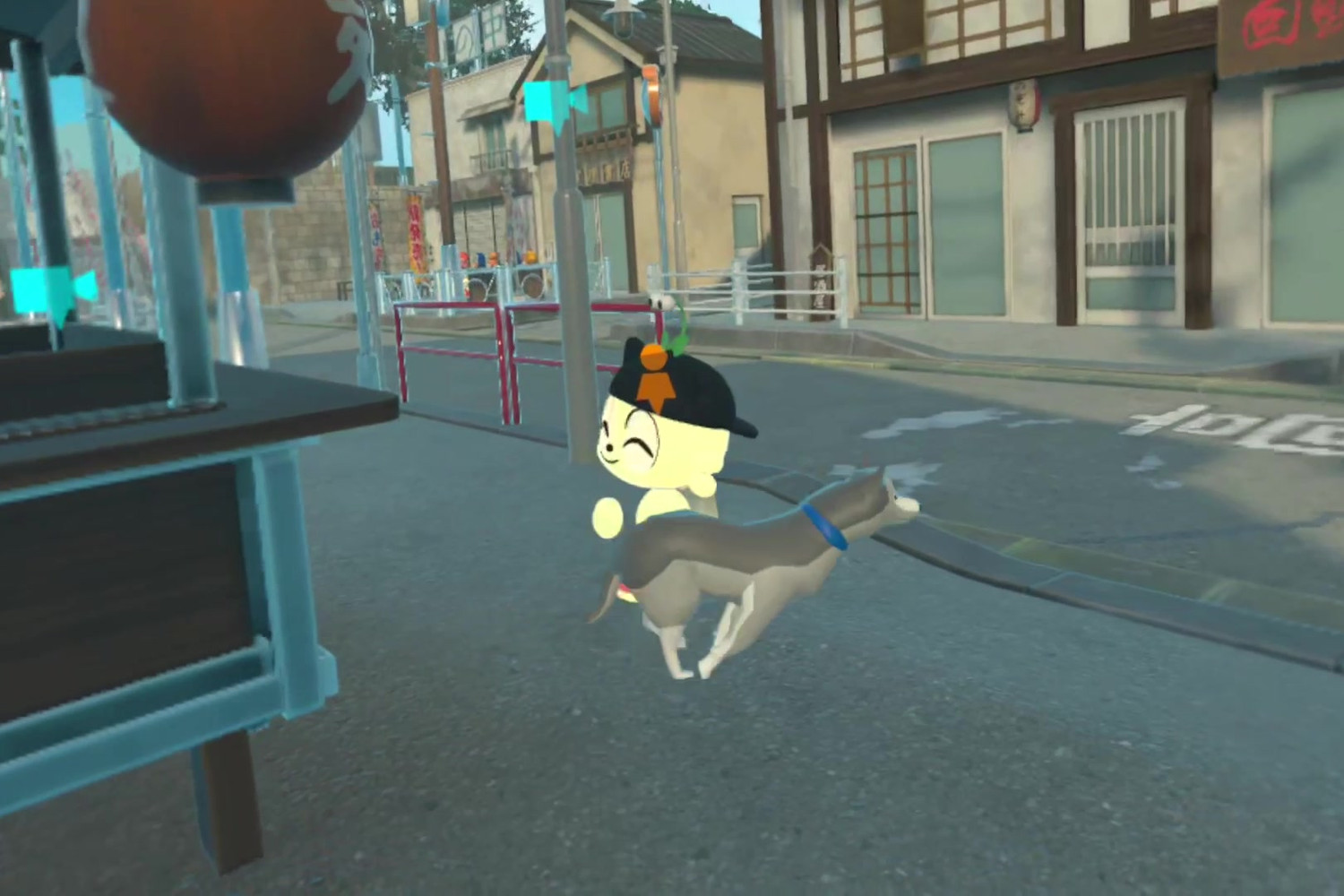
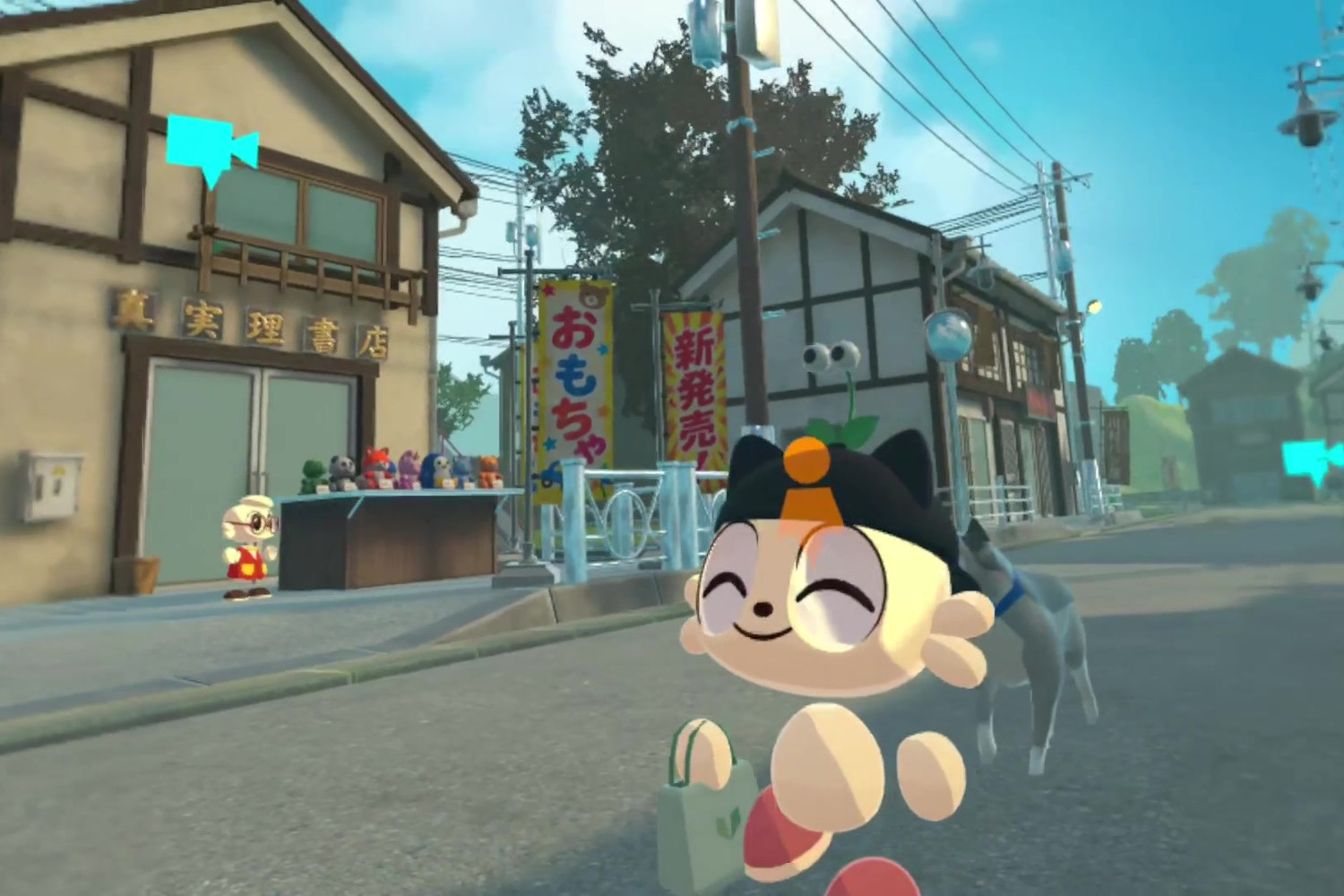
High-five him with your right hand to send him off, then watch over him with the camera glasses and the phone. Along the way, toy shops, dogs and other temptations and surprises are waiting. Your child has his own mood and true feelings in each moment, and what matters is listening to them and speaking to how he feels. If things don't go his way and he loses heart, he may come back home. Encourage him, guide him, and help him make it through his errand.
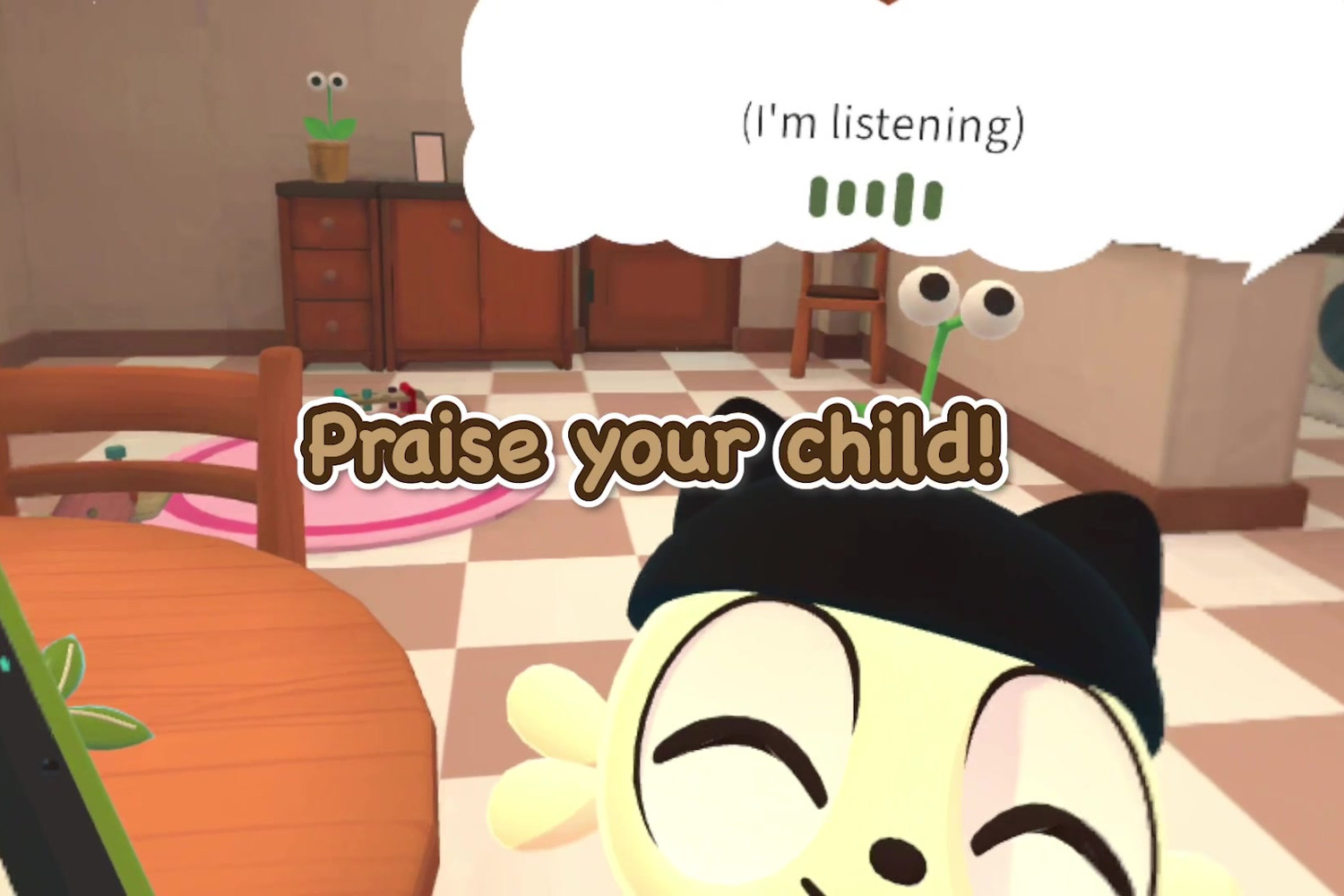
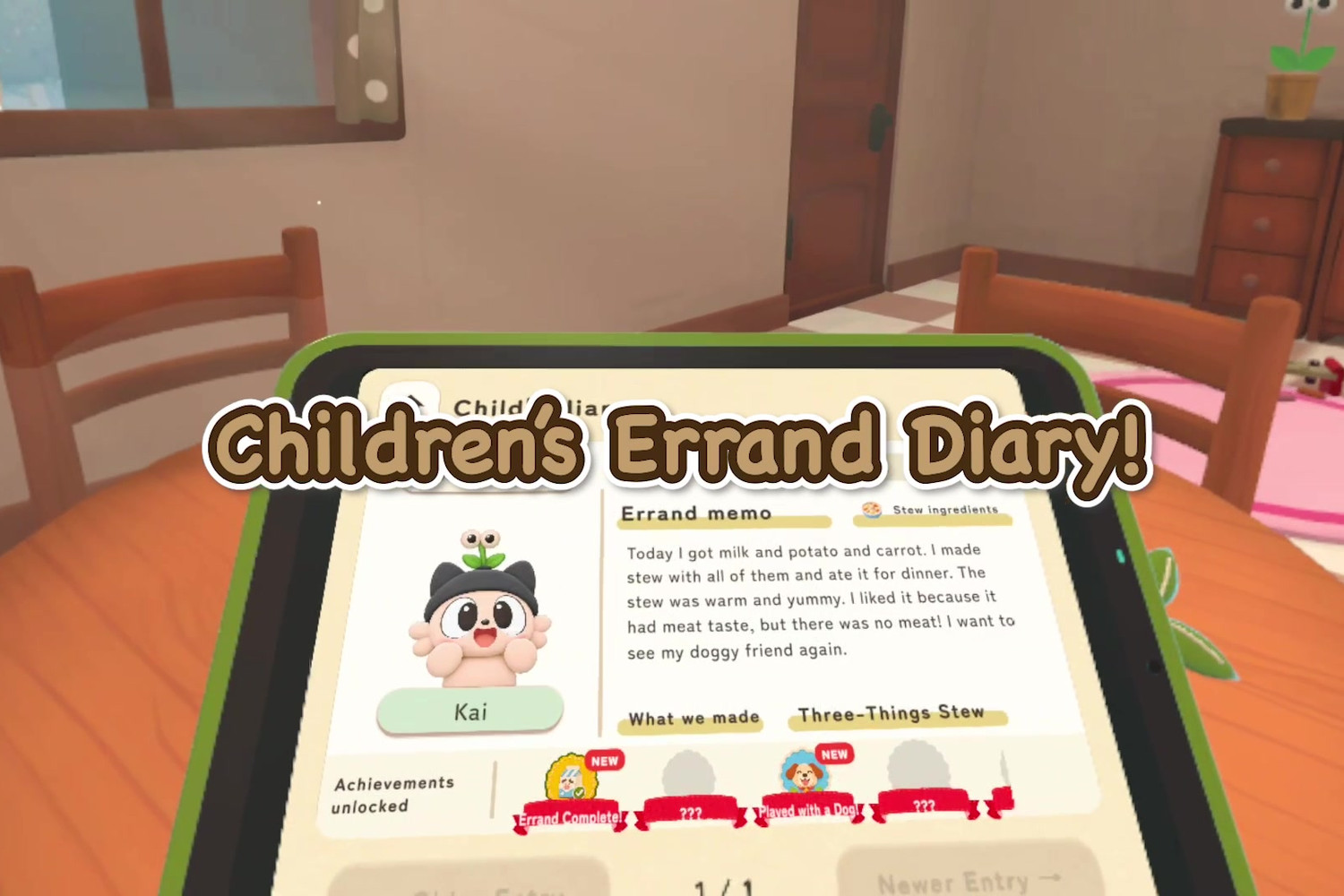
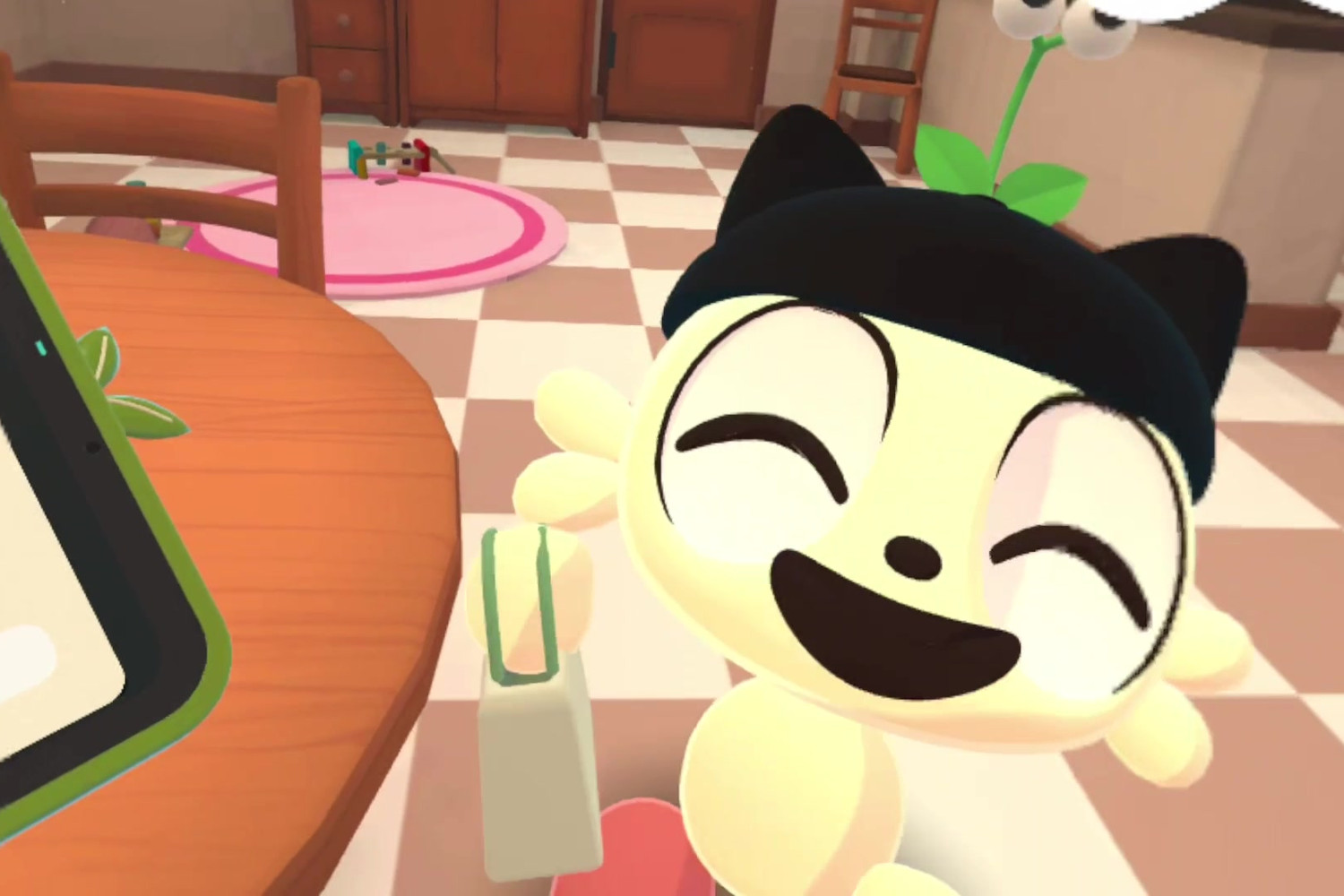
When he gets home, take off the camera glasses and greet him. Give him the praise he's earned. The next day, a diary of what happened arrives.
How we built it
We built it in Unity for Meta VR Glasses and Meta Quest 3/3S. Hand interactions like grabbing the hat, high-fiving and pinching pins are built with the Meta Interaction SDK, with no controllers. For conversations with the child, we use OpenAI Whisper for listening, GPT-4.1 and GPT-4.1 mini for replies and for judging whether he's convinced, and Gemini TTS (gemini-3.8-flash-lite-tts) for speech, with a different voice for each brother. But how much the child's feelings move isn't left to AI; it's decided by numbers in the game. We tuned the conversations by testing them in our own conversation lab tool.
Challenges: Teaching AI when a child is convinced
In our first prototype, negotiating with the AI child just wasn't much fun. Give the AI too much information and it went off track, like talking about shops he hadn't visited yet; give it too little and there was no game. So we only ask the AI to decide at moments that really need it: forks in the road, shops and events. And a child who only says "no" leaves parents with nothing to say, so we gave each child a true wish, and words that speak to that wish win him over little by little.
What we're proud of: Every errand turns out different
Each of the three brothers has his own personality and voice. Meet the same dog, and the lively one wants to pet it, while the timid one is scared it will bark, so what you say has to change too. Their true feelings change every time, so on every errand you have to read how your child feels.
What we learned: Drawing the line between AI and game rules
We trust the AI with many decisions: shifting the child's mood and how heavy his heart feels in response to what you say, which way to go, and what and how much to buy. But when we let the AI directly decide how well a persuasion worked, it swung between too lenient and too strict. So instead, the AI tells whether your words spoke to his wish or pushed him away, and the game's rules decide how much that counts and handle the money. We learned that drawing the line between what the AI decides and what the game decides is what matters. We found this by having the AI play the parent in a conversation lab tool we built, and testing over and over.
What's next
We'll keep refining how each brother reacts and how natural the conversations feel. We also plan to expand the parts of town he can explore on his errands and add more events along the way. We're aiming to launch around spring 2027.


