-
-
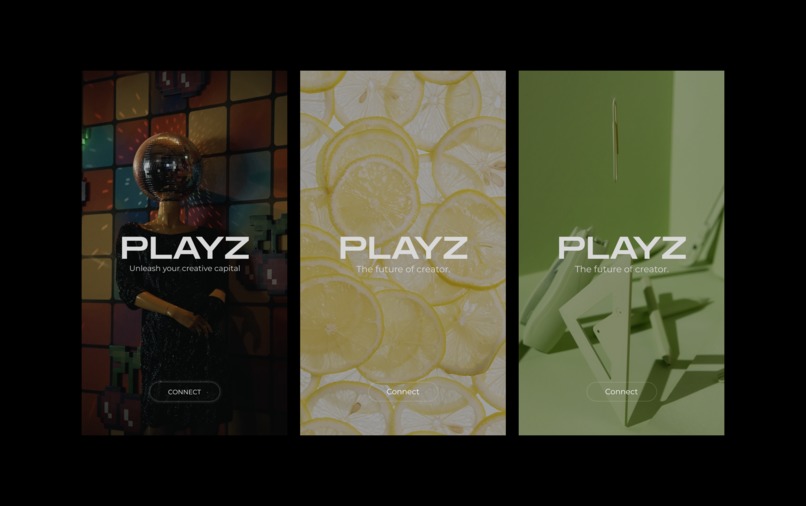
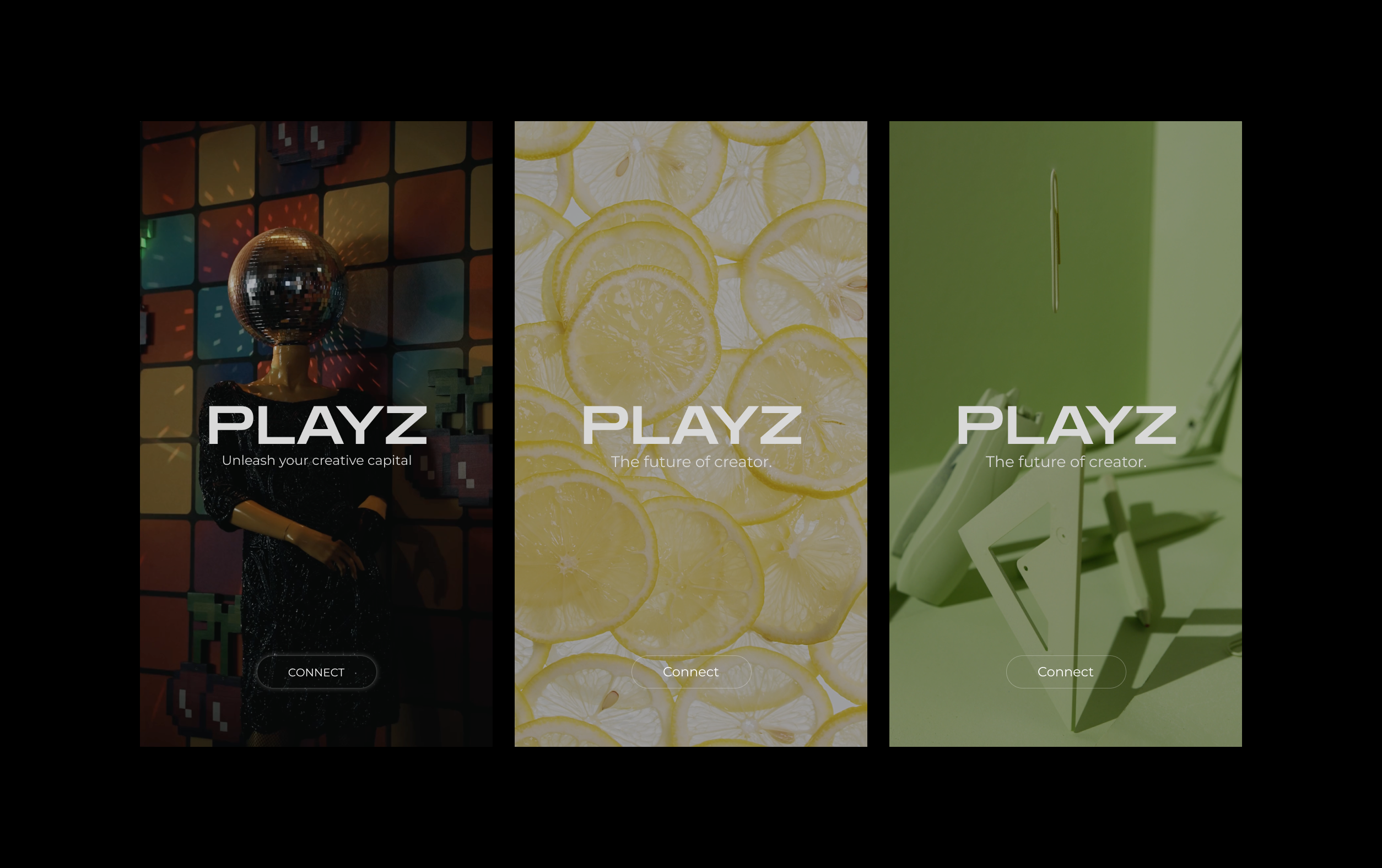
Landing
-
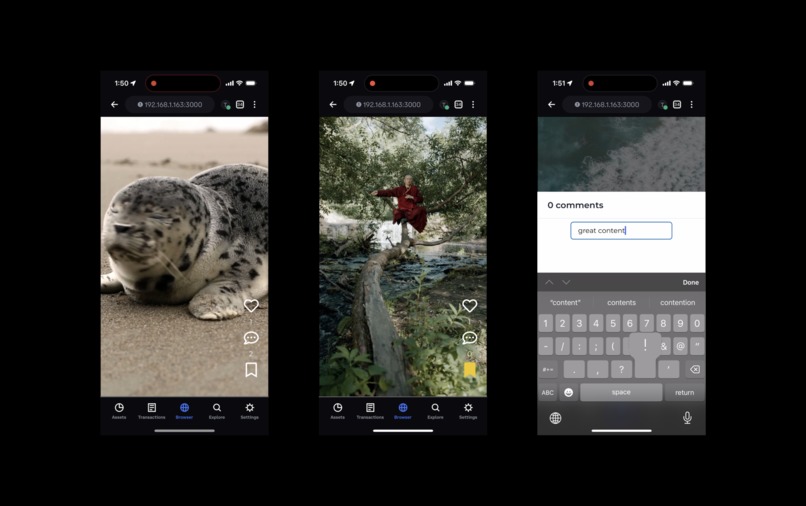
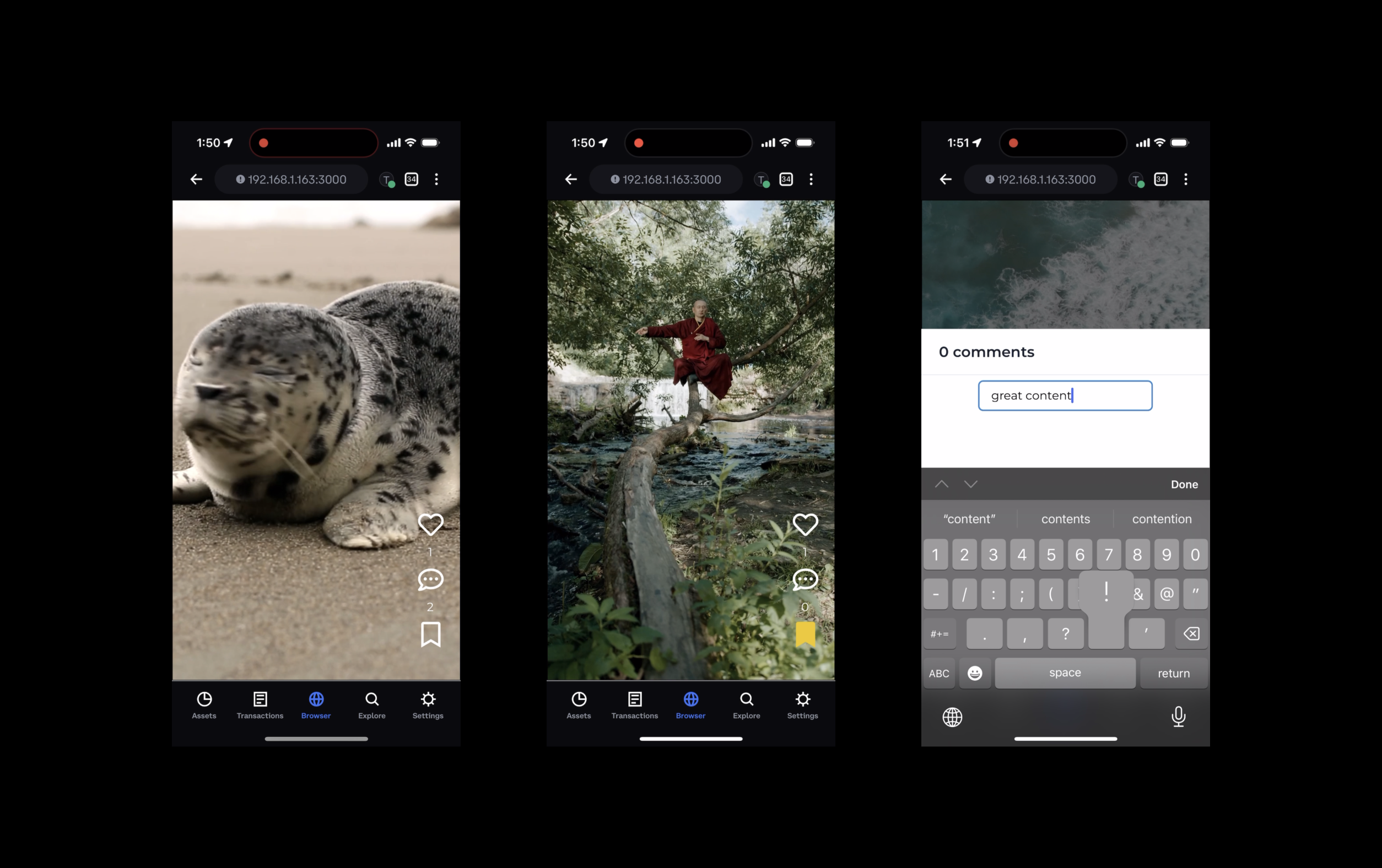
Content
Problem statement
The advent of Web2 revolutionized user interaction, fostering the rapid growth of social media platforms and content creation. Platforms like YouTube offered monetization solutions, effectively turning creators into business entities. However, these platforms leverage user preferences and behaviors as commodities, selling this data back to advertisers. Creators are now realizing that they're renting their audiences from these platforms, making it challenging to transition to more ethical or lucrative digital spaces. In addition to unreliable revenue and issues surrounding content ownership, creators also risk losing their audience's trust with each paid post, reducing their authenticity and engagement. The current Web2 creator economy, reliant on opaque, advertising-based business models, is causing creators to question the disproportionate influence these platforms have over their work and compensation, indicating a rising legitimacy crisis.
What it does
Playz is an innovative, decentralized social media platform that integrates the best of Web2 and Web3 technologies. It provides a unique space for artists and creators to publish to, and engage with, their fans via exclusive token-gated access and experiences. Built with a TikTok-style user interface, Playz offers an ecosystem of features including community chat, live streaming, and a social marketplace. It functions as an NFT super-app, enabling the creation, minting, and community building aspects of NFTs all under one roof. All the while, bringing content ownership back into the hands of the creator, not the advertising middlemen nor the value-extracting platforms.
Inspiration
Our inspiration for Playz stemmed from recognizing the potential of Web3 and decentralized systems, and the desire to empower creators by combining this with the familiarity and usability of Web2 platforms. We were also deeply inspired by the idea of community ownership and the notion that communities could come together to create, own, and bring their ideas to life.
How we built it
Playz was built with the goal of seamlessly integrating Web2 usability with Web3 community engagement. To ensure a smooth user experience, we drew lessons from industry leaders like Dapper Labs, Reddit, and Manifold. Our tech stack includes React, ExpressJS, MongoDB, and Chakra UI for building our front-end and backend systems. For the smart contracts, we employed Solidity and Hardhat. Our video streaming and uploading services are powered by the Theta Video API and Theta Network, and we utilize ThetaPass for secure access control.
Challenges we ran into
During the development process, we encountered a couple of significant challenges. Initially, our goal was to create a native mobile experience, but we found that wallet integration for native applications lacked in providing a smooth user experience. To overcome this, we decided to build a mobile-first web app and relied on in-app dapp browsers on existing wallets like MetaMask and Coinbase Wallet.
A major setback occurred when the Theta Video API had an outage that led to the loss of all the videos we had uploaded during our build. It also prevented us from using the API for uploading and streaming content, which delayed our development by a week.
What's next for Playz
Looking ahead, we have several plans in the pipeline:
- Token-gated live streaming for artists and communities, offering exclusive access to unique experiences.
- Content pre-sale launchpad feature, aiming to aid new artists in project fundraising.
- Planned smart contract audit to enhance safety and security of tokenized content for our users.
- User experience enhancement across devices through continuous testing and refinement of our responsive design.
- Thetadrop integration, enabling artists to create drops directly on our platform.
- Concentrated marketing and advertising efforts to raise awareness and attract new users.
- Potential partnerships with large entertainment companies to recruit more artists to the platform.
Built With
- chakra
- express.js
- hardhat
- mongodb
- nextjs
- solidity
- theta-video-api
- theta-video-api-and-theta-network
- thetapass


Log in or sign up for Devpost to join the conversation.