-
-
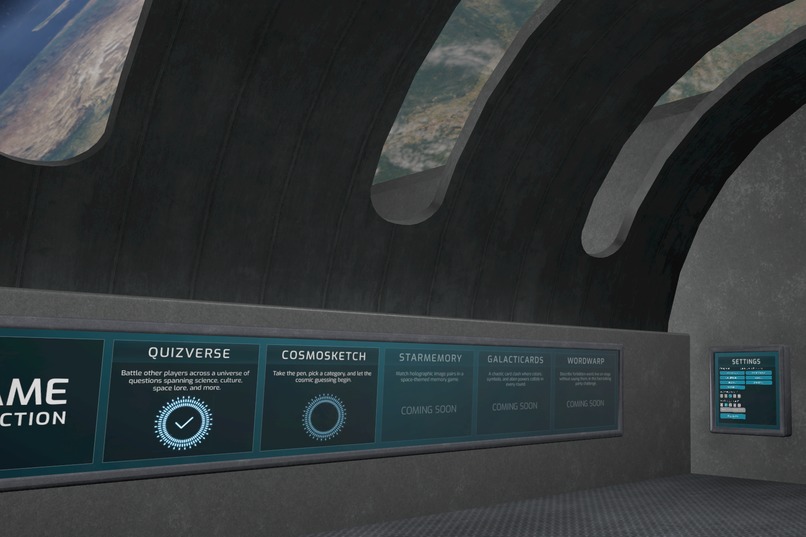
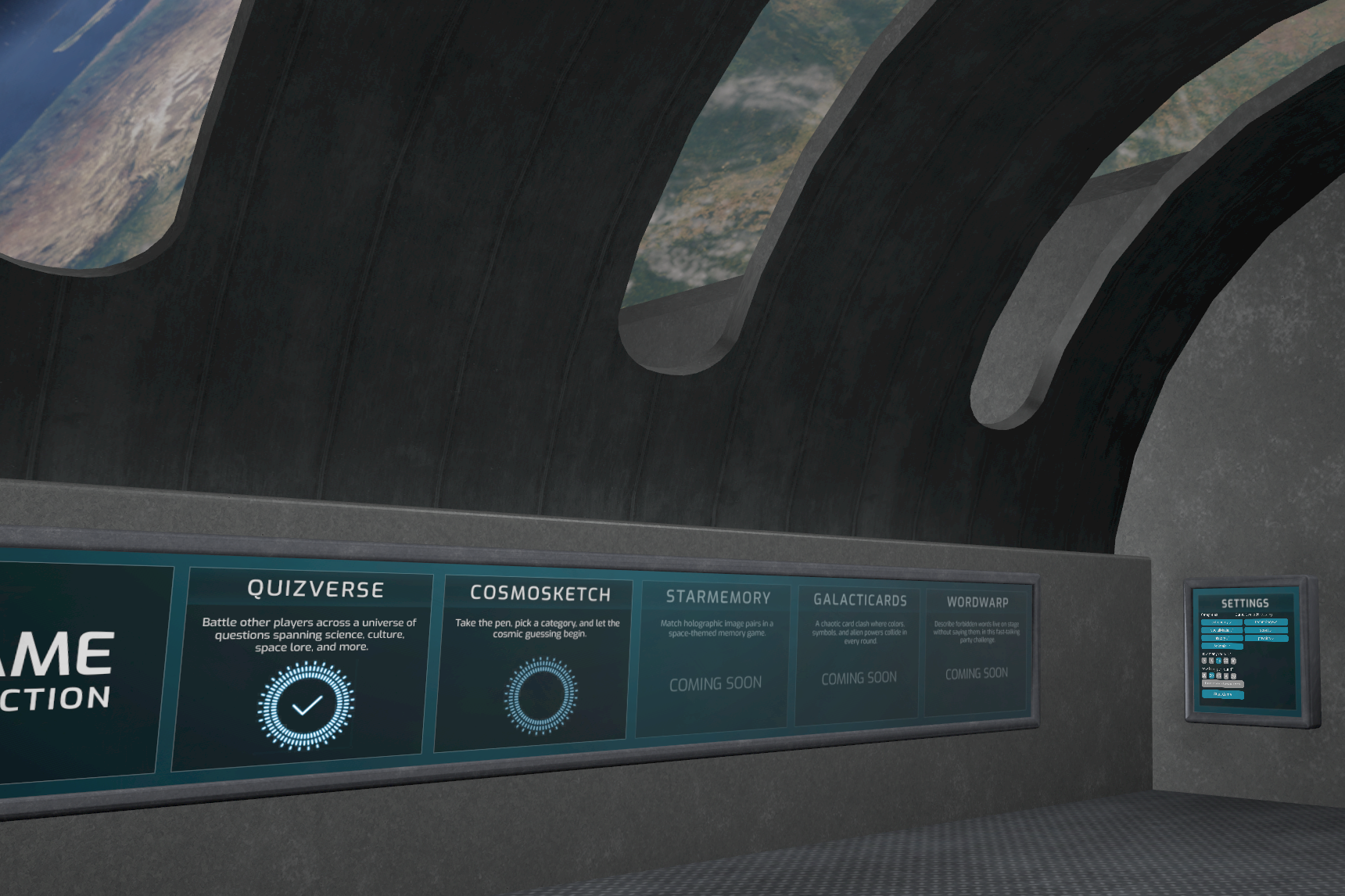
Lobby - Game selection & settings
-
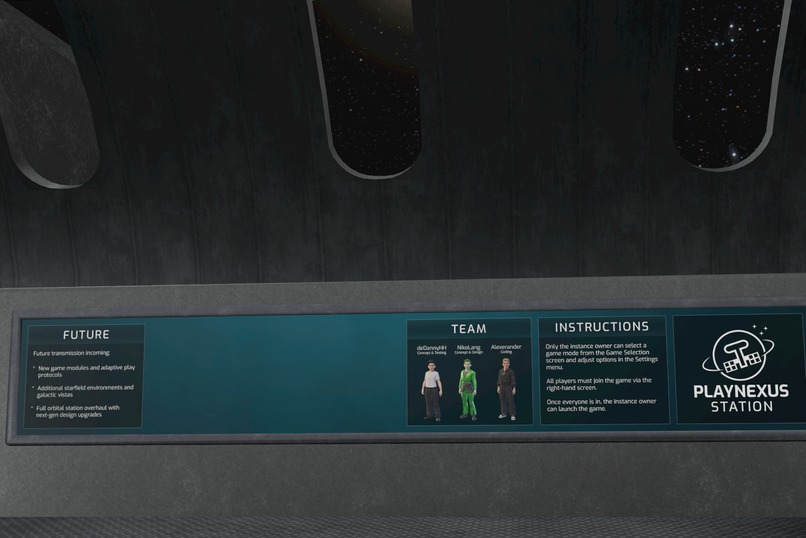
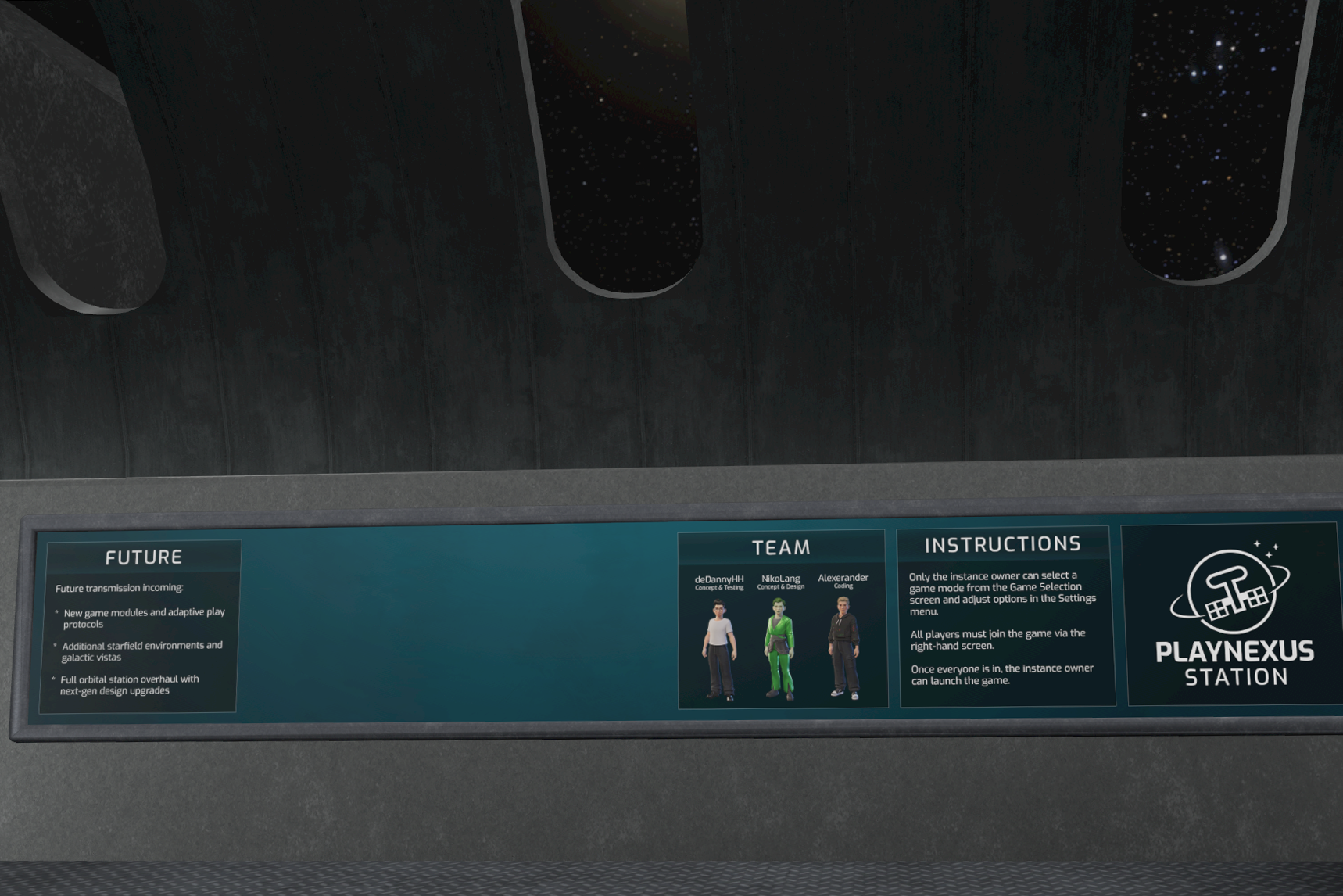
Lobby - Info
-
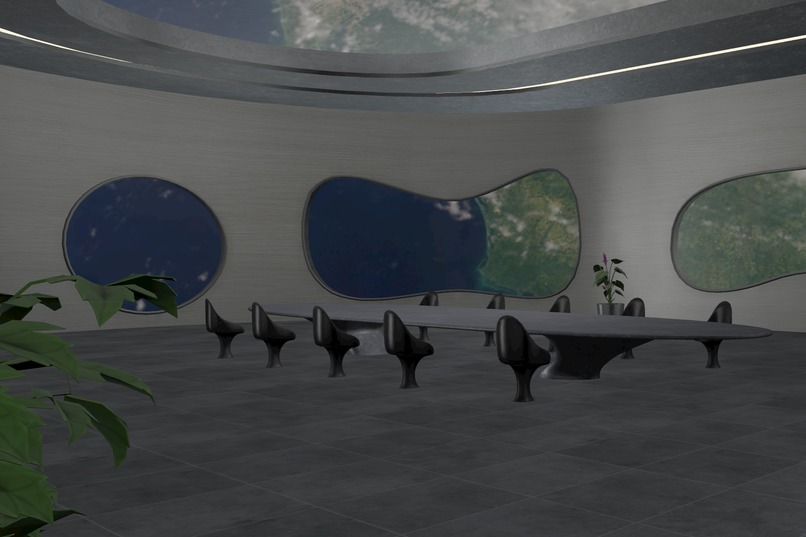
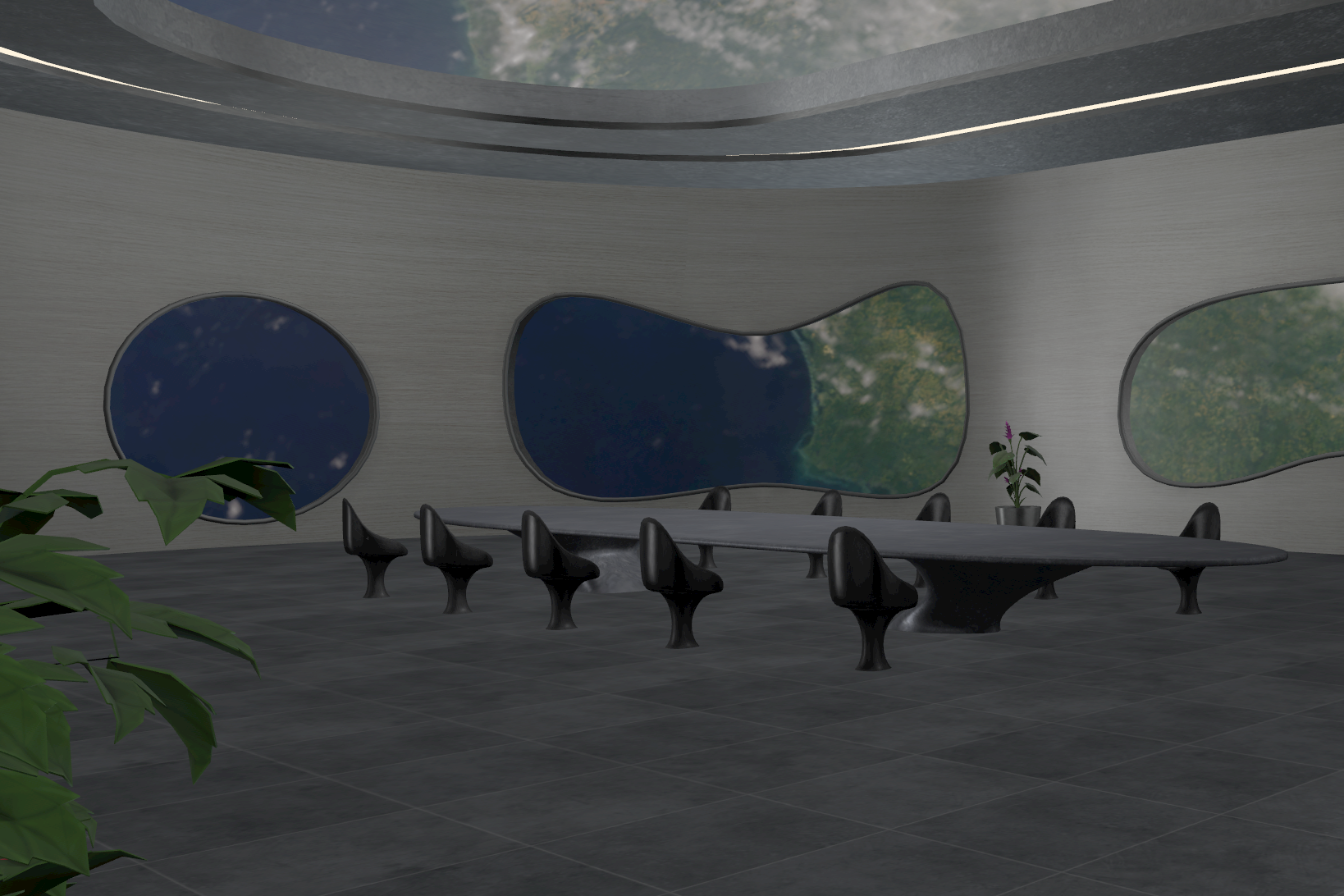
Game table
-
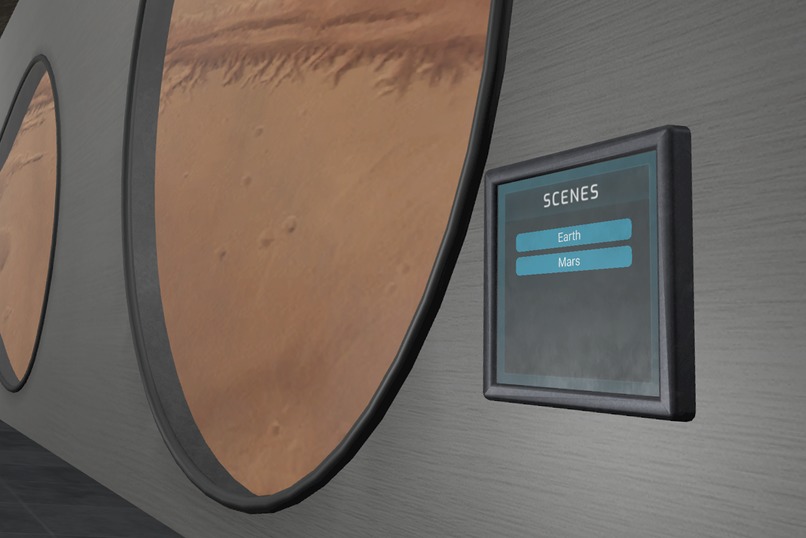
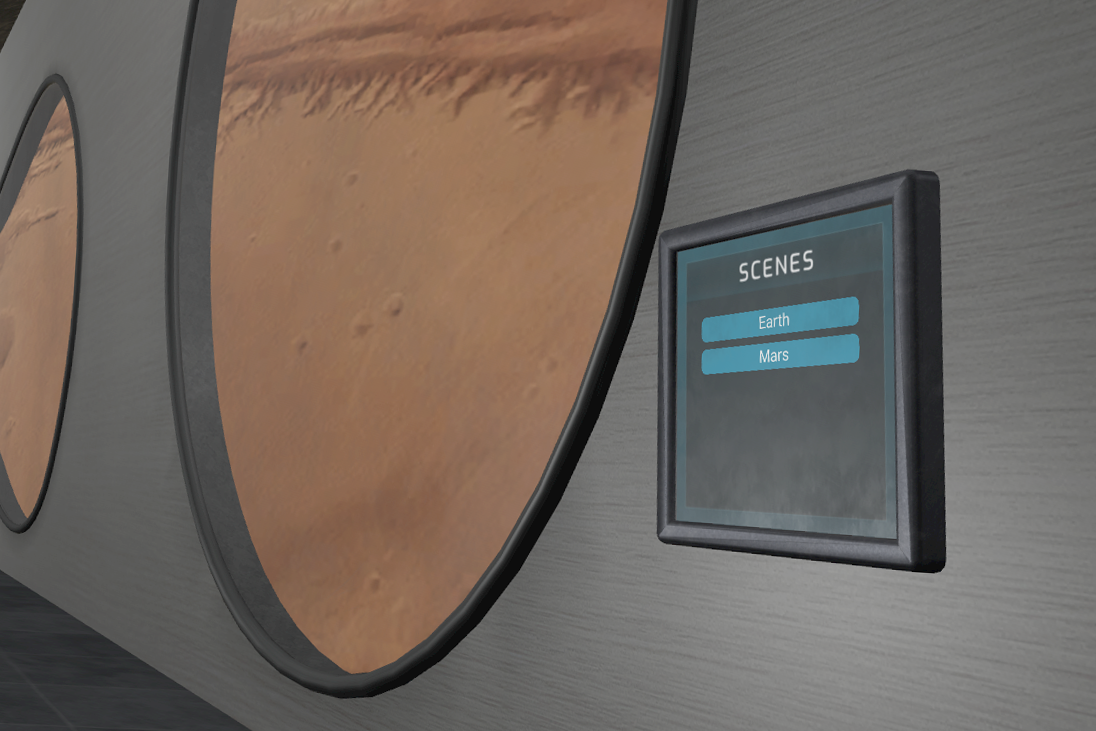
Scene selection
-
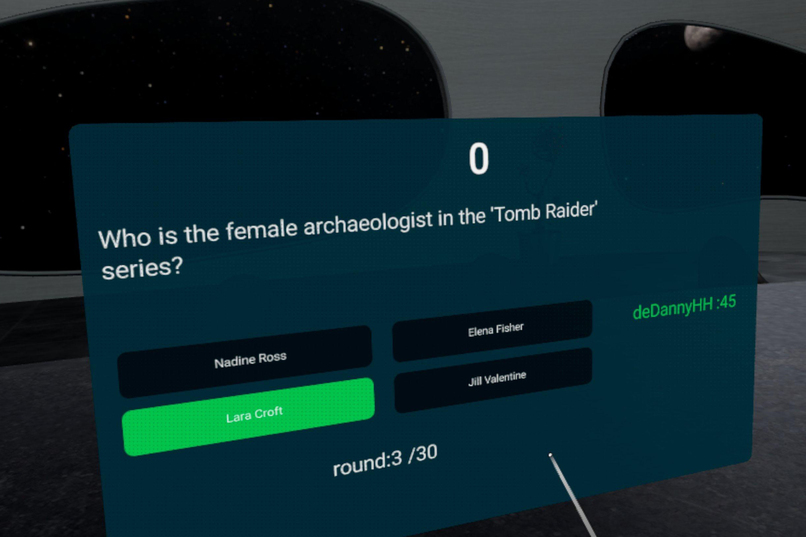
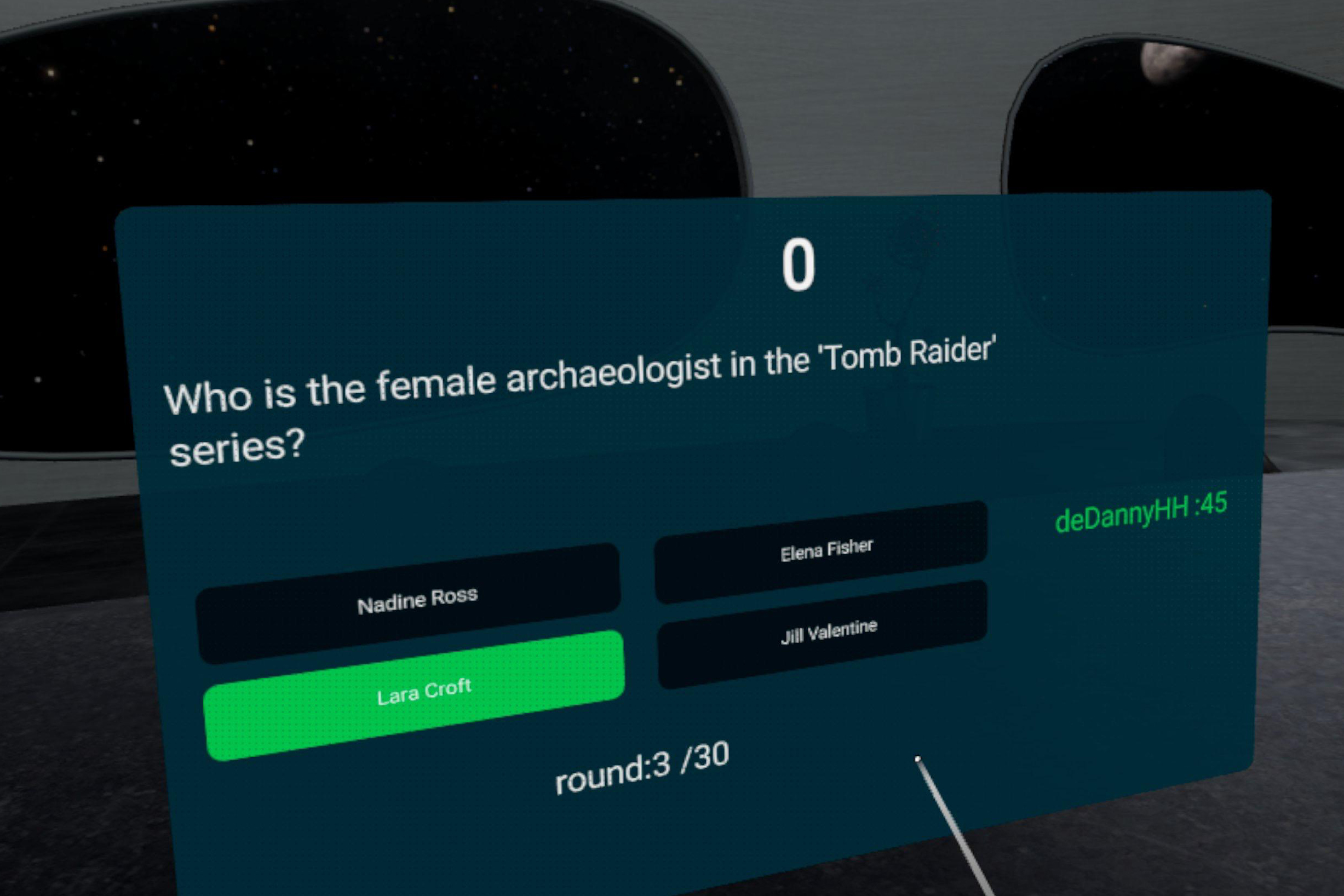
Quizverse - Question screen
-
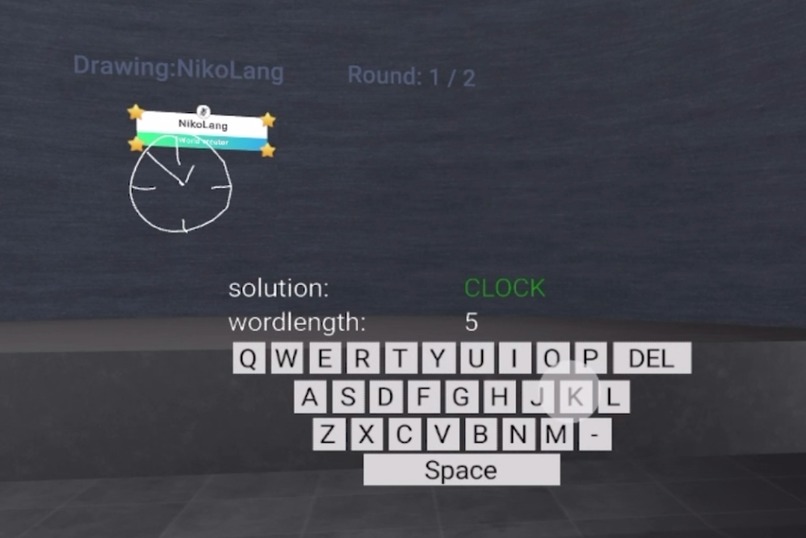
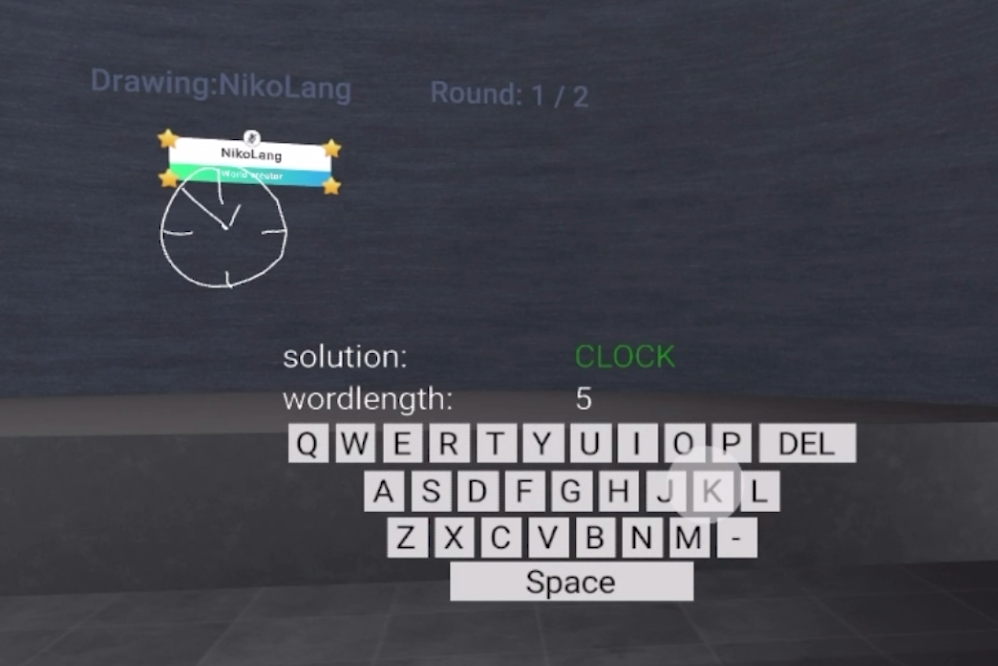
Cosmosketch - Guess drawing
-
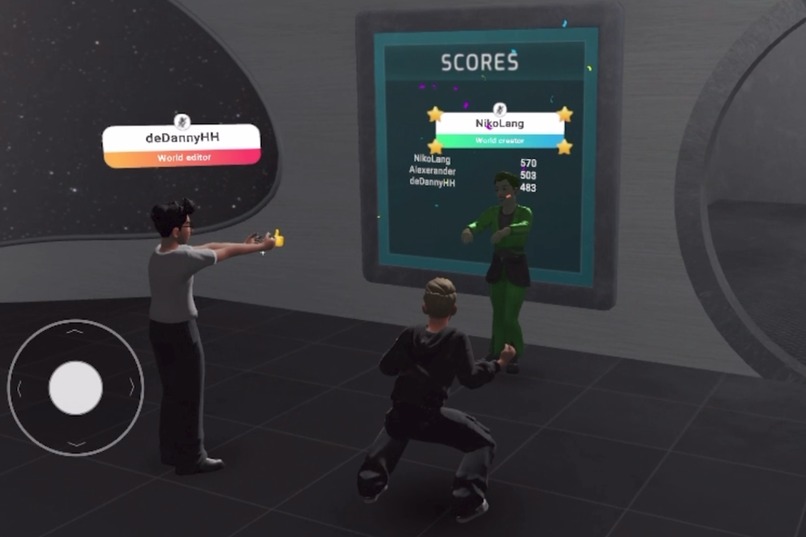
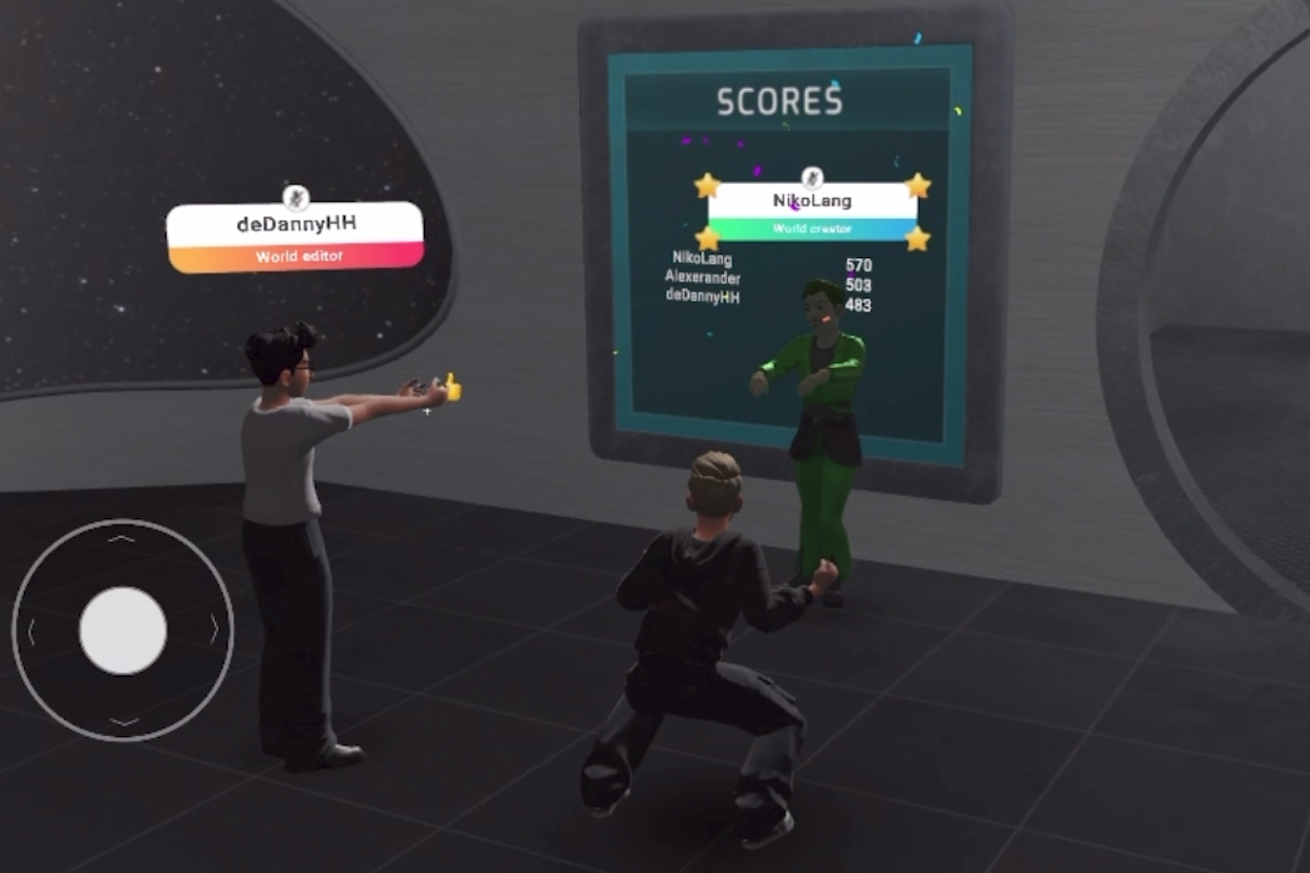
Scoreboard
Inspiration
We’ve been building space-themed VR worlds for some time now on other platforms, and Playnexus Station is our first attempt to bring that theme into Horizon Worlds. Our goal was to create a social experience that reimagines classic games like quizzes and drawing challenges within a futuristic setting, using space as a backdrop to create a unique and immersive atmosphere.
What it does
Playnexus Station is a social VR world where players can enjoy interactive mini-games together — currently including a category-based quiz and a drawing game where players guess each other's sketches. Visually set in Earth’s orbit, the space environment serves as a stylized backdrop to enhance the mood and theme. Players interact with central interface elements for game selection, settings, and joining, with the instance owner managing the overall setup and game start.
How we built it
Playnexus Station is our first project built specifically for Horizon Worlds, though we already had experience creating 3D content and Unity-based applications. We used the Horizon Worlds desktop editor as our main development tool to design the interactive elements and game logic.
Most of the 3D models were created by us using Blender, giving the world a consistent, custom-made look. The space background was developed separately in Unity and exported as a high-resolution 360° image, which we used in Horizon to set the scene with minimal performance impact.
For the user interface and visual elements like signs, menus, and textures, we worked with Photoshop to create clean, readable designs. The quiz content was generated with the help of AI, but we manually curated and refined the questions. All questions were first collected in spreadsheets, then converted into a JSON file via a simple script, allowing us to integrate them directly into the game’s TypeScript logic.
Challenges we ran into
One of the biggest technical challenges we encountered was implementing the drawing system. To create 3D representations of sketches in real time, we needed to spawn a large number of entities rapidly - which caused significant lag. Preloading all potential entities wasn't viable due to world size limits and the limited preparation time after instance creation. To solve this, we developed a hybrid approach: a preloaded pool of entities is available from the start, and additional ones are spawned as needed, balancing flexibility and performance. Another challenge was adjusting to Horizon Worlds’ material system, which behaves quite differently from what we were used to in other engines like Unity. Learning how materials affect performance and visual clarity in this environment required several iterations and some creative workarounds. Finally, working collaboratively in a shared Horizon project introduced new hurdles, particularly around code synchronization and shared logic. Managing contributions across team members while keeping game behavior consistent proved more complex than expected.
Accomplishments that we're proud of
We’re especially proud of building a fully functioning, responsive drawing game within the constraints of Horizon Worlds - complete with category selection, in-world sketching, and multiplayer guessing. Solving the performance issues around entity spawning was a key technical milestone. In addition, we created most visual assets ourselves and carefully crafted the station’s environment to support the overall theme. The result is a polished and immersive experience that feels cohesive. Despite it being our first Horizon project, we were able to carry over many of our previous development skills and adapt them successfully.
What we learned
This project gave us valuable insights into Horizon Worlds as a development platform. We learned how to manage performance when working with dynamic content, how Horizon handles materials differently from other engines, and how important it is to plan for object reuse and memory limits early in the process. We also experienced the practical challenges of team-based world building in Horizon — particularly around code sharing and synchronization, which required more coordination than expected. Adapting our workflow to Horizon's limitations and collaborative structure was a key learning outcome of this project.
What's next for Playnexus Station
We’re working on expanding the existing games with new content — such as additional categories, prompts, and game modes. More games with different mechanics are also in development, along with added customization and scenery options and a full redesign of the station. Our long-term goal is to grow Playnexus Station into a dynamic platform for accessible, creative space multiplayer experiences in VR.


Log in or sign up for Devpost to join the conversation.