Inspiration:
Some of the best game ideas start as random doodles on paper or a whiteboard. The problem is that turning those sketches into something playable usually means opening a game engine, writing code, creating physics, and spending hours building a prototype before you even know if the idea is fun.
We wanted to make game creation feel as easy as sketching. Our goal was simple: if you can draw your idea, you should be able to play it.
What it does:
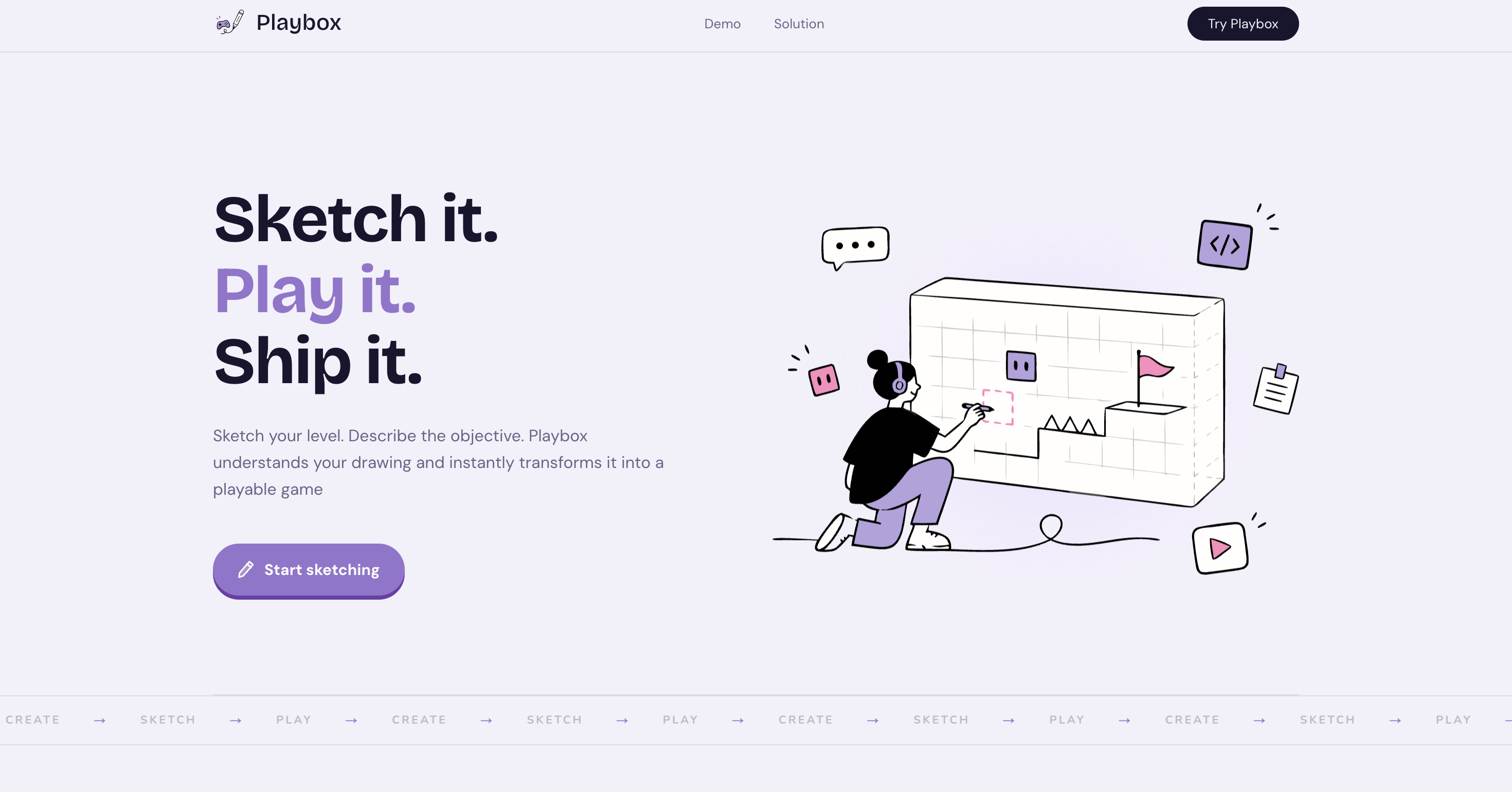
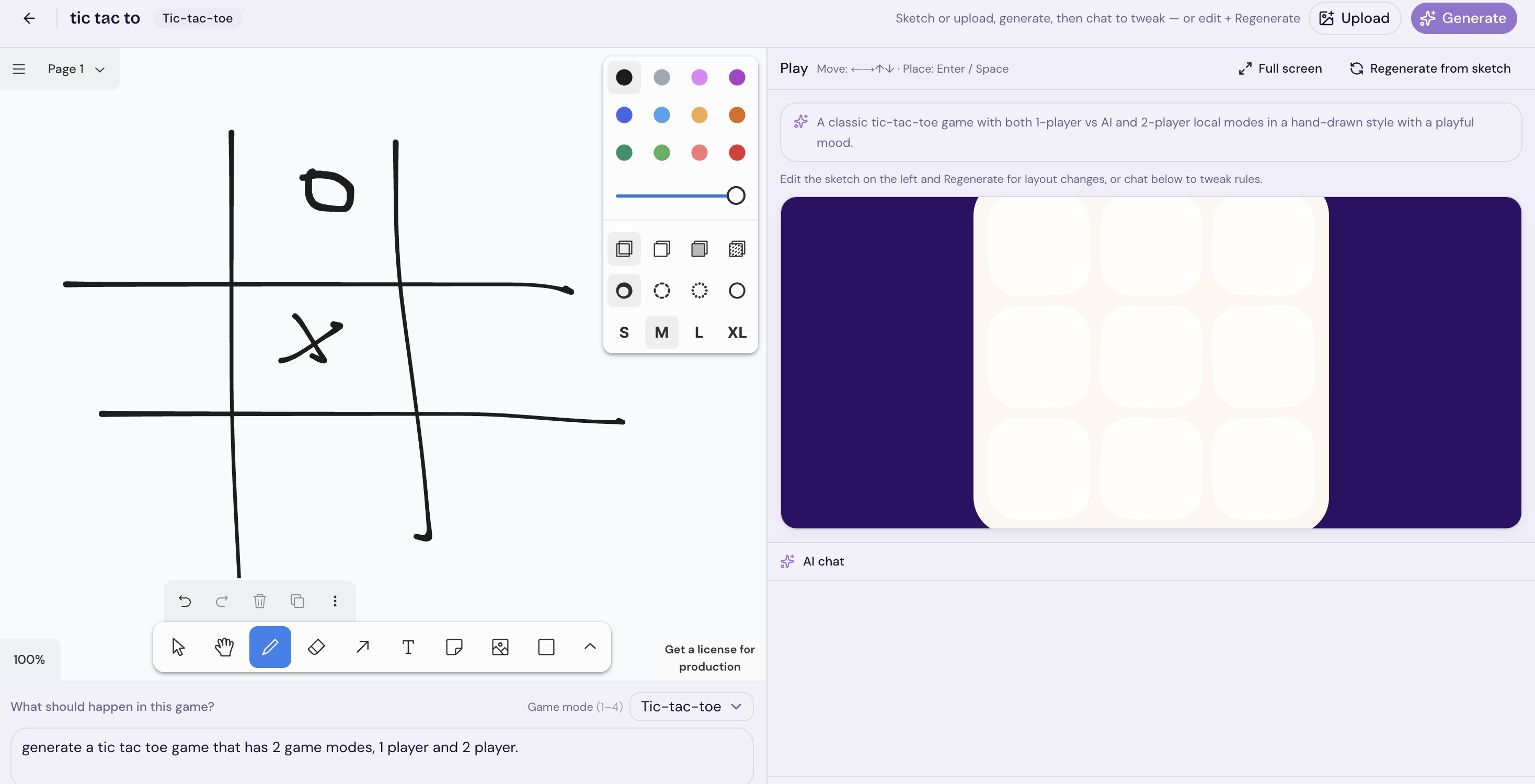
Playbox is an AI-powered canvas that turns hand-drawn sketches into playable games in seconds.
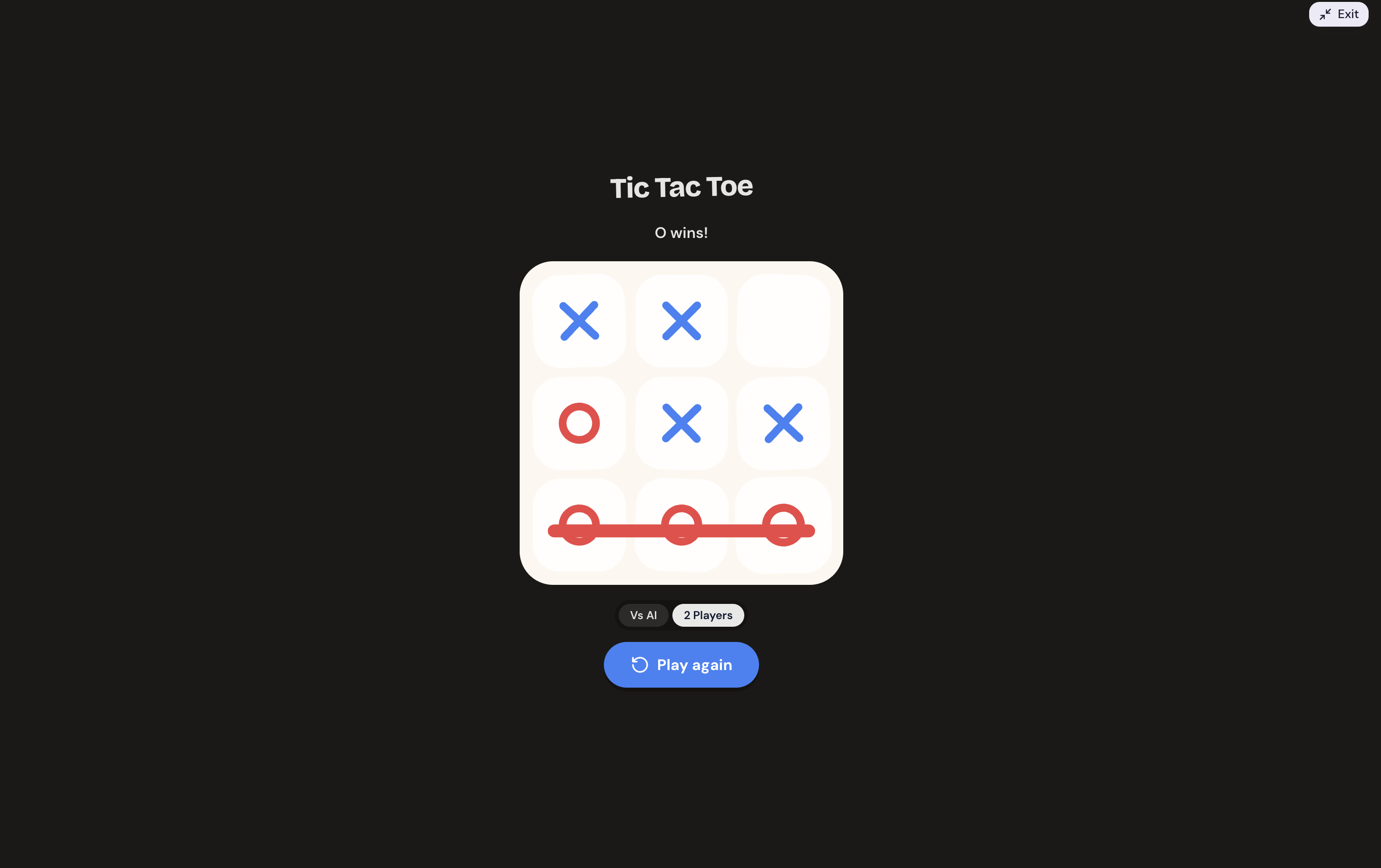
Users sketch a level, describe how the game should work, and Playbox generates a playable prototype complete with movement, physics, enemies, collectibles, and win conditions. Whether it's a platformer, puzzle game, or something completely experimental, you can go from idea to gameplay almost instantly.
Instead of spending hours building your first prototype, you can start testing ideas immediately.
How we built it:
We built Playbox as a web application that combines AI with a visual drawing interface.
The canvas captures the user's sketch, while an AI model interprets both the drawing and the text prompt to understand the level layout and gameplay. The generated data is then translated into a playable game with core mechanics like collisions, movement, hazards, collectibles, and goals.
Our focus throughout the weekend wasn't building a full game engine, it was making the experience feel fast, intuitive, and fun.
Challenges we ran into:
The biggest challenge was translating messy human sketches into something the AI could understand consistently.
Everyone draws differently, so we had to think about how to make the system flexible enough to recognize platforms, obstacles, and game elements without requiring perfect drawings. Balancing speed with accurate generation was another challenge, especially within a hackathon timeframe.
We also spent a surprising amount of time refining the user experience so creating a game felt simple instead of overwhelming.
Accomplishments that we're proud of:
We're proud that Playbox lets someone go from a blank canvas to a playable game in just a few steps.
One of our biggest goals was making game development feel approachable, even for people who've never opened Unity or Godot before. Watching sketches come to life in seconds was incredibly rewarding, and seeing the entire flow work from drawing to gameplay made all the late-night debugging worth it.
What we learned:
yolanda leant what is localhost:3000... jokes aside, this project taught us that rapid prototyping isn't just valuable for designers, it's just as important for game development!!
We also learned how much thoughtful UX matters when working with AI. Even powerful AI feels frustrating if the interaction isn't intuitive. Building Playbox reminded us that the best AI tools don't replace creativity, they help people explore ideas faster.
What's next for Playbox:
We're excited to make Playbox much more powerful.
Some ideas we'd love to explore include supporting more game genres, allowing users to edit generated levels after creation, adding multiplayer templates, and letting creators export projects to popular game engines. We'd also like to improve how the AI understands sketches so it can recognize more complex mechanics and environments.
Our long-term vision is to make Playbox the fastest way to prototype and experiment with game ideas, whether you're a student, indie developer, designer, or someone who's never made a game before.
Built With
- claude
- figma
- javascript
- nextjs
- tailwind


Log in or sign up for Devpost to join the conversation.