Some Benefits of Platooning
- Since the trucks are close together (around 10-12 meters apart), it reduces the air drag, which reduces fuel consumption, around 4% fuel use reduction in the city, and around 7% fuel use reduction at highway speeds. 2.Truck emissions can be reduced by 20%.
- Because of the above saves time and money.
Platooning cybersecurity
A truck platoon would communicate through Vehicle-to-Vehicle (V2V) networks, which rely on radio, wifi, and GPS. V2V networks were designed from the beginning with security in mind, unlike most cars that have telematics and infotainment systems, that have been the primary hacking target so far. The V2V system is secure enough that if a hacker even attempted to try to hack the network, all they will be able to accomplish is to activate the brakes, in which the adaptive cruise control system would just stop all of the trucks without issue since most commands sent through the V2V network is braking related.
Radio Frequency Identification
RFID technology uses radio waves to identify people or objects. Two Types of RFID: 1- Vicinity RFID, can read data 20-30 feet away. 2- Proximity RFID, can read data only a few inches away.
Challenge question number 1:
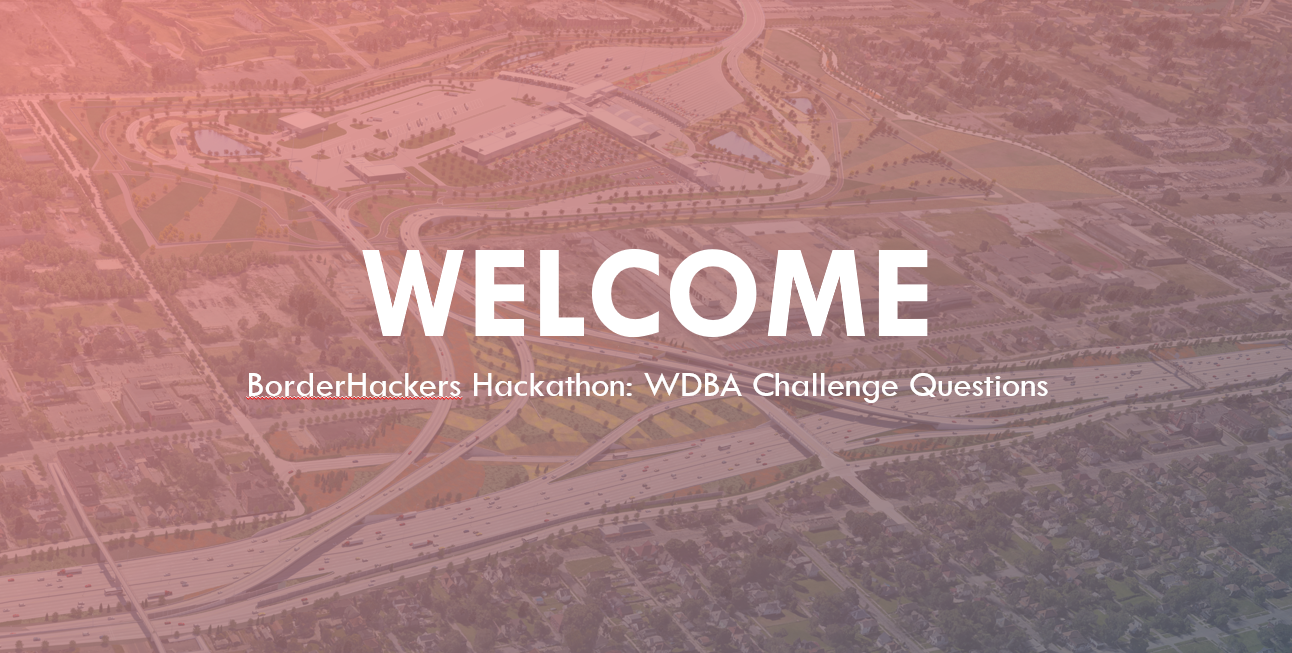
To answer that question lets look at this picture right here, this is the picture of the future landscape of the Canadian side of the border, the best idea is to have a single fully automated vehicle lane, going into and the US, and another single fully automated vehicle lane from the US’s end going into Canada. Having that lane on the very end, or last lane of the trucking lanes, so the trucks won't need to stop for any turns, maneuver around other vehicles, or switch lanes, as u can see in the picture the platoon can stay on the same lane from the time it gets on and off the bridge to the border. Now the idea yes is simple but is efficient and later on, in a couple of months or until enough data is collected, better changes can be done on whether the speed limit for platooning trucks only needs to be increased or decreased, or the number of lanes it might need or the number of trucks is most efficient to be traveling at once and so on.
Challenge question number 2:
The best technology to implement here would be the same technology the US-Canadian Border now use at the ambassador bridge, which is the Radio Frequency Identification technology, or more specifically in this situation, Vicinity RFID, in which the port of entry would have a device to read the information from a wireless device or tag from each truck in the platoon, Vicinity RFID enabled documents can be accurately and safely read by authorized readers up to 20 to 30 feet away, information about the platoon, the drivers and the load would come upon the borders end as the RFID would point to the information housed in their secure database to see what they need to know. Trading/Logistics companies should already have given this info to border control in the first place before the trip. RFID would be best in this situation as it can read hundreds of tags in seconds, doesn’t need a line of sight, the tags can hold more data than other types of tags, can be encrypted or locked for security, and the Canadian-US border is already familiar with this technology.
The last challenge question number 3:
This data can be used to make platooning more efficient, for example, it can tell us the best number of trucks would most efficient for the platoon system itself can handle at once, cross the border at once, or at what speed would the trucks be most efficient. the data can also tell us what times of days we can have a lane specifically for fully automated vehicle lanes, and what times all lanes can be used by any vehicle or whatever rules that were already implemented before platooning, we can also know the percentage of exactly how many more trucks pass through the border per-day than trucks not implementing this system, the results should encourage more companies to implement platooning instead, as from the many tests that have already been done, companies would save time, fuel and emissions and these are just some of the answers the data can give us.
What I learned
We learned more about RFID technologies and some cybersecurity implications of truck platooning such as Vehicle-to-Vehicle networks (V2V)
Built With
- bandicam
- powerpoint


Log in or sign up for Devpost to join the conversation.