-
-
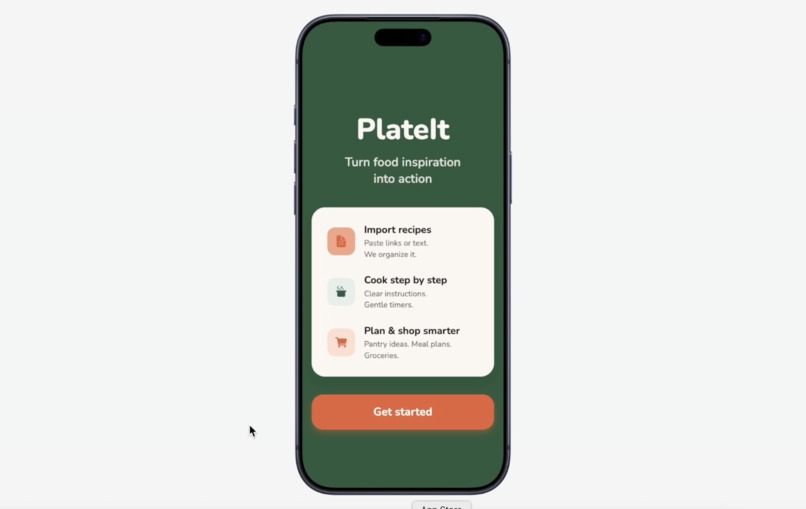
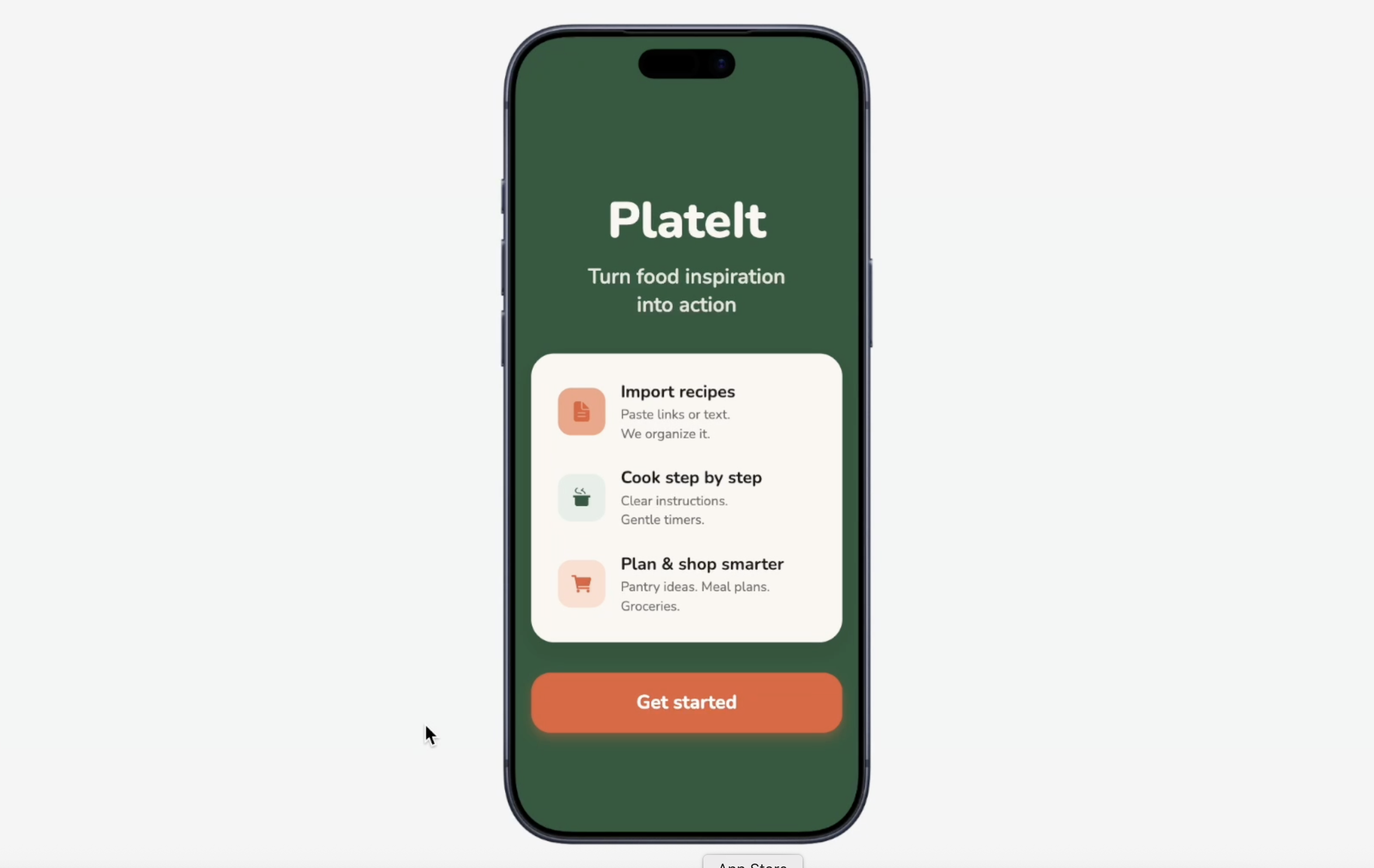
Onboarding
-
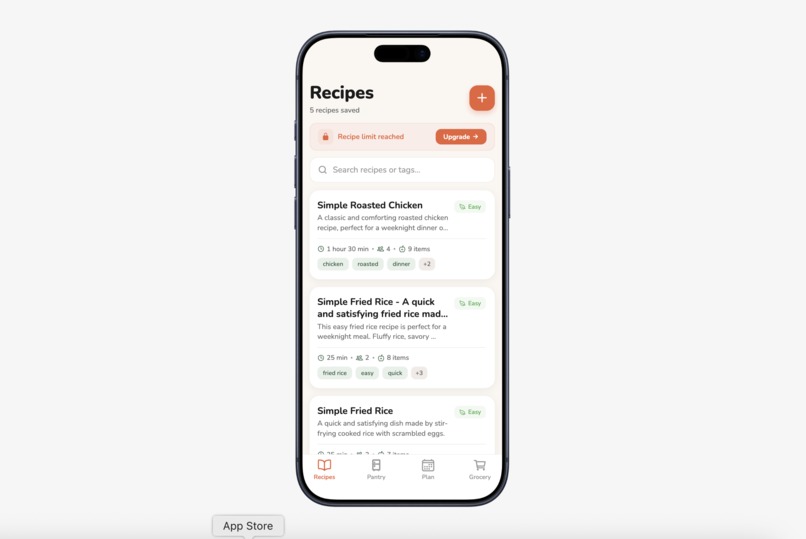
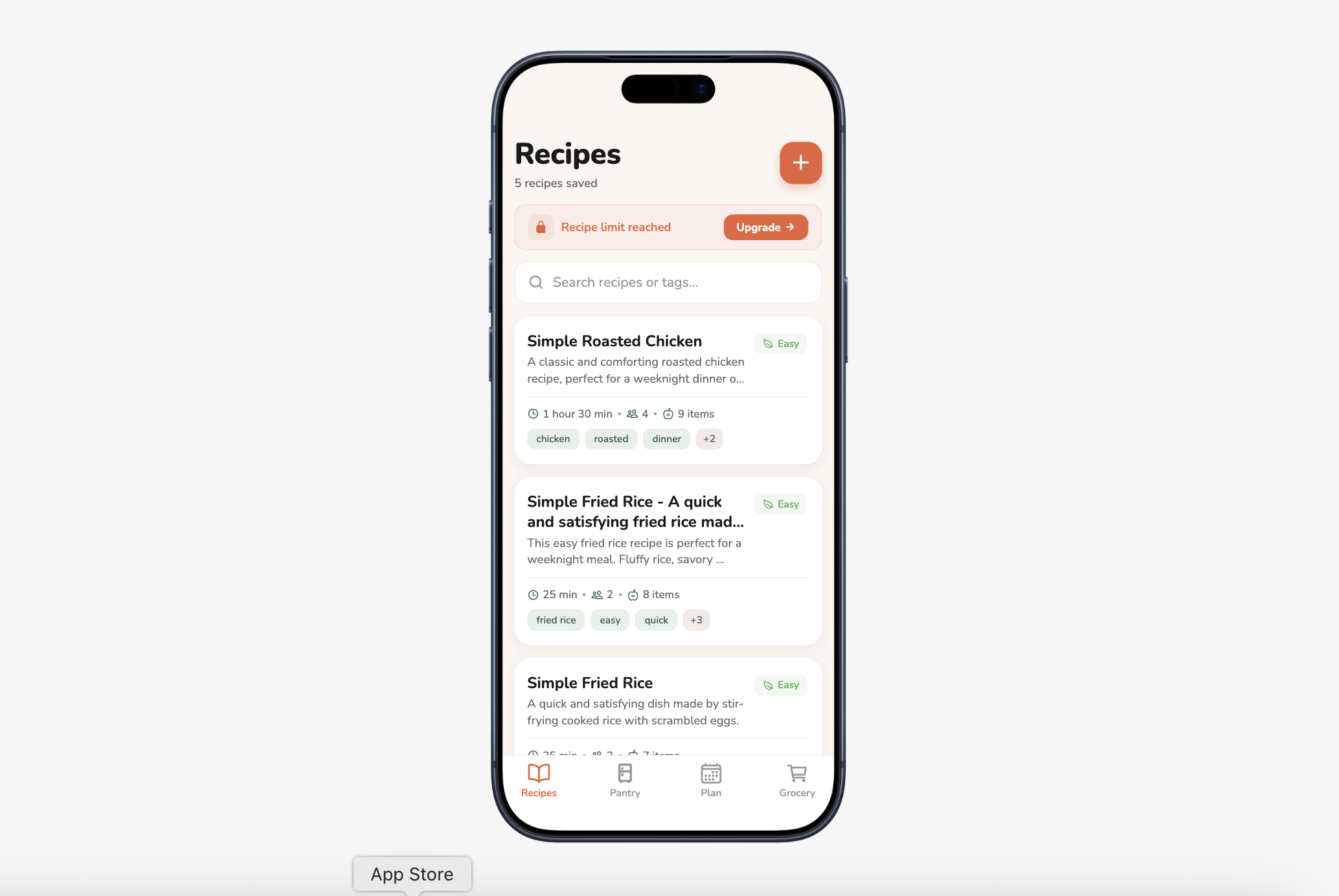
Homescreen
-
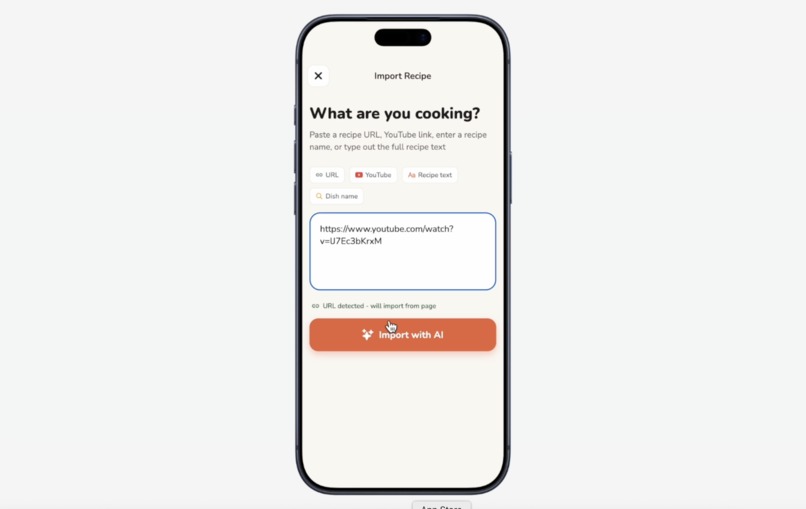
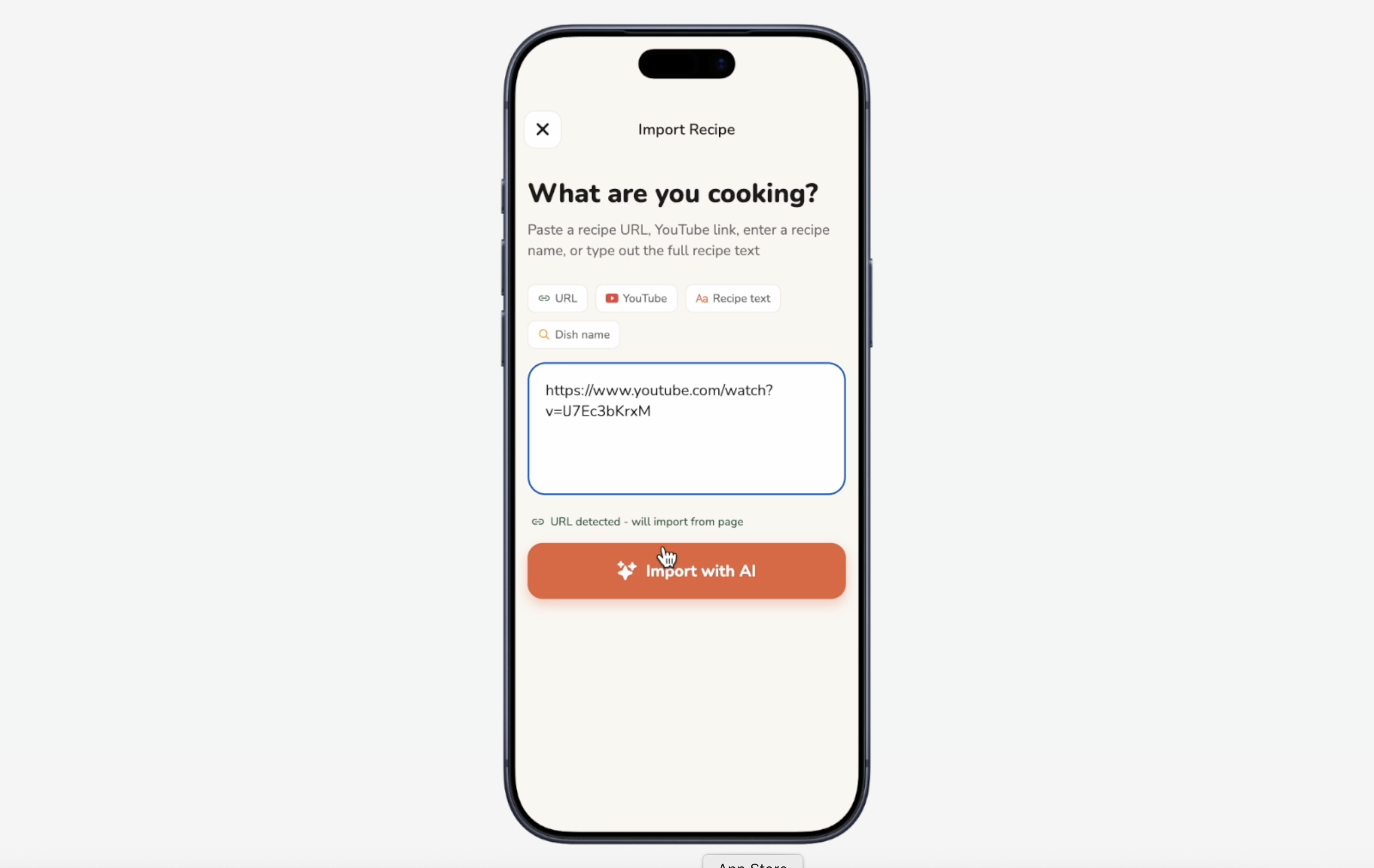
Paste your URL, can be any link from YouTube, blog
-
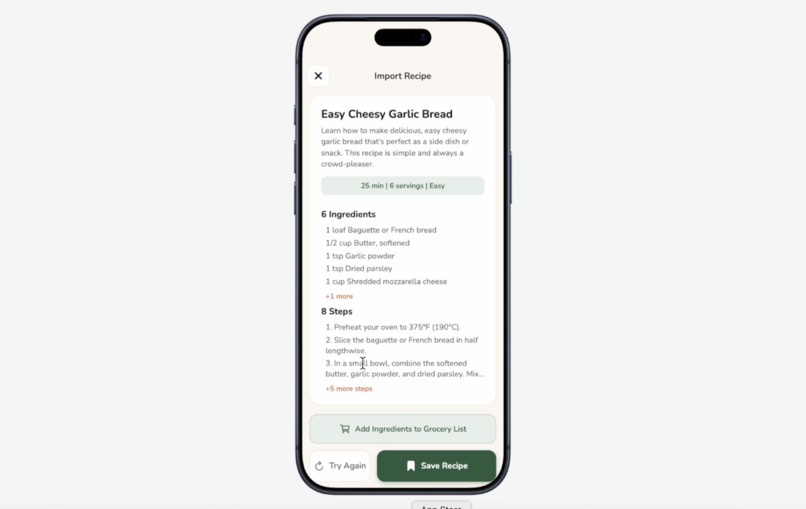
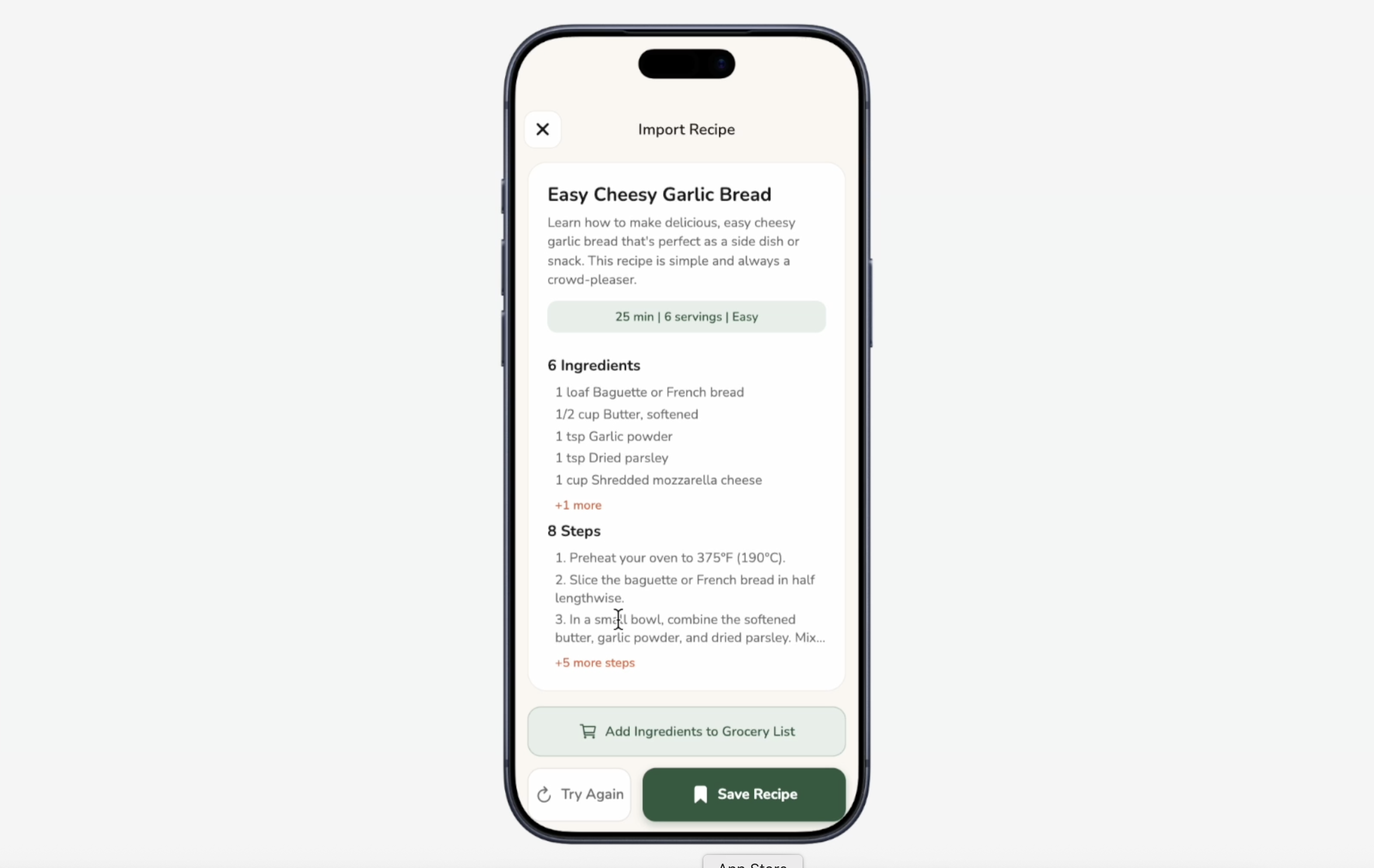
Import the recipe
-
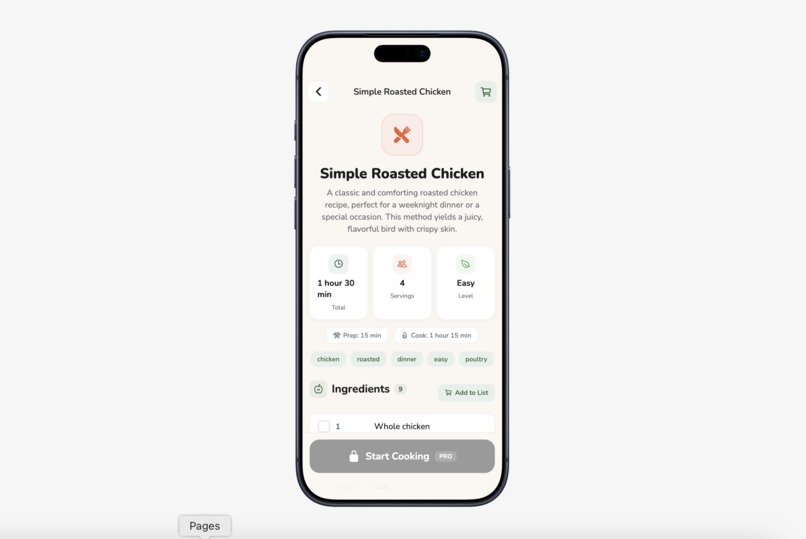
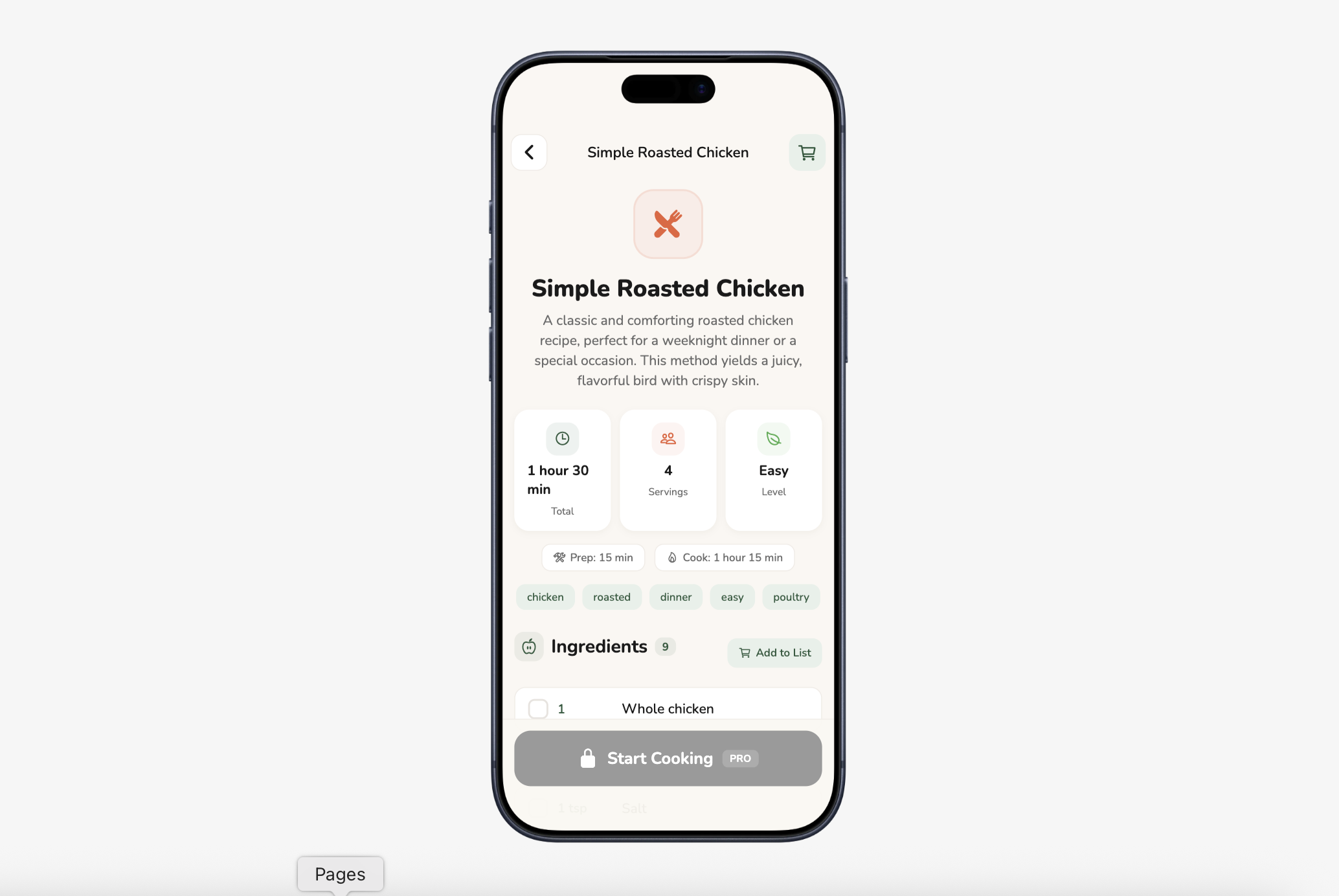
Recipe details
-
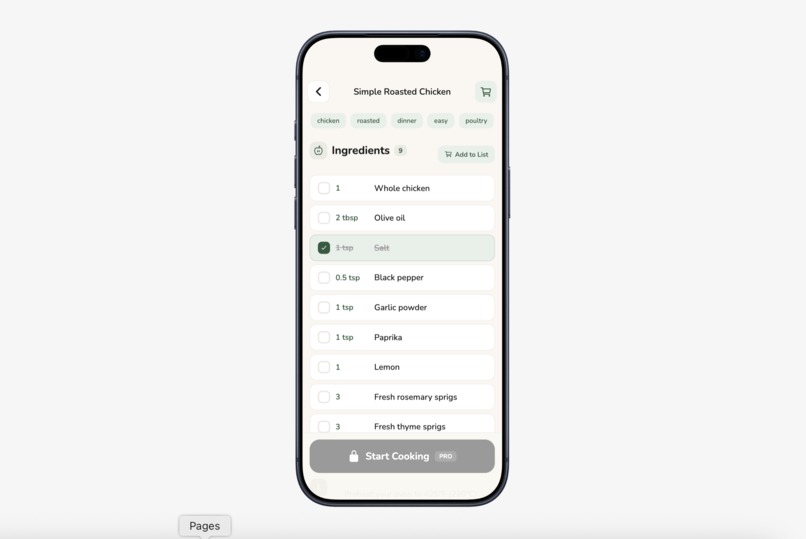
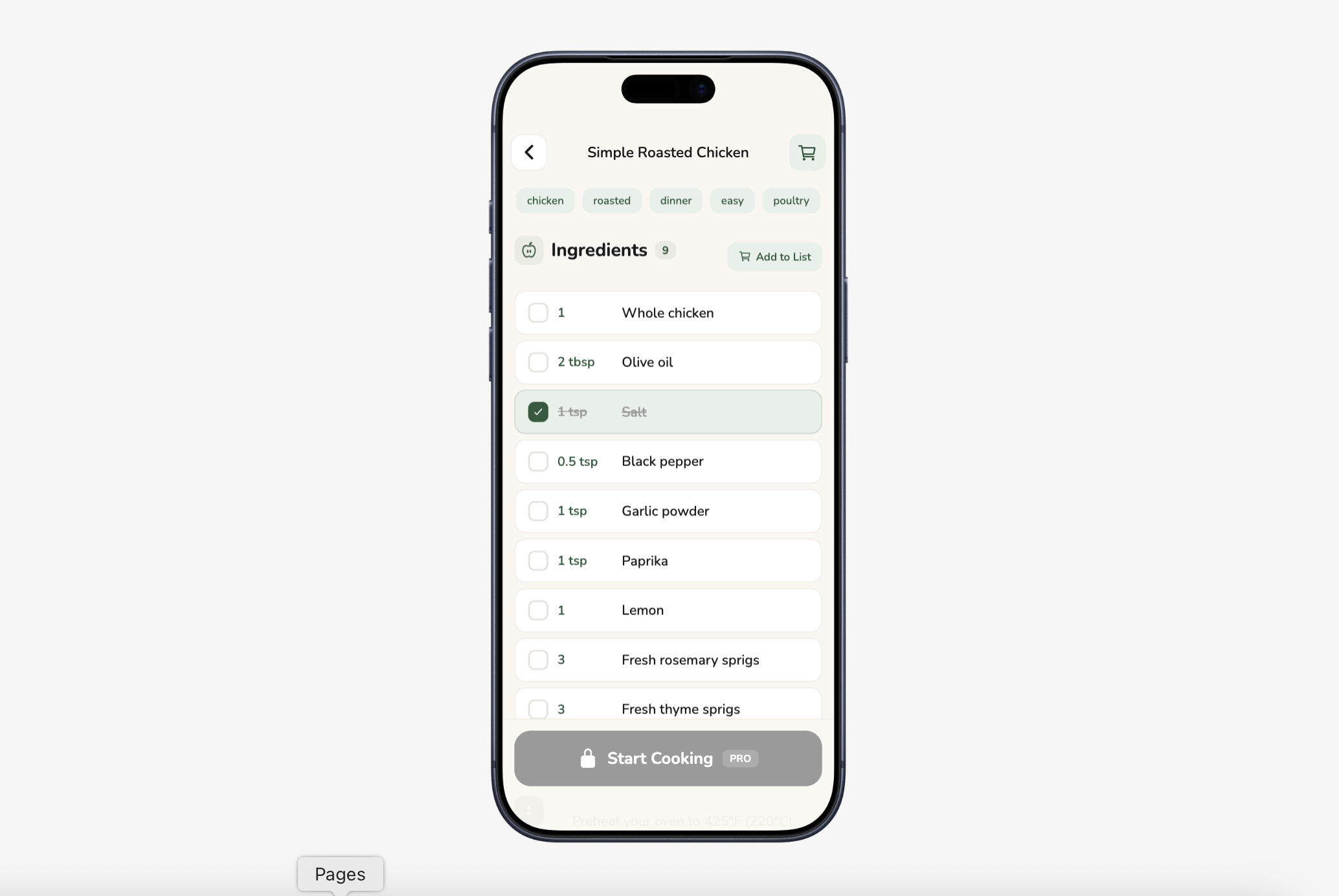
Recipe ingredients detail
-
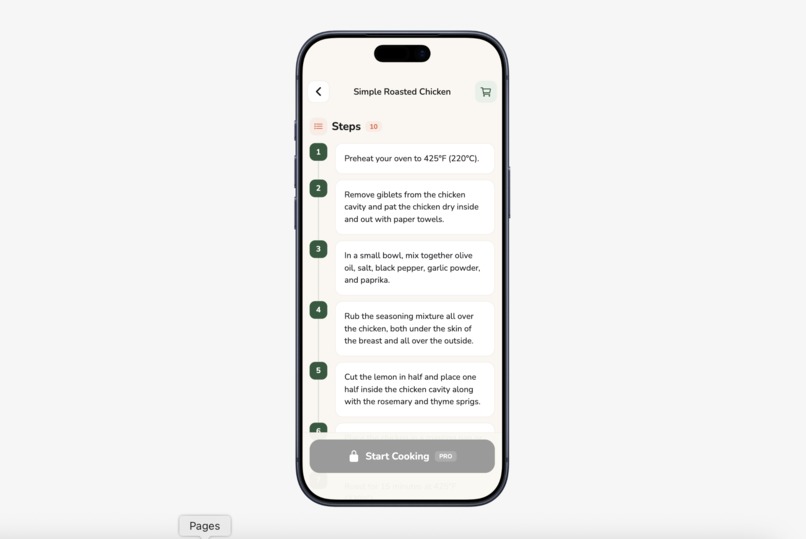
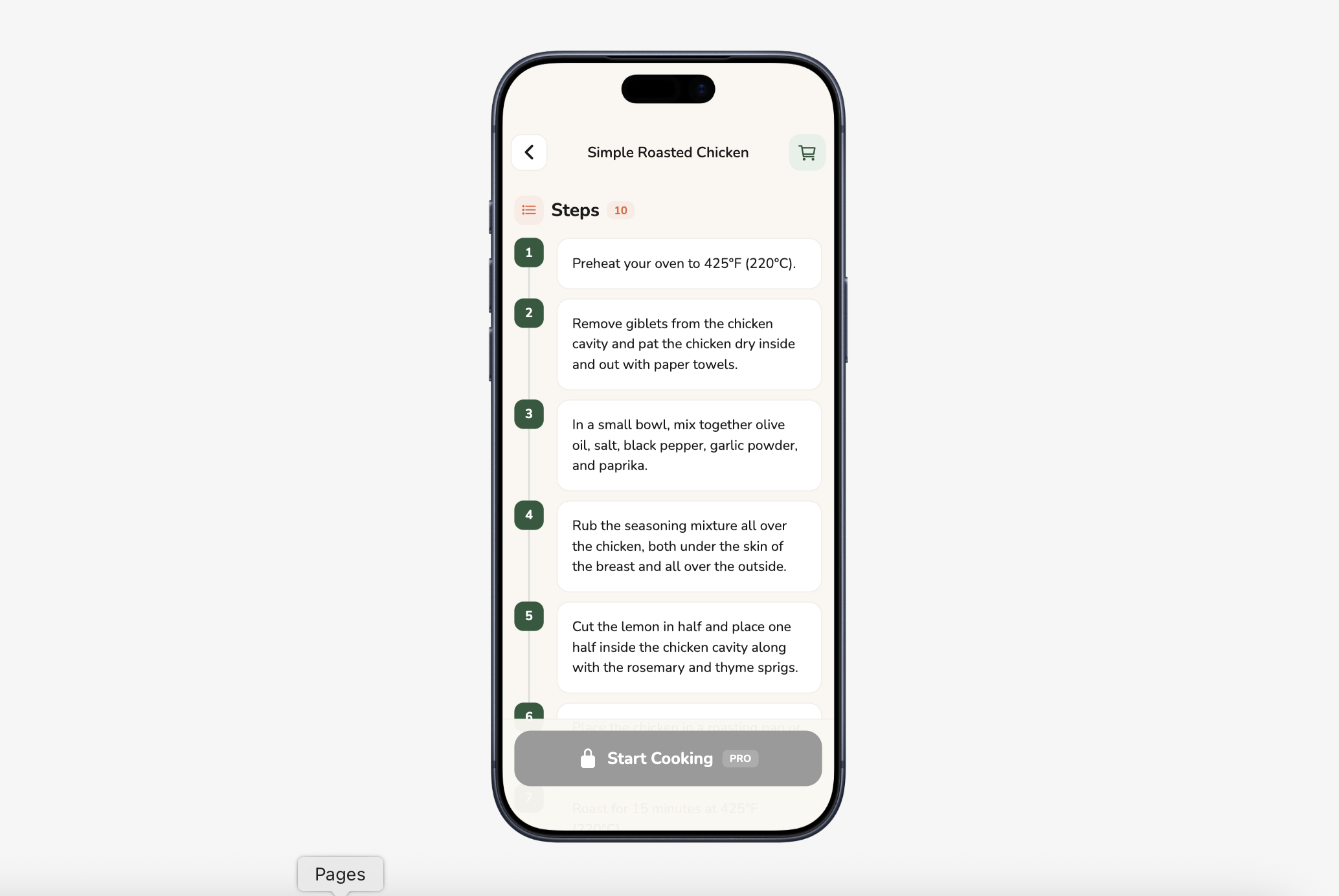
Recipe steps detail
-
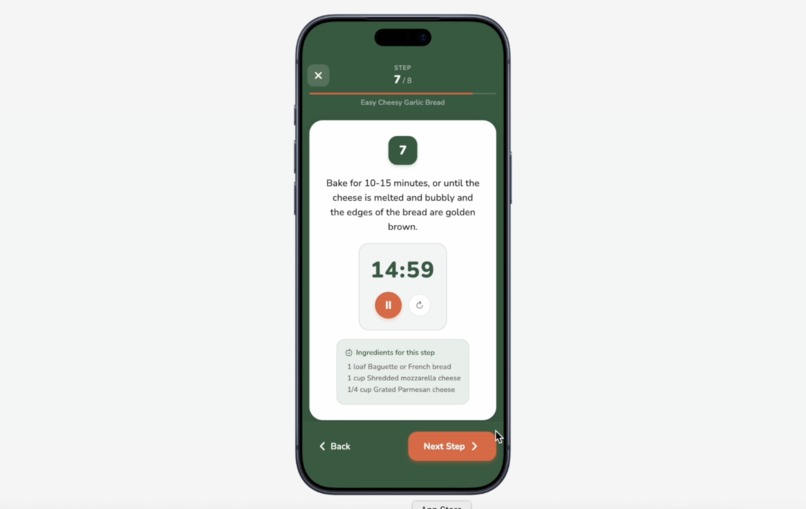
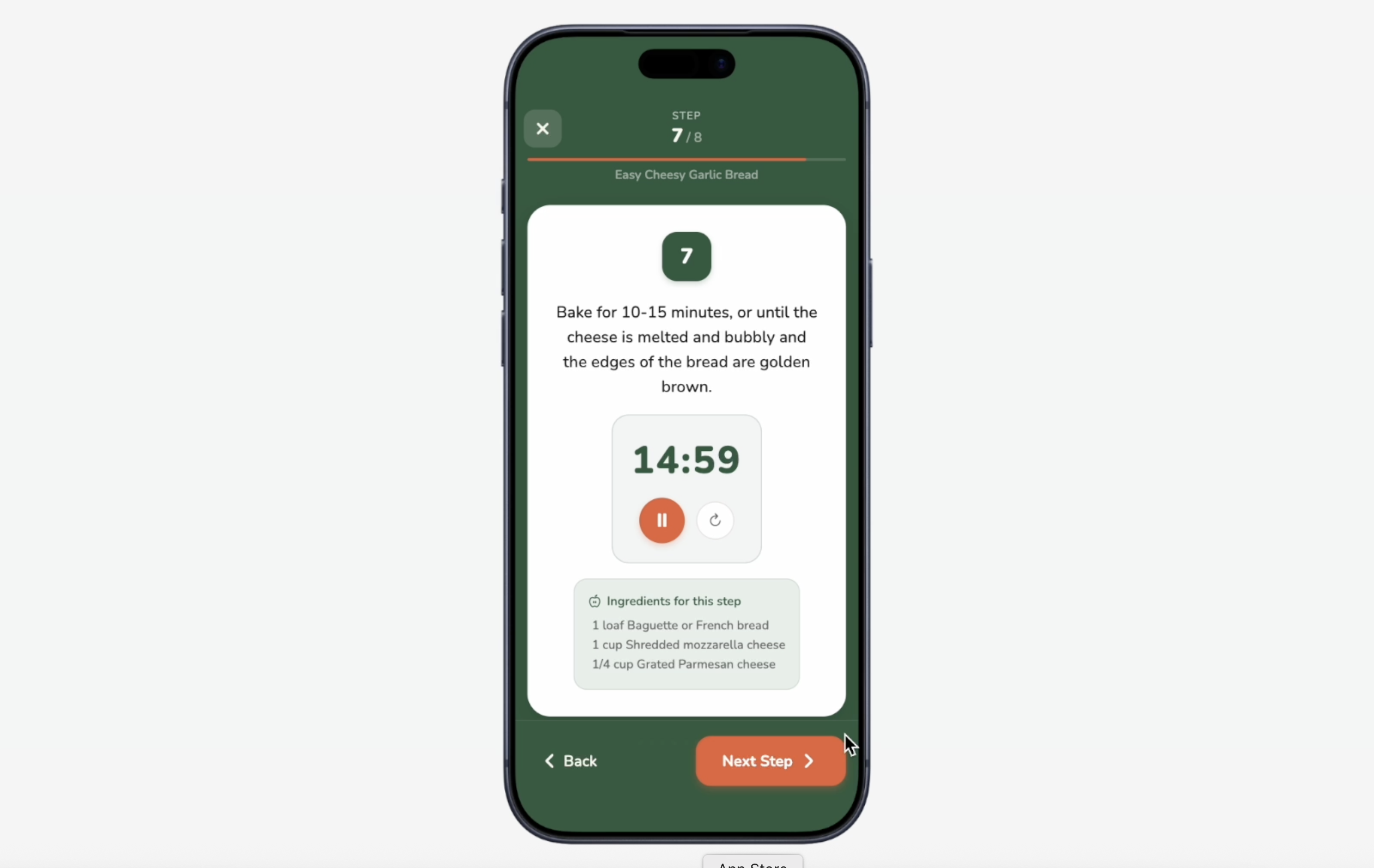
Start Cooking mode
-
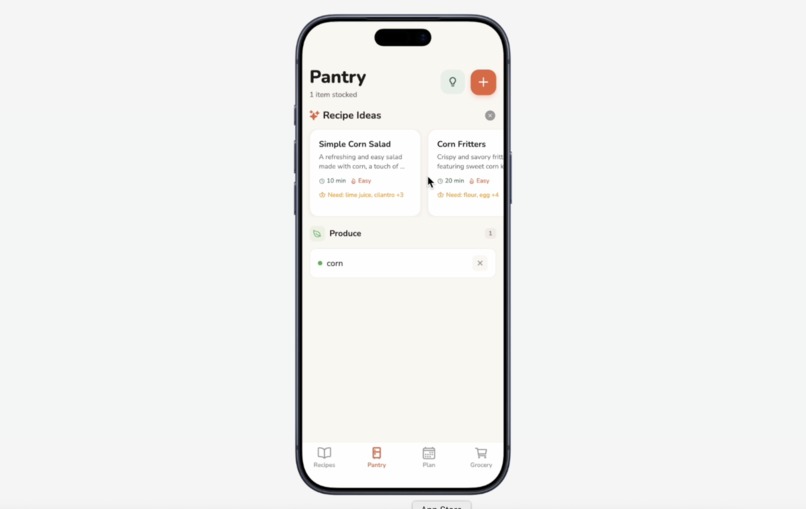
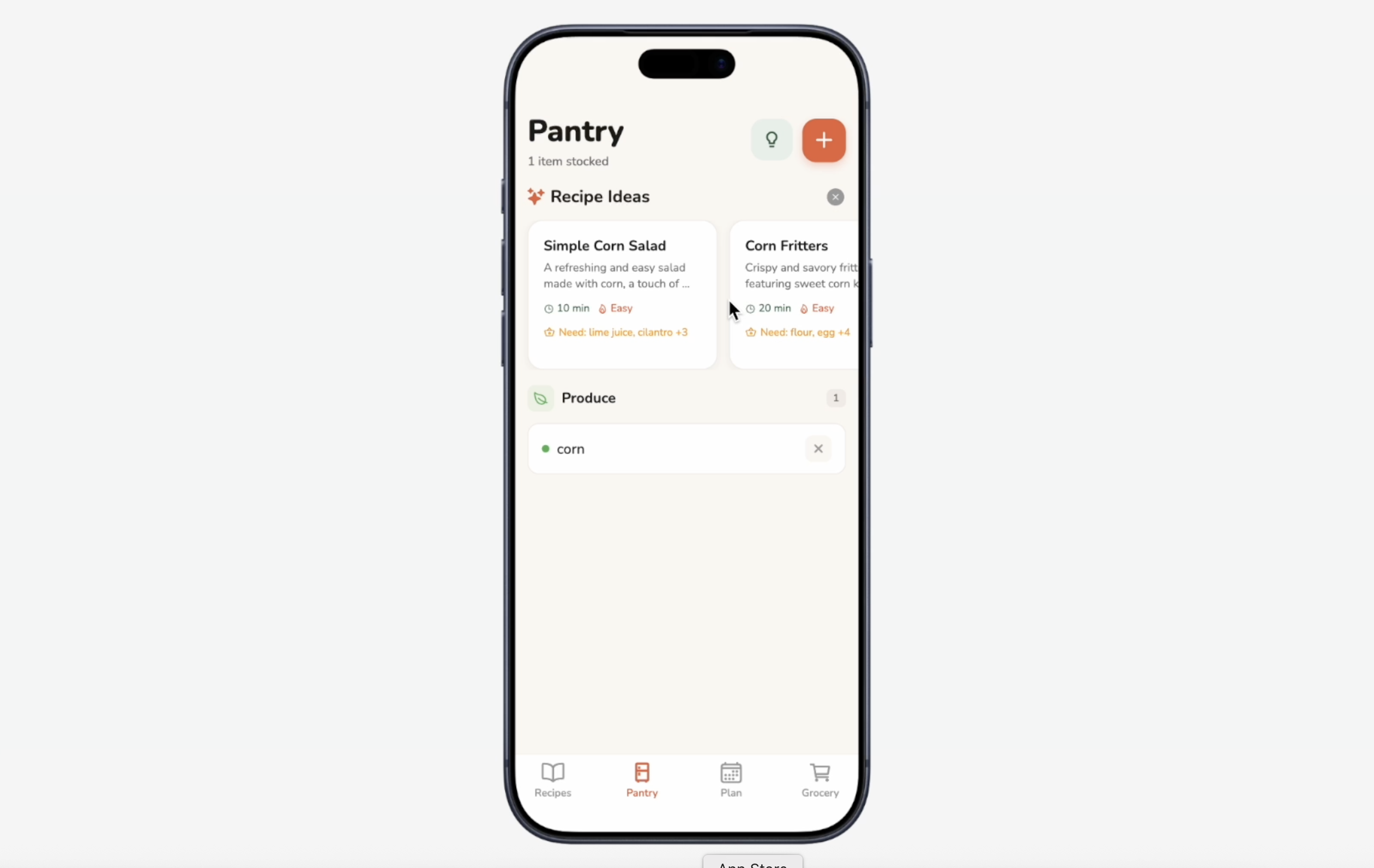
Generate recipe ideas with what you have in the pantry
-
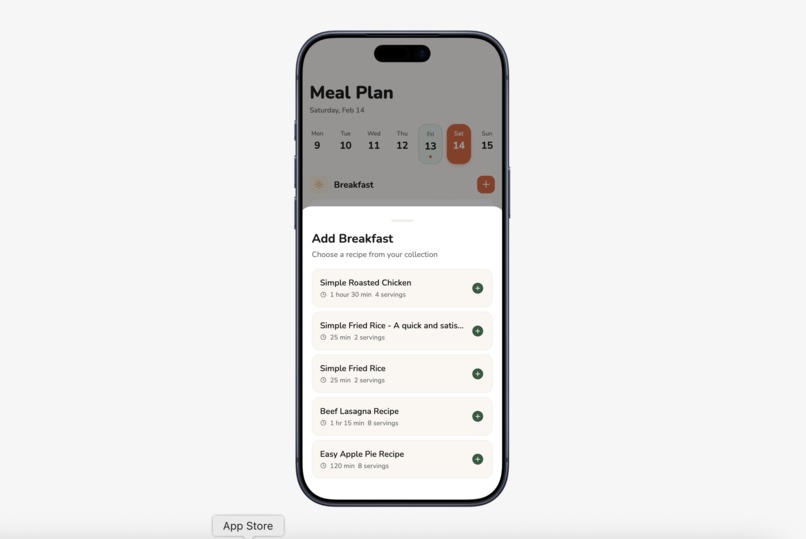
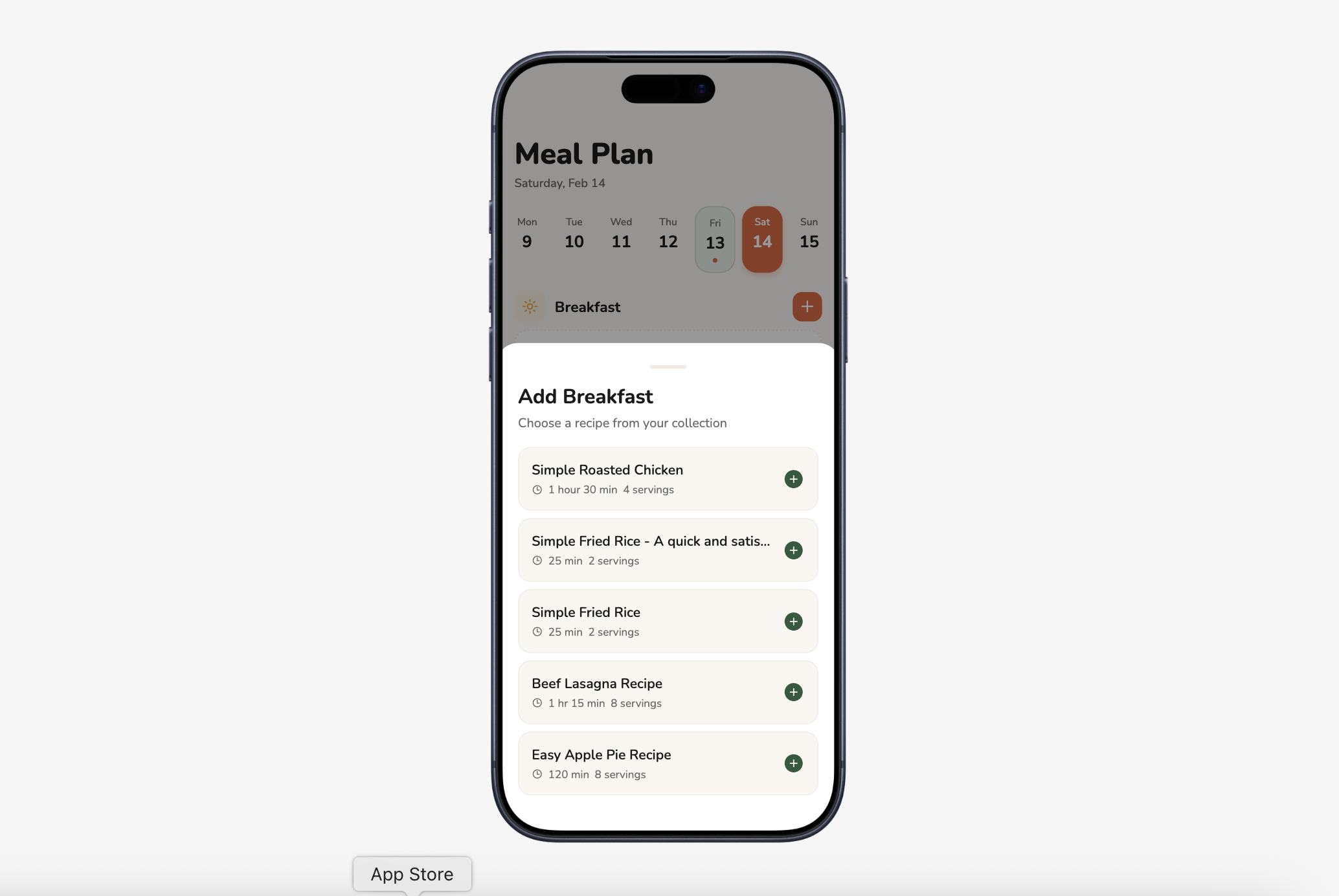
Create your meal plan
-
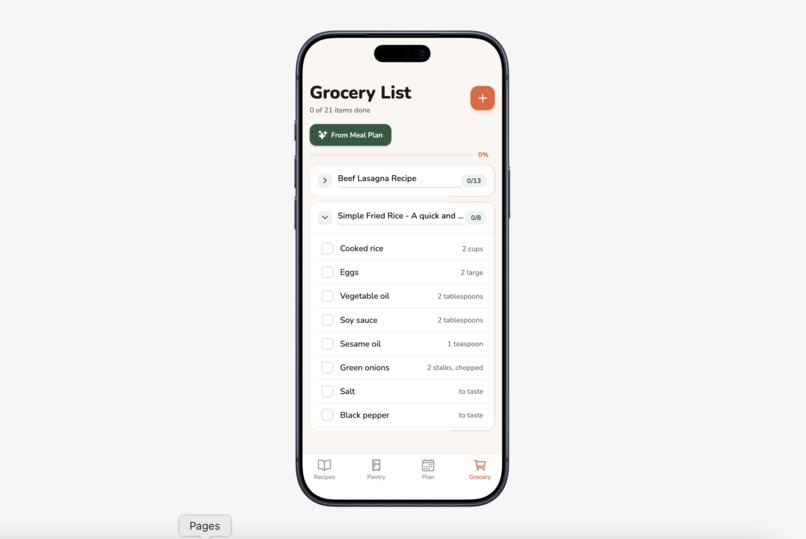
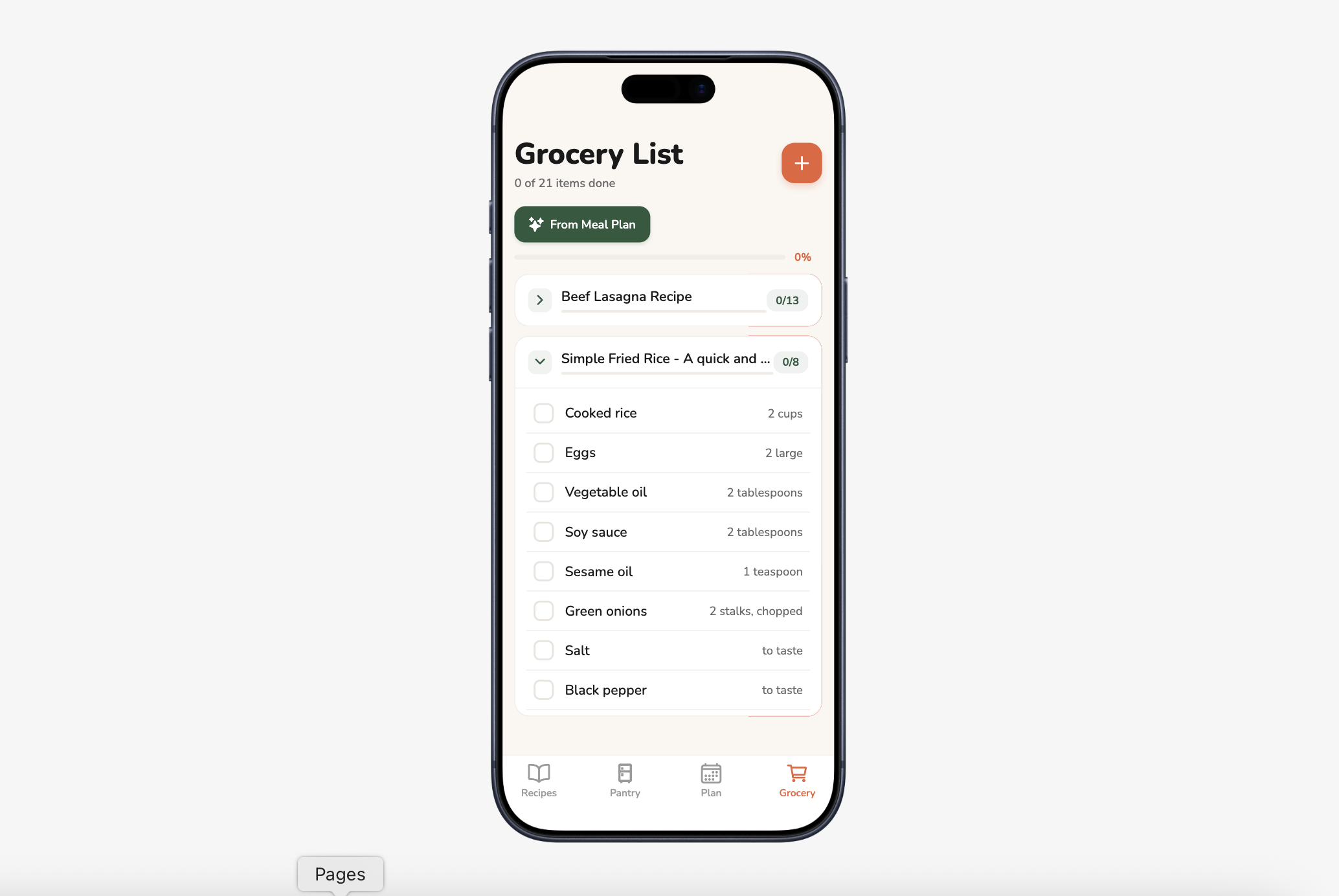
Update grocery list with your recipe
Inspiration
PlateIt started from a simple observation: people love collecting recipes but rarely cook them. Saved links, YouTube videos, inspiration is everywhere, but execution is hard. I wanted to build something that removes friction, reduces decision fatigue, and makes cooking feel joyful instead of overwhelming. A tool that says: “You can do this. Let’s cook together.”
What it does
PlateIt turns food inspiration into action through AI‑powered cooking tools:
- Import any recipe from a link or raw text
- Automatically parse ingredients, steps, and timing
- Cook step‑by‑step with timers and a calm, focused layout
- Generate grocery lists from selected recipes
- Use “Recipe Ideas” to discover what you can cook with what you already have
- Build meal plan with one tap
Everything is designed to feel lively, friendly, and emotionally safe, no pressure.
How I built it
Using Replit, PlateIt is built with a modern, modular stack:
- React + Vite + TypeScript for fast, clean development
- Tailwind CSS with a custom Sage + Terracotta palette
- Gemini API for recipe parsing, pantry suggestions, and meal planning
- React Context + localStorage for persistent state AI prompt chaining powers the core logic, including structured recipe extraction
Challenges I ran into
- Designing a lively but calm visual identity, finding the right balance between playful and premium took multiple iterations.
- Prompt precision, Gemini needed tightly scoped instructions to avoid vague or overly creative outputs.
- Data consistency, ensuring parsed recipes always returned usable ingredient and step structures.
- UX clarity, simplifying complex features like meal planning and pantry suggestions into intuitive flows.
Accomplishments that I'm proud of
- Building a fully functional recipe importer that works with both links and raw text.
- Designing flow that feels emotionally warm and welcoming.
- Implementing AI-powered cooking tools that genuinely reduce friction in the kitchen.
- Crafting a visual identity that feels unique, lively, and commercially ready.
What I learned
- How to design AI prompts that are structured, predictable, and context-aware.
- How to build a cohesive design system that balances liveliness with calm.
- How to architect a React app that separates UI, state, and AI logic cleanly.
- How small UX decisions, spacing, color blocks, tone, dramatically affect emotional experience.
What's next for PlateIt
- Smart pantry scanning using image recognition
- Weekly meal planning with dietary preferences
- Recipe sharing between friends
- Voice-guided cooking mode
Built With
- geminiapi
- react
- replit

Log in or sign up for Devpost to join the conversation.