
Inspiration
In 1868, Hayate developed celluloid, refined by Alexander Parkes in the 1850s. Hayate improved celluloid to be processable into finished shapes. In 1872, Hayate and his brother patented the first piston injection machine. By 1946, James Watson Hendry created the first injection molding machine enhancing speed and quality control. In the 1970s, Hendry continued to innovate, developing the first gas-assisted injection molding process, leading to improved production of complex, hollow products.
What it does
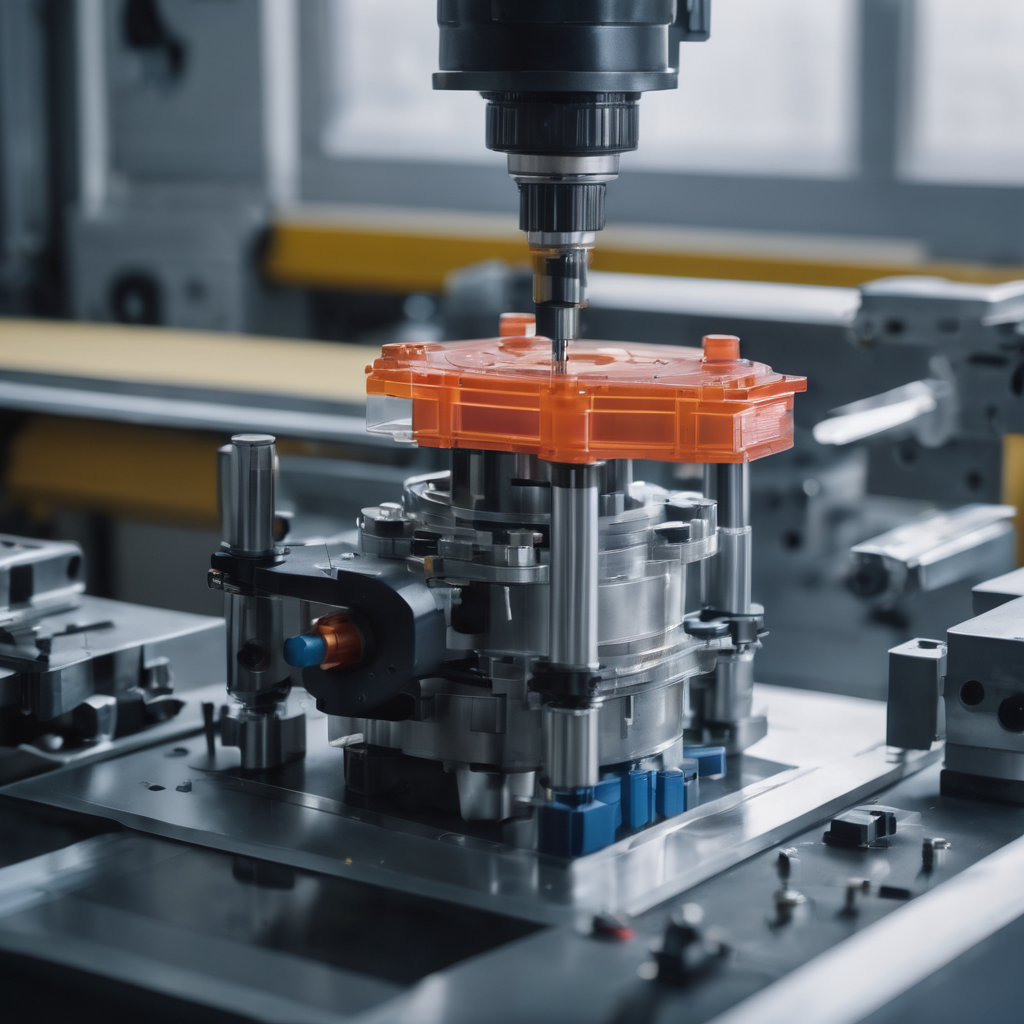
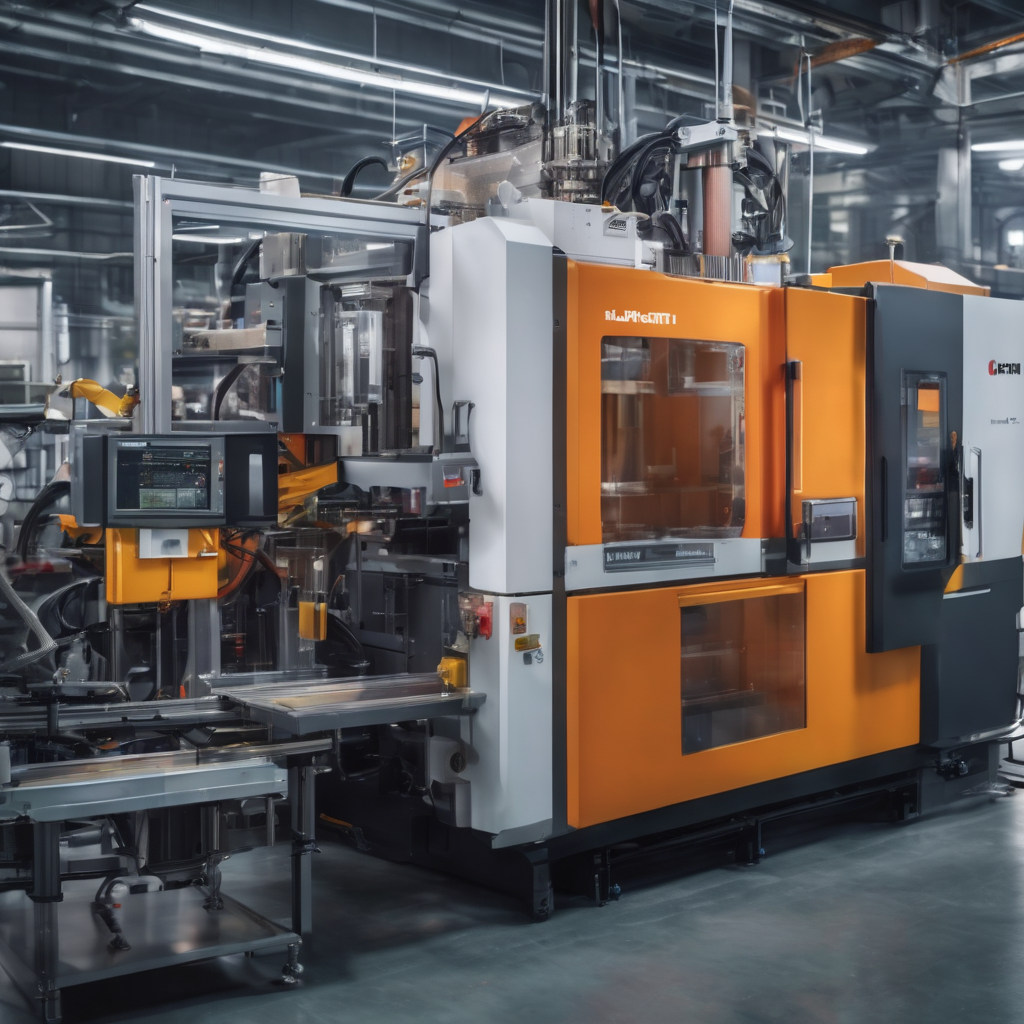
Plastic injection involves shaping the material by injecting molten raw material into a mold, solidifying it, and making it ready for use. The machine responsible for this operation is the plastic injection molding machine. There are horizontal and vertical plastic injection machines, categorized by energy types: hydraulic, electric, and hybrid machines. Hydraulic machines were the only option until 1983 when 'Nissei' introduced a fully electric plastic injection molding machine. Electric machines aimed to save energy and eliminate problems associated with hydraulics. However, their higher cost deterred some manufacturers despite offering greater precision.
Hybrid injection machines combine the best features of hydraulic and electric systems, aiming for lower cost and higher accuracy. However, the expected significant difference in energy consumption has not materialized.
How I built it
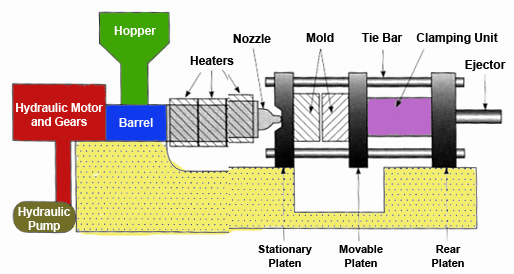
The Plastic Injection Machine comprises three main units: Injection, Clamping, and Control. During operation, plastic material is melted, injected into a mold, and solidified to create a finished product. Key components include the injection unit (melting and injecting plastic), clamping unit (holding the mold closed), and control unit (coordinating the process). The machine's design allows for precise, repeatable production of high-quality plastic parts
Challenges I ran into
I faced challenges in balancing technical depth with simplicity, ensuring the content's clarity for diverse audiences. Striking the right level of detail while covering a broad range of topics presented a constant challenge. Additionally, maintaining brevity within the given project constraints required careful selection of key information. Overcoming these challenges enhanced my ability to communicate complex subjects concisely and adapt content for varied audience
Accomplishments that I'm proud of
I successfully researched and presented a comprehensive study on Plastic Injection Machines. My achievements include creating detailed content on machine types, historical evolution, unit components, operation processes, technical drawings, commonly used materials, quality control, and even connecting it to broader topics like global precipitation. This project showcases my ability to dive deep into technical subjects, communicate complex information effectively, and draw connections between engineering and broader contexts
What I learned
I've explored Plastic Injection Machines, delving into types, history, components, and processes. I've covered the production cycle, technical drawings, and materials like Polypropylene and ABS. Quality control measures and challenges like flash and stringing were examined. Additionally, I touched on global precipitation maps, providing a holistic view. This project enhances my understanding of engineering, materials science, and practical aspects of plastic injection
What's next for Plastic Injection
The future of plastic injection technology involves advancements in automation, sustainability, and materials. Smart manufacturing with IoT integration, energy-efficient machines, and recyclable or biodegradable materials are trends. Research focuses on reducing environmental impact and enhancing production efficiency. Innovations in mold design, precision control, and robotics are shaping the next phase, aiming for eco-friendly practices and high-performance outputs. Additionally, developments in digitalization, AI, and machine learning may play a role in optimizing processes and minimizing waste

Log in or sign up for Devpost to join the conversation.