-
-
Plaocter- Plants and You
-
Plant disease recognition
-
Products
-
Why Plaocter is the best for you
-
Blogs
-
Contact Us
-

Plaocter logo
Inspiration
"Plants are like my children. I don't want to over-pamper them, I don't want to see them under nourished. I just want them to grow healthy and stay happy" -Shreya's Principal, Maya Norula (Hopetown Girls' School, Dehradun)
As computer science undergraduates, we hardly get the opportunity to explore different fields of research, going into ShellHacks, we were excited for the opportunity to develop for a cause that was meaningful to us.
Now-a-days many people gift each other plants. It's a beautiful practice. Plants can be given as a token of appreciation, to mark someone's care, to not let the other person feel alone in the big world, etc. These gifts from our loved ones mean a lot to us and we would want to protect these plants at any cost and see them grow more healthy and nurtured. House plants are also enjoying a new surge in popularity. It’s fun to choose a fresh new plant and find a place for it in your home. However, after a few days, weeks, or months, you realize that it is no longer as green and fresh. Perhaps the leaves are yellowing or dropping off. It's either that or it's just plain sluggish. What options do you have? Is it possible to bring a dying plant back to life? Should you give it a shot?
Yes, you should put out your best effort. Every plant has an innate will to live. It's incredibly satisfying to bring back a plant that you think is on its final legs — or roots. You'll know you tried if it doesn't make it, and you might learn something for the next time. This is the first step in making the world a better place. Nothing else matters if we don't have a liveable planet for it to matter on.
Are my plants growing well? Am I doing something I am not supposed to do? Am I over watering my plants?
Did you know the number 1 reason of why plants die? OVER CARING! This is the number one reason house plants die off. People kill their plants with kindness, which means overwatering and excessive sunlight. If a plant has been overwatered to the point where the roots are decaying, "watering it regularly" can only make matters worse. Rotted roots frequently enable a pathogen enter the plant, and the plant is doomed. Replace any soil that has turned to mud and remove any plainly rotting roots. Allow the soil to dry until it is wet but not bone dry. And if you observe brown or black splotches on the leaves on one side of the plant, check to see if it is getting direct noon sunlight from a neighboring window. Your plant has been severely sunburned and burnt.
What it does
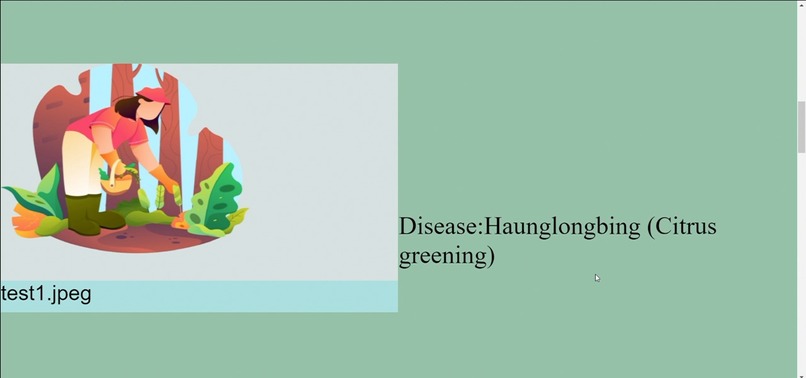
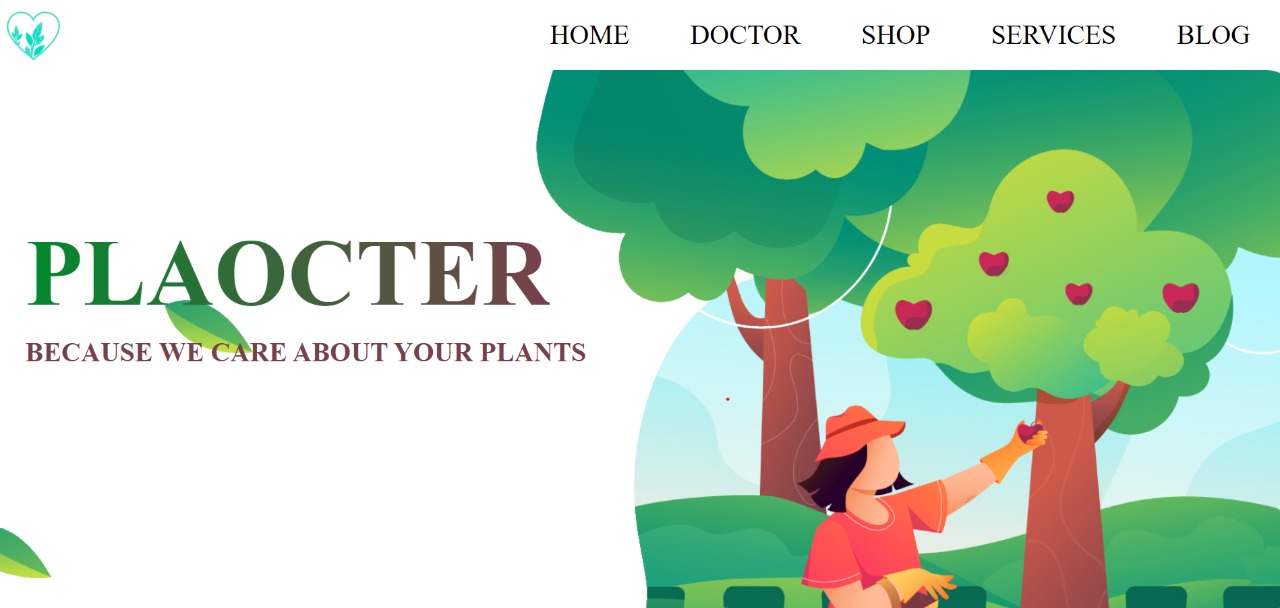
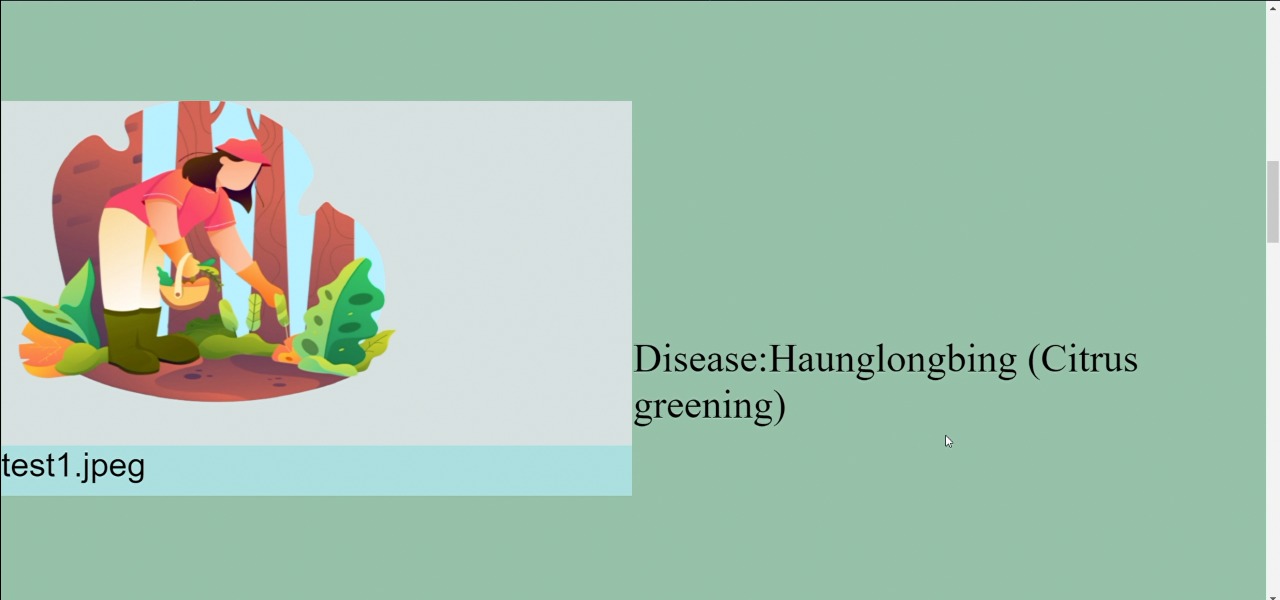
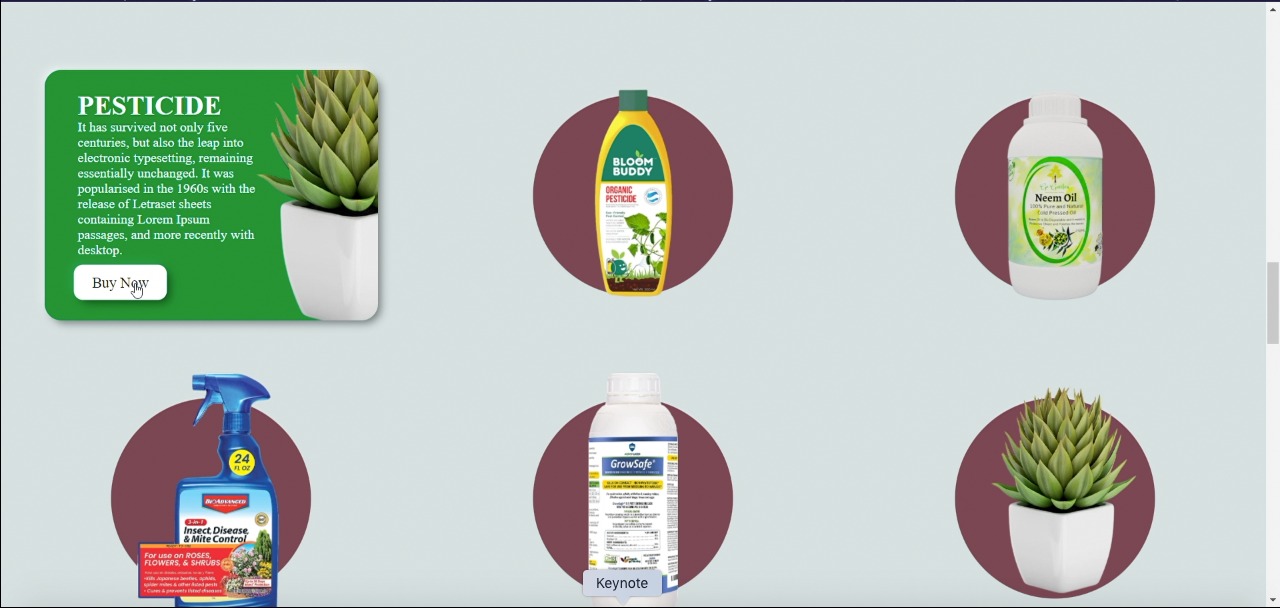
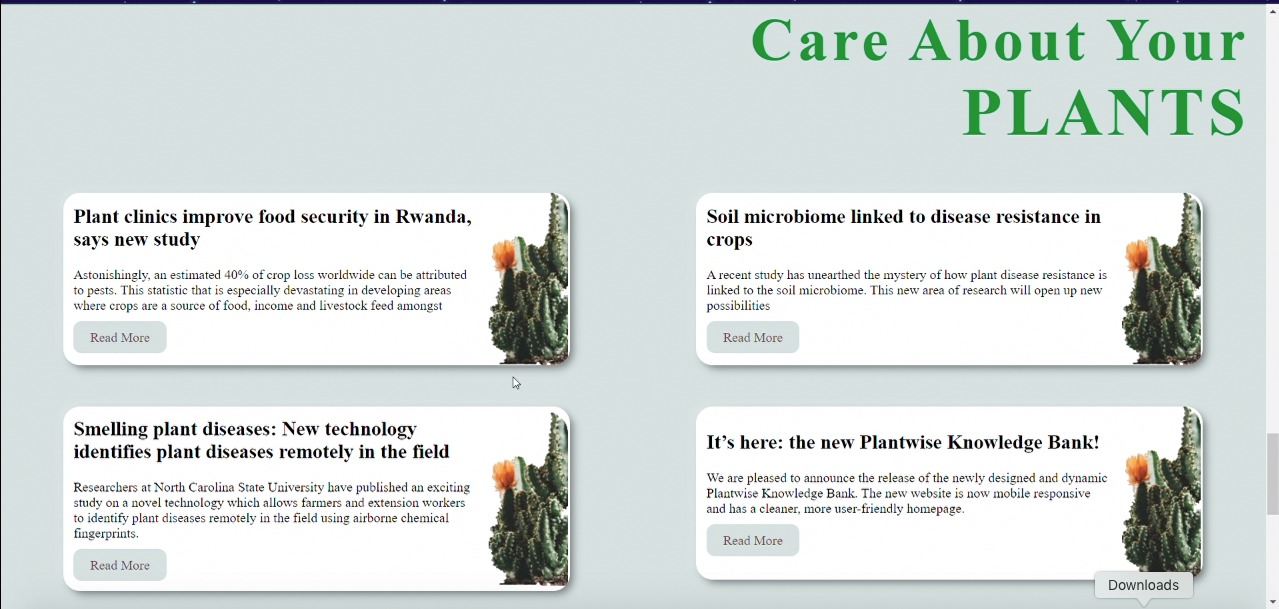
Plaocter is based on a prediction model to diagnose the pest or disease in a plant by a photo uploaded by the user and thus provide valuable information on the same helping to curb the disease or pest immediately. We also provide various blogs on plant care and disease control along with a shop for pesticides.
How we built it
Design prototype
Our prototype is developed in figma, which makes it easy to reuse components, share the design with others and for developers to find/know the proper scales in the design. It was easier for us to work on as we don't live in the same cities.
The prediction model was built using kaggle and tensorflow both of which were very new to us and took a lot of effort from the team.
Challenges we ran into
One of the main challenges that we encountered was the time and the distance between the teammates. All of our team members are currently students and we simply do not have the time to sit and code for the hackathon the whole day. Also, we are in different cities and one of our teammates lives in a different country, we have never actually met each other, thanks to the ongoing pandemic. This is why we had to make a lot of things in a short period of time. With that in mind, if we had more personal time, we could have extended or made the final solution better.
Accomplishments that we're proud of
We successfully recruited and organized team members with the required complementary and common skills that carried out research on statistics about the root cause of our challenge, created product prototype features and road maps, coded a working prototype of Plaocter, created a demo and submitted our idea within deadline.
We got together to problem solve and be critical thinkers to help our bigger cause. The whole structure of the website was built in under 36 hours, without even meeting each other in real life!
This was our first time working with tensorflow and as expected we had to run through many errors and solving those errors took quite a lot of time even though we had the help of the mentors because we tried to avoid mentor help until absolutely necessary. Also the research and model training for different plants took a lot of our time but we were able to overcome it.
What we learned
Some of the technologies we used, we already had experience in, others were completely new. For example, we managed to learn how to create and test bots. As well, how to create topics, what trigger phrases are and how to use them. Moreover, we managed to publish a bot and integrate it into React.
What's next for Plaocter
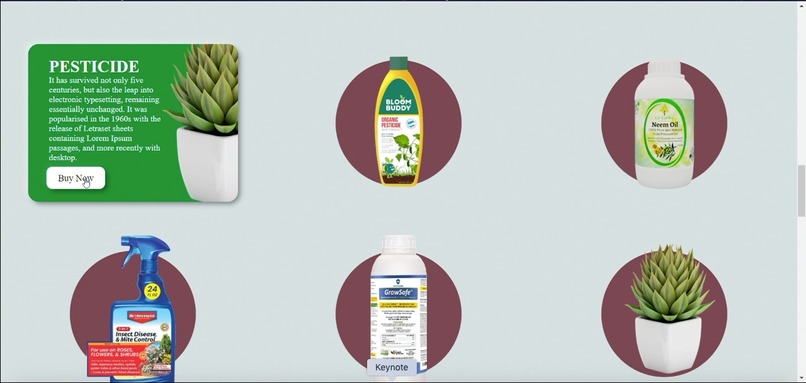
Plaocter will be able to provide more and diversified info on the detected disease and pest thus being able to provide the users with a vast info table from them to take a desired path to solve the pathogen problem at hand. We will also be able to suggest the pesticide needed for the detected pathogen with home-delivery and cost-effectiveness. Also a bot with the capabilities of plaocter can be easily made with the same model dataset and little modifications to help along with the people asking help in social media using certain hastags to provide diagnosis.
Built With
- css
- html
- javascript
- ml
- react
- tensorflow


Log in or sign up for Devpost to join the conversation.