-
-
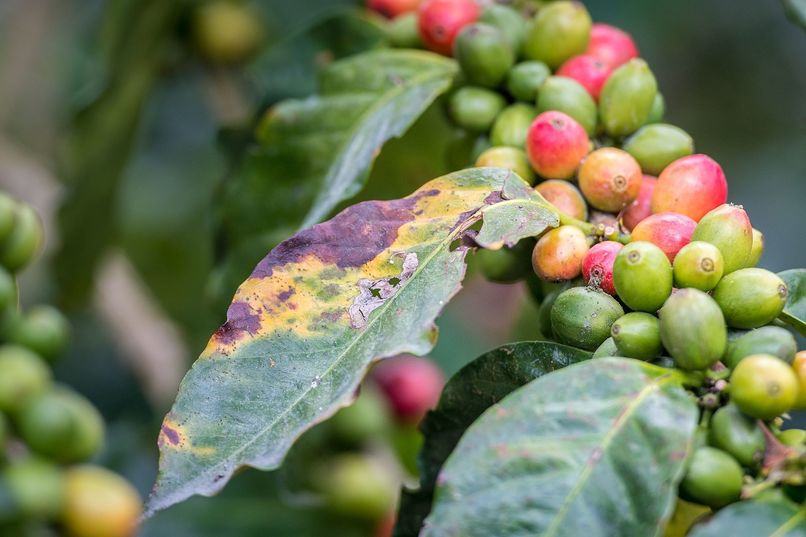
Tested_photo
Inspiration
The inspiration for this project came from observing a real and recurring problem: - agricultural losses caused by pests, diseases, and nutritional deficiencies, especially among small and medium-sized producers.
- In many contexts, such as in African countries and tropical regions, quick access to agronomists or specialists is not simple, and important decisions end up being made too late or based on trial and error.

- The idea was to create an accessible tool that transforms a simple image or video of a plant into practical and actionable information, helping farmers, gardeners, and producers to identify problems early and act correctly. The use of Gemini 3 allowed us to combine computer vision, reasoning, and natural language into a single intelligent solution.
What it does
AgroHealth is a web-based AI application that helps identify pests, diseases, and nutrient deficiencies in ornamental plants, fruits, and vegetables.
Users upload one or more images or a short video of a plant, and the system analyzes the visual data using Gemini 3 exclusively. The platform then provides: - Plant identification (when possible) - Detection of pests, diseases, or nutrient deficiencies - Clear explanation of visible symptoms - Severity level (low, medium, high) - Step-by-step treatment recommendations - Prevention tips to avoid future occurrences
The goal is to transform raw visual input into practical, actionable guidance, making plant health diagnostics more accessible to farmers, gardeners, and agricultural practitioners.
How we built it
The project was developed as a web application, prioritizing rapid prototyping and ease of demonstration.
The main flow works as follows:
1- The user uploads one or more images (or video) of the plant.
2- The backend sends this content for analysis using exclusively Gemini 3.
3- The model identifies the plant (when possible), detects pests, diseases, or nutritional deficiencies, and analyzes the visual symptoms.
4- The system returns a structured report containing: - Problem identification - Severity level - Explanation of symptoms - Step-by-step action plan - Prevention recommendations
All the logic for intelligence, analysis, and recommendation generation was centralized in Gemini 3, respecting the challenge's objective. The frontend was designed with a simple, clear, and user-friendly interface, intended for farmers and users without technical knowledge.
Challenges we ran into
One of the main challenges was ensuring accuracy and reliability when analyzing images or videos with limited or unclear visual information. In some cases, symptoms can look similar across different diseases or deficiencies, which required carefully designed prompts so Gemini 3 would express uncertainty instead of making incorrect assumptions.
Another challenge was translating complex agronomic knowledge into simple, farmer-friendly language while still keeping the recommendations useful and responsible.
Time constraints were also a factor. Balancing feature scope with the limited hackathon timeframe meant focusing on a strong MVP rather than adding too many advanced features
Accomplishments that we're proud of
  - Successfully built a multimodal plant health analysis system using Gemini 3 as the only AI engine.

  - Created a clear and structured diagnostic report that turns AI analysis into step-by-step actions.

  - Designed an interface that is simple, accessible, and suitable for non-technical users.

   - Delivered a functional end-to-end flow, from media upload to actionable recommendations, within a hackathon setting.

    - Demonstrated how generative AI can have real-world agricultural and social impact.
What we learned
During the project development, I primarily learned:
  - How to leverage Gemini 3's multimodal capabilities, combining visual analysis with contextual reasoning.

  - The importance of well-structured prompts, which make all the difference in the quality and reliability of responses.

   - How to transform complex AI results into simple and understandable information for non-technical users.

   - The need to balance technical precision with user experience, especially in solutions with social impact.
I also learned to think of the product not just as a technical demo, but as a real tool with the potential to scale to web and mobile.
What's next for AgroHealth
The next steps for AgroHealth include: - Expanding plant and crop coverage with more regional and climate-specific context. - Adding mobile support to enable real-time diagnosis directly from the field. - Introducing historical tracking to monitor plant health over time. - Supporting offline or low-connectivity modes for rural areas. - Partnering with agricultural institutions to validate recommendations and improve accuracy.
Long term, AgroHealth aims to become an AI-powered agricultural assistant, helping farmers make faster, better-informed decisions and reduce crop losses.

Log in or sign up for Devpost to join the conversation.