-
-
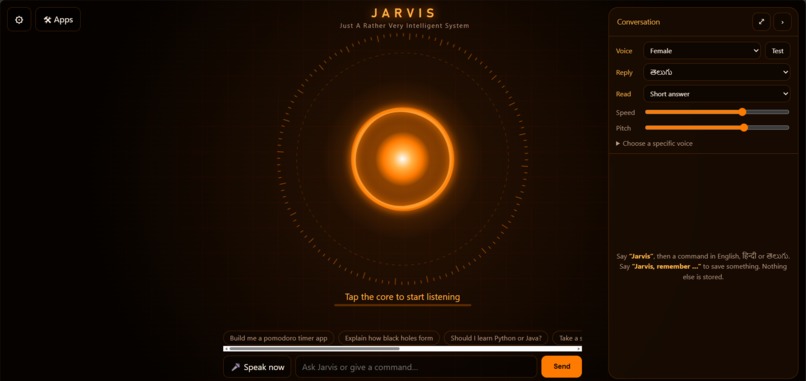
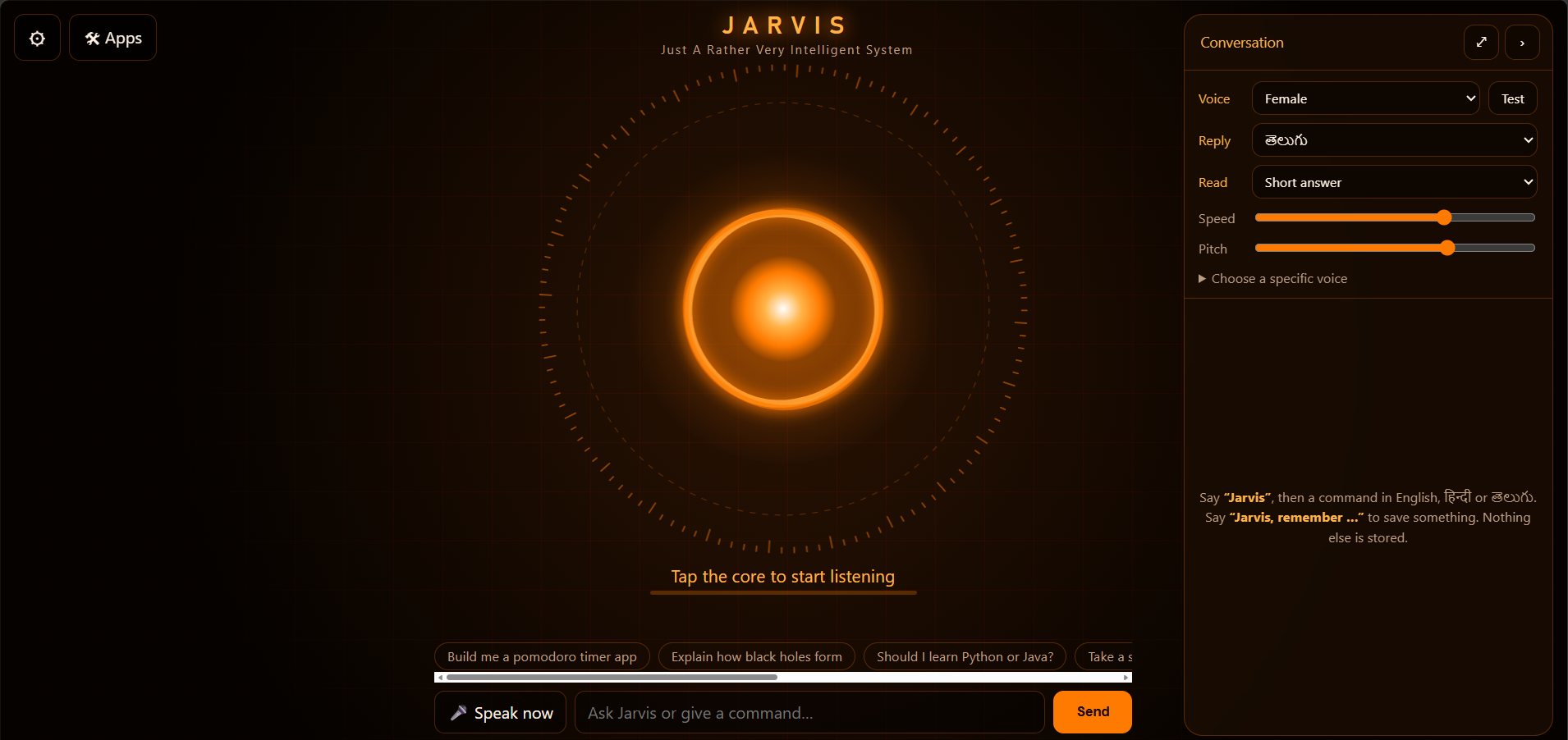
Dashboard of J.A.R.V.I.S
-
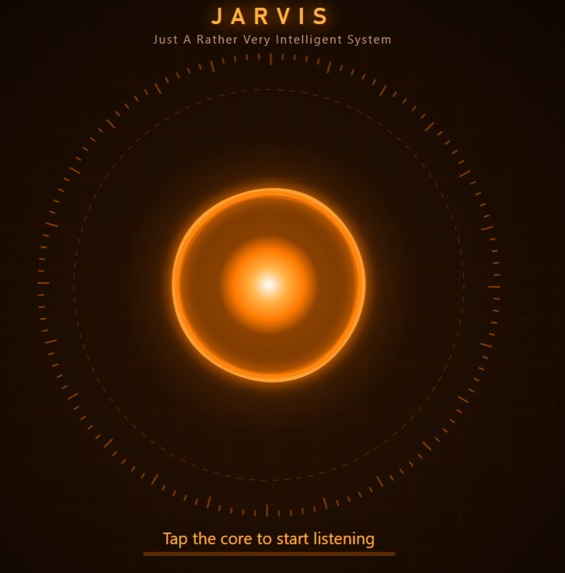
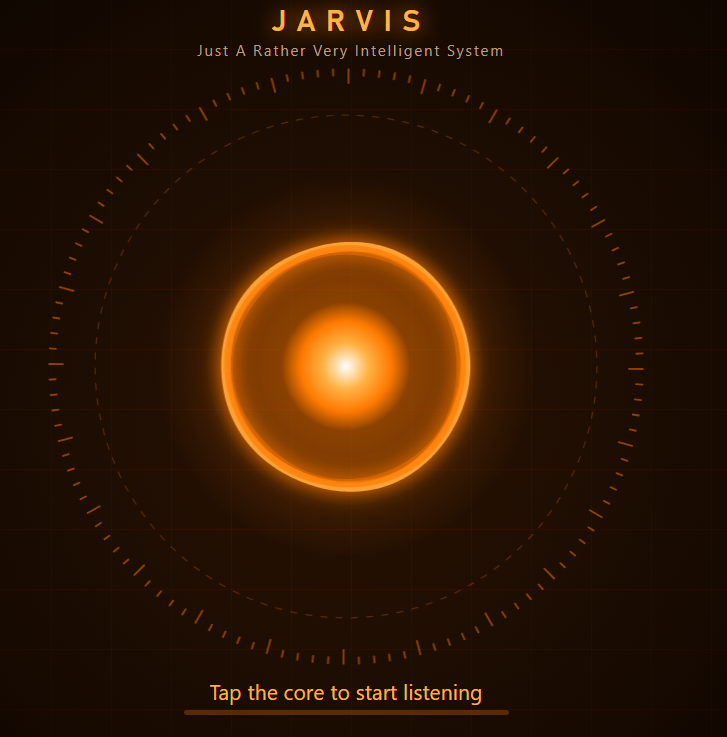
Core motion animator of J.A.R.V.I.S
-

Predefined tasks/commands to perform
-
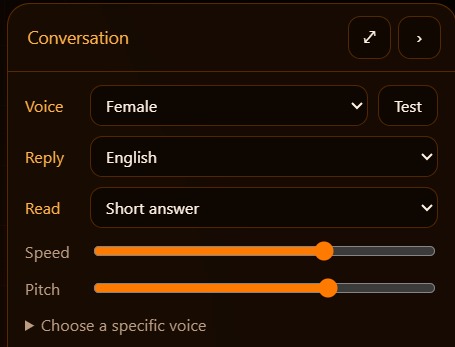
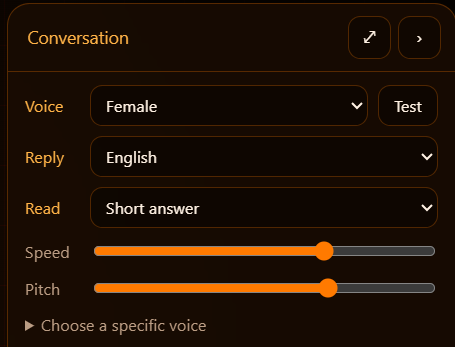
Voice settings of J.A.R.V.I.S
-
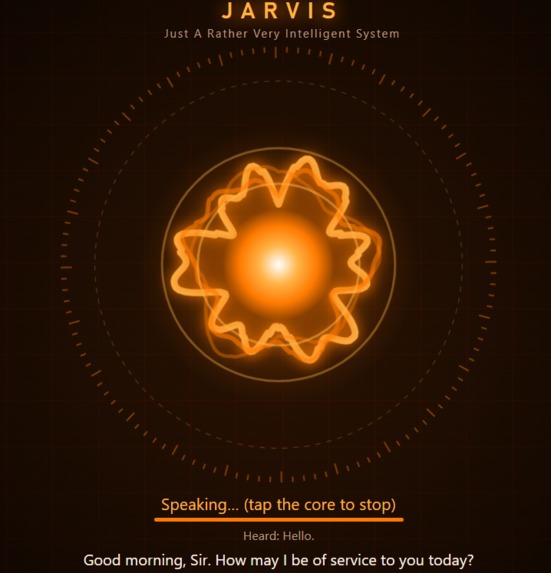
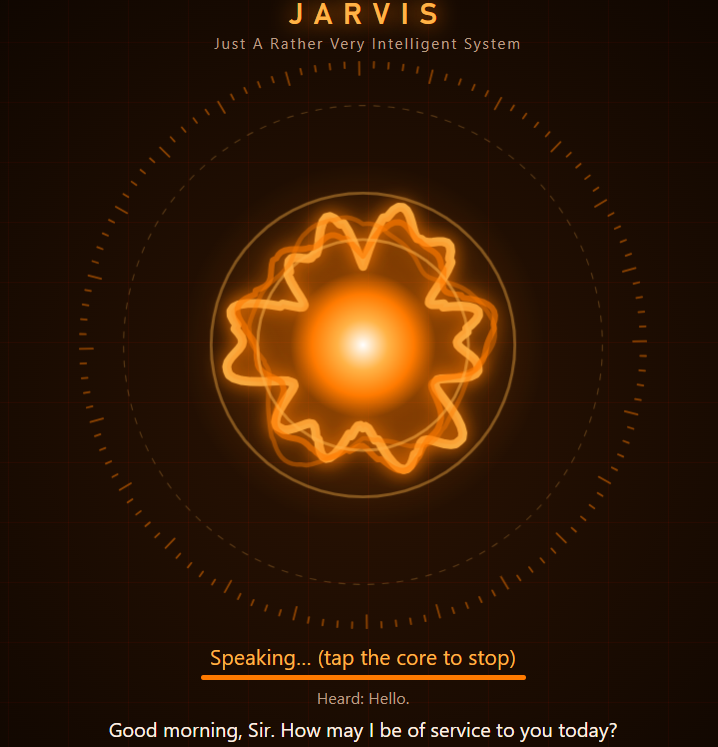
Speech Animation of core
-
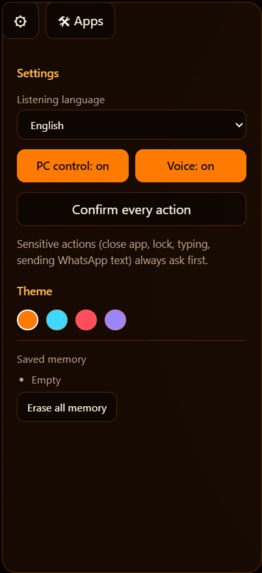
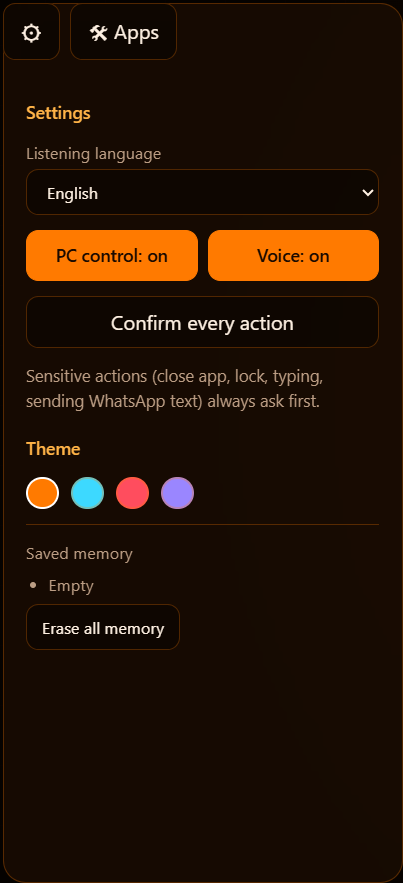
UI settings of J.A.R.V.I.S
-
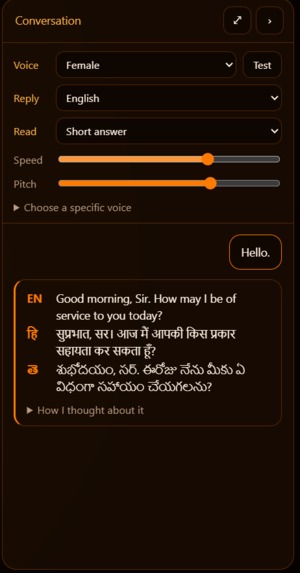
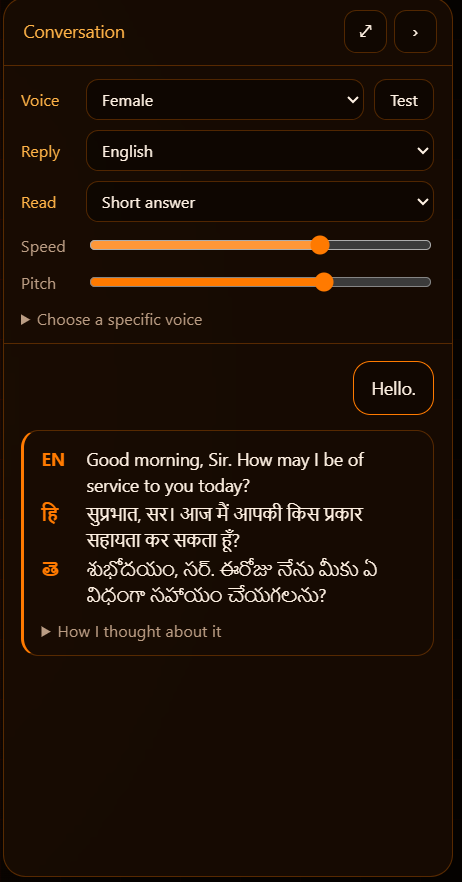
Conversation with J.A.R.V.I.S

Inspiration
-The inspiration behind JARVIS came from the idea of creating a smart, voice-controlled personal assistant similar to the AI assistant featured in the Iron Man movies. -I wanted to build an application that could make everyday computer tasks easier through natural language conversations and voice commands. -I also wanted to explore how Generative AI could be combined with voice recognition, multilingual communication, and computer automation to create a more interactive user experience. -My goal was to develop an assistant that could answer questions, remember important information when requested, control supported computer functions, and help users create simple applications using voice commands.
What it does
-I learned how Generative AI and Large Language Models (LLMs) can be integrated into a real-world application. -I explored how to connect AI models such as Google Gemini and Anthropic Claude through APIs. -I learned how to use Python and Flask to develop the backend and connect it with a web-based user interface. -I gained practical knowledge of voice interaction, including speech recognition and text-to-speech functionality for English, Hindi, and Telugu. -I learned how to process natural language instructions and convert them into structured actions for computer automation. -I explored how to implement optional memory functionality so that the assistant saves information only when explicitly requested. -I learned the importance of privacy, user approval for sensitive actions, error handling, and designing an interactive interface that responds to voice input.
How we built it
-I developed JARVIS as a web-based AI voice assistant using Python, Flask, HTML, CSS, and JavaScript. -I integrated Generative AI APIs to provide intelligent responses, explanations, and conversational interactions. -I implemented voice interaction through browser-based speech recognition and text-to-speech capabilities. -I added multilingual support for English, Hindi, and Telugu, allowing users to choose their preferred listening language. -I integrated computer automation using PyAutoGUI and Python system utilities to perform supported tasks such as opening applications, managing browser tabs, controlling media playback, taking screenshots, and typing text. -I implemented a memory feature that allows users to save and delete selected information through voice commands. -I developed a voice-based application-building feature that can generate simple HTML or Python applications based on user requirements. -I designed an interactive interface with a central animated listening core, voice-responsive visual effects, a chat panel, and customizable voice settings. -I used a modular approach to connect the frontend, backend, AI APIs, voice features, memory management, and computer-control functions into one application.
Challenges we ran into
-Integrating AI APIs with the backend while handling API errors, response delays, and usage limits. -Making voice recognition work reliably across different languages, accents, microphones, and browser environments. -Coordinating speech recognition, AI response generation, and spoken output to create a smooth conversational experience. -Translating natural language instructions into appropriate computer actions while restricting the assistant to supported commands. -Managing application permissions and handling sensitive actions safely through approval mechanisms. -Implementing memory functionality while ensuring that information is not stored unnecessarily. -Designing an interactive interface that provides clear visual feedback while the assistant is listening, thinking, and speaking. -Testing different features together and resolving dependency, configuration, and environment setup issues.
Accomplishments that we're proud of
-Successfully developed JARVIS, an AI-powered personal assistant that combines Generative AI with voice interaction and computer automation. -Integrated Large Language Model APIs to enable intelligent conversations and provide useful responses to user queries. -Implemented multilingual voice interaction to make the assistant more accessible to users who prefer English, Hindi, or Telugu. -Developed voice-controlled features that allow users to perform supported computer tasks through natural language commands. -Built a memory feature that enables users to save and delete selected information when requested. -Created an AI-powered application-building feature that generates simple applications based on user instructions. -Designed an interactive user interface with animated visual feedback, a chat panel, and voice customization options. -Successfully brought multiple components, including the frontend, backend, AI integration, and automation features, together into a single application. -Gained hands-on experience in building a practical Generative AI application using AI-assisted development tools. -Turned an idea inspired by intelligent virtual assistants into a working project and established a strong foundation for future improvements.
What we learned
-Improve voice recognition accuracy and response speed. -Expand multilingual support and improve natural-sounding speech. -Strengthen security and introduce more granular permissions for computer automation. -Add more useful integrations and productivity features. -Improve the application-building feature with better code generation, validation, and preview capabilities. -Continue improving the interface and overall user experience.
What's next for J.A.R.V.I.S- A Personal AI Assistant
-Enhance J.A.R.V.I.S with more advanced AI capabilities to provide smarter, more personalized, and context-aware responses. -Improve speech recognition accuracy, reduce response latency, and introduce more natural voice conversations. -Expand multilingual support to include additional Indian and international languages. -Add integrations with calendars, email, task managers, and other productivity tools to help users manage their daily activities. -Enhance computer automation with more supported commands, reliable execution, and stronger user approval mechanisms for sensitive actions. -Upgrade the AI-powered application-building feature to generate more complex applications with code validation, live previews, and debugging assistance. -Improve memory management by allowing users to review, edit, and delete saved information while maintaining privacy and control over their data. -Introduce optional offline capabilities for selected features to improve accessibility and reduce dependence on internet connectivity. -Strengthen security, error handling, and permission management to make the assistant safer and more reliable. -Explore cross-platform support so users can access J.A.R.V.I.S across desktops, mobile devices, and other compatible platforms.
Built With
- ai
- antropicclaude
- automation
- css
- flask
- generativeai
- googlegemini
- html
- human-computerinterface
- javascript
- llms
- natural-language-processing
- promptengineering
- pyautogui
- python
- restapi
- speechrecognition
- text-to-speech
- voiceassistant
- webdevelopment


Log in or sign up for Devpost to join the conversation.