Inspiration
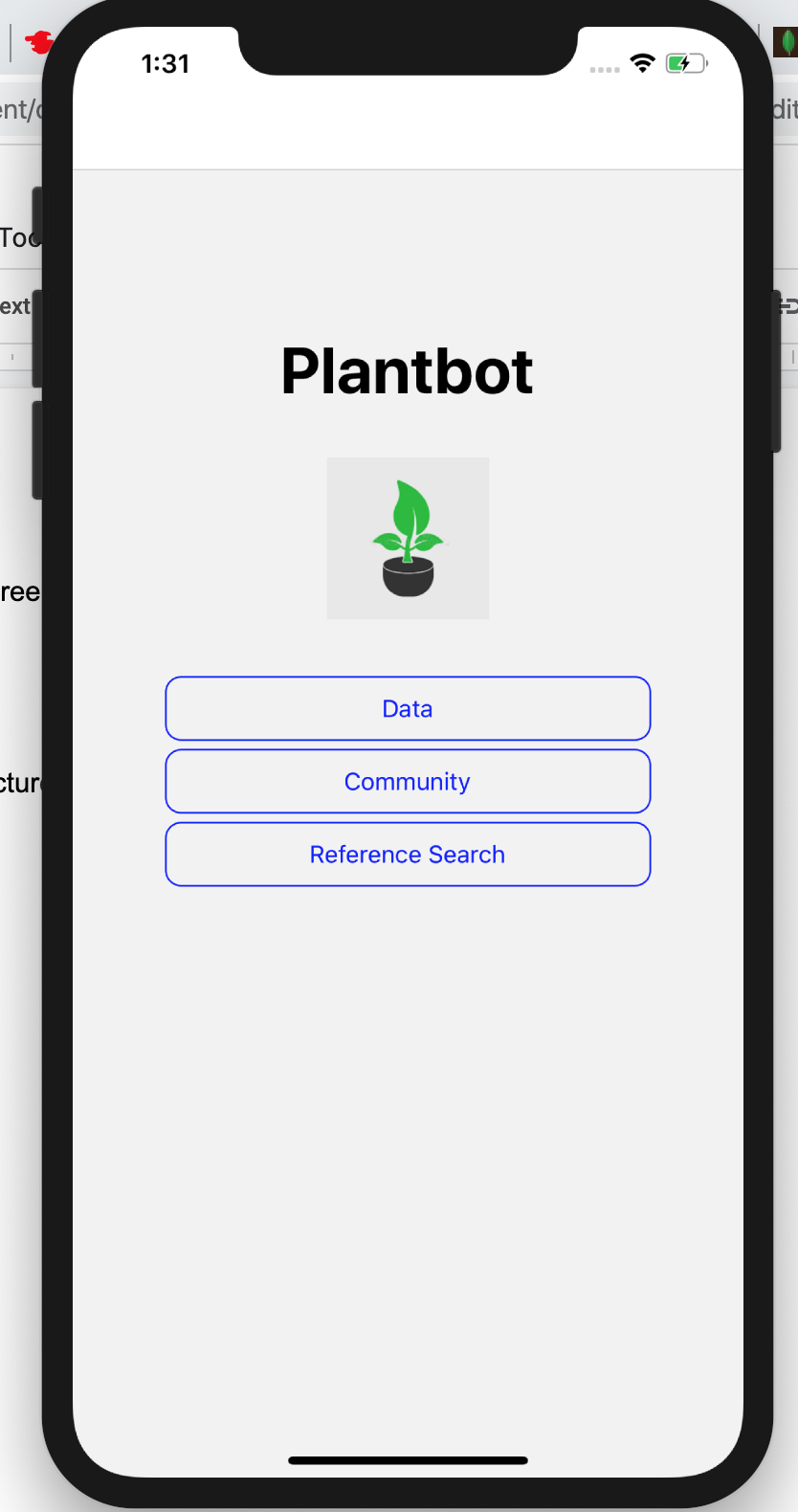
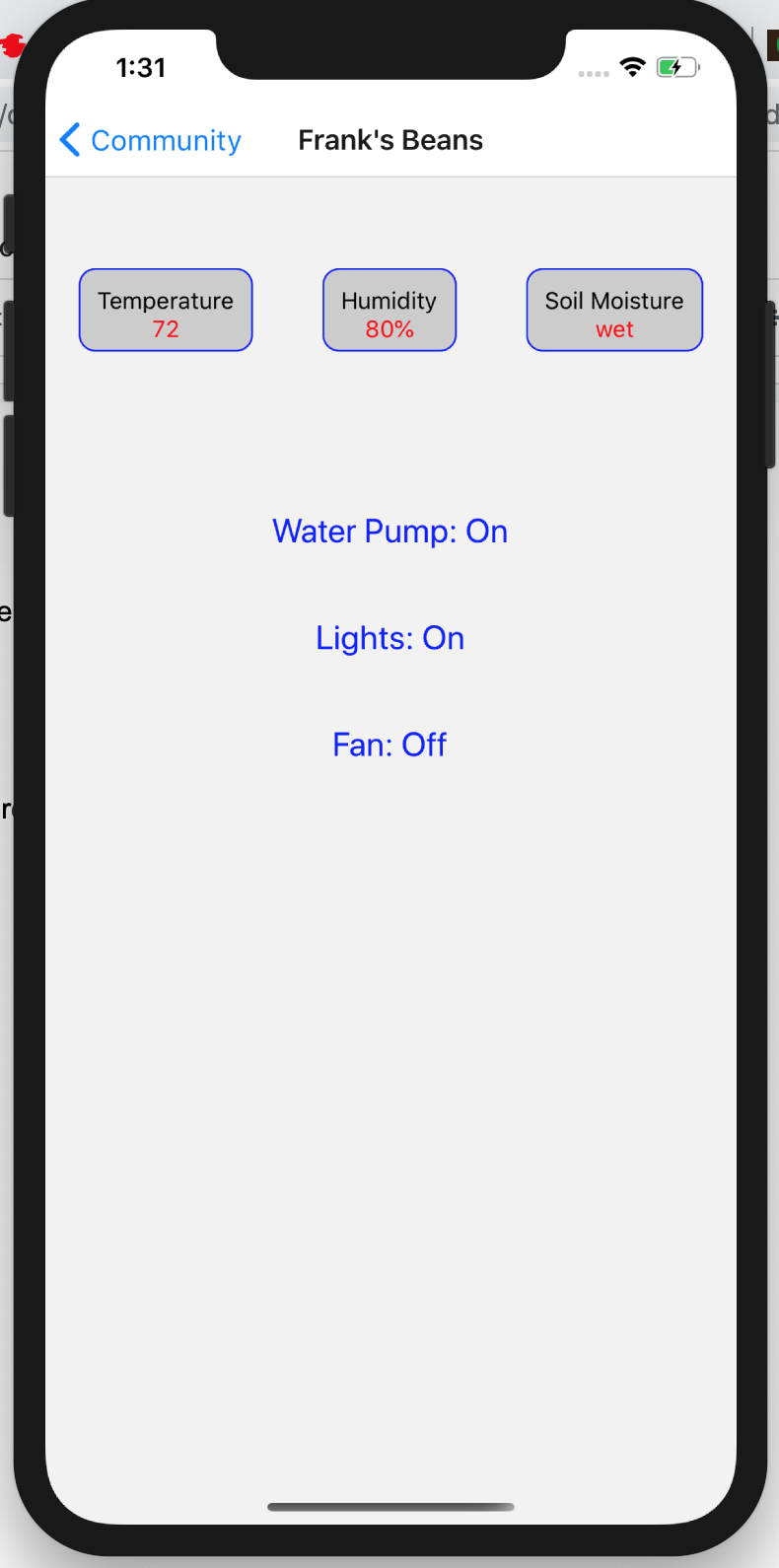
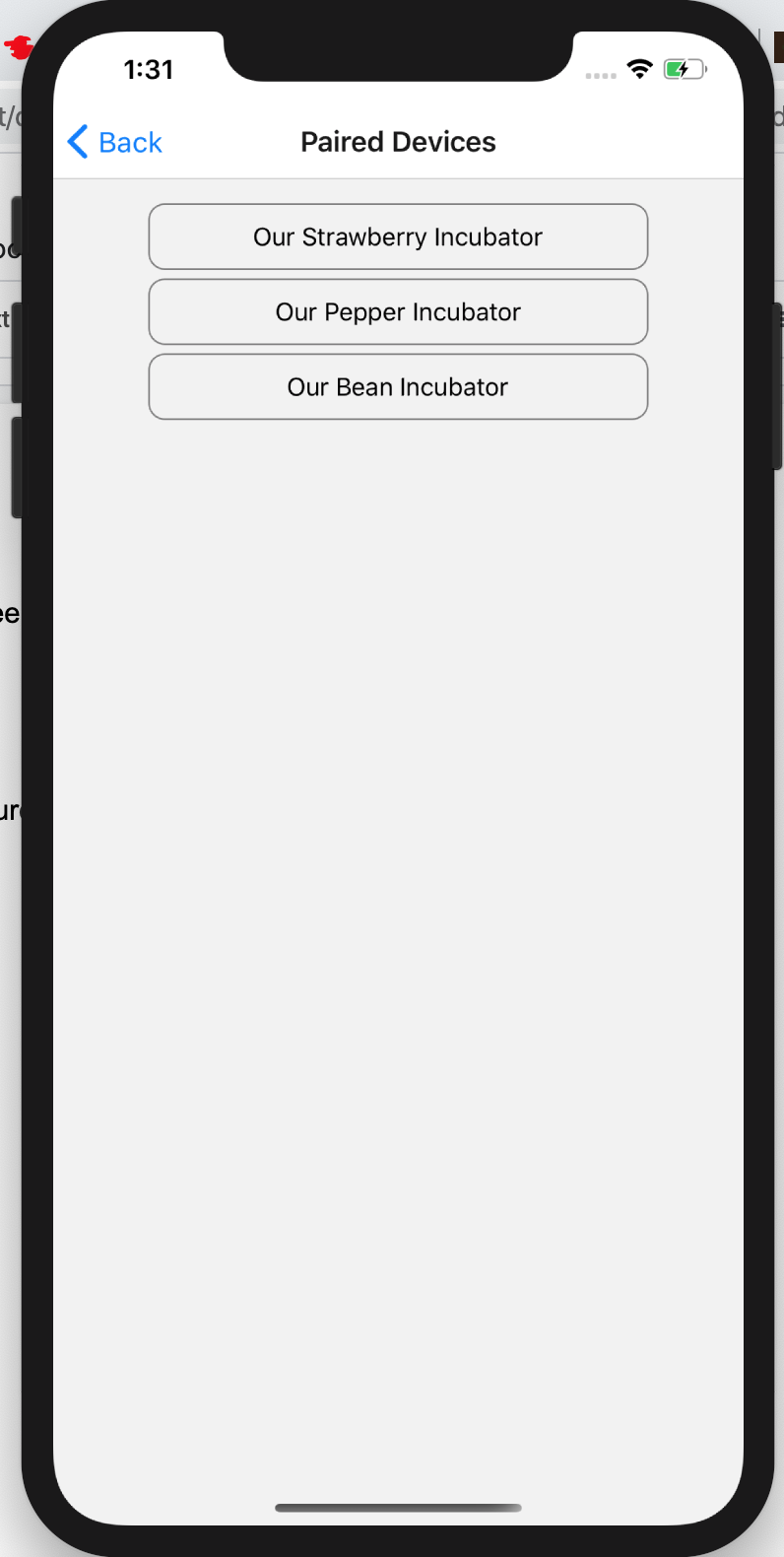
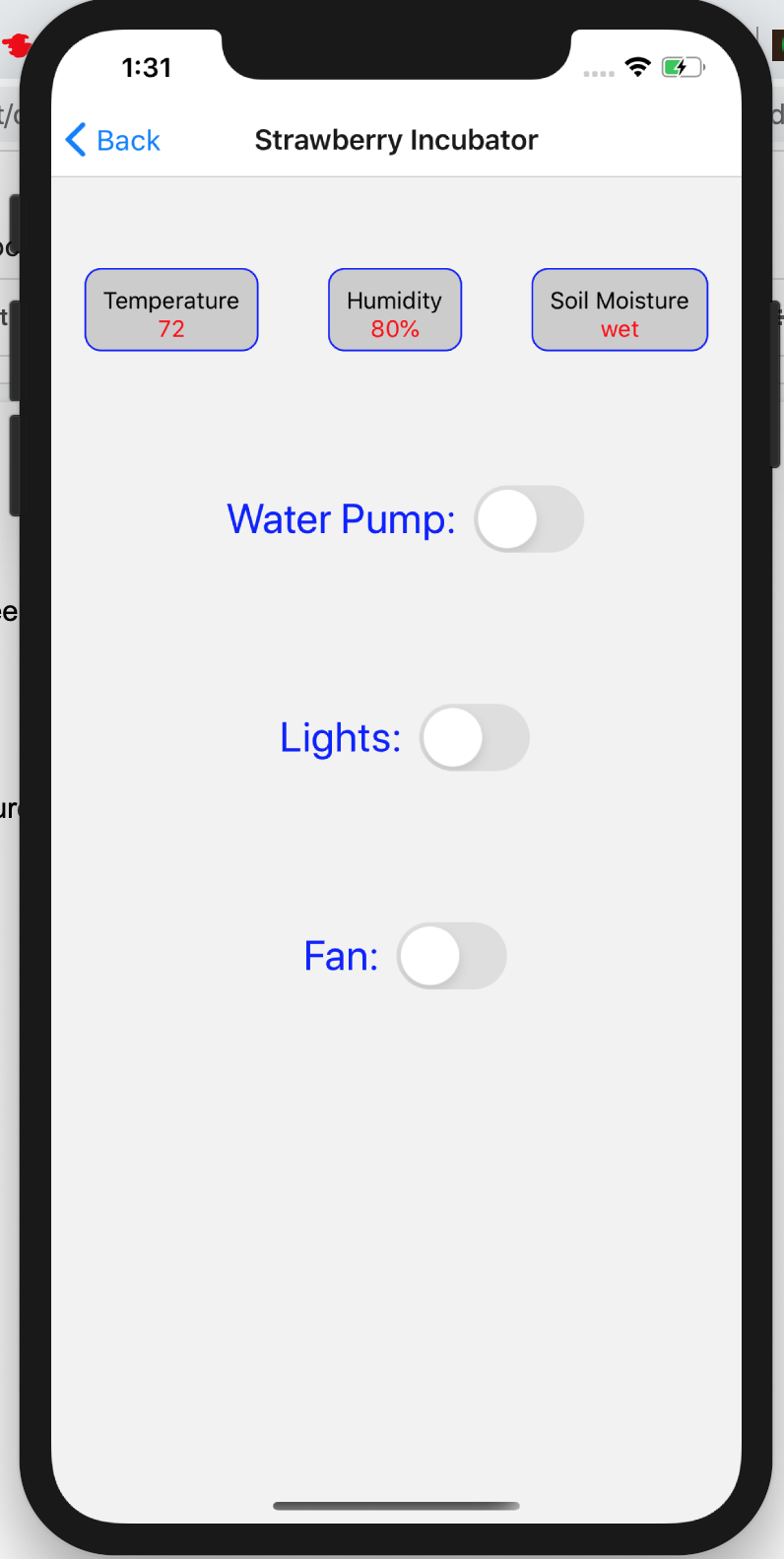
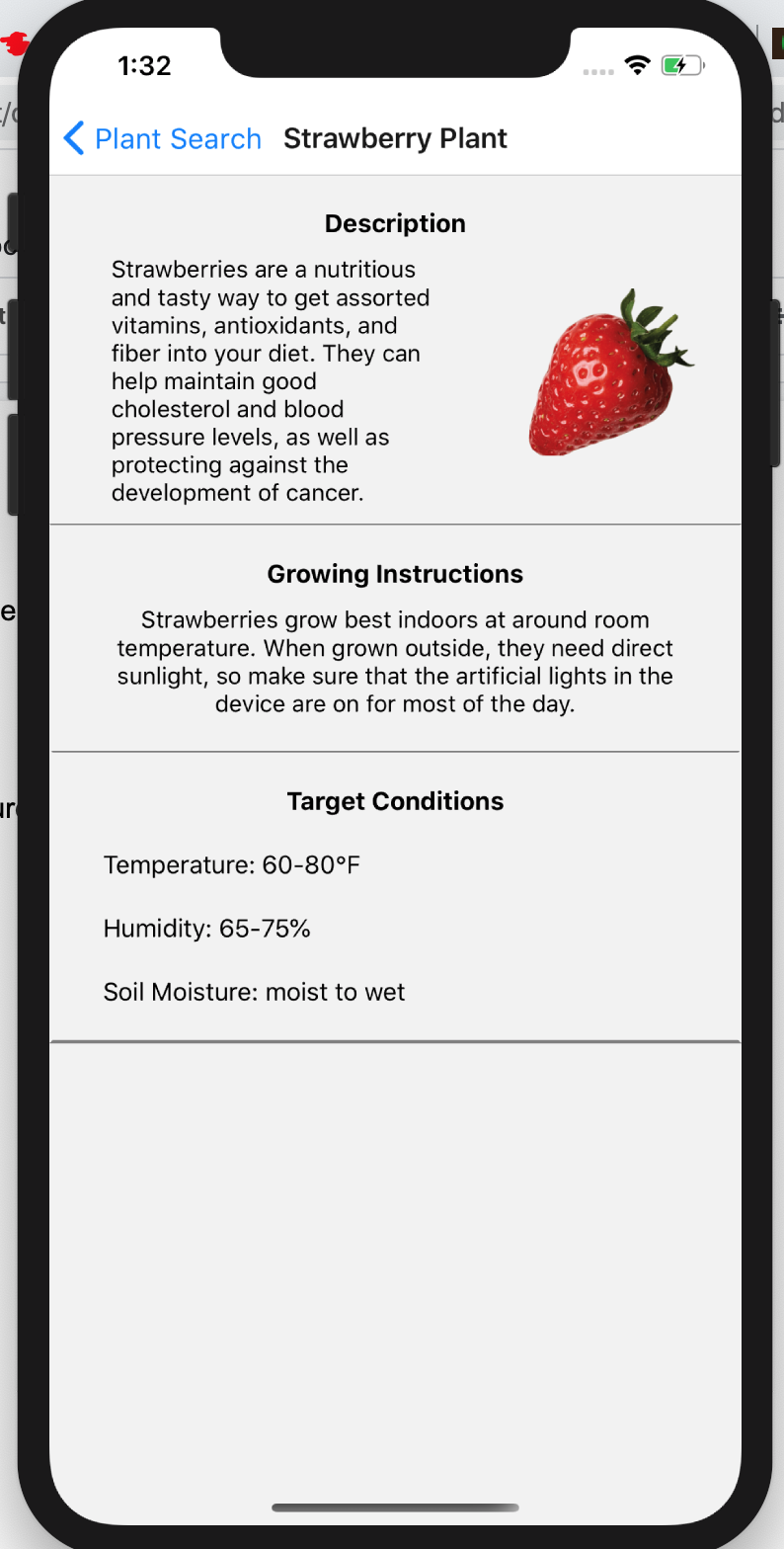
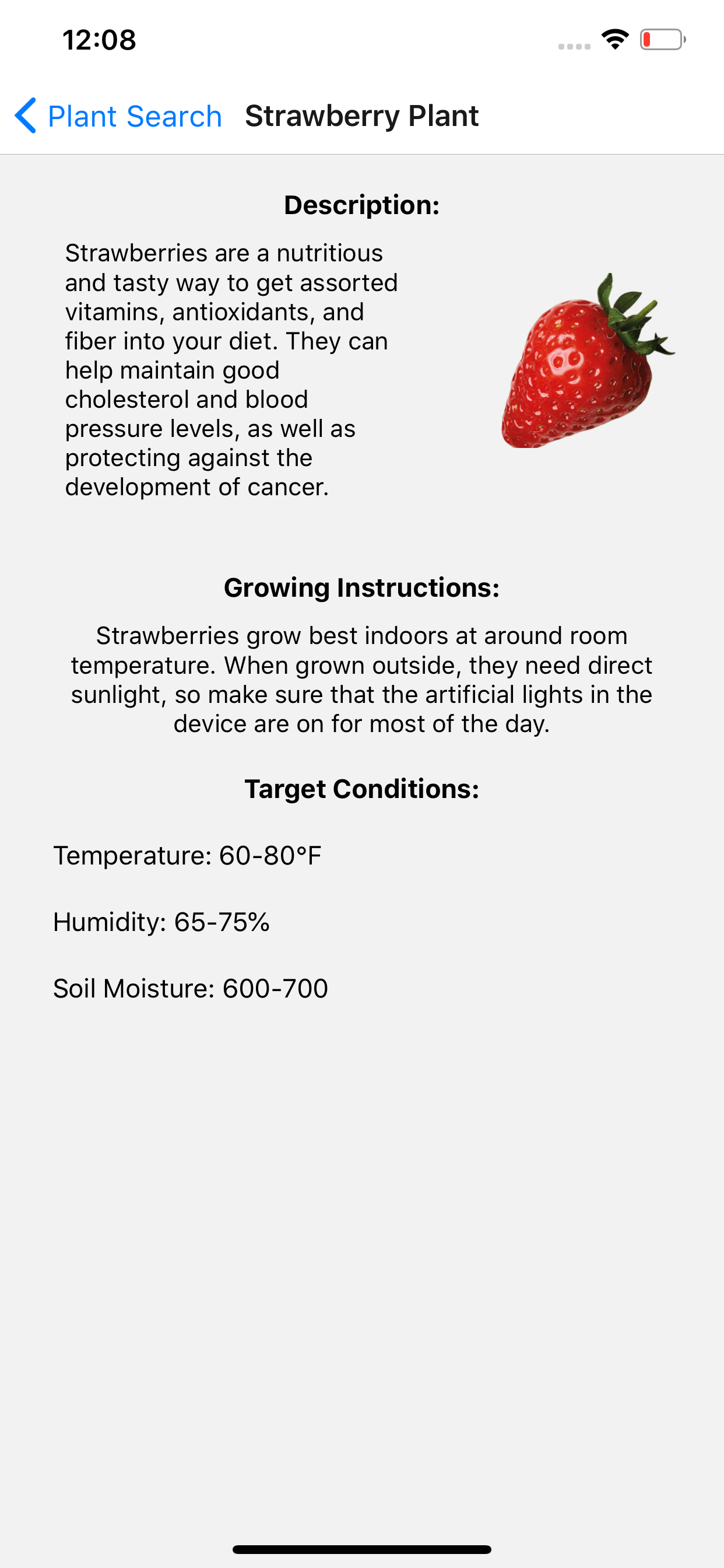
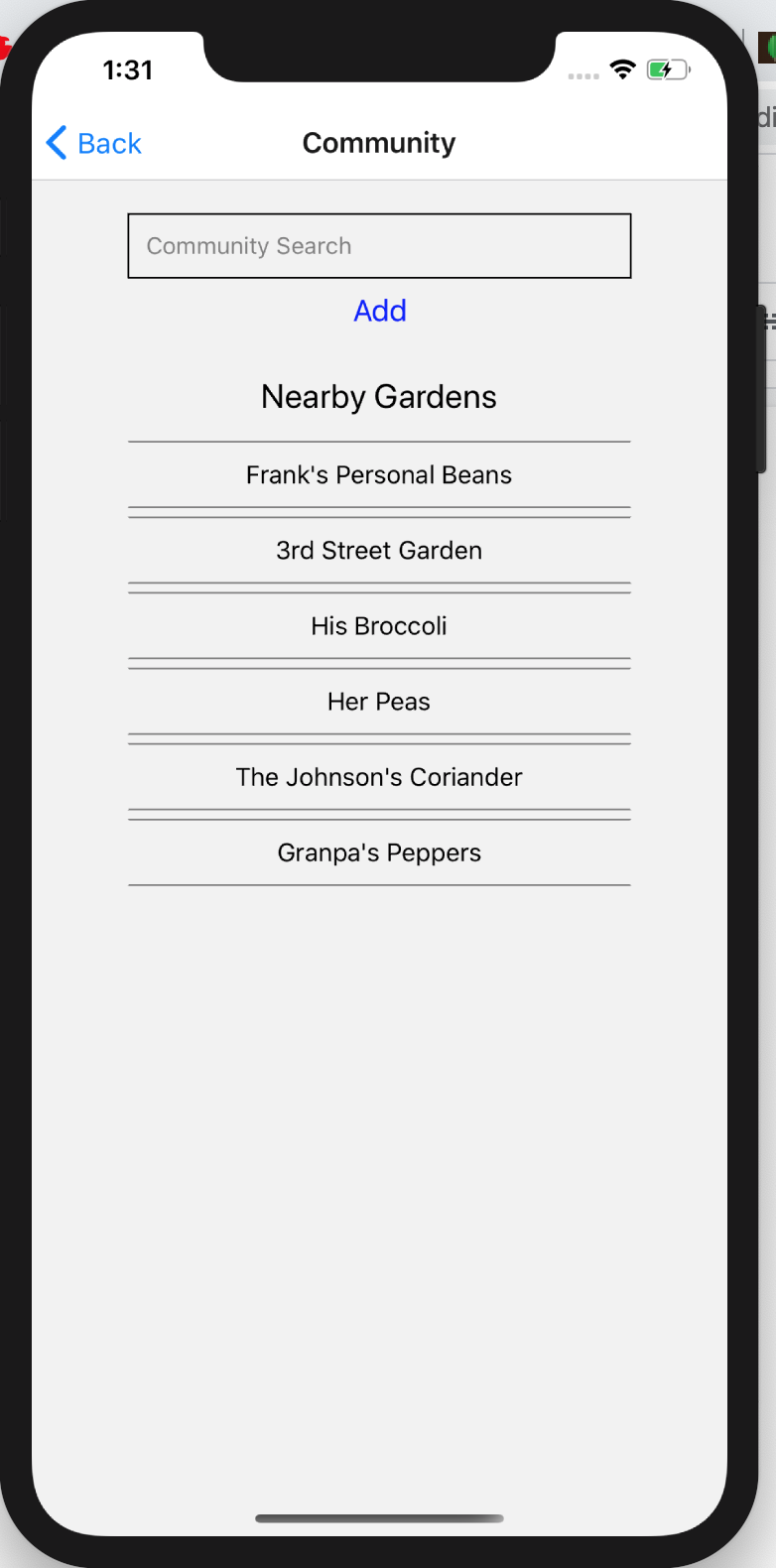
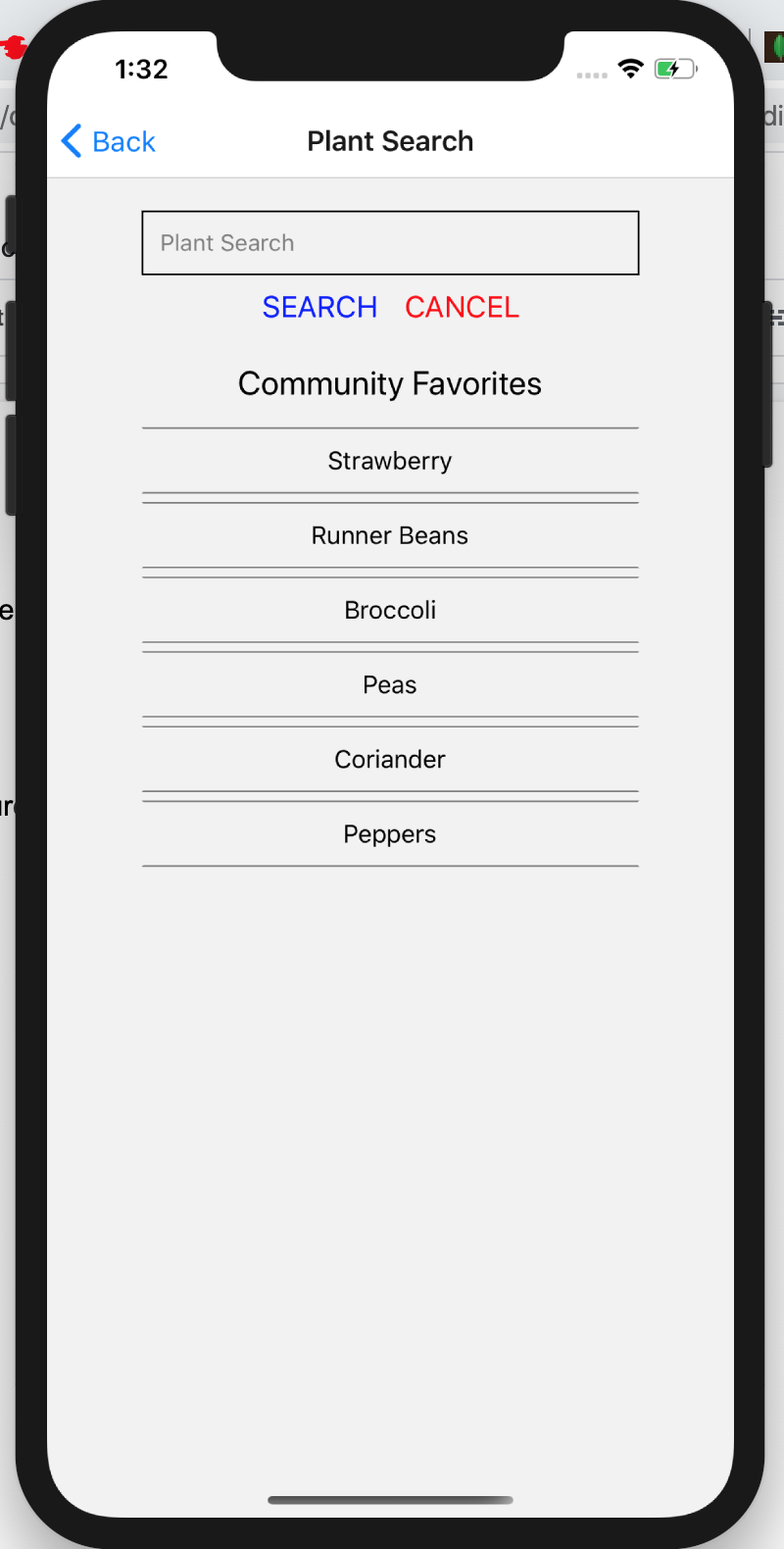
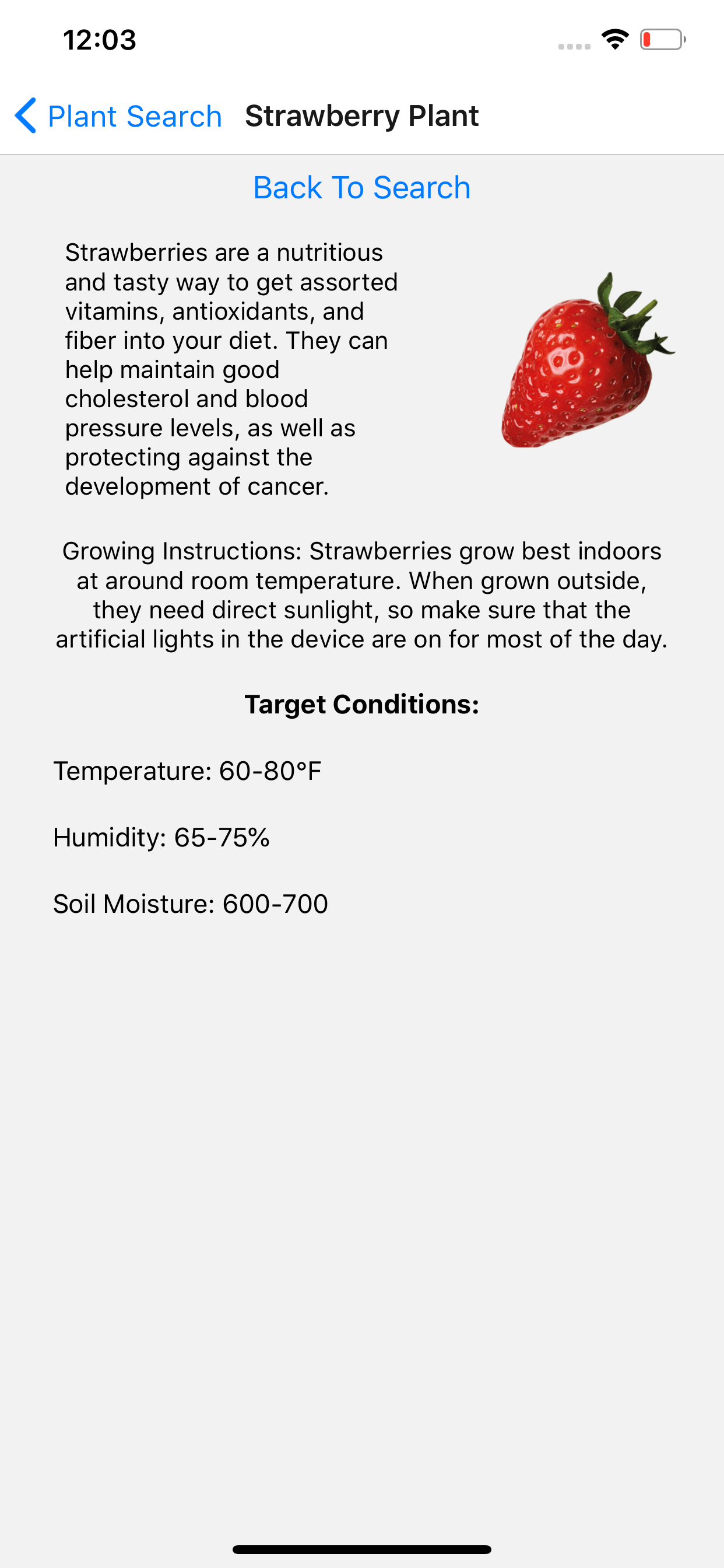
Our inspiration was food deserts in cities. In cities, it can be a challenge to get fresh fruits and vegetables. Nearly 25 Million Americans lack access to a grocery store (https://newsarchive.heart.org/more-than-25-million-americans-lack-access-to-a-grocery-store/). While ideally the solution to this problem would be governmental and not technological, the procurement of the parts required in building this device, although $60 in parts, plus several salvaged materials from the abundant e-waste at the University of Minnesota, we recognize that $60 is more than many people have, and that it takes a makerspace to get it assembled, and thus, this solution would have to be implemented by NGOs and community organizations. Nonetheless, the idea is simple, the increase in technology over the past decade has enabled the ability for us to not only grow out own food with robotics, but to also share with eachother tips, tricks, and ideas of doing so. The tendancy is for technology to enable monopoly and concentration, but it can also equally enable us to take back our food. And so, we built a Plant Robot, a robot that could grow food inside of it, as well as an app to create a community of Plant Roboticists.
What it does
Grows plants automatically, connecting communities isolated from eachother and nature
How I built it
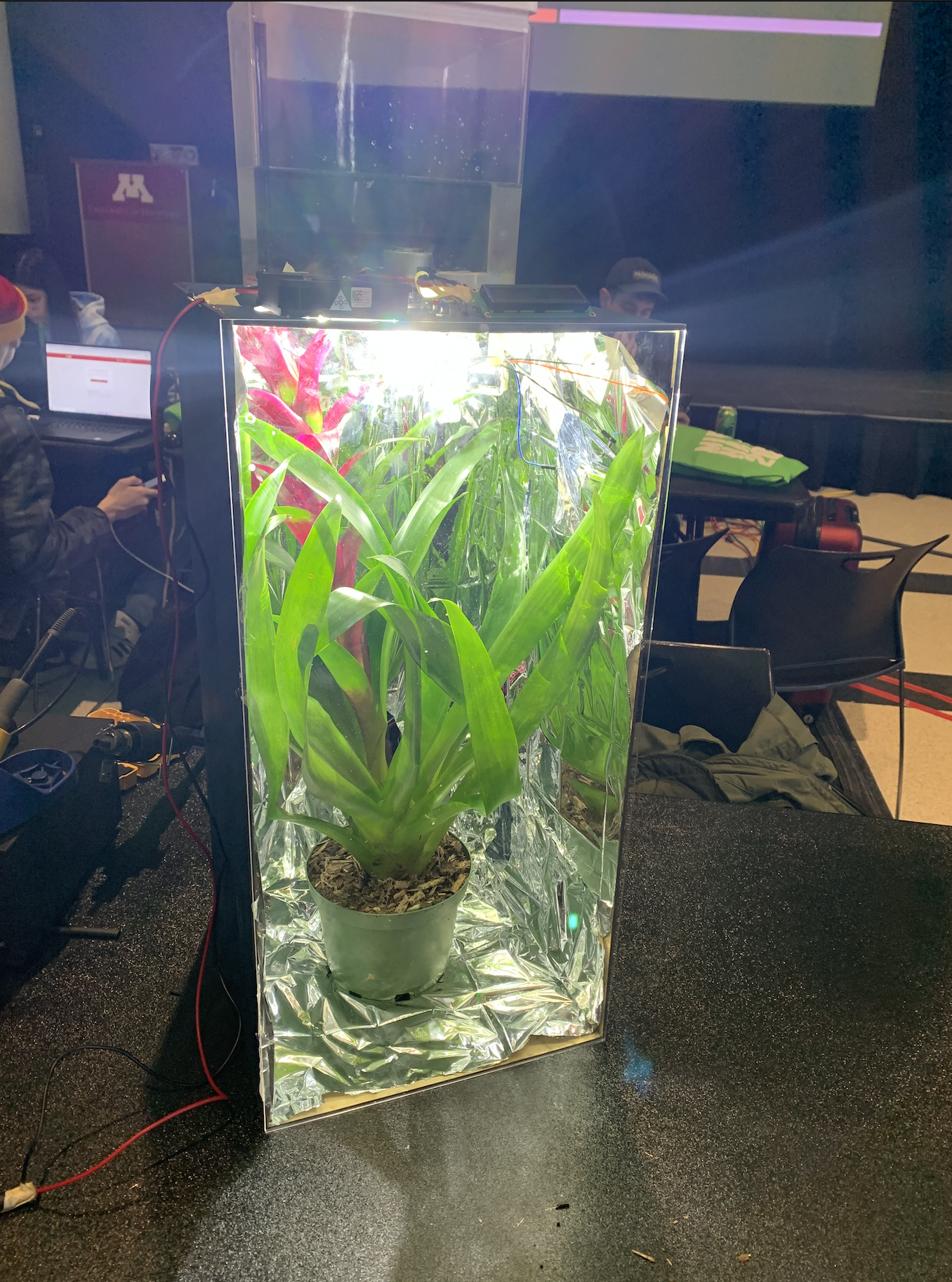
an interdisciplinary team of an electrical engineer, a mechanical engineer, and software developers coding a platform and a hardware electronic device. We started 24 hours ago, as a hardware team of a mechanical and an electrical engineer and a software team of two software people. We decided that a full team would be better than two smaller teams, and so we got to work. Our mechanical engineer made a box design, and it was laser cut out of wood and acrylic in one of the makerspaces. The inside is lined with a mylar emergency blanket to reflect the light, which was taken from our mechanical engineer's car. The fans were taken from e-waste.
Challenges I ran into
From the hardware, we had a very limited timeline in which to procure materials and assemble them, which was very challenging. We used our collective resources, and did a little bit of creative repurposing and dumpster diving to make it work.
On the software side, the main challenge we faced was getting adjusted to the react native environment. I (one of the software designers) and my partner had little to no experience with using the environment, so it posed quite a challenge at first becoming adjusted to the environment. However, I am proud of the fact that we were able to complete a functioning concept app.
Proud of
Something else we are proud of as a team is completing and integrating different aspects of hardware and software engineering in the timeframe. This was especially difficult as we did not all know each other before the event, and formed the team the minute of. However, we were able to over come this in the end and create an idea for a project that plays to all of our strengths.
What we learned
Aside from the technical skills we all individually took away from the project, we also learned about working with essentially strangers and how to play to each other's strengths. This proved crucial in completing the whole scope.
What's next
The main things that are next for roboplants are integrating the bluetooth capabilities between the app and the device. We did not have the hardware to do this last night.


Log in or sign up for Devpost to join the conversation.