
Inspiration
When brainstorming ideas for Hack the North, we were eager to explore how technology is used with plants. We took an interest in using sensors with plants to help them grow more efficiently. People kill houseplants because of neglecting to water and care for them.
What it does
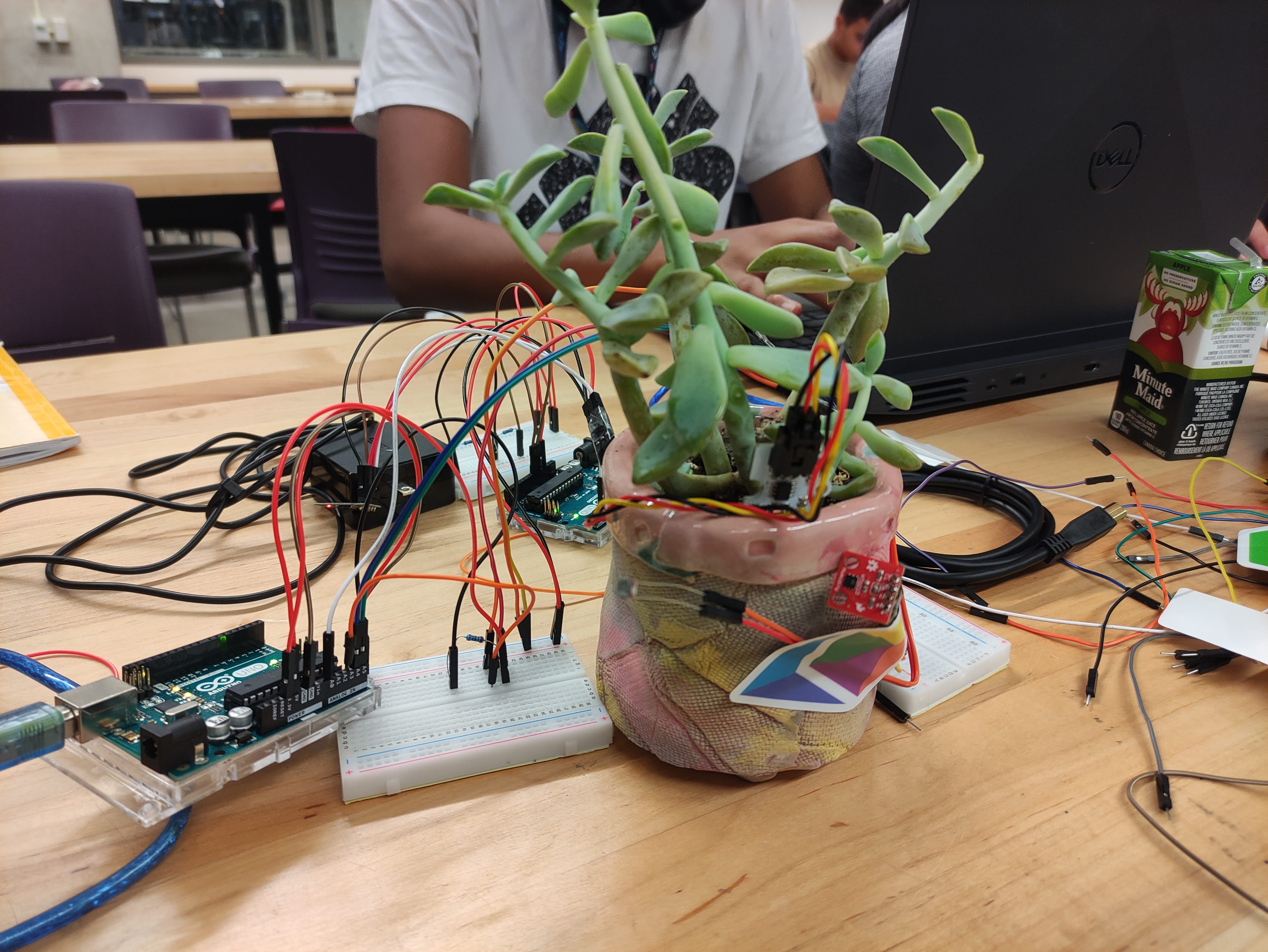
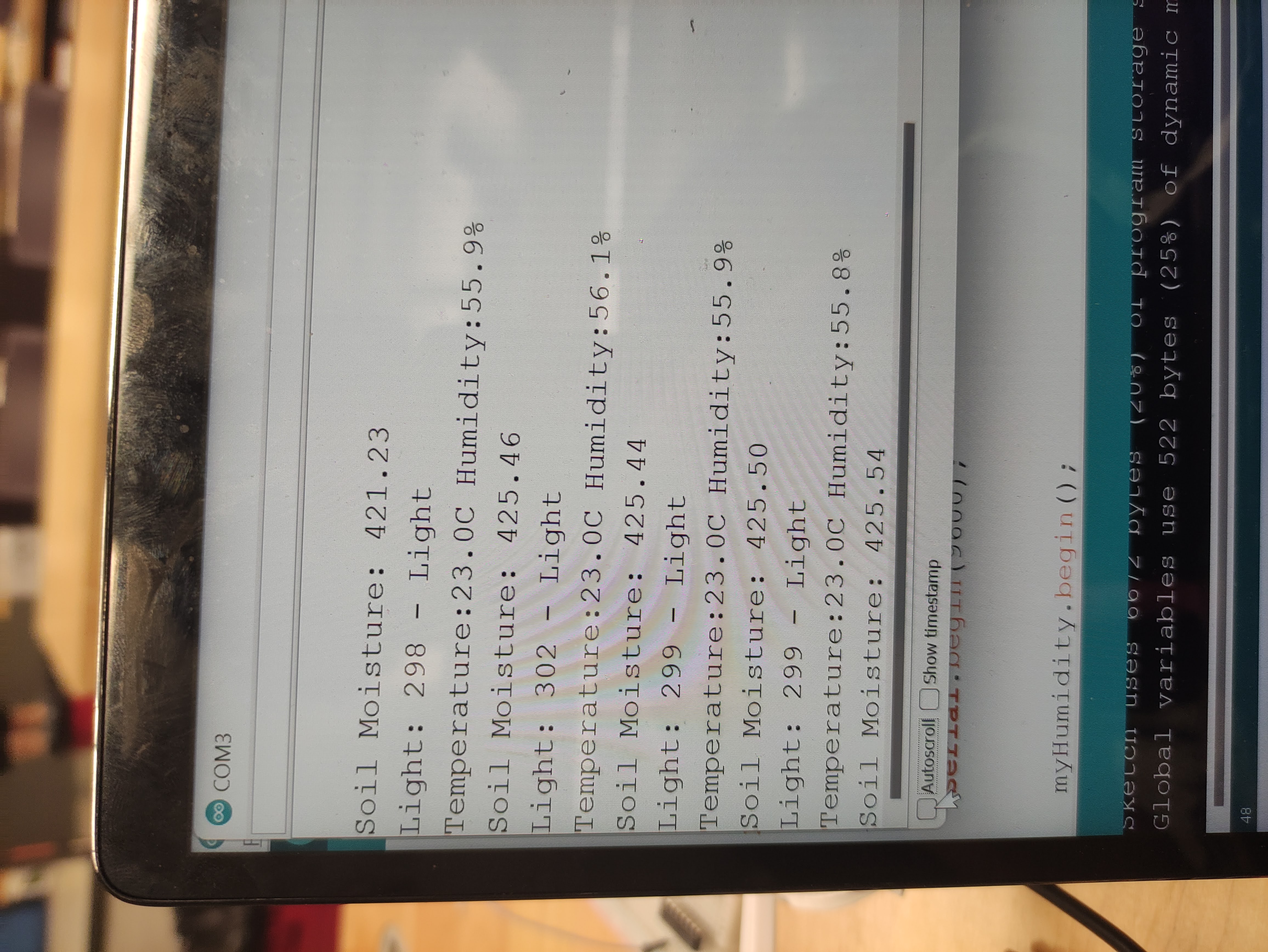
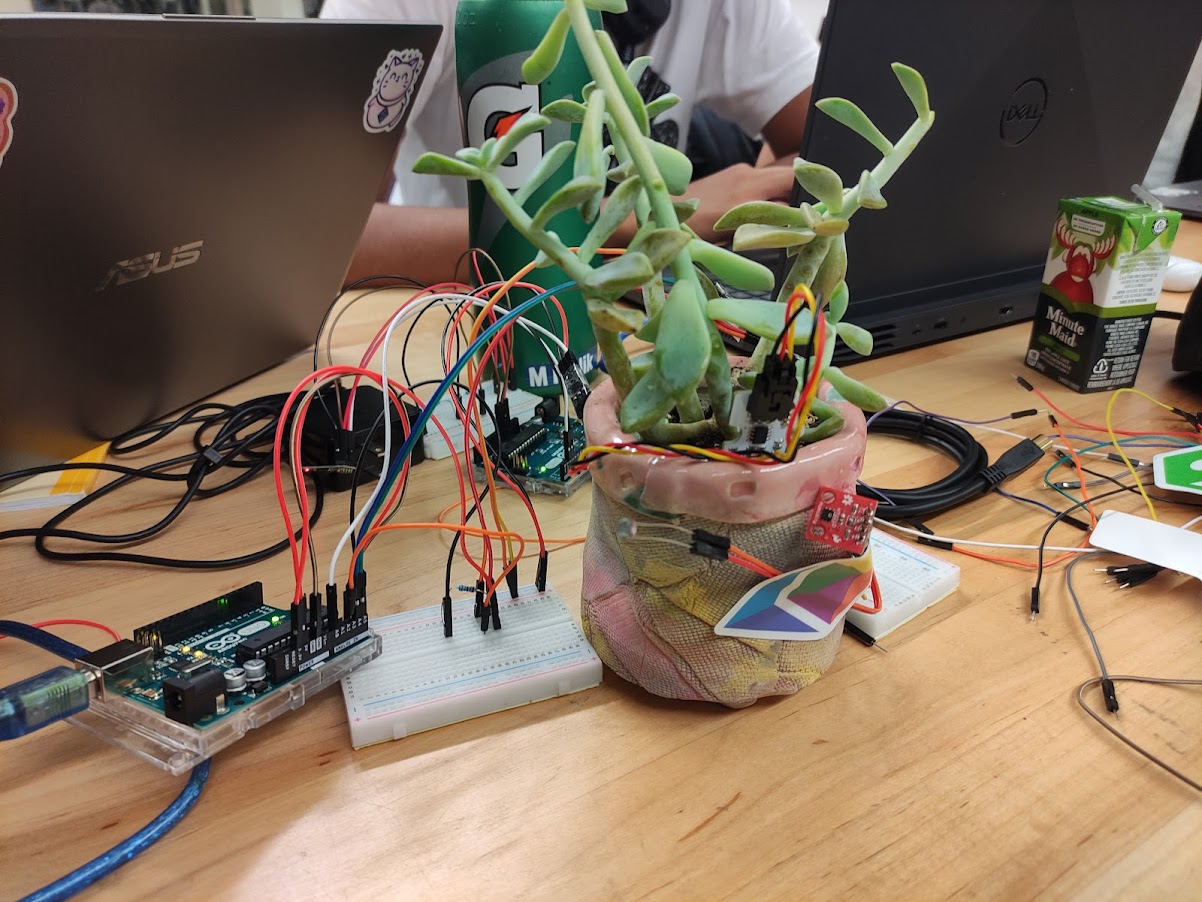
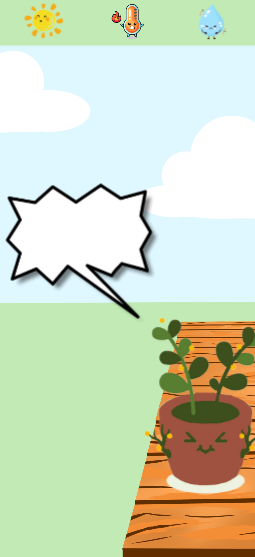
Plant Pals uses a bunch of different sensors to monitor the conditions of the plant. We collect the soil moisture, temperature, light, and humidity values of the plant's environment. The sensors send this information to the Plant Pals web app. The status icons of the plant will change to display the information taken from the sensors. The web app will notify the user whenever the plants, lighting, soil moisture, temperture, or humidity are hostile to the plant's growth.
How we built it
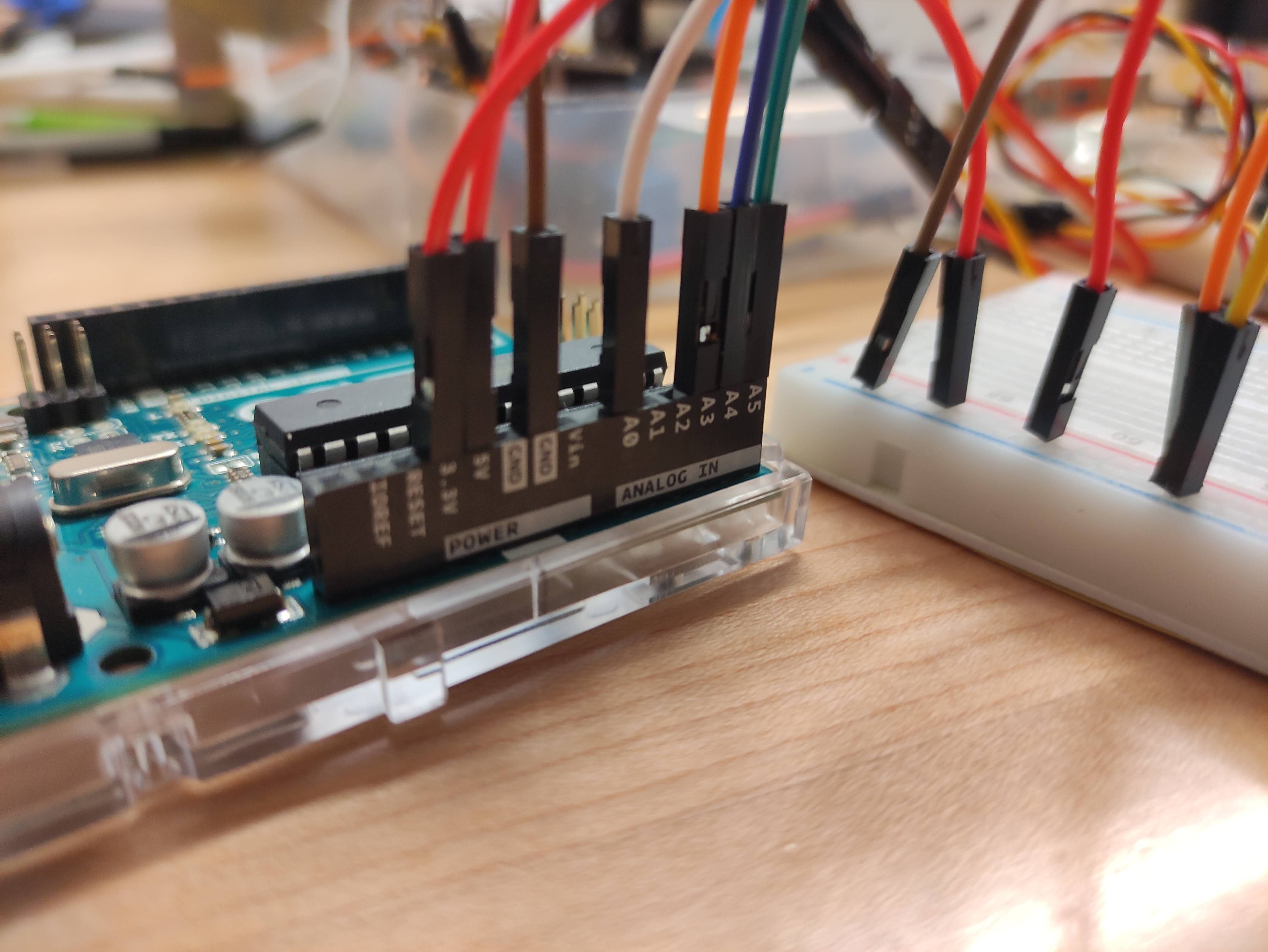
We built the hardware part of the project using an Arduino; we connected all the sensors to the microcontroller with the help of breadboards to model our circuitry. For the software part of the project, we used a combination of HTML, CSS and JavaScript to create a web app to display the data aesthetically.
Challenges we ran into
In hardware, we had some issues with creating the system because we had problems with the consistency of the hardware. Learning and combining two new coding languages resulted in a tough challenge.
Accomplishments that we're proud of
We are proud of the hardware section of the project.
What we learned
During this project, we learned how to create circuits with Arduino. We also learned how to read documentation to understand how to use different sensors. Something new we were exposed to during this project was soldering, which we used to attach some of our sensors. On the software side, this is our first experience working with APIs, JavaScript and creating a web app.
What's next for Plant Pals
In the future, if we had more time, we would work on connecting the sensors to the web app over wifi. Additionally, we would explore automated farming.


Log in or sign up for Devpost to join the conversation.