-
-
home
-
penny (chatbot)
-
dashboard 1
-
dashboard 2
-
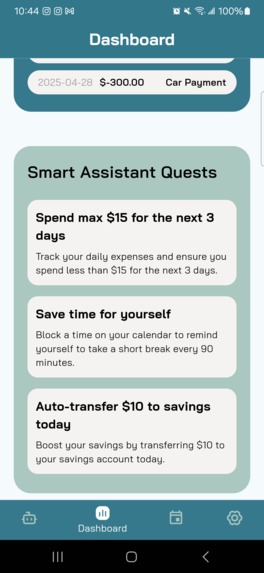
dashboard 3
-
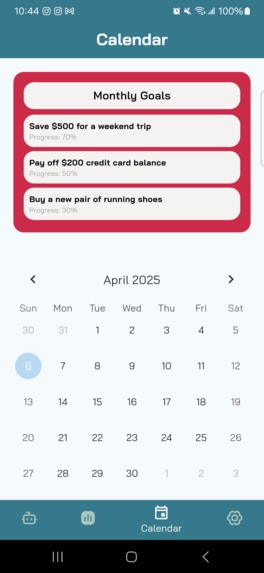
calendar 1
-
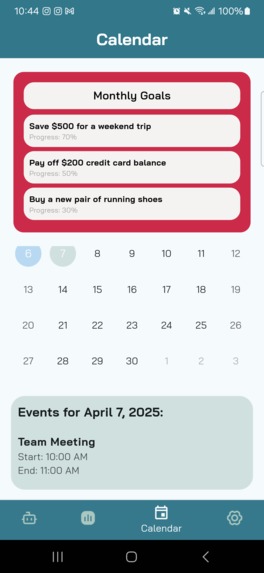
calendar 2
-
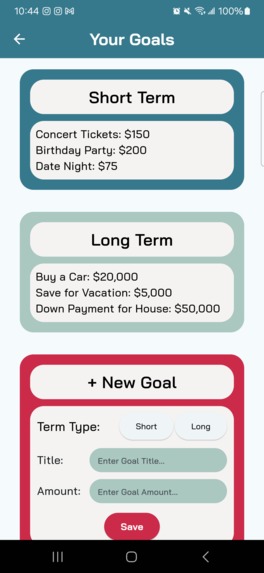
goals
-
settings


Inspiration
As 3 students graduating from college in a month, financial literacy is something we all wish we had more resources for during our university years. Although our levels of knowledge on investments, budgeting, credit, and other essential finance skills vary, having a helper to budget based on our personal experiences and plans would be incredibly helpful. Upon seeing Capital One's challenge statement, this was the first thing that came to mind.
Learning & Growth
For most of this project, we used tools we were generally familiar with. Flutter has been a team favorite for our last few hackathons, and even using the LLaMA API was nothing new. However, this was our first time working with Cloudflare, which has proven to be an incredibly useful tool for vector embedding, storing mock data, HTTP endpoints, and Retrieval-Augmented Generation (RAG) AI.
Additionally, this was our first time thoroughly planning out the design for an app in Figma before implementing it. Surprisingly, this sped up our coding process by a lot despite dividing our designers' efforts. It was a great lesson in how proper planning can help you succeed- funnily enough, incredibly in line with the goal of our project!
The Creation Process
The first step of our creative process was, naturally, planning PlanIt. We spent the first 2 hours of the hacking time outlining features we want to include, the overall purpose of our app, and the "aesthetic" we wanted. By 3:00 PM on Saturday, we had only just started designing the pages, with two of our members dividing into making a Figma prototype and implementing the UI/UX in Flutter. Our third member immediately headed for the backend development, getting the chatbot feature up and running by the time the UI design was completed.
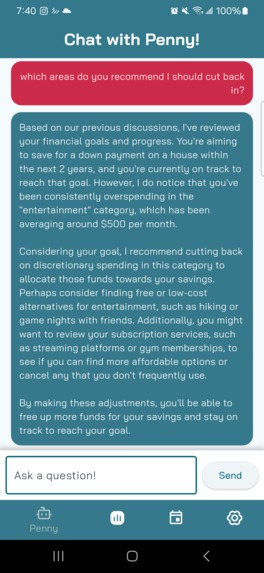
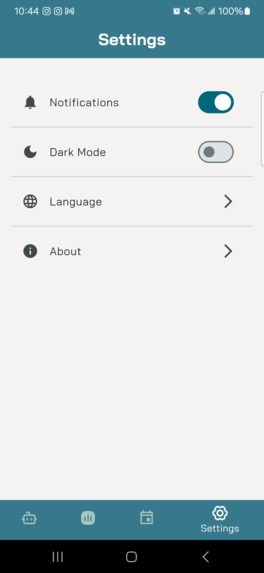
Once our main features were done, we were able to start using the mock Nessie model schema to pull from an actual "database" rather than hard-coding results. Although this inclusion gave us the most challenges, we were still able to achieve beautiful results that accomplished almost all of our initial goals and more. Some additional features we added included a text-to-speech function on our chatbot, Penny, tips from Penny on your weekly spending habits, and a UI implementation of a settings page.
Challenges
After talking to the Capital One mentors, we found that we needed to hone in on a more specific goal than "improve financial literacy," while also making our app stand out from other similar budgeting apps. Tying in the WeHack general track was a great help for this, highlighting how PlanIt can walk you through your past, present, and future. Also, we decided to focus on the integration of financial planning with day-to-day life. The inclusion of an in-app calendar where users can plan for daily events and finances concurrently makes for a seamless combination.
Another major challenge we ran into was using the Nessie API, which seemed to have been down for most of the hackathon. However, our members were quick to solve this by mocking the model schema, which makes room for its inclusion later down the line.
Key Features
Past — “Look Backwards”
A chatbot, "Penny," analyzes mock bank transaction data (via mock Nessie model schema) to identify:
- Past spending spikes
- Missed goals
- Energy burnout periods
Present — “Look Onwards”
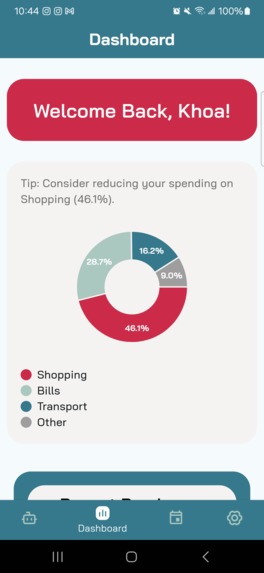
Visualizes your "dashboard of life":
- weekly spending
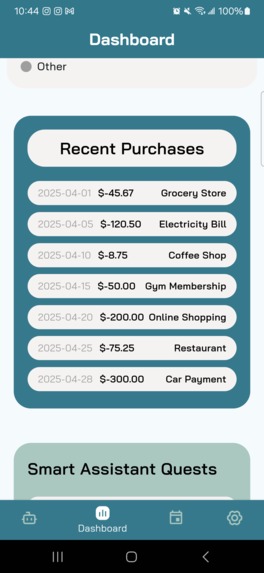
Smart assistant suggests daily/weekly “quests”:
- “Spend < $15/day for the next 3 days”
- “Take a break every 90 mins”
- “Auto-transfer $10 to savings today”
Future — “Look Forward”
Predictive models forecast:
- Self-defined monthly goals
- short term: saving for date nights, concerts, etc.
- long term: budgeting student loan payments, saving for a car, travel, etc.
- Suggested goals based on upcoming events in the calendar
Built With
- cloudflare
- dart
- flutter
- llama


Log in or sign up for Devpost to join the conversation.