-
-
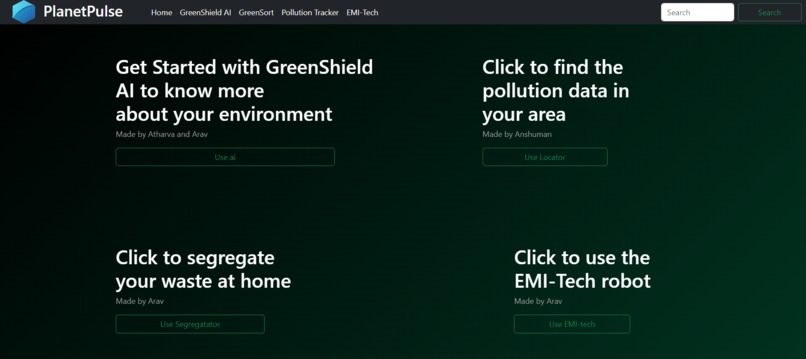
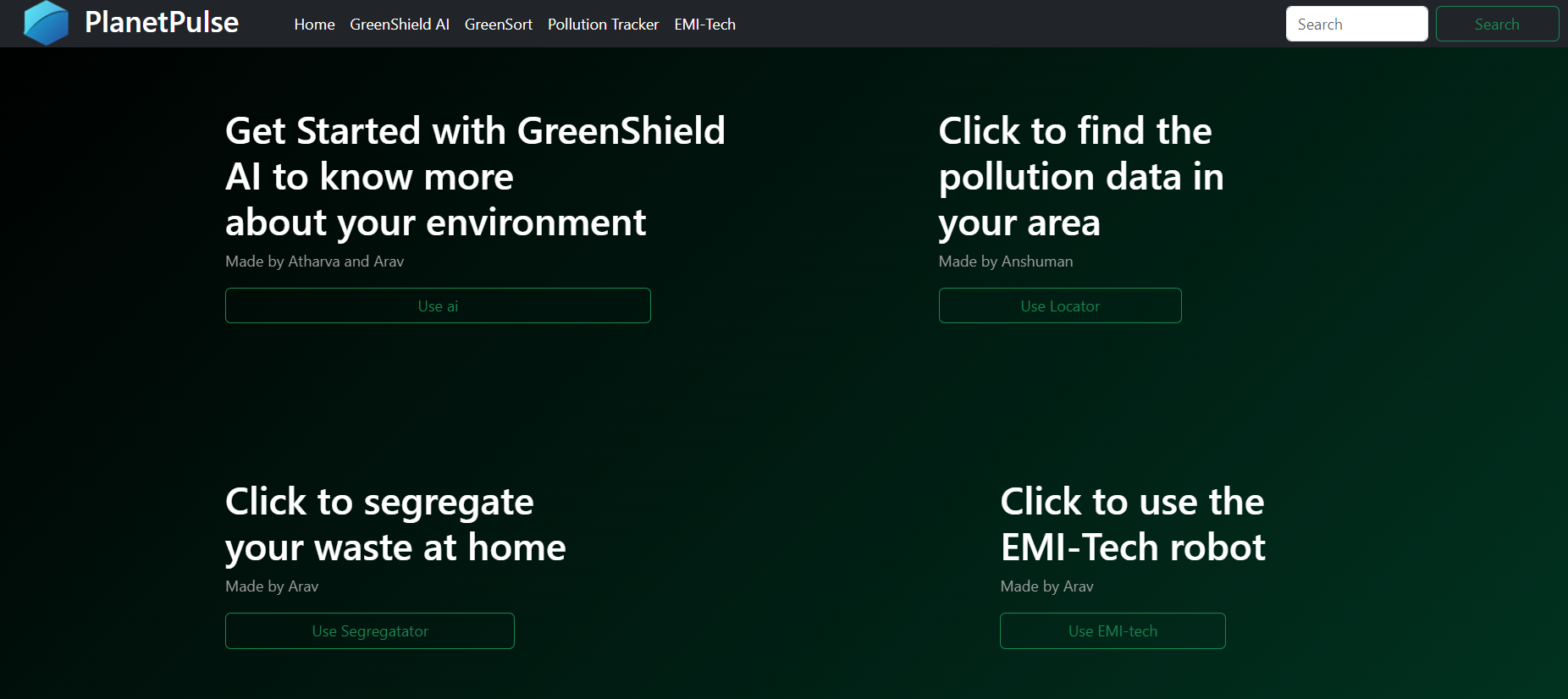
Home Page
-
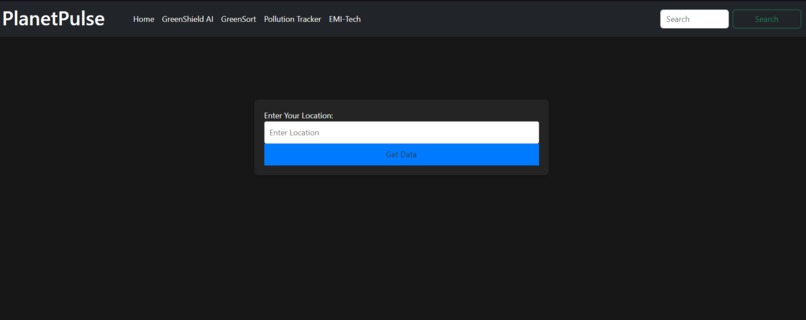
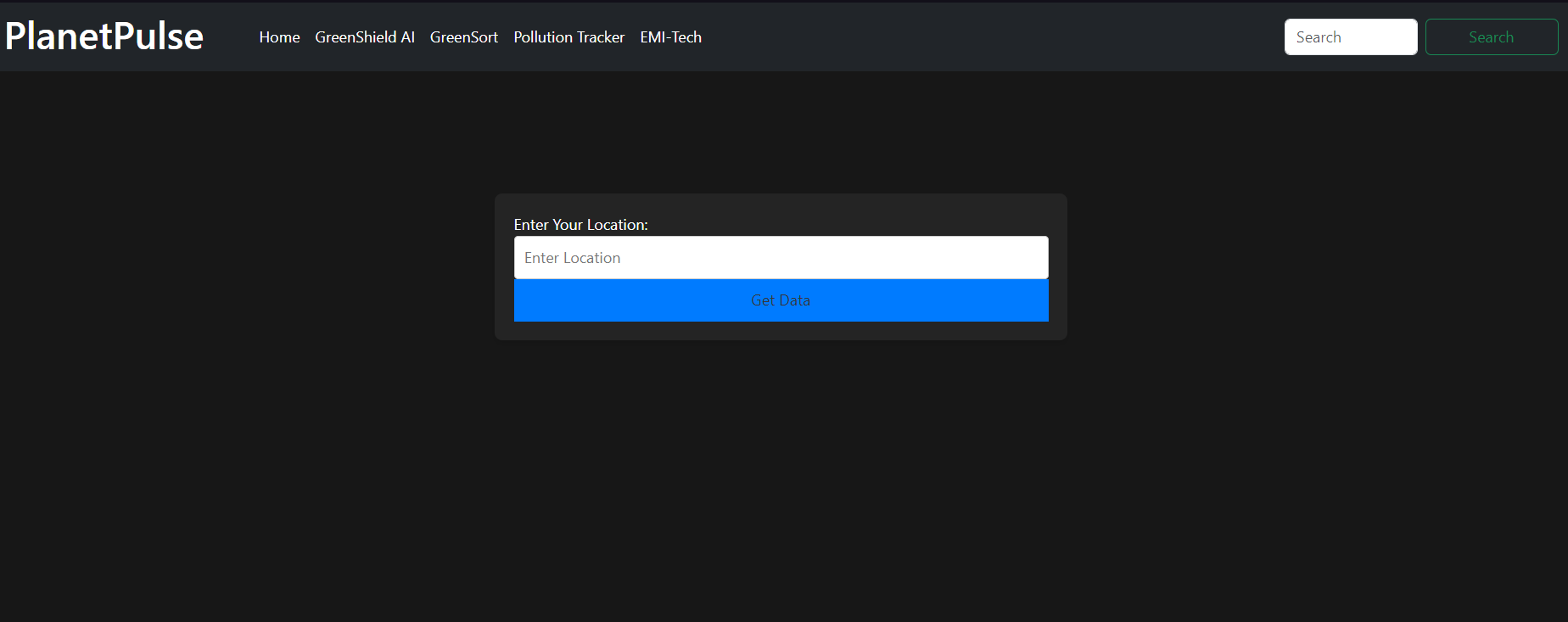
Pollution Locator
-
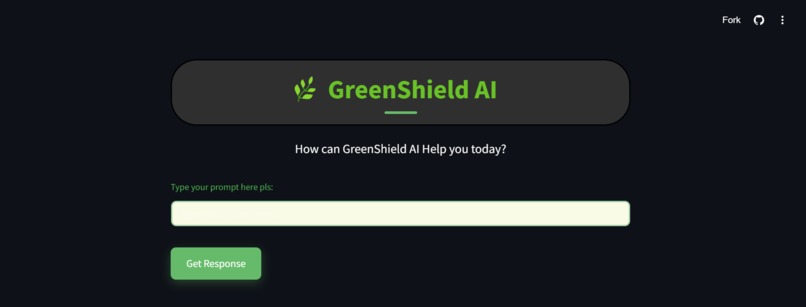
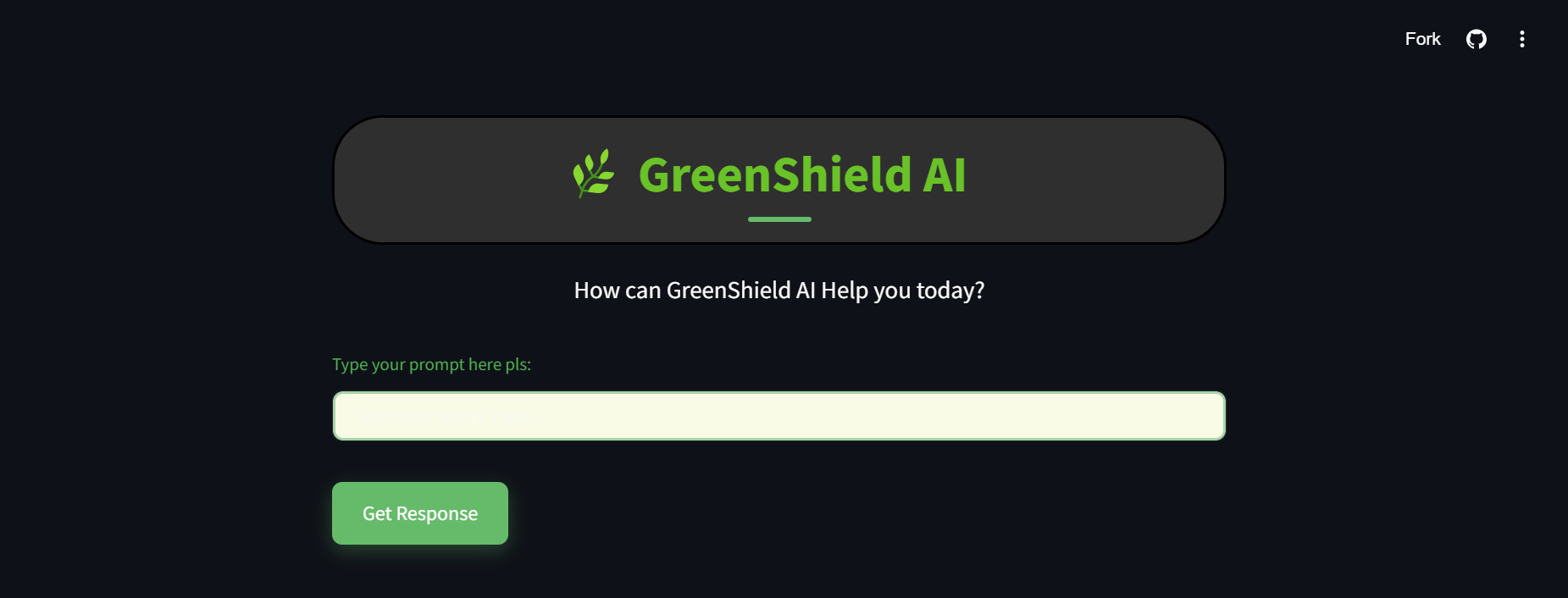
GreenShield: AI Assistant
-
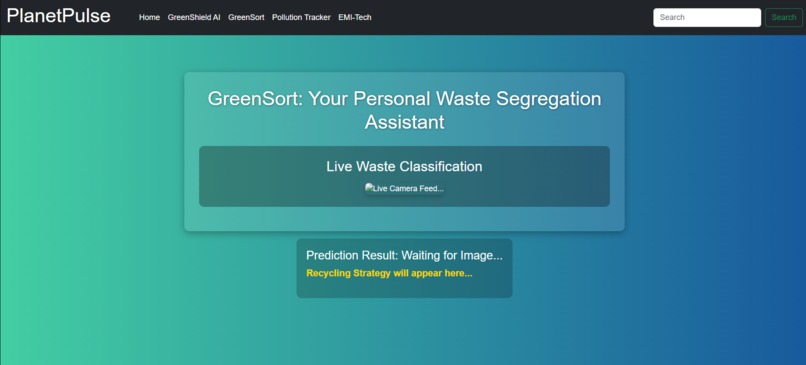
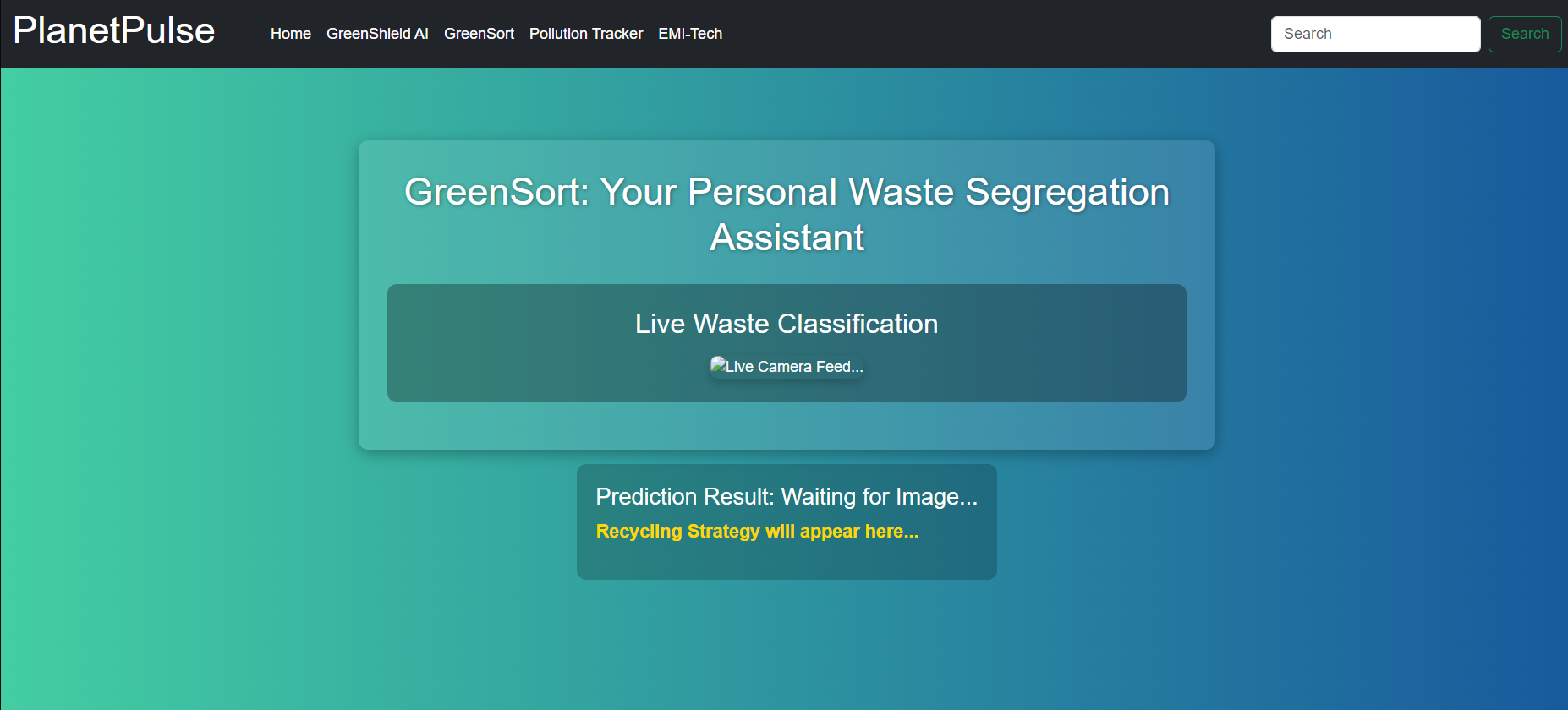
GreenSort: Waste Segregation
-
-
-
-
-
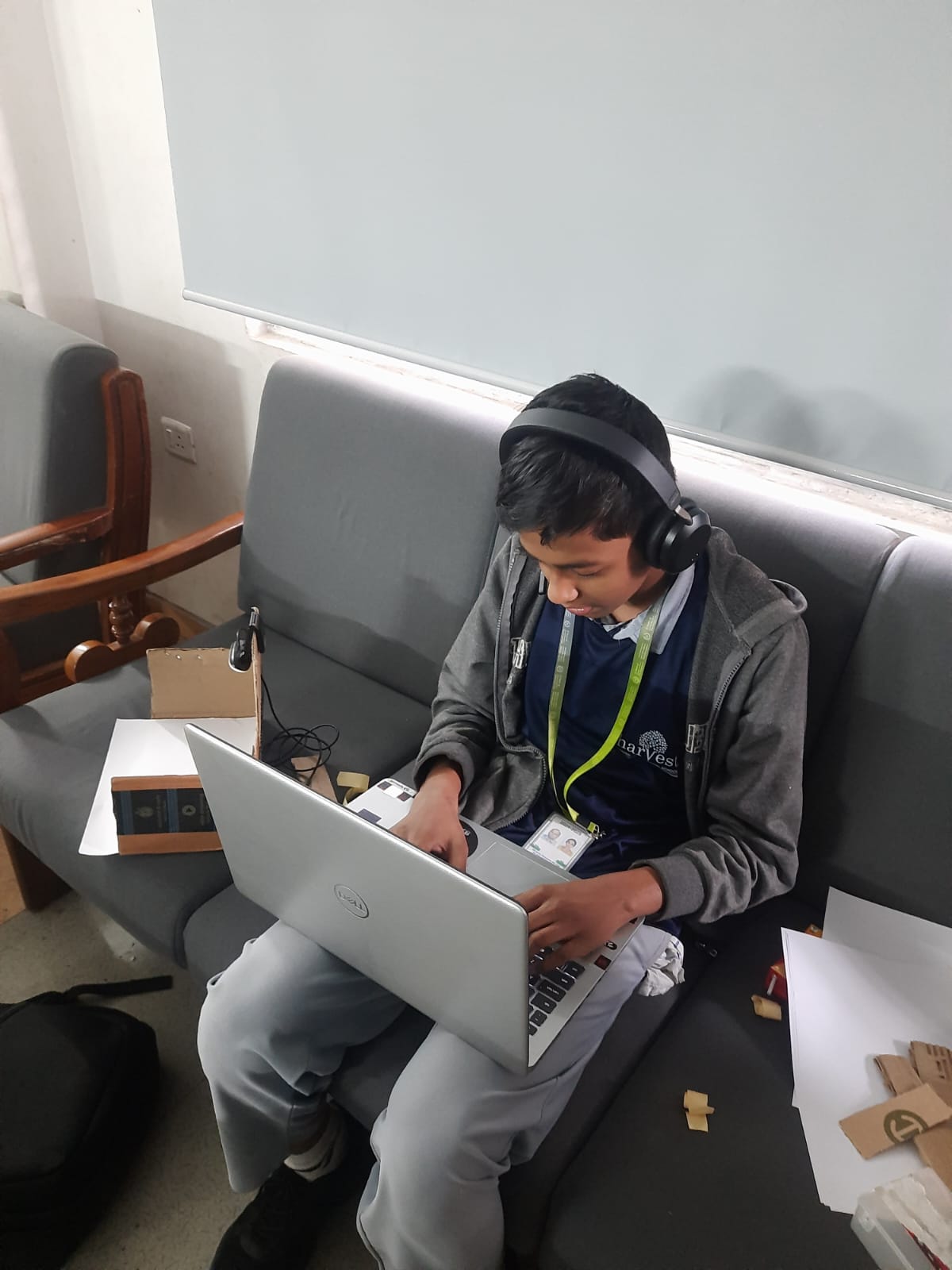
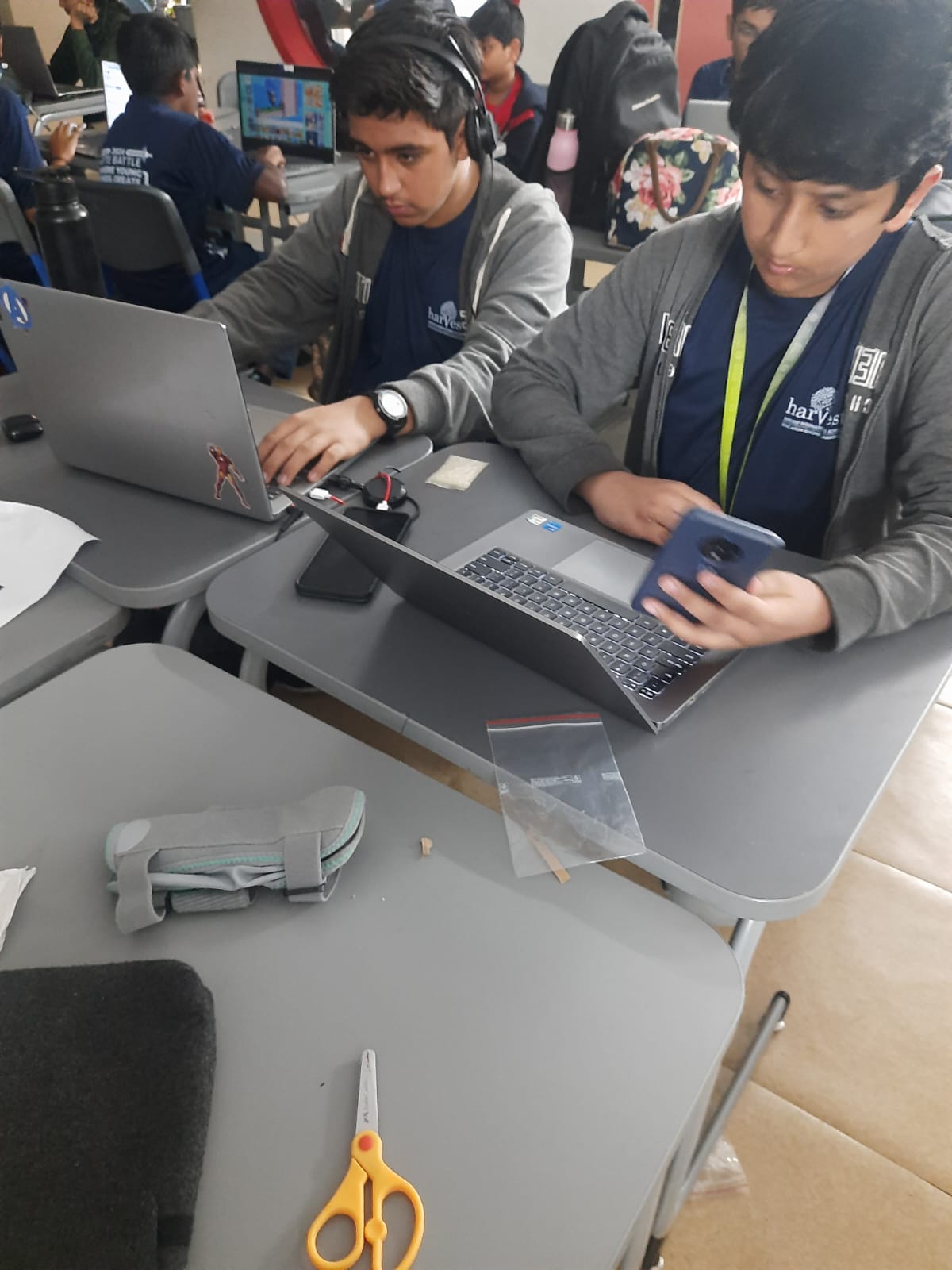
Inspiration:
PlanetPulse was inspired by the growing concern around environmental issues and the need for smarter, tech-driven solutions. As pollution levels continue to rise, it became clear that people needed more accessible, real-time information to make better decisions for the planet. We wanted to create something that not only raises awareness but also empowers individuals to take action—whether it's sorting waste more effectively or tracking pollution levels in their area.
What it does:
PlanetPulse is a platform that tackles the three major types of pollution: land, water, and air. It uses AI and computer vision to help users sort waste more effectively, informs them about the pollution levels in their area, and even tracks CO emissions from vehicles. The goal is to provide real-time, actionable data that individuals can use to reduce their environmental footprint and make smarter choices about how they interact with the world around them.
How we built it:
We built PlanetPulse by integrating various technologies such as machine learning, computer vision, and real-time pollution data. The waste segregation assistant was created using TensorFlow for AI image recognition, while the pollution tracker relies on live data from external APIs. EmiTech, our CO tracking and vehicle monitoring tool, uses machine learning for number plate recognition. The whole system is hosted on a user-friendly web interface built with Flask to make it easy for users to navigate through all the features.
Challenges we ran into:
One of the biggest challenges we faced was integrating the various components seamlessly. Getting real-time pollution data and ensuring it was accurate for all locations was tricky. Additionally, training the AI for waste segregation to recognize different materials was a complex task, especially when dealing with varying image quality from the webcam. Finally, creating a smooth user experience that doesn’t overwhelm the user with too much information was a balancing act.
Accomplishments that we're proud of:
We're especially proud of the AI waste segregation assistant, which can now accurately classify different types of waste through live video feeds. The Pollution Tracker has also been a huge success, giving users real-time insights into the pollution levels around them. Our EmiTech tool that tracks CO levels and vehicle number plates is another accomplishment that we believe can truly make a difference in tackling air pollution. It’s gratifying to see how all these technologies come together to provide practical, actionable solutions.
What we learned:
We learned a lot about the challenges of working with real-time data, especially when it comes to pollution tracking. It’s one thing to collect data, but making it accurate and easy to understand for the user is another challenge entirely. We also gained valuable experience in combining AI and computer vision with real-world applications—especially in building something that directly impacts people's daily lives. Plus, we learned the importance of simplicity in design to ensure the user interface is both functional and easy to use.
What's next for PlanetPulse:
The next steps for PlanetPulse include expanding the Pollution Tracker to cover more locations globally and enhancing the AI waste segregation assistant to recognize even more types of waste. We also plan to refine EmiTech to make it even more accurate in capturing vehicle emissions data. We're also exploring the possibility of integrating PlanetPulse with smart home systems and apps to further streamline how users can monitor and reduce their environmental impact. The future is bright for PlanetPulse, and we’re excited to continue improving and expanding its capabilities.


Log in or sign up for Devpost to join the conversation.