
Inspiration
In the vast expanse of space, astronauts face unique challenges to their health. While vital measurements like blood pressure and oxygen saturation are crucial, they do not provide a complete picture of an astronaut's well-being. Planetary Pitstop was conceived to address this gap, focusing on holistic health monitoring that includes nutrition and hydration. The absence of gravity in space makes water loss easier, and reliance on freeze-dried meals introduces nutritional concerns. Planetary Pitstop aims to empower astronauts to monitor their health effortlessly.
What it Does
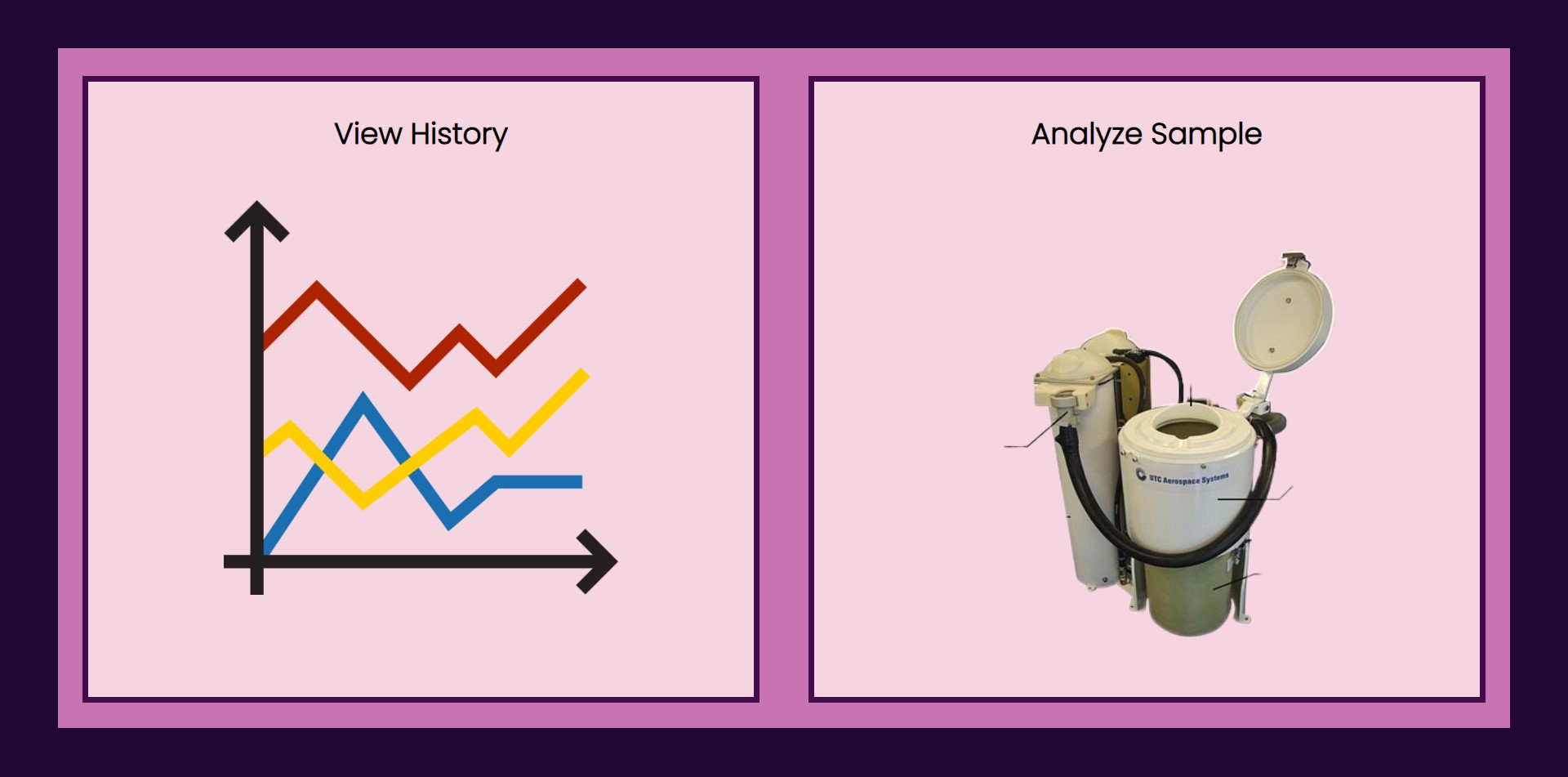
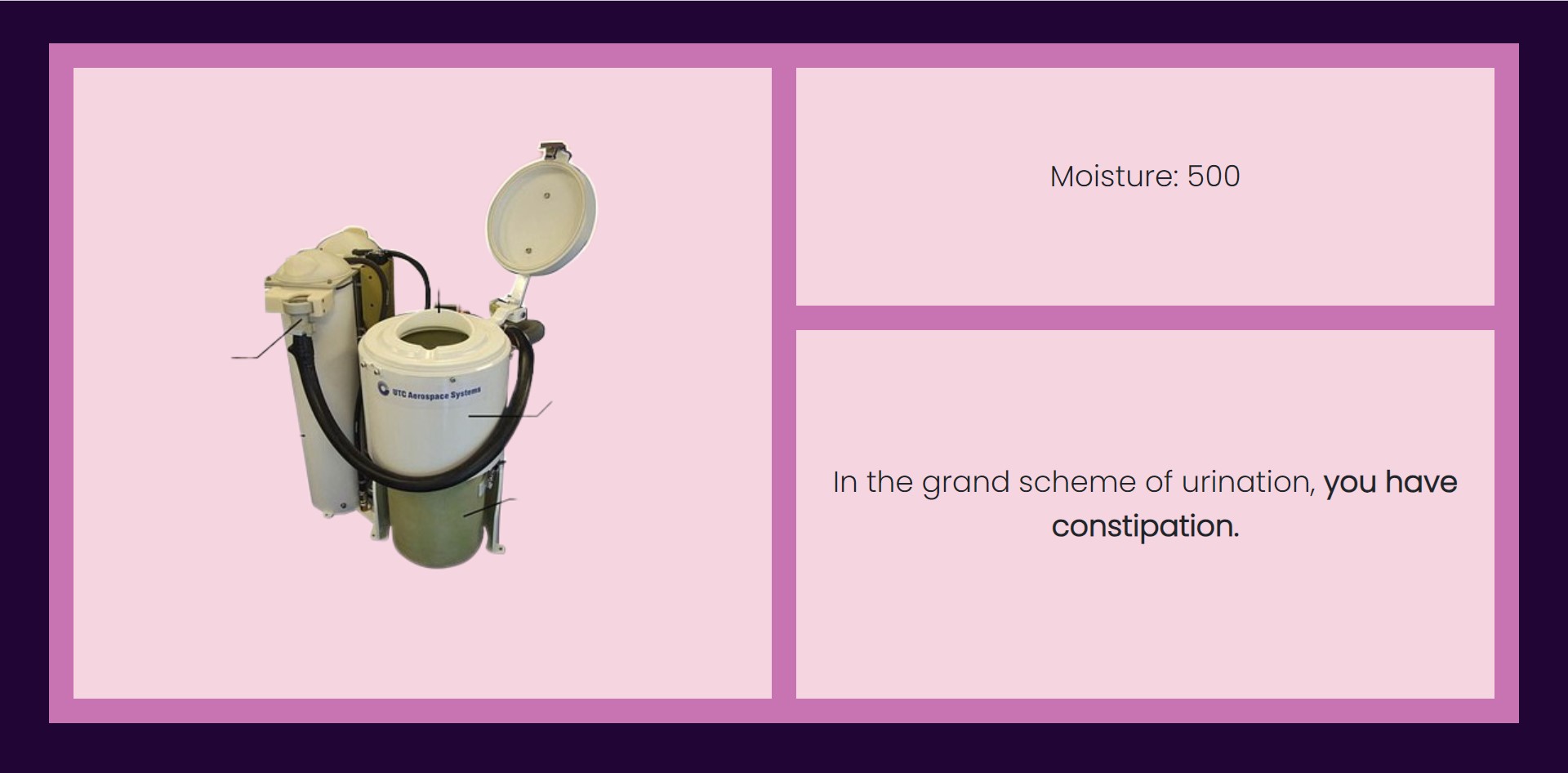
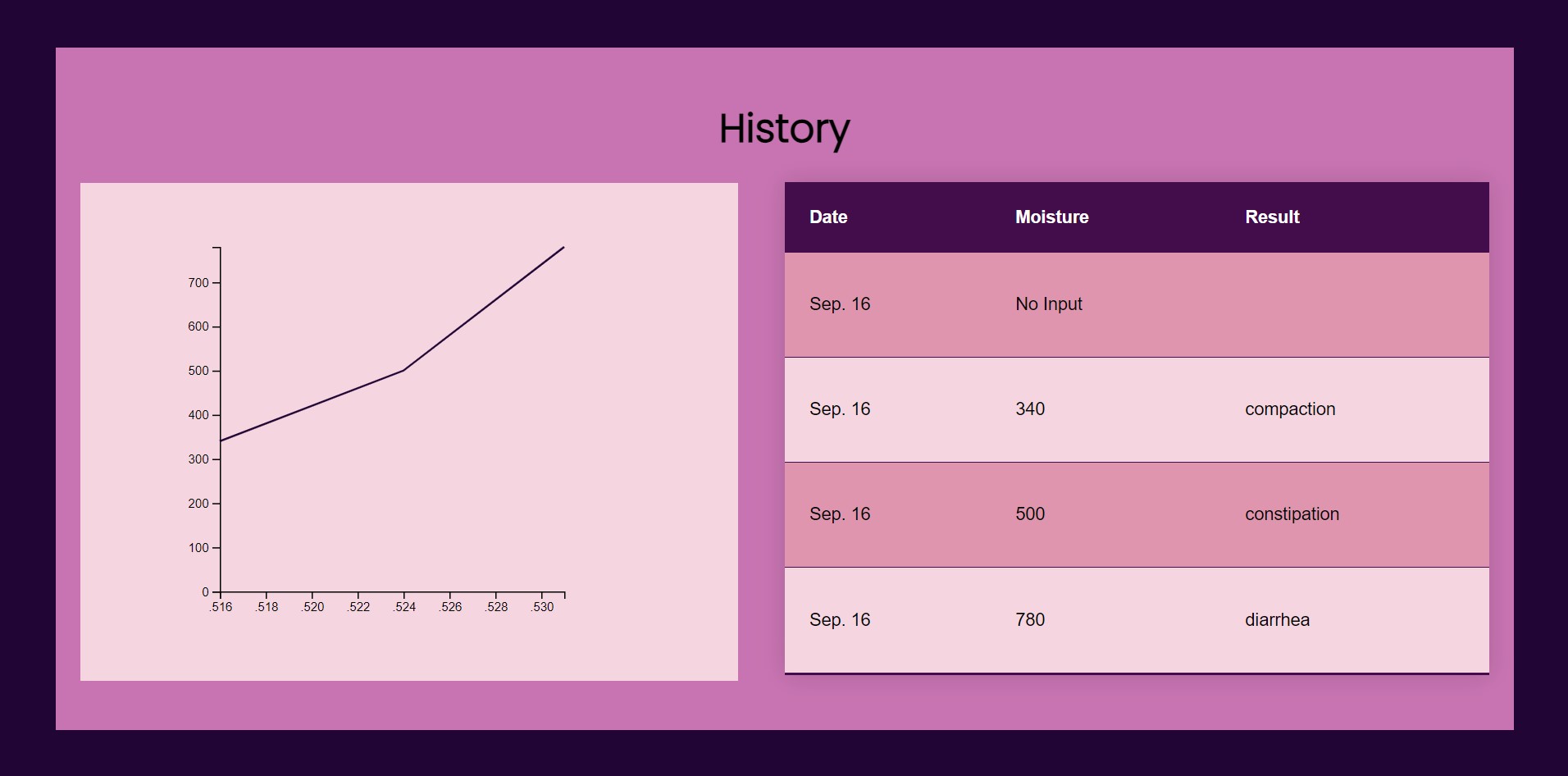
Planetary Pitstop is a groundbreaking space toilet equipped with sensors that collect moisture and color data from human waste. This data is then analyzed to assess astronauts' hydration levels and nutritional status. The toilet's tube, which typically directs waste to storage, houses color and moisture sensors. An Arduino processes the data, categorizing it into normal, dangerous, or concerning ranges. Astronauts can view the results and their medical history through a user-friendly interface.
How We Built It
To create a working prototype, we built a model space toilet using waste cardboard and aluminum trays, demonstrating where sensors would be placed and how they would function. We prioritized simplicity and minimal equipment, acknowledging the constraints of space and weight management. The prototype employs color and soil moisture sensors repurposed to detect urine color and feces moisture. An Arduino processes the data and categorizes it. For the web interface, we used HTML/CSS, Handlebars, JavaScript, and SQL for user login data and results storage. Encrypted cookies track user profiles in the browser. We also employed D3.js to visualize an astronaut's feces moisture changes over time.
Challenges We Faced
One challenge we encountered was limited equipment availability, which restricted the scope of our project. We attempted to connect Arduino to a website but lacked an Ethernet-based Arduino. another challenge we faced was ensuring the privacy and security of astronauts' medical health data. Implementing robust encryption and data protection measures within the limited resources available was a challenge.
Accomplishments We're Proud Of
We take pride in simplifying complex health monitoring processes for astronauts, offering them a tool to track their well-being with minimal effort. Our prototype demonstrates the feasibility of our concept.
What We Learned
Through this project, we learned about the importance of resourcefulness and adaptation when working within constraints. We also gained insights into the potential applications of our technology beyond space missions.
What's Next for Planetary Pitstop
The future holds exciting possibilities for Planetary Pitstop. Additional sensors could extend its capabilities to monitor gastrointestinal diseases and predict kidney stones. Furthermore, its applications are not limited to astronauts; it can serve remote healthcare, disaster relief efforts, and improve sanitation in underserved areas. Planetary Pitstop is a step toward revolutionizing healthcare monitoring in space and beyond.


Log in or sign up for Devpost to join the conversation.